We provide the best Quality of products to you.We are always here to help our lovely customers.
©2026 Ashth. All Rights Reserved | Managed & Developed by Weingenious Technocrats.

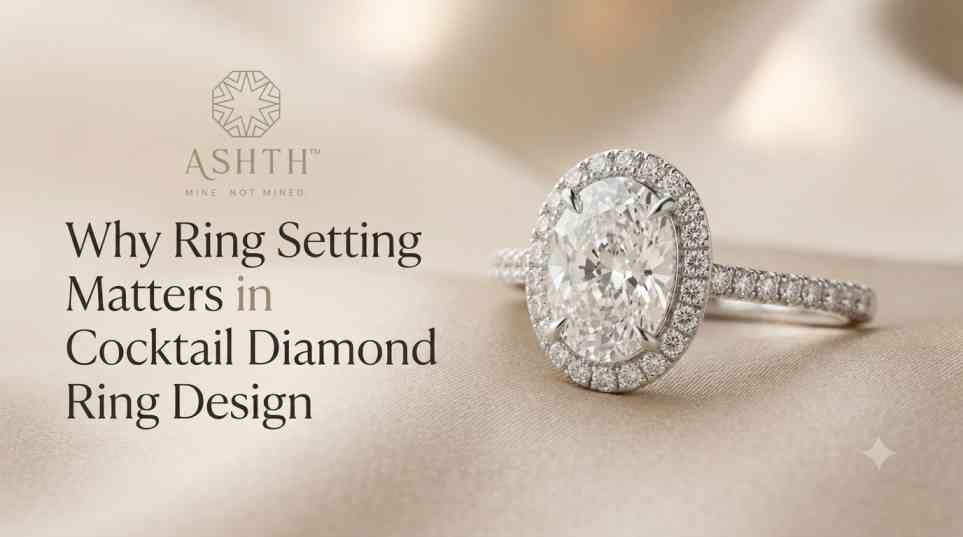
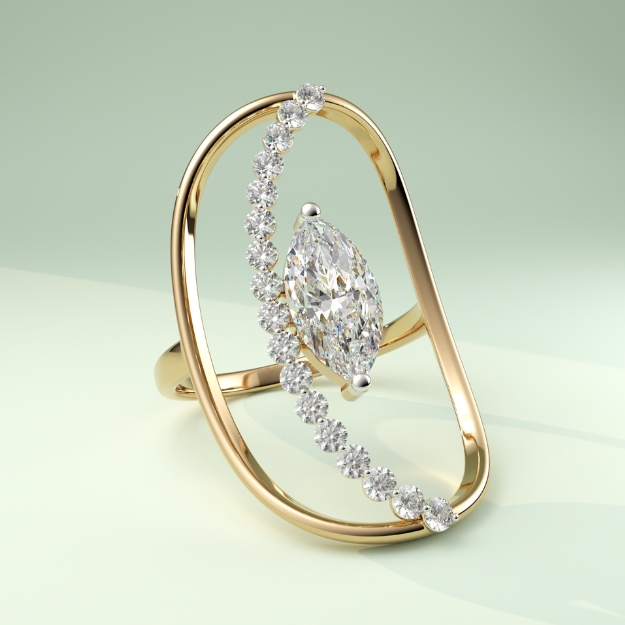
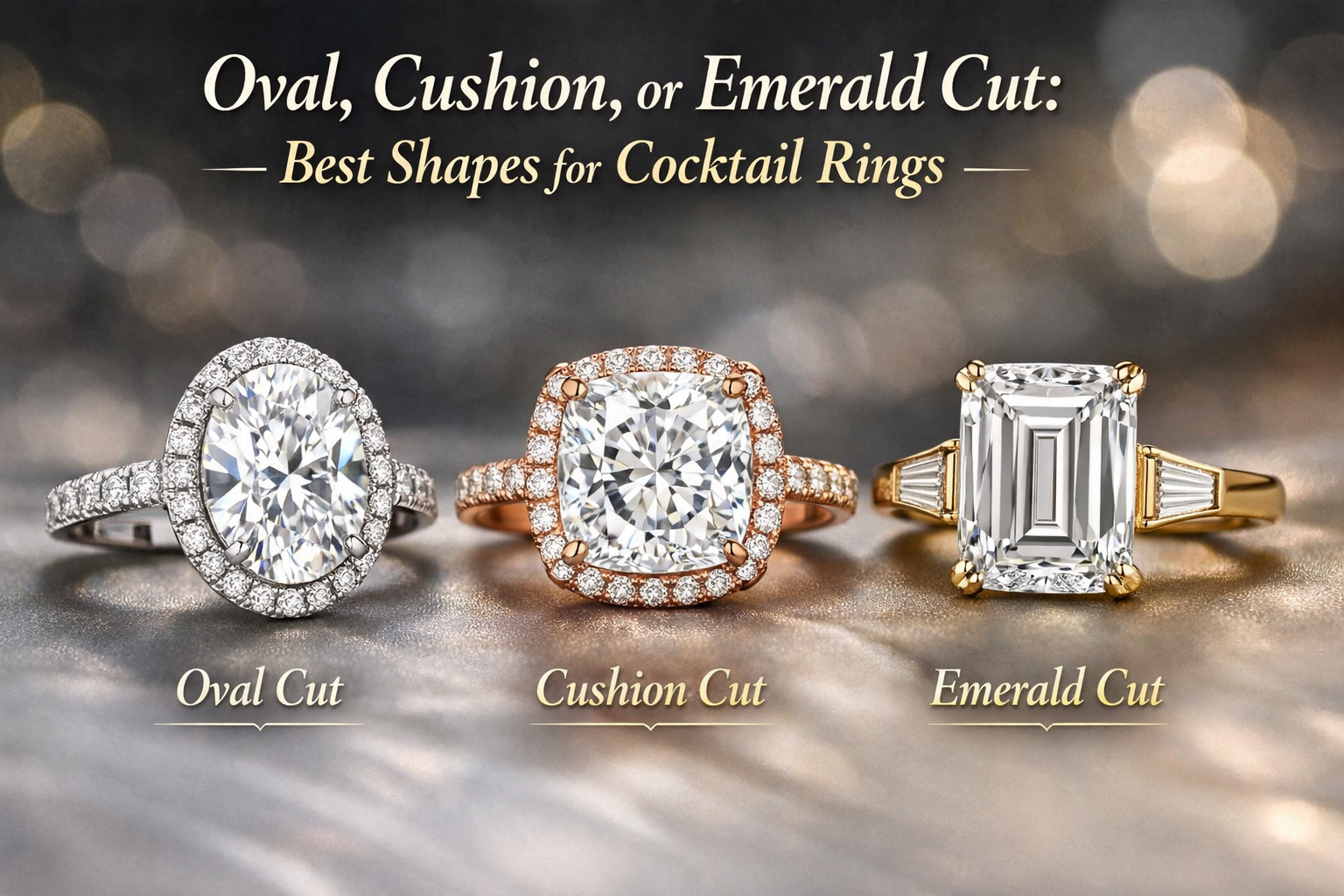
A Cocktail Diamond Ring is designed to make a statement. Its bold centre stone, striking silhouette, and eye-catching brilliance can instantly elevate an outfit. However, the beauty of a diamond ring is not determined by the stone alone. The setting plays an equally important role in how the ring looks, feels, and performs when worn. Even a beautifully cut diamond can lose its appeal if the setting feels bulky, catches on clothing, or fails to protect the stone properly.
Choosing the right setting is about finding a balance between visual impact, comfort, and durability. A well-designed setting enhances the diamond's brilliance while keeping it secure and making the ring practical for the wearer's lifestyle. From classic prong designs to modern bezel settings and glamorous halos, every setting creates a different personality.
Understanding these design differences can help you choose a cocktail ring that looks exceptional without compromising on comfort or security.
The setting determines how much of the diamond is visible, how light reaches it, and how prominent it appears on the finger. Different settings can transform the same diamond into two completely different jewellery designs.
Some popular setting styles offer distinctive advantages depending on the look you want.
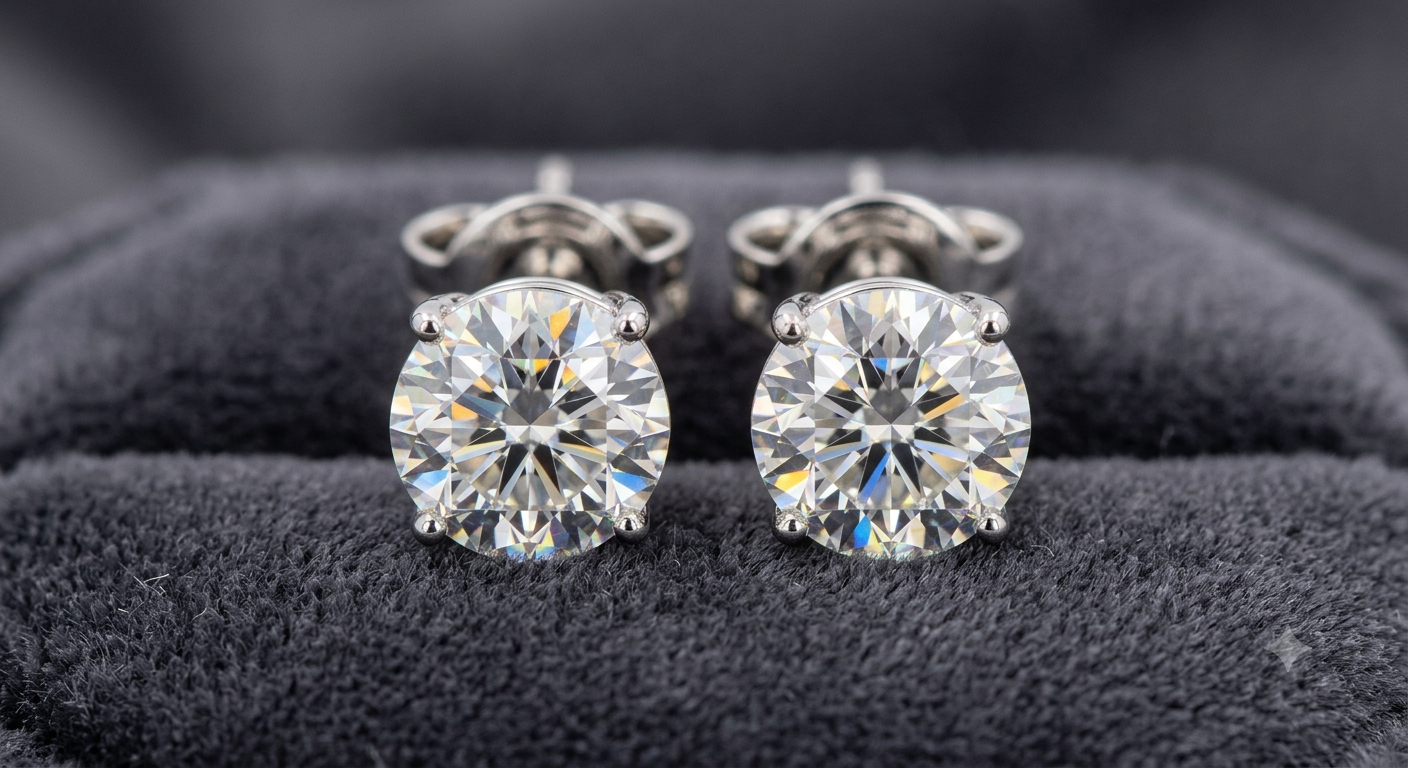
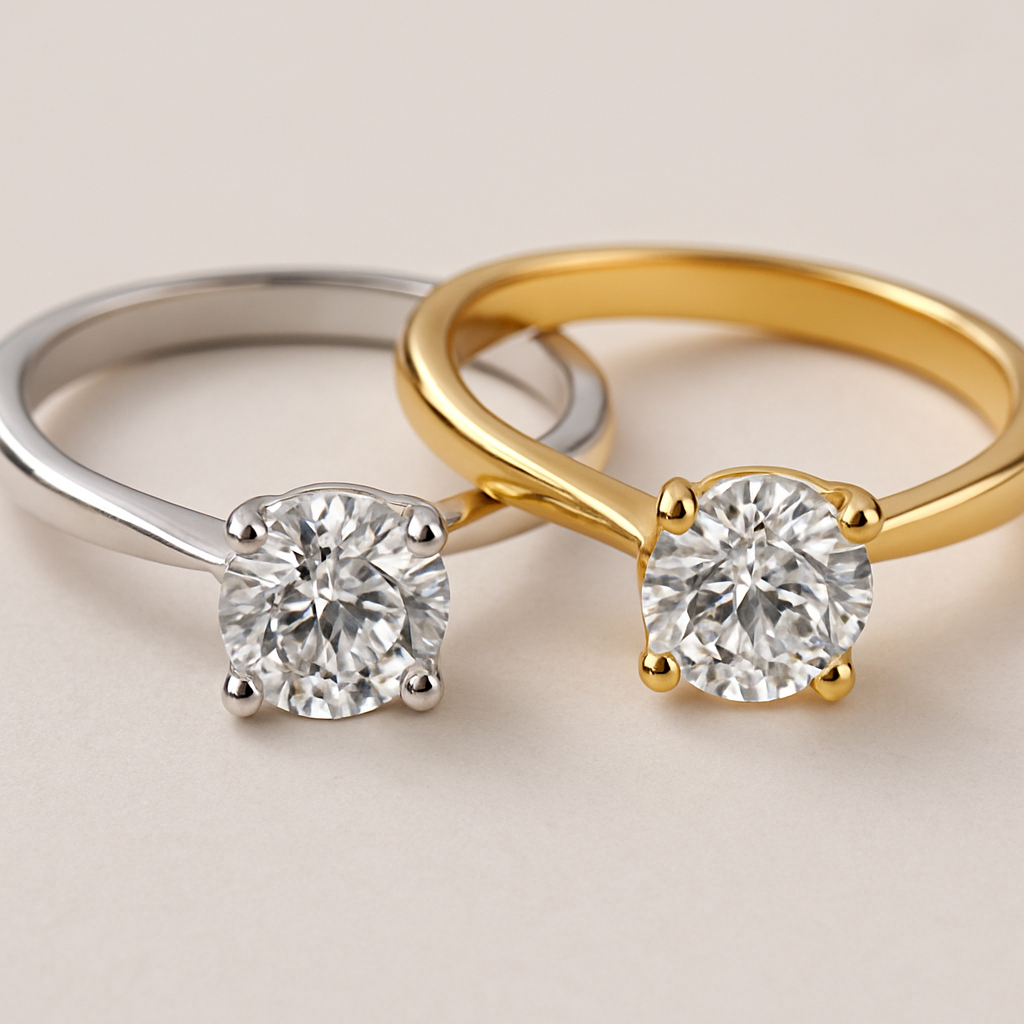
Prong setting: Small metal claws hold the diamond in place, allowing maximum light exposure and showcasing more of the stone. This creates an airy, elegant look, although more of the diamond's edges remain exposed.
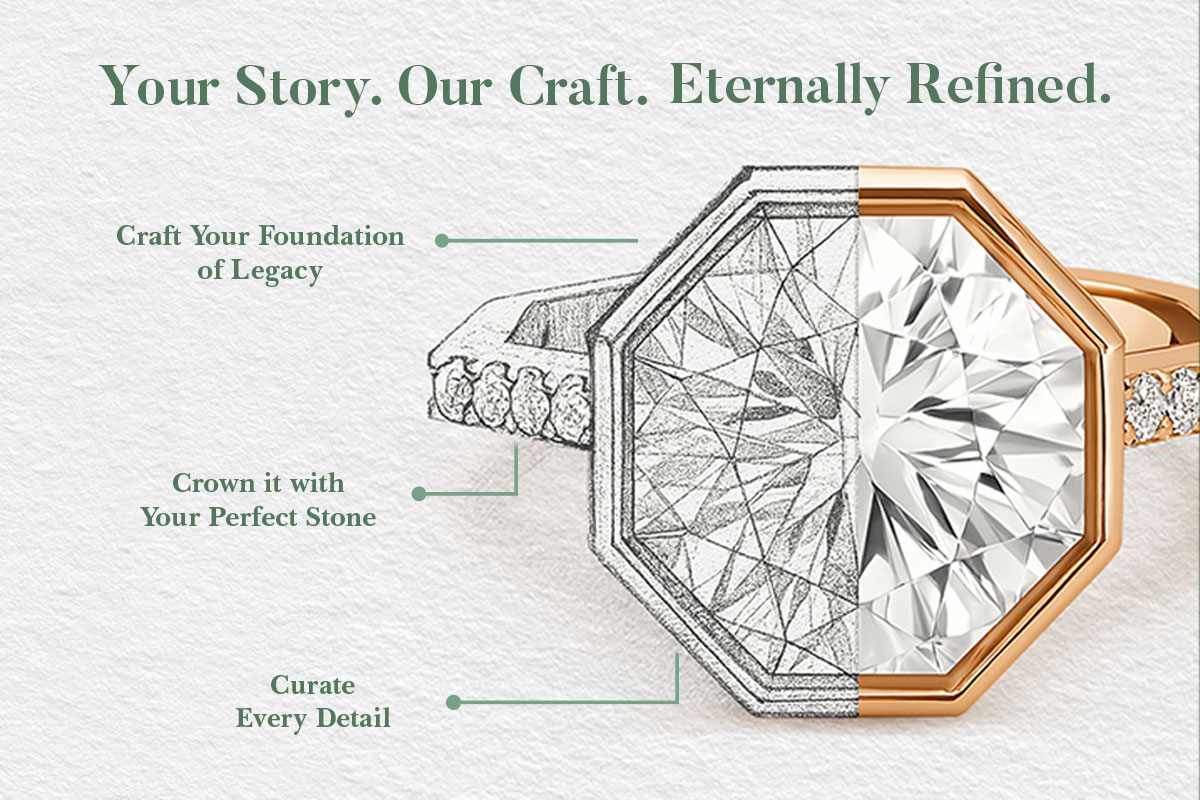
Bezel setting: A metal rim surrounds the diamond's edge, creating a smooth, contemporary appearance. It offers added protection and works particularly well for people who prefer a cleaner silhouette.
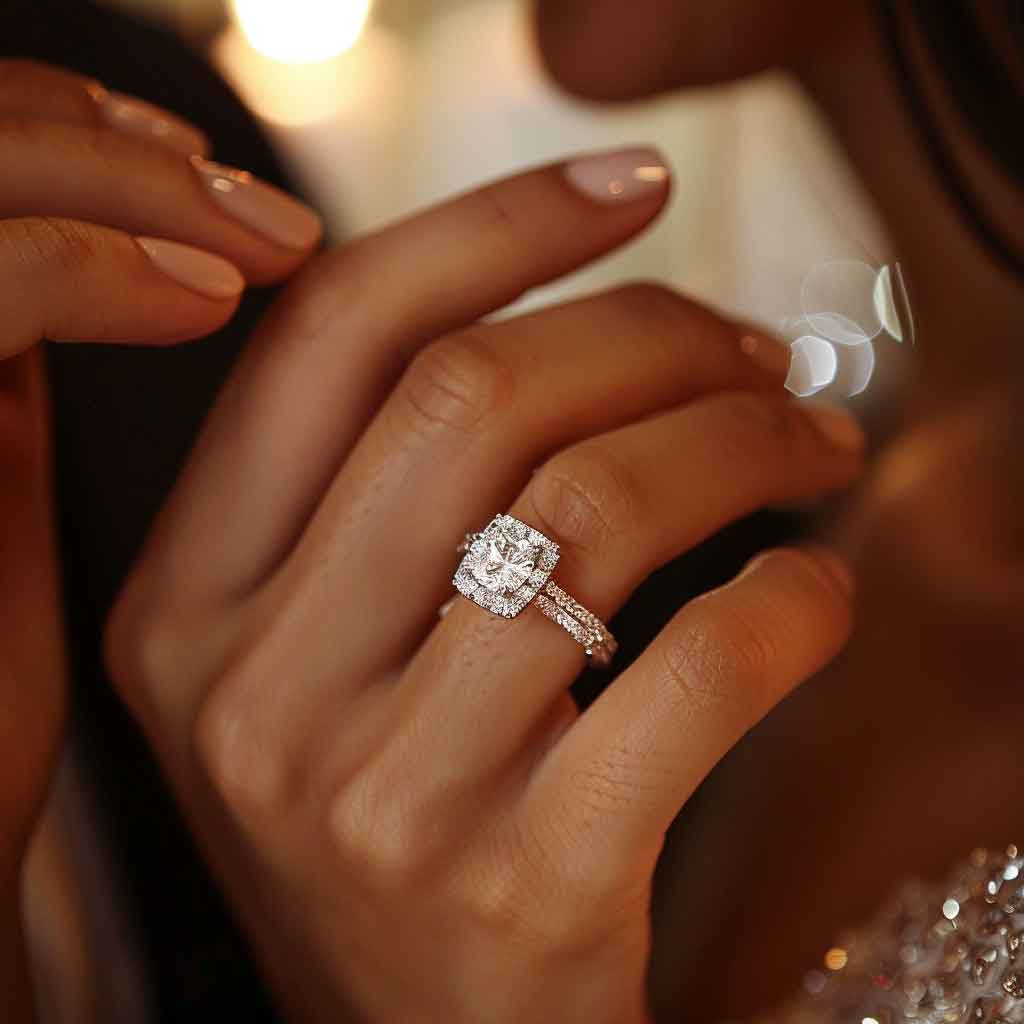
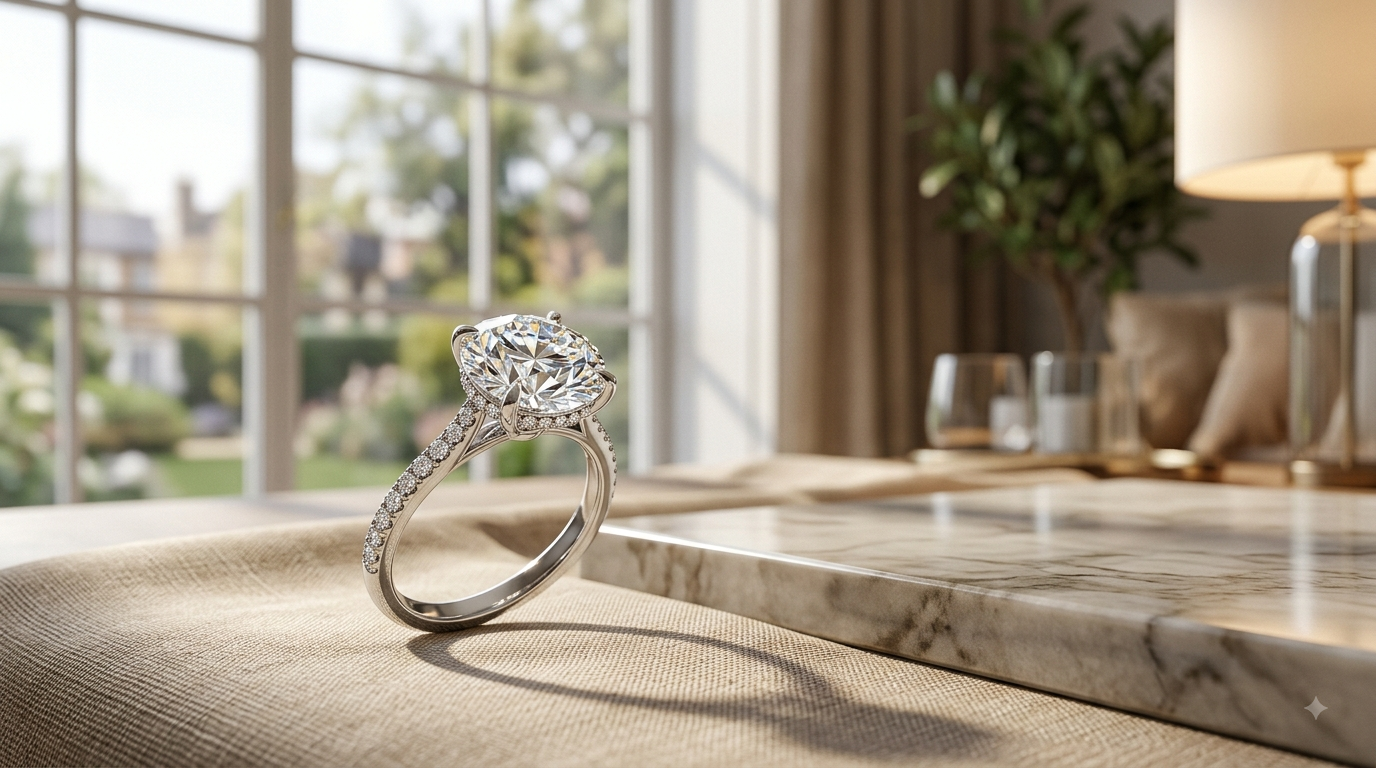
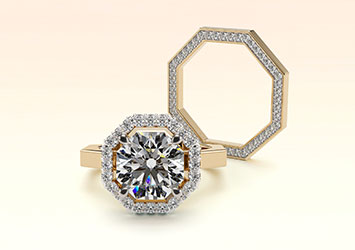
Halo or cluster setting: Smaller diamonds surround the centre stone or form decorative groupings. This creates extra sparkle, adds visual dimension, and can make the centre diamond appear larger.
Each setting influences the ring's overall proportions. A prong setting may look delicate despite a large diamond, while a bezel can make the same stone appear bolder and more defined. Halo designs are ideal for those who want a dramatic, luxurious look with additional brilliance.
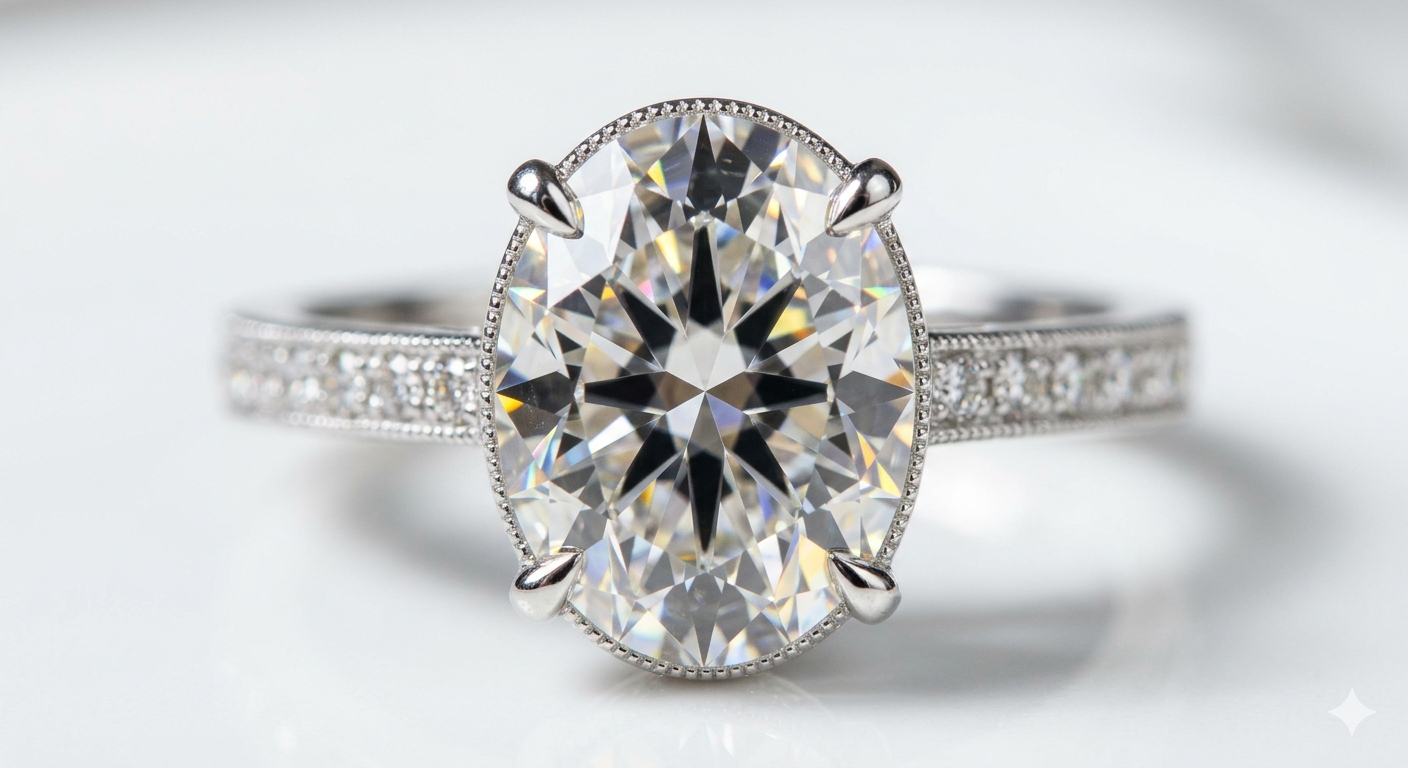
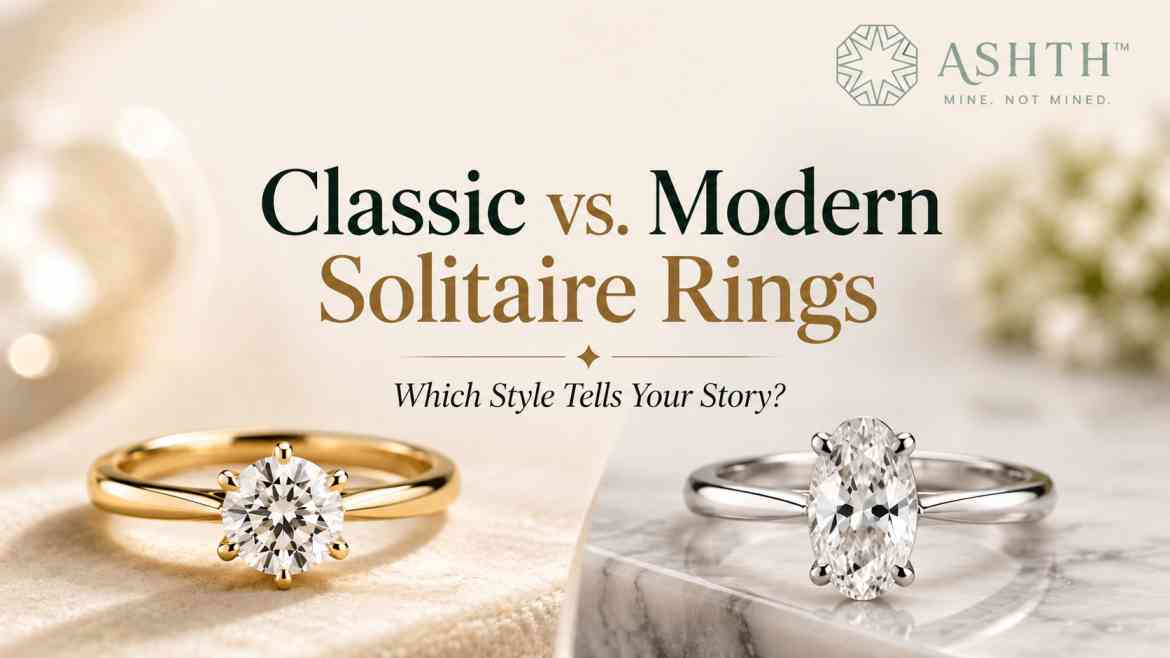
Imagine the same oval diamond mounted in a four-prong setting and then in a bezel setting. In the prong design, the diamond appears open and prominent, with its outline clearly visible and light reaching the stone from different directions. The ring feels lighter, elegant, and traditional.
In the bezel design, the metal border follows the oval shape, creating a stronger outline and a more sculptural appearance. The ring may feel visually substantial, even though the centre diamond remains the same size.
A bench jeweller would typically evaluate how the setting affects the stone's proportions, visibility, and overall balance rather than considering the diamond in isolation. The setting should complement the diamond, not overpower it.
A setting should work with the natural shape of the diamond. The right combination makes the stone look balanced, highlights its defining features, and helps create a cohesive ring design.
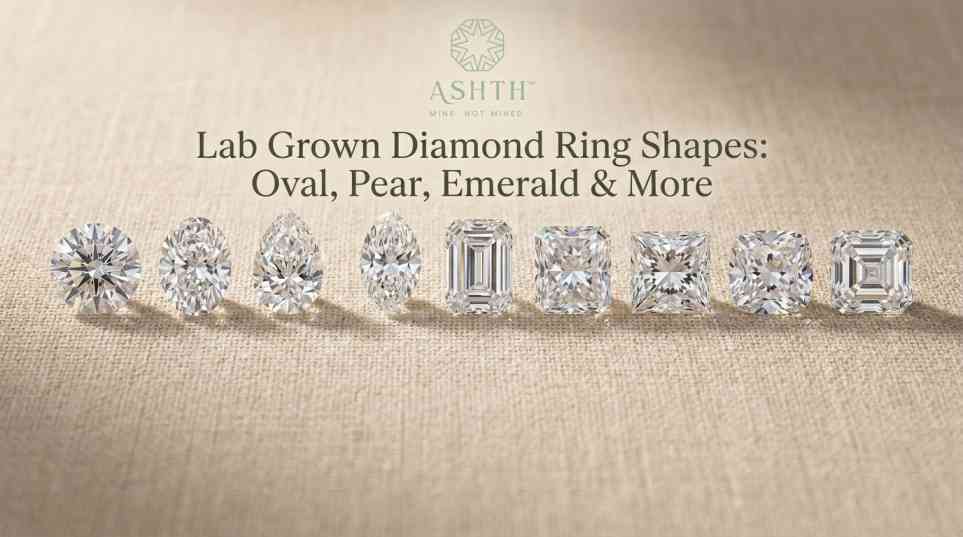
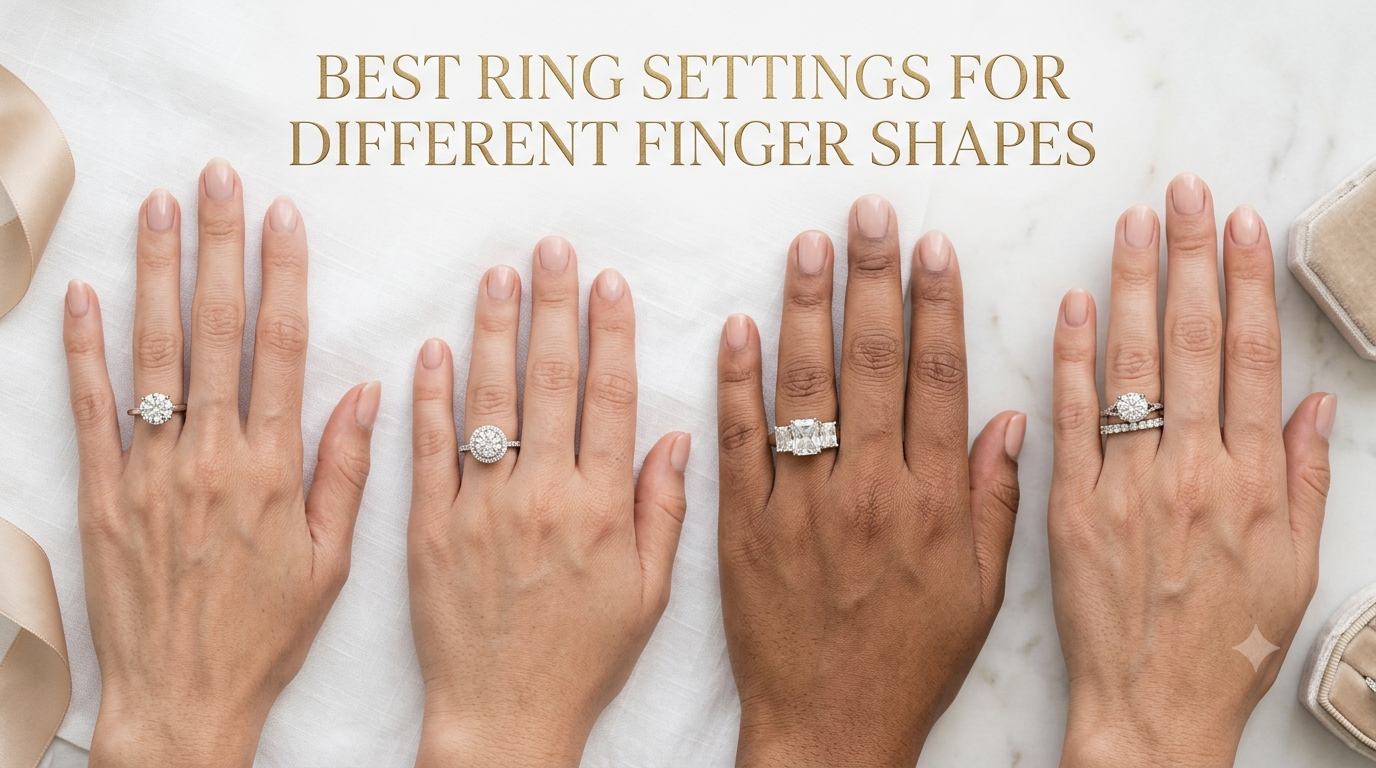
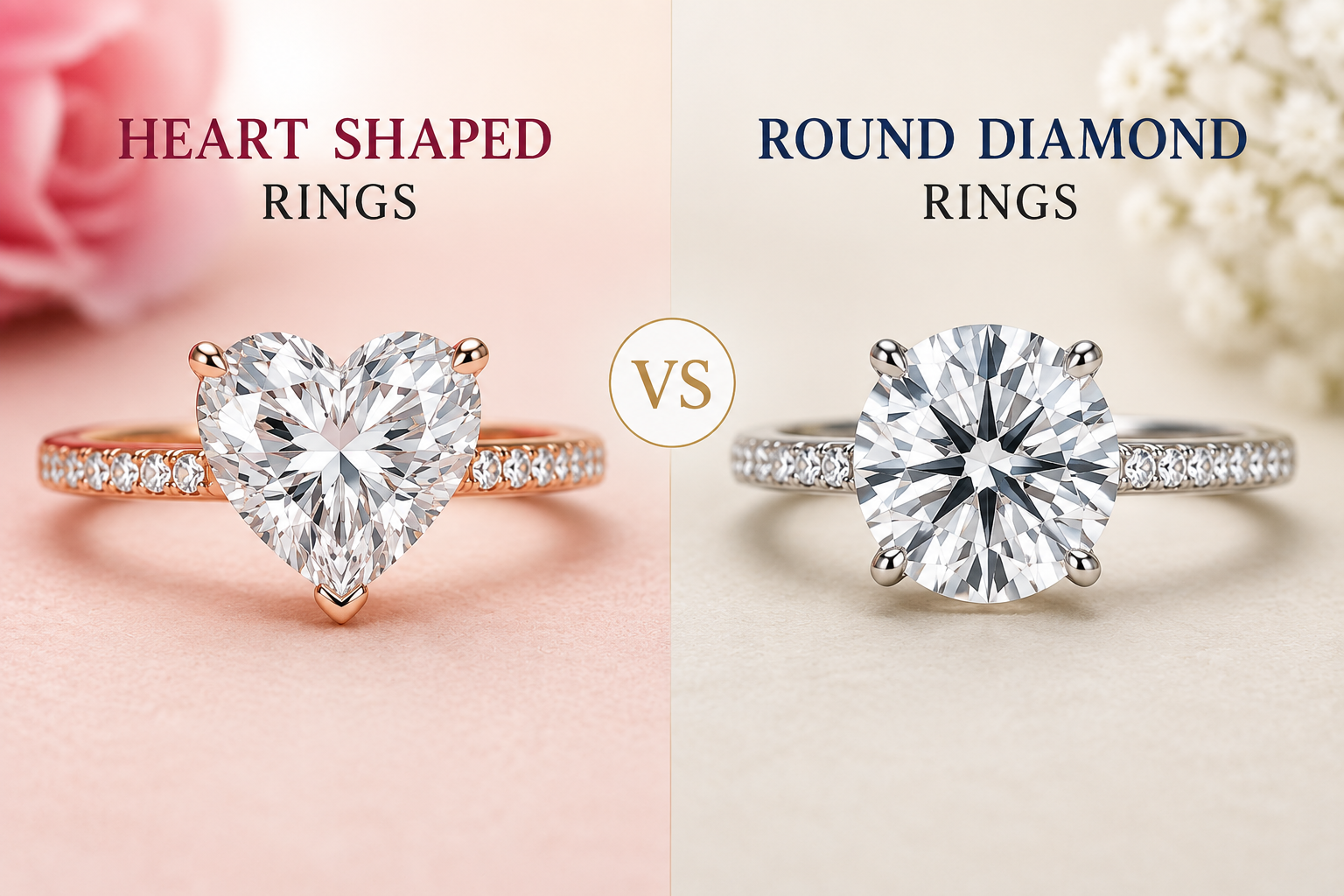
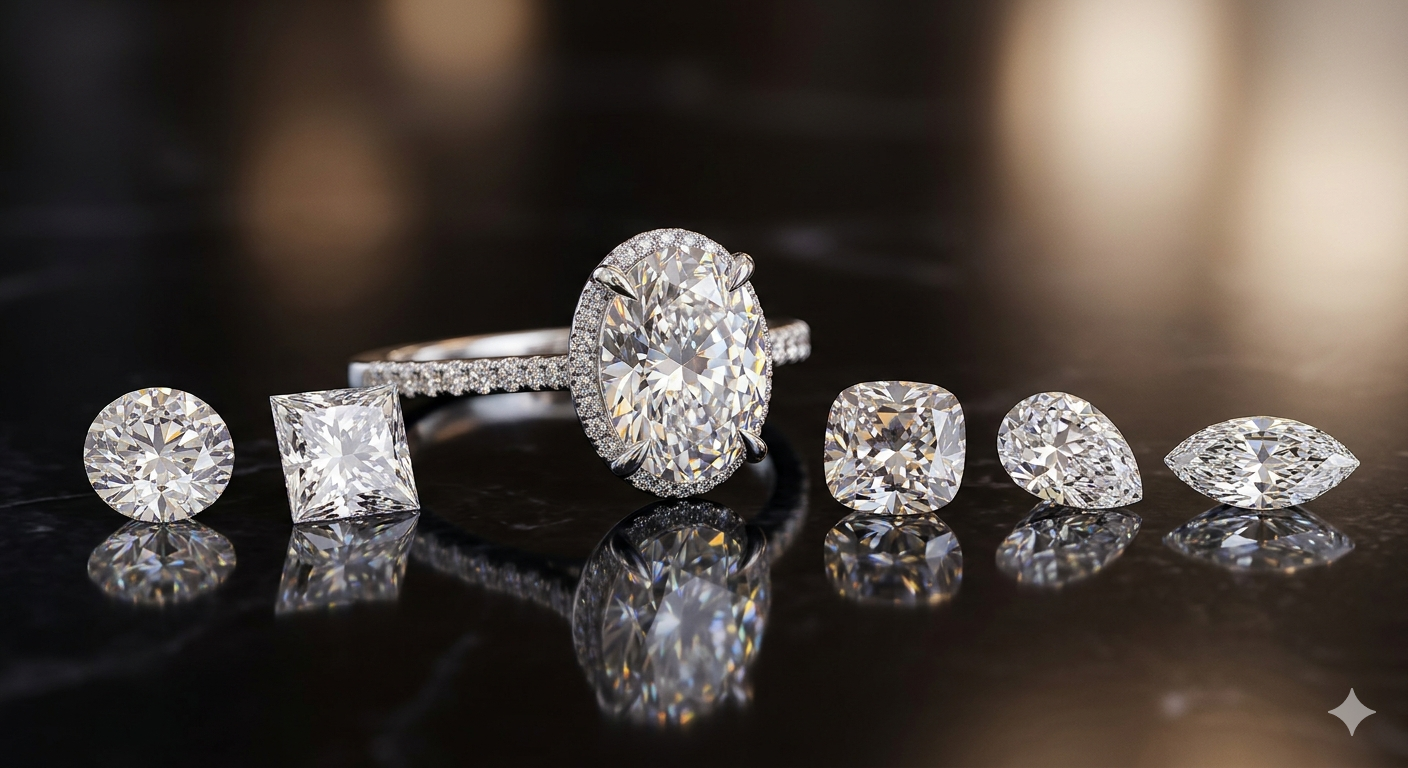
Round diamonds often look beautiful in traditional prong settings because the claws highlight their symmetrical shape. Oval diamonds can also benefit from prongs that keep the outline open and emphasise their elongated appearance. A bezel can follow these shapes closely, creating a refined and modern finish.
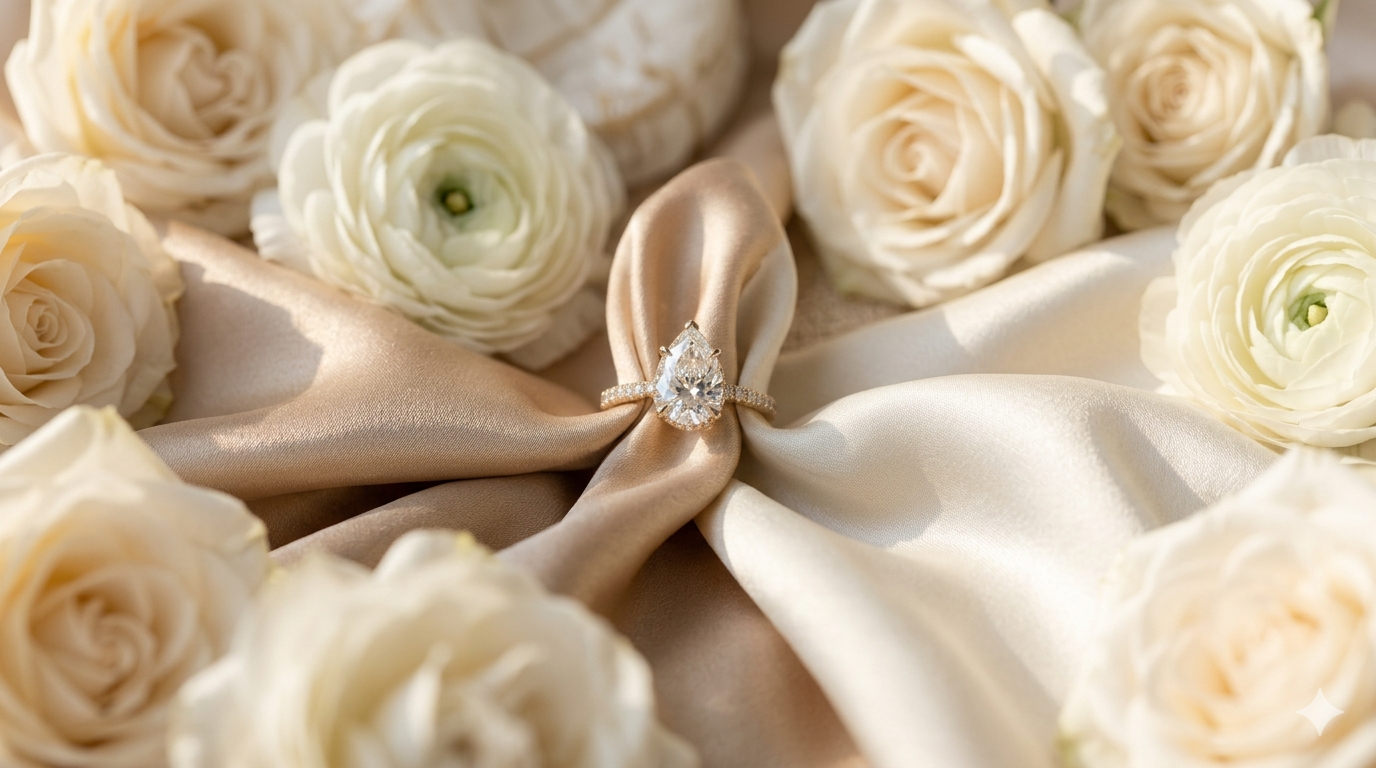
For pointed diamond shapes, such as pear and marquise cuts, extra attention to protection is important. Their pointed tips may be more vulnerable to damage if struck, so protective prongs or thoughtfully designed end guards can help reduce exposure.
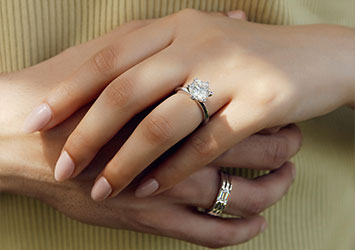
If you are drawn to the elegant proportions of an oval diamond ring, consider how the setting affects the stone's length, width, and presence on your finger. A slim band may emphasise the oval shape, while a wider band can create a more substantial statement.
A halo or raised mount can make a centre diamond look more prominent. Surrounding stones reflect additional light, while elevated settings can make the centre stone stand out above the band. However, a larger-looking ring is not automatically a more secure ring.
The setting must provide appropriate support beneath the stone, maintain its stability, and protect vulnerable areas. A well-designed cocktail ring should feel visually balanced rather than top-heavy.
Diamond ranks 10 on the Mohs scale of mineral hardness, making it the hardest natural mineral. However, hardness measures resistance to scratching, not resistance to breaking or chipping.
Diamonds can still chip if struck at vulnerable angles, particularly around certain edges or pointed areas. This is why the right setting matters even when the centre stone is a diamond. Protection, construction, and careful wear habits all contribute to keeping the ring in good condition.
A cocktail ring should attract attention, but its design should also protect the diamond from everyday knocks. The setting determines how exposed the stone is and how well it stays in place during regular wear.
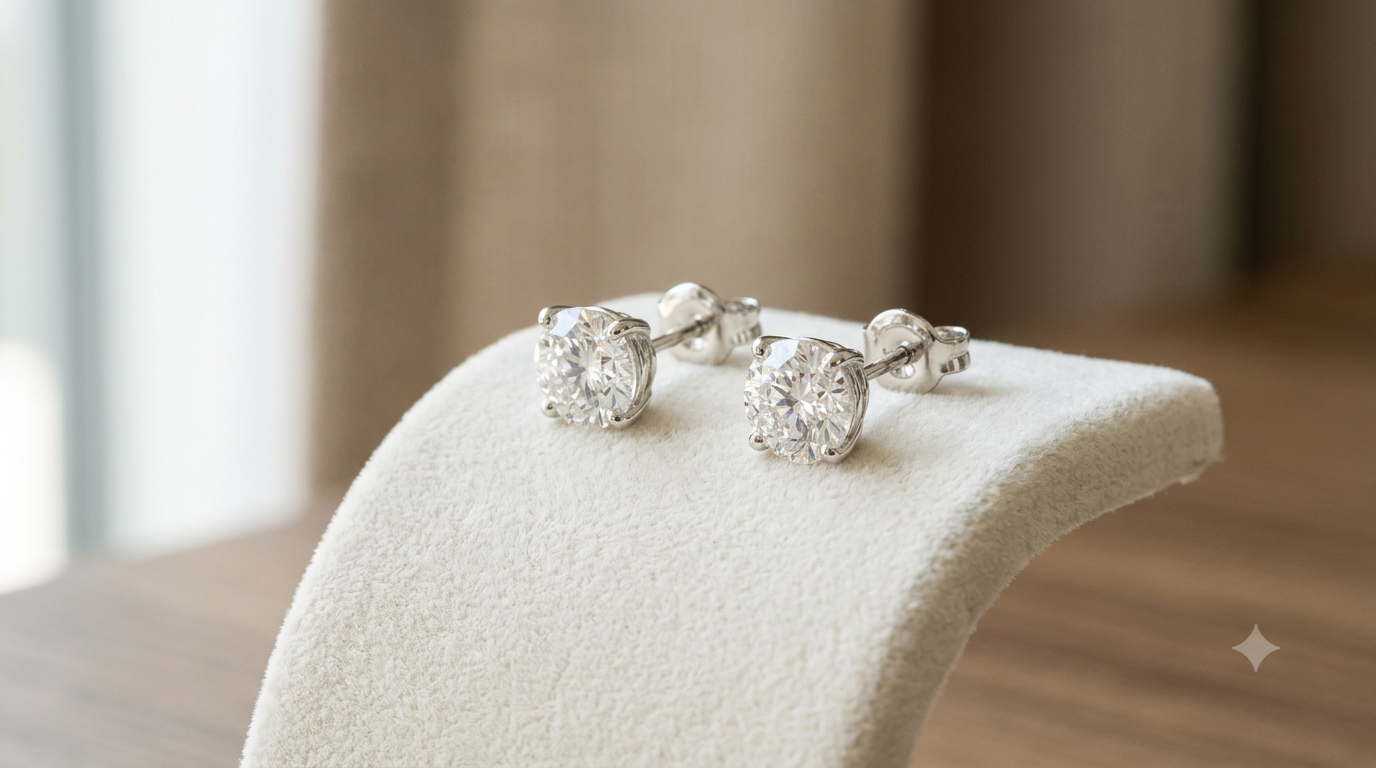
Prong settings hold a diamond at several points, allowing the stone to remain visible while maintaining a delicate appearance. However, prongs can loosen with repeated wear, making routine jewellery inspections important.
Bezel settings provide a metal border around the stone, offering added protection to its edges. Low-profile mounts keep the diamond closer to the finger, which may reduce the risk of catching or knocking it against objects. These designs can be practical for wearers who prefer jewellery that feels less elevated.
Neither setting is completely damage-proof. The quality of craftsmanship, the diamond's shape, and how the ring is worn all influence its long-term security.
A tall setting can create a dramatic appearance, allowing the diamond to stand out from the band. However, elevated stones may catch on sweaters, scarves, handbags, or other fabrics. They may also be less comfortable for people who frequently use their hands.
A lower setting can be a practical alternative for regular wear. It sits closer to the finger, often feels more stable, and can be easier to manage during everyday activities.
Before choosing a design, consider when you plan to wear the ring. If it is reserved for dinners, celebrations, and special occasions, a dramatic raised setting may suit you perfectly. If you want to wear it more frequently, a lower, protective design may offer greater convenience.
To maintain your cocktail ring's appearance and stone security:
Check the prongs and look for any visible movement in the diamond.
Remove the ring before heavy work, exercising, or activities that could cause impact.
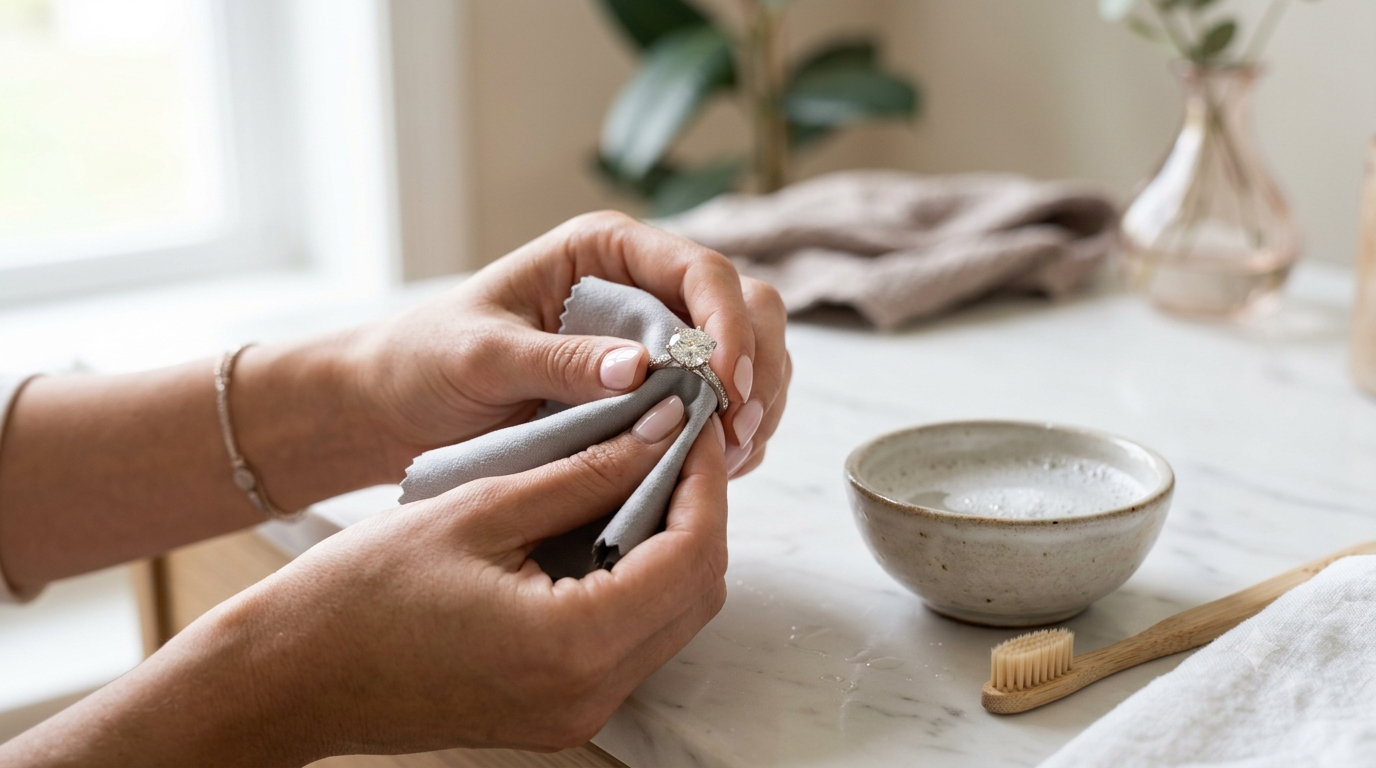
Clean it gently using a jewellery-safe method recommended by your jeweller.
Schedule professional inspections to identify loose settings or worn metal before they become serious problems.
According to the Gemological Institute of America (GIA), diamonds are highly scratch-resistant but can still chip or fracture from impact. This makes proper care and setting maintenance important, even for a diamond known for its hardness.
gia+1
The metal and smaller design details can change how a cocktail ring looks and feels. Choosing the right combination helps create a ring that reflects your personal style while remaining comfortable to wear.
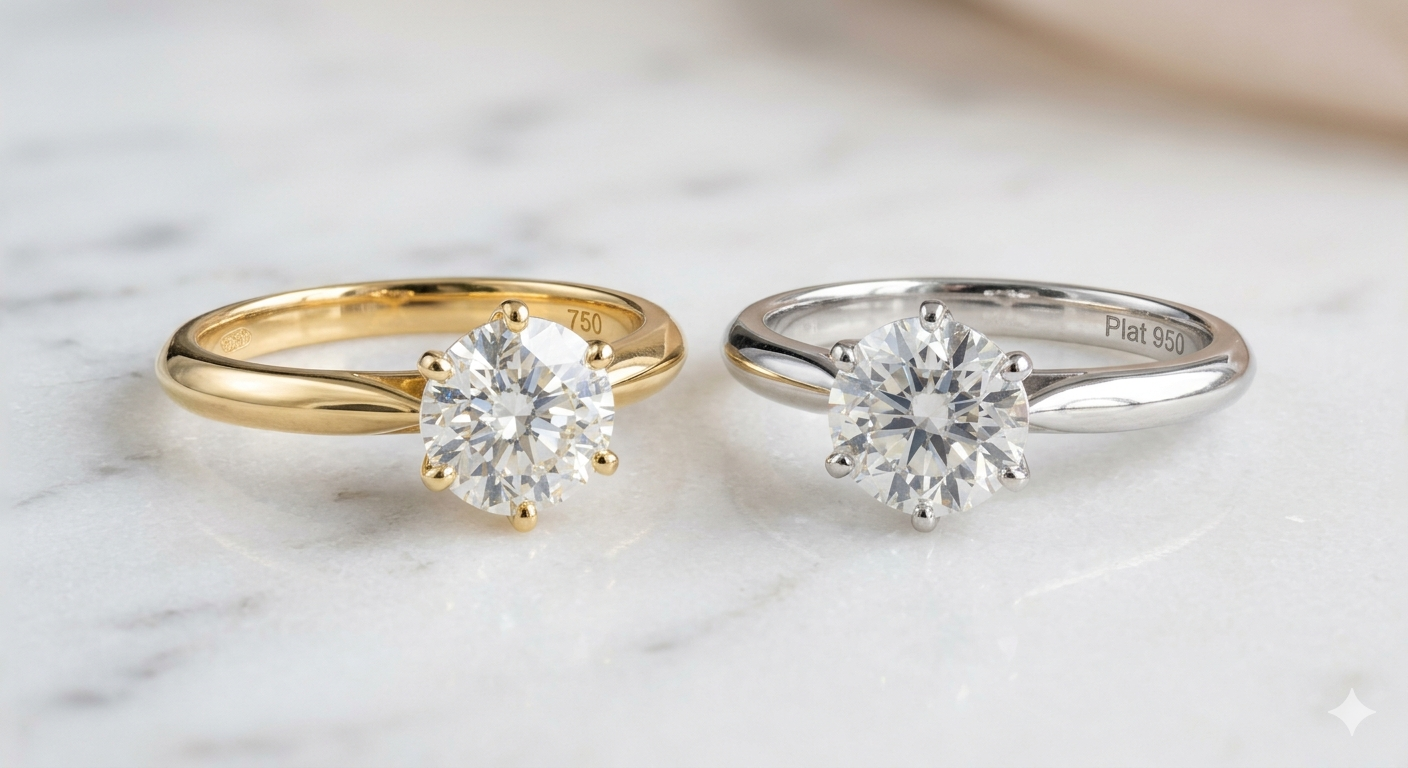
Yellow gold gives a ring a warm, traditional appearance. It creates a beautiful contrast with white diamonds and works well with vintage-inspired or bold designs.
White gold offers a bright, silvery finish that complements the diamond's natural brilliance. It is a popular choice for contemporary designs and intricate settings.
Rose gold adds a softer pink tone, making the ring feel romantic and distinctive. It can also give cocktail rings a fashion-forward look.
Platinum is naturally white, dense, and widely valued for its durability. Gold, meanwhile, is mixed with other metals to create different alloys, and its strength depends on the alloy composition and design.
A ring may look beautiful in a display case but feel uncomfortable when worn. Band width, ring size, setting height, and the placement of decorative stones all influence comfort.
Try the ring on and check how it feels when bending your fingers, gripping an object, or moving your hand naturally. A wider band may feel tighter than a narrow one, even when both have the same ring size.
If you are exploring other jewellery styles, Lab grown diamond jewellery offers a variety of designs that can suit different preferences, from minimal everyday pieces to bold statement rings.
A clean bezel setting can suit someone who prefers contemporary, understated jewellery. A halo design may appeal to someone who enjoys extra sparkle and a more glamorous appearance. Vintage-inspired settings, intricate bands, and coloured metal details can also make a cocktail ring feel more personal.
The best design is one that complements the wearer's wardrobe, personality, and lifestyle rather than simply following current trends.
Before purchasing a cocktail ring, it helps to compare designs based on practical needs rather than appearance alone.
Keep these factors in mind when choosing your setting:
Start with the diamond's shape and size.
Decide whether you prefer a delicate, bold, modern, or glamorous appearance.
Compare stone protection offered by different settings.
Consider setting height, band width, and everyday comfort.
Confirm that the setting is properly fitted and professionally finished.
These steps can also help when selecting Bridal diamond jewellery, where stone security, comfort, and long-term wear are equally important.
Imagine a buyer choosing a cocktail ring for frequent evening outings and occasional daytime wear. She initially loves a raised halo setting because the surrounding diamonds create a dramatic, eye-catching effect. However, after trying it on, she finds the height slightly inconvenient.
She then compares it with a low bezel setting featuring the same centre diamond. The bezel feels more comfortable, offers a clean outline, and suits her regular activities better.
The halo may still be the perfect choice for someone who prioritises glamour and visual impact. For this buyer, however, the bezel offers a better balance of appearance and practicality.
The decision highlights an important point: the right setting depends on the wearer's priorities, not simply which design looks most impressive in a jewellery display.
Before purchasing, ask a qualified jeweller or gemologist to confirm that the stone fits securely, the prongs or bezel are properly finished, and the setting is appropriate for the diamond's shape.
It is also worth discussing resizing limitations, maintenance requirements, and how often the ring should be inspected. These small details can help you make a confident purchase and avoid preventable repairs later.
A cocktail diamond ring is more than a beautiful centre stone. The setting influences its brilliance, proportions, comfort, durability, and overall character. Prongs can create an open, delicate look, bezels offer a streamlined appearance and edge protection, while halos bring additional sparkle and visual presence.
The ideal setting is one that complements the diamond while fitting naturally into the wearer's lifestyle. A ring should feel as good to wear as it looks to admire.
Whether you prefer a dramatic halo or a minimalist bezel, compare different designs in person, consider how they sit on your finger, and ask a jeweller how they will perform over time. A thoughtful setting choice helps your cocktail ring remain a statement piece for years to come.
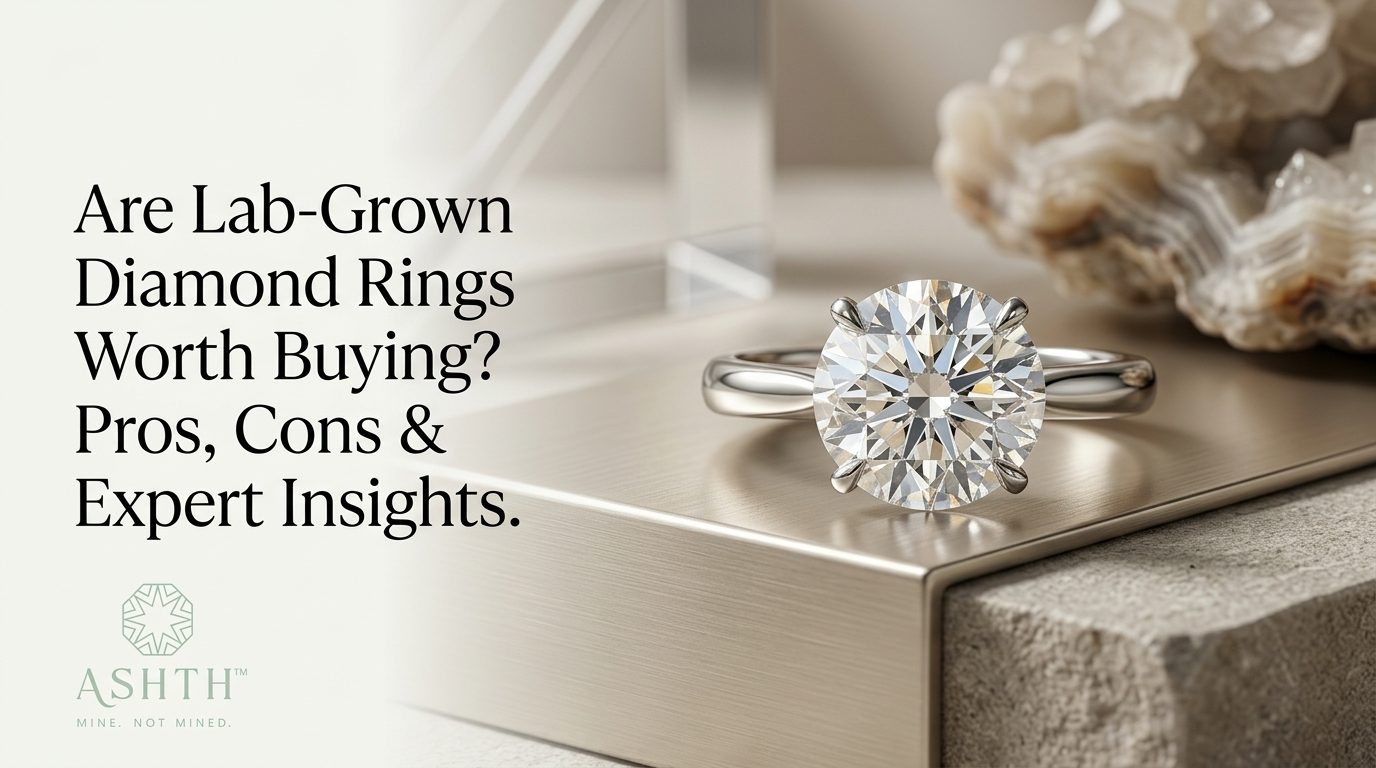
If you are also considering diamond styles and their long-term value, read Are Lab Grown Diamond Rings Worth Buying? Pros, Cons & Honest Insights before making your final decision.
The best setting depends on your preferred style and lifestyle. Prong settings maximise diamond visibility, bezel settings offer a sleek appearance and added edge protection, and halo settings create extra sparkle and visual size.
A bezel may make the diamond appear more defined because the surrounding metal creates a visible border. Depending on the design, it can make the stone look bold and substantial rather than smaller.
Raised rings can be worn regularly, but their height may increase the risk of snagging or impact. A lower-profile setting is often more practical for people who use their hands frequently.
Yes. Diamond ranks 10 on the Mohs scale, which measures scratch resistance. However, a diamond can still chip or fracture when struck at a vulnerable angle.
Have it inspected periodically by a professional jeweller, especially if it is worn frequently. The jeweller can check for loose stones, worn prongs, damaged metal, or other issues that may affect security.

Shop By Category
Shop By Category
Shop By Category
Shop By Category
Shop By Category
Collections
















 Round
 Pear
 Heart
 PRINCESS
 Oval
 CUSHION
 EMERALD
 MARQUISE
 Asscher
 RADIANT
 Ashth CUT
 ROSE CUT
 BRIOLETTE
 SINGLE CUT
 TRAPEZIUM
 TULIP
 TRIANGLE
 BUTTERFLY
 FLOWER
 MOVAL
 CLOVER
 BAGUETTE
 9KT ASHTH CUT
 9KT MARQUISE
 9KT PEAR
 9KT RADIANT
 9KT EMERALD