Ashth - Where Exceptional Craftsmanship Defines Modern Luxury !

- Rings
- Earrings
Shop By Category
- Bangles/ Bracelets
Shop By Category
- Necklaces
Shop By Category
- Pendants
Shop By Category
- ASHTH LITE
Shop By Category
.jpg)
- Collections
Collections
Shop By Category
Shop By Category
Shop By Category
Shop By Category
Shop By Category
Collections
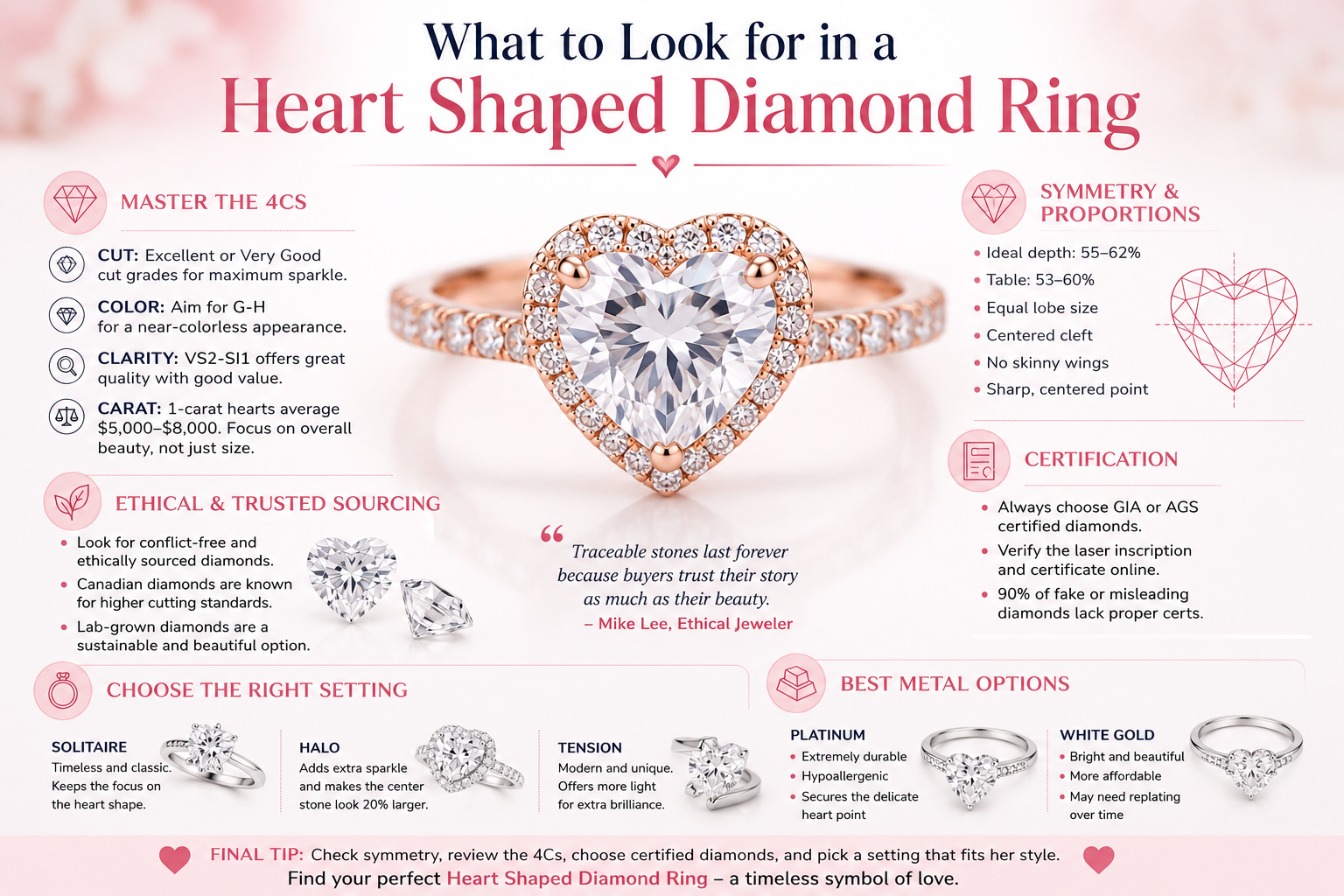
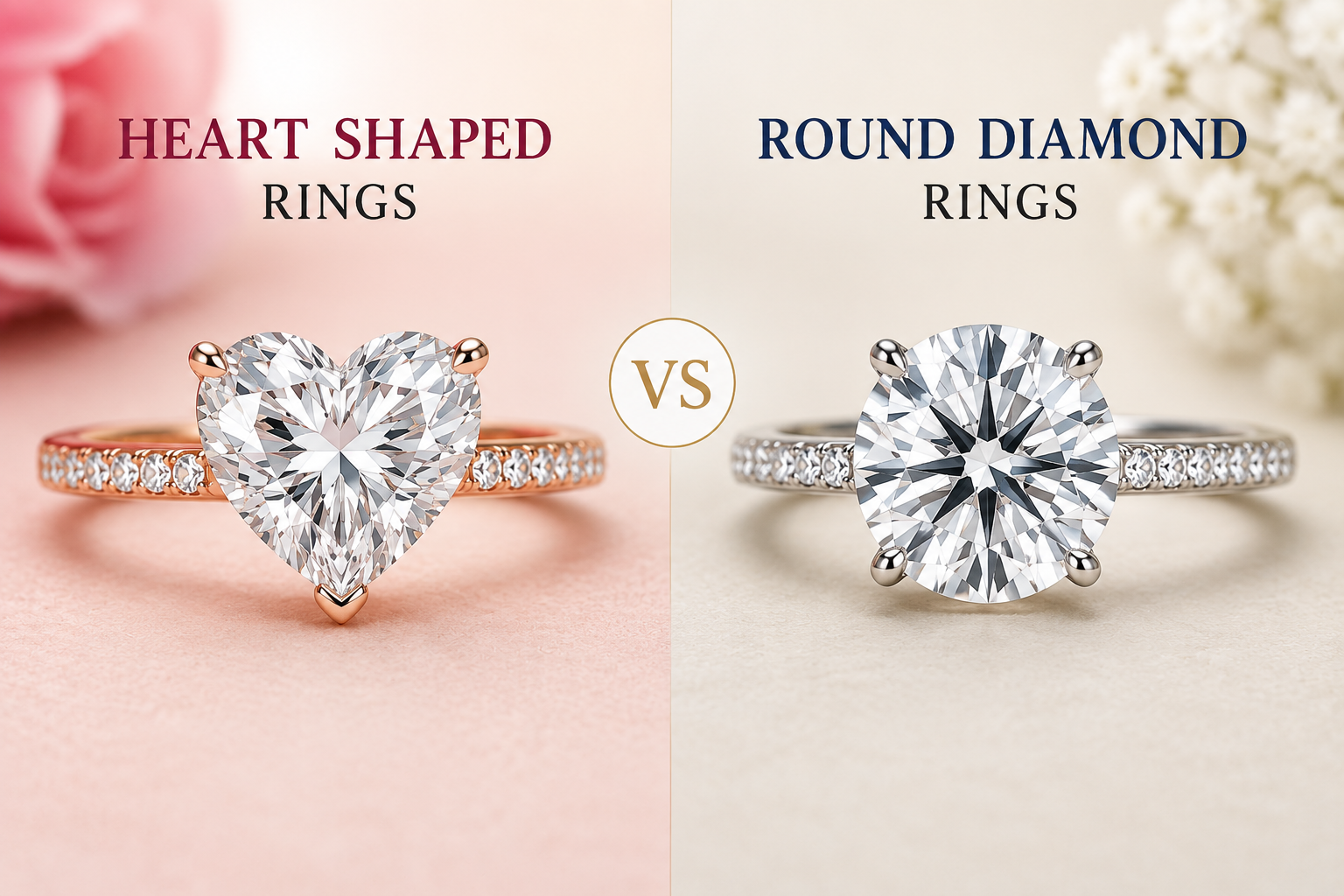
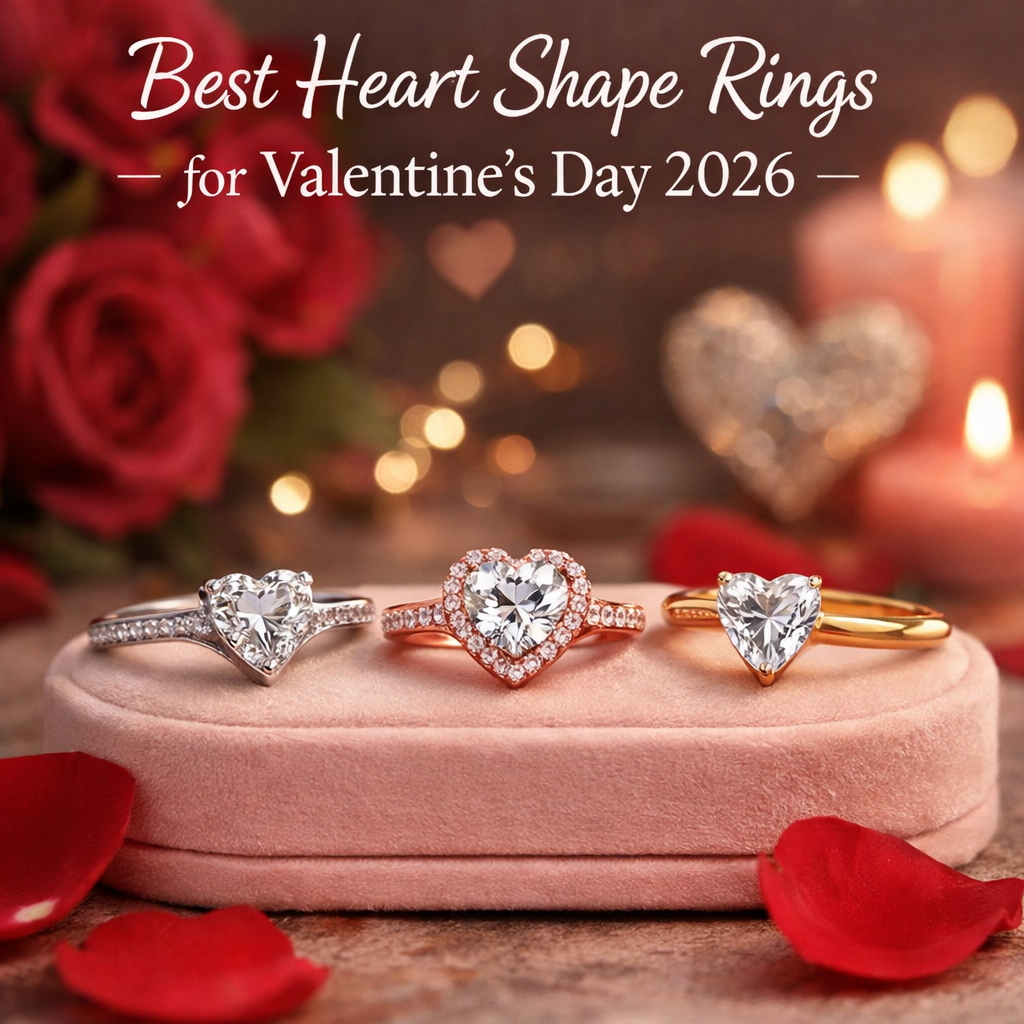
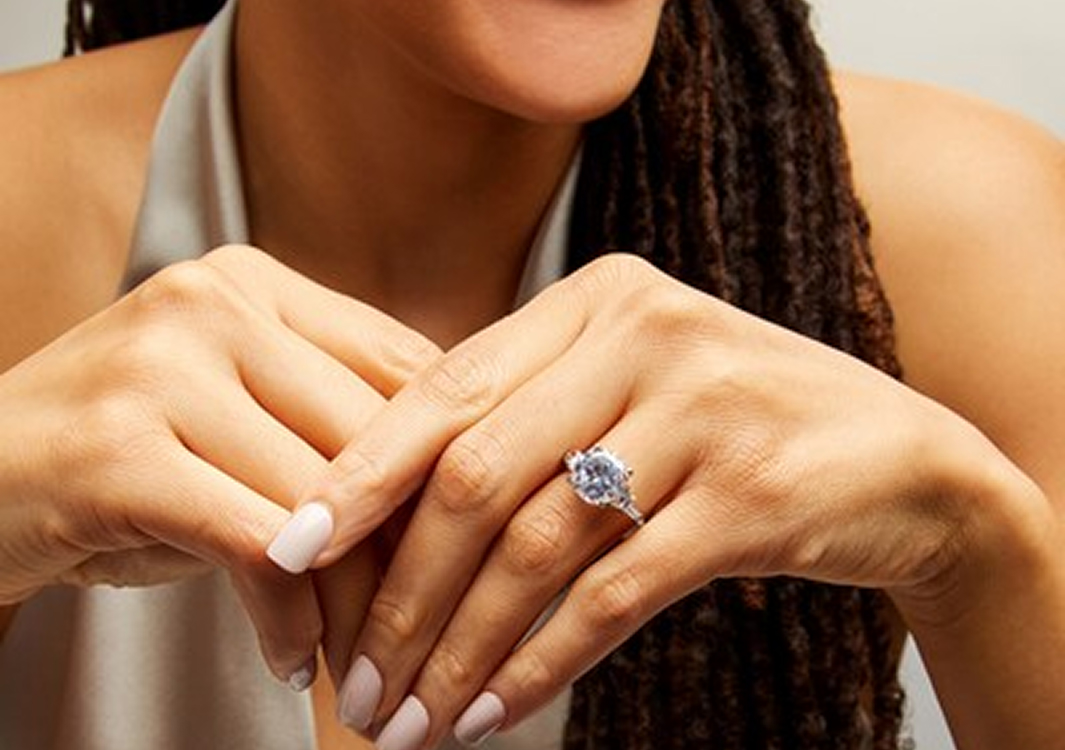
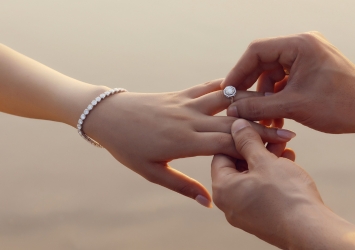
Choosing the perfect Heart Shaped Diamond Ring is about more than sparkle—it’s about finding a symbol of love that feels timeless and personal. Picture slipping a heart-shaped diamond onto her finger during a proposal she’ll never forget. According to 2025 data from the Gemological Institute of America (GIA), heart-shaped diamonds make up just 2% of total diamond sales, making them one of the rarest and most romantic cuts available today.
Their unique shape instantly stands out from traditional round or princess cuts, making them ideal for couples who want something meaningful and distinctive. From understanding cut quality to checking symmetry and certification, there are several important details that separate an average heart-shaped diamond from an exceptional one.
In this guide, you’ll learn exactly what to look for when buying a heart-shaped diamond ring, including expert tips on the 4Cs, ideal proportions, ethical sourcing, and the best settings to maximize brilliance.
Few diamond shapes symbolize love as clearly as the heart. The cut itself represents affection, commitment, and passion, which is why many couples choose it for engagements, anniversaries, and Valentine’s Day proposals.
Heart-shaped diamonds are also incredibly rare. According to Jewelers of America, only 1–3% of diamonds are cut into heart shapes because crafting them requires exceptional precision. Even small mistakes during cutting can ruin the symmetry of the stone.
Celebrities have helped boost the popularity of this romantic shape. In 2024, Jennifer Lopez made headlines after wearing a stunning 6.1-carat heart-shaped diamond ring, inspiring many modern brides to seek bold and meaningful engagement styles.
Heart-shaped diamonds are perfect for:
Valentine’s Day proposals
Wedding anniversaries
Milestone gifts
Romantic surprise engagements
They especially suit someone with a romantic personality or someone who loves statement jewelry. If your partner enjoys elegant yet unconventional styles, a heart-shaped diamond can feel far more personal than a traditional round cut.
A practical tip is to match the ring style to her personality. Minimalists often prefer solitaire settings, while fashion-forward wearers may love halo or pavé designs for extra brilliance.
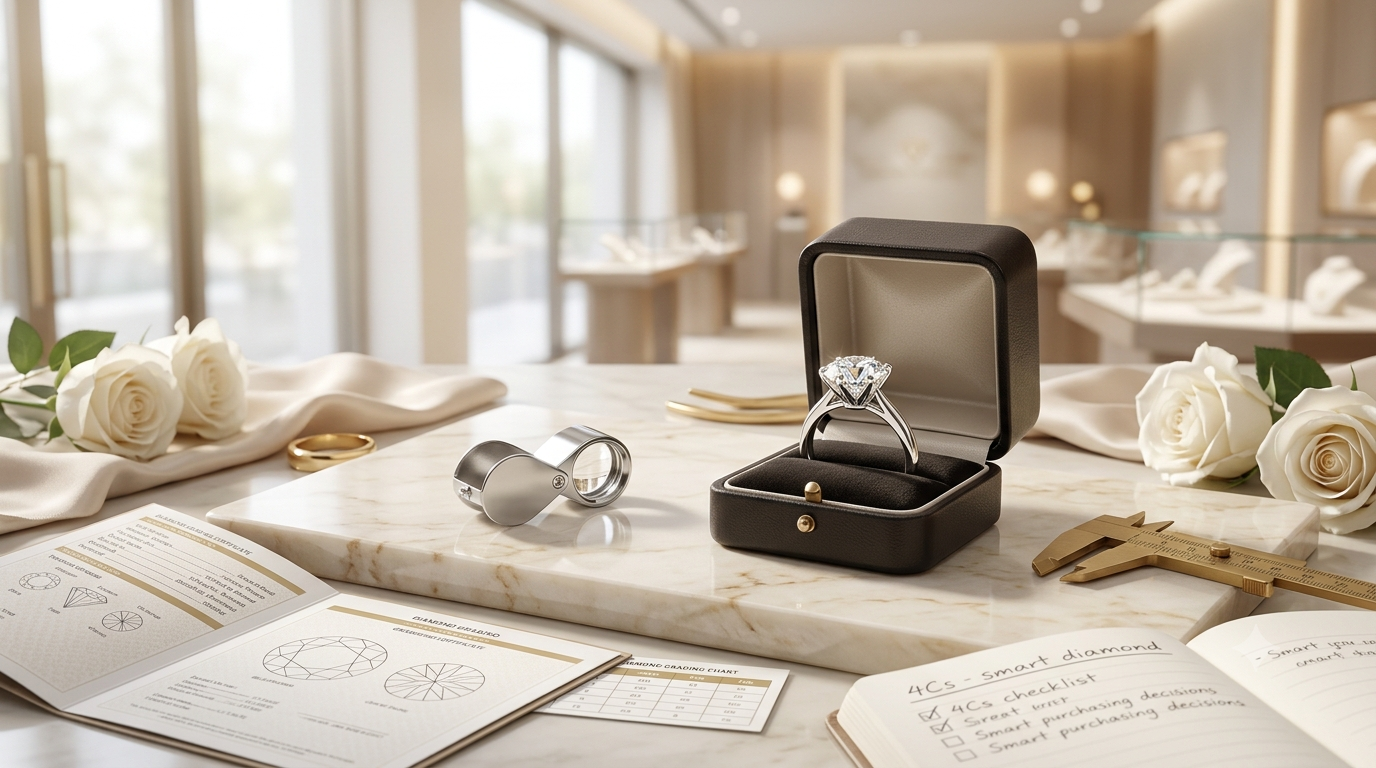
Understanding the 4Cs—cut, color, clarity, and carat—is essential when shopping for a heart-shaped diamond.
Among all the 4Cs, cut quality has the biggest impact on how a heart-shaped diamond looks. A well-cut heart reflects light beautifully and displays a crisp, balanced shape.
Look for diamonds with Excellent or Very Good cut grades whenever possible. Poorly cut stones often appear uneven or lose the distinct heart outline that makes the shape special.
Gemologist Sarah Johnson explains it best:
“Poor cuts hide the heart’s lobes and reduce sparkle dramatically.”
Heart-shaped diamonds are particularly sensitive to proportions because their curves and point must align perfectly. A sloppy cut can create dark spots or make the shape appear stretched.
Symmetrical lobes
Sharp, centered point
Balanced cleft at the top
Even light reflection
Minimal bow-tie effect
The “bow-tie effect” is a dark shadow across the center of fancy-shaped diamonds. While some bow-tie is normal, excessive darkness can reduce brilliance.
Heart-shaped diamonds tend to show color more than round diamonds, especially near the pointed tip.
For the best balance between quality and value, aim for:
Color: G-H
Clarity: VS2-SI1
Industry data suggests nearly 70% of premium heart-shaped diamonds fall into the near-colorless range.
Always inspect the stone under natural lighting. Some inclusions, like feathers or clouds, become more noticeable in heart shapes because of the larger surface area.
A smart buyer trick is to compare multiple stones side by side. Even slight color differences become obvious when viewed together.
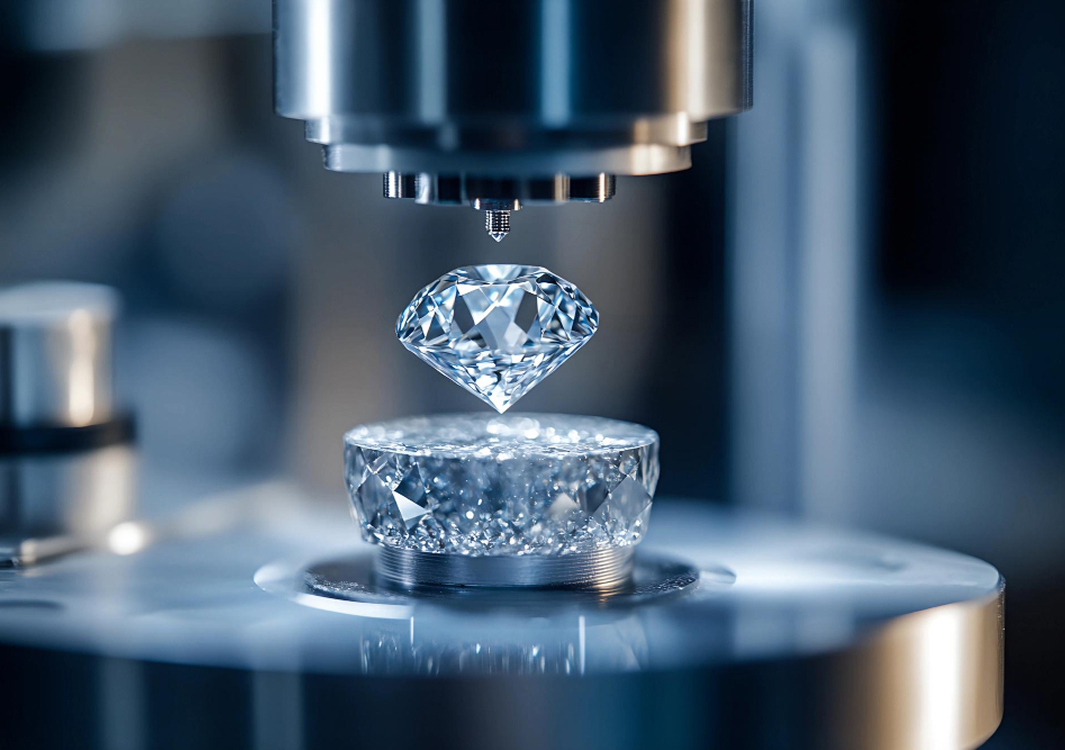
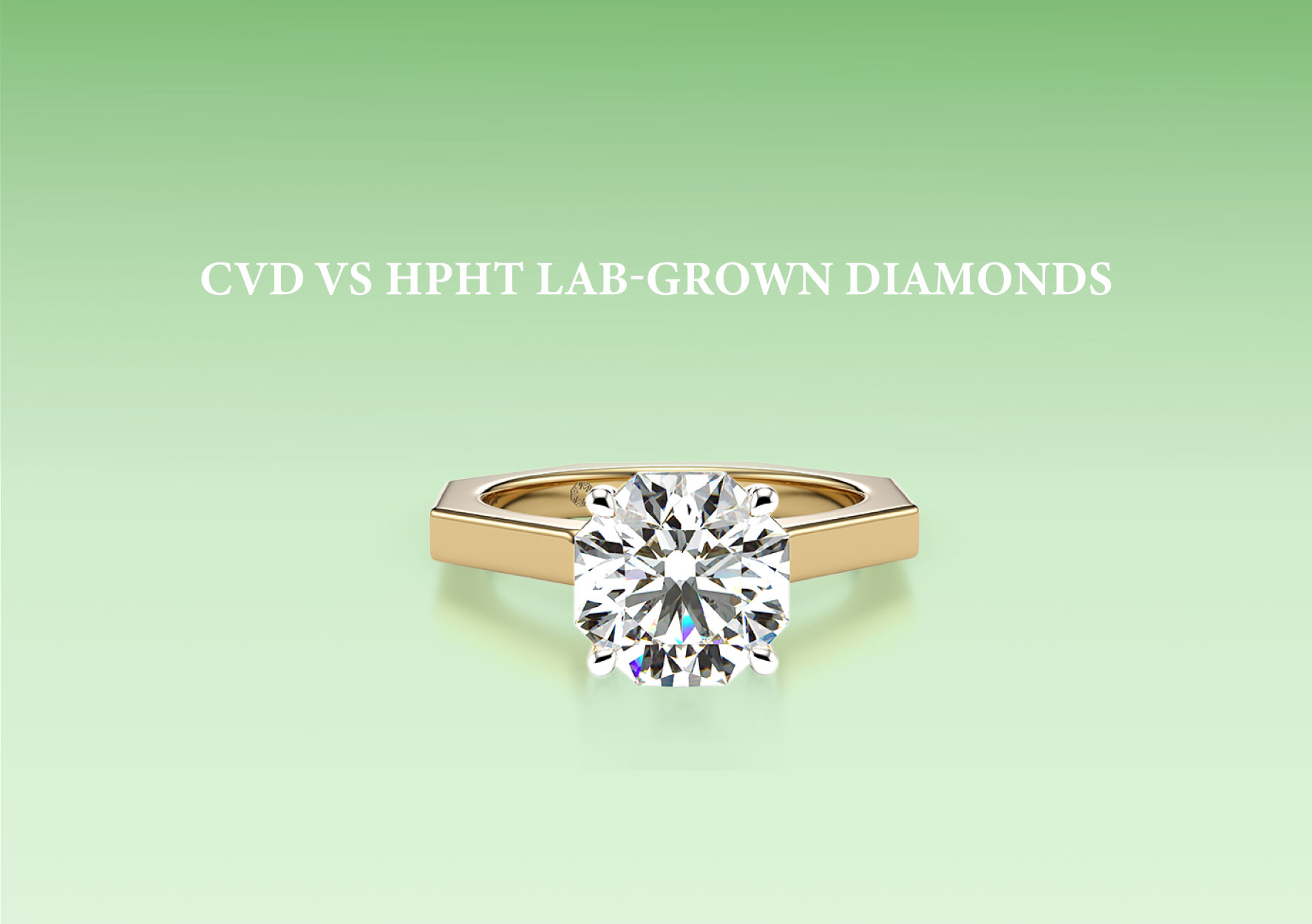
If you’re exploring modern alternatives, many buyers now consider lab grown diamond rings because they offer excellent clarity and larger carat sizes at lower prices while maintaining the same physical and chemical properties as mined diamonds.
Heart-shaped diamonds often appear larger than round diamonds of the same carat weight because of their elongated surface area.
On average:
1-carat heart diamonds cost between $5,000 and $8,000
Premium cuts with top symmetry can cost more
One buyer case study showed how choosing ideal proportions over maximum carat size helped save nearly 20% on a 1.5-carat ring while still maintaining impressive brilliance.
Rather than focusing only on size, prioritize overall balance and symmetry. A smaller, beautifully cut heart diamond often looks more luxurious than a larger poorly cut stone.
Symmetry is everything in a heart-shaped diamond. Since the shape itself is the centerpiece, even slight imperfections become easy to notice.
Experts recommend these proportion ranges:
Depth: 55–62%
Table: 53–60%
These measurements usually create the best combination of brilliance and shape definition.
Before buying, inspect the following:
Equal-sized lobes
Centered cleft
No crooked point
Balanced wings
Smooth curves
Avoid diamonds with narrow or “skinny” wings, as they can make the heart look distorted.
A 10x jeweler’s loupe is one of the best tools for checking symmetry. Many online jewelers also provide 360-degree HD videos that allow buyers to inspect the stone closely.
Lighting matters too. High-quality heart-shaped diamonds show less visible bow-tie shadowing under balanced lighting conditions.
One couple shared how they returned an online purchase after noticing uneven lobes during a close-up video inspection. What looked perfect in photos became noticeably asymmetrical in motion.
The lesson is simple: always examine detailed visuals before committing to a purchase.
Never buy a heart-shaped diamond without proper certification.
Trusted grading organizations include:
Gemological Institute of America
American Gem Society
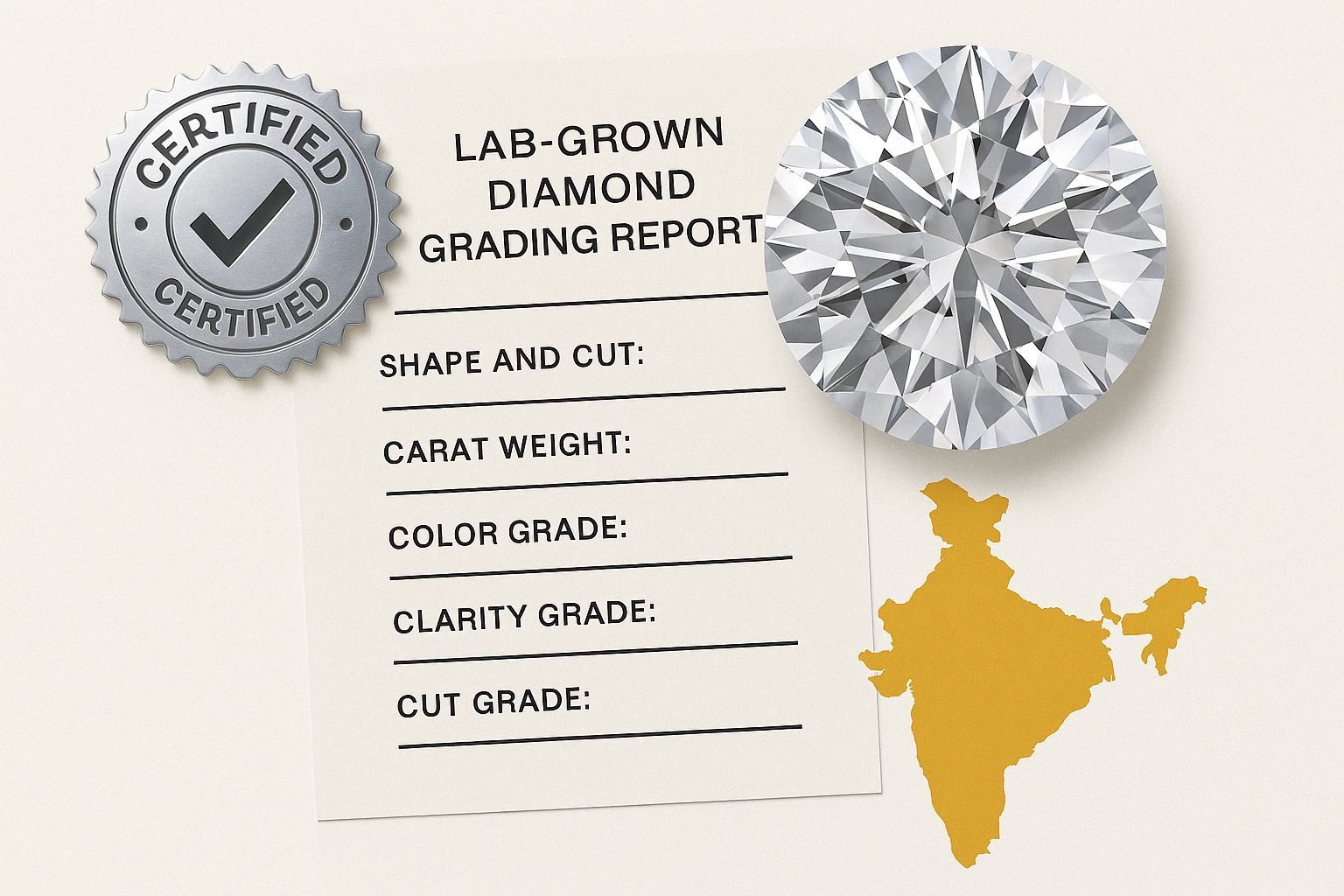
A grading report confirms the diamond’s authenticity, proportions, clarity, and cut quality.
According to a 2026 FTC jewelry report, approximately 90% of counterfeit or misleading diamonds lacked legitimate certification documents.
Before purchasing:
Check the laser inscription on the diamond girdle
Match it with the certificate number
Verify the report online through GIA or AGS databases
These simple steps can protect you from overpriced or fake stones.
Today’s buyers increasingly care about where their diamonds come from.
Look for labels such as:
Conflict-free
Ethically sourced
Traceable origin
Canadian diamonds are often praised for strong ethical mining standards and high cutting quality.
Ethical jeweler Mike Lee explains:
“Traceable stones last forever because buyers trust their story as much as their beauty.”
Lab-grown options have also become popular among eco-conscious couples who want sustainable alternatives without sacrificing brilliance.
The setting dramatically affects how a heart-shaped diamond looks and wears over time.
Pros:
Extremely durable
Hypoallergenic
Holds stones securely
Cons:
Higher price
Heavier feel
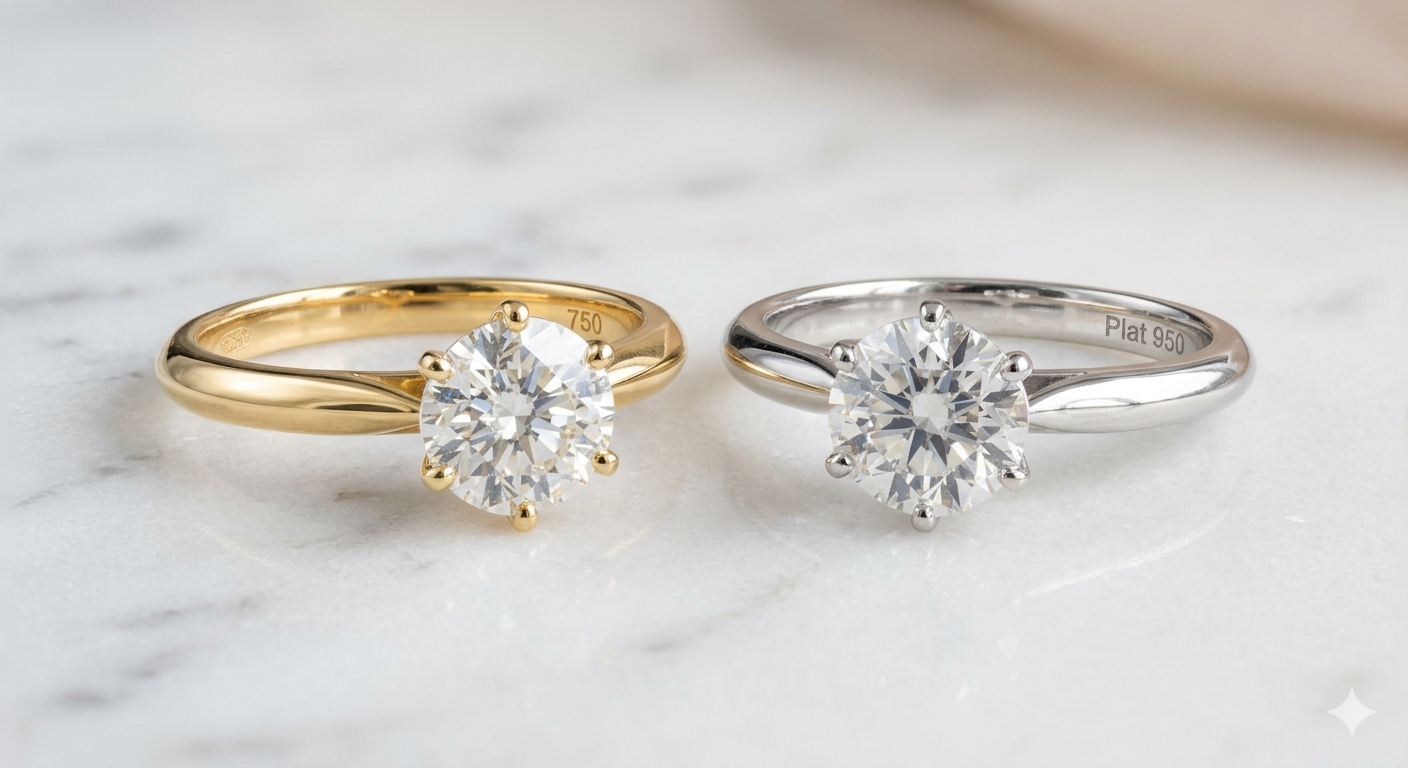
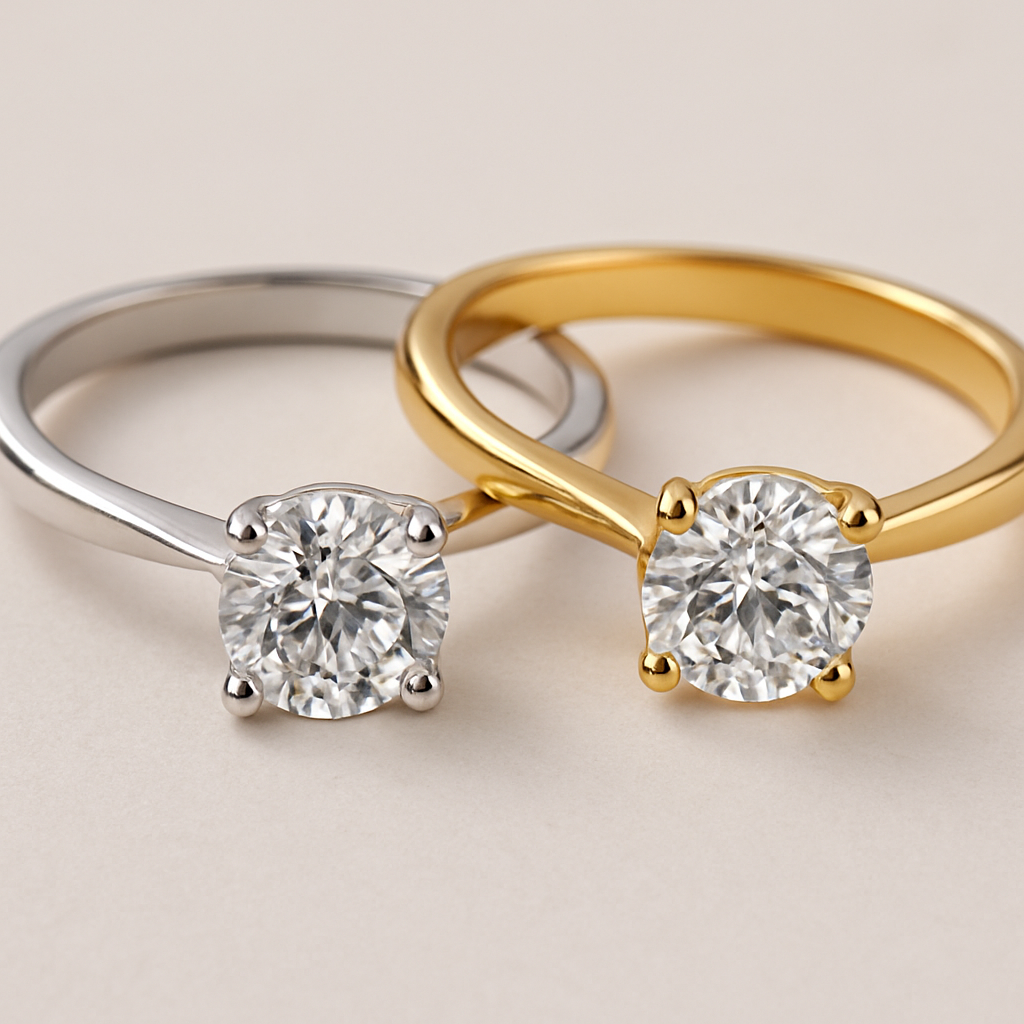
Platinum works especially well because heart-shaped diamonds have delicate pointed tips that need extra protection.
Pros:
More affordable
Bright modern appearance
Cons:
Requires occasional replating
White gold remains one of the most popular choices for heart-shaped engagement rings due to its elegant shine and lower cost.
Yellow gold and rose gold can also create a warmer, vintage-inspired appearance.
A solitaire keeps the focus entirely on the heart-shaped center stone. It’s timeless, elegant, and ideal for minimalist tastes.
Halo settings surround the diamond with smaller accent stones, making the center appear up to 20% larger visually.
This style is perfect for maximizing sparkle and presence without increasing carat weight significantly.
A modern tension setting creates the illusion that the diamond is floating.
One bride upgraded to a tension setting for approximately $1,200 extra and reported significantly more brilliance because of increased light exposure.
A beautiful heart-shaped diamond ring combines romance, craftsmanship, and careful attention to detail. The best choices always come down to three essentials:
Strong symmetry
Excellent certification
Well-balanced 4Cs
Pay close attention to cut quality, proportions, and ethical sourcing before making your final decision. Small details like lobe symmetry or certification verification can make a huge difference in long-term value and appearance.
Whether you choose a classic mined diamond or modern lab-grown alternative, a heart-shaped ring remains one of the most meaningful symbols of love available today.
Visit trusted jewelers, compare stones carefully, and find your perfect heart-shaped match before the busy June wedding season begins. And if you already own one, share your heart-shaped diamond story in the comments below!

 Round
Round Pear
Pear Heart
Heart PRINCESS
 Oval
Oval CUSHION
 EMERALD
 MARQUISE
 Asscher
 RADIANT
 Ashth CUT
 ROSE CUT
 BRIOLETTE
 SINGLE CUT
 TRAPEZIUM
 TULIP
TULIP TRIANGLE
 BUTTERFLY
 FLOWER
 MOVAL
MOVAL CLOVER
 BAGUETTE
 9KT ASHTH CUT
 9KT MARQUISE
 9KT PEAR
 9KT RADIANT
 9KT EMERALD