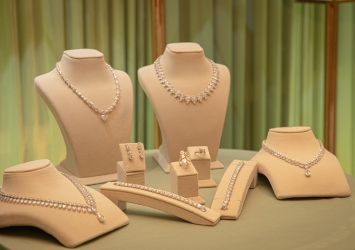
Ashth - Where Exceptional Craftsmanship Defines Modern Luxury !

- Rings
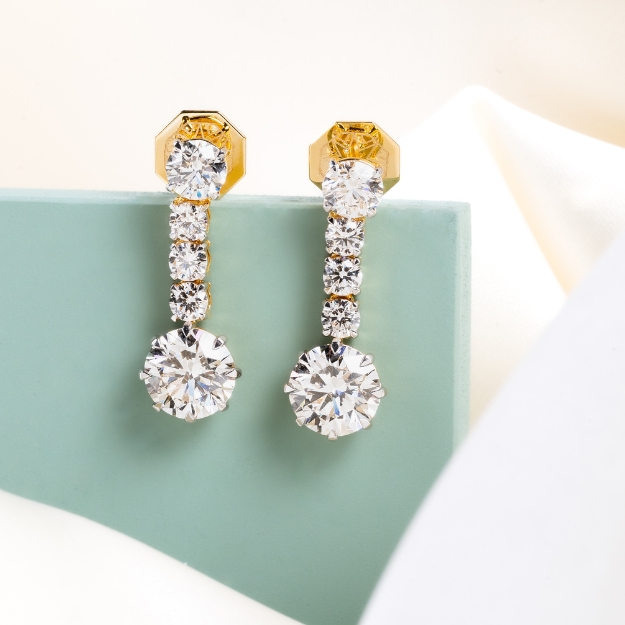
- Earrings
Shop By Category
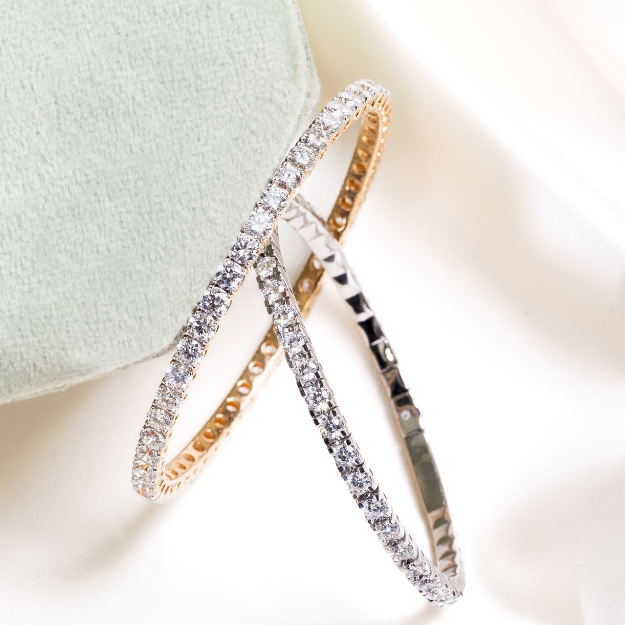
- Bangles/ Bracelets
Shop By Category
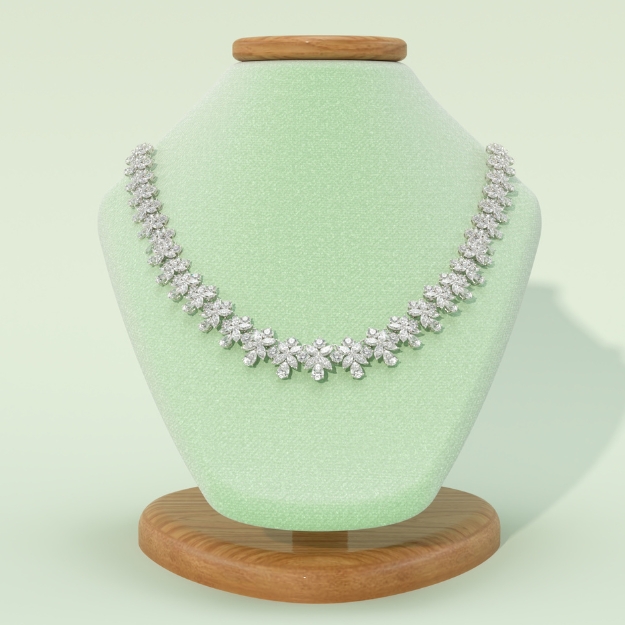
- Necklaces
Shop By Category
- Pendants
Shop By Category
- ASHTH LITE
Shop By Category
.jpg)
- Collections
Collections
Shop By Category
Shop By Category
Shop By Category
Shop By Category
Shop By Category
Collections
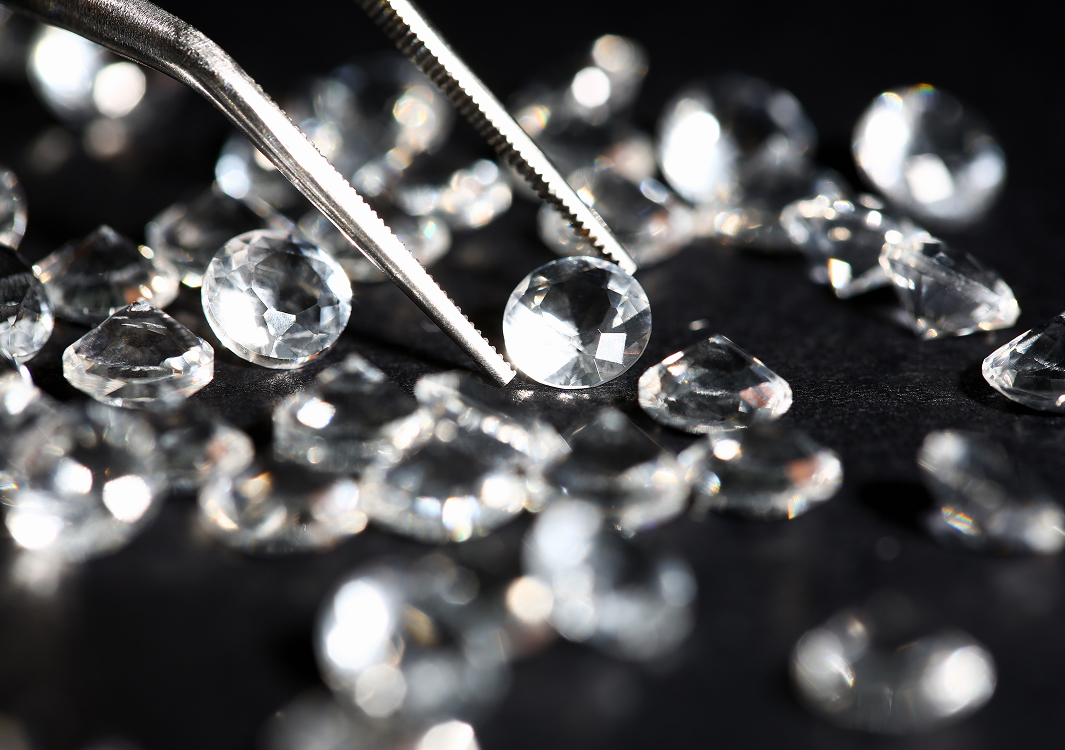
The lab grown diamond industry in India is experiencing explosive growth, with these modern gems now accounting for nearly 15% of India’s total diamond sales in 2025. Once seen as a niche alternative to mined stones, lab-created diamonds are quickly becoming mainstream—reshaping how consumers think about luxury, ethics, and affordability.
This shift isn’t just a passing trend. It’s a full-scale transformation driven by technology, changing buyer preferences, and strong government support. In this blog, you’ll discover what’s fueling this boom, who the major players are, the challenges ahead, and how you can make smarter buying decisions.
India’s journey into lab-grown diamonds began quietly in the early 2010s, when a handful of small labs started experimenting with diamond synthesis. At the time, the market was limited, and consumer awareness was low.
The turning point came in 2018, when policy changes made it easier to import raw materials and machinery required for production. This significantly lowered entry barriers for manufacturers.
According to Dr. Raj Patel from the Gem & Jewellery Export Promotion Council (GJEPC):
“Labs cut costs by 40% right away.”
This cost advantage allowed Indian producers to scale quickly and compete globally.
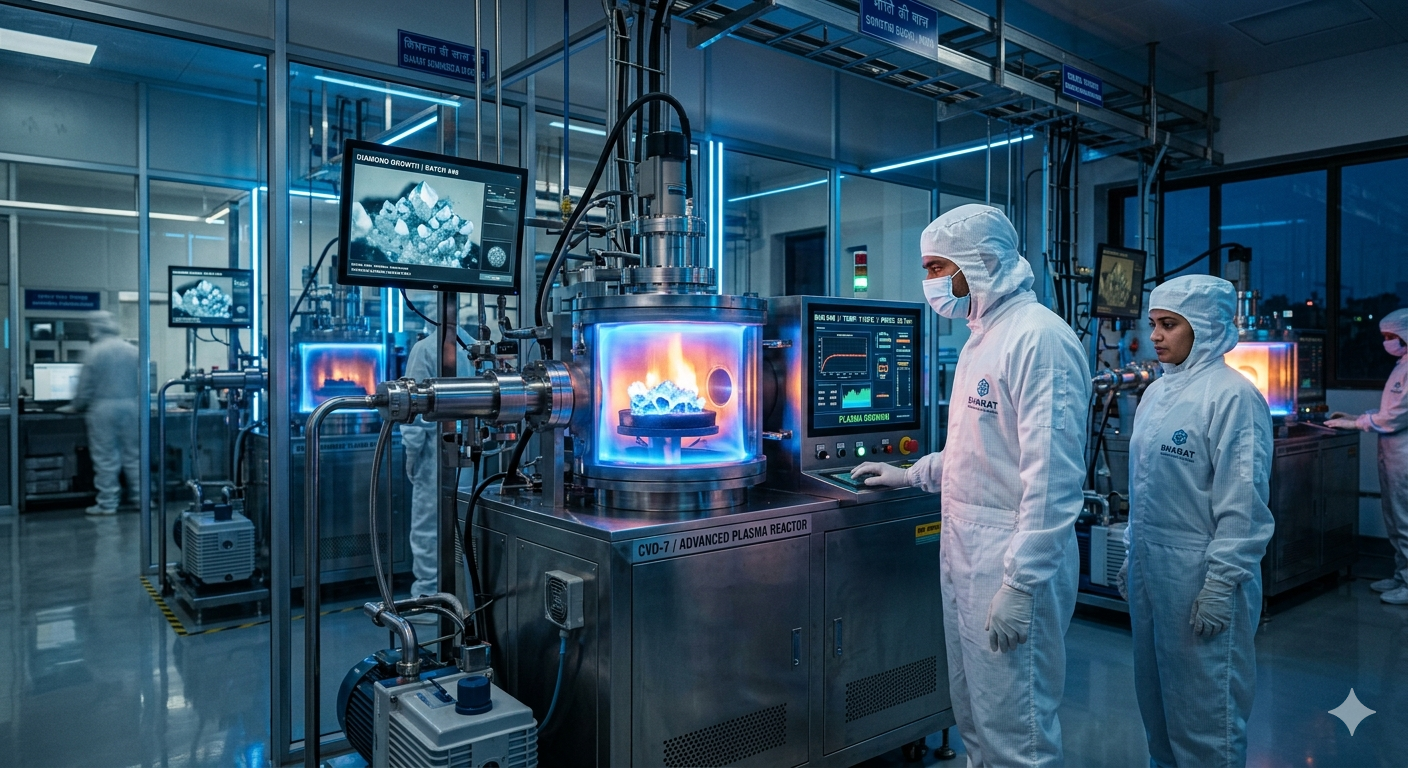
The growth of lab-grown diamonds is powered by two key technologies:
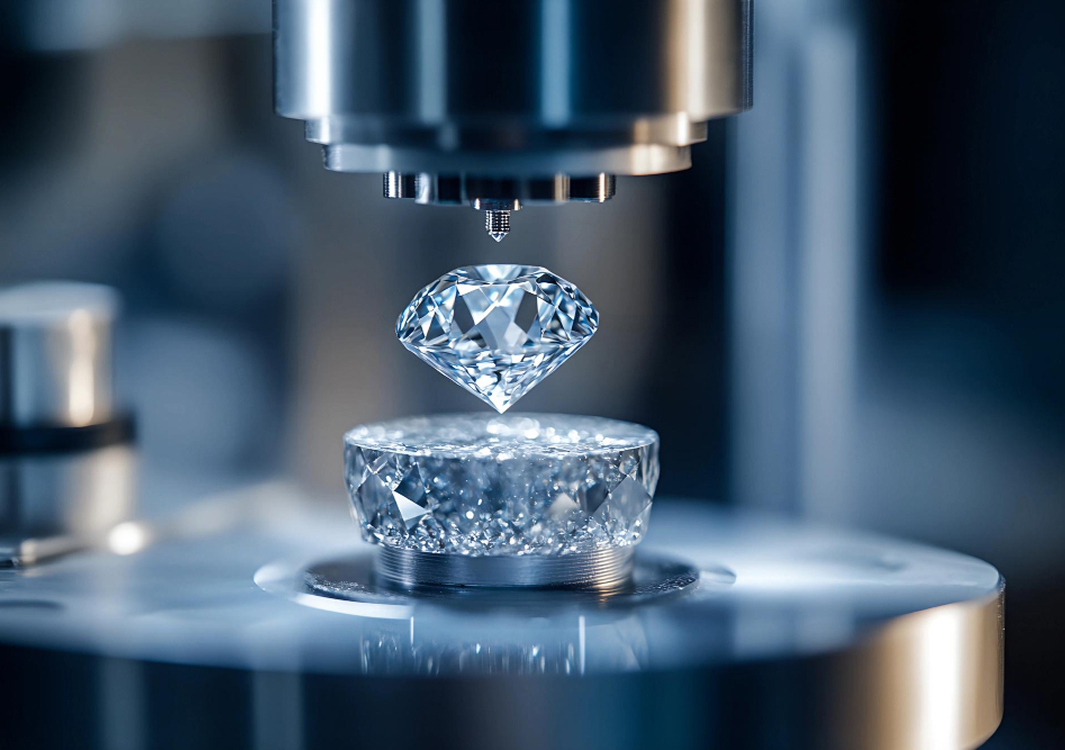
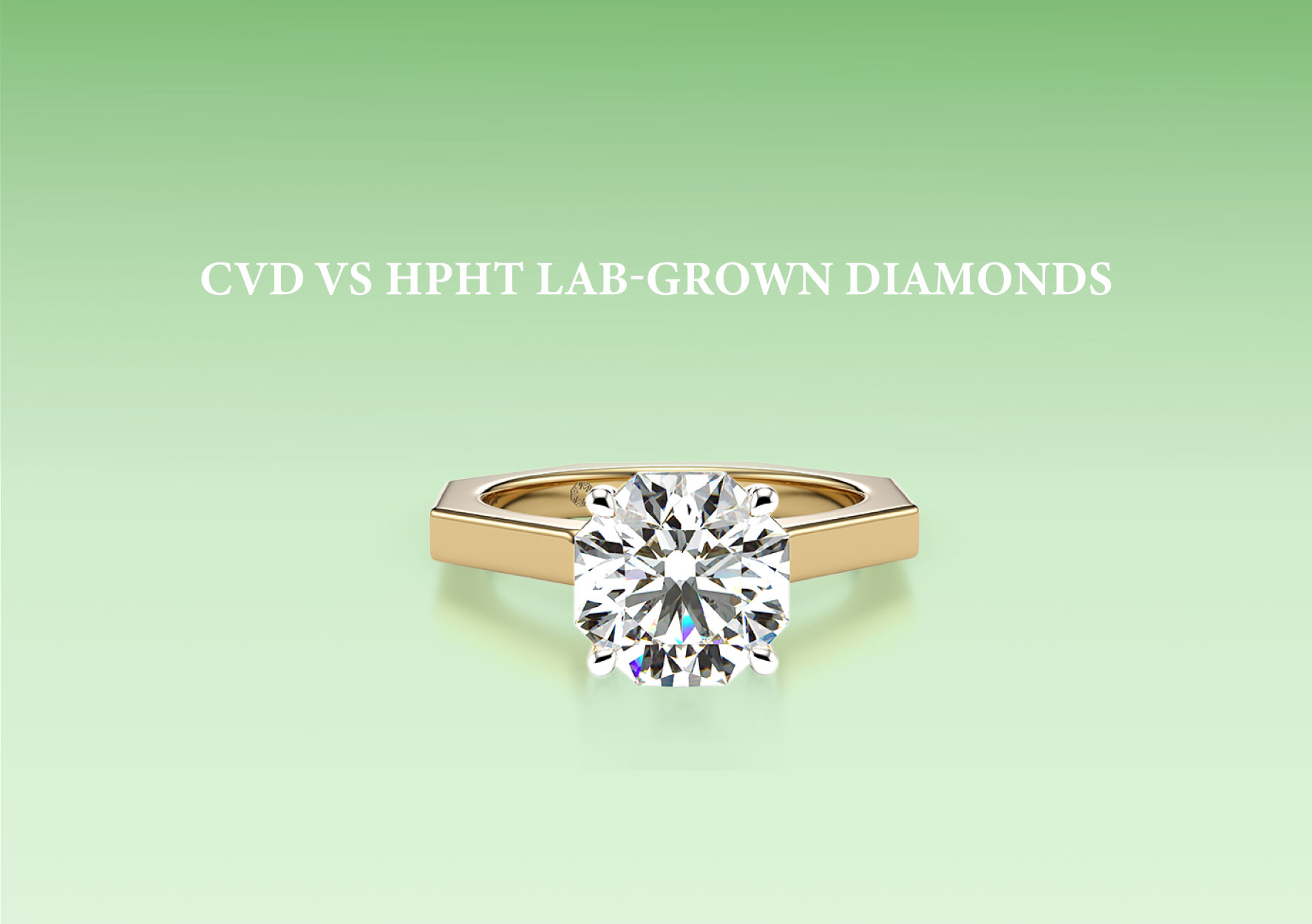
CVD (Chemical Vapor Deposition): Builds diamonds layer by layer using carbon-rich gases.
HPHT (High Pressure High Temperature): Mimics the natural conditions under which diamonds form deep within the Earth.
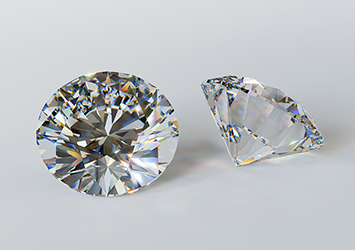
These processes produce diamonds that are chemically, physically, and optically identical to mined diamonds.
By 2026, India is expected to operate over 20 large-scale production facilities, with output increasing by an astonishing 300% between 2020 and 2025.
One of the biggest reasons behind the surge in popularity is pricing.
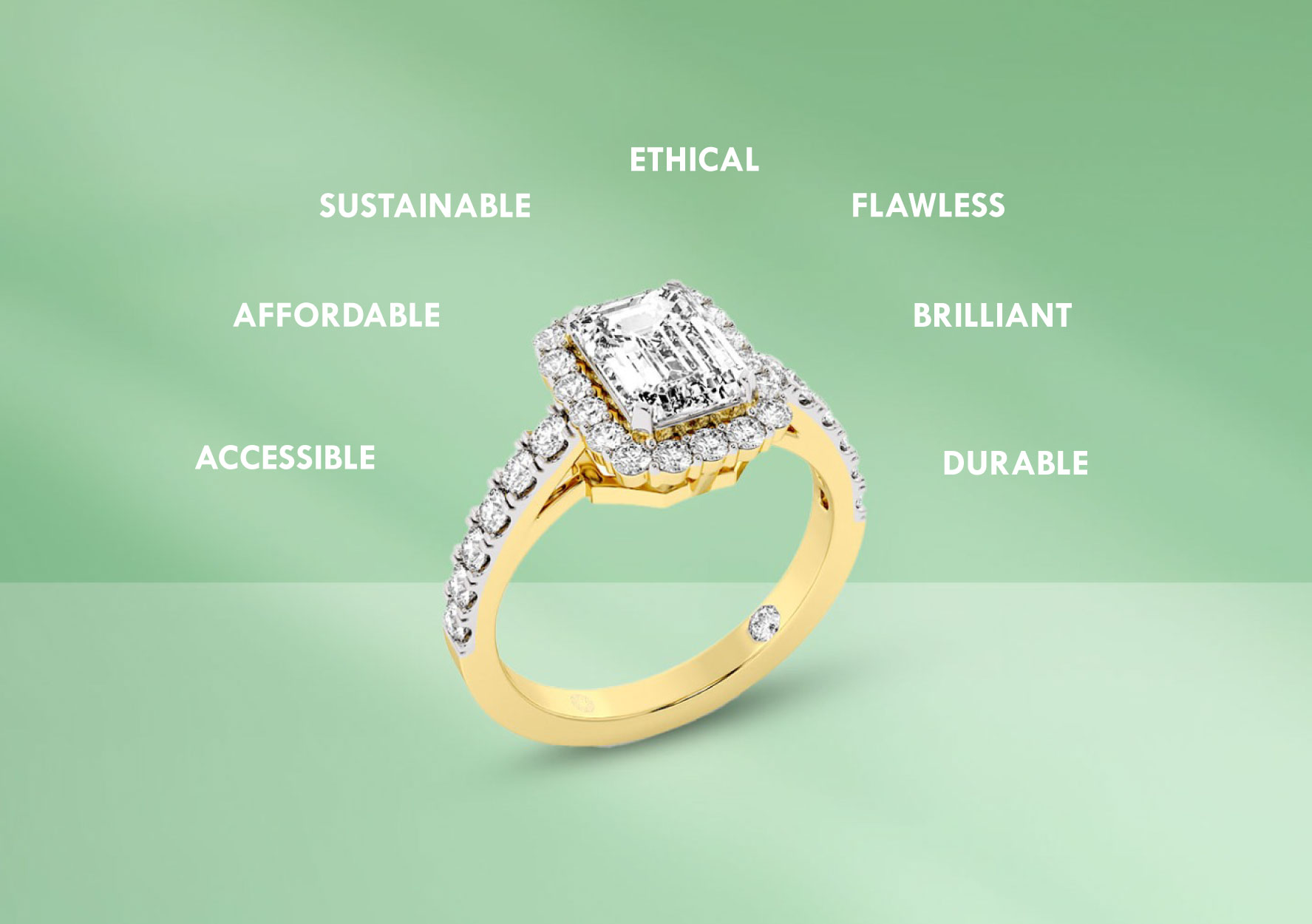
Lab-grown diamonds are typically 70–90% cheaper than their mined counterparts. This affordability opens the market to a much wider audience.
Additionally, unlike mined diamonds, lab-grown stones offer an unlimited supply, eliminating concerns about scarcity.
Key takeaways for buyers:
Get larger stones for the same budget
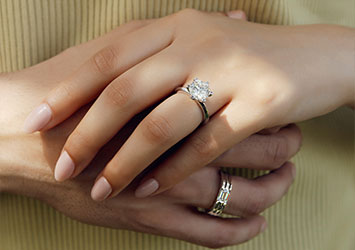
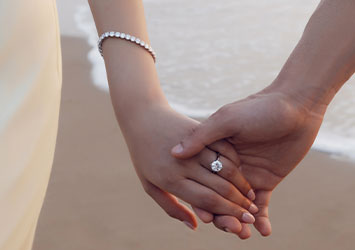
Ideal for engagement rings and wedding jewelry
Better value without compromising quality
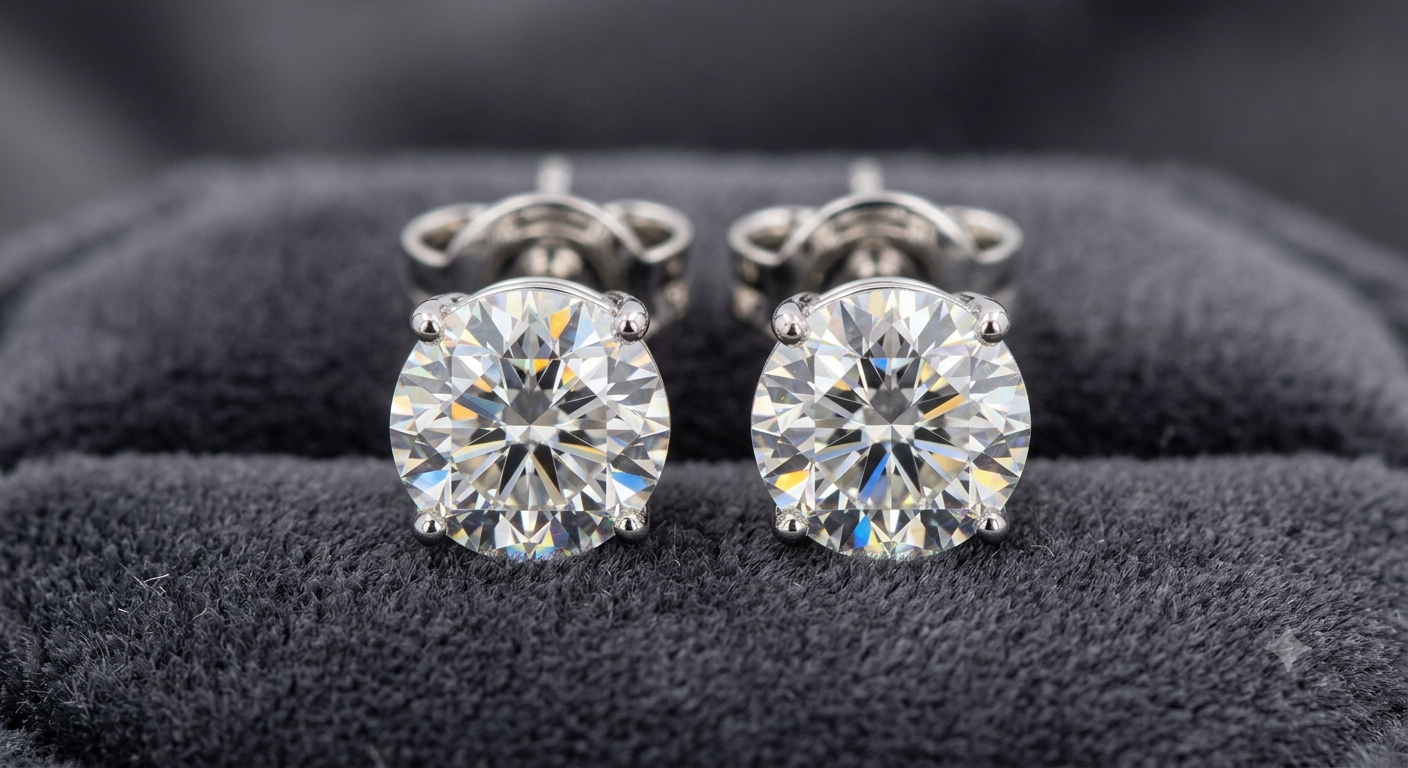
If you're exploring options, browsing Lab Grown Diamond Jewellery collections can give you a clear sense of styles and pricing available today.
Today’s buyers—especially millennials and Gen Z—are making more conscious choices.
A 2025 survey revealed that 60% of consumers under 35 prefer lab-grown diamonds, citing sustainability and ethical sourcing as primary reasons.
In cities like Mumbai, lab-grown diamonds are increasingly featured in modern weddings, replacing traditional mined stones.
These buyers value:
Transparency
Environmental responsibility
Conflict-free sourcing
The Indian government has played a major role in accelerating growth.
Export incentives doubled in 2024, making Indian diamonds more competitive globally
Infrastructure support boosted manufacturing hubs
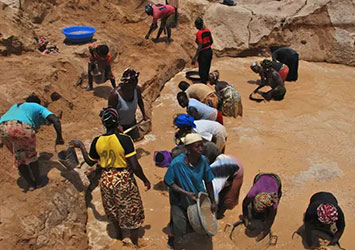
A prime example is Surat, which has emerged as the epicenter of lab-grown diamond production. The cluster has seen a 5x increase in jobs, creating thousands of employment opportunities.
Several companies are spearheading India’s dominance in this space.
IIa Technologies, for instance, established India’s largest lab-grown diamond facility in 2023. By 2025, the company produced over 1 million carats annually.
CEO Anita Rao stated:
“We’re just starting.”
This optimism reflects the massive untapped potential in both domestic and export markets.
The boom isn’t limited to large corporations.
A small lab in Gujarat scaled from 10 employees to over 500 within a few years
Retail giants like Tanishq now report that 20% of their diamond sales come from lab-grown stones
This widespread adoption signals strong consumer trust.
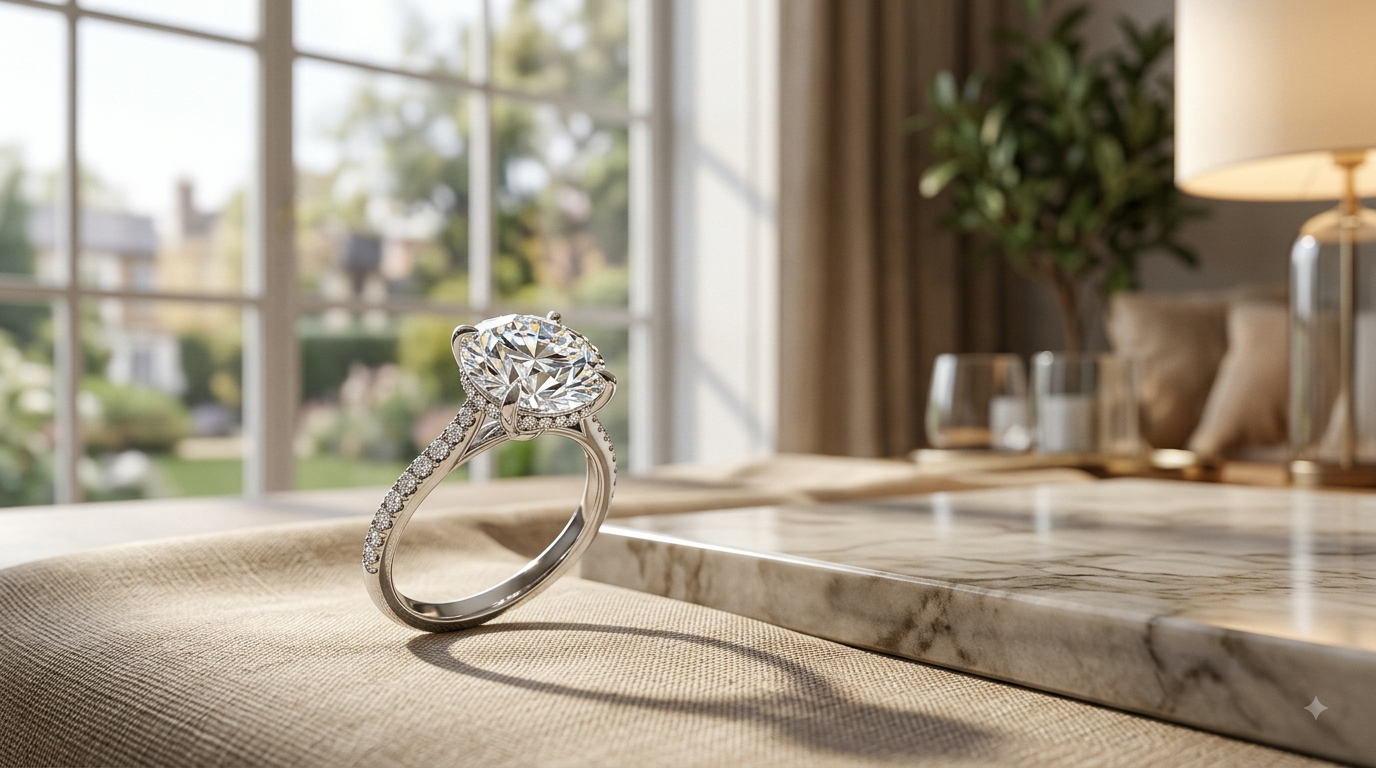
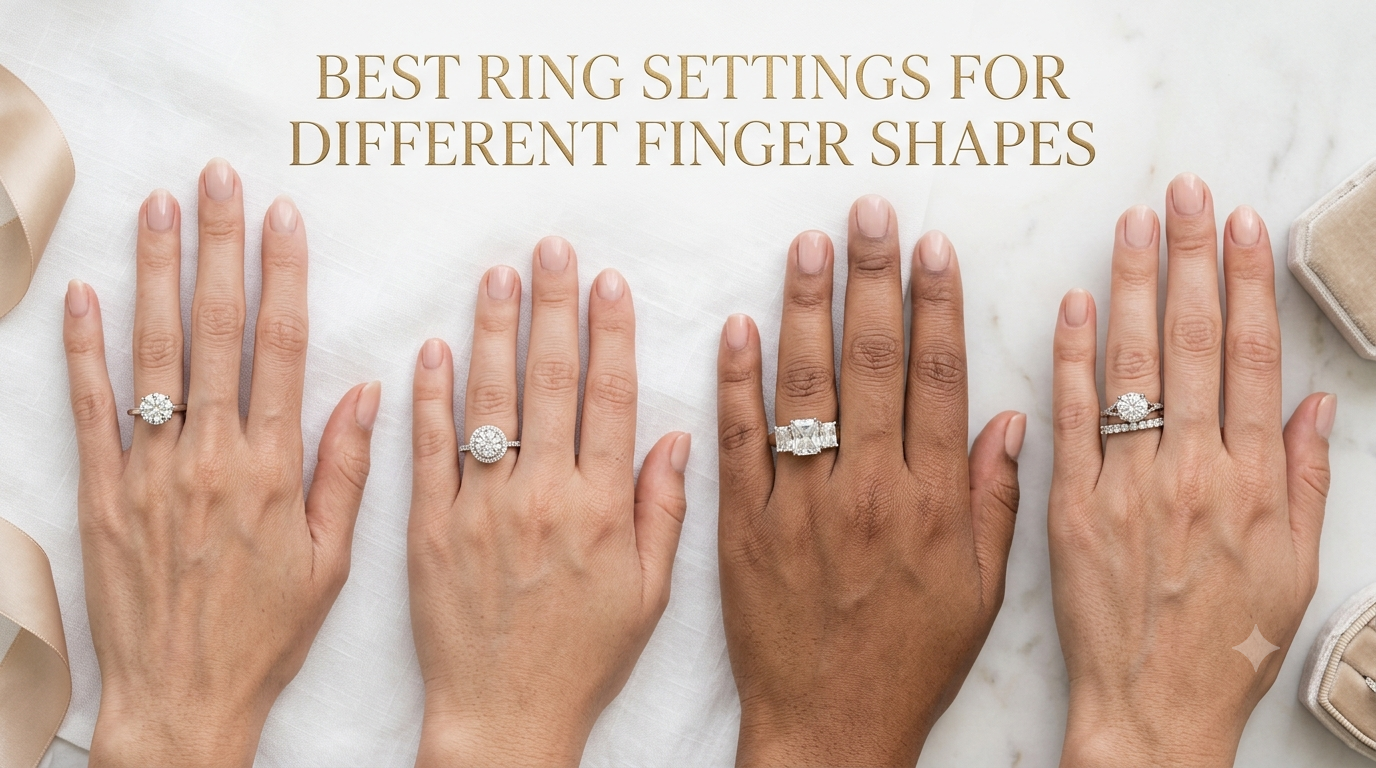
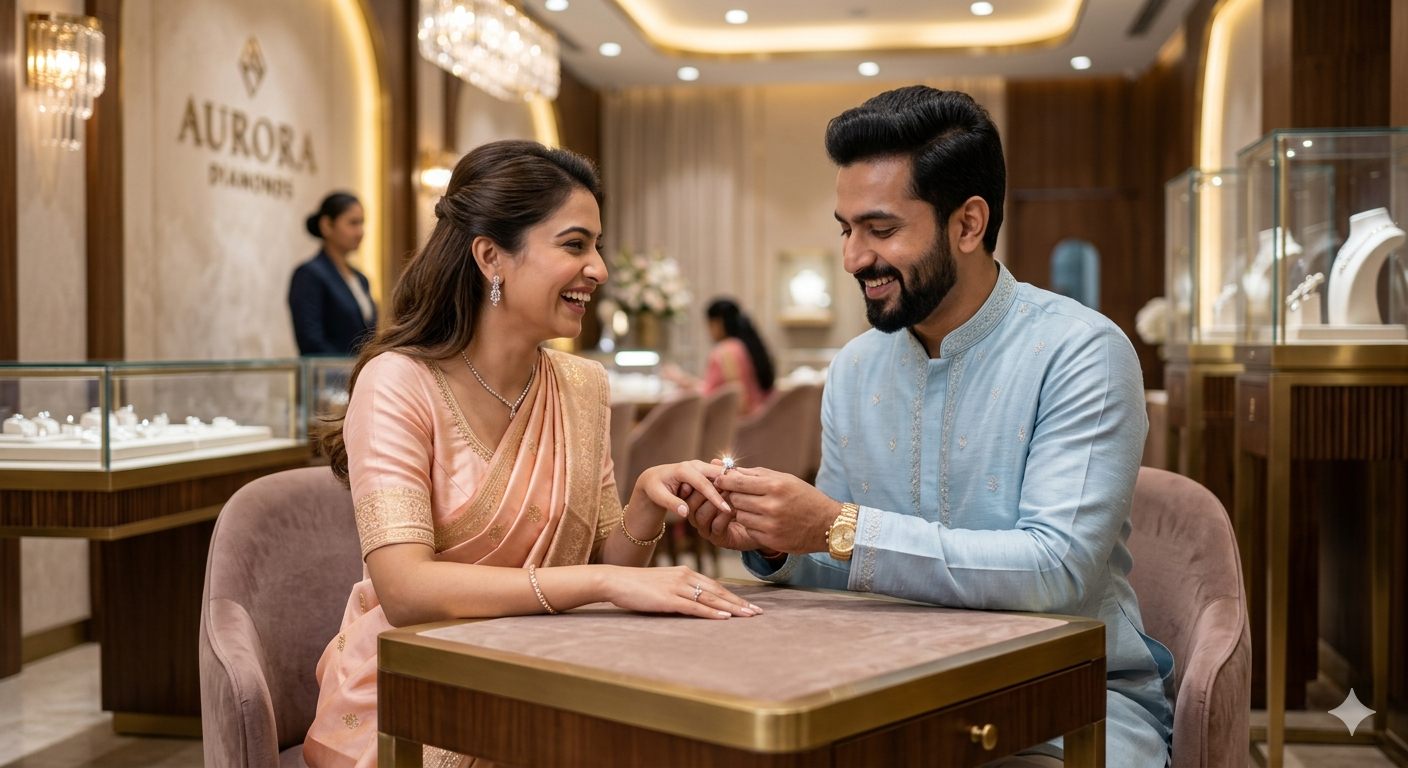
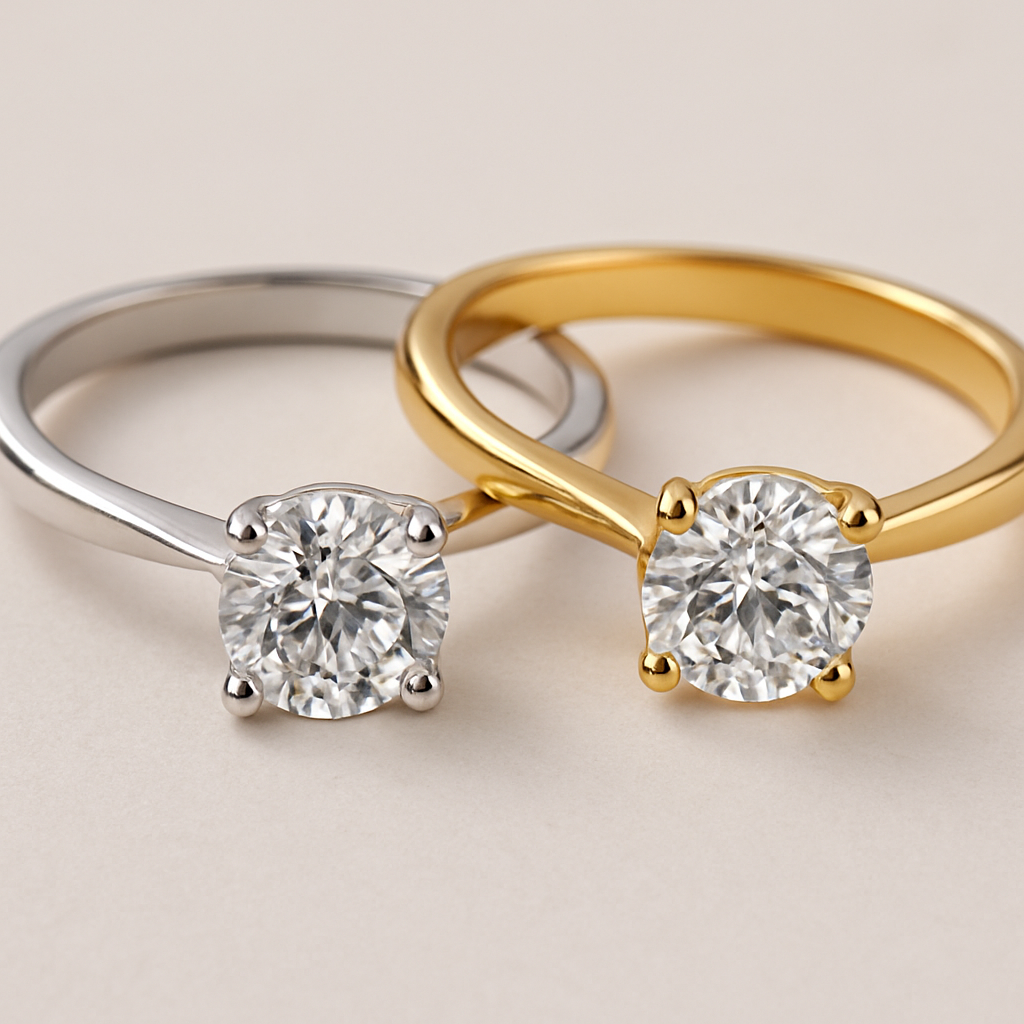
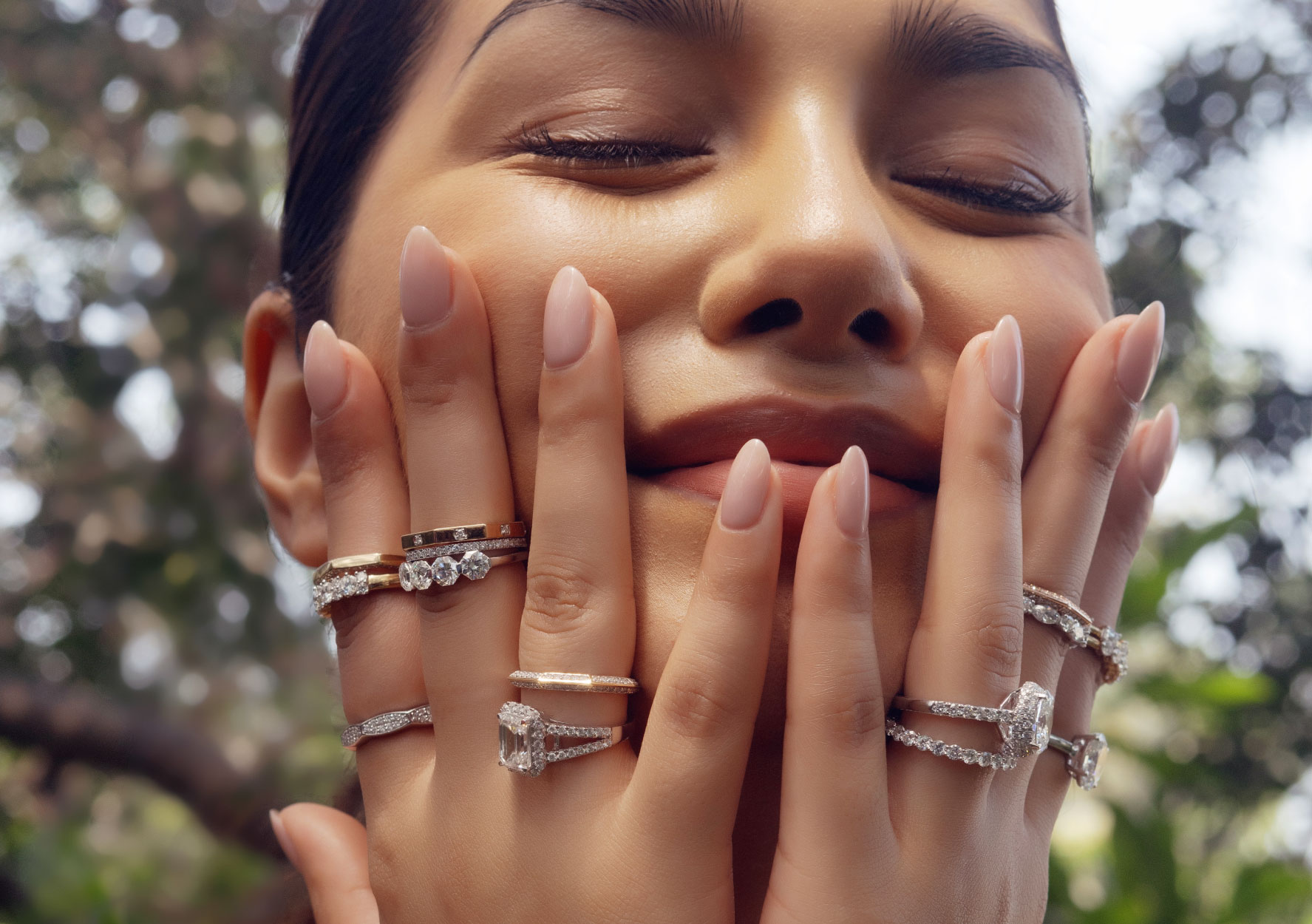
If you're considering buying, visiting a showroom and exploring different Rings can help you understand the craftsmanship and design variety available in lab-grown options.
Despite rapid growth, the industry faces a few significant challenges:
Fake or low-quality stones entering the market
Limited financing support from traditional banks
Rising consumer skepticism
In fact, 10% of returns in 2025 were due to quality concerns, highlighting the need for stricter standards.
To address these issues, industry bodies are taking action:
GJEPC is pushing for mandatory certification standards
Training programs aim to upskill 10,000+ workers in grading and production
Increased awareness campaigns for consumers
Pro tip for buyers:
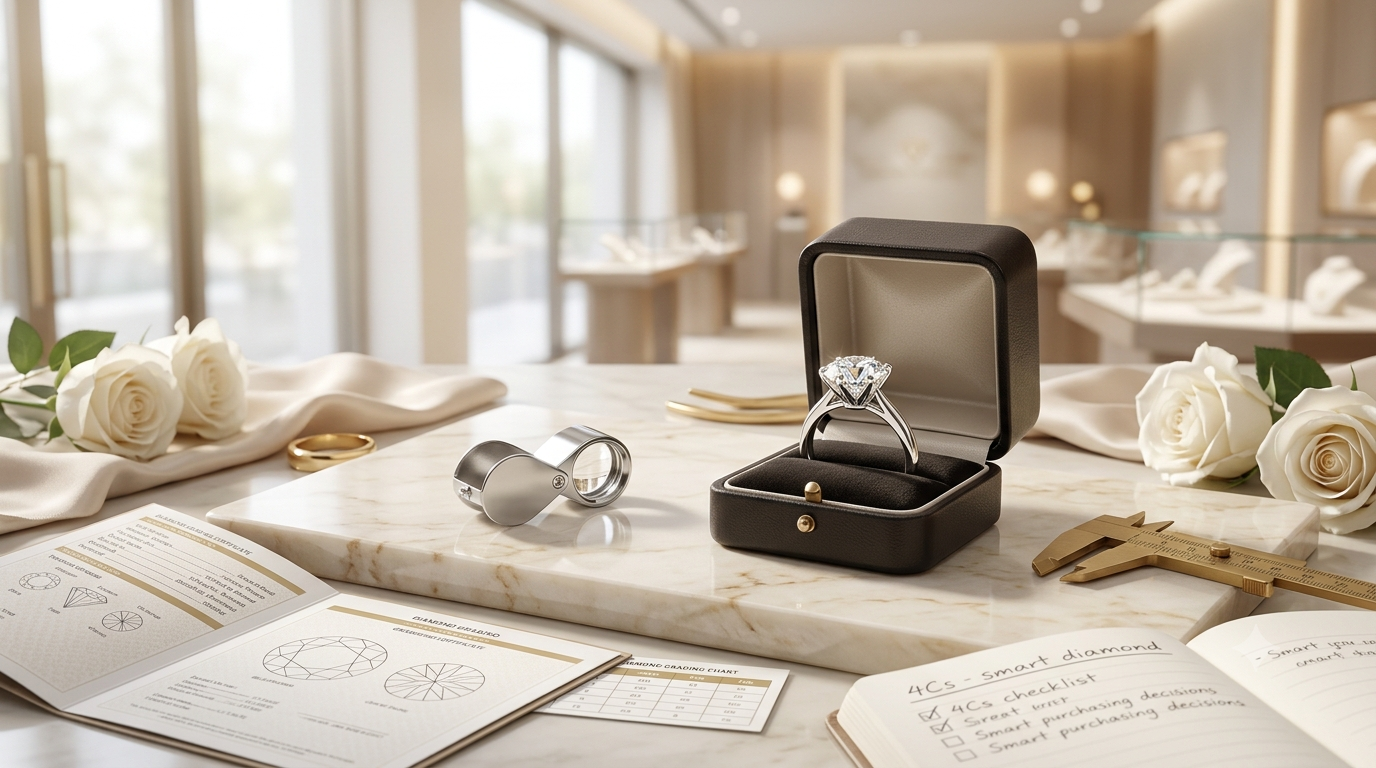
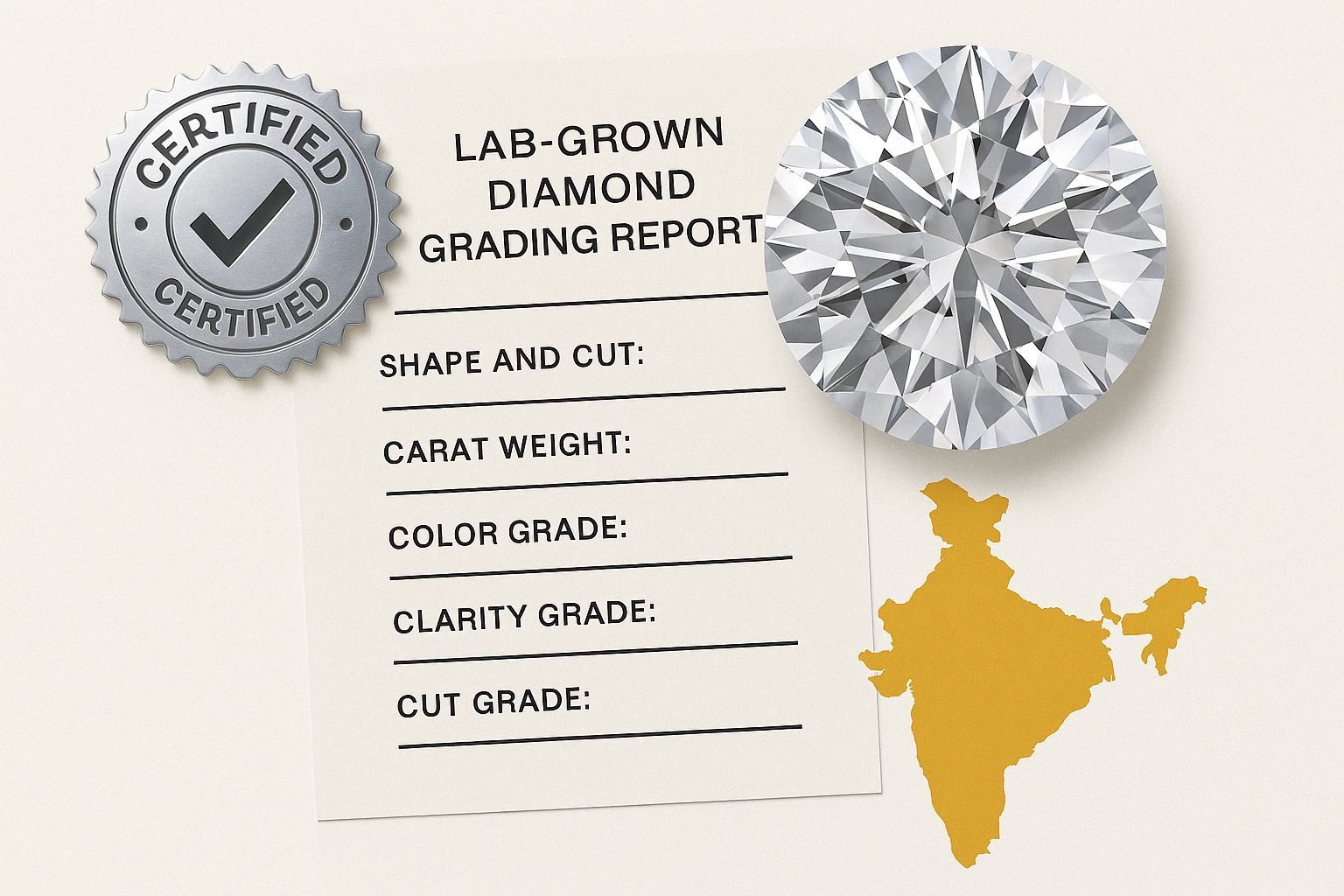
Always purchase diamonds certified by trusted organizations like IGI (International Gemological Institute) or GIA (Gemological Institute of America).
The future looks incredibly promising.
The market is projected to reach $2 billion by 2030
Exports to the U.S. are expected to grow by 50% in 2026 alone
Industry analyst Meera Singh predicts:
“India could soon control 40% of the global lab-grown diamond market.”
The industry continues to evolve with exciting new trends:
Colored lab-grown diamonds (pink, blue, yellow) gaining popularity
Major jewelry brands going all-in on lab-grown collections
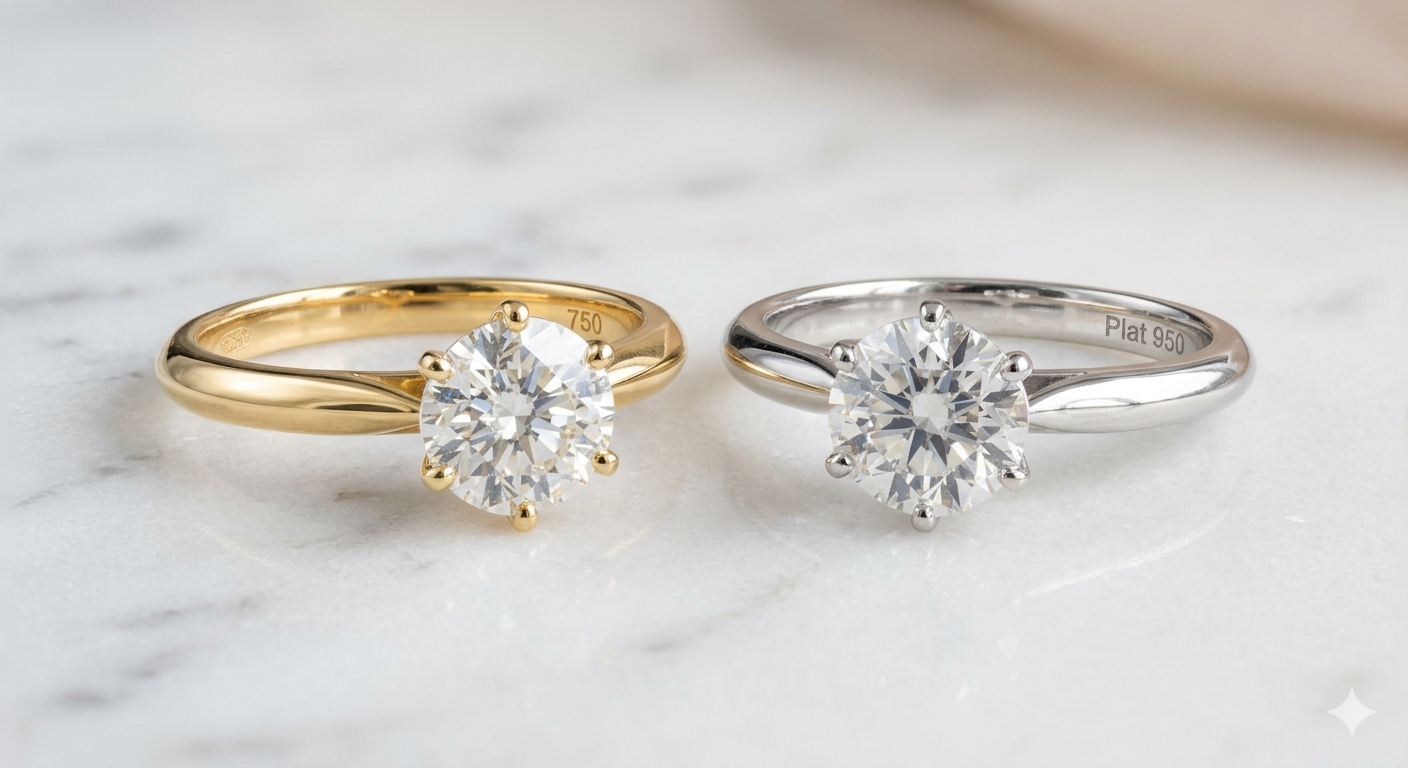
Fusion designs combining diamonds with gold and platinum
Style ideas to explore:
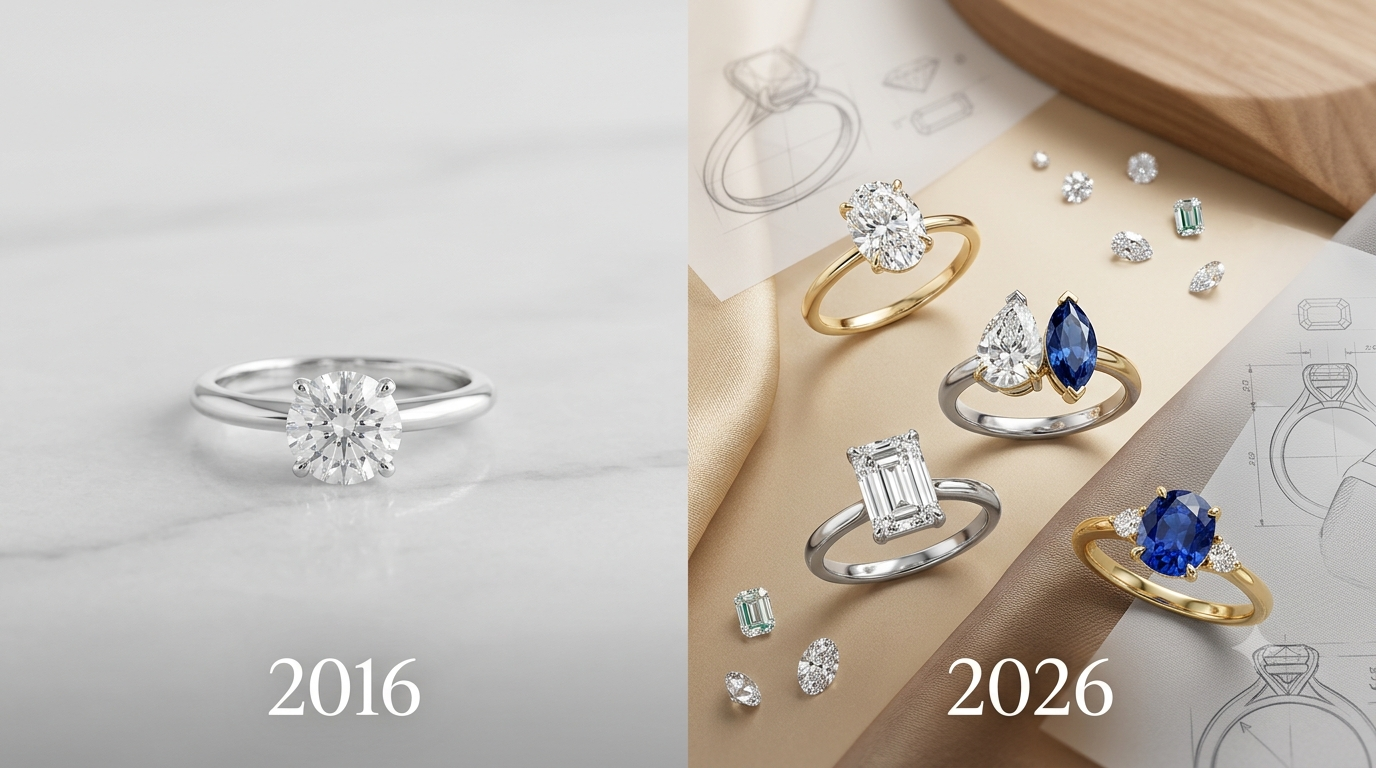
Minimalist engagement rings
Statement wedding bands
Vintage-inspired designs
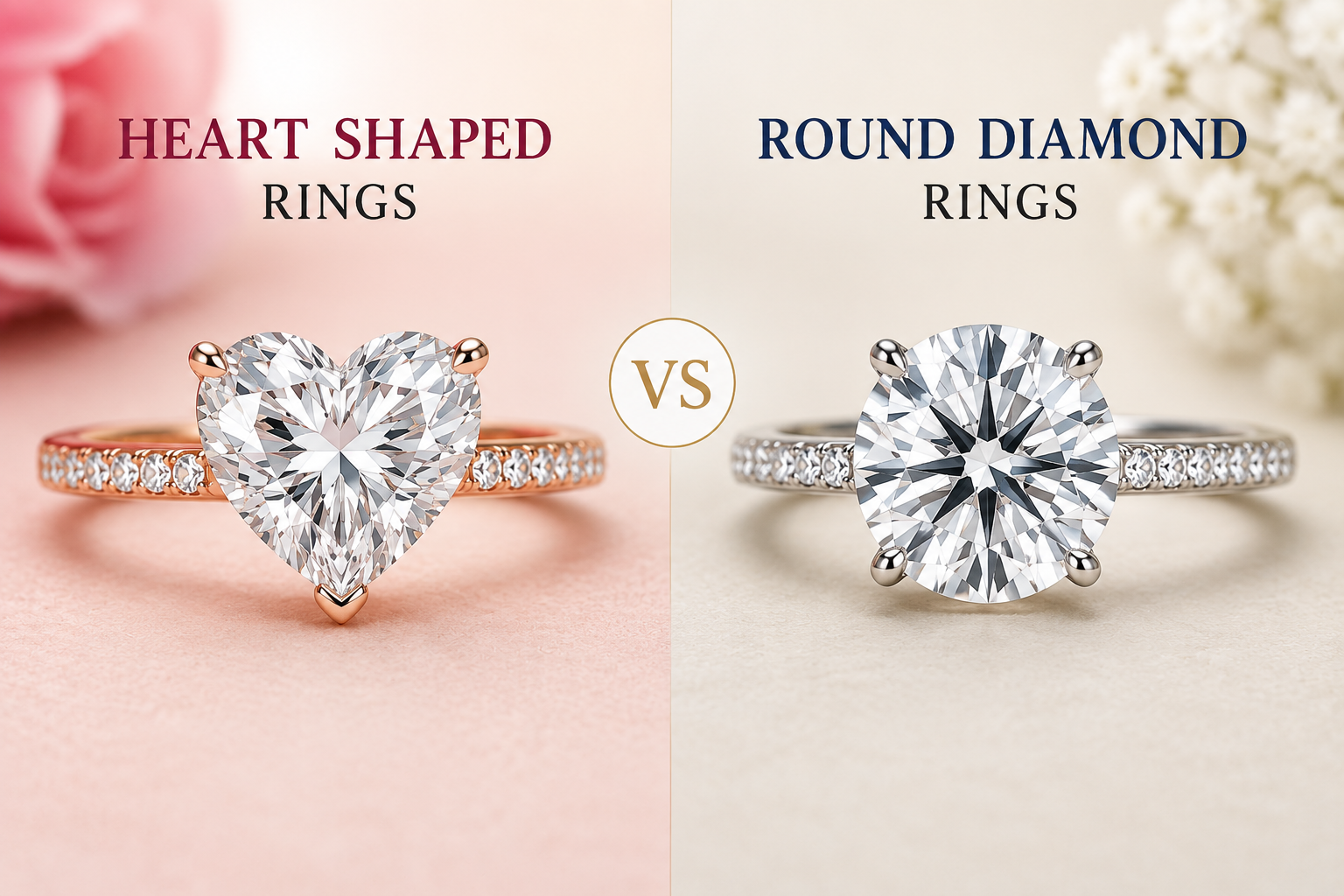
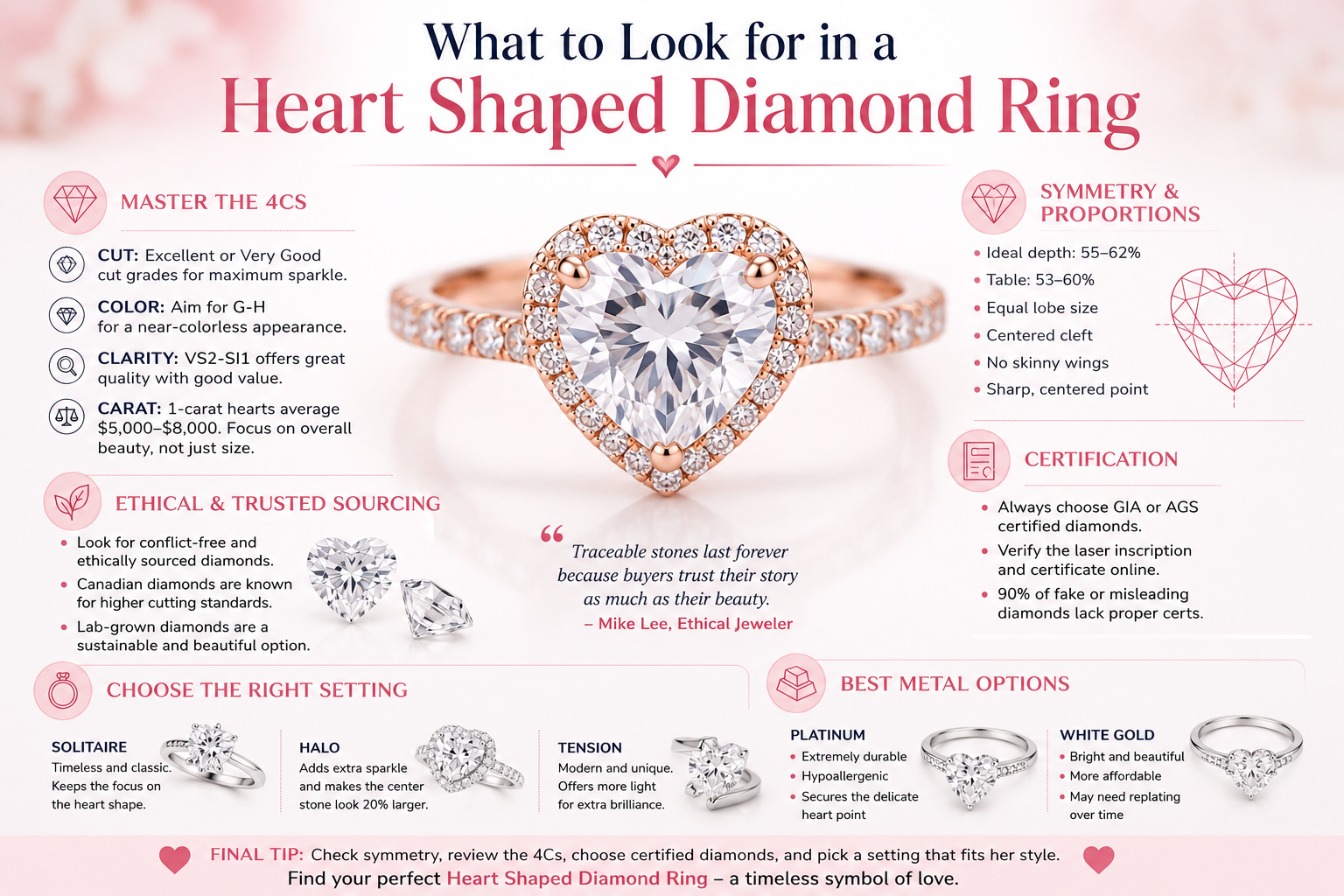
For something truly unique, consider a Best Heart Shape Ring, which blends emotional symbolism with modern craftsmanship.
The rise of the lab-grown diamond industry in India is more than just a trend—it’s a revolution. With benefits like affordability, ethical sourcing, and technological innovation, these diamonds are redefining luxury.
From creating jobs in cities like Surat to making high-quality jewelry accessible to more people, the impact is widespread and transformative.
If you're planning your next jewelry purchase, now is the perfect time to explore lab-grown options. Not only will you save money, but you’ll also be making a smarter, more sustainable choice.
India is well on its way to becoming a global leader in this space—and by 2030, it may very well set the benchmark for the entire world.

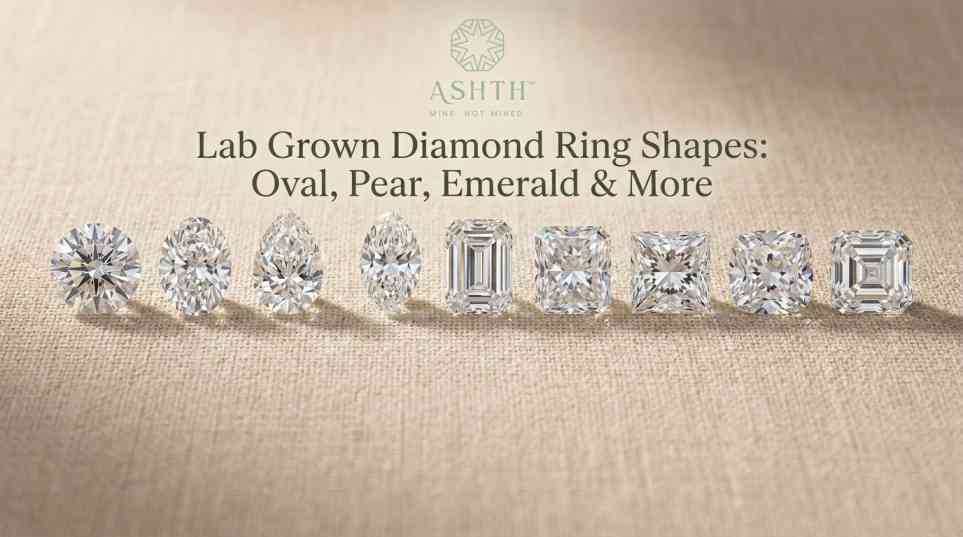
 Round
Round Pear
Pear Heart
Heart PRINCESS
 Oval
Oval CUSHION
 EMERALD
 MARQUISE
 Asscher
 RADIANT
 Ashth CUT
 ROSE CUT
 BRIOLETTE
 SINGLE CUT
 TRAPEZIUM
 TULIP
TULIP TRIANGLE
 BUTTERFLY
 FLOWER
 MOVAL
MOVAL CLOVER
 BAGUETTE
 9KT ASHTH CUT
 9KT MARQUISE
 9KT PEAR
 9KT RADIANT
 9KT EMERALD