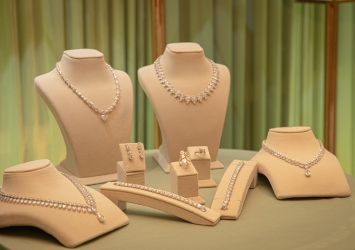
Ashth - Where Exceptional Craftsmanship Defines Modern Luxury !

- Rings
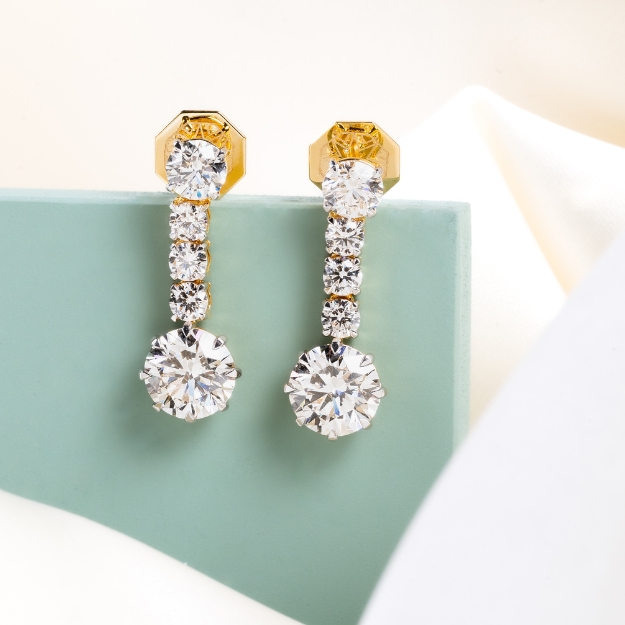
- Earrings
Shop By Category
- Bangles/ Bracelets
Shop By Category
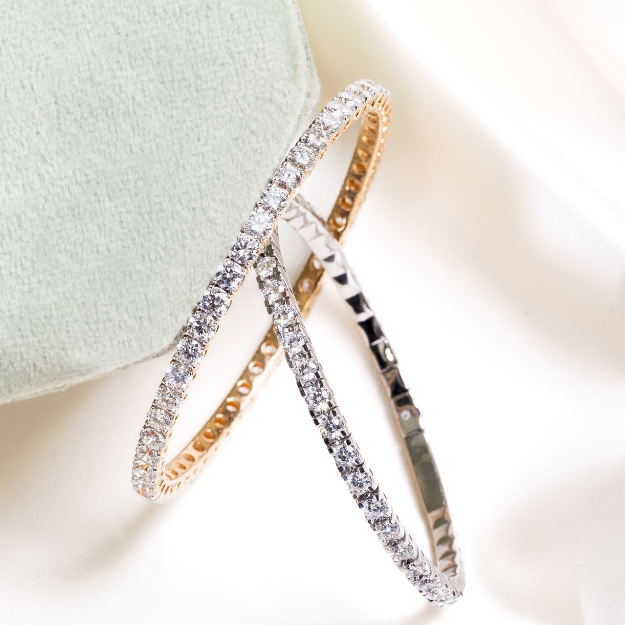
- Necklaces
Shop By Category
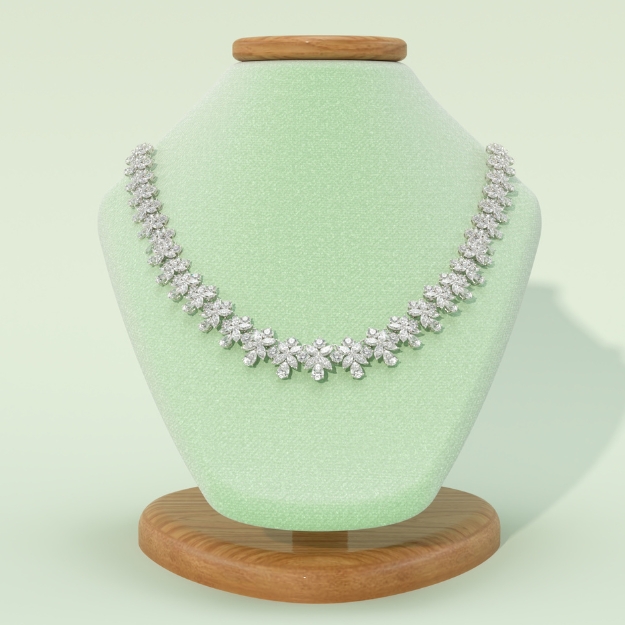
- Pendants
Shop By Category
- ASHTH LITE
Shop By Category
.jpg)
- Collections
Collections
Shop By Category
Shop By Category
Shop By Category
Shop By Category
Shop By Category
Collections
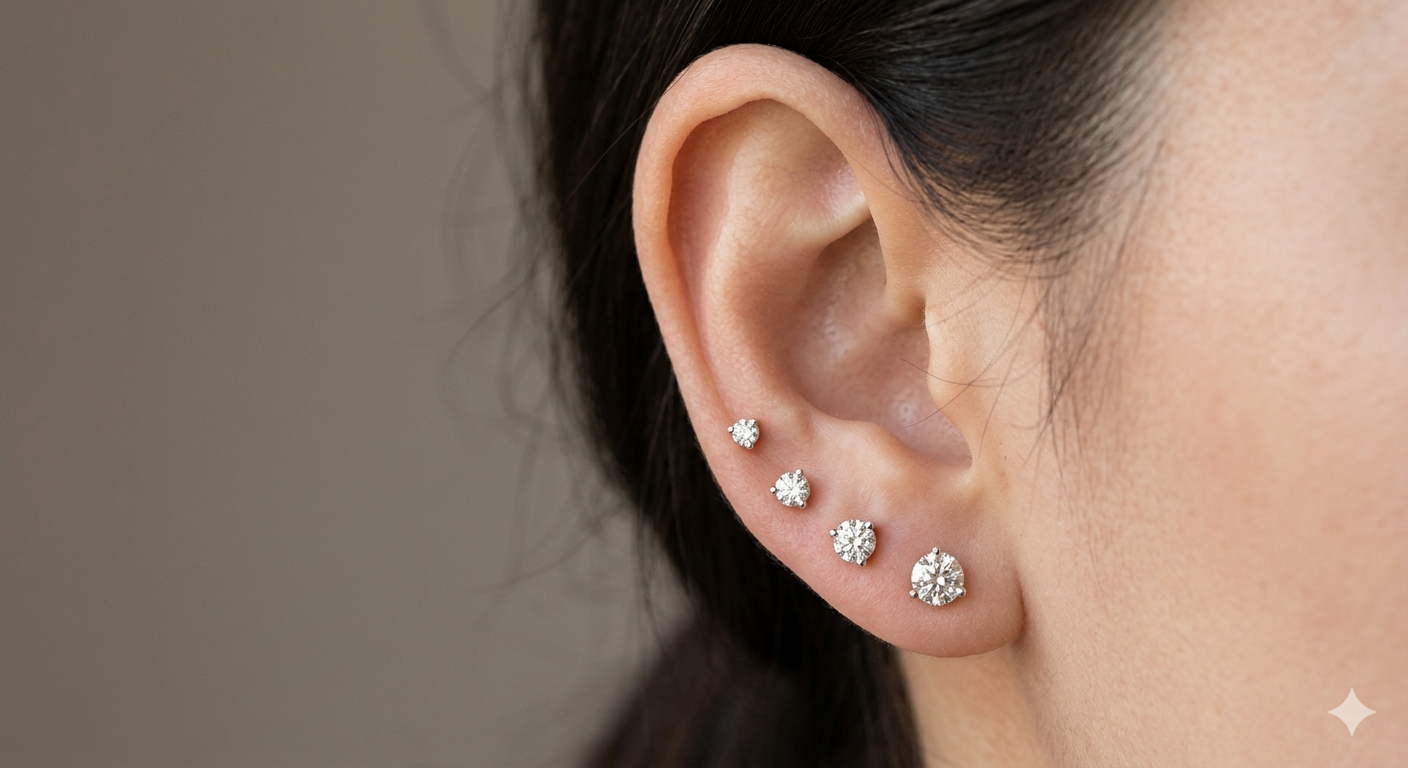
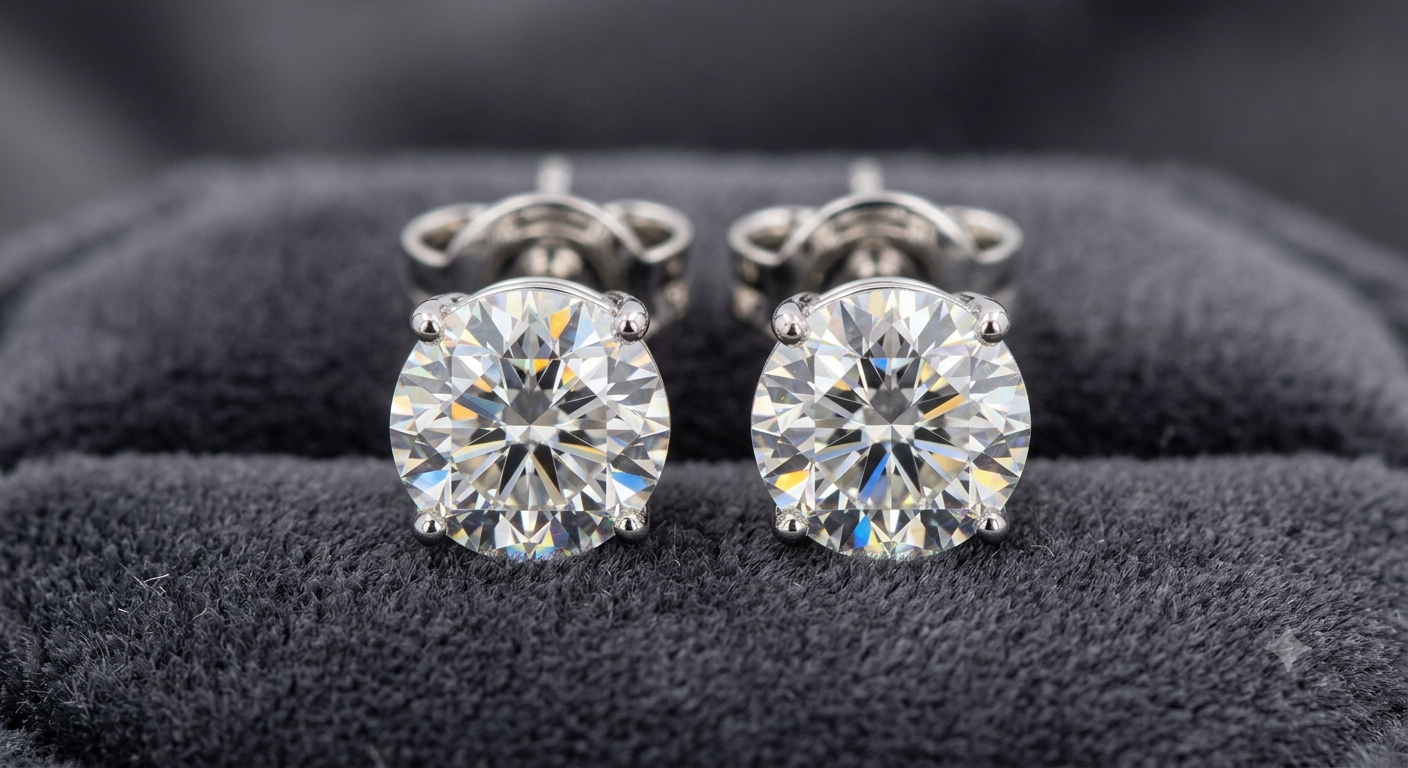
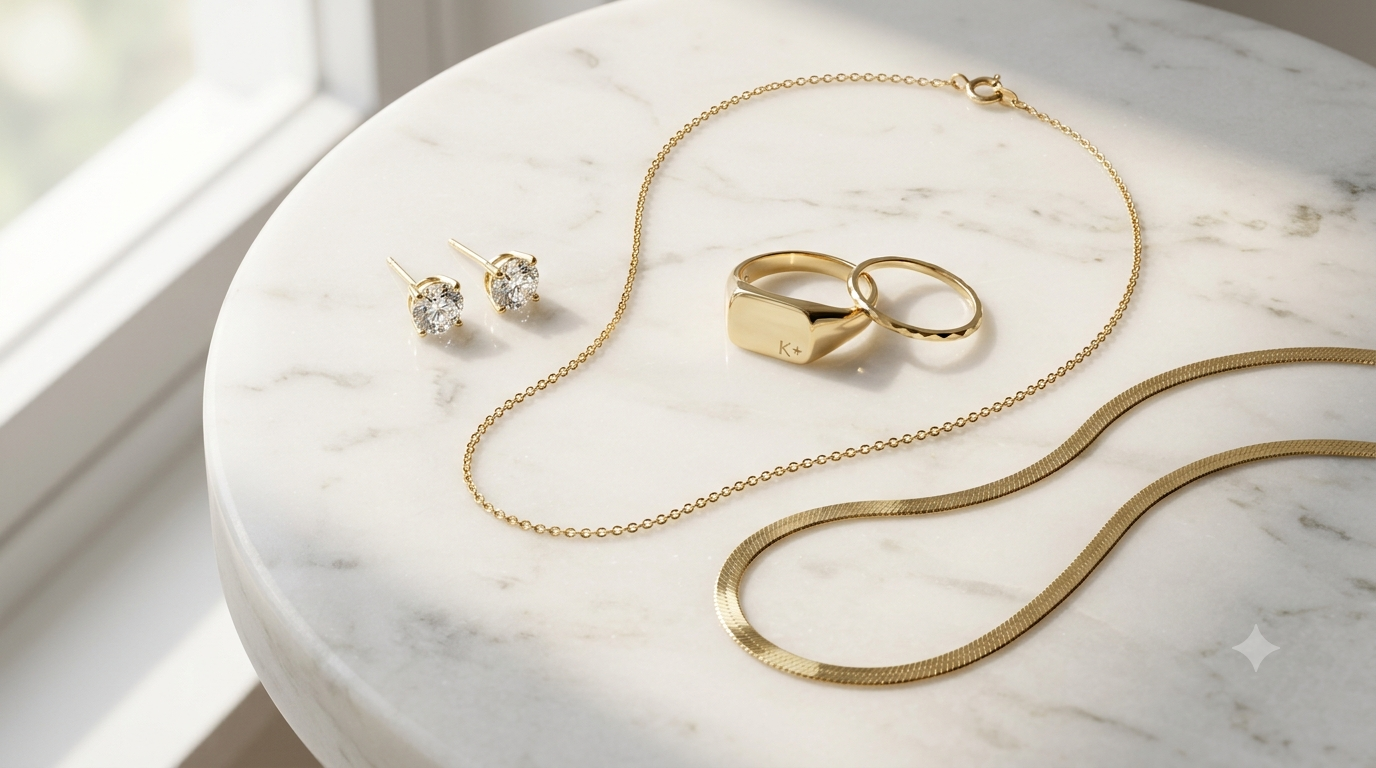
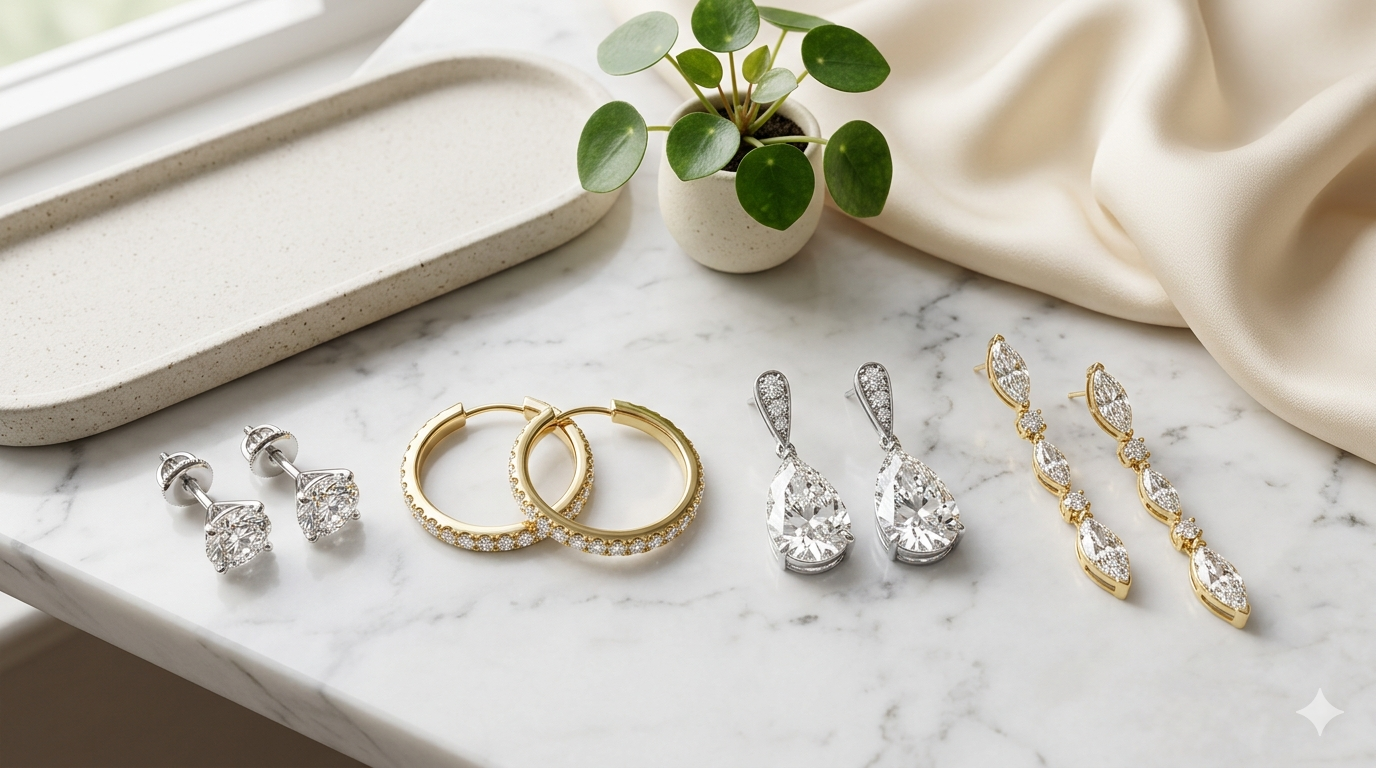
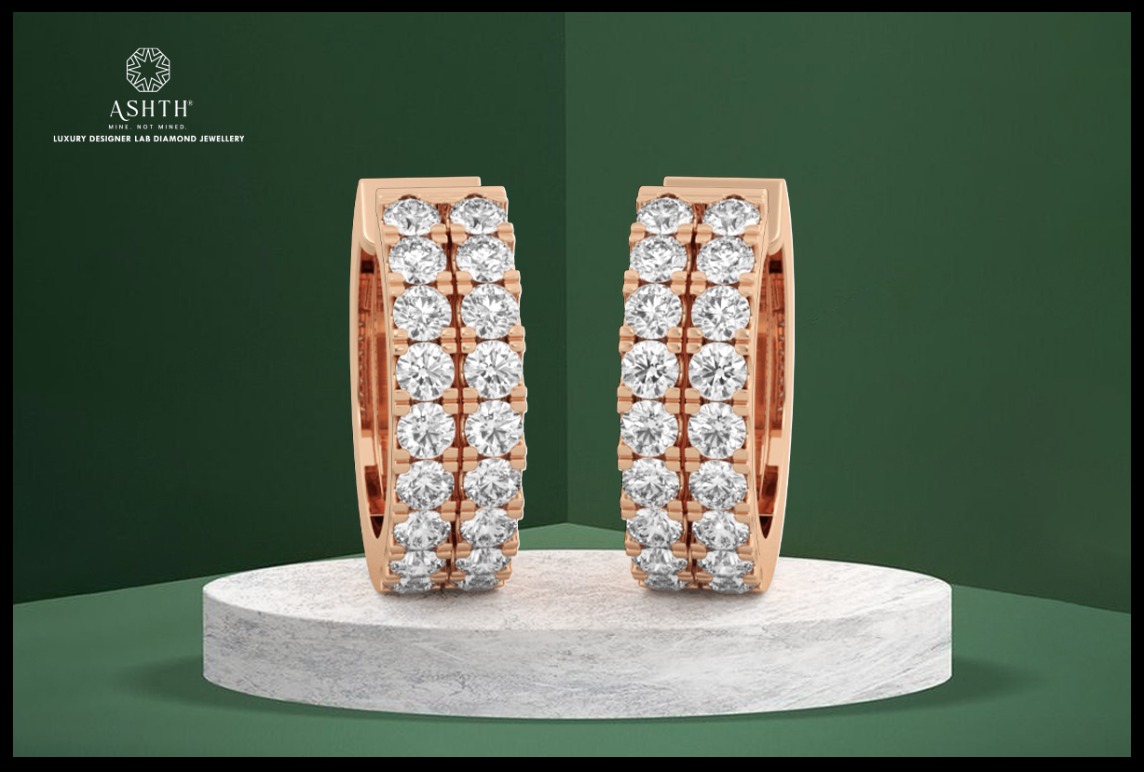
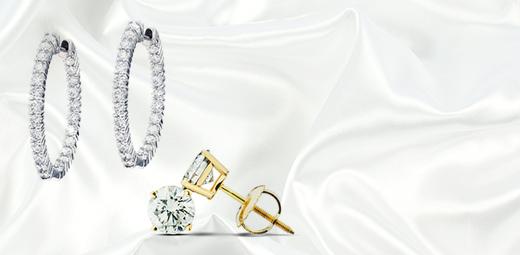
Picture a pair of tiny diamonds catching light every time you move. They feel comfortable, elegant, and easy to wear every day. That is the beauty of small diamond stud earrings. They offer sparkle without feeling heavy or flashy.
However, choosing the right size can sometimes be confusing. Diamond earrings are often described using carat weight, while the visible size is measured in millimeters (mm). Understanding the difference between these measurements helps you choose studs that look balanced on your ears.
According to the Gemological Institute of America, carat measures the weight of a diamond, not its visible size. Two diamonds with the same carat weight may appear slightly different depending on how they are cut.
This guide explains diamond stud sizes, how to match them with your face and style, and practical tips to test sizes before buying.
Carat is the standard unit used to measure the weight of a diamond, while millimeters measure the diameter of the stone, which determines how large it appears.
For example, round diamonds typically follow these approximate size measurements:
When choosing small diamond stud earrings, the millimeter measurement is often more important because it shows how noticeable the diamond will be on the ear.
Another term used when buying studs is total carat weight (TCW). This refers to the combined weight of both diamonds in the pair.
Examples:
0.50 TCW studs = 0.25 carat per earring
1.00 TCW studs = 0.50 carat per earring
Understanding this helps buyers compare diamond sizes accurately.
Small diamond studs come in several popular size ranges. Each offers a different level of sparkle and visibility.
These are extremely small studs that create a delicate and minimal look. They are often used for second ear piercings or layered earring styles.
This range is one of the most popular choices for everyday wear. The diamonds are subtle yet visible and comfortable to wear all day.
3 mm – Classic Small Studs
A 3 mm diamond stud provides a little more sparkle while still maintaining a simple and elegant look.
A quick reference chart can help visualize how diamond sizes relate to carat weight.
These measurements may vary slightly depending on the diamond’s cut and proportions.
Carat weight alone does not determine how large a diamond looks. Two diamonds with the same carat weight may appear different if their proportions vary.
A well-cut diamond reflects more light and may appear brighter and slightly larger than a poorly cut stone. This is why experts recommend focusing on:
Visible diameter (mm)
Diamond cut quality
Overall brilliance
These factors help ensure your small diamond stud earrings look bright and well-proportioned.
Face shape can influence how diamond stud sizes look.
Smaller studs around 2–2.5 mm help create balance without adding extra width.
Oval faces can easily carry slightly larger studs like 2.5–3 mm.
Studs closer to 3 mm can soften sharper facial features and add a balanced sparkle.
Earlobe size is another important factor when choosing stud earrings.
People with smaller earlobes may find that larger diamonds extend beyond the edges of the lobe. Smaller diamonds often look more proportional.
A simple guideline is that the stud should cover about 20–30% of the visible earlobe.
Personal style also affects which diamond size feels right.
Diamonds between 1.5 mm and 2 mm create a subtle, elegant appearance.
Diamonds between 2 mm and 2.5 mm provide a balanced mix of sparkle and simplicity.
Studs around 3 mm add noticeable shine while still remaining small and refined.
Many jewelry lovers prefer small diamond stud earrings because they match both casual and formal outfits.
Your lifestyle should also influence the size you choose.
Studs under 2.5 mm are lightweight and unlikely to snag on hair or clothing.
Smaller diamonds provide a polished and elegant appearance.
Diamonds around 3 mm or slightly larger offer more sparkle for events.
If you are buying earrings online, try simple measuring techniques to visualize the size.
Draw small circles on paper representing common diamond sizes like 2 mm, 2.5 mm, and 3 mm. Place them on your ear while looking in a mirror.
This simple trick helps you estimate how large the diamonds will appear.
Many jewelry websites offer printable diamond size charts. Printing these charts allows you to hold the size references against your ear to compare different diamond diameters.
This method reduces the risk of ordering studs that feel too small or too large.
If possible, try earrings at a jewelry store before buying.
Experts recommend:
Trying multiple sizes
Viewing diamonds under natural light
Wearing them for a few minutes to check comfort
These steps help you choose the most flattering size.
Certain sizes are widely considered ideal for everyday wear.
These provide a delicate sparkle and work well for minimal jewelry styles.
This size offers a balanced look that is visible but still subtle.
A classic small stud size with slightly more sparkle.
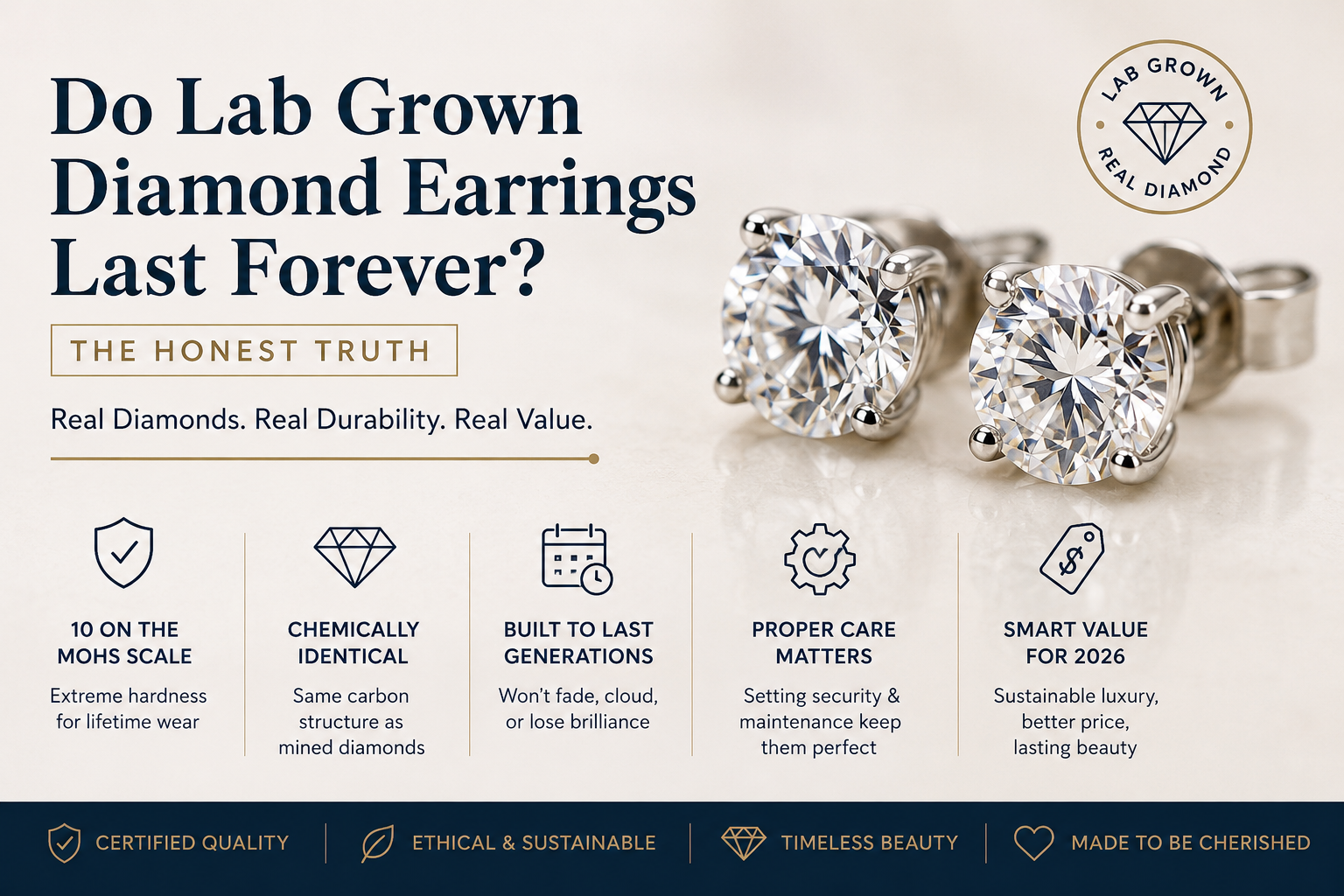
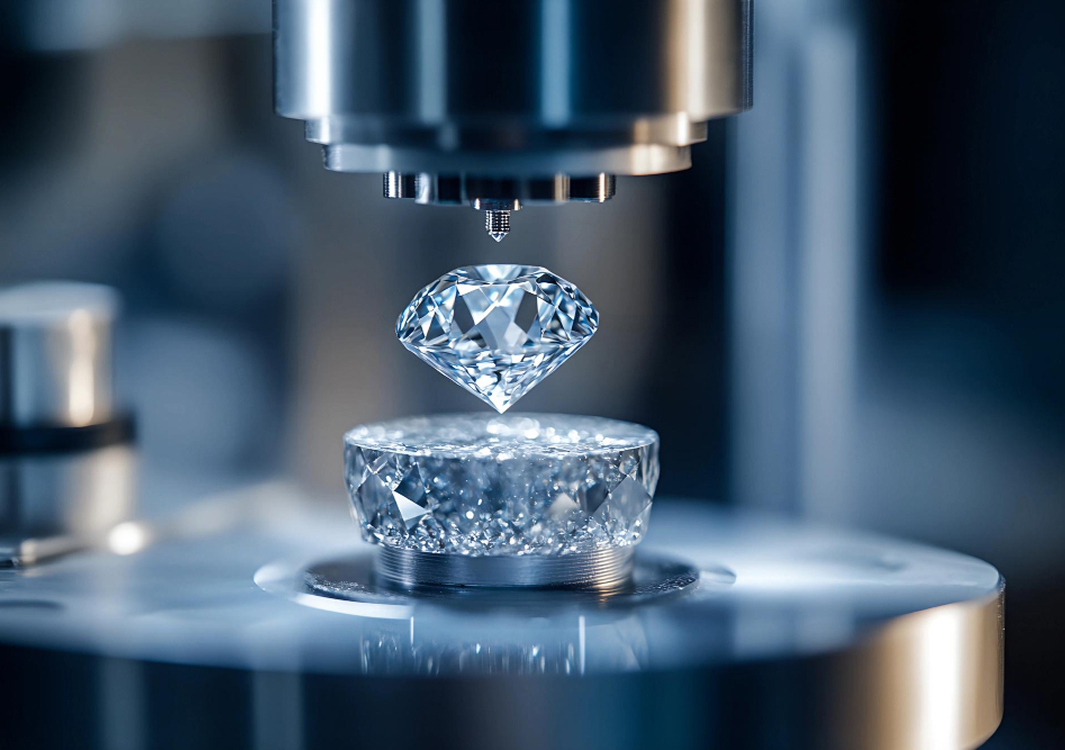
Many modern buyers prefer a lab grown diamond earring because it offers the same brilliance and durability as natural diamonds.
Lab-grown diamonds are created in controlled environments but have identical physical and chemical properties to mined diamonds. They are often more affordable, allowing buyers to choose larger stones within the same budget.
Choosing the wrong size can lead to disappointment.
Common mistakes include:
Buying studs that are too small to notice
Choosing diamonds that extend beyond the earlobe
Ignoring diamond cut quality
A balanced combination of size, cut, and proportion ensures the earrings look beautiful when worn.
Before purchasing diamond studs, consider the following tips:
Choose diamonds with excellent or very good cut grades
Check certification from trusted gemological labs
Select secure backs for better comfort
Consider lab-grown options for better value
These tips help buyers select earrings that offer both beauty and durability
Choosing the right size for diamond studs becomes easier once you understand how diamond measurements work. Focus on the millimeter diameter, match the size with your face and ear lobe, and test sizes before purchasing.
A well-chosen pair of small diamond stud earrings can add effortless elegance to any outfit. If you want beautiful sparkle at a more accessible price, a lab grown diamond earring can also be a smart everyday choice.
With the right size and quality, diamond studs can become a timeless accessory that you enjoy wearing for years.


 Round
Round Pear
Pear Heart
Heart PRINCESS
 Oval
Oval CUSHION
 EMERALD
 MARQUISE
 Asscher
 RADIANT
 Ashth CUT
 ROSE CUT
 BRIOLETTE
 SINGLE CUT
 TRAPEZIUM
 TULIP
TULIP TRIANGLE
 BUTTERFLY
 FLOWER
 MOVAL
MOVAL CLOVER
 BAGUETTE
 9KT ASHTH CUT
 9KT MARQUISE
 9KT PEAR
 9KT RADIANT
 9KT EMERALD