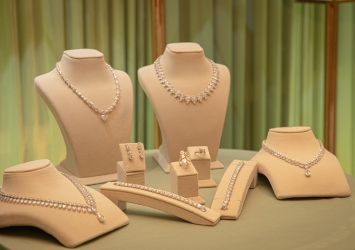
Ashth - Where Exceptional Craftsmanship Defines Modern Luxury !

- Rings
- Earrings
Shop By Category
- Bangles/ Bracelets
Shop By Category
- Necklaces
Shop By Category
- Pendants
Shop By Category
- ASHTH LITE
Shop By Category
.jpg)
- Collections
Collections
Shop By Category
Shop By Category
Shop By Category
Shop By Category
Shop By Category
Collections
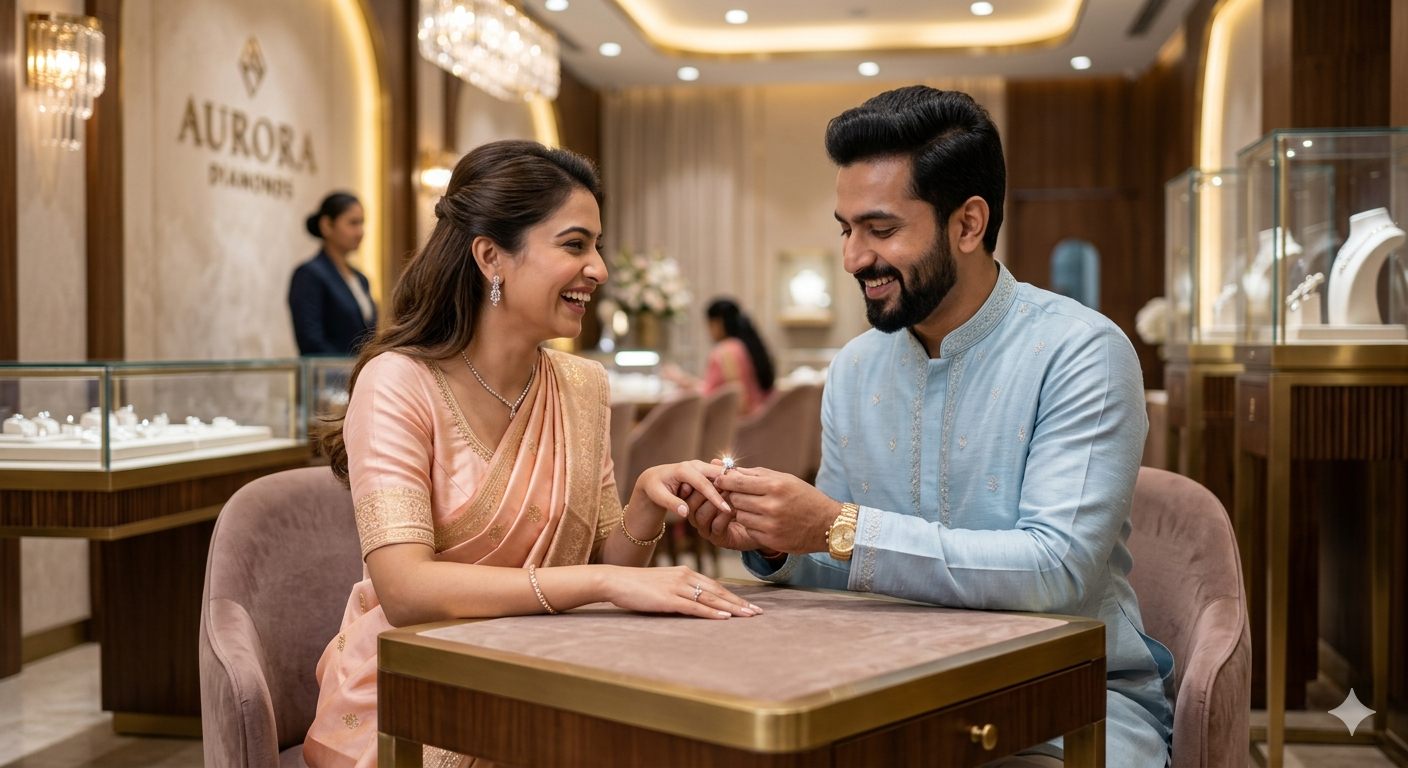
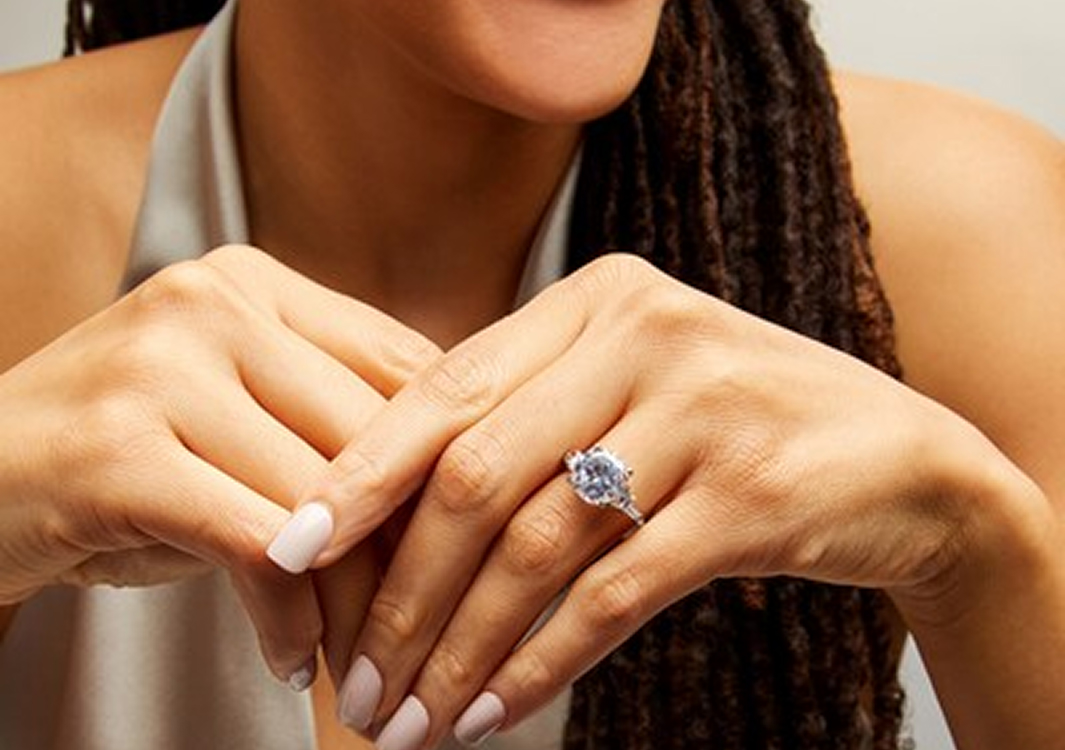
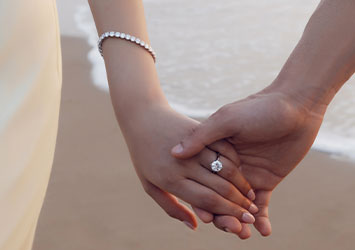
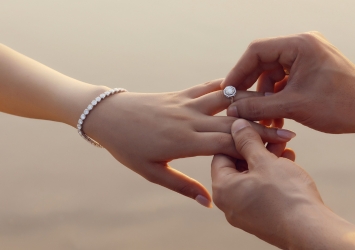
Buying an engagement ring is one of the biggest moments in a couple's life. In India, a diamond ring is more than just jewellery—it represents love, commitment, and a promise for the future. However, many couples are surprised when they see the price of a natural diamond ring. A beautiful 2-carat natural diamond can easily cost over ₹8–10 lakh, making it difficult to stay within budget.
At Ashth, we regularly study buying trends and speak with customers looking for premium jewellery without overspending. One thing is clear—today's Indian buyers want certified quality, transparency, and better value for money.
This case study is inspired by a real buying journey that reflects what many modern Indian couples experience.
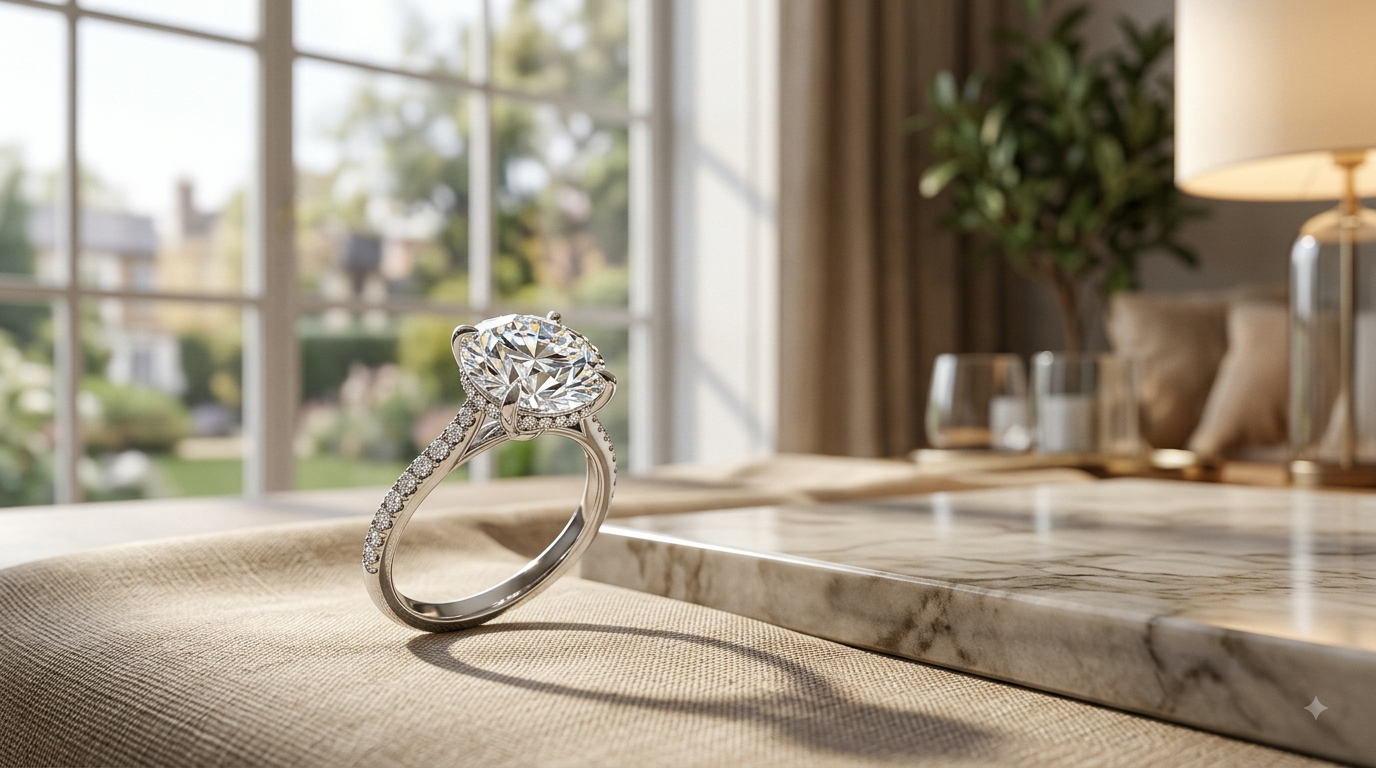
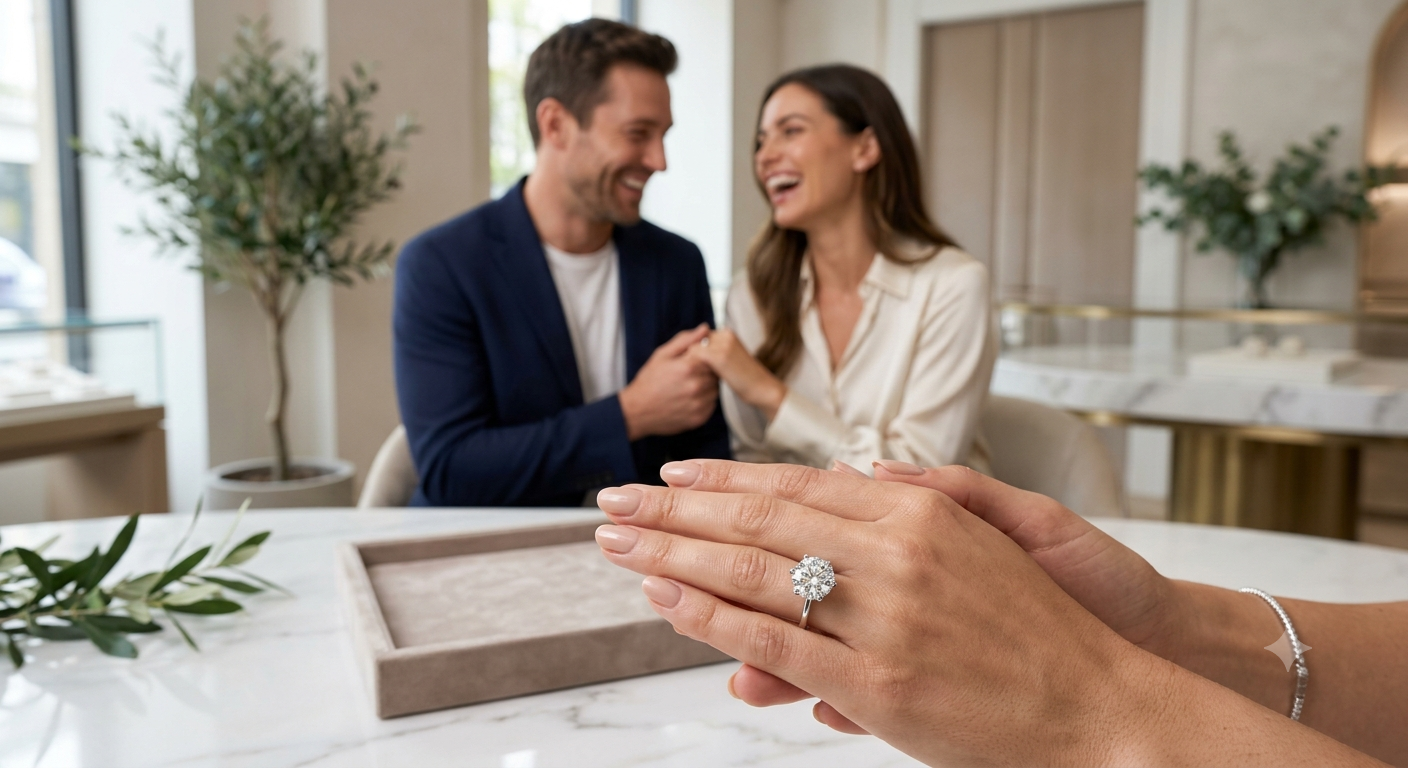
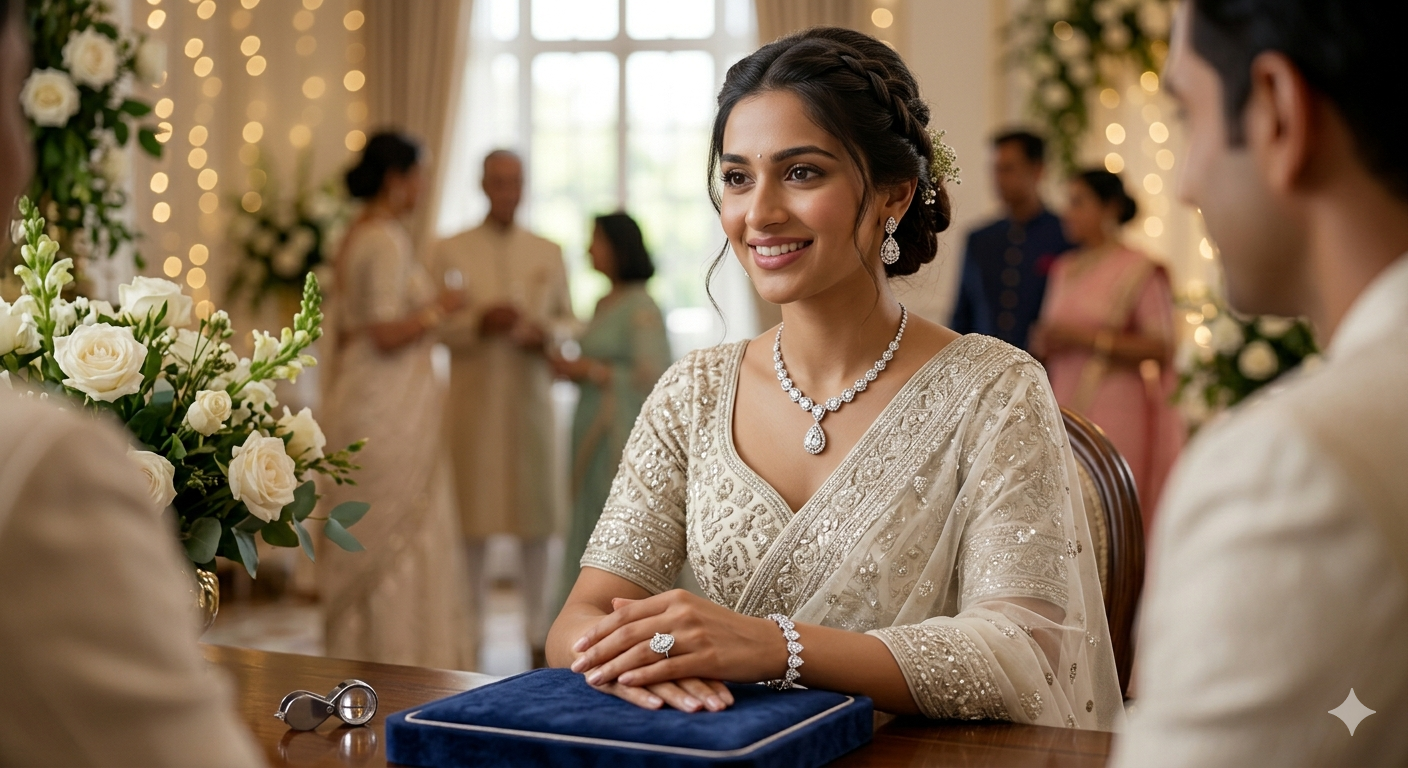
Meet Aditi and Rohan, a young couple from Bengaluru. They wanted a stunning 2-carat engagement ring that looked luxurious but also wanted to save for their first home. Their budget was around ₹5 lakh, but every natural diamond ring they liked was priced well above ₹9 lakh.
Instead of stretching their finances, they explored certified lab grown diamonds.
The result?
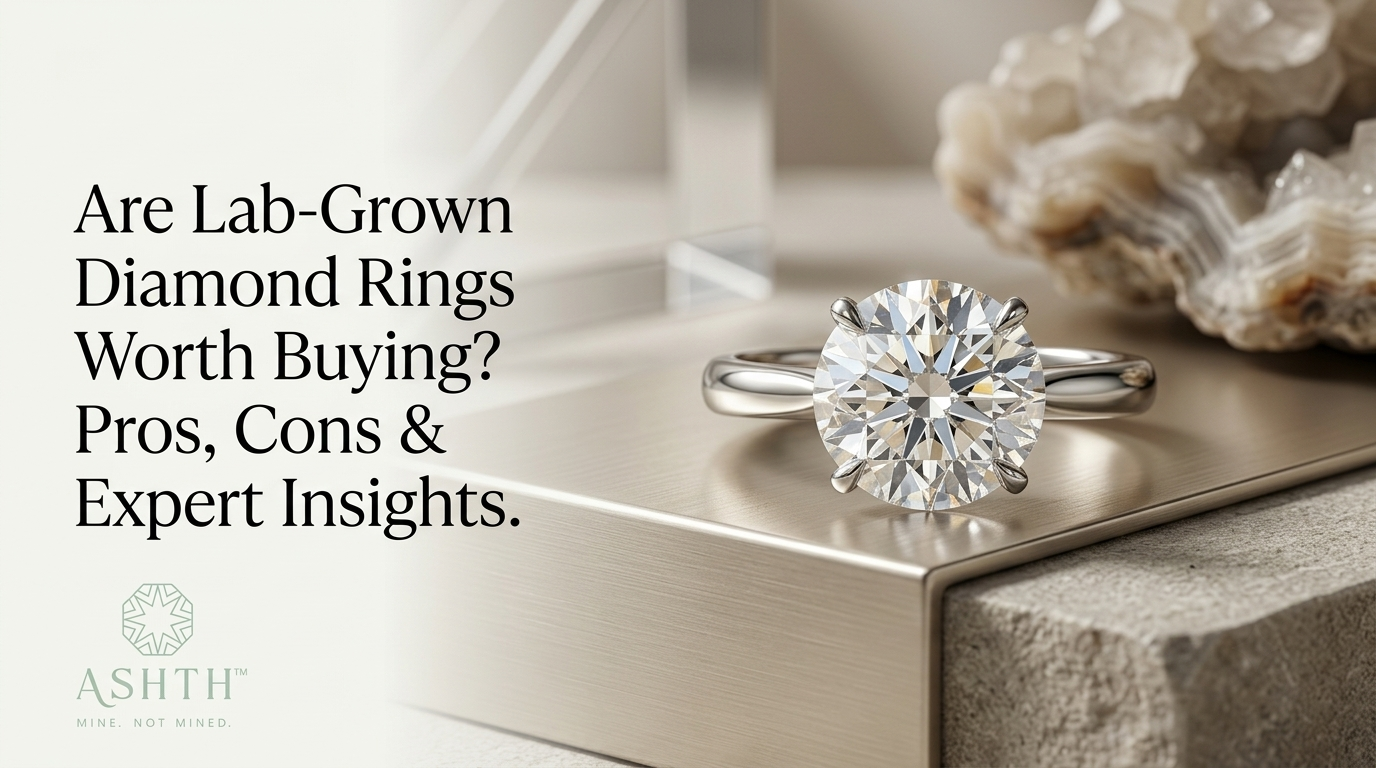
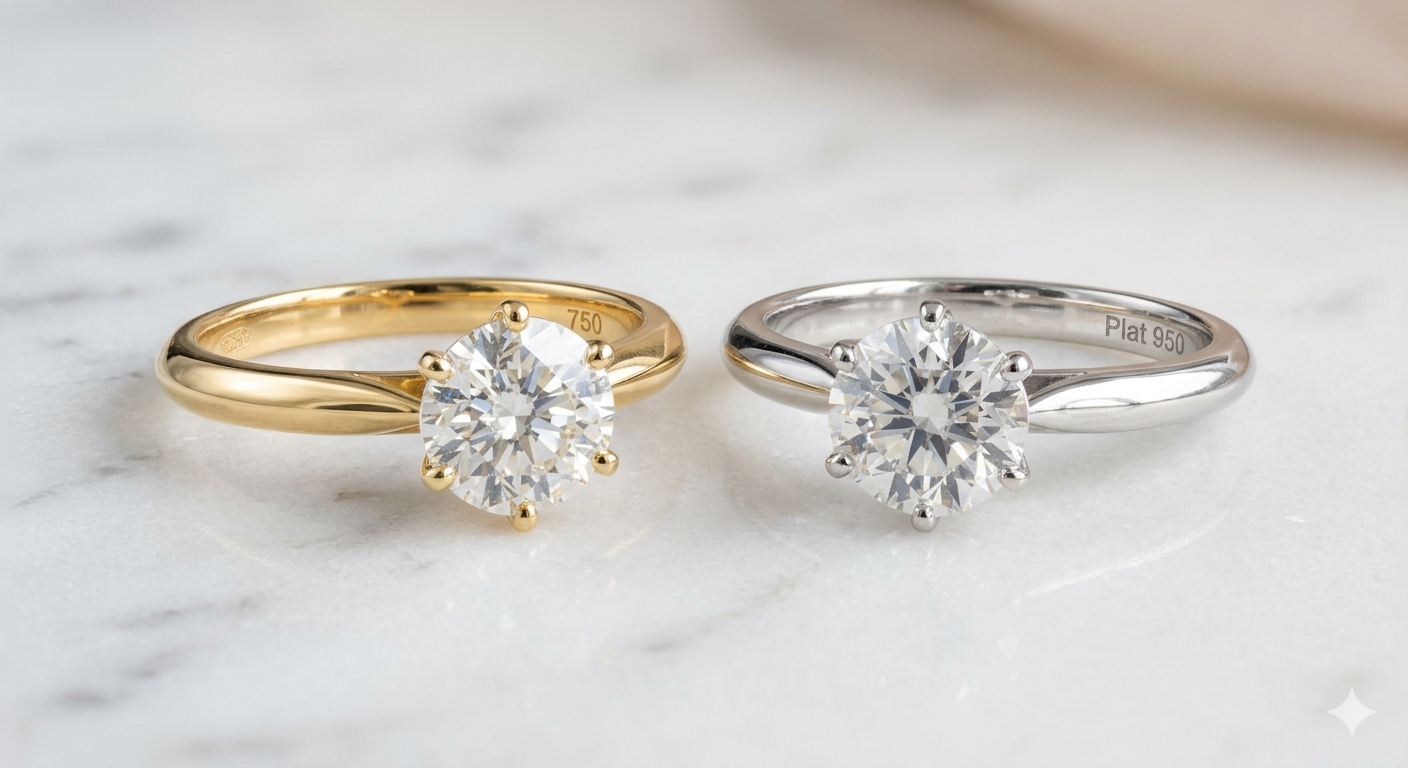
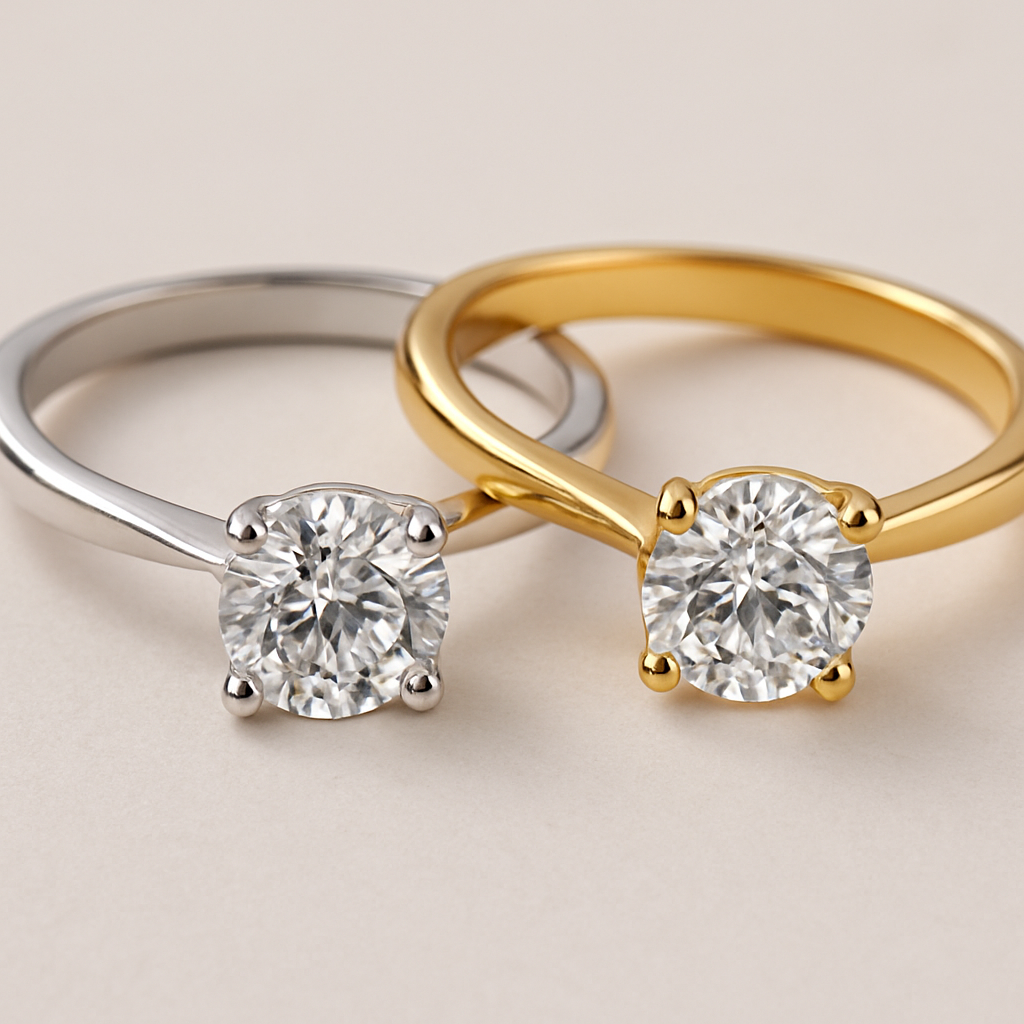
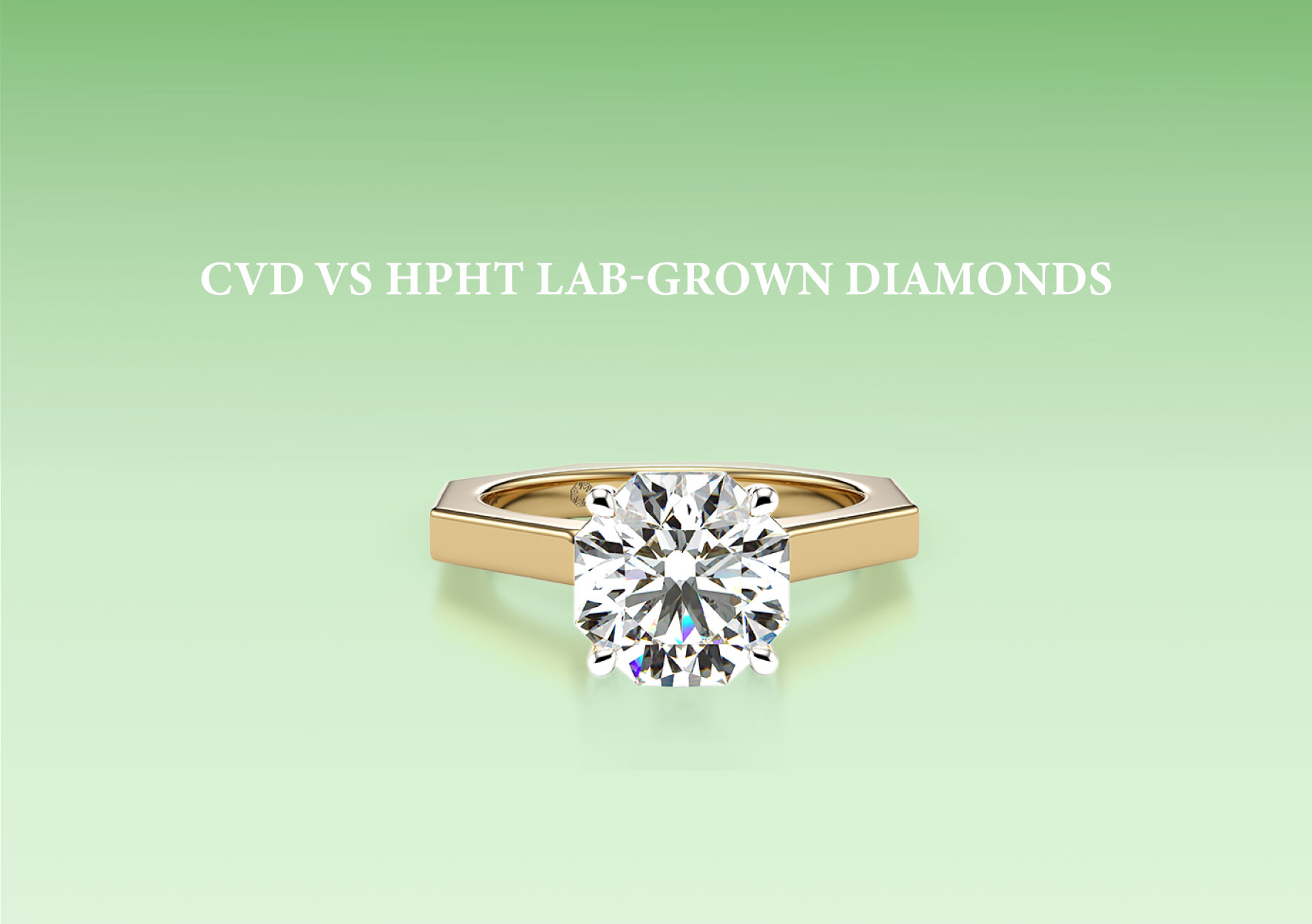
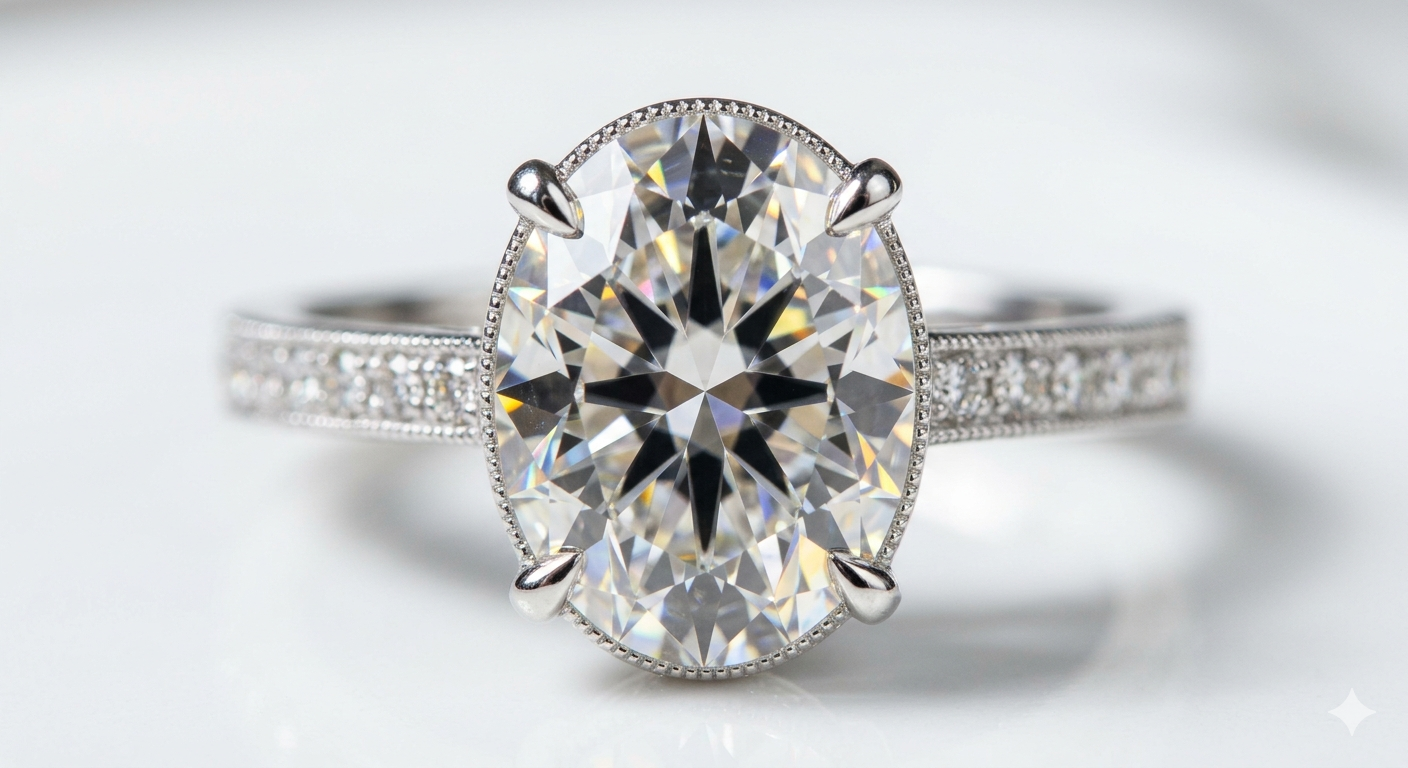
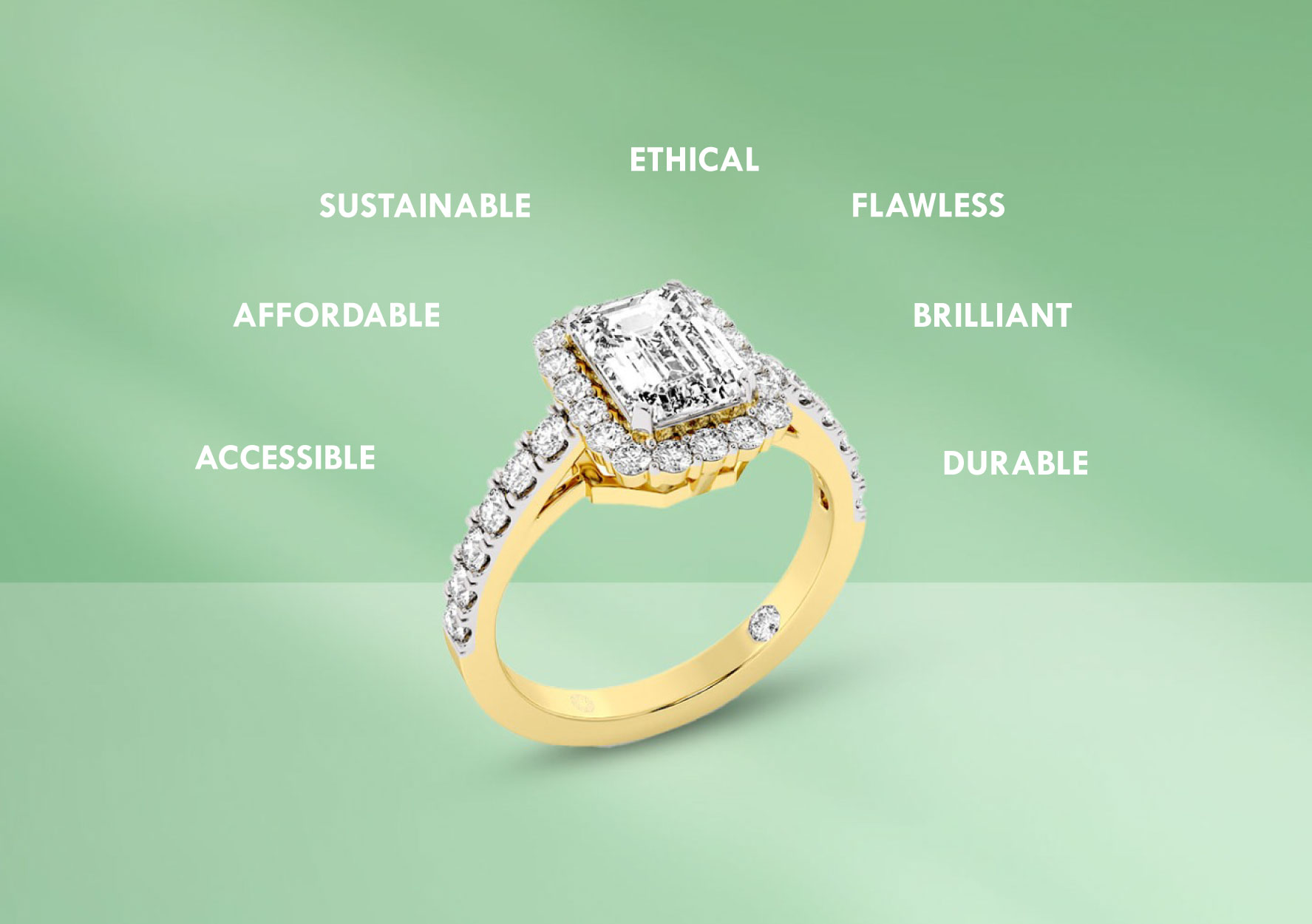
They bought a beautiful **IGI-certified 2-carat **lab grown diamond engagement ring for just under ₹5 lakh and saved more than ₹4 lakh. The money they saved helped them increase the down payment for their apartment without compromising on the ring of their dreams.
If you're planning to buy an engagement ring in India, this guide will show you exactly how they made the right decision—and how you can too.
One of the biggest misconceptions among Indian buyers is that lab grown diamonds are fake.
They are not.
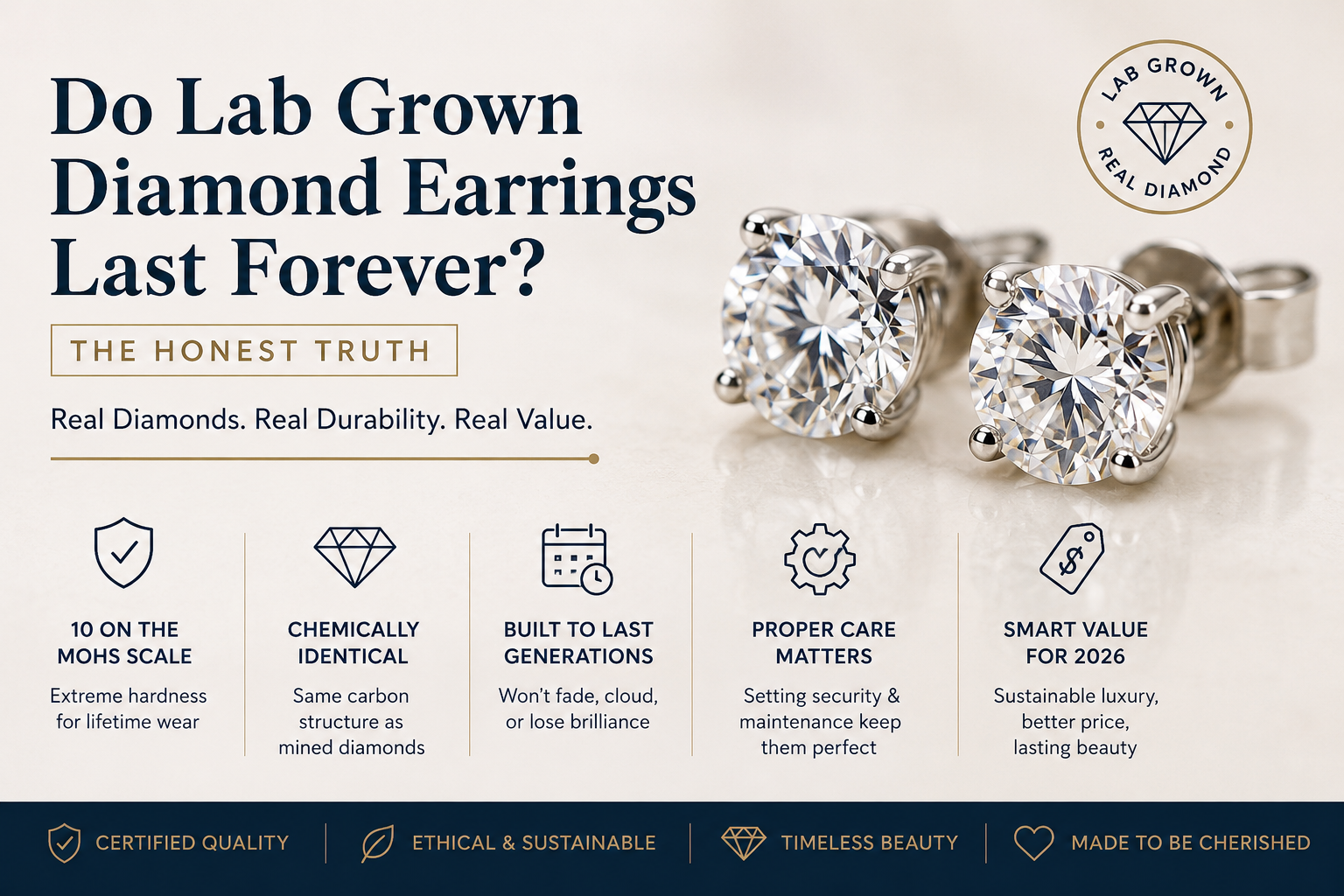
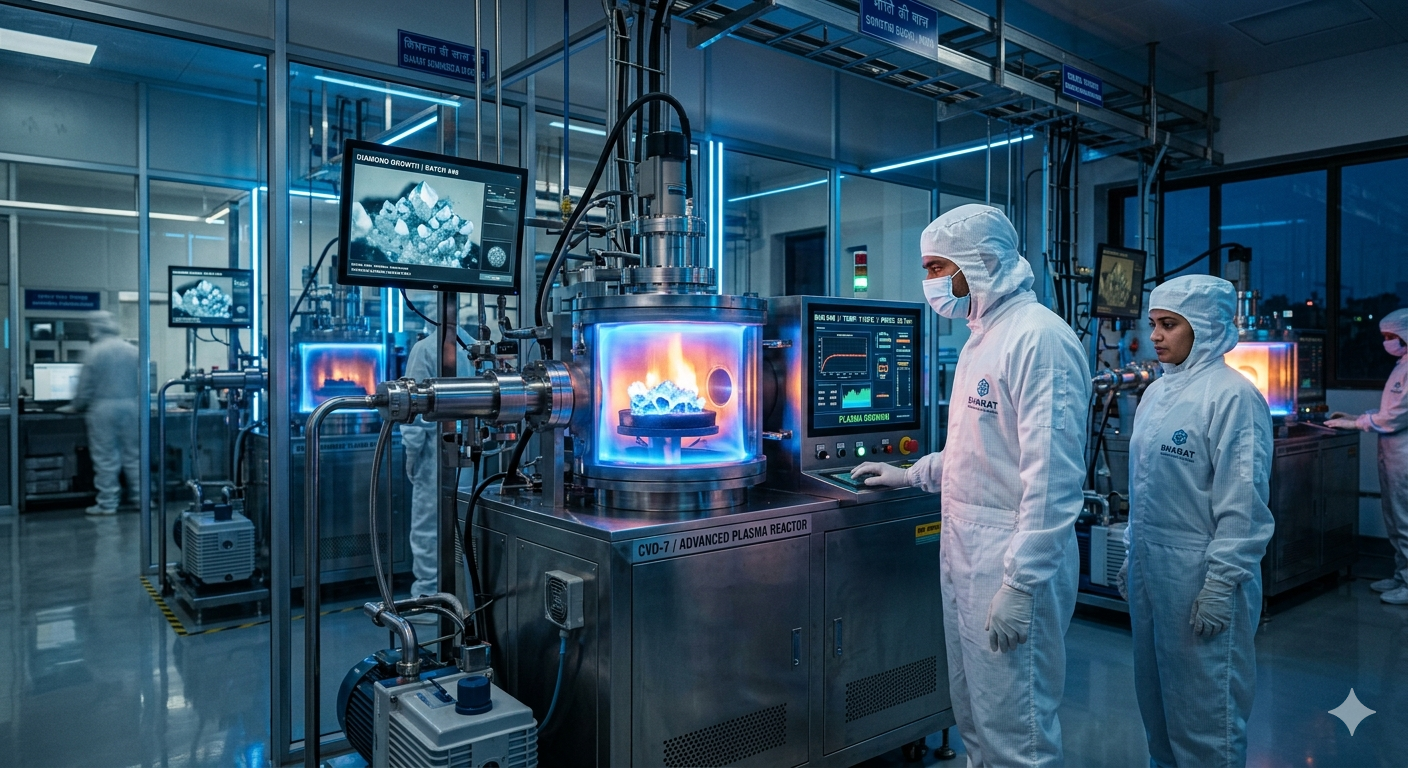
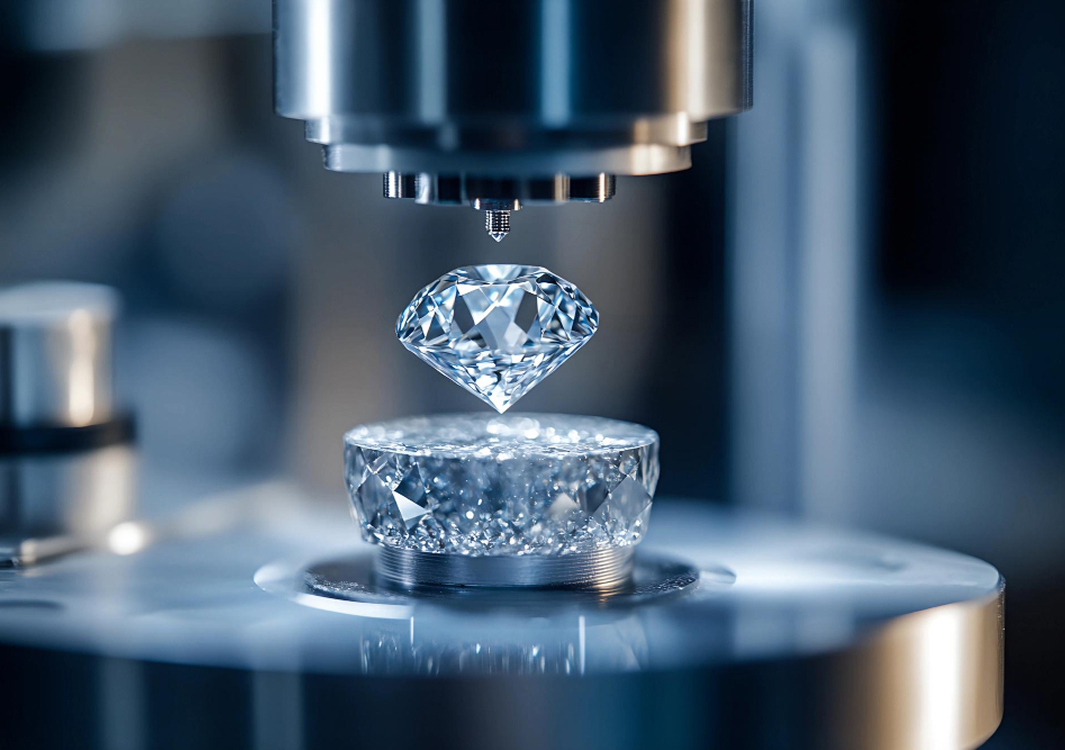
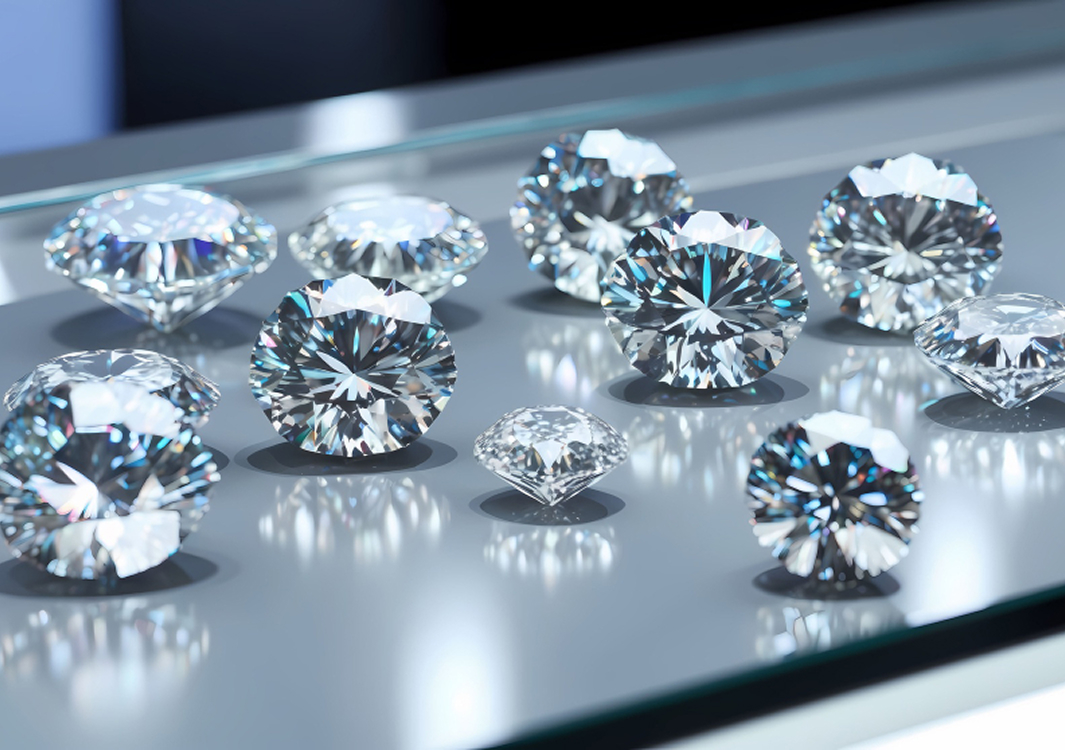
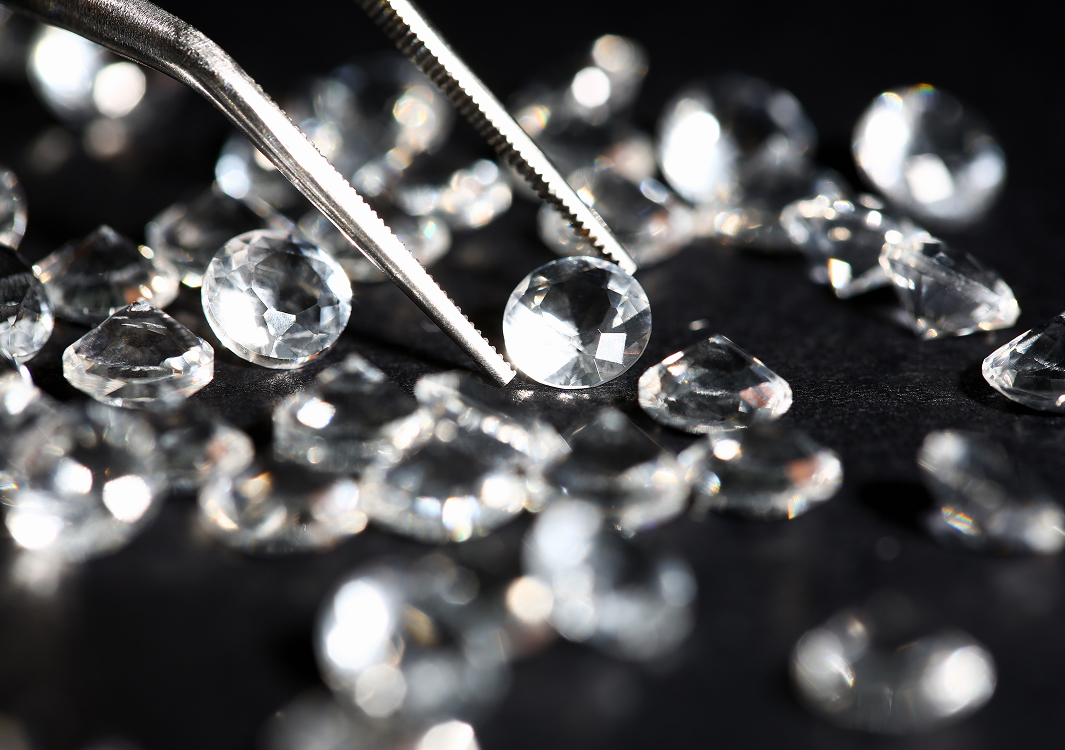
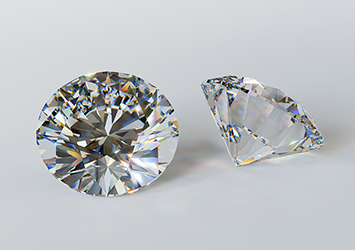
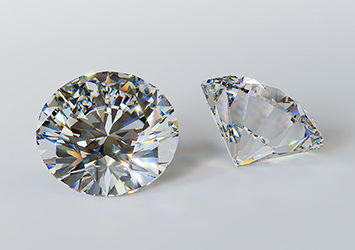
A lab grown diamond is a real diamond created in a controlled environment using advanced technology. It has the same chemical composition, physical properties, and brilliance as a natural diamond formed underground.
Both are made of pure carbon.
Both score 10 on the Mohs hardness scale, making them equally durable for everyday wear.
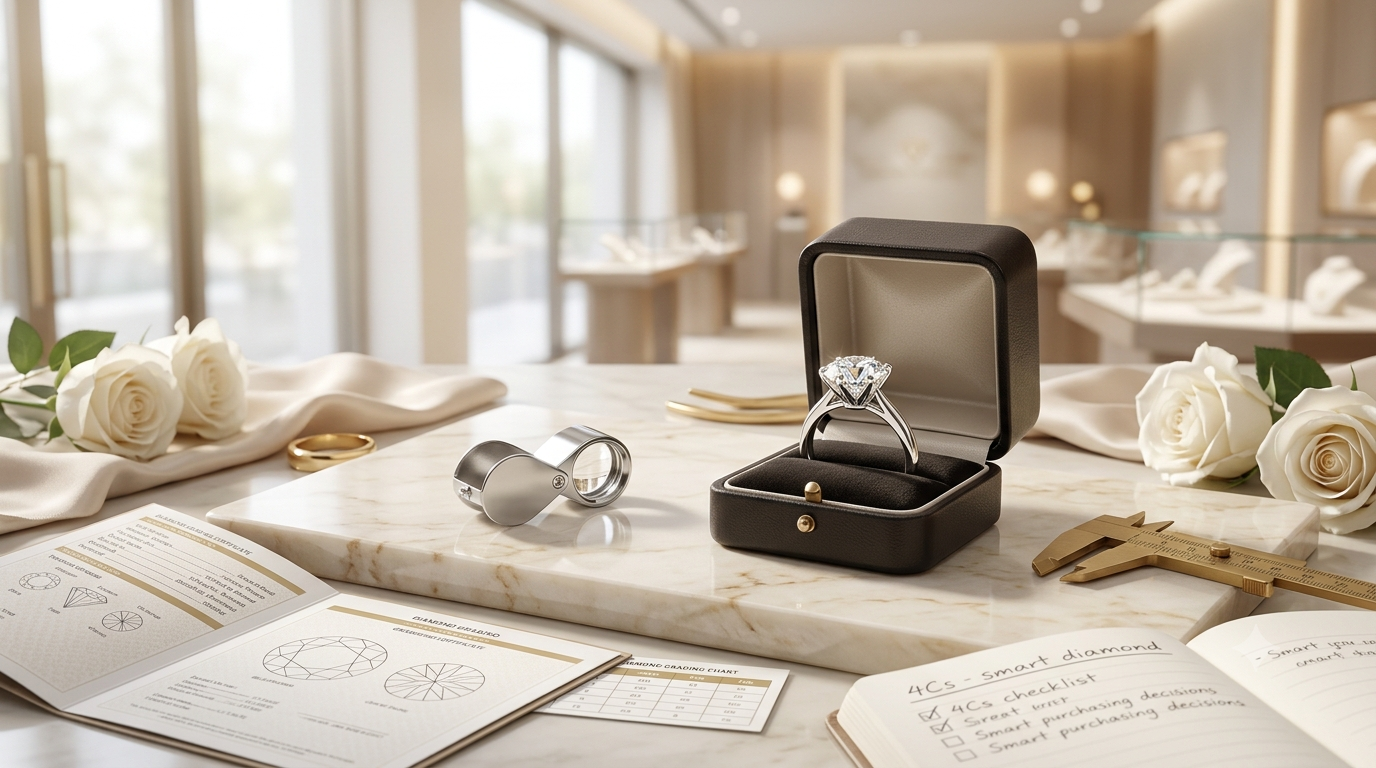
Both are graded using the internationally accepted 4 Cs:
Cut
Colour
Clarity
Carat Weight
Even experienced jewellers cannot identify the difference with the naked eye. Special gemological equipment is required to distinguish a lab grown diamond from a mined diamond.
This was one of the main reasons Aditi and Rohan felt confident about their purchase.
The biggest advantage was the price.
In the Indian jewellery market, certified lab grown diamonds generally cost 40% to 70% less than natural diamonds of similar quality.
Here's an example.
The savings come from a simpler production process and a shorter supply chain. Unlike mined diamonds, lab grown diamonds do not require large-scale mining operations, multiple wholesalers, or years of extraction.
This allows buyers to choose a larger and better-quality diamond without increasing their budget.
Today's Indian couples care about more than just appearance.
Many buyers want jewellery that reflects their values.
Lab grown diamonds generally have a lower environmental impact than mined diamonds because they avoid large-scale excavation. They also provide confidence regarding conflict-free sourcing.
At Ashth, we have noticed that younger buyers are asking more questions about sustainability, certification, and responsible sourcing than ever before.
This shift shows that value today is measured by both quality and informed decision-making.
For many years, people believed an engagement ring should cost three months' salary.
Fortunately, today's couples think differently.
Instead of following outdated rules, Aditi and Rohan created a realistic budget based on their financial goals.
Their budget looked like this:
Engagement Ring – ₹5,00,000
Wedding Expenses – ₹3,00,000
Home Down Payment – Remaining Savings
Choosing a lab grown diamond helped them balance celebration with financial planning.
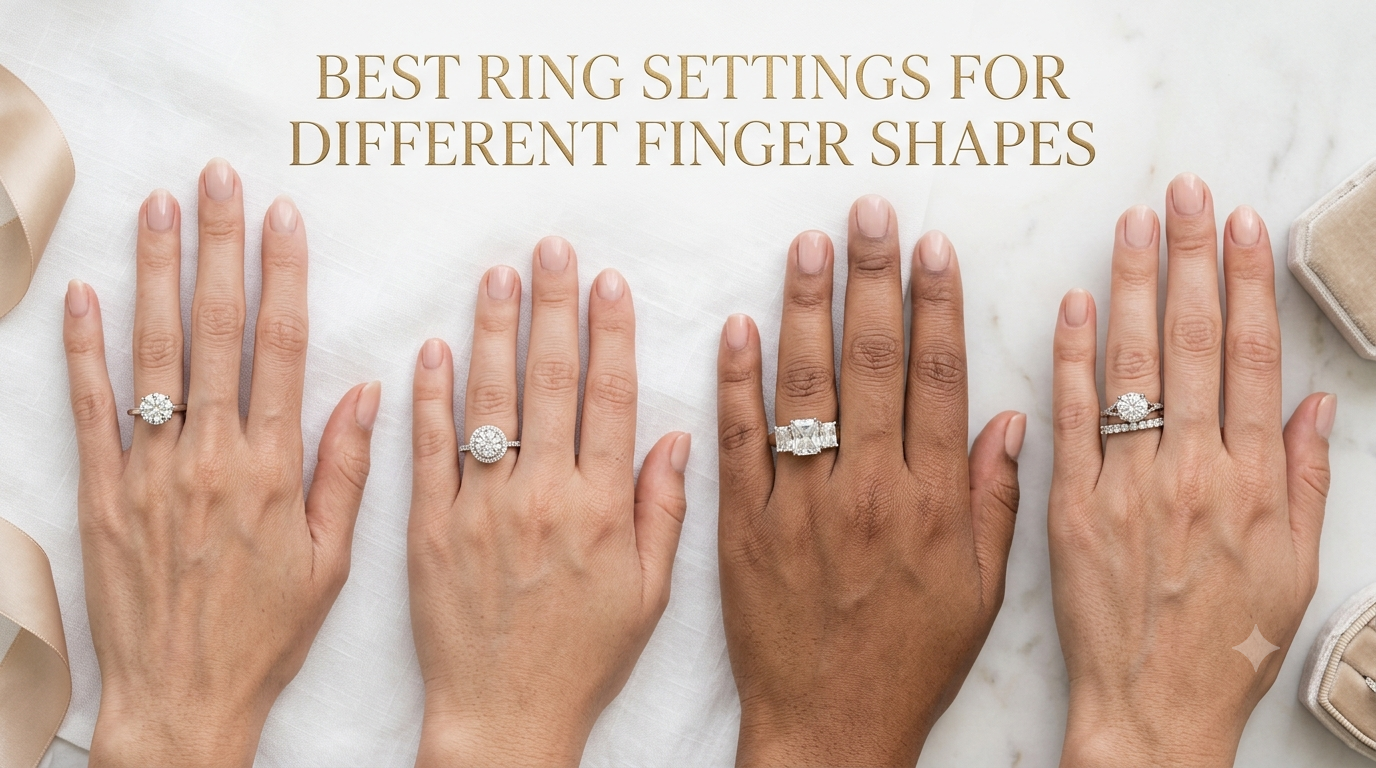
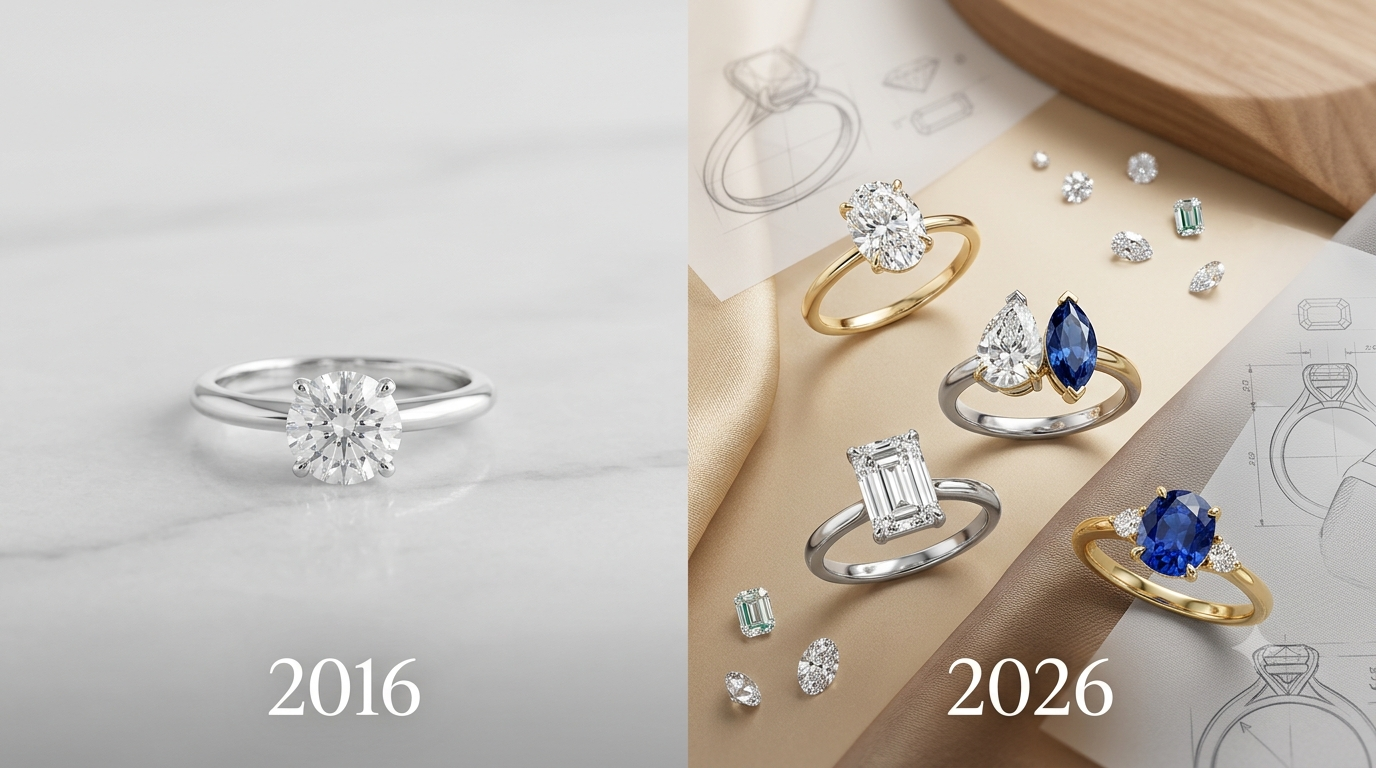
Instead of overspending, they decided to celebrate future milestones with elegant diamond engagement ring unique designs that reflected their personal style rather than simply choosing the most expensive option.
Certification should never be ignored.
Before making any purchase, they ensured every diamond they considered came with an internationally recognised grading certificate.
The most trusted laboratories include:
IGI (International Gemological Institute)
GIA (Gemological Institute of America)
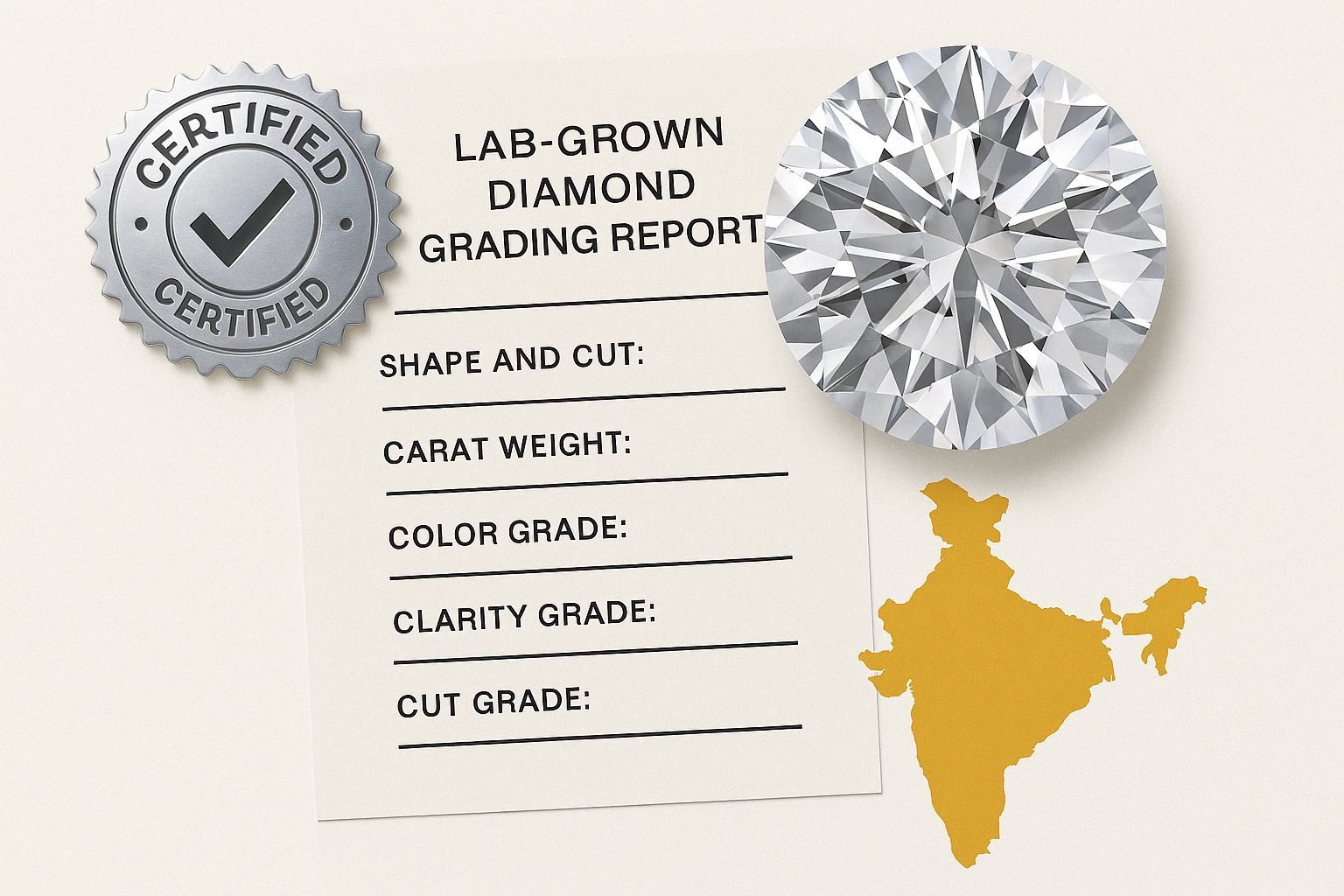
A grading report explains:
Exact carat weight
Colour grade
Clarity grade
Cut quality
Measurements
Fluorescence
Inclusions
Always compare certificates instead of relying only on product photos.
If a deal seems unbelievably cheap, verify the certification first.
Rather than buying from the first showroom they visited, they compared several jewellers.
They found that specialised lab grown diamond brands often provided:
Better pricing
More certified options
Better customer support
Custom ring designs
Transparent diamond grading
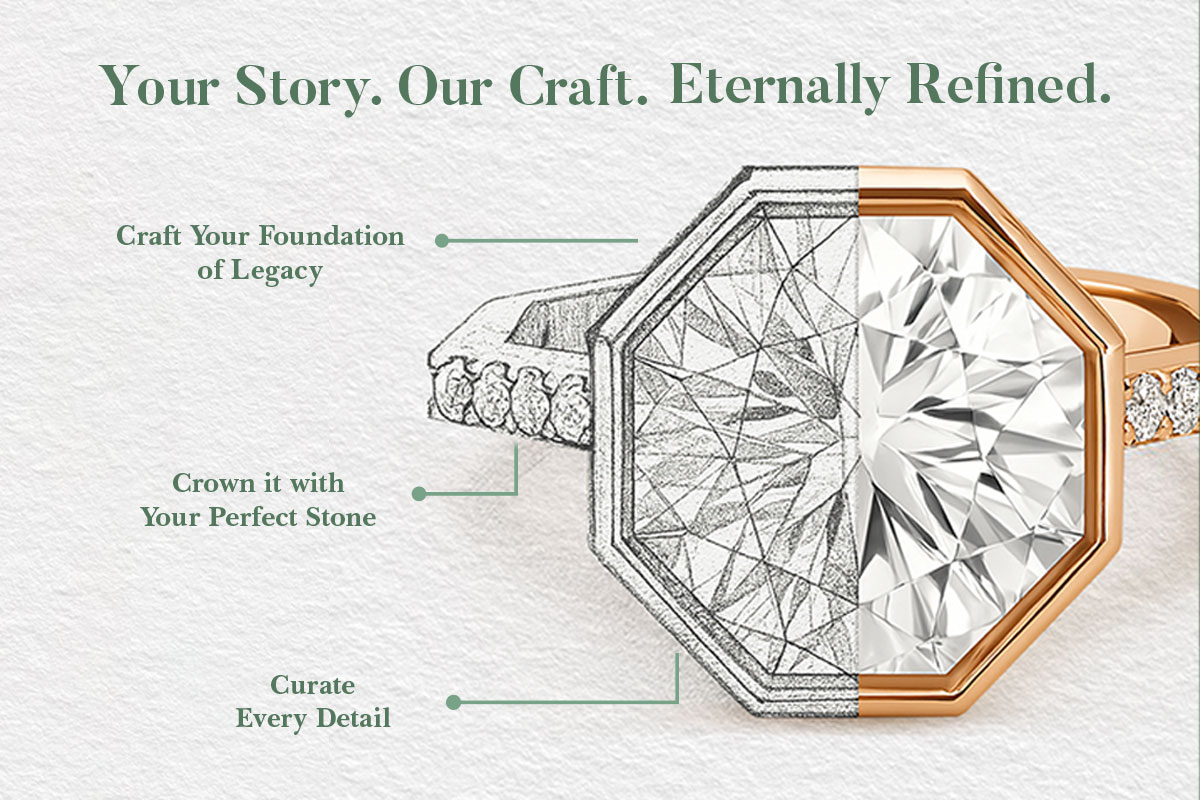
They also selected a custom setting instead of a ready-made ring.
This helped them create a personalised engagement ring without paying unnecessary retail mark-ups.
Before placing their order, they asked:
Is the diamond IGI certified?
What warranty is included?
Is resizing available?
What is the return policy?
Can the ring be upgraded later?
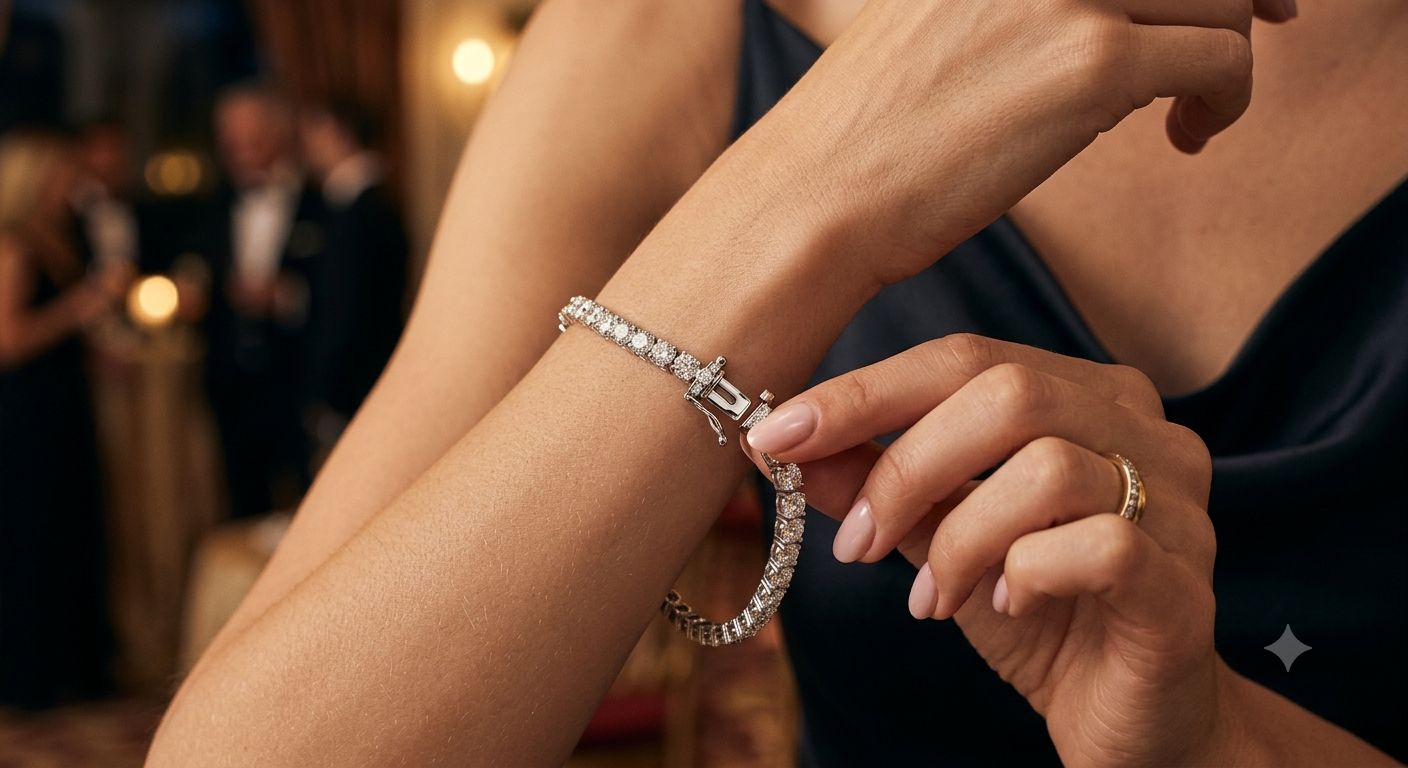
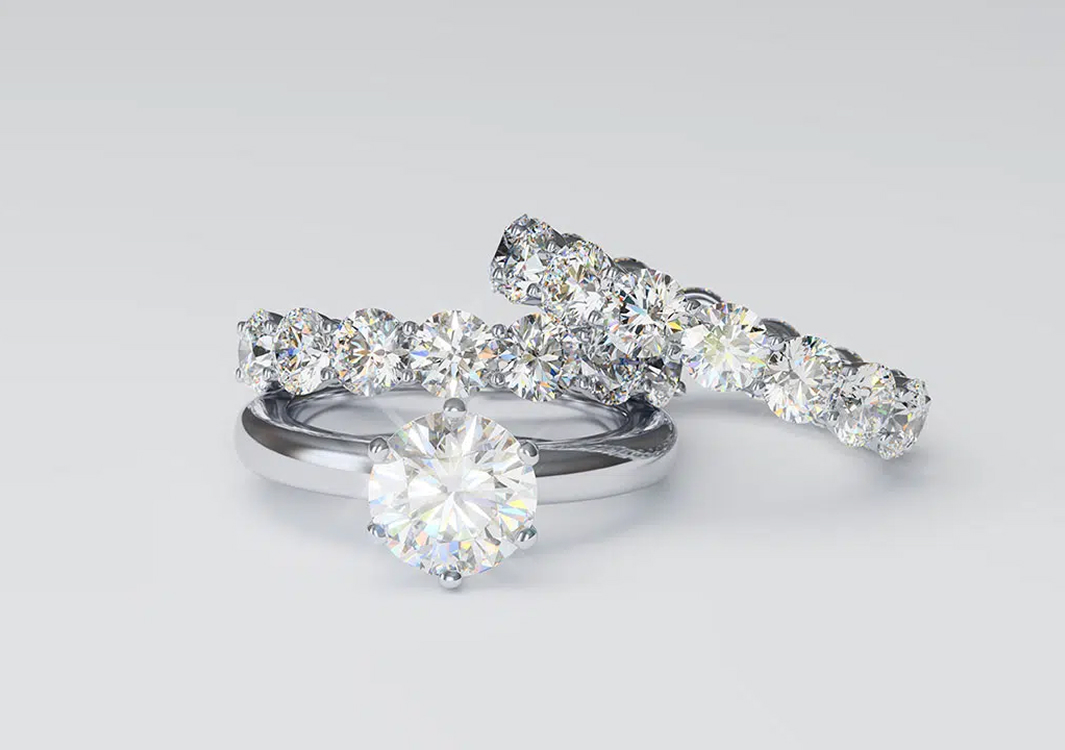
Planning ahead also helped them shortlist a matching diamond wedding jewellery set for their wedding, ensuring both pieces complemented each other perfectly.
Here is the actual comparison that helped them make their decision.
₹4,47,000
Instead of paying almost double for a visually identical diamond, they invested the difference in their future.
Many buyers ask whether lab grown diamonds should be insured.
The answer is yes.
Insurance protects your jewellery against theft, accidental damage, and loss.
Since insurance premiums are based on the replacement value of the ring, premiums for lab grown diamonds are often lower than those for comparable natural diamonds.
Some people also ask about resale value.
While natural diamonds have traditionally retained more resale value, experts now point out that engagement rings should be viewed as emotional purchases rather than financial investments.
The immediate savings available with lab grown diamonds often outweigh future resale considerations for most couples.
Saving more than ₹4 lakh created many opportunities.
Aditi and Rohan used their savings for:
Higher apartment down payment
Honeymoon in Bali
Emergency savings
Wedding photography
Furniture for their new home
Other couples may use similar savings for:
Higher mutual fund investments
Paying education loans
Starting a business
International travel
Building an emergency fund
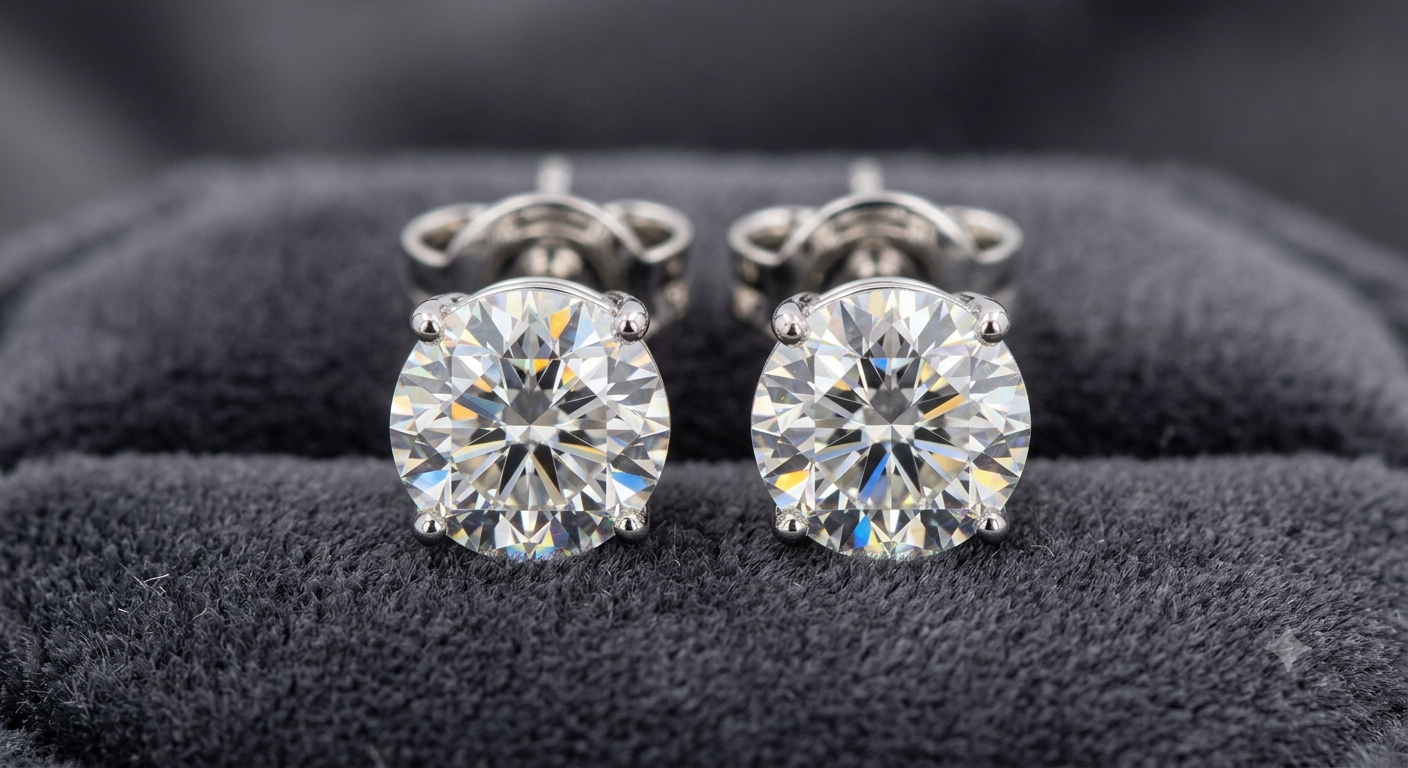
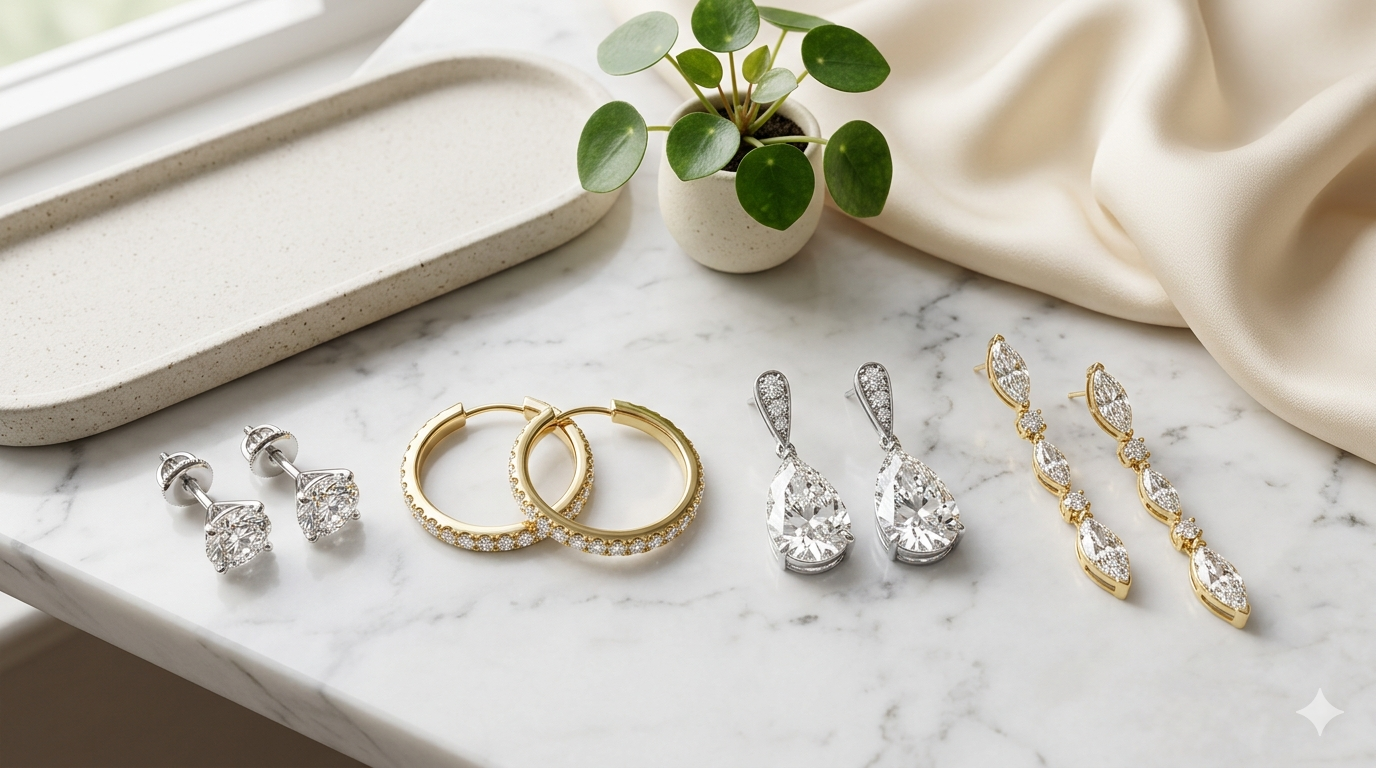
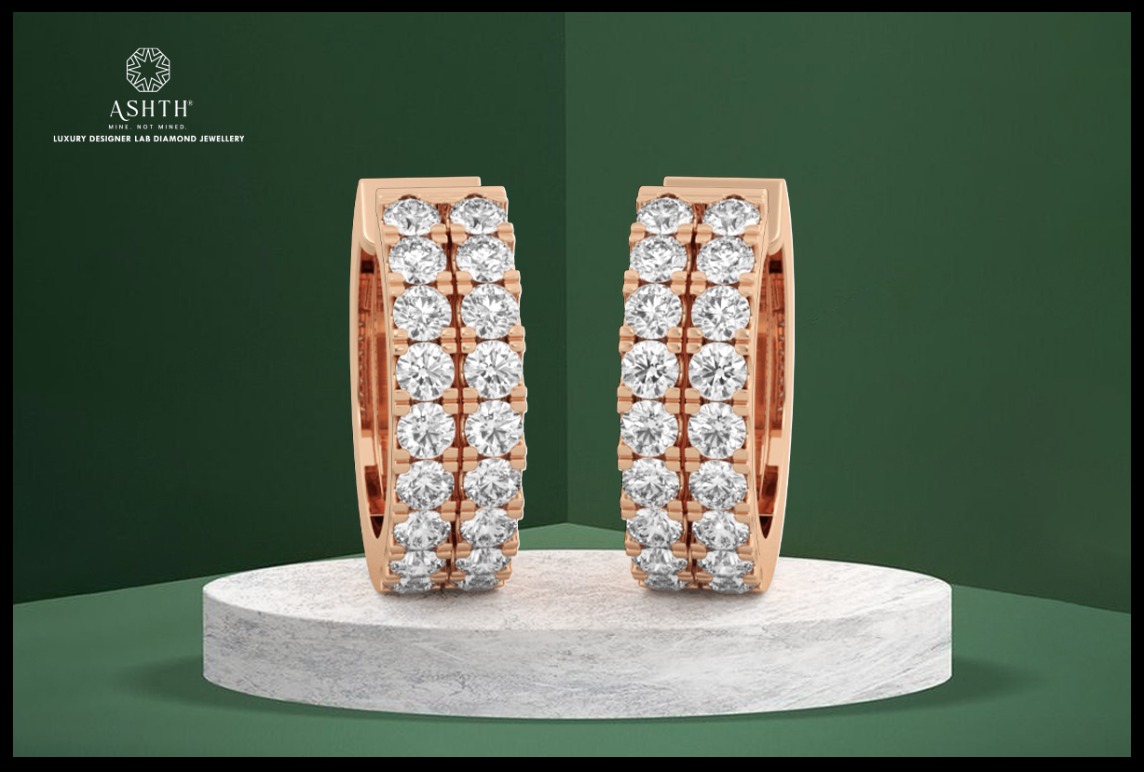
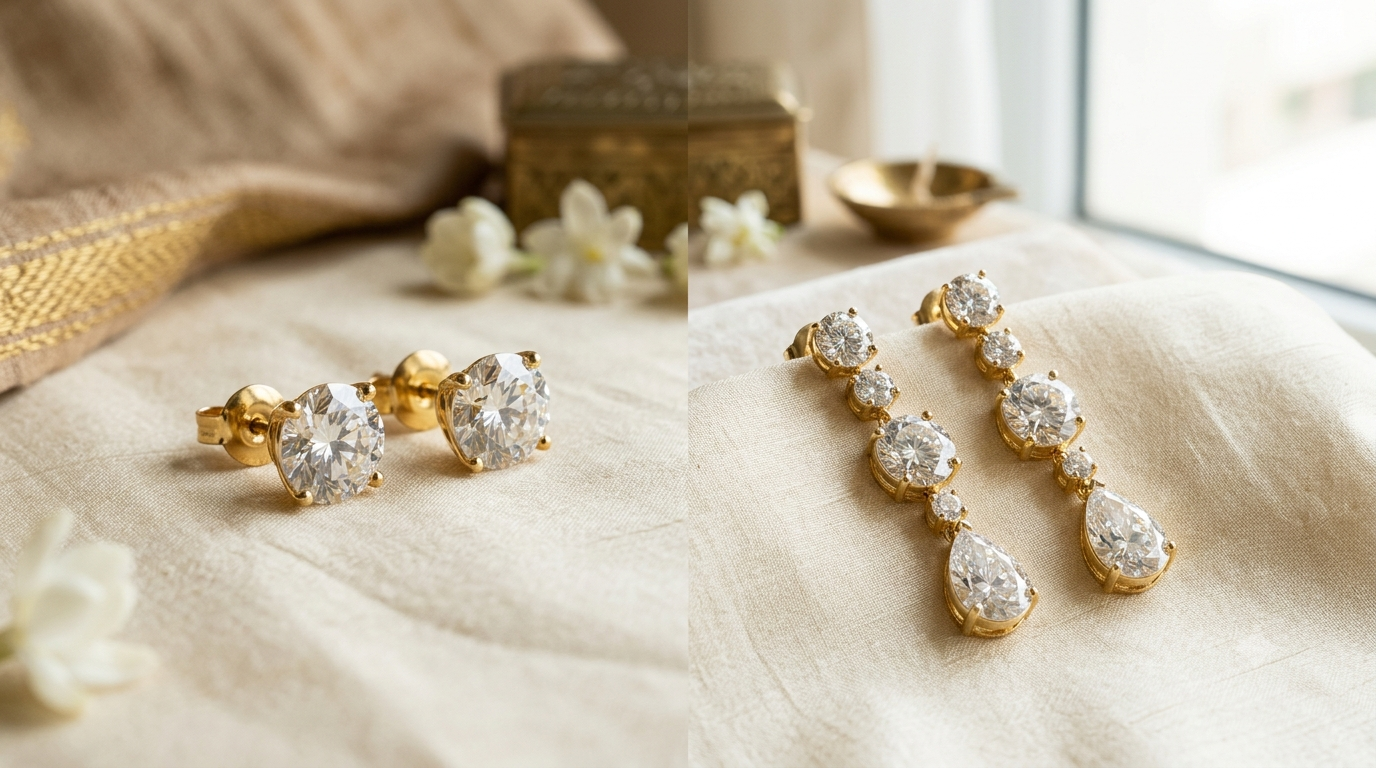
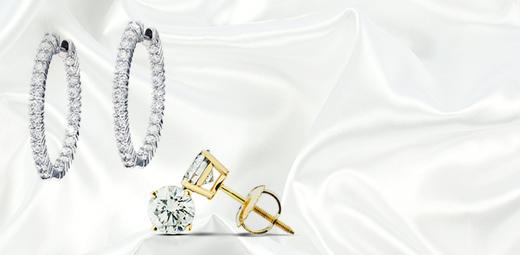
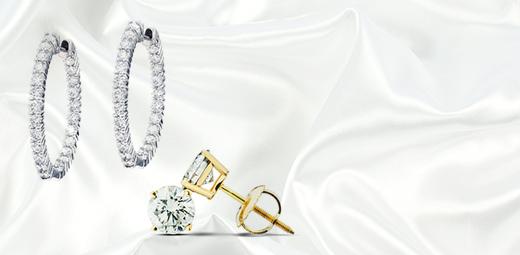
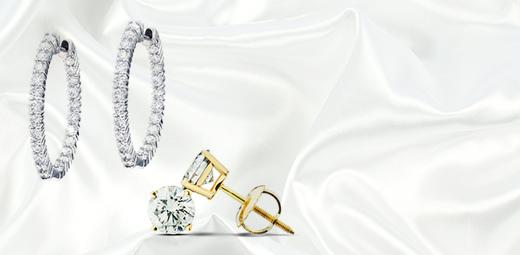
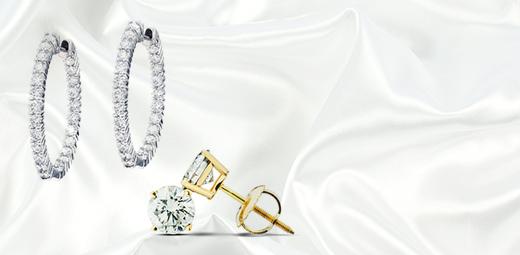
Financial flexibility is often one of the biggest advantages of choosing lab grown diamonds. Many couples also plan future jewellery purchases like daily wear diamond earrings without stretching their budget.
This is incorrect.
Cubic zirconia is a diamond simulant.
A lab grown diamond is a genuine diamond.
Both natural and lab grown diamonds have identical hardness, brilliance, and durability.
Sparkle depends mainly on the quality of the cut.
An Excellent Cut lab grown diamond can sparkle more than a poorly cut natural diamond.
The origin of the diamond does not determine its brilliance.
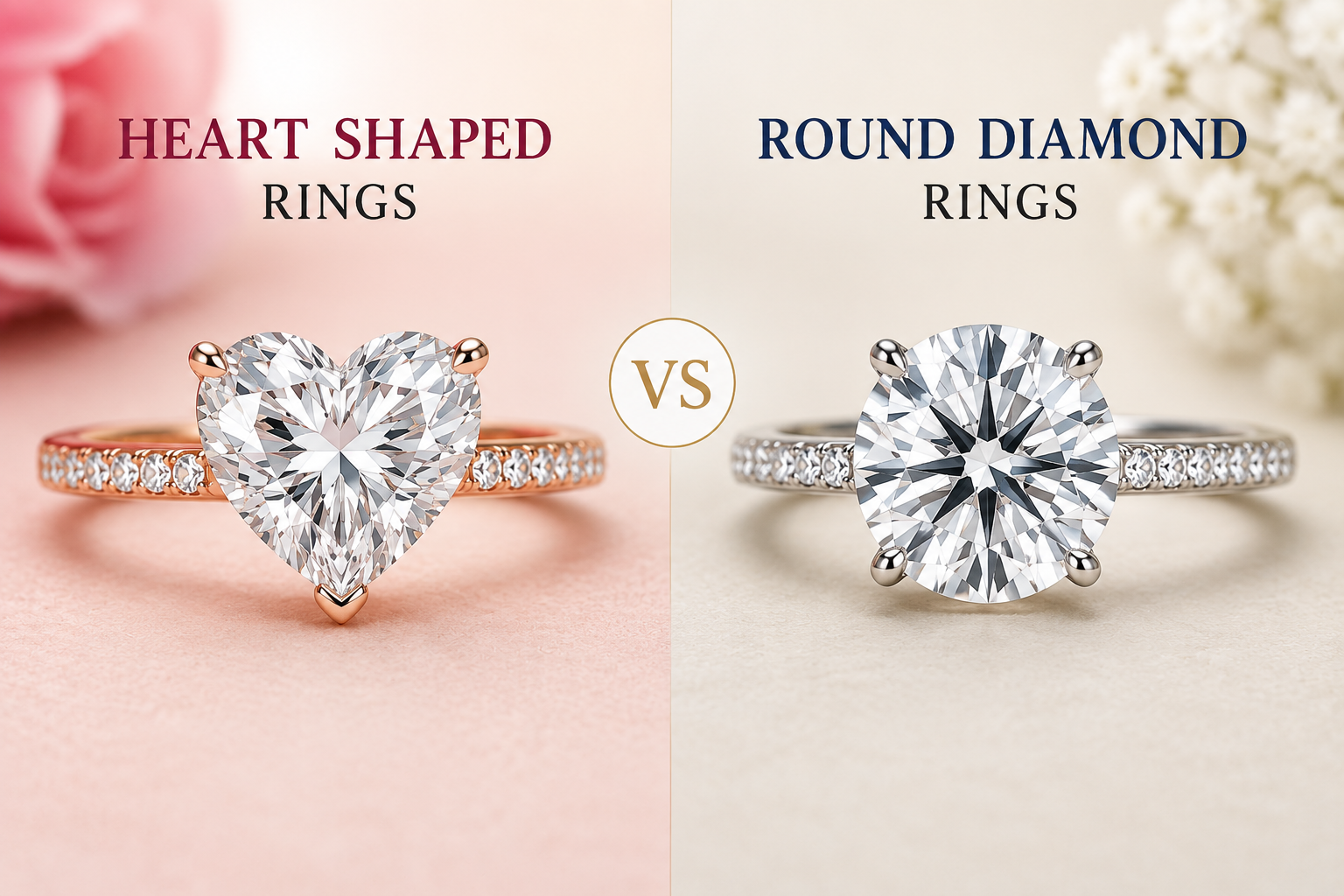
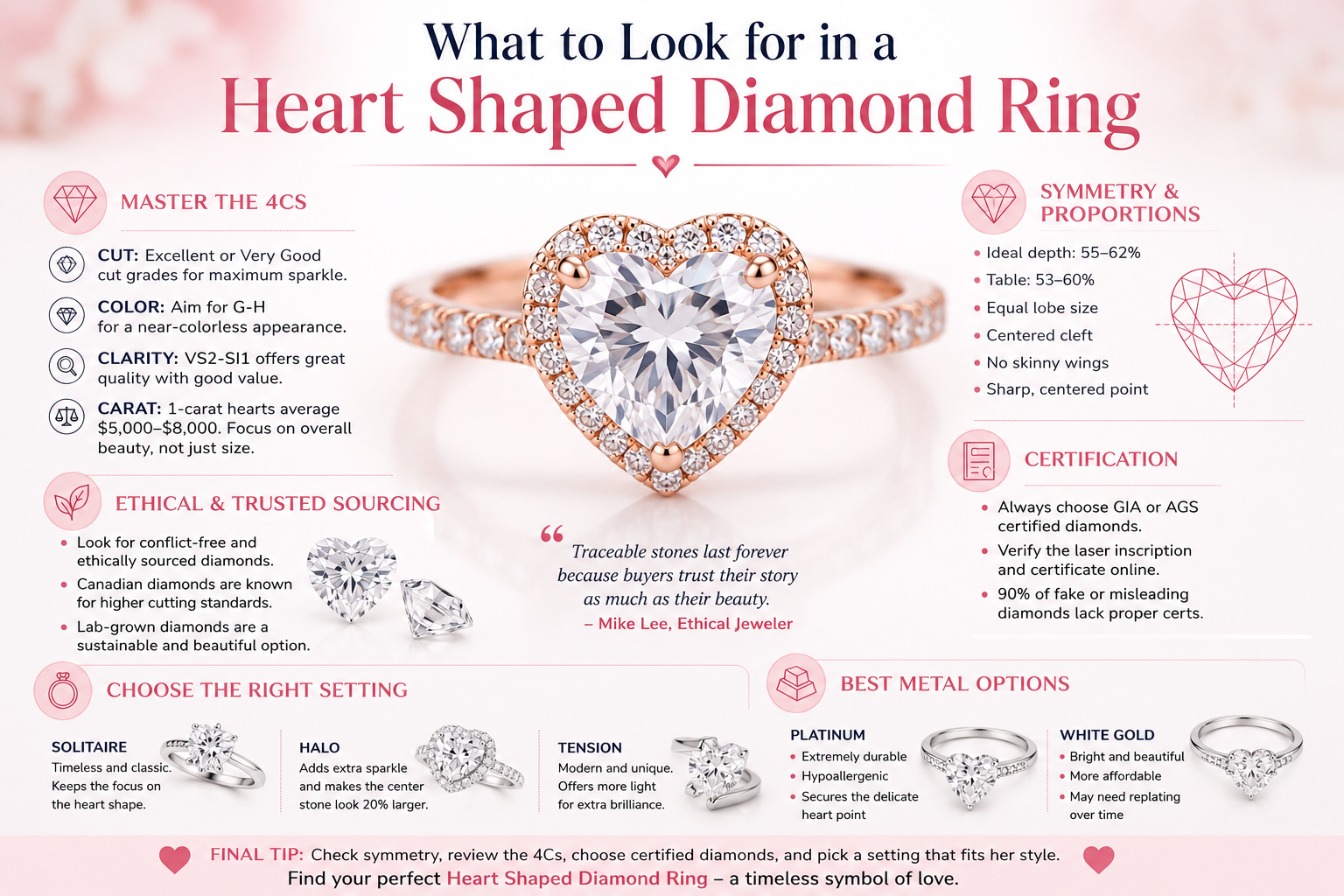
For special occasions, Aditi later paired her engagement ring with elegant heart shape diamond earrings, creating a timeless jewellery combination.
This is another common misconception.
Lab grown diamonds have the same stable carbon crystal structure as natural diamonds.
They do not fade, become cloudy, or change colour with normal use.
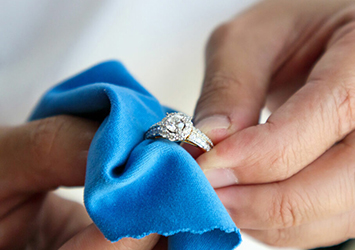
With proper cleaning and care, they remain beautiful for generations.
Aditi and Rohan proved that buying an engagement ring is not about spending the most money—it's about making the smartest choice.
By choosing a certified lab grown diamond, they saved over ₹4 lakh, purchased a stunning 2-carat ring, and still achieved their financial goals.
If you're planning to buy an engagement ring in India, here are three simple steps to follow:
Decide your budget before visiting any jewellery store.
Choose only IGI or GIA-certified lab grown diamonds.
Compare multiple jewellers and focus on quality, certification, and transparency—not just the price.
At Ashth, we believe every love story deserves exceptional craftsmanship without unnecessary costs. The true value of an engagement ring lies in the promise it represents—not in how much you spend. Making an informed decision today allows you to celebrate your commitment while investing confidently in your future together.

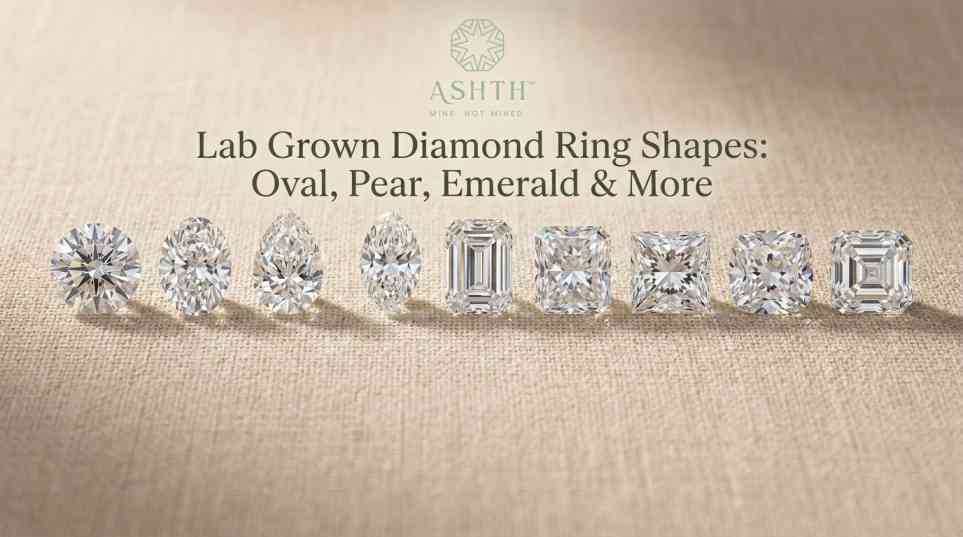
 Round
Round Pear
Pear Heart
Heart PRINCESS
 Oval
Oval CUSHION
 EMERALD
 MARQUISE
 Asscher
 RADIANT
 Ashth CUT
 ROSE CUT
 BRIOLETTE
 SINGLE CUT
 TRAPEZIUM
 TULIP
TULIP TRIANGLE
 BUTTERFLY
 FLOWER
 MOVAL
MOVAL CLOVER
 BAGUETTE
 9KT ASHTH CUT
 9KT MARQUISE
 9KT PEAR
 9KT RADIANT
 9KT EMERALD