Ashth - Where Exceptional Craftsmanship Defines Modern Luxury !

- Rings
- Earrings
Shop By Category
- Bangles/ Bracelets
Shop By Category
- Necklaces
Shop By Category
- Pendants
Shop By Category
- ASHTH LITE
Shop By Category
.jpg)
- Collections
Collections
Shop By Category
Shop By Category
Shop By Category
Shop By Category
Shop By Category
Collections
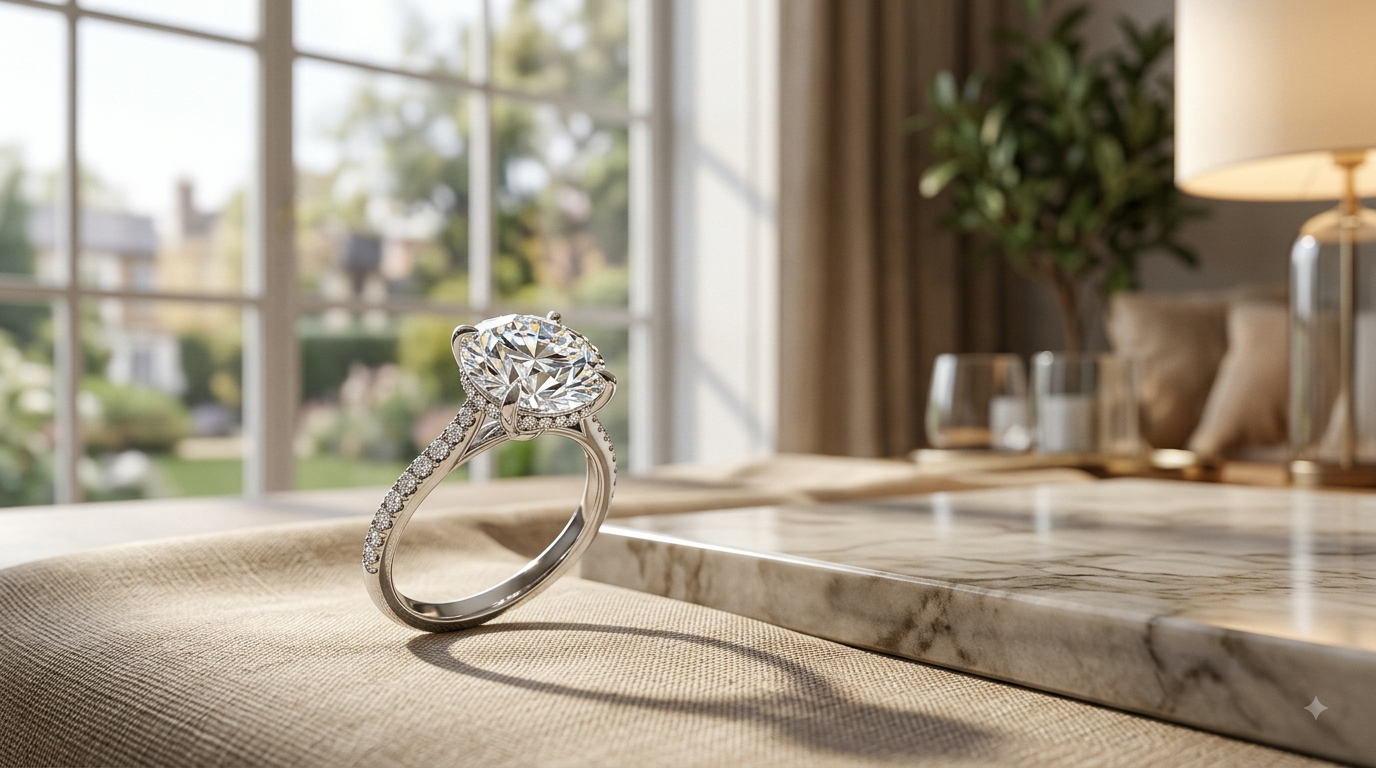
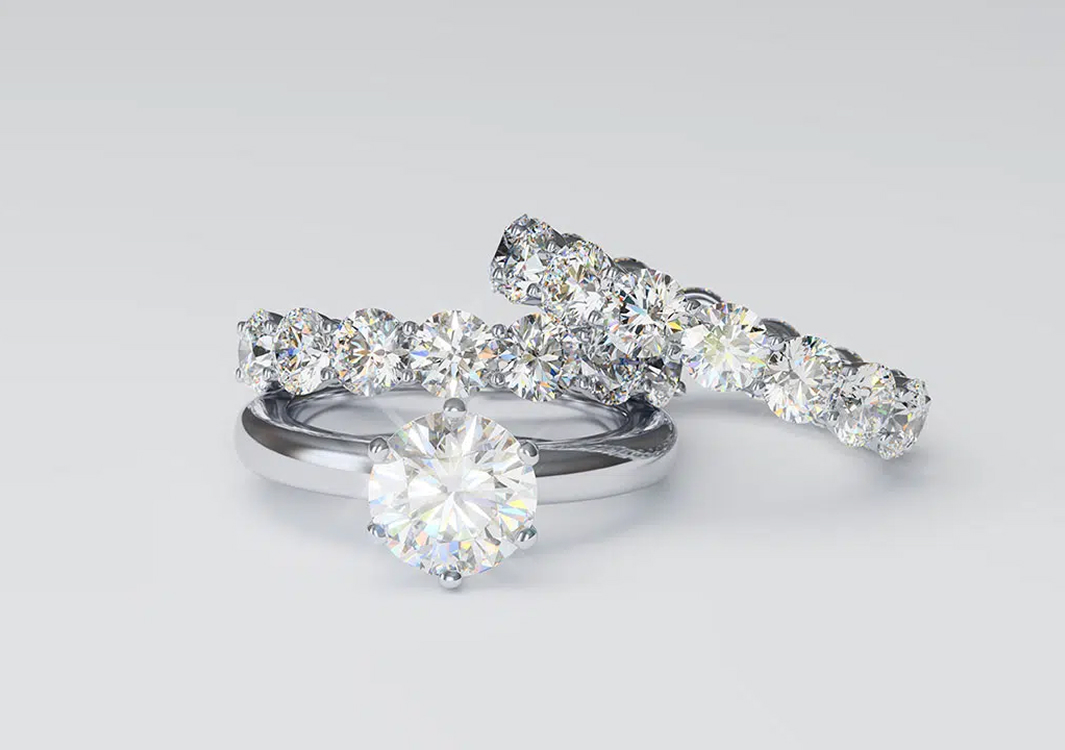
A diamond ring can look bright and full of sparkle under jewelry store lights, then look much less impressive in a dim restaurant. The diamond has not changed. The light has changed.
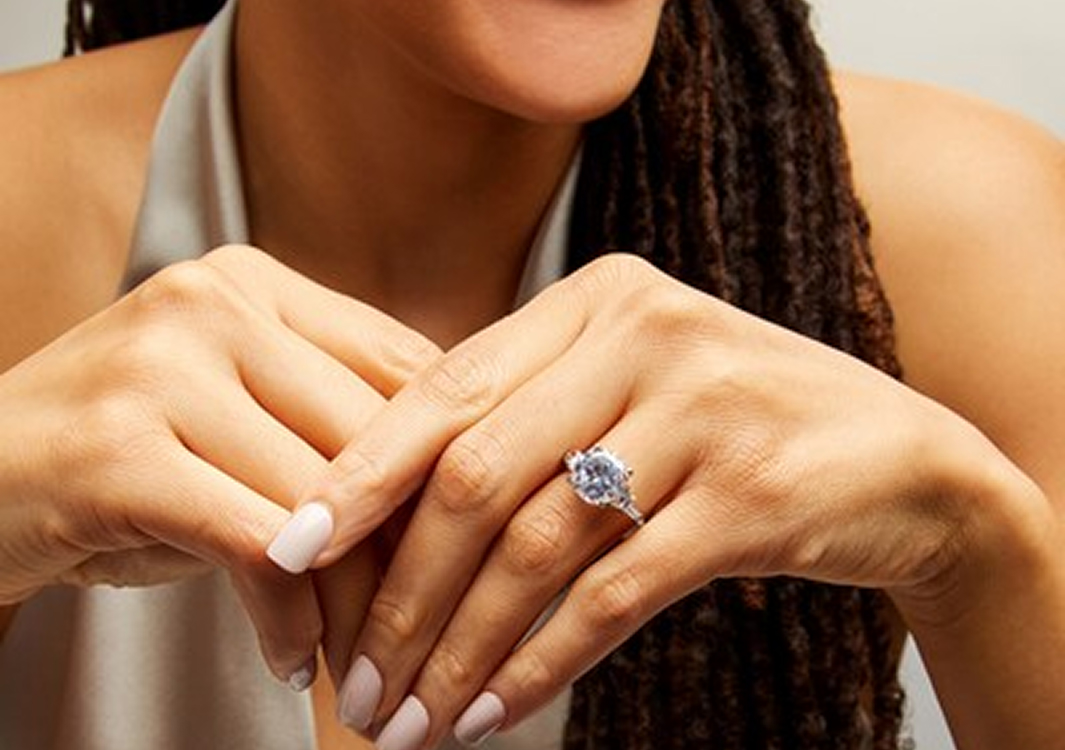
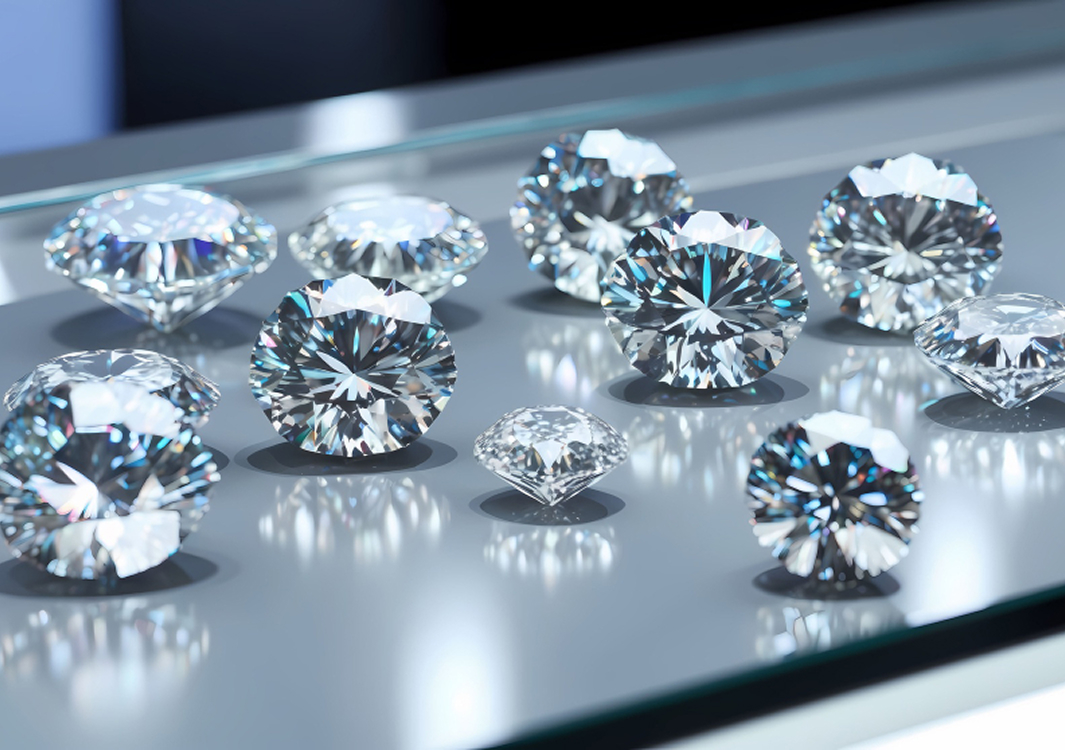
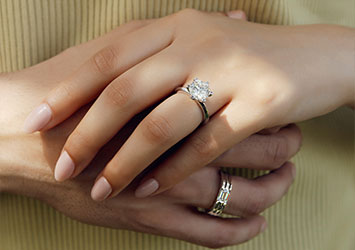
This is important when choosing lab grown diamond rings or natural diamond rings. The way a diamond looks depends on its cut, the direction and type of light, the ring setting, and even the color of the metal around it.
Good lighting can show a diamond's best features. Poor lighting can hide them. That is why you should never judge a diamond ring under only one bright spotlight.
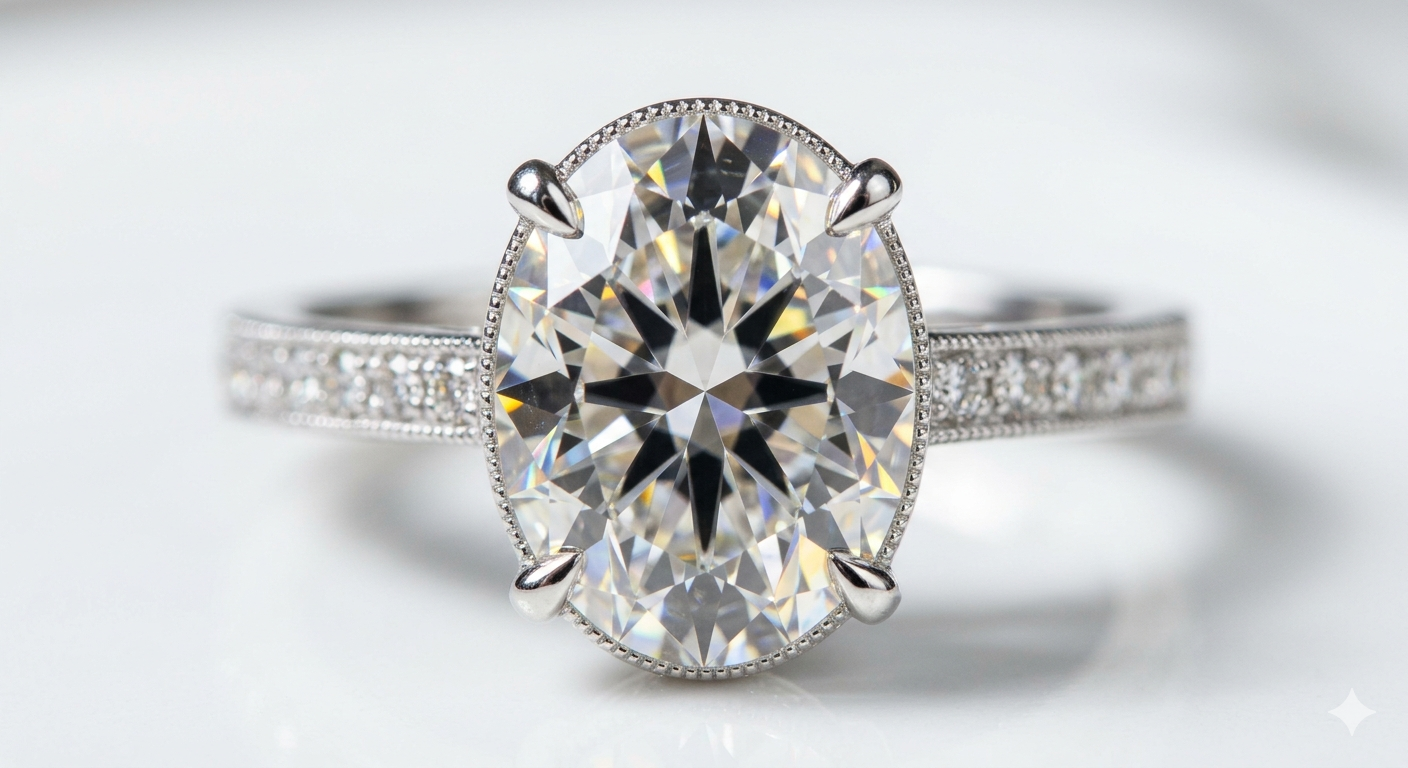
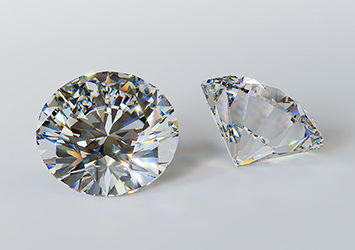
GIA explains that diamond cut is about how well the diamond's facets interact with light. Its cut system looks at brightness, fire, scintillation, weight ratio, durability, polish, and symmetry.
So, before you buy a ring, look at it in different types of light. Move it slowly, check it from different angles, and see how it looks in places where you will actually wear it.
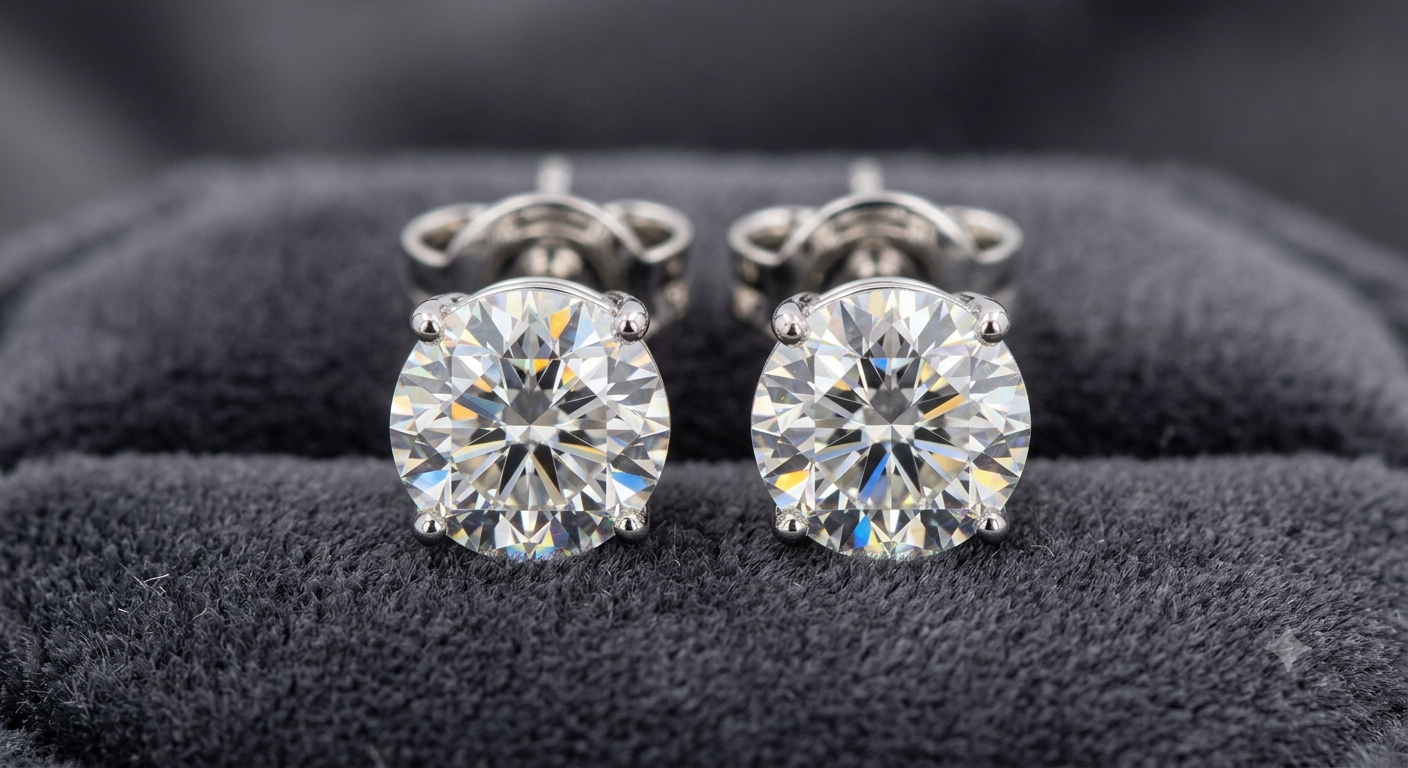
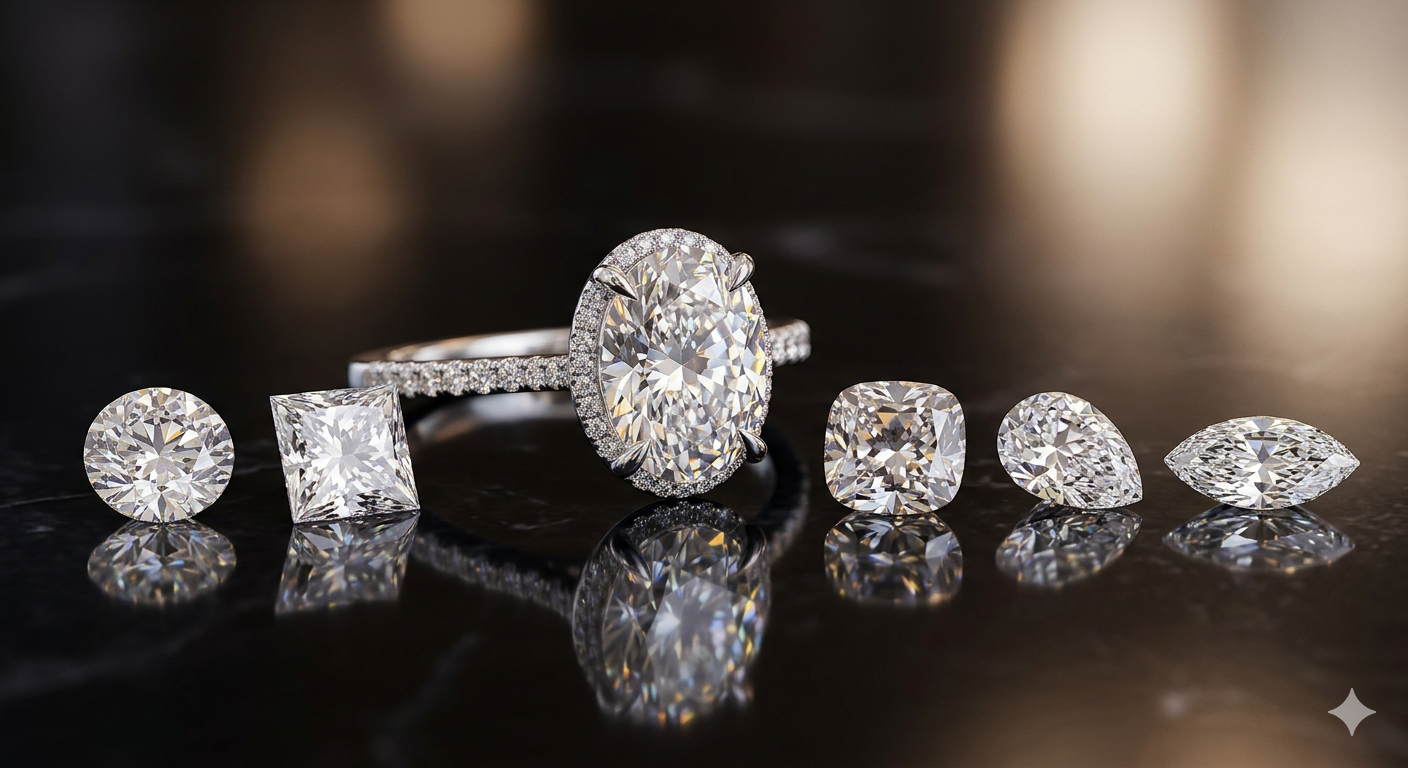
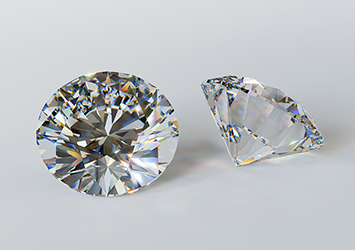
Diamond cut has a major effect on how a stone looks. Cut is different from shape. Round, oval, pear, and emerald are shapes. Cut is about the design, proportions, symmetry, and polish of the diamond.
There are three main light effects to look for:
Brightness: The white light reflected by the diamond.
Fire: Rainbow flashes created when light is split into colors.
Scintillation: The flashes of light and dark areas you see when the diamond or viewer moves.
GIA describes these three effects as important parts of a diamond's face-up appearance.
A well-cut diamond can look lively in many different places. A poorly cut diamond may look dull even under strong lights.
For standard round brilliant diamonds, GIA uses five cut grades: Excellent, Very Good, Good, Fair, and Poor. The system considers brightness, fire, scintillation, weight ratio, durability, polish, and symmetry.
This is why you should not choose a diamond only because it has a higher carat weight. A larger stone does not always look better if its cut does not handle light well.
Jewelry stores often use small and bright spotlights. These lights create strong flashes across a diamond and can make almost any lively stone look impressive.
But you may not have this type of lighting at home.
Before buying, move the ring away from the display lights. Stand near a window and then move to a normal indoor area. Look for:
Dark patches
Dull areas
Uneven sparkle
Weak flashes
Changes in color
GIA research stresses that diamond appearance should connect with what people actually see. Its research also shows that personal preference matters, so buyers should look at the diamond itself instead of relying only on a grade.
Natural daylight is one of the easiest ways to see how a diamond looks outside a store.
Stand beside a window and slowly turn your hand. Look at the diamond from several angles.
Daylight can help you notice:
The diamond's body color
Bright and dark areas
Fire
Contrast
Overall sparkle
Do not use direct sunlight as your only test. Strong sunlight can create very sharp flashes and may make the diamond look more dramatic than it normally does.
Soft daylight beside a window is usually a better everyday test.
LED lighting can create sharp and bright flashes. This can make a diamond look very active when you move your hand.
Soft daylight can give a more balanced look. Flat office lighting may show less sparkle.
This does not mean one light is always better. It shows why you should check the ring in several places.
Try the ring under:
Jewelry store lighting
Window daylight
Normal indoor LED lighting
Soft lamp light
Dim evening lighting
Remember to move the ring. A diamond can look very different when it is still compared with when it is moving.
Warm bulbs can make a white diamond look slightly warmer or creamier. The metal around the diamond can also affect what your eyes see.
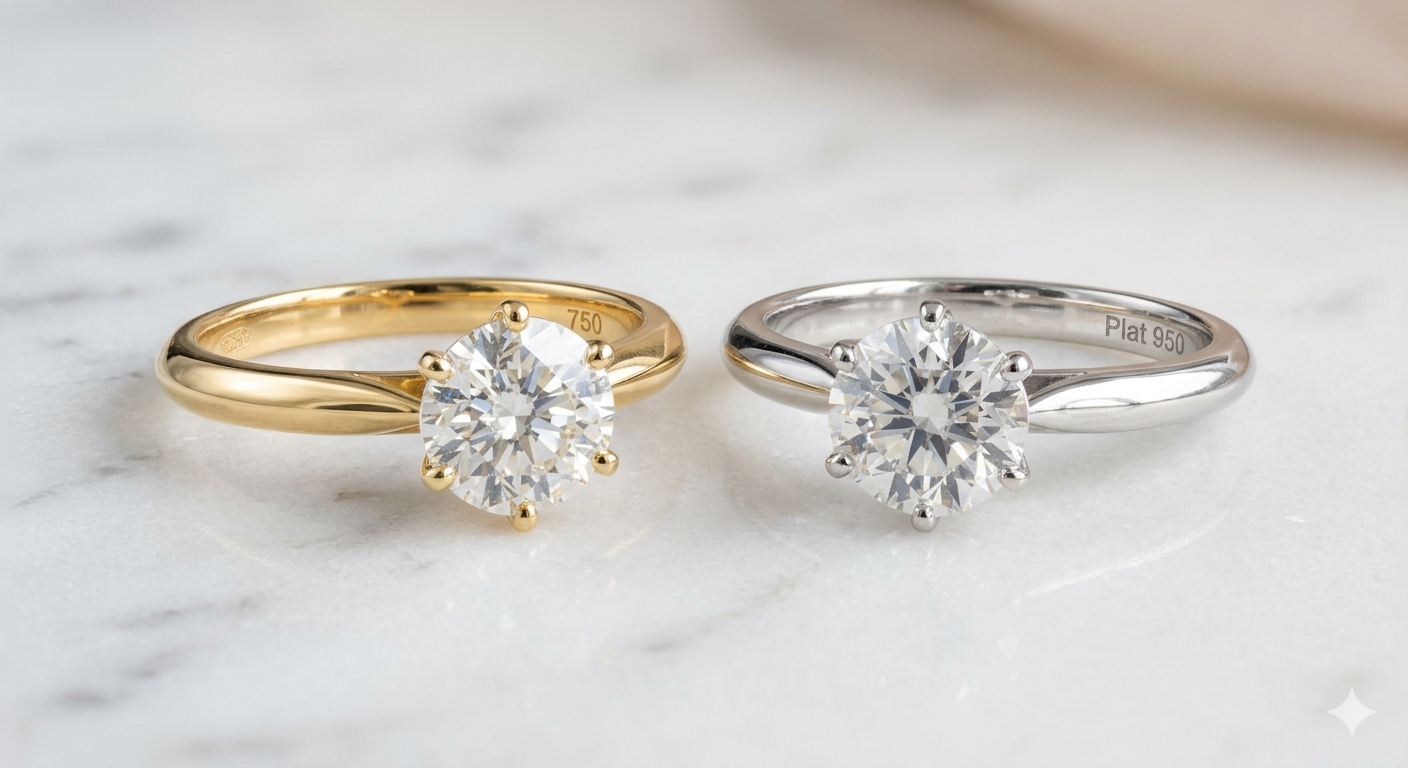
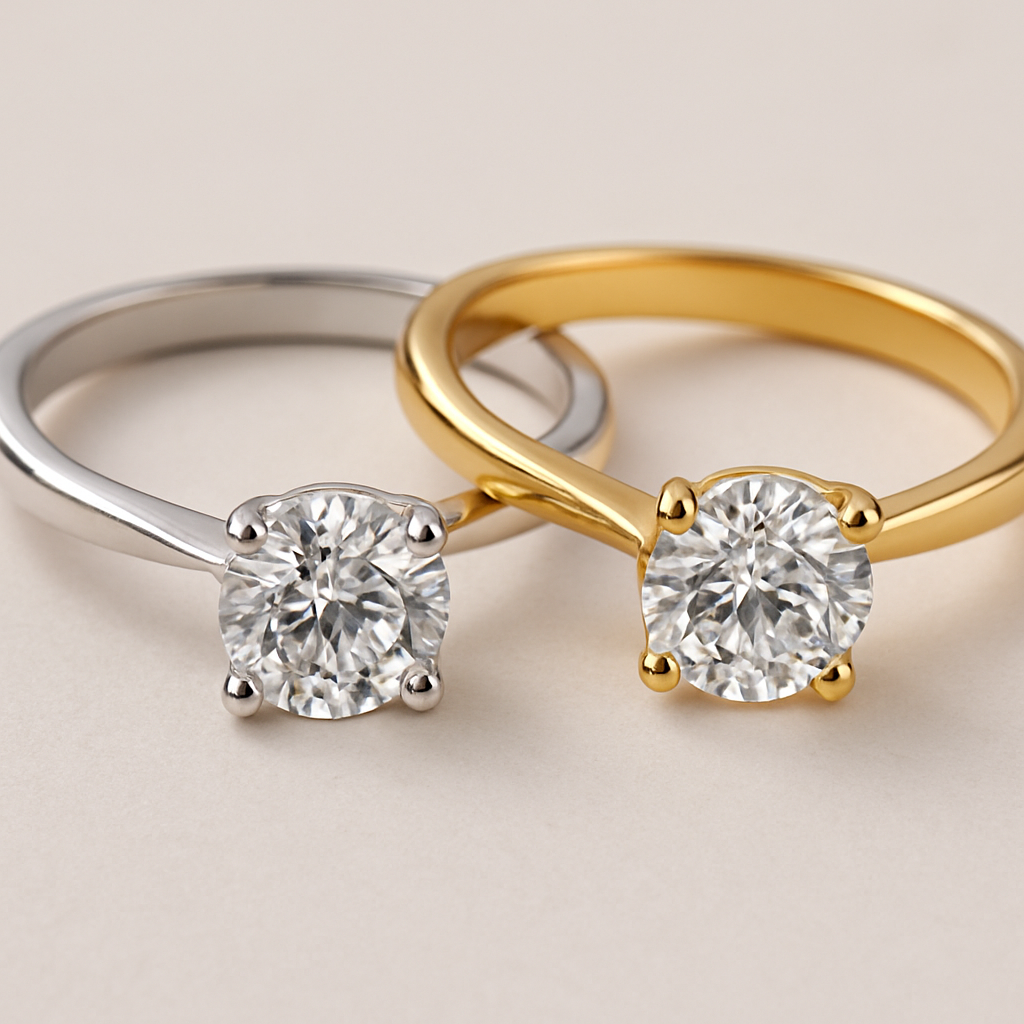
Platinum and white gold create a cool, bright look. Yellow gold adds warmth, while rose gold gives the ring a soft pink tone.
This can also matter with fancy-color diamonds. Warm lighting may make yellow or champagne diamonds look richer. Cool lighting may make blue or pink diamonds look sharper.
Always check the diamond with the metal you plan to wear.
Prongs hold the center diamond in place. They also affect how much of the stone you can see.
A four-prong setting can show more of the diamond from the top. A six-prong setting offers more support and security. Very heavy prongs can cover small parts of the stone.
Look at the ring from above and from the side. The prongs should be even and well finished.
Also check whether any prong creates a dark line across the diamond. Good setting work should protect the stone without taking away from its beauty.
A halo places smaller diamonds around the center stone. These small stones can add extra sparkle and make the center diamond appear larger.
For example, imagine a one-carat solitaire and a one-carat center diamond with a halo. The solitaire puts most of the attention on the center stone. The halo adds sparkle around the edges and can make the whole ring look bigger.
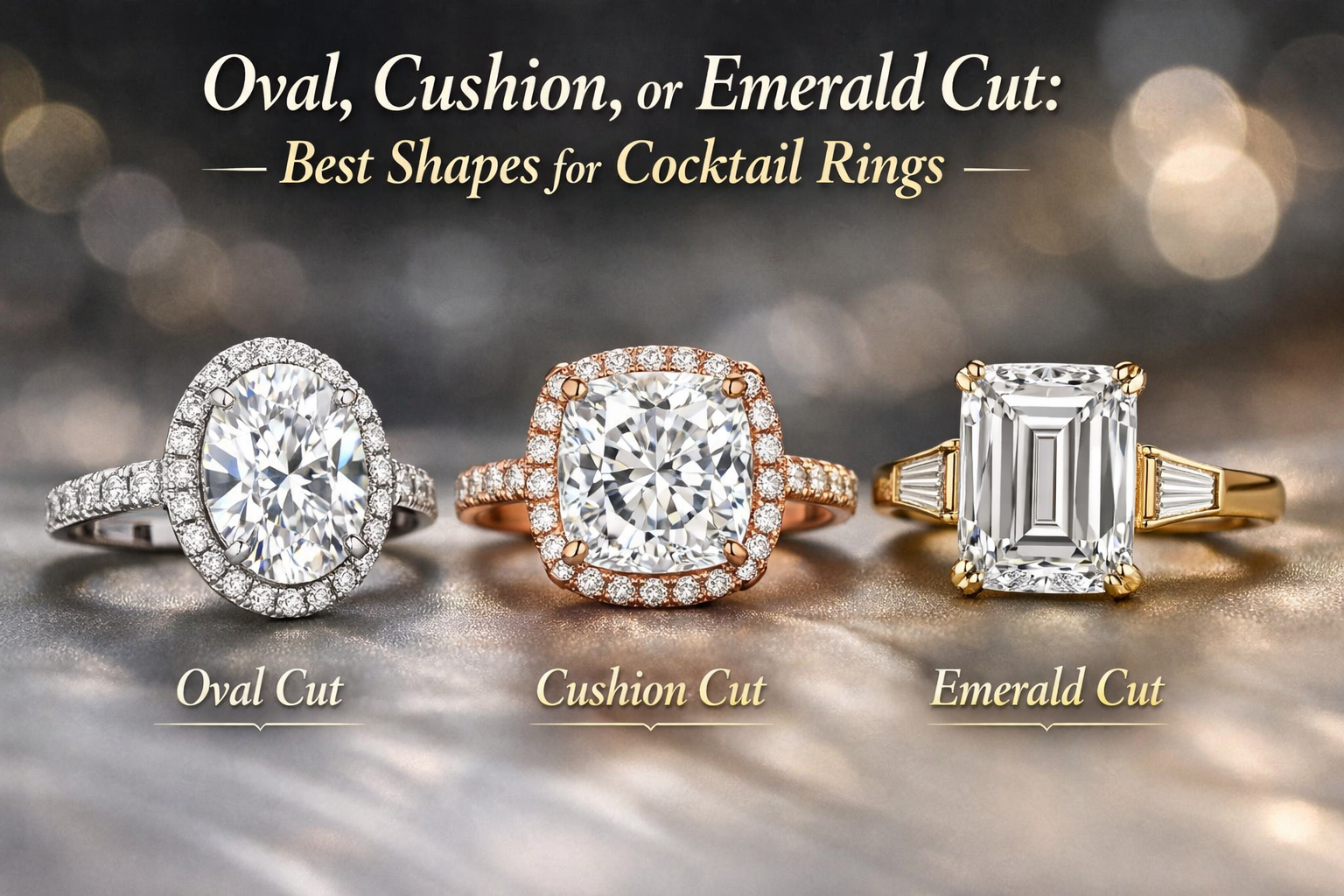
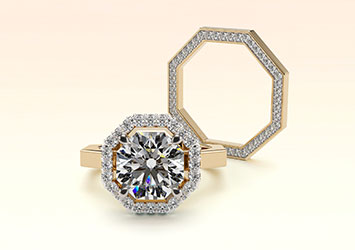
A Cocktail Diamond Ring can also use several diamonds or a halo design to create a bold and sparkling look.
However, check the smaller stones carefully. Uneven size, color, or quality can become easier to see in daylight. Small spaces between stones can also collect dirt.
The metal is an important part of the ring's overall appearance.
Platinum: Cool, bright, and clean
White gold: Bright and modern
Yellow gold: Warm and classic
Rose gold: Soft and romantic
The metal can reflect around the diamond and change how its color appears.
A bezel setting can give the stone good protection, but it may allow less light to reach the diamond from the sides.
Try the ring with clothing colors the wearer normally uses. Then check it in daylight and indoor light.
Clarity describes the internal and external features of a diamond. Some marks may be easier to notice under bright or direct light.
Before using magnification, look at the diamond with your normal eyesight.
Check it:
From the top
From the side
Near a window
Under soft indoor light
While moving the ring
A diamond does not always need the highest clarity grade to look clean to the eye. An eye-clean diamond can be a good choice if you cannot see distracting marks during normal wear.
GIA uses a D-to-Z color scale for diamonds in the normal color range. D represents colorless, while the scale moves toward more visible yellow or brown color as it reaches Z.
Color can look different depending on the light and the metal around the diamond.
For example, a diamond may look whiter beside yellow gold than it does beside bright white metal. Warm indoor bulbs can also make a diamond look warmer.
The best approach is simple: compare diamonds side by side and look at them in the setting you plan to buy.
Fluorescence is the visible glow some diamonds show when exposed to UV light.
According to GIA, about 25% to 35% of diamonds submitted to its labs show some degree of fluorescence. More than 95% of fluorescent diamonds show blue fluorescence.
Fluorescence is not automatically good or bad. GIA studies found that it has no widely noticeable effect on appearance for most diamonds. In rare cases, very strong fluorescence can make a diamond look hazy or oily.
When buying a diamond, check its fluorescence information on the lab report. Then look at the actual stone in daylight and decide if you like its appearance.
You can use this easy test before buying:
1. Jewelry store lighting
Check the diamond's strongest flashes.
2. Window daylight
Look at color, contrast, and dark areas.
3. Indoor LED lighting
Look for sharp flashes and sparkle.
4. Soft lamp light
Check the overall brightness.
5. Dim evening lighting
See whether the diamond still looks lively.
Do not keep the ring completely still. Move your hand slowly from side to side.
This helps you see scintillation, which includes flashes and changing light and dark patterns as the diamond, viewer, or light source moves.
Imagine a diamond that looks amazing under store spotlights but has large dark areas near a window. This tells you that the store lighting may be hiding a weakness.
Now imagine a warm-looking diamond set in yellow gold. The color may look rich and intentional in warm indoor light. But it may look more yellow when placed beside white metal.
A halo gives another example. The ring may look extremely bright at first glance, but uneven side diamonds can become obvious in daylight.
The lesson is simple: inspect the entire ring in more than one type of light.
Before buying, ask:
Can I see the ring in natural daylight?
Can I see it under normal indoor light?
What is the diamond's cut grade?
Does the diamond have fluorescence?
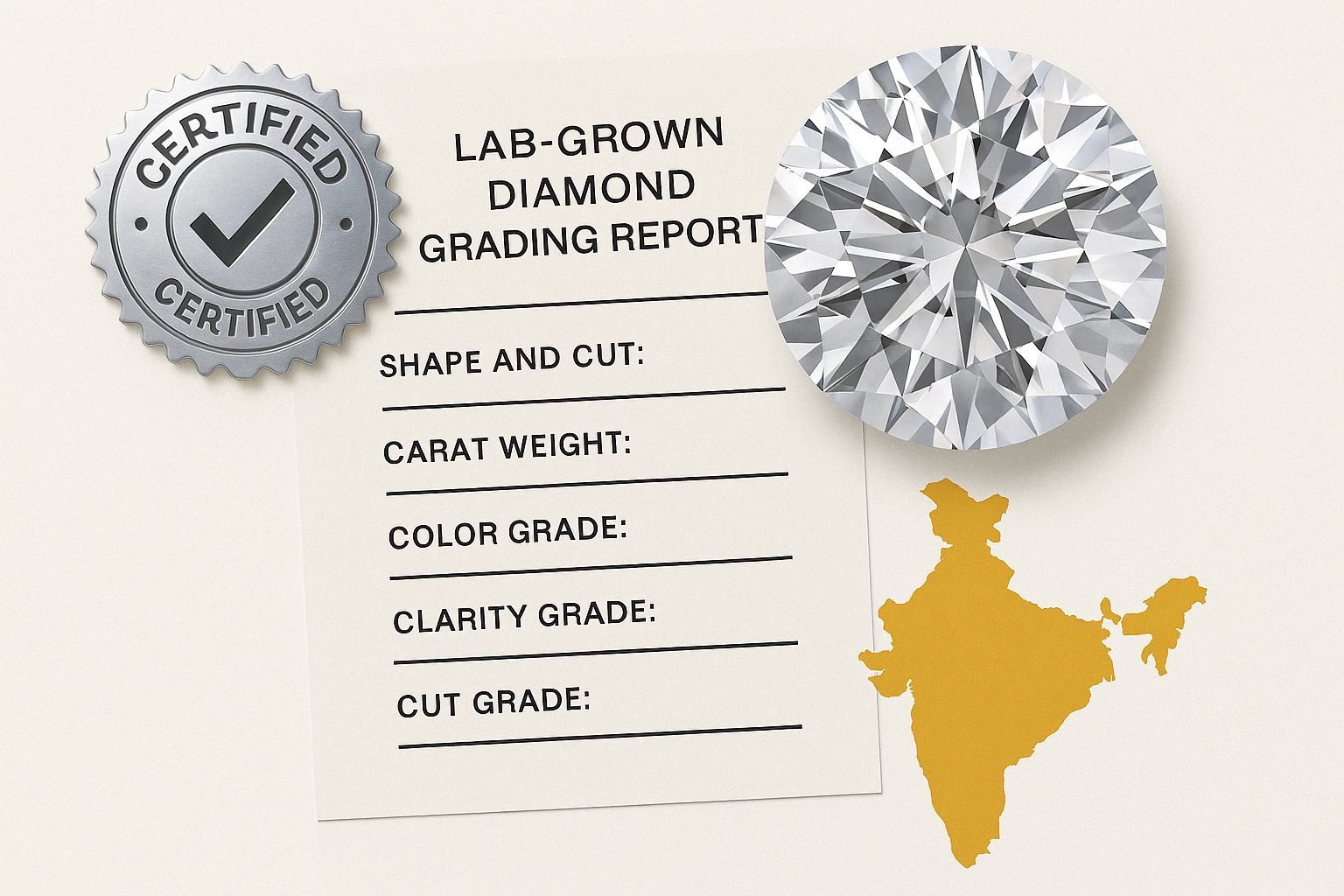
Can I see the lab report?
Can I compare it with another diamond?
What is the return policy?
Can I see a video of the ring in different lighting?
If you are shopping online, ask for videos in more than one type of light. A single video under strong studio lights may not show the full picture.
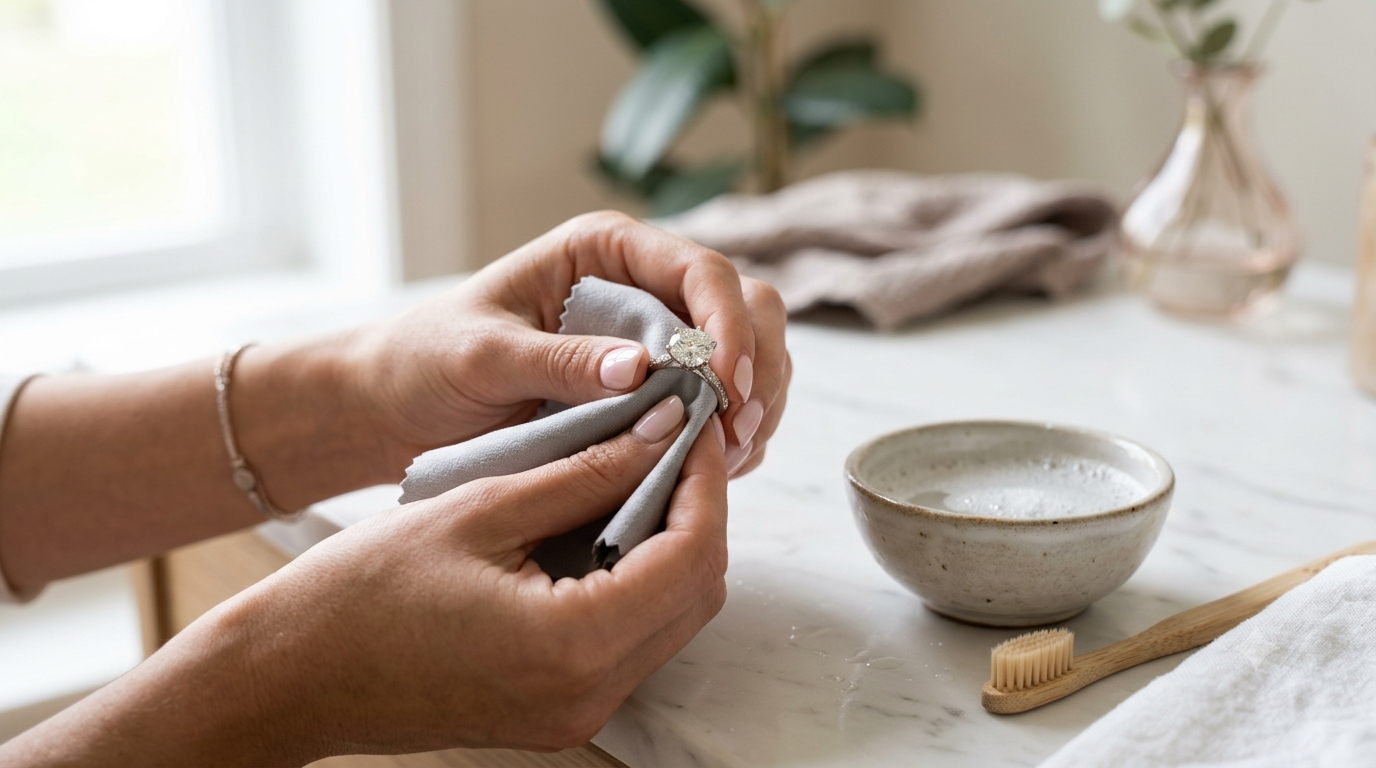
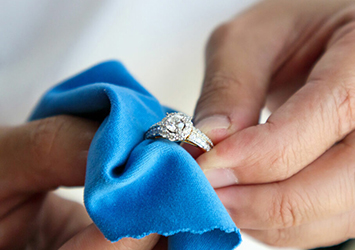
Oil, lotion, dust, and soap can cover the surface of a diamond. Even a well-cut stone can look dull when it is dirty.
For basic cleaning, use mild soap, warm water, and a soft brush. Rinse carefully over a secure bowl or a closed drain. Dry the ring with a soft, lint-free cloth.
If a prong looks loose or dirt is trapped in a hard-to-reach area, ask a professional jeweler to inspect the ring.
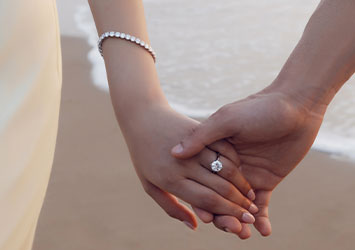
For everyday wear, soft and even lighting can make a ring look beautiful without creating harsh reflections.
For photos, try bright window light without direct sun. Keep the camera slightly away from the center line of the diamond. Avoid camera flash when possible because it can create a flat-looking image.
For special events, soft ambient lighting combined with a few smaller light sources can create attractive sparkle. Very strong light directly above the hand can create unwanted dark areas.
Think about where the ring will actually be worn.
Check it at:
Home
Office
Outdoor spaces
Restaurants
Evening events
If you are shopping for Exclusive Diamond Rings, this step is especially useful. A beautiful ring should look good beyond the jewelry store.
Ask yourself:
Is the diamond lively from several angles?
Does the metal suit the wearer?
Does the diamond color stay attractive in different lights?
Are the center stone and side stones balanced?
Does the setting look well made?
Lighting can change what your eyes notice, but it does not change the diamond itself. The cut, craftsmanship, setting, color, and clarity all play important roles in the final look.
When shopping for a diamond ring, test it in several lighting conditions. Move the ring while viewing it. Check the center stone, setting, metal, side stones, color, clarity, and fluorescence together.
A lab report is an important part of the buying process, but your own visual inspection also matters. GIA's research supports looking at how a diamond actually appears and notes that personal preference plays a role when choosing between diamonds.
GIA puts the importance of cut clearly: “The quality of cut is crucial to the diamond's final beauty and value.”
So, do not choose a diamond only because it looks amazing under one bright spotlight.
A beautiful diamond ring should not need one perfect light. It should look bright, balanced, and lively wherever life takes it.
Yes. Different lights can change the amount of sparkle, fire, contrast, and color you notice. A diamond may look very bright under a jewelry spotlight but softer under normal indoor lighting. This is why it is important to view a ring in several real-life settings.
Cut has a major effect on how a diamond interacts with light. A larger diamond does not automatically have more sparkle. A well-cut diamond can look more lively and attractive than a larger diamond with weaker cut quality. GIA considers brightness, fire, scintillation, design, and craftsmanship when grading the cut of standard round brilliant diamonds.
Yes. Natural daylight can help you see the diamond's color, contrast, and overall appearance without relying only on store spotlights. Stand near a window rather than in direct sunlight, and slowly move the ring while viewing it.
It can vary from stone to stone. Fluorescence is not automatically good or bad. GIA reports that most fluorescent diamonds do not show a noticeable difference in appearance. In rare cases, very strong fluorescence can cause a hazy or oily appearance.
Keep the diamond clean, as oil and dirt can reduce its appearance. Also, view and photograph the ring in good soft lighting. A well-cut diamond will generally show more attractive brightness, fire, and scintillation when it is clean and viewed under suitable lighting.

 Round
Round Pear
Pear Heart
Heart PRINCESS
 Oval
Oval CUSHION
 EMERALD
 MARQUISE
 Asscher
 RADIANT
 Ashth CUT
 ROSE CUT
 BRIOLETTE
 SINGLE CUT
 TRAPEZIUM
 TULIP
TULIP TRIANGLE
 BUTTERFLY
 FLOWER
 MOVAL
MOVAL CLOVER
 BAGUETTE
 9KT ASHTH CUT
 9KT MARQUISE
 9KT PEAR
 9KT RADIANT
 9KT EMERALD