Ashth - Where Exceptional Craftsmanship Defines Modern Luxury !

- Rings
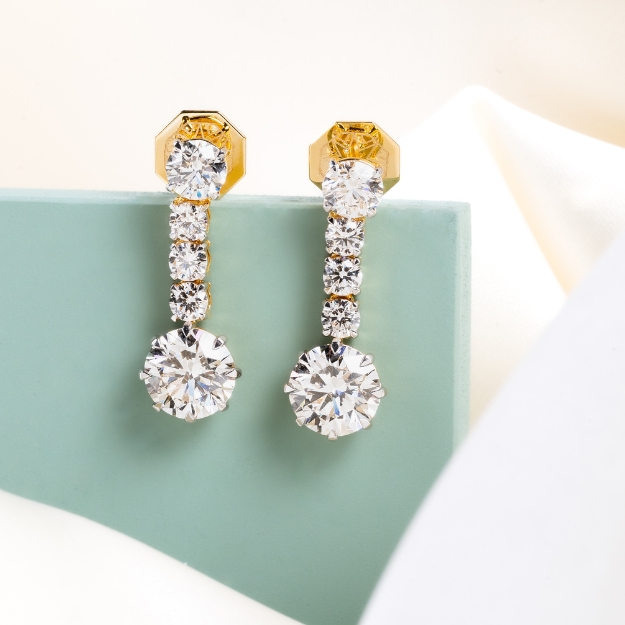
- Earrings
Shop By Category
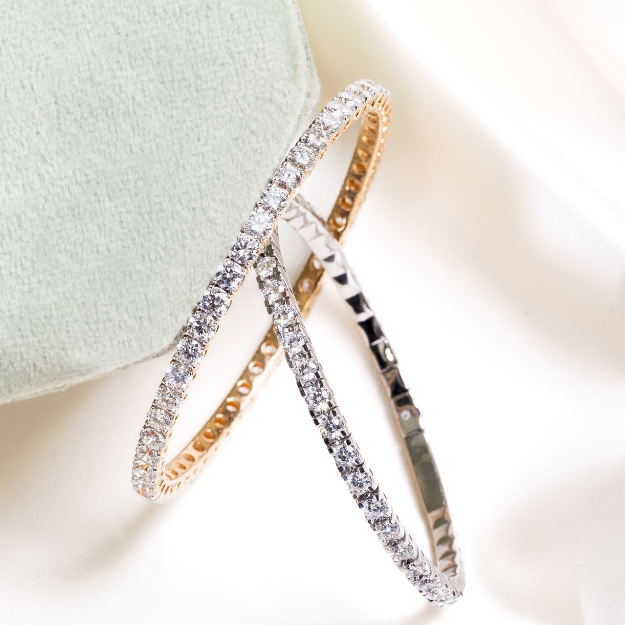
- Bangles/ Bracelets
Shop By Category
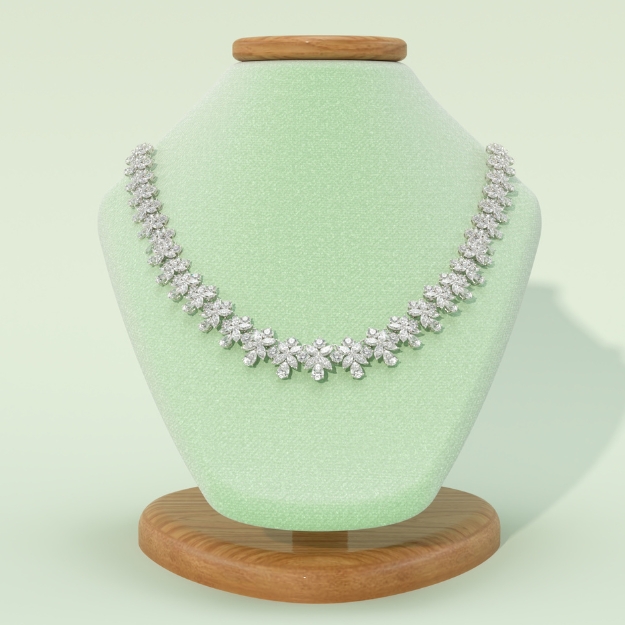
- Necklaces
Shop By Category
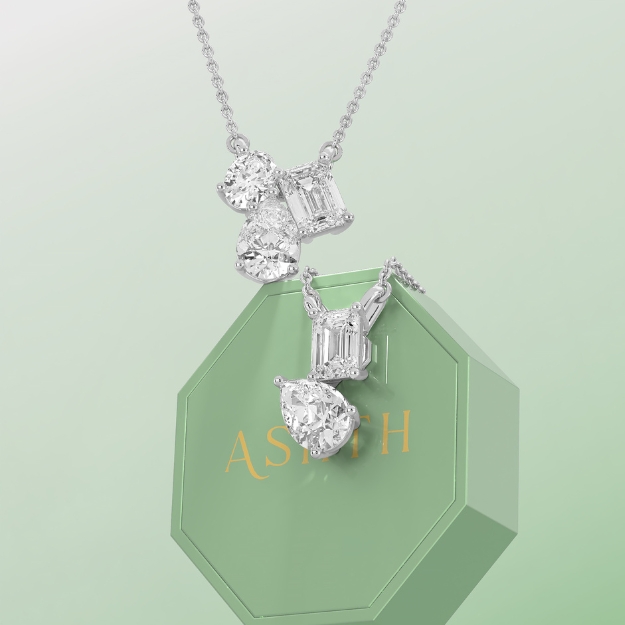
- Pendants
Shop By Category
- ASHTH LITE
Shop By Category
.jpg)
- Collections
Collections
Shop By Category
Shop By Category
Shop By Category
Shop By Category
Shop By Category
Collections
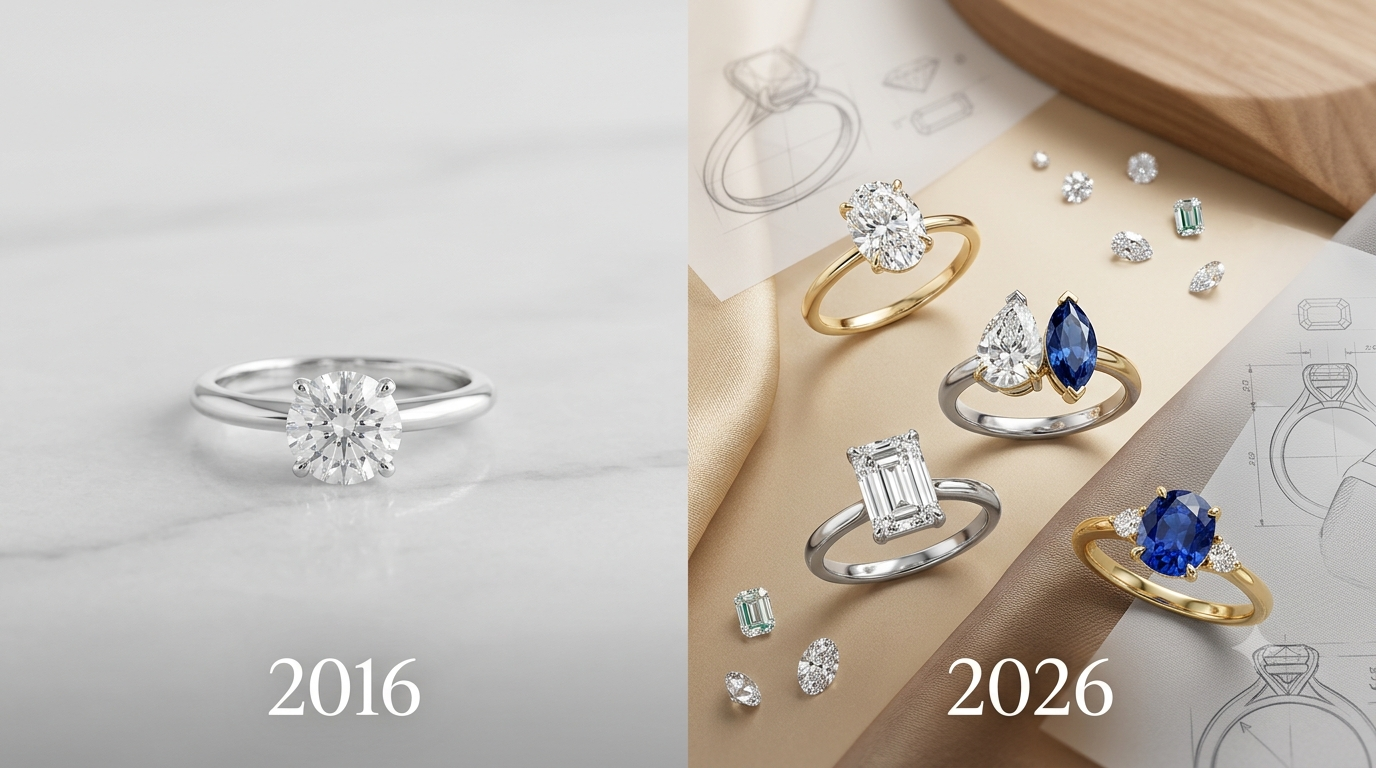
Did you know oval diamonds can appear up to 20% larger face-up than round diamonds of the same carat weight? According to recent data from the Gemological Institute of America (2025), this optical advantage is one of the reasons oval diamonds are gaining popularity worldwide.
While round diamonds still dominate nearly 70% of the market, oval diamonds have seen an impressive 8% growth in the past year alone—especially in the rising demand for Oval Diamond rings india buyers are actively searching for. Many modern shoppers are also exploring alternatives like a lab grown diamond ring, which pairs beautifully with oval cuts for both sustainability and affordability.
So what exactly makes oval diamonds stand out? From their elegant shape to their unique sparkle and value, this guide explores everything you need to know.
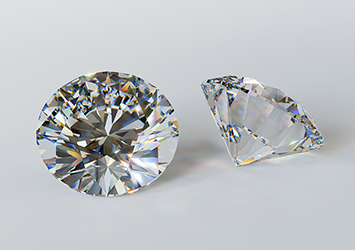
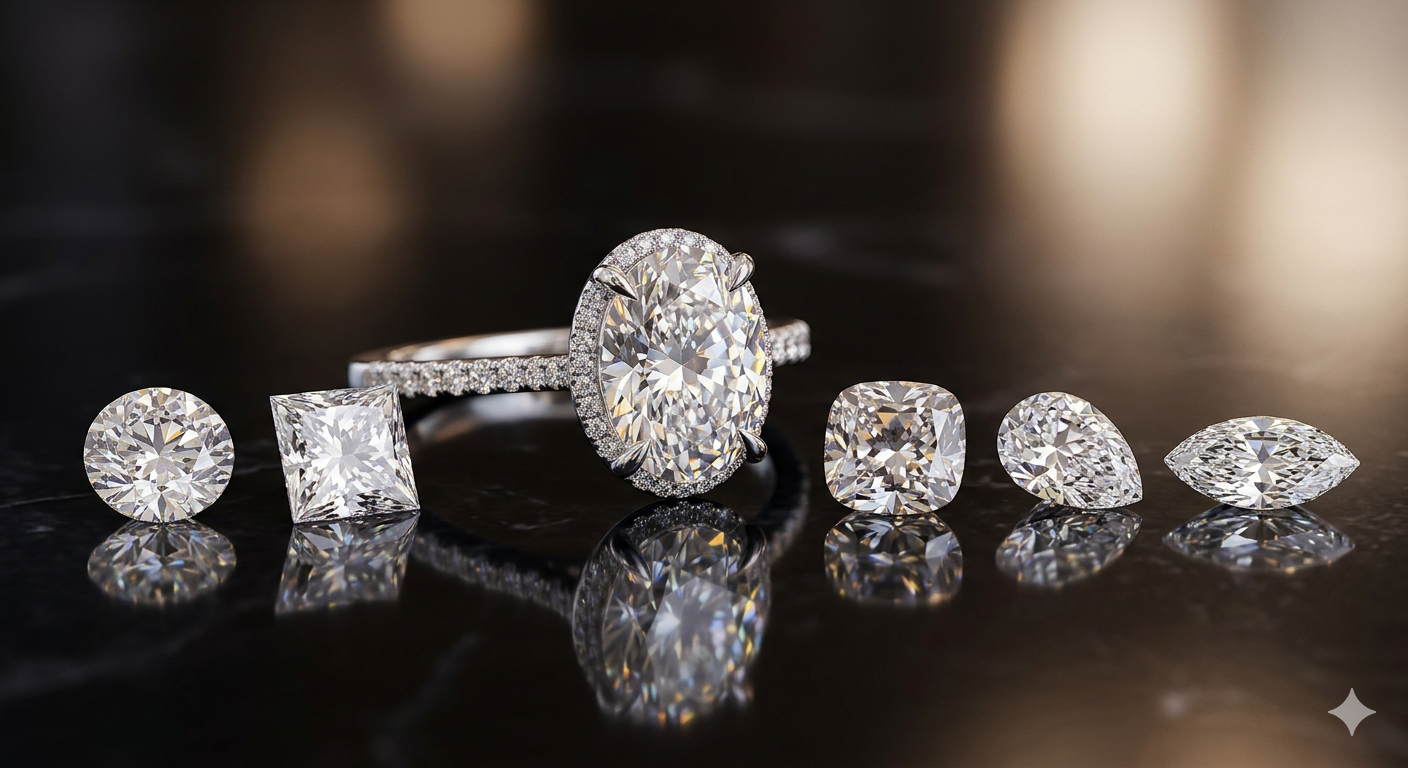
The oval diamond is essentially an elongated version of the round brilliant cut, combining brilliance with a more distinctive silhouette.
Its soft, rounded ends mimic the marquise shape—but without sharp points
Ideal length-to-width ratio: 1.33 to 1.50 for a balanced, elegant look
Typically has 57 facets, slightly fewer than round diamonds (58), which alters how light reflects
This subtle difference in faceting creates a unique light pattern, giving ovals a softer, more spread-out brilliance compared to rounds.
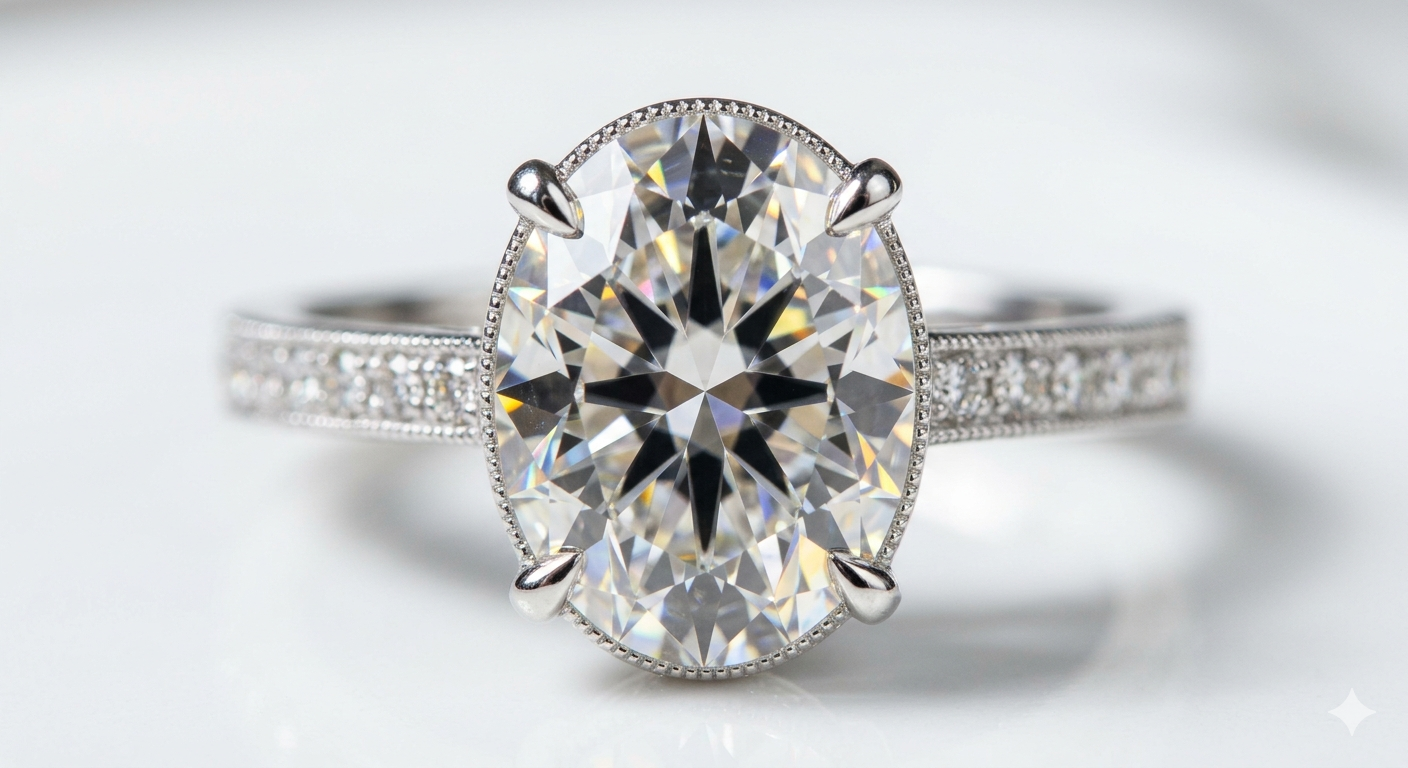
One defining feature of oval diamonds is the bow-tie effect—a dark shadow that appears across the center of the stone.
Caused by improper light reflection due to poor cut
More noticeable in poorly proportioned stones
Actionable Tip: Always choose diamonds with Excellent or Very Good symmetry grading from trusted labs like Gemological Institute of America to minimize this effect.
“A well-cut oval hides the bow-tie better than most shapes.” – Sarah Kline
One of the biggest advantages of oval diamonds is how large they appear.
A 1-carat oval can look similar in size to a 1.25-carat round diamond
The elongated shape maximizes surface area (table coverage)
This makes oval diamonds a top choice for buyers who want maximum visual impact without increasing budget.
Round diamonds are known for unmatched brilliance—but ovals bring their own strengths.
Rounds: ~60% more fire and sparkle
Ovals: Create a lengthening illusion on fingers
Case Study: Taylor Swift’s 12-carat oval ring appears significantly larger due to its elongated shape.
Cost Insight: Ovals are typically 25% cheaper per carat (Brilliant Earth 2026), making them a smart value choice.
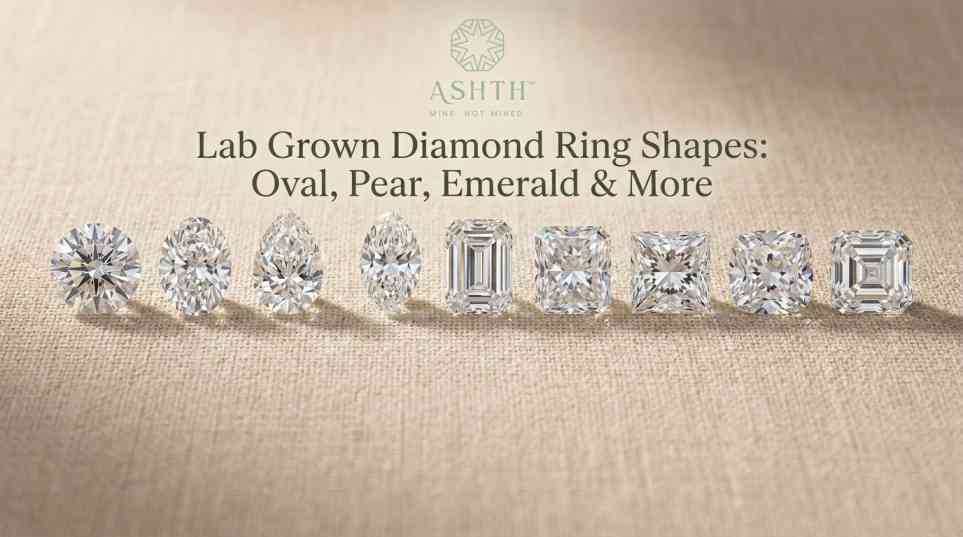
Each shape offers a different aesthetic:
Princess Cut: Sharp, square edges for a modern feel
Cushion Cut: Soft corners with more scintillation
Oval Cut: Clean, elongated lines with timeless elegance
Quick Takeaways:
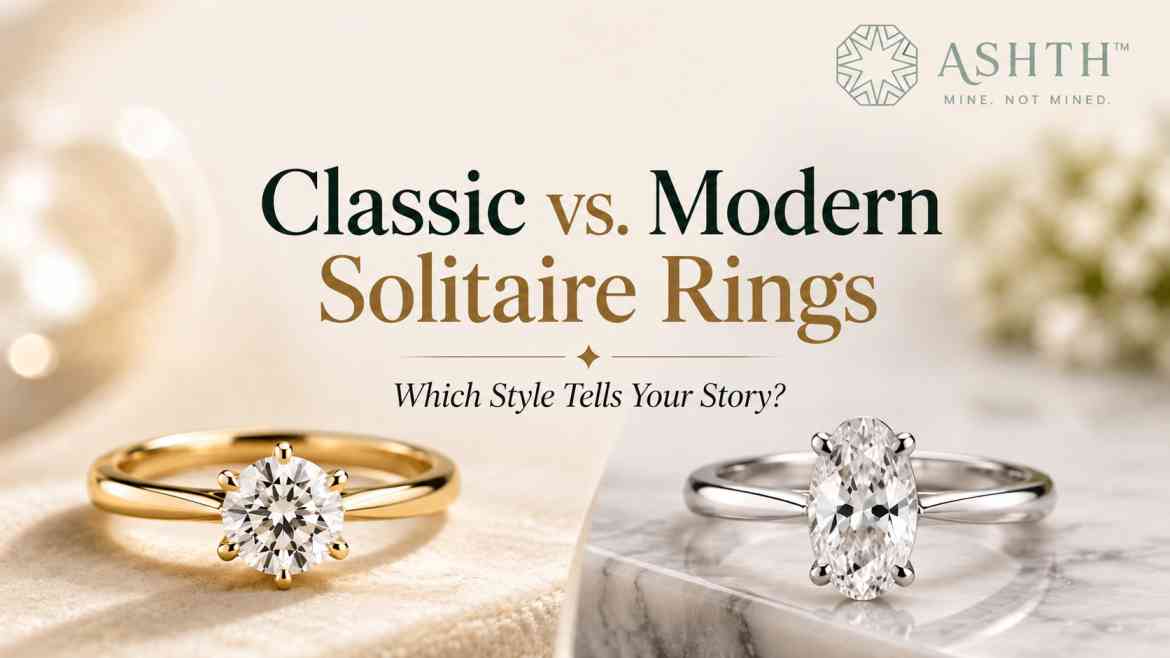
Choose oval for a vintage yet versatile vibe
Choose princess for a bold, geometric look
Pear Shape: Elegant but prone to chipping at the pointed tip
Marquise: Dramatic but requires careful handling due to sharp ends
Oval: Balanced, safer for daily wear
“Ovals blend pear drama with marquise stretch.” – Mia Larson
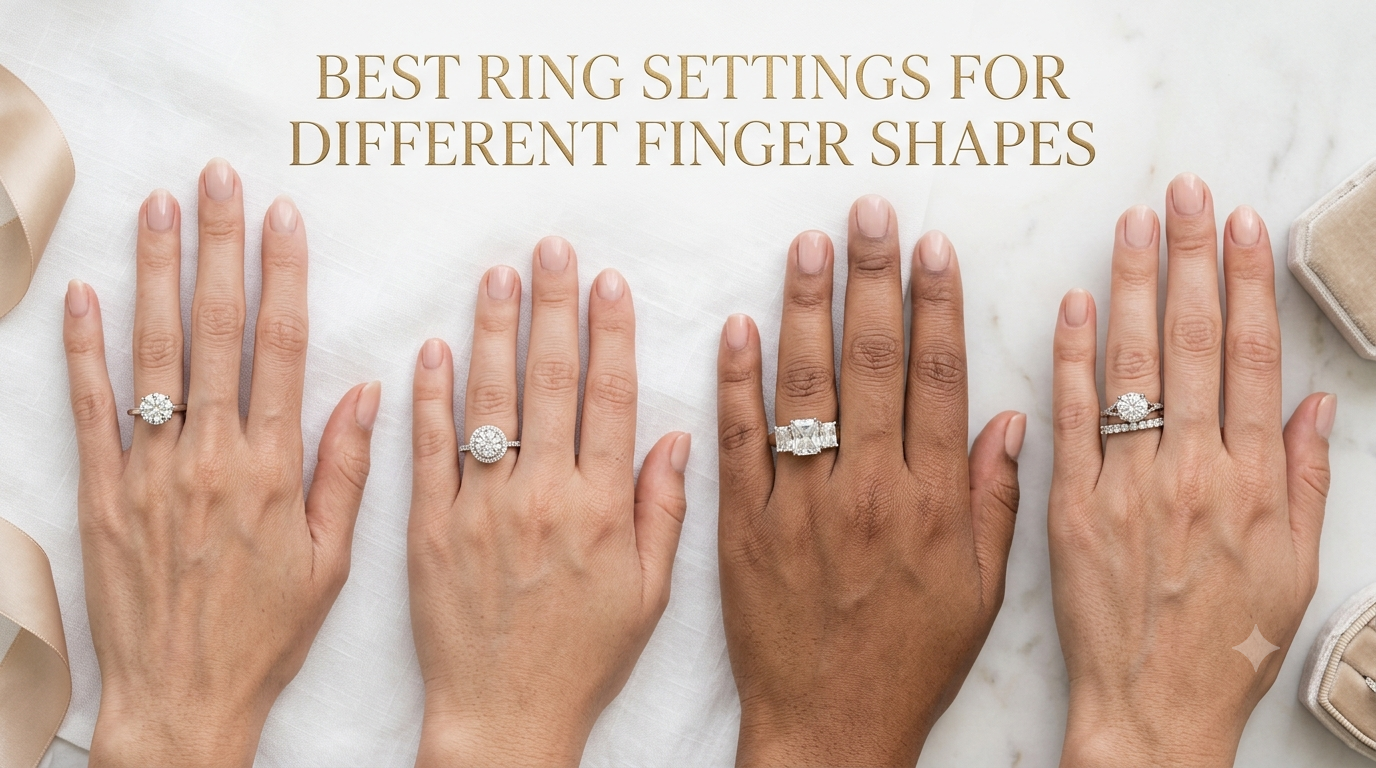
Elongated shape creates a slimming effect on fingers
Performs better in low light than step cuts like emerald
💡 Tip: Always test the diamond under store lighting and ensure Very Good or Excellent polish.
Value and Resale Edge
15–20% cheaper than round diamonds
Retains up to 75% of retail value after 5 years (2026 data)
This makes oval diamonds one of the best-value investments in fine jewelry.
Bow-tie effect can be prominent in poorly cut stones
Slightly less sparkle than round diamonds
“Cut quality trumps shape every time.” – Tom Reed
Compared to emerald: Slightly less durable for heavy wear
Compared to asscher: Oval offers better brilliance
Before purchasing, keep these in mind:
Choose Ideal or Excellent cut grade
Depth should be 58–62%
Avoid overly thin stones
1.5-carat oval ≈ $8,000
1.5-carat round ≈ $10,000
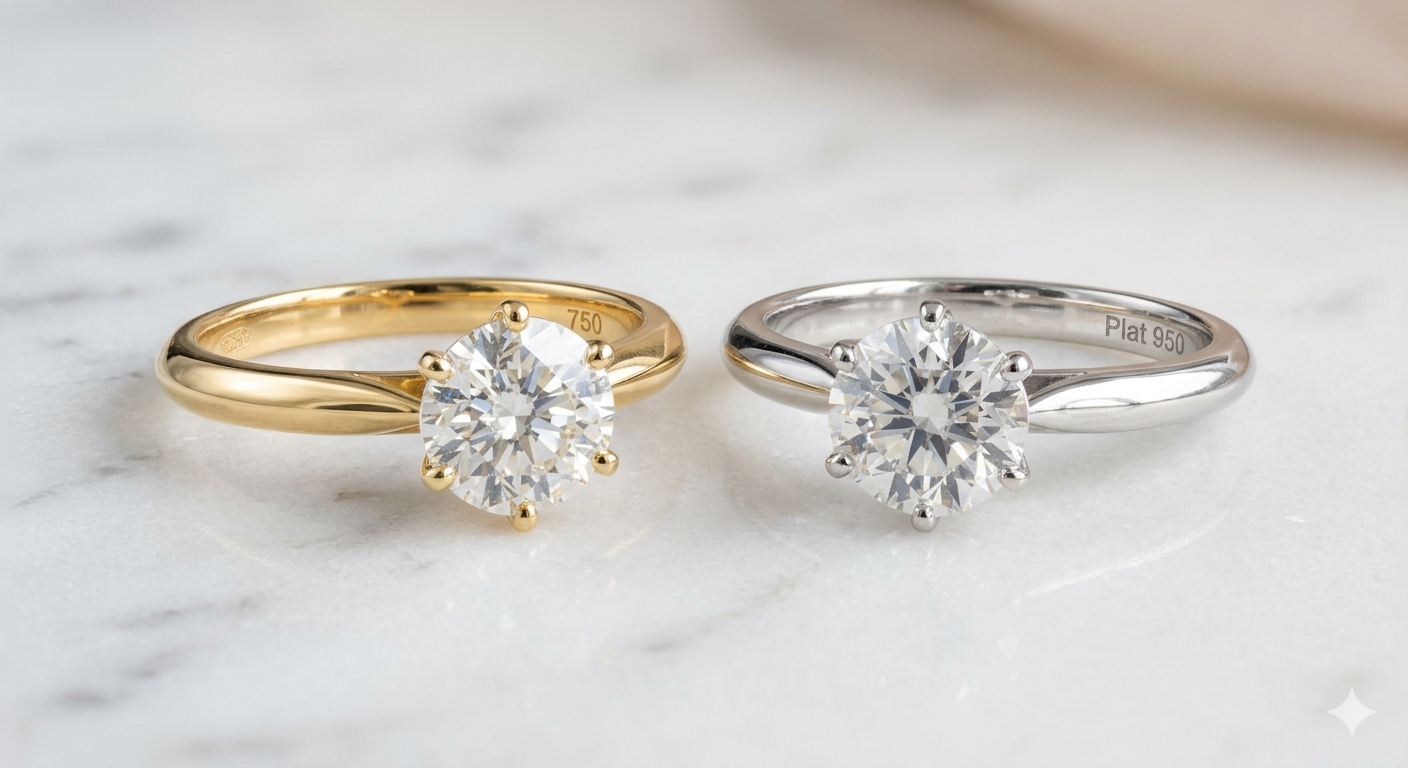
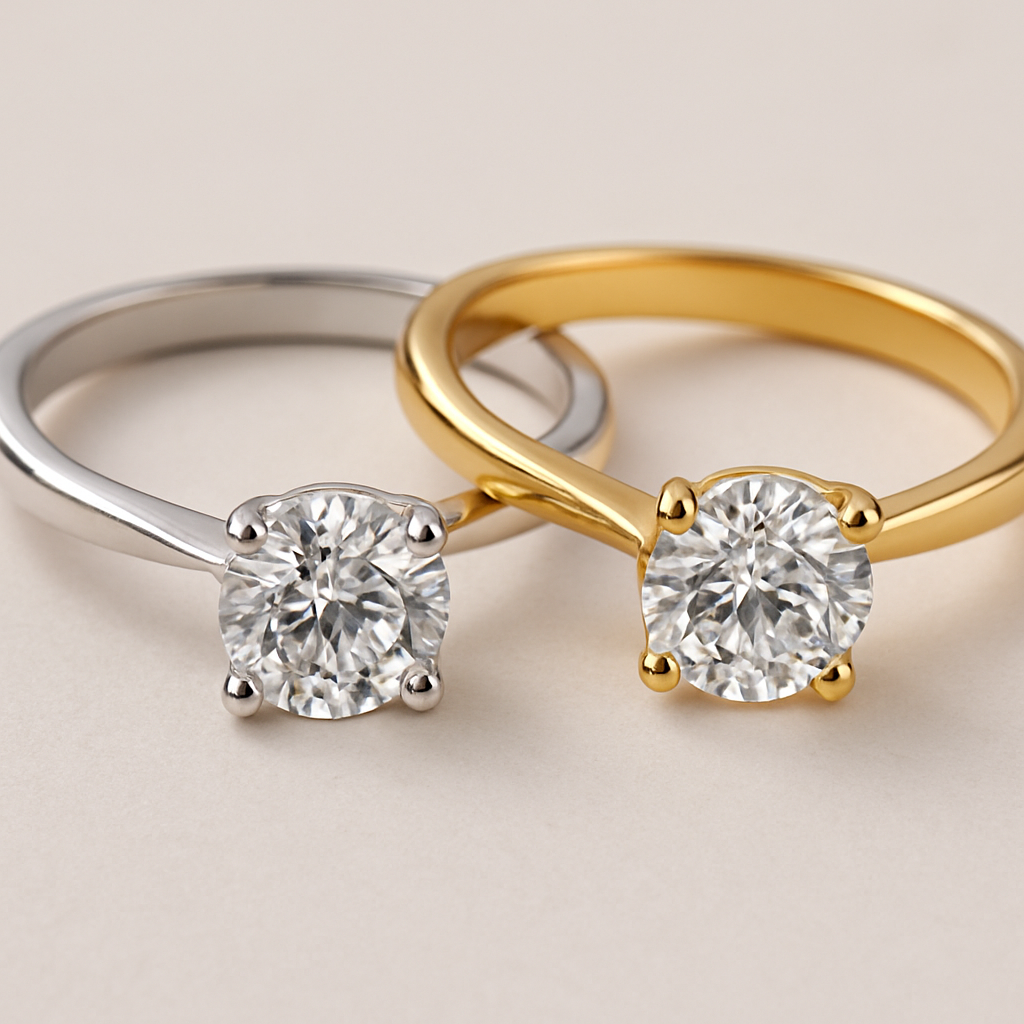
Yellow gold: Enhances warmth
Platinum: Ideal for cooler tones
Halo settings: Increase perceived size by up to 30%
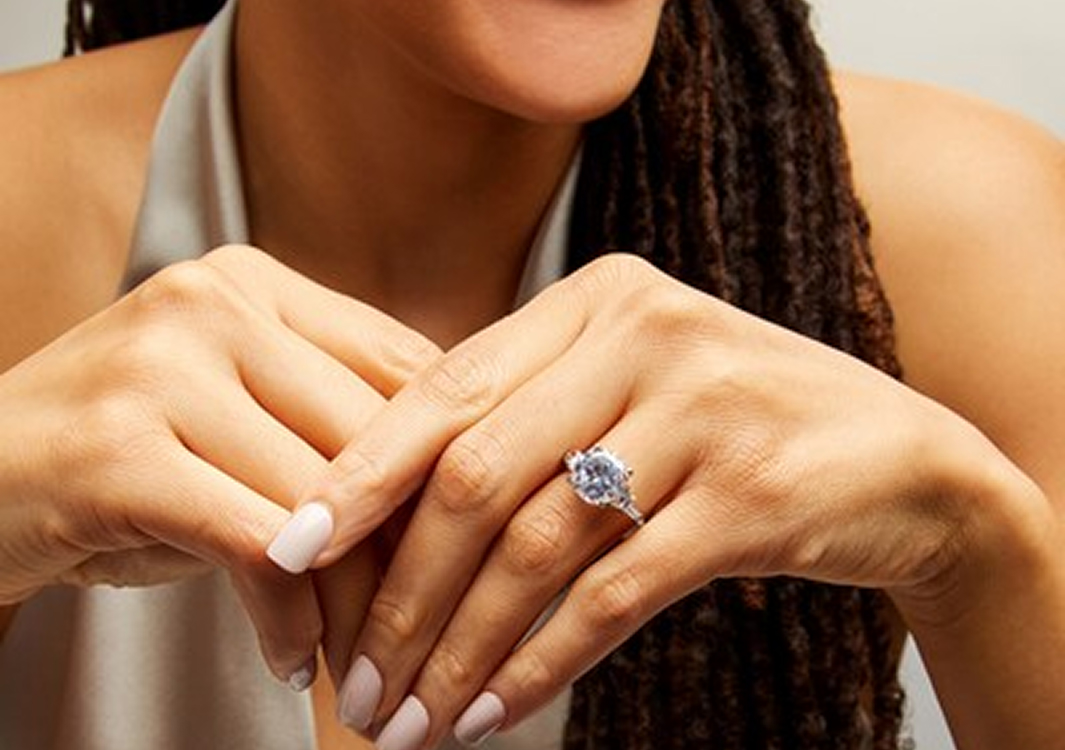
Inspiration: Emily Ratajkowski’s oval ring with a twisted band is a standout modern design.
Side stones like sapphires or smaller ovals enhance contrast
Avoid pairing with heavy baguettes—they can overpower the center stone
Use 360° viewers from trusted retailers like James Allen
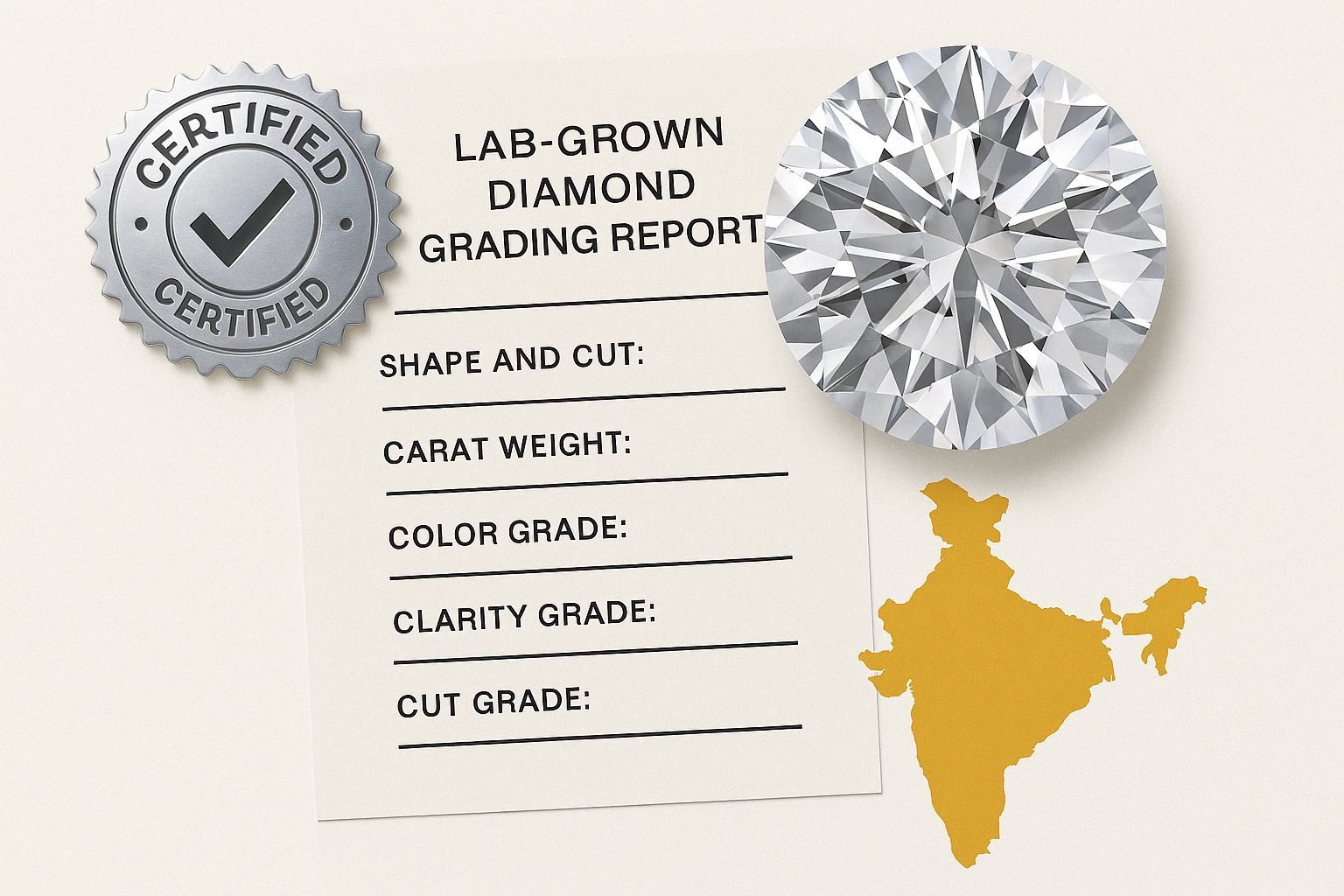
Choose certifications from AGS or Gemological Institute of America
Negotiate pricing—ovals are often 10% below listed price
Oval diamonds offer a rare combination of size, elegance, and value that few other shapes can match. Whether you're drawn to their flattering

 Round
Round Pear
Pear Heart
Heart PRINCESS
 Oval
Oval CUSHION
 EMERALD
 MARQUISE
 Asscher
 RADIANT
 Ashth CUT
 ROSE CUT
 BRIOLETTE
 SINGLE CUT
 TRAPEZIUM
 TULIP
TULIP TRIANGLE
 BUTTERFLY
 FLOWER
 MOVAL
MOVAL CLOVER
 BAGUETTE
 9KT ASHTH CUT
 9KT MARQUISE
 9KT PEAR
 9KT RADIANT
 9KT EMERALD