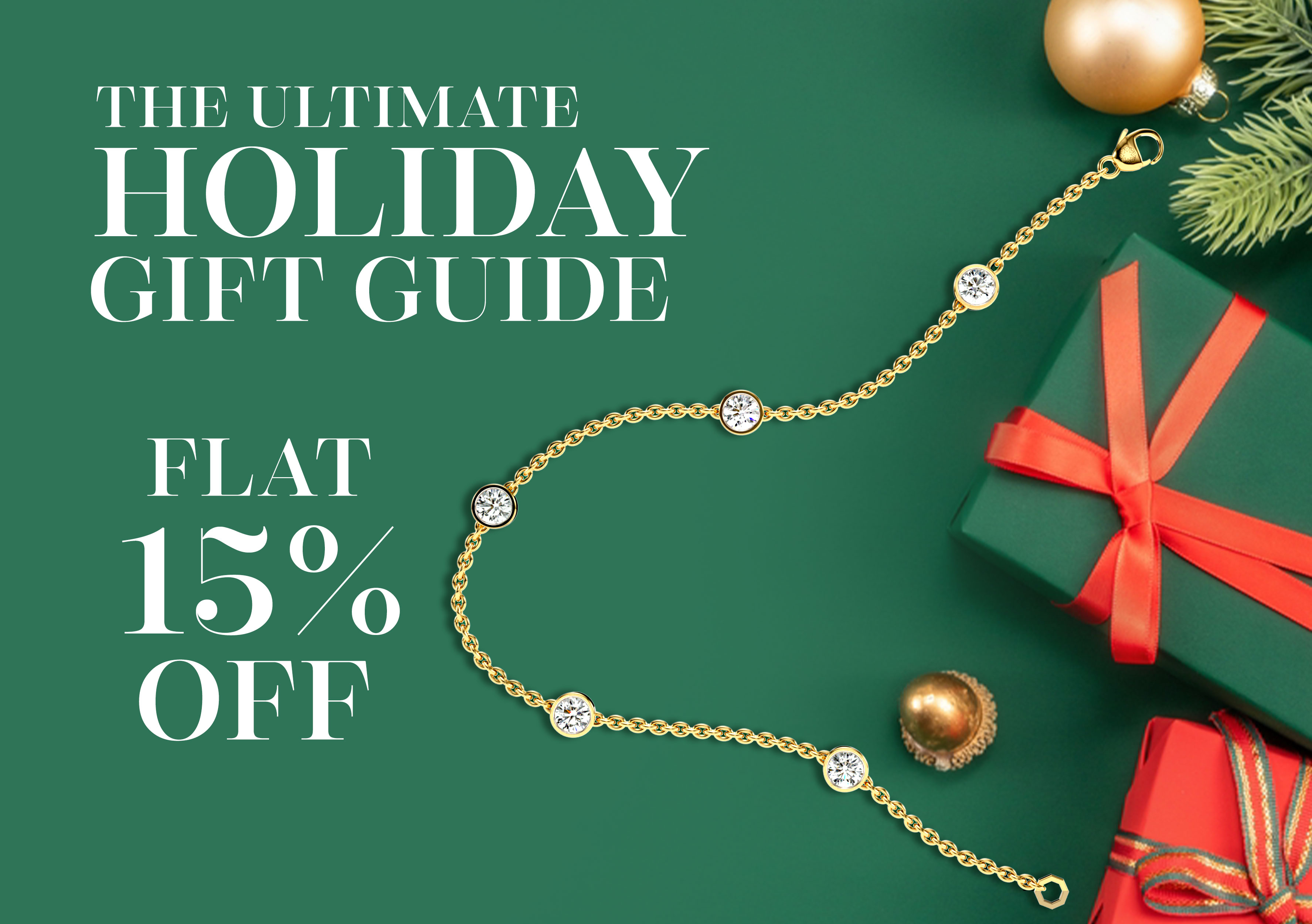
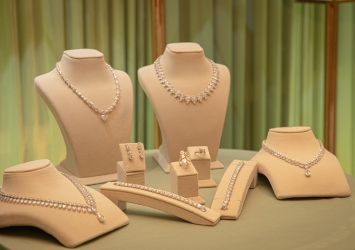
Ashth - Where Exceptional Craftsmanship Defines Modern Luxury !

- Rings
- Earrings
Shop By Category
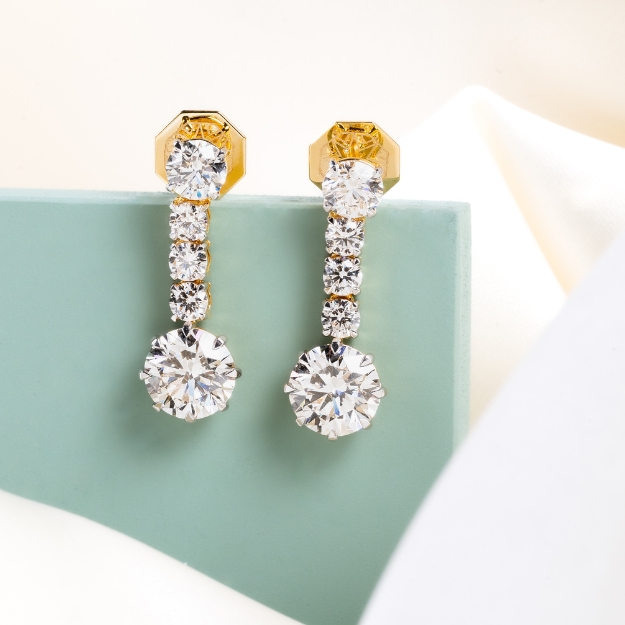
- Bangles/ Bracelets
Shop By Category
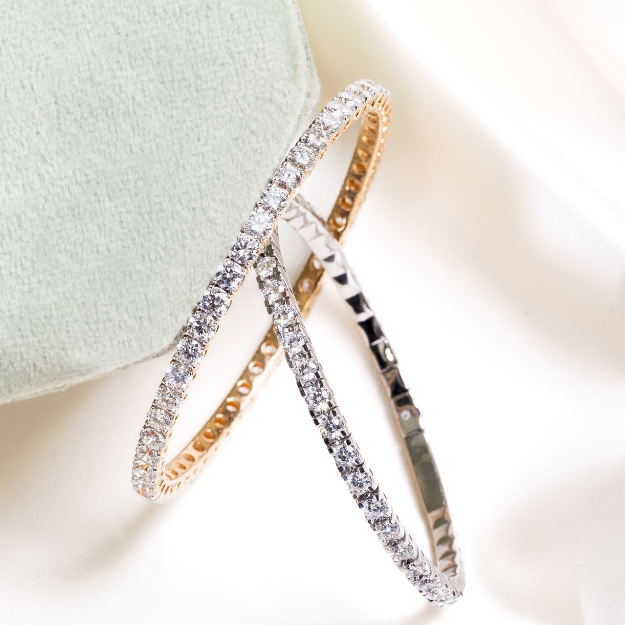
- Necklaces
Shop By Category
- Pendants
Shop By Category
- ASHTH LITE
Shop By Category
.jpg)
- Collections
Collections
Shop By Category
Shop By Category
Shop By Category
Shop By Category
Shop By Category
Collections
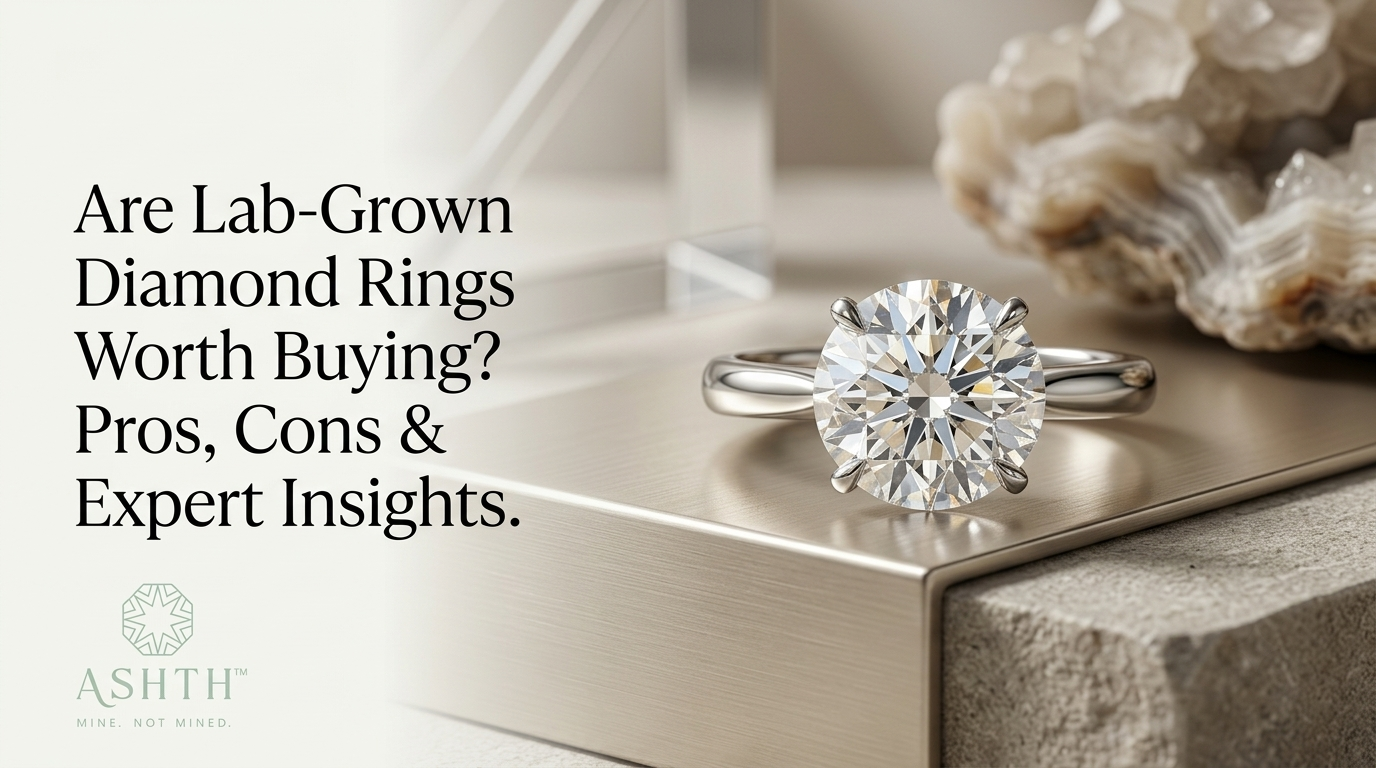
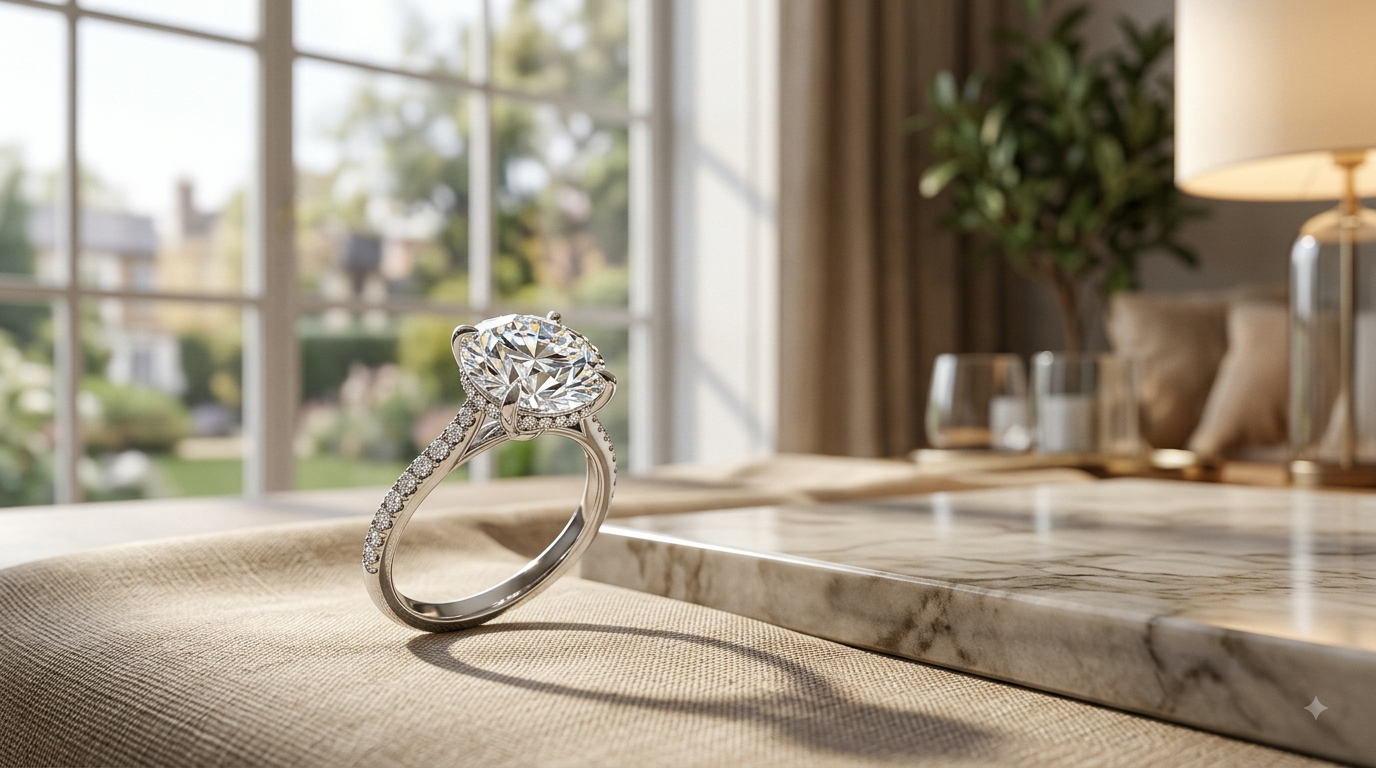
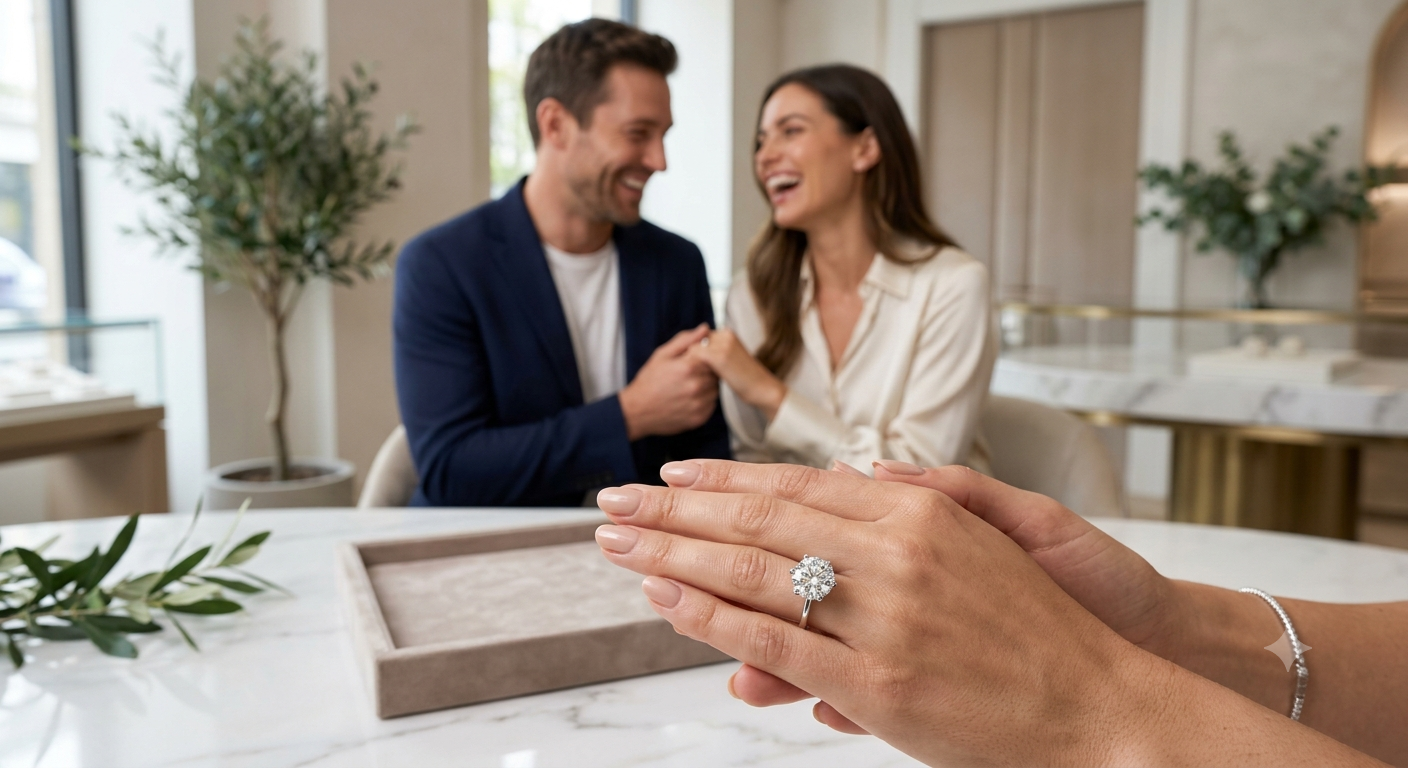
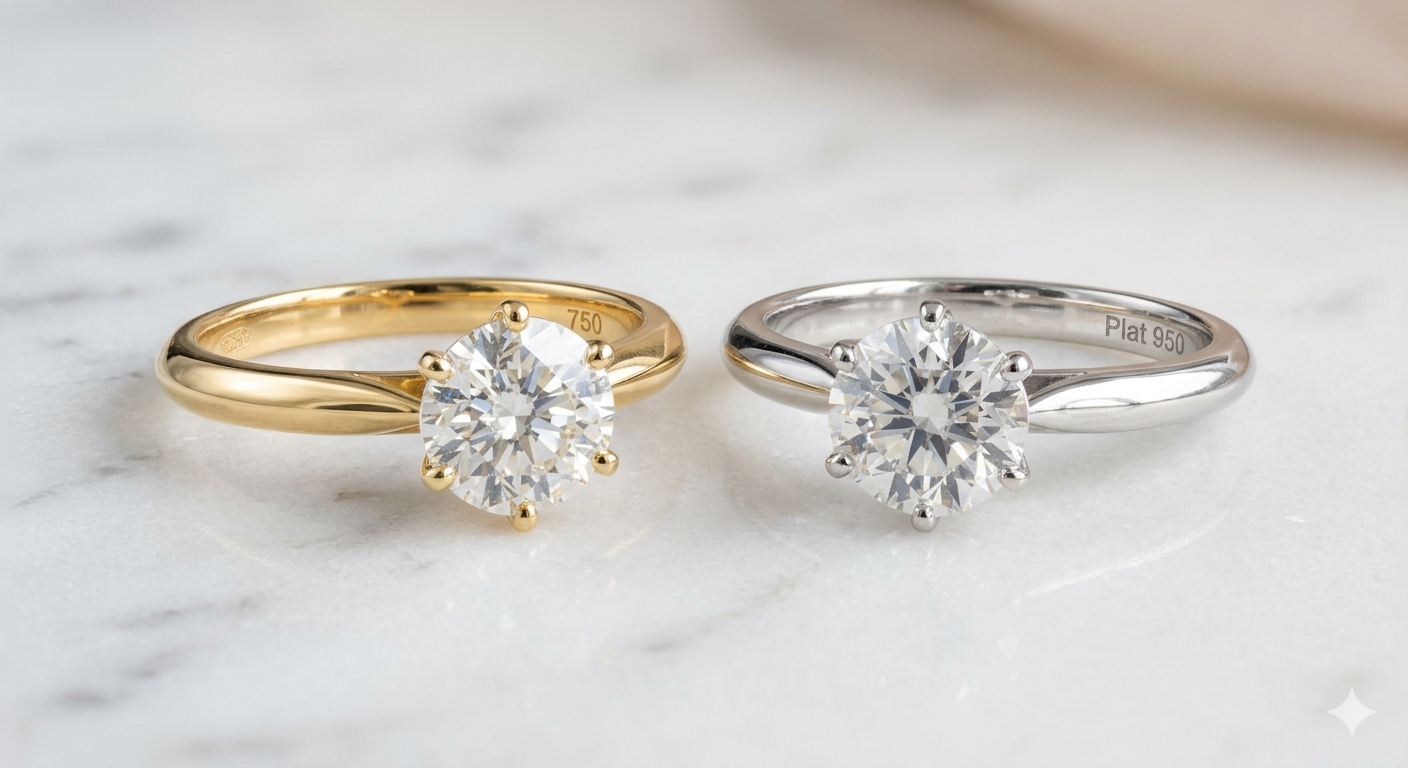
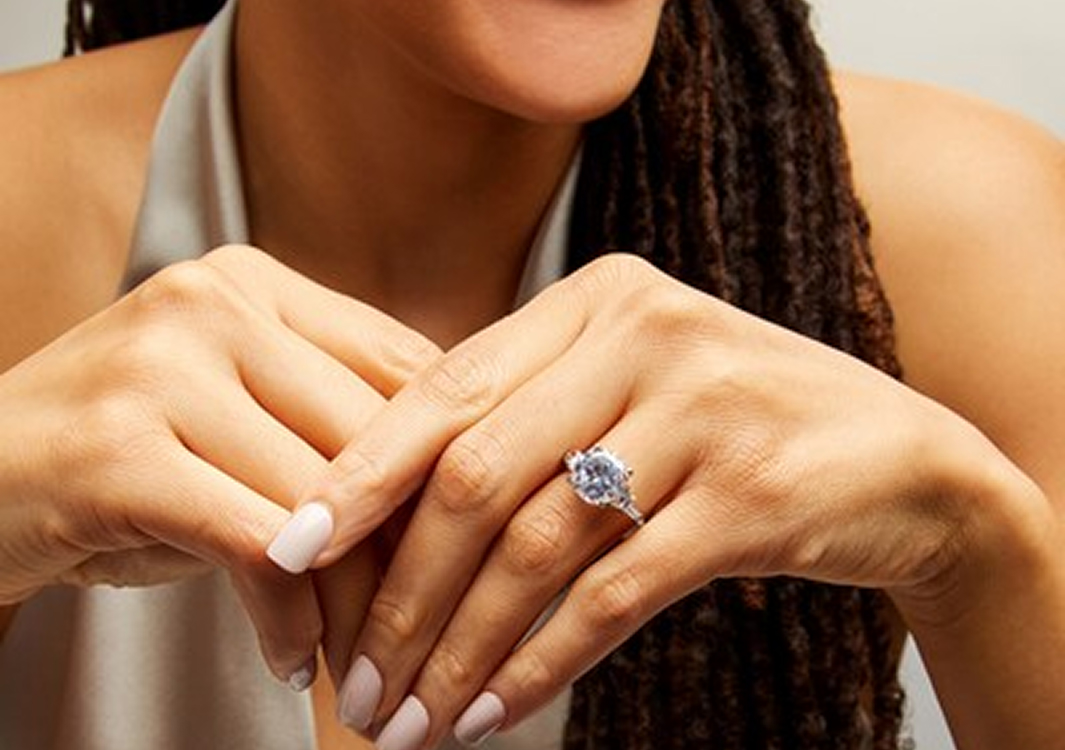
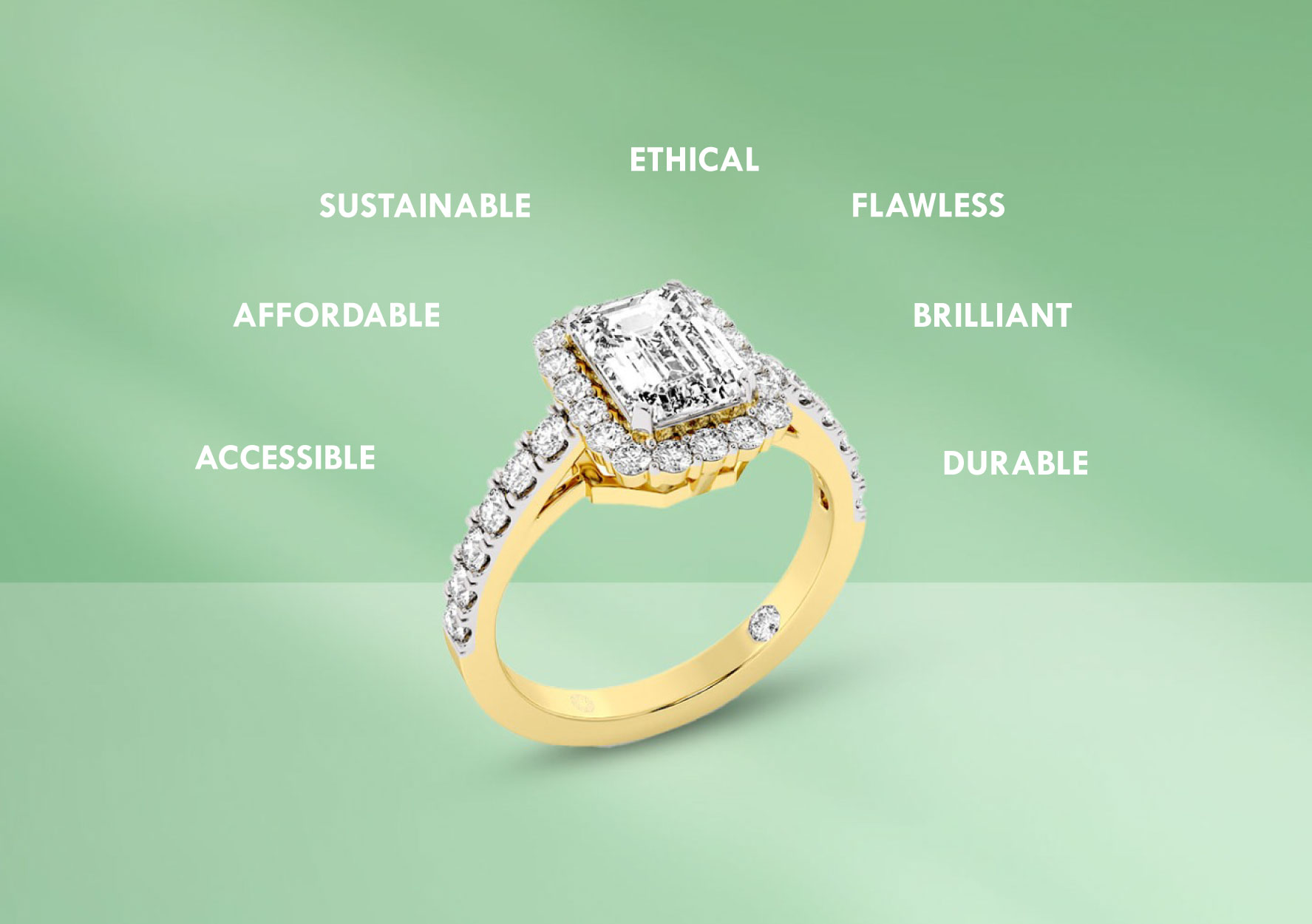
If you are comparing a lab grown diamond ring with a mined diamond ring, the short answer is simple: yes, a lab-grown diamond ring can be worth buying if you want more size and design choice for your budget and are buying it to wear and enjoy, not as an investment.
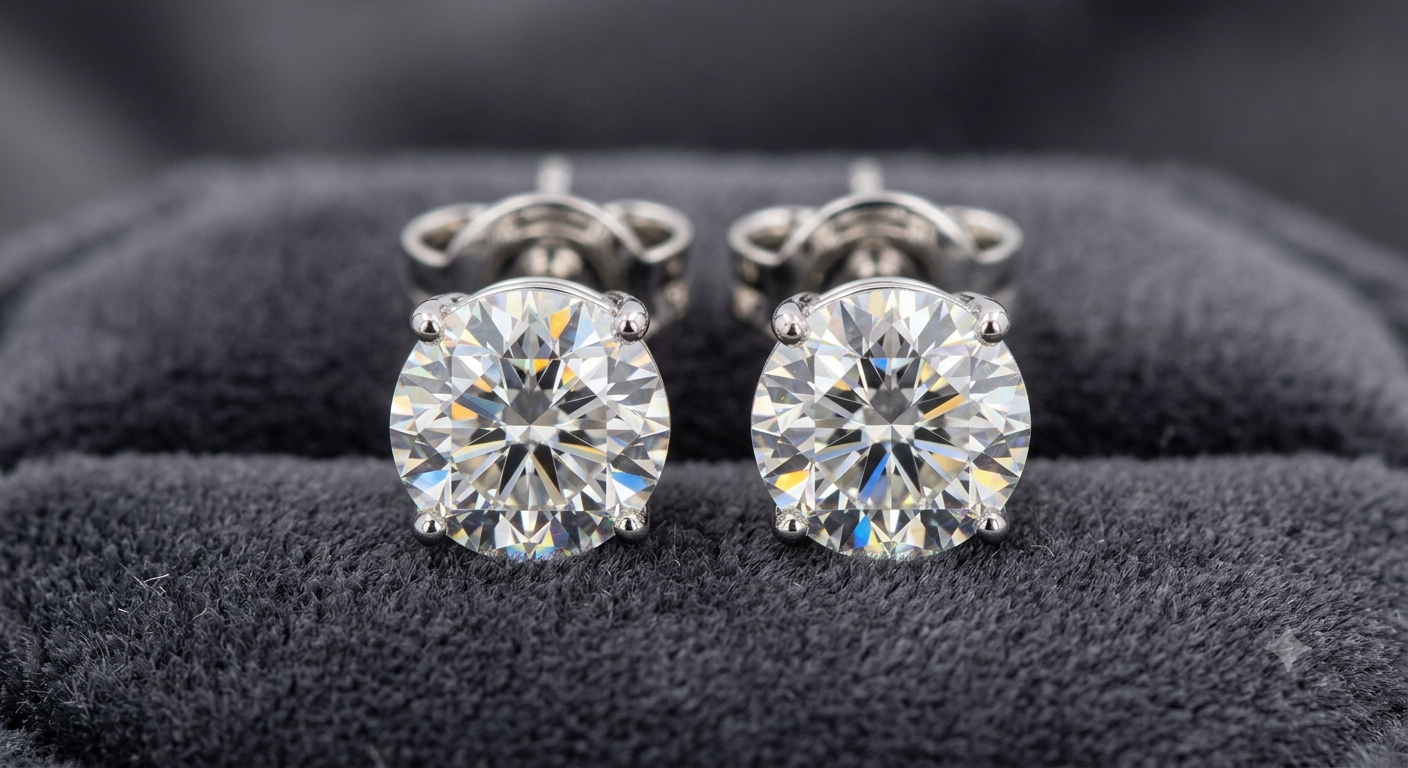
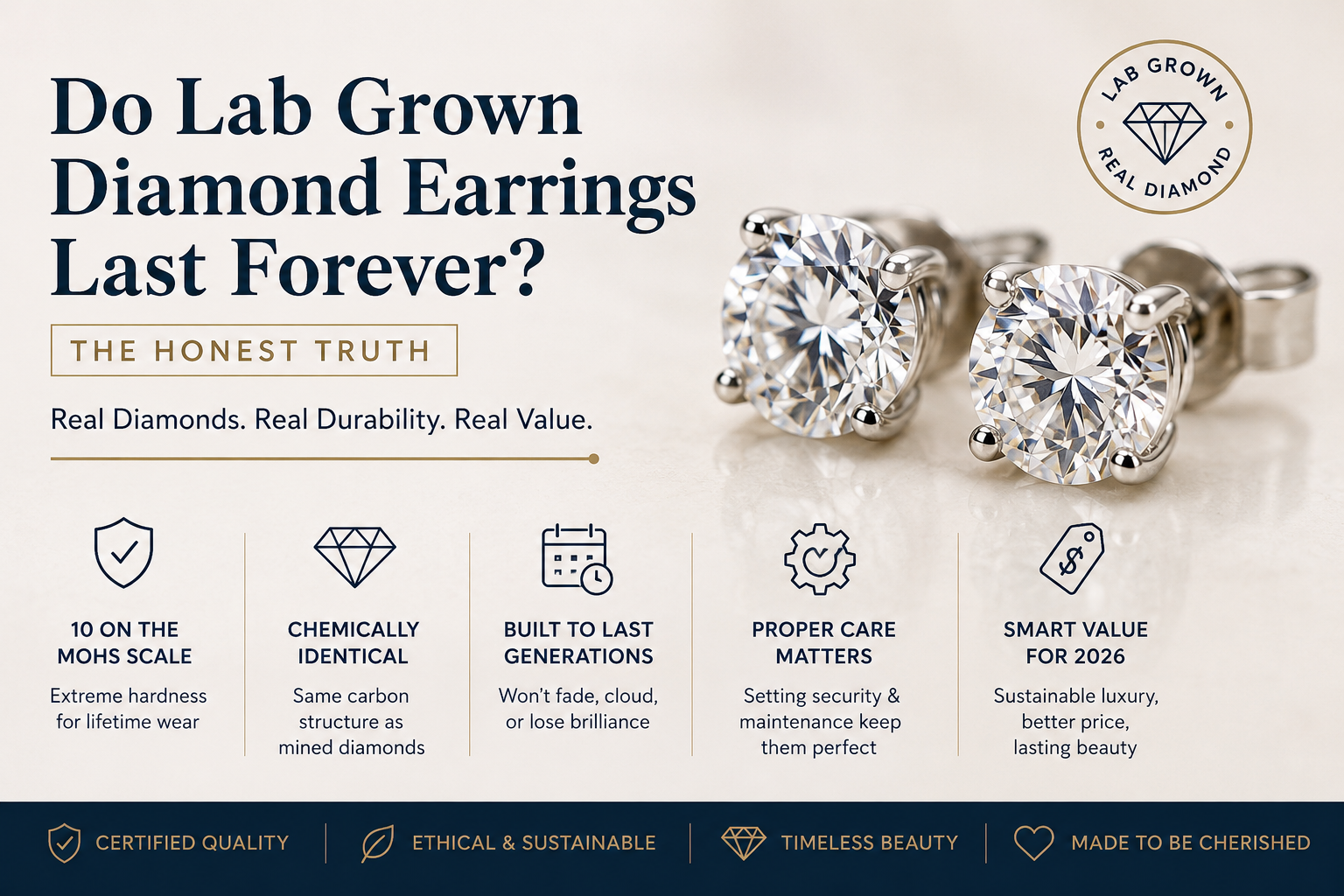
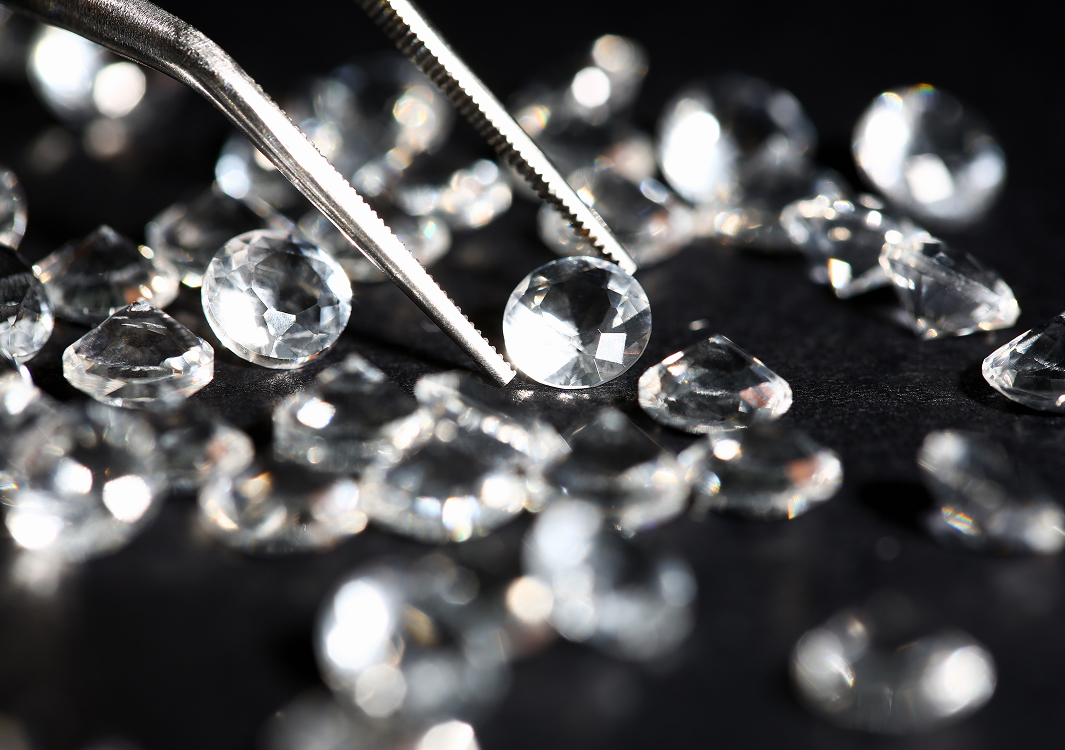
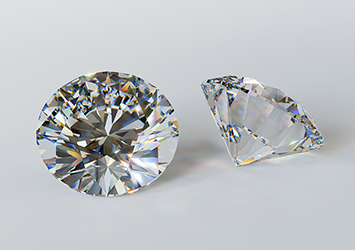
Lab grown diamond jewellery are real diamonds. They have essentially the same chemical, physical, and optical properties as mined diamonds. The main difference is their origin.
However, there are still important differences in price, supply, resale expectations, and the way some gem laboratories grade them. Understanding these points can help you make a better buying decision.
Price is one of the biggest reasons buyers choose lab-grown diamonds.
Lab-grown diamonds can be produced in controlled facilities, so their supply is not limited by natural diamond formation. This has helped make them much less expensive than many comparable mined diamonds. Prices can also change quickly, so it is better to compare current prices than rely on figures from an older article.
The price of a lab-grown diamond depends on several factors, including:
Carat weight
Cut
Color
Clarity
Shape
Grading laboratory
Brand and retailer
The lower stone price can leave more room in your budget for the ring setting, better metal, side stones, or even a matching wedding band.
Still, do not choose a diamond based only on its price. Two diamonds with similar specifications can look different, especially when their cut and proportions differ.
A lab-grown diamond is not the same as cubic zirconia or moissanite.
According to the U.S. Federal Trade Commission, laboratory-created diamonds should have essentially the same optical, physical, and chemical properties as mined diamonds. The FTC also says sellers should clearly disclose that a laboratory-grown diamond is not a mined diamond.
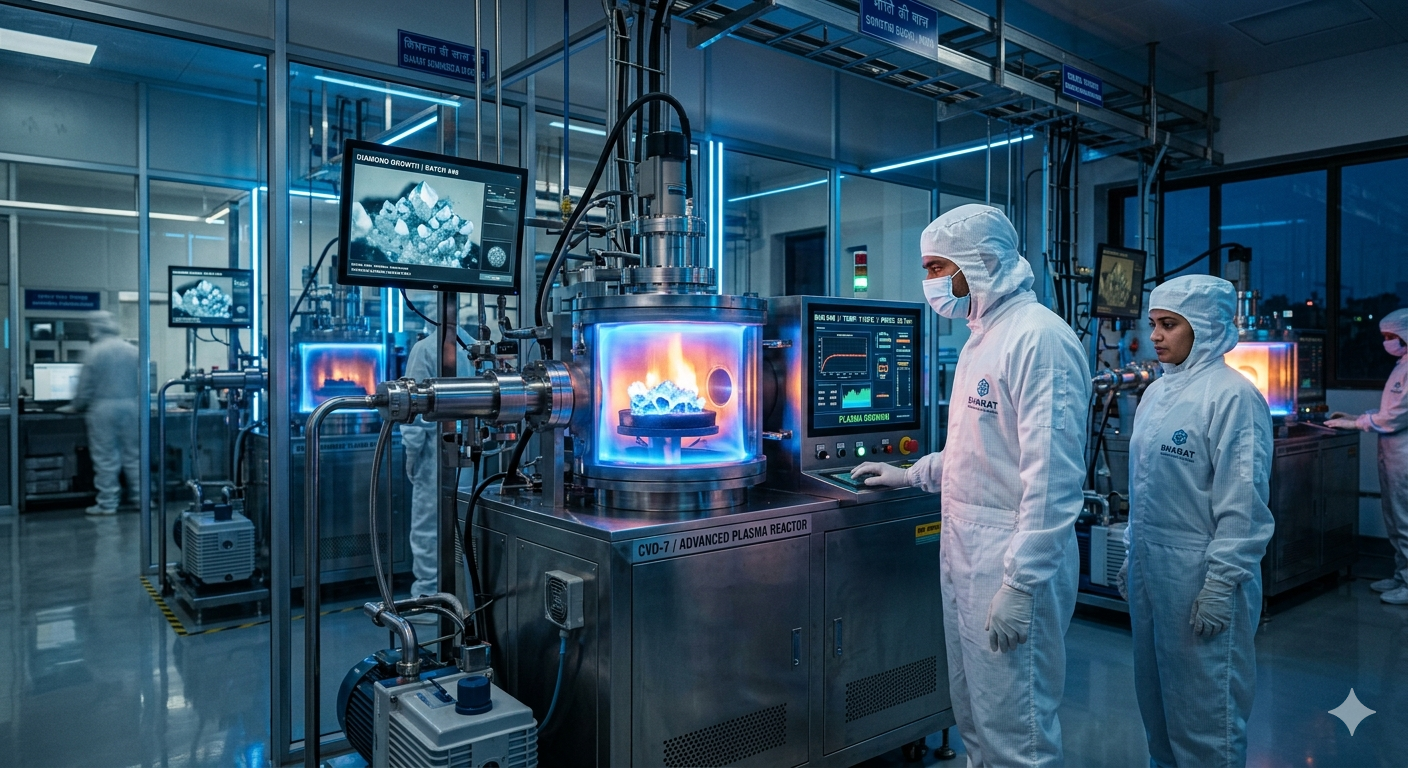
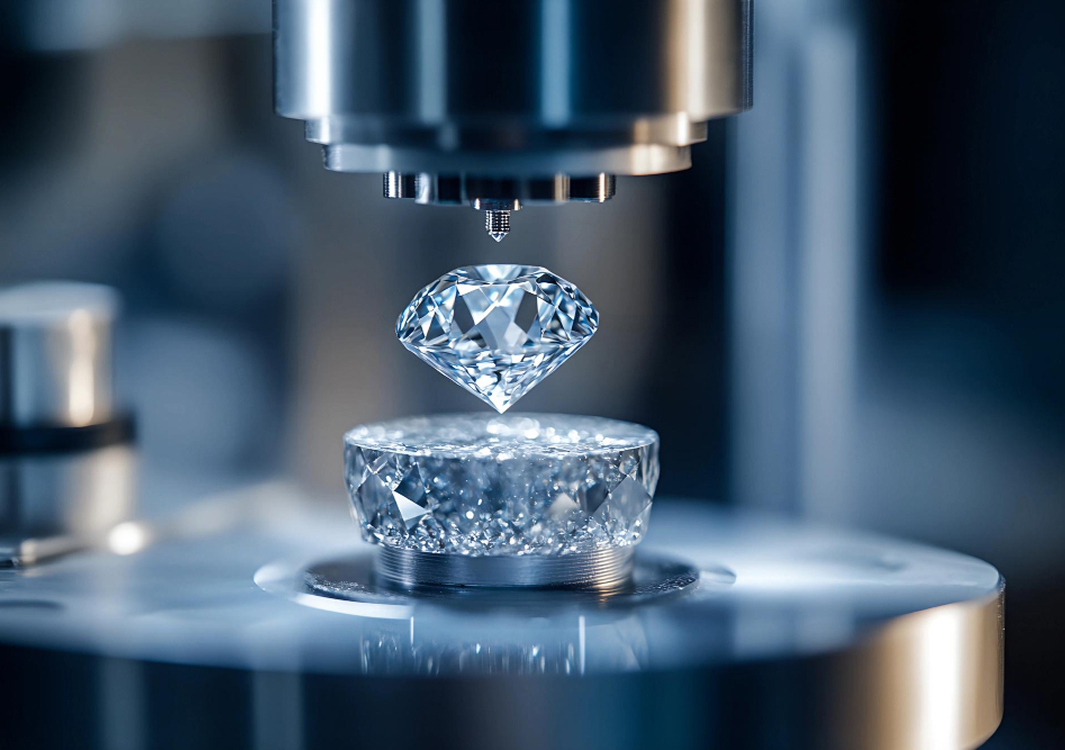
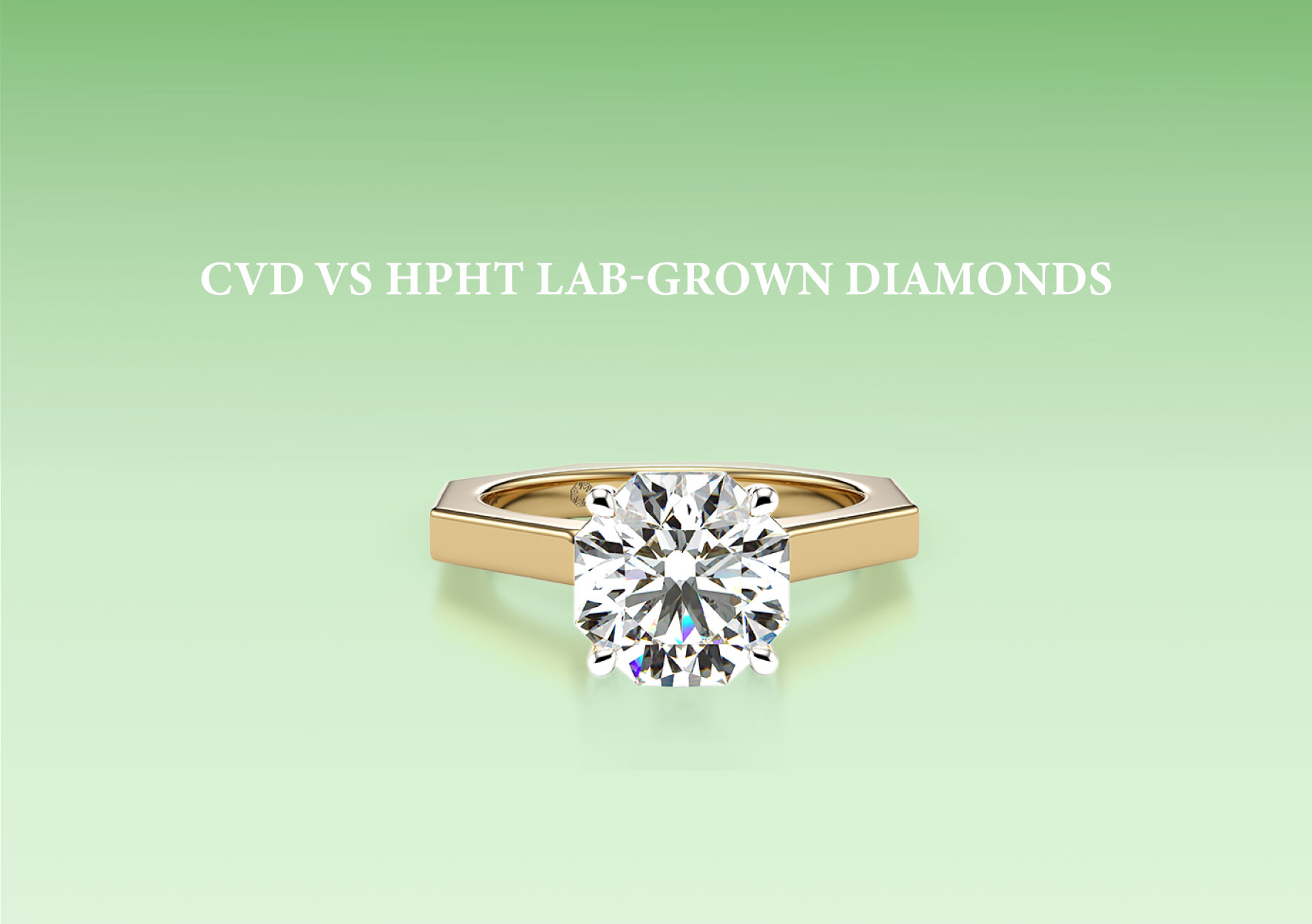
Lab-grown diamonds are made in controlled environments using technologies such as chemical vapor deposition (CVD) and high-pressure, high-temperature (HPHT).
The finished diamond can look the same to the naked eye as a mined diamond. Identifying its origin can require specialized gemological equipment.
So, when you buy a lab-grown diamond, you are buying a real diamond with a different origin, not a diamond imitation.
A lower diamond cost can give you more freedom when designing your ring.
You may be able to choose:
A larger center stone
A higher-quality setting
Better metal
Side stones
A custom design
A matching wedding band
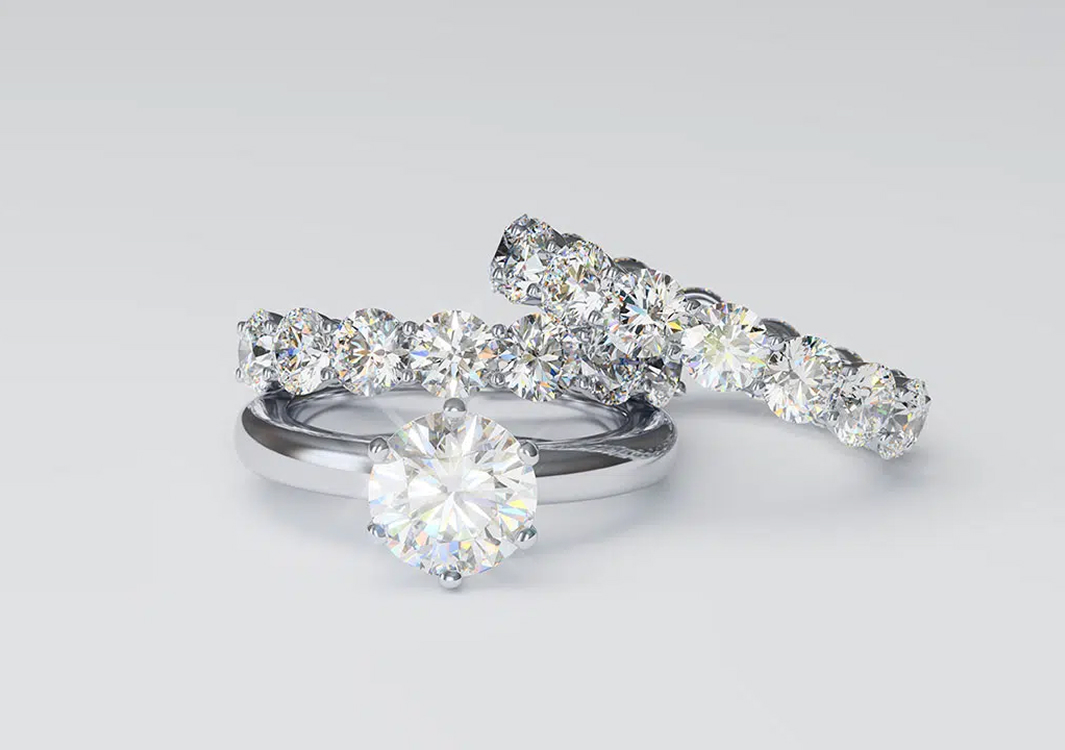
This is one reason shoppers are increasingly considering lab diamond engagement rings. The money saved on the center stone can be used for other parts of the ring.
But remember that bigger does not always mean better. A large diamond with weak proportions or poor light performance may look less attractive than a smaller, well-cut stone.
Some buyers prefer lab-grown diamonds because the individual stone does not require new diamond mining.
That can be an important personal reason to choose one. But it is not accurate to say that every lab-grown diamond is automatically environmentally friendly.
Laboratory production still uses energy, equipment, and industrial resources. The environmental impact can vary depending on the production method, factory, and energy source.
If environmental impact is important to you, ask the retailer where the diamond was produced and what information they can provide about its production and energy use.
This is one of the biggest trade-offs to understand.
Lab-grown diamond prices have declined significantly as production has expanded and competition has increased. This means a diamond purchased several years ago may be worth much less today than its original retail price.
That does not mean every lab-grown diamond loses the same amount of value. Resale depends on factors such as the stone, brand, condition, market demand, and current prices.
Mined diamonds may have stronger resale demand in some situations, but they are not guaranteed investments either. A diamond ring bought at retail can also resell for considerably less than its original price.
The practical rule is simple:
Buy a diamond ring because you love it, not because you expect it to make money.
“Lab-grown” does not automatically mean high quality.
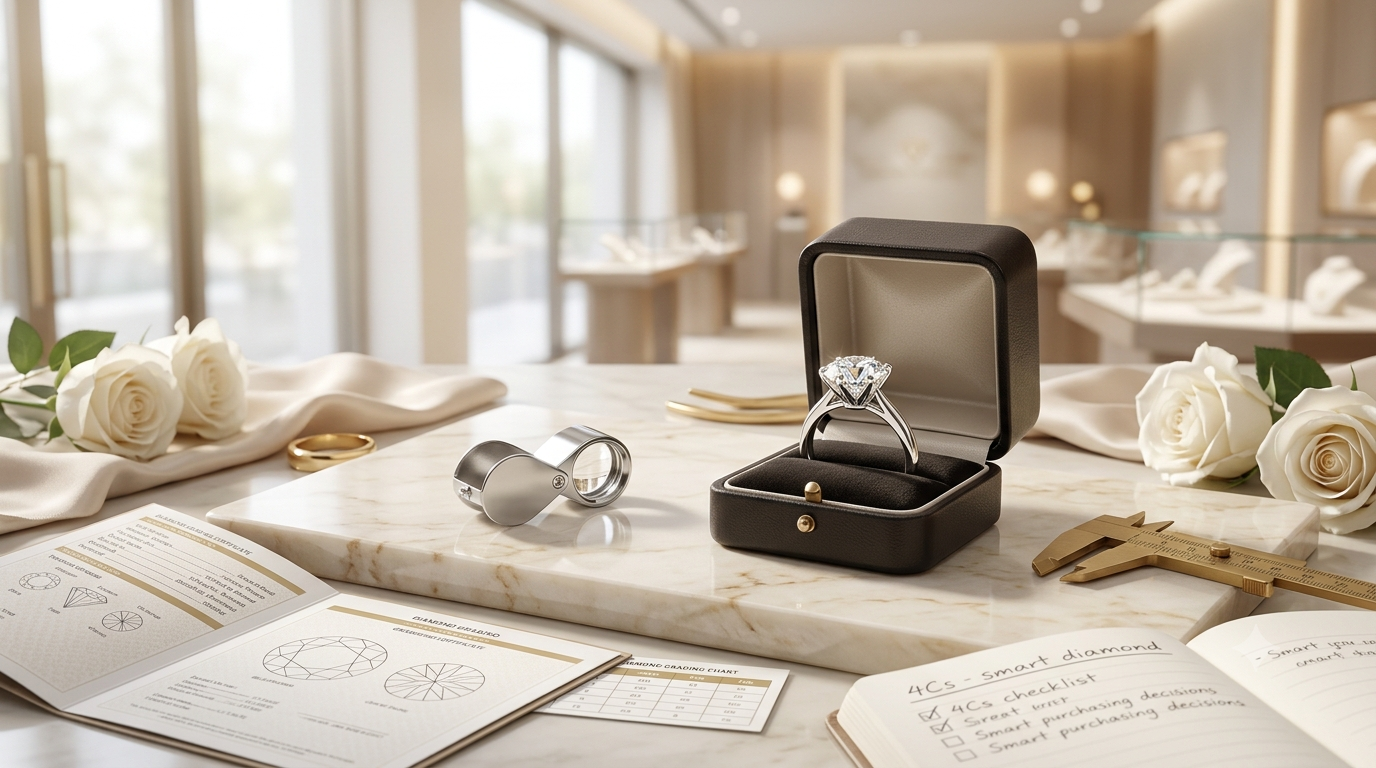
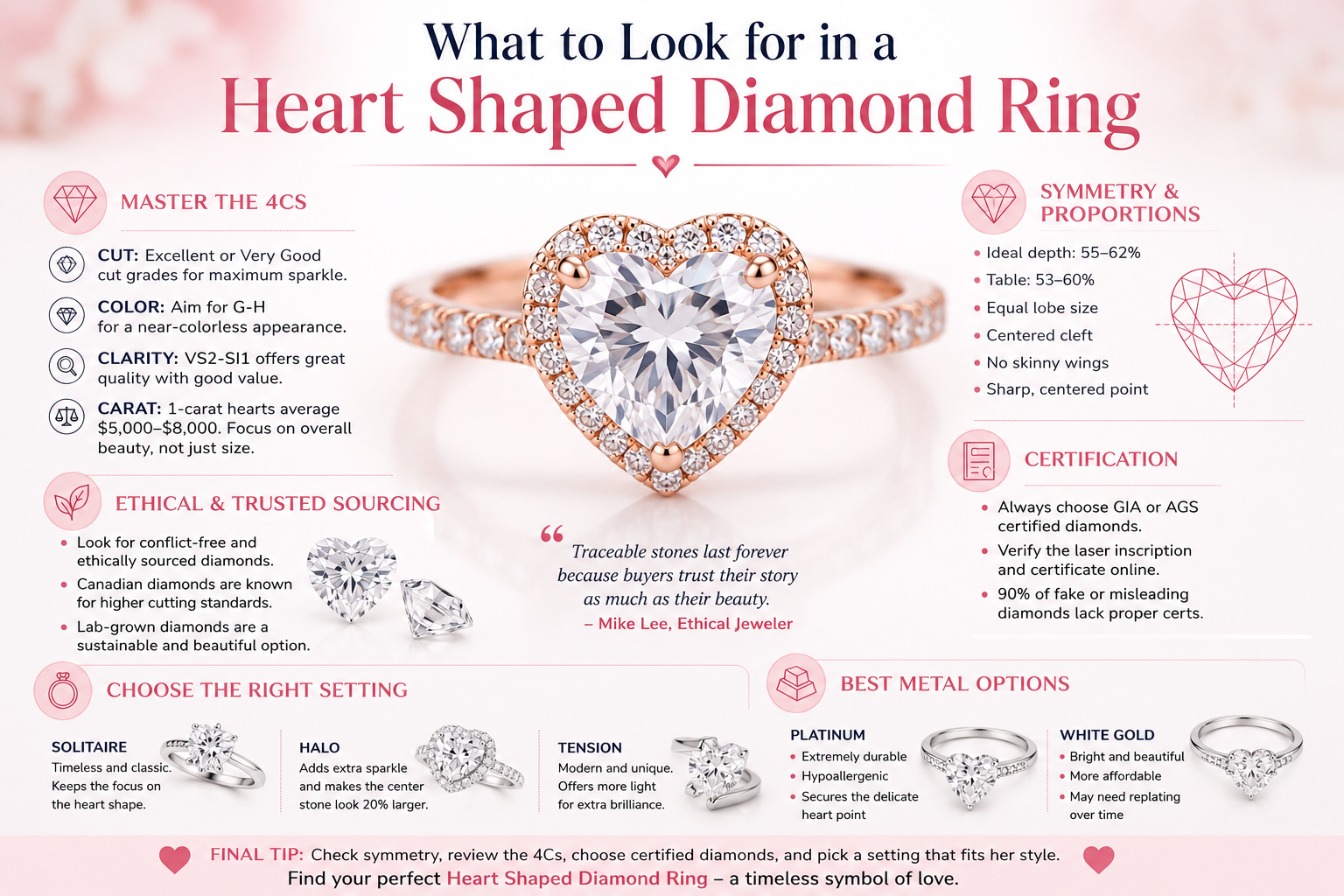
You should still understand the Four Cs:
Cut: How well the diamond's facets interact with light. It has a major effect on sparkle and brightness.
Color: How colorless or warm the diamond appears.
Clarity: The internal and external characteristics visible in the stone.
Carat: The diamond's weight, not its beauty.
A well-cut diamond can look lively and bright, while a poorly cut diamond can look dull even if it has a high carat weight.
You should also consider symmetry, polish, proportions, and visible inclusions.
There is an important update buyers should know about.
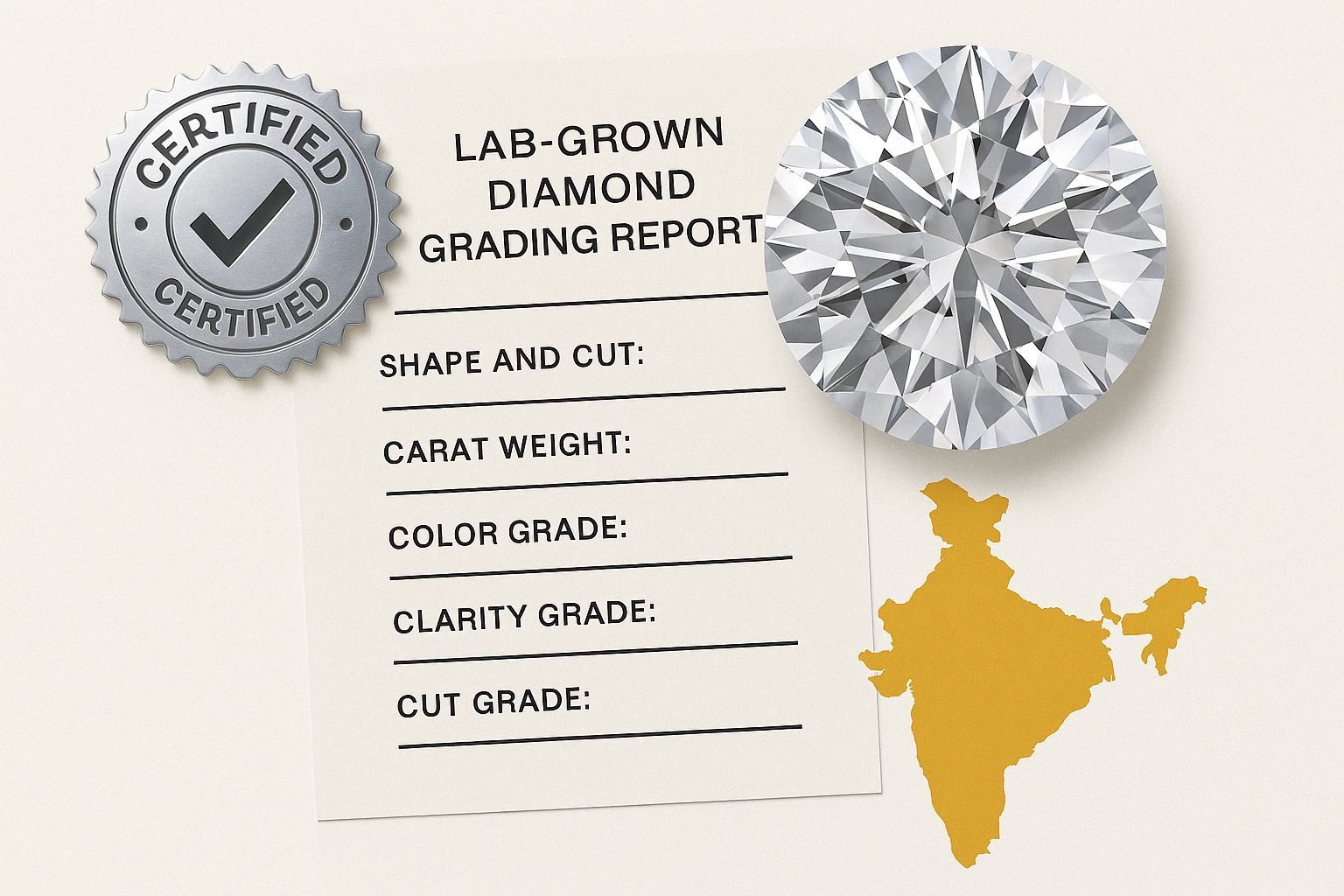
Since October 1, 2025, GIA has used a new quality assessment system for eligible loose, colorless-to-near-colorless lab-grown diamonds. Instead of using its traditional natural-diamond color and clarity nomenclature, GIA classifies qualifying stones as Premium or Standard. Stones that do not meet the minimum criteria do not receive a GIA laboratory-grown quality assessment.
IGI has taken a different approach. It continues to use the traditional 4Cs system for both natural and lab-grown diamonds.
Because grading systems can differ, always read the actual report instead of assuming that two certificates use exactly the same terminology.
If the diamond has a laser inscription, check that the inscription matches the report details.
Price is not the only reason people choose between lab-grown and mined diamonds.
Some couples value the fact that a mined diamond formed naturally over an extremely long geological period. Others prefer the controlled origin of a lab-grown diamond.
Neither choice is more romantic.
The right choice depends on your values, budget, style, and what the diamond means to you.
If natural rarity and tradition are important to you, a mined diamond may feel more special. If getting a larger stone and spending less upfront matter more, a lab-grown diamond may be the better fit.
Both types of diamonds are very hard and suitable for everyday jewelry. However, hardness does not mean a diamond cannot chip. Proper setting, care, and maintenance still matter.
Choosing the right ring becomes easier when you follow a simple process.
Do not budget only for the diamond.
Consider the setting, metal, taxes, resizing, insurance, and any matching jewelry.
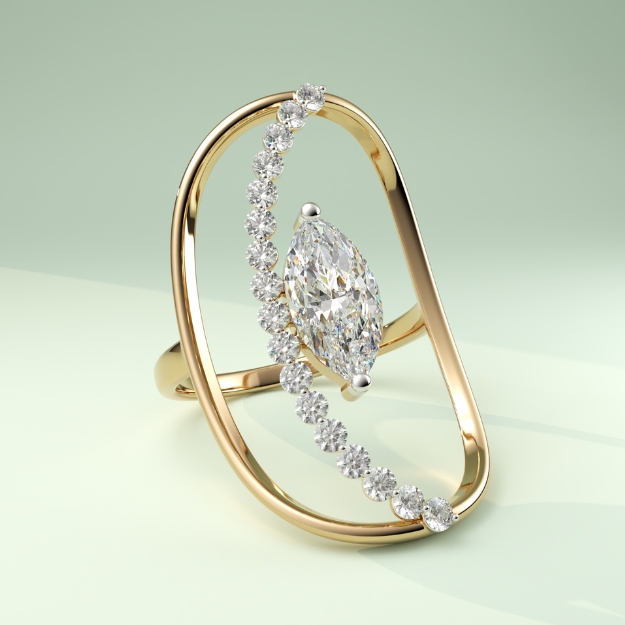
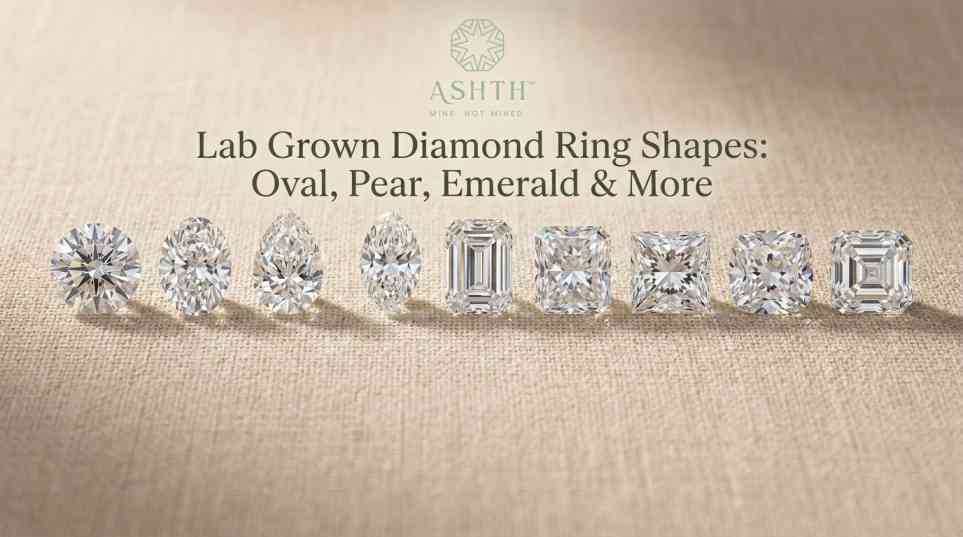
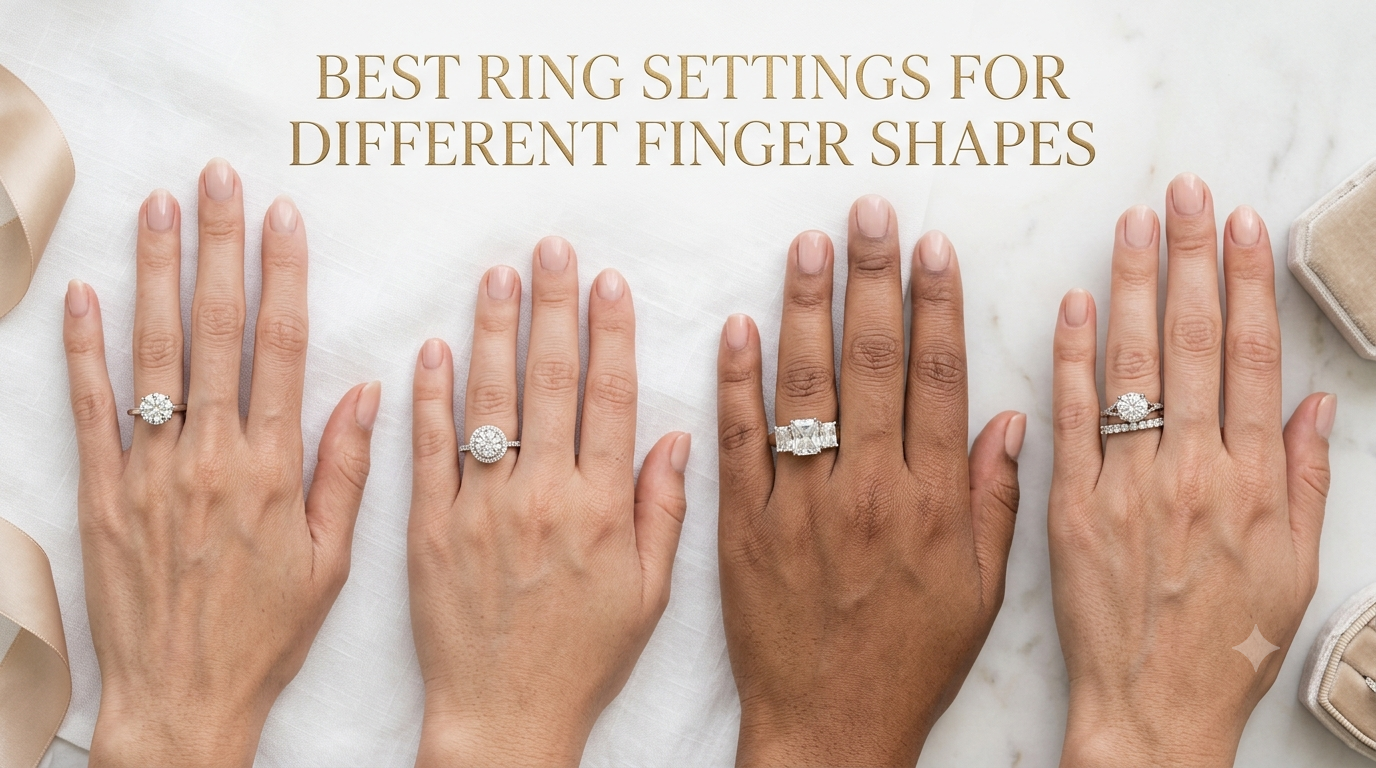
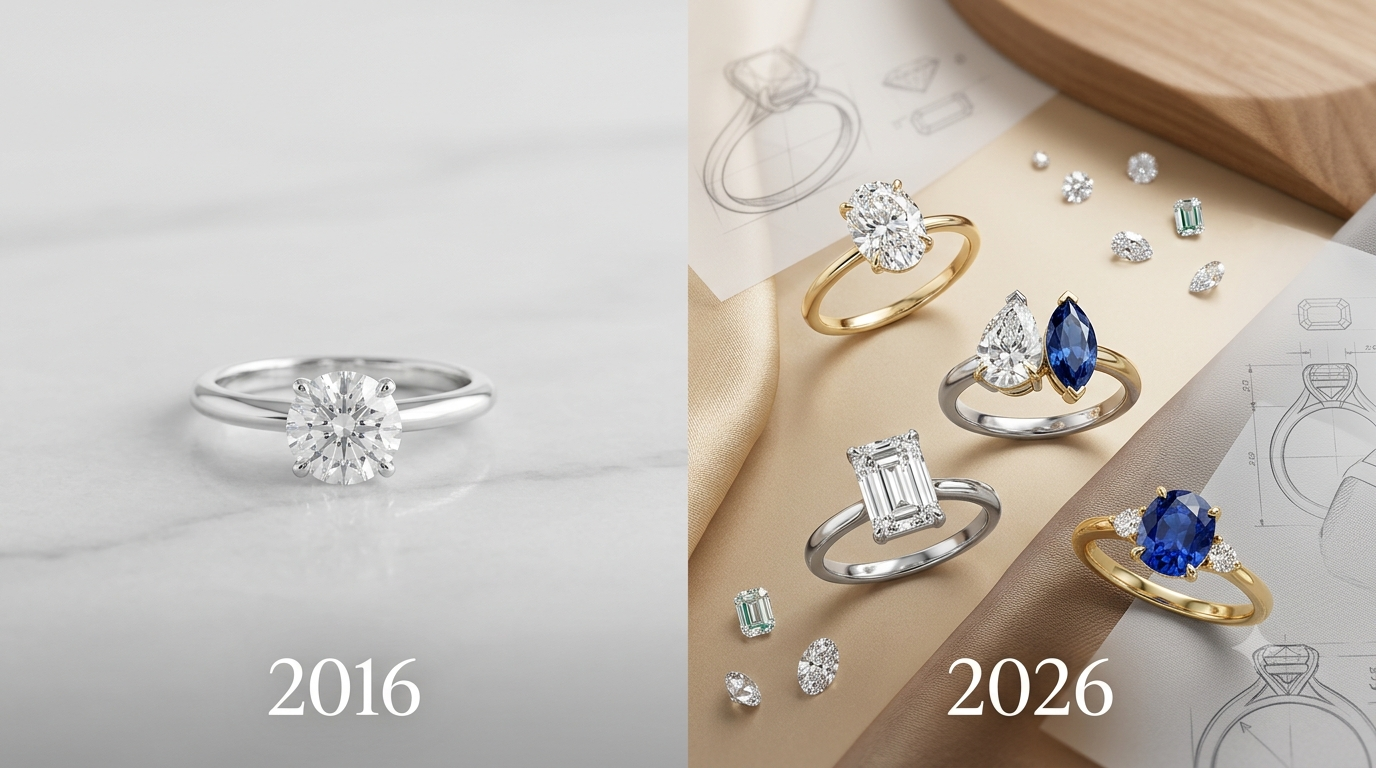
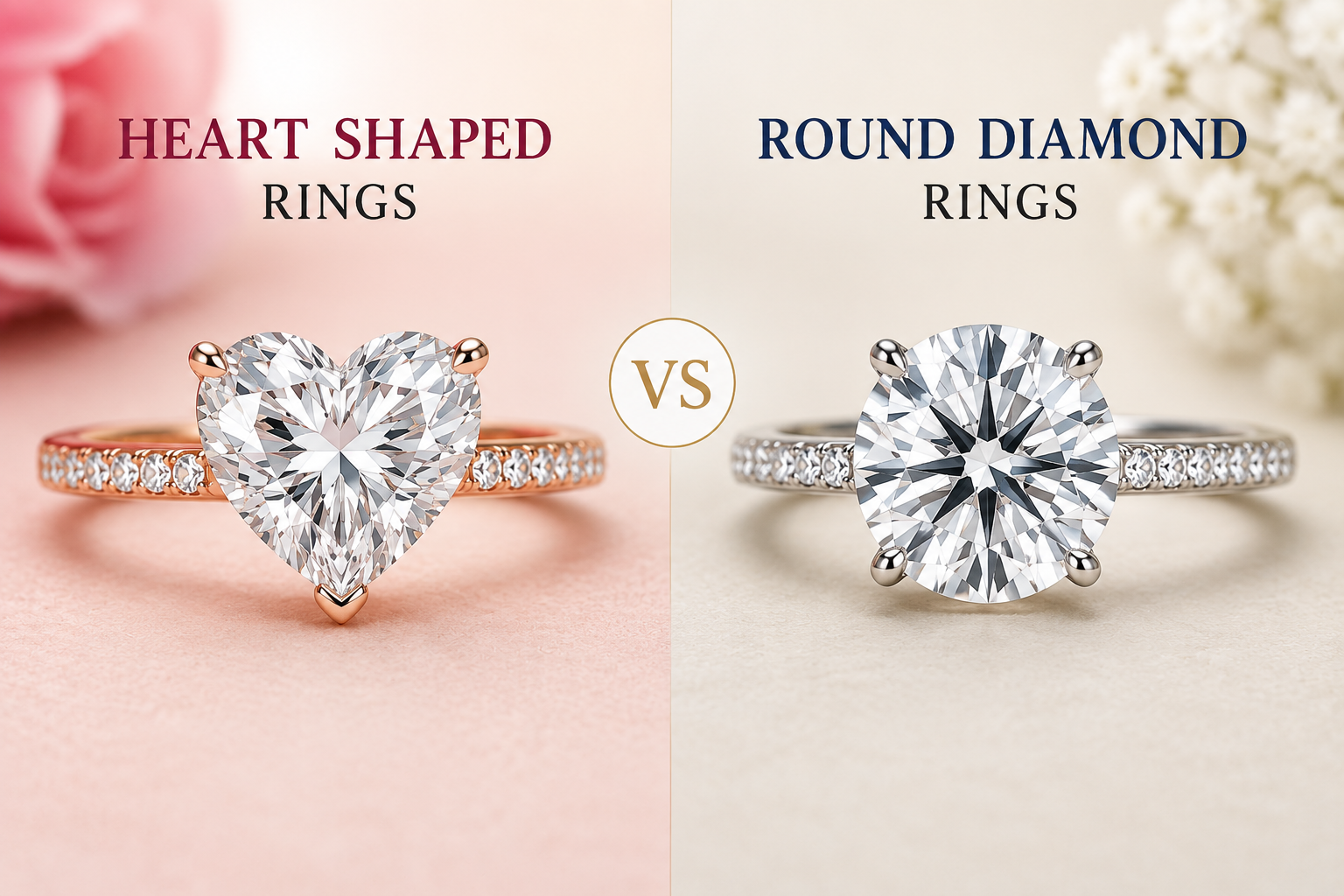
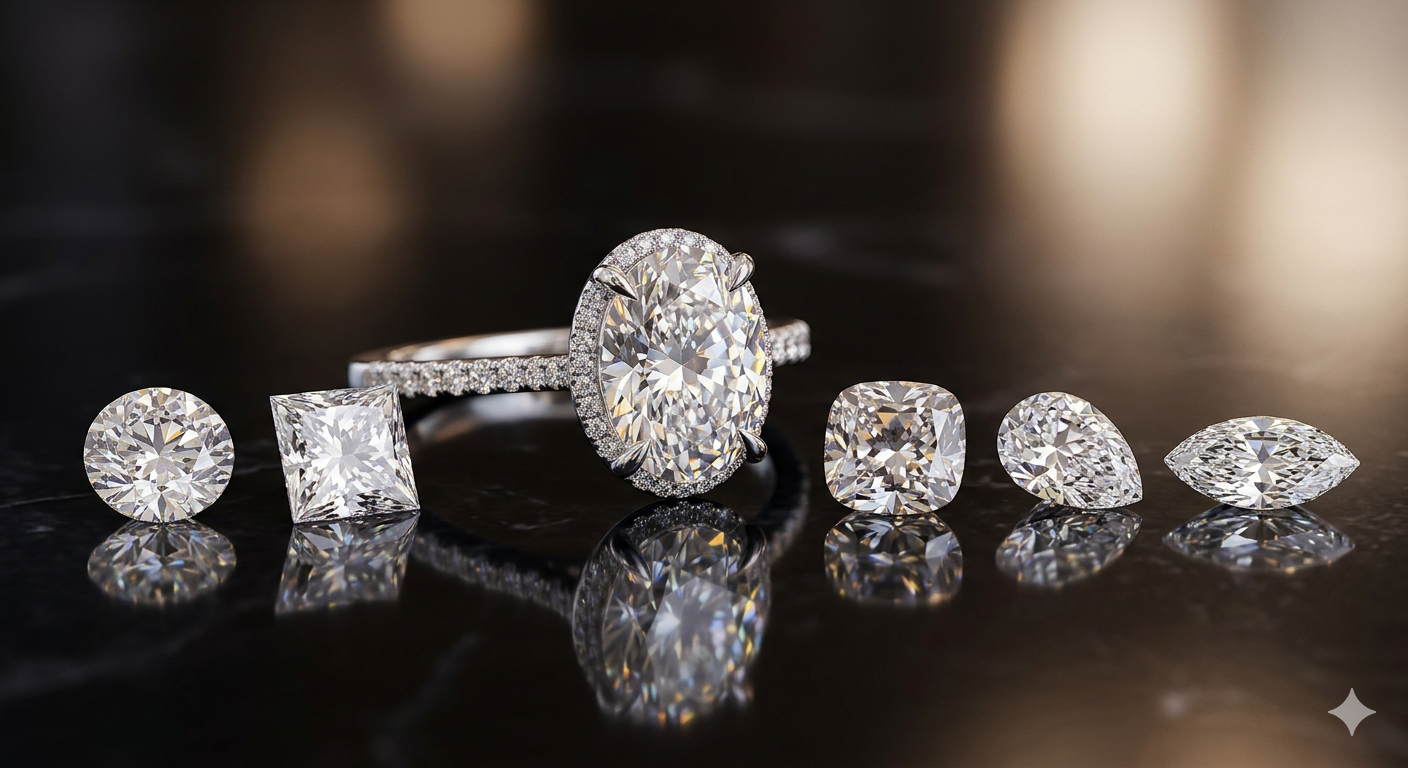
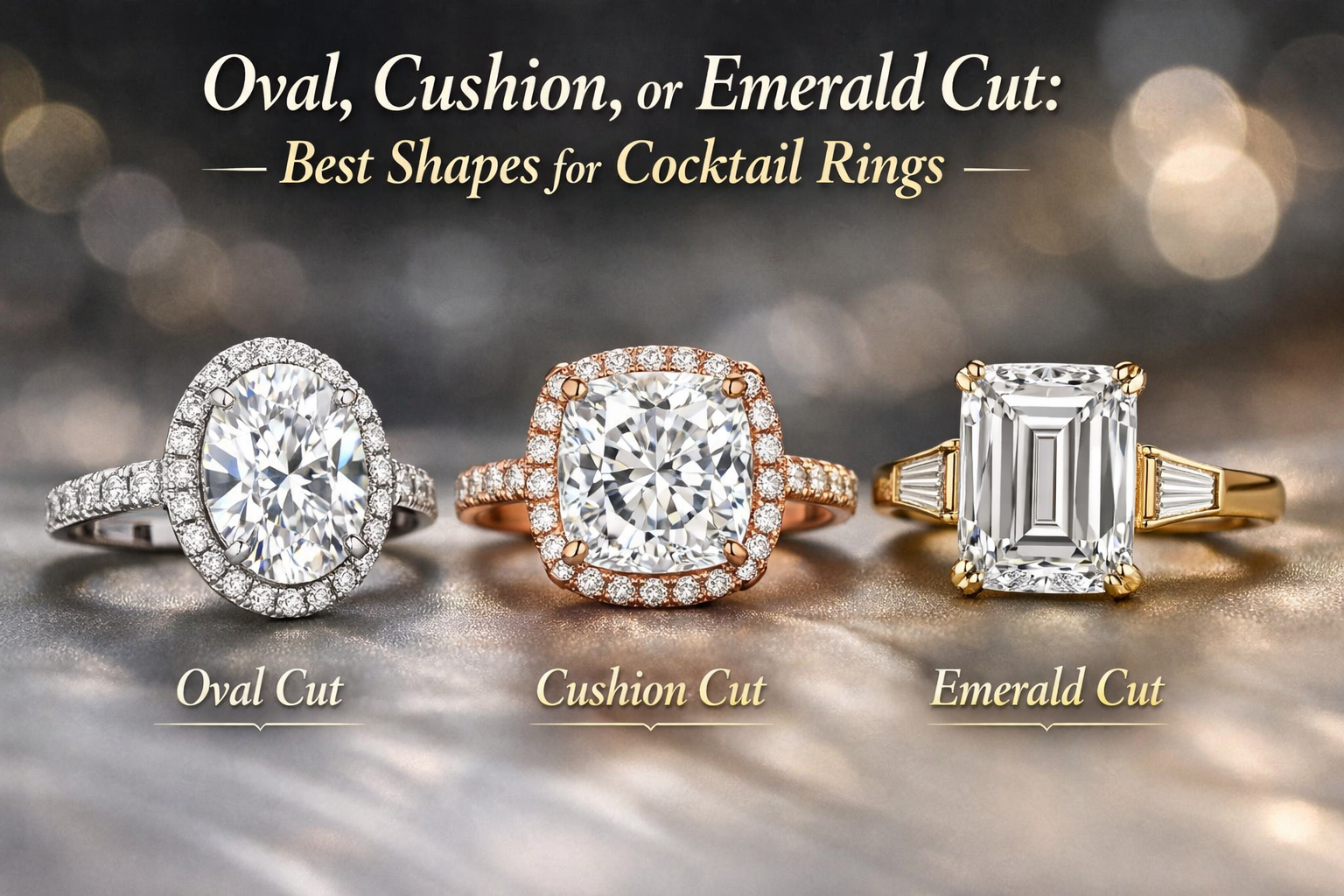
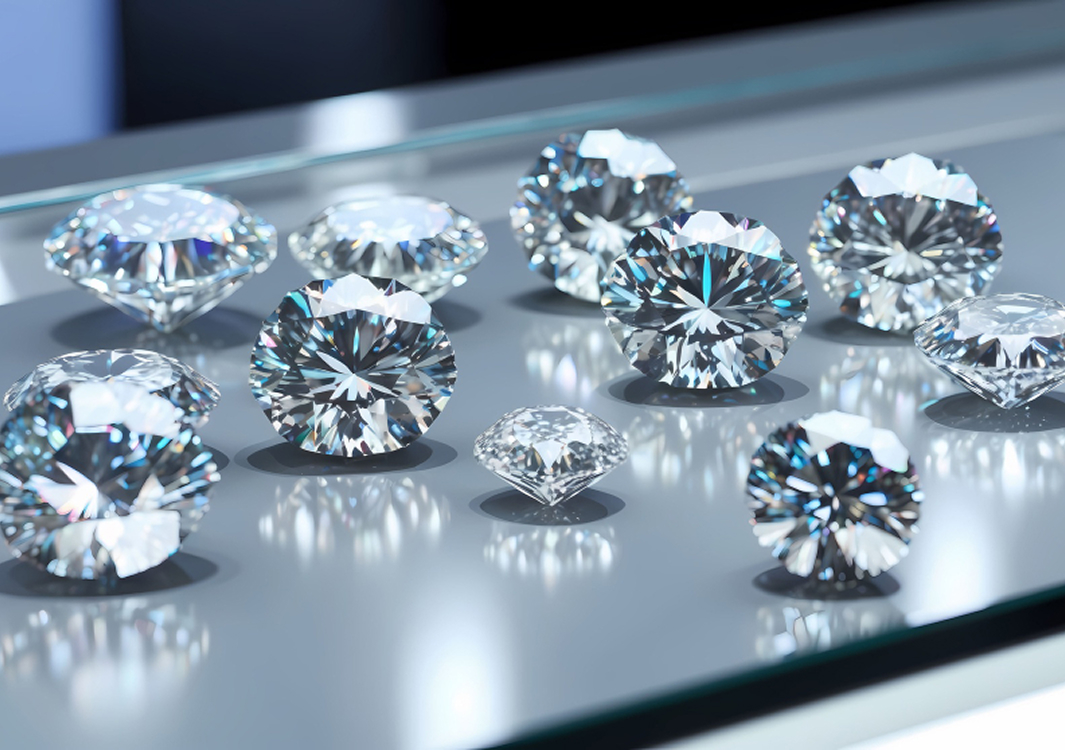
Popular shapes include round, oval, pear, cushion, emerald, radiant, and marquise.
Each shape has a different look and can affect how large the diamond appears on the finger.
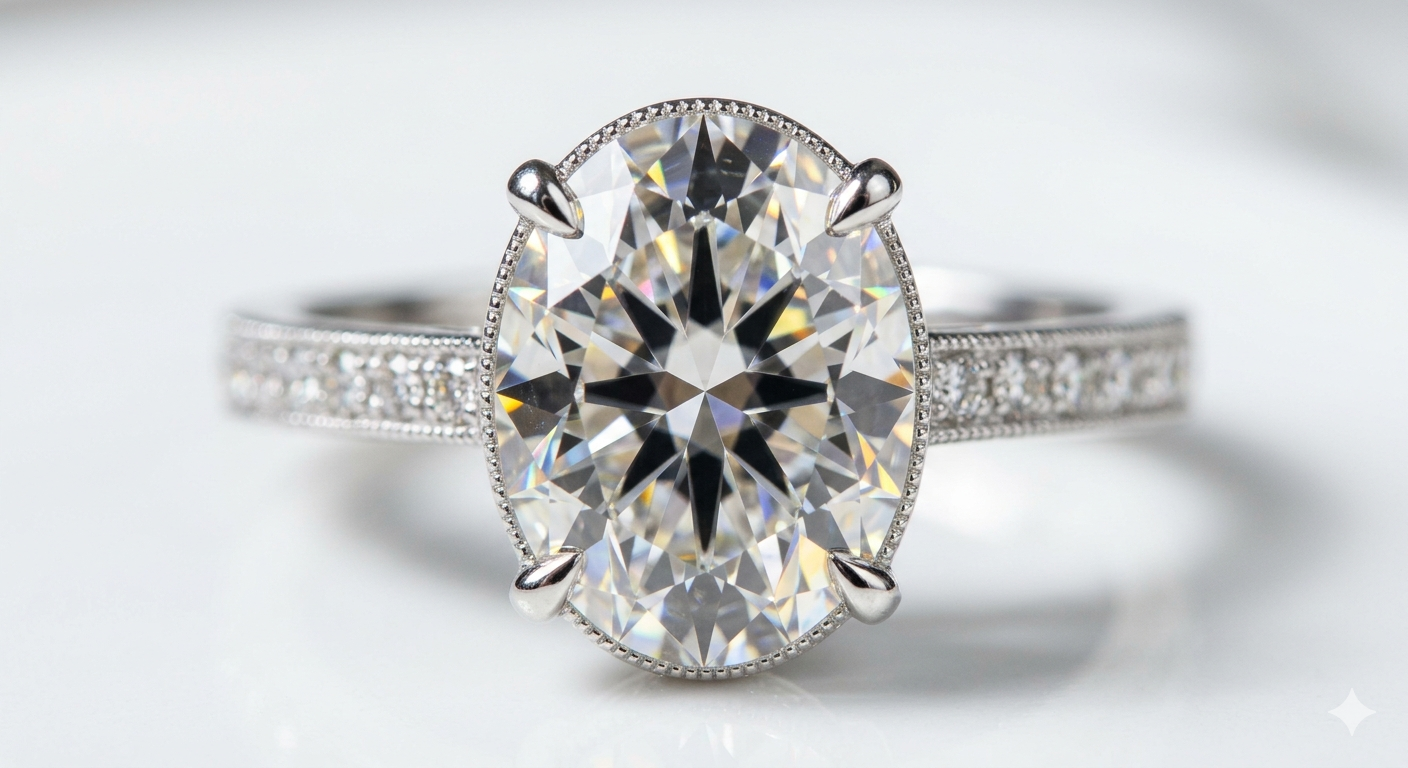
If you want to compare different options, Lab Grown Diamond Ring Shapes: Oval, Pear, Emerald & More is a useful guide. An oval diamond ring, for example, can create an elongated look and may appear larger face-up than some other shapes of the same carat weight.
Do not choose the biggest stone you can afford without checking how it looks.
For round diamonds, cut grading can be especially useful. For fancy shapes, look closely at the stone's proportions, symmetry, and light performance.
When shopping online, view videos and images from different angles and lighting conditions when available.
You do not always need the highest possible color or clarity grade.
The right choice depends on your budget, diamond shape, and the metal of the setting.
An eye-clean diamond can sometimes provide better value than paying for a clarity grade that you cannot see with the naked eye.
Ask which laboratory graded the diamond.
Check:
Report number
Carat weight
Measurements
Color or quality assessment
Clarity or relevant quality information
Cut details where provided
Laser inscription, if applicable
Do not rely only on a seller's description.
Compare the total price, not only the center diamond.
Check whether the price includes the setting, taxes, resizing, certification, and other charges.
Also read the return, warranty, repair, and exchange policies before you pay.
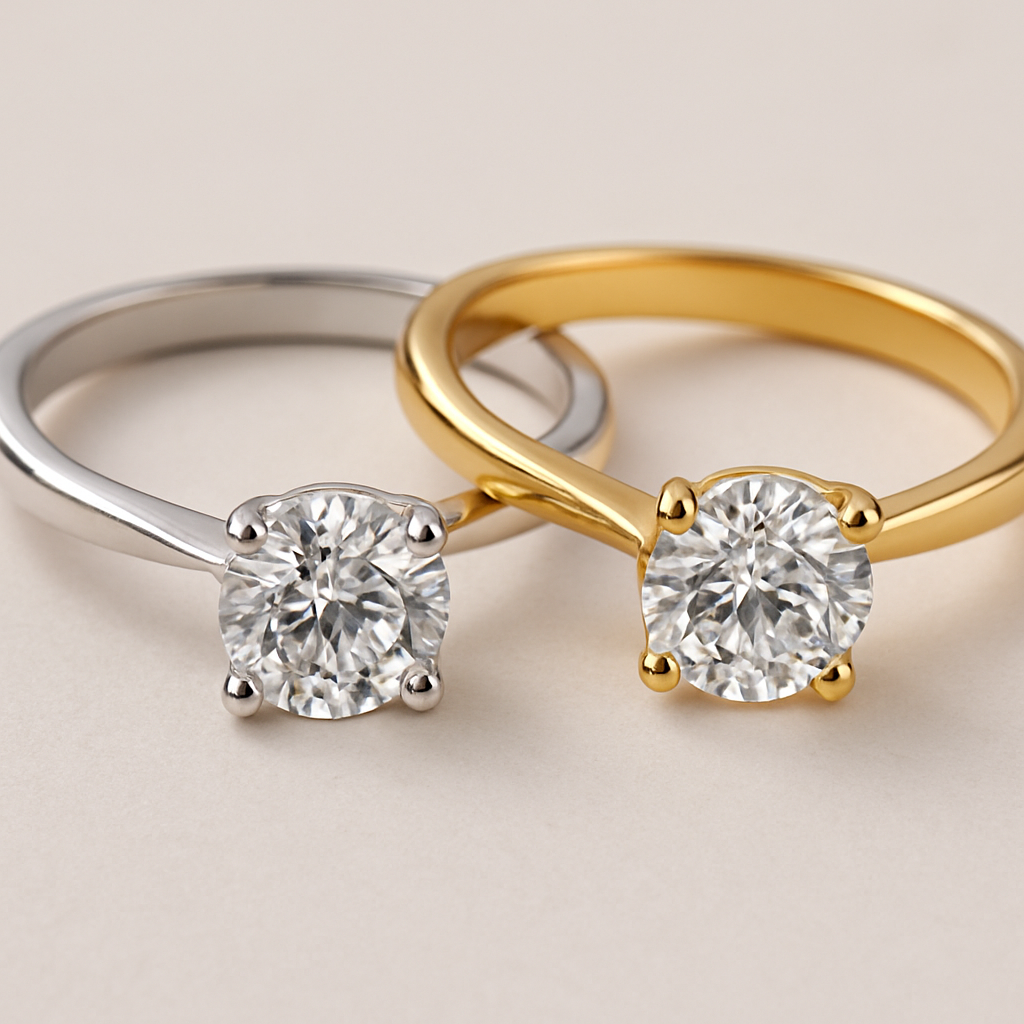
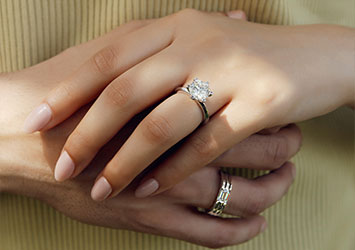
If you prefer a classic design, a solitaire ladies ring can offer a clean and timeless appearance. For something more dramatic and fashion-focused, a cocktail ring can make a bold statement without following the traditional engagement-ring style.
A lab-grown diamond ring may be a good choice if you want:
More diamond for your budget
A larger center stone
More money for the setting or wedding
A laboratory-grown origin
A beautiful ring for everyday wear
A ring you are buying for personal enjoyment rather than investment
It can be especially attractive when you have a fixed budget and want to focus on design and visual appearance.
A mined diamond may be better for buyers who value:
Natural rarity
Geological origin
Traditional diamond history
Family heirloom appeal
Established market recognition
However, even a mined diamond should not be treated as a guaranteed investment.
The most important question is not which diamond is universally better. It is which one matches your priorities.
For many buyers, yes, a lab-grown diamond ring is worth buying.
The biggest advantage is value at the time of purchase. Lab-grown diamonds can give buyers more freedom with size, design, and ring quality for a given budget.
They are also real diamonds, not diamond imitations. Their origin is simply different from that of a mined diamond.
The main drawback is resale. Lab-grown diamond prices have fallen considerably, so you should not buy one expecting it to retain its original retail price.
The best approach is to decide what matters most to you.
Choose a lab-grown diamond ring if you want strong value, design flexibility, and a diamond made in a controlled environment. Choose a mined diamond if natural rarity, geological origin, and tradition matter more to you.
Whichever option you choose, compare well-cut stones, check the grading information, compare complete ring prices, and read the seller's policies before buying.
In the end, the best diamond is not necessarily the most expensive one. It is the one that fits your budget, your style, and the meaning you want your ring to carry.

 Round
Round Pear
Pear Heart
Heart PRINCESS
 Oval
Oval CUSHION
 EMERALD
 MARQUISE
 Asscher
 RADIANT
 Ashth CUT
 ROSE CUT
 BRIOLETTE
 SINGLE CUT
 TRAPEZIUM
 TULIP
TULIP TRIANGLE
 BUTTERFLY
 FLOWER
 MOVAL
MOVAL CLOVER
 BAGUETTE
 9KT ASHTH CUT
 9KT MARQUISE
 9KT PEAR
 9KT RADIANT
 9KT EMERALD