Ashth - Where Exceptional Craftsmanship Defines Modern Luxury !

- Rings
- Earrings
Shop By Category
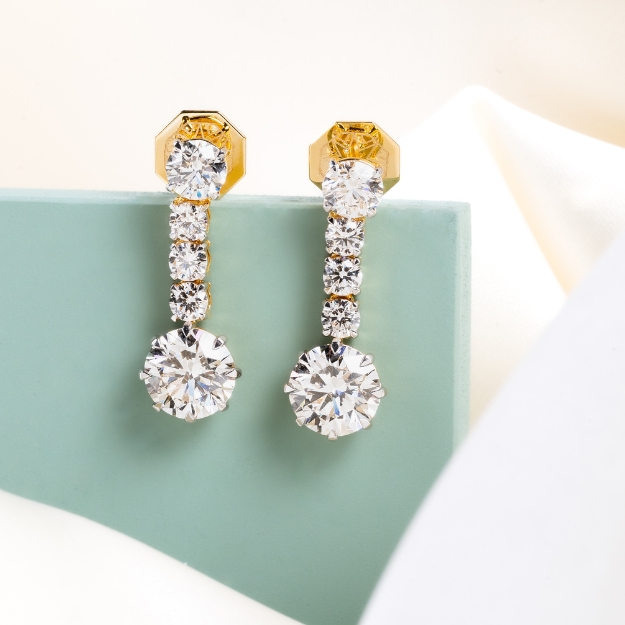
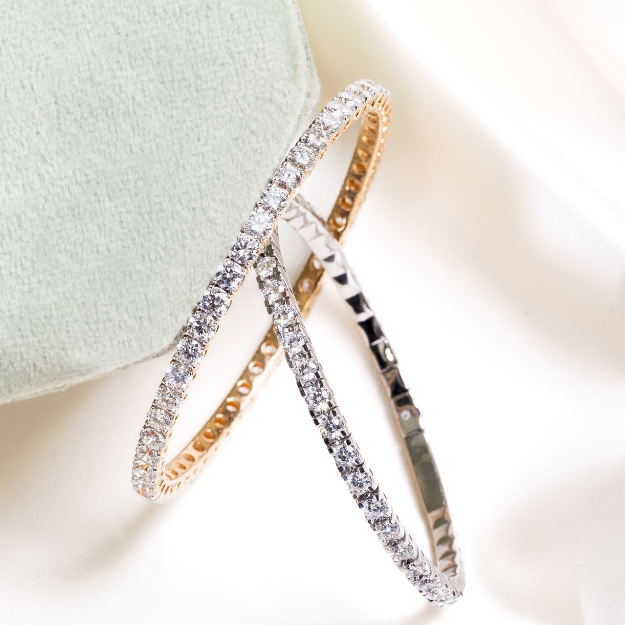
- Bangles/ Bracelets
Shop By Category
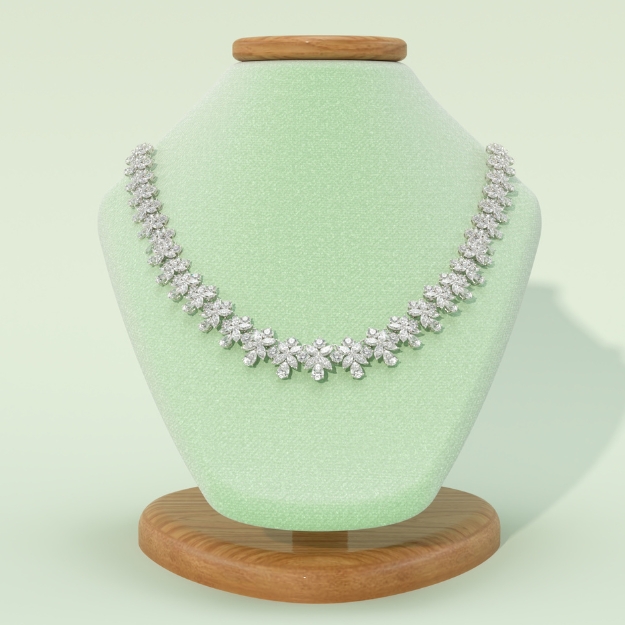
- Necklaces
Shop By Category
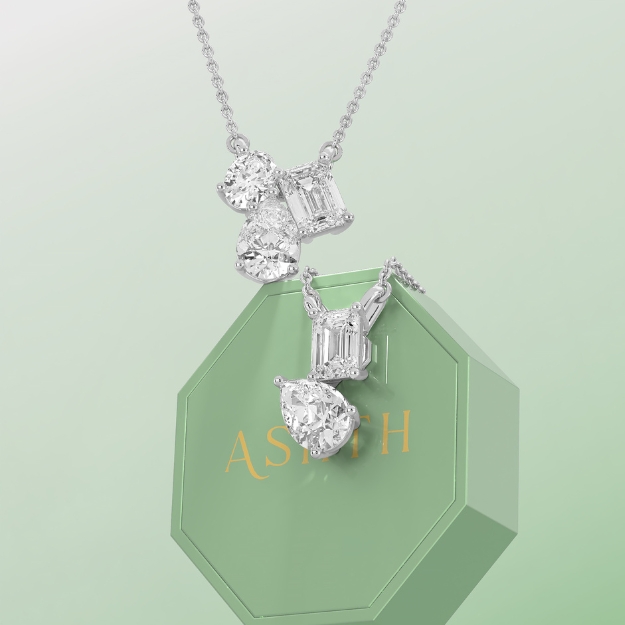
- Pendants
Shop By Category
- ASHTH LITE
Shop By Category
.jpg)
- Collections
Collections
Shop By Category
Shop By Category
Shop By Category
Shop By Category
Shop By Category
Collections
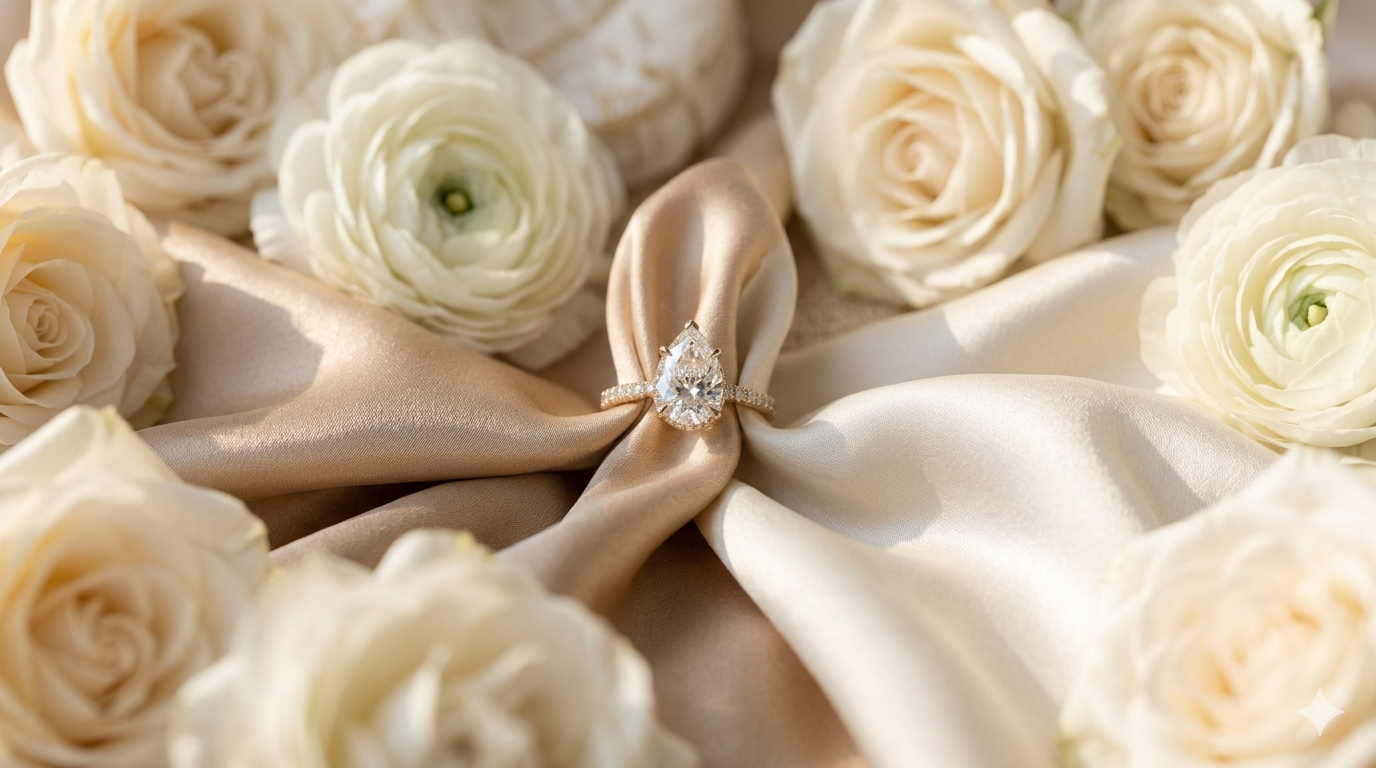
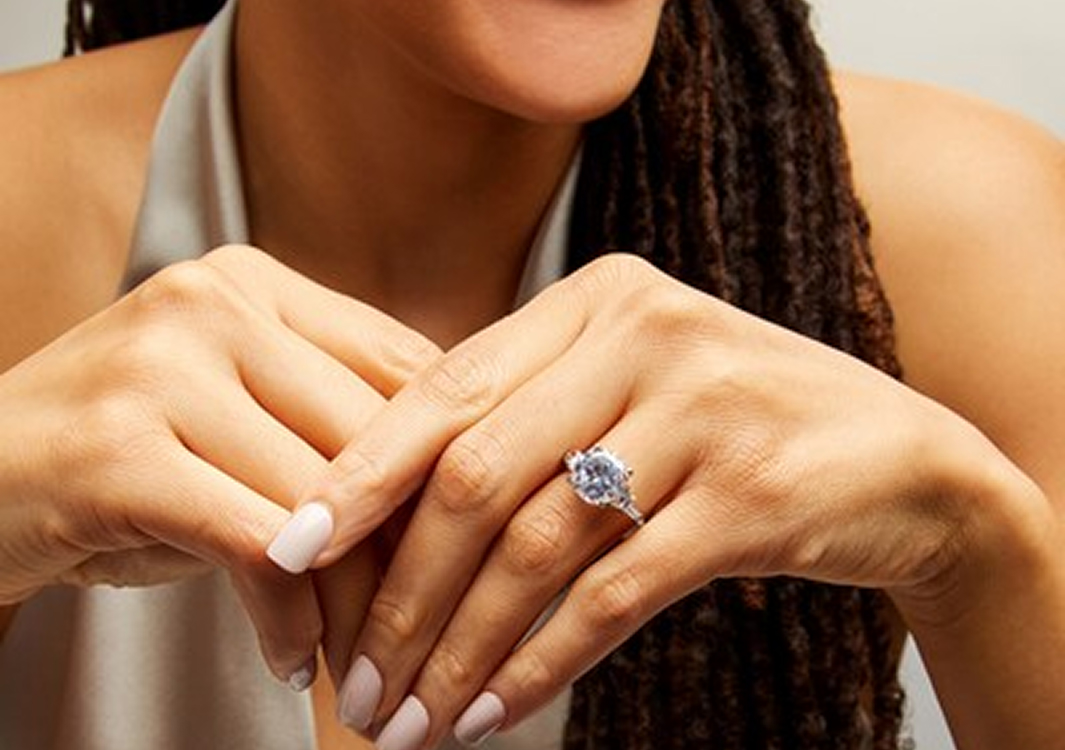
Buying Wedding Diamond Jewellery is one of the most emotional and expensive purchases many couples make. The excitement of choosing a timeless ring, necklace, or bridal set often comes with pressure, confusion, and fear of making the wrong decision. With technical diamond terminology, endless style options, and rising prices, first-time buyers can easily feel overwhelmed.
The good news? You don’t need to be a gemologist to make a smart purchase.
This complete guide will help you understand diamond quality, compare metals and settings, evaluate natural vs. lab-grown diamonds, and avoid costly mistakes. Whether you’re shopping for an engagement ring, bridal jewellery set, or wedding band, this checklist will help you save money without sacrificing beauty, quality, or meaning.
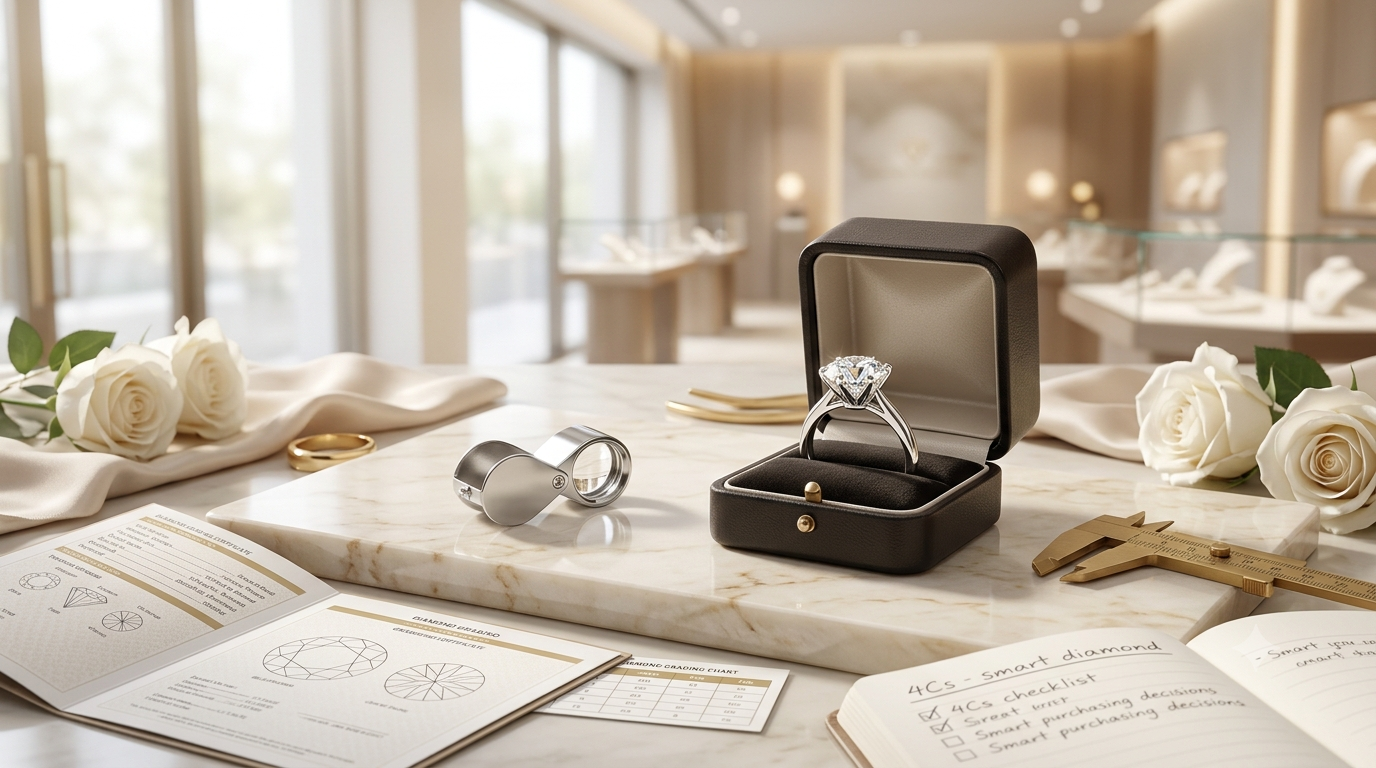
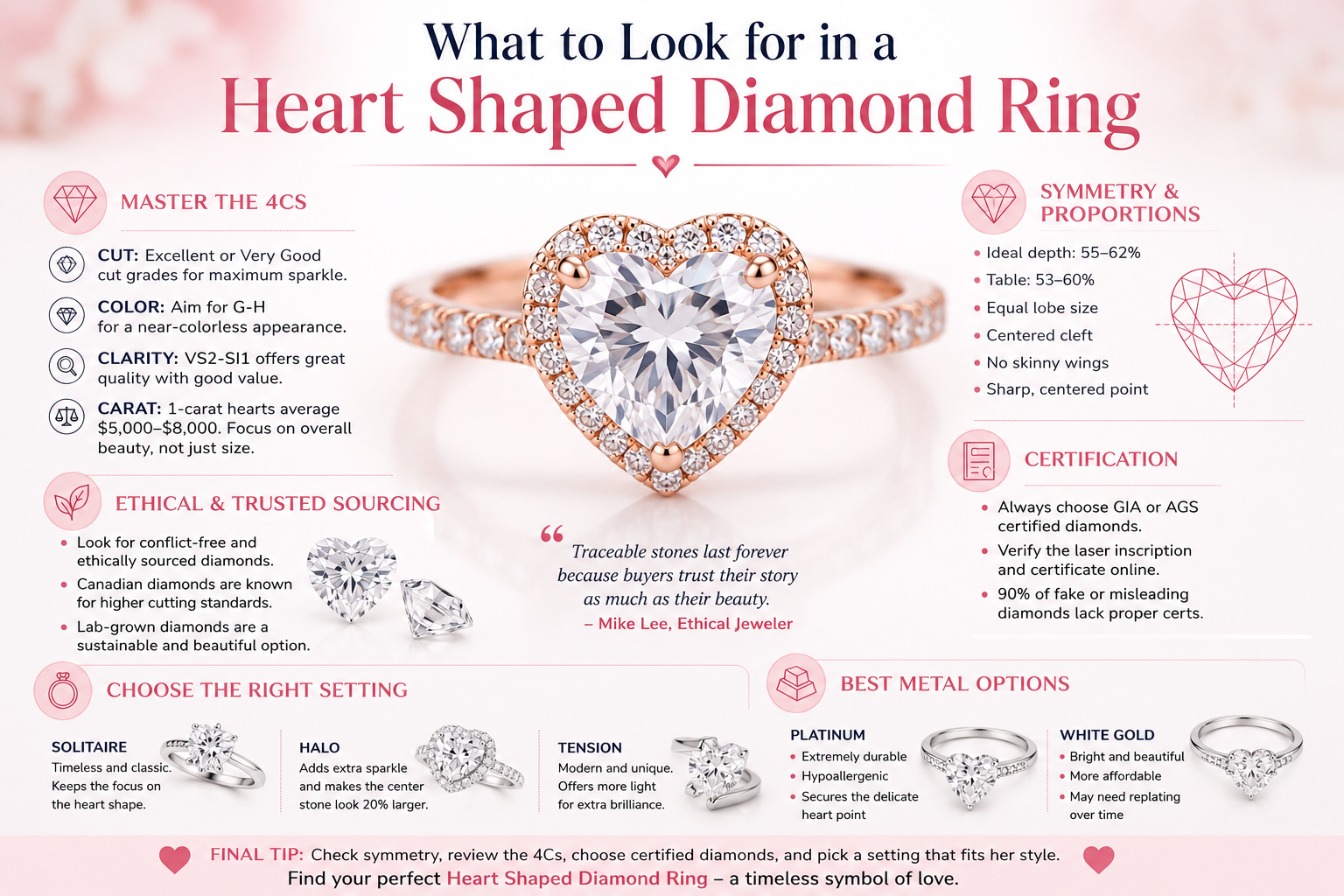
The 4Cs — Cut, Color, Clarity, and Carat — determine a diamond’s beauty and value. Understanding how these factors work together helps you make better decisions and stay within budget.
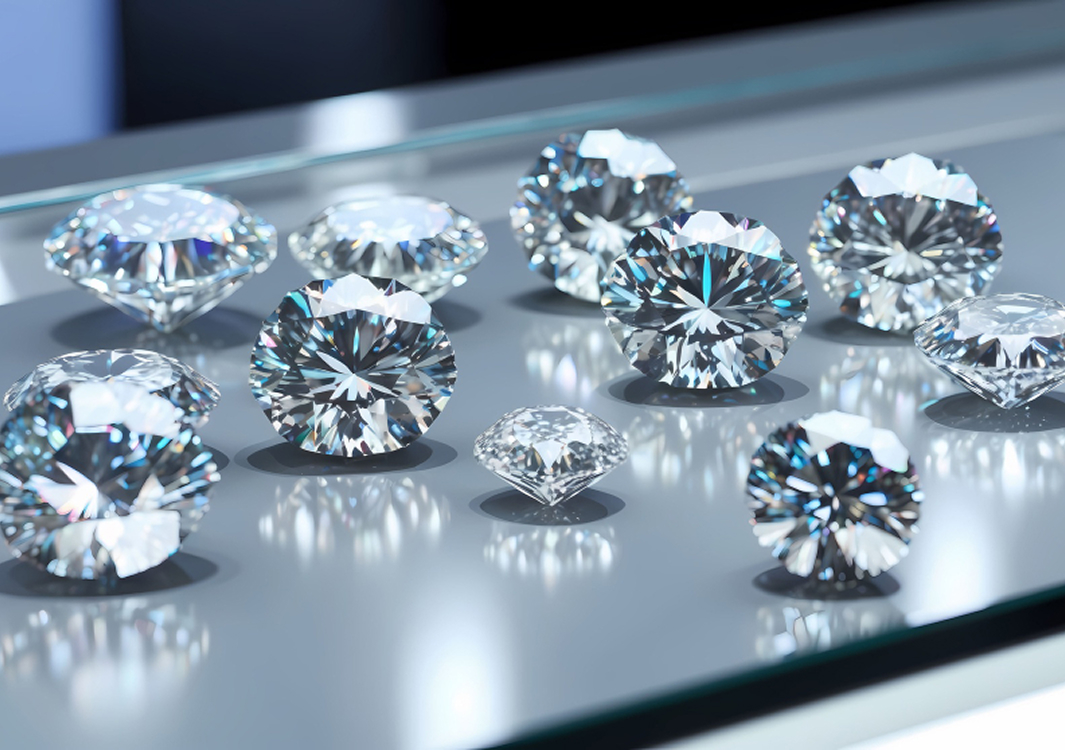
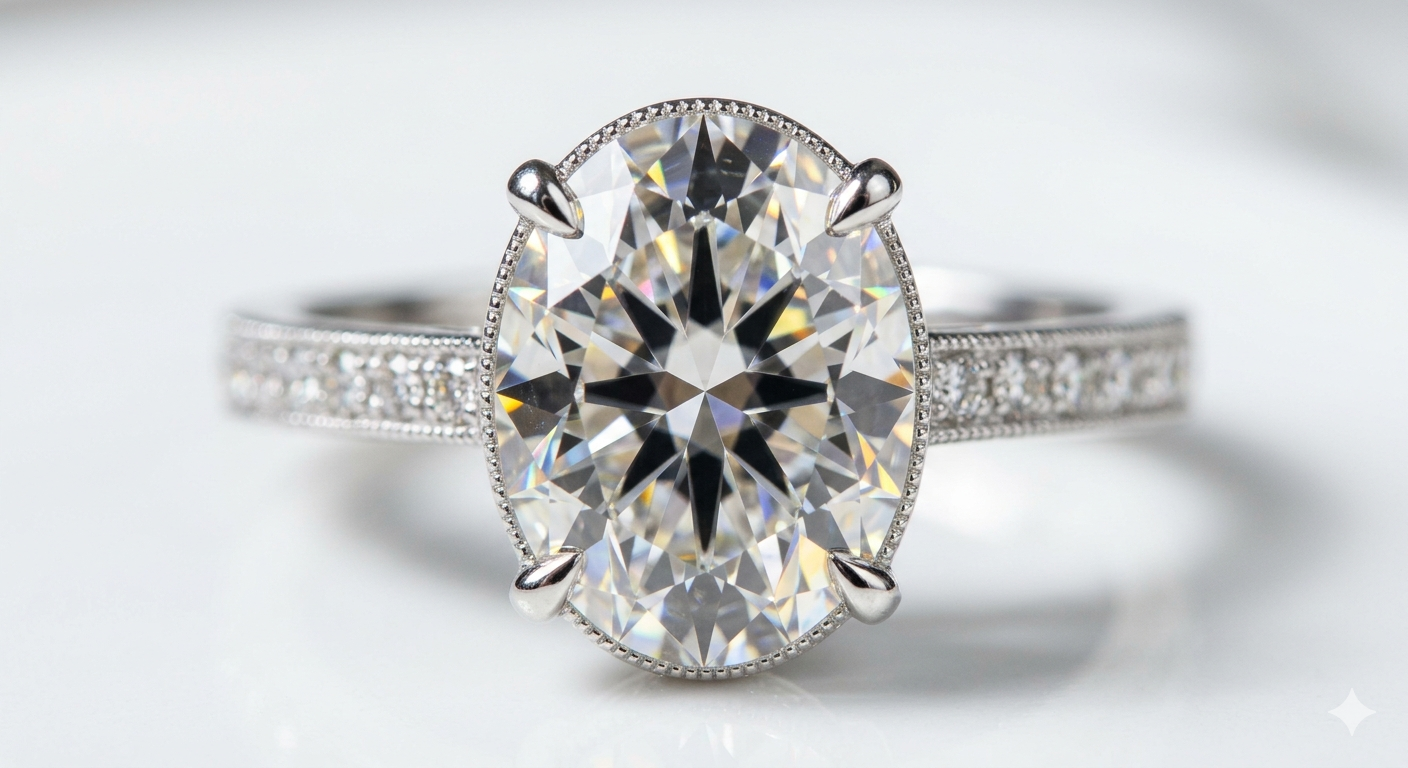
Among all the 4Cs, cut has the biggest impact on sparkle. A well-cut diamond reflects light beautifully, creating brilliance and fire. Even a high-carat diamond can look dull if the cut quality is poor.
Excellent cuts maximize sparkle
Poor cuts leak light and appear lifeless
Better cuts can make smaller diamonds look larger
For first-time buyers, a Good or Very Good cut often provides excellent value while still offering beautiful sparkle.
Diamond color ranges from D (colorless) to Z (visible yellow tint).
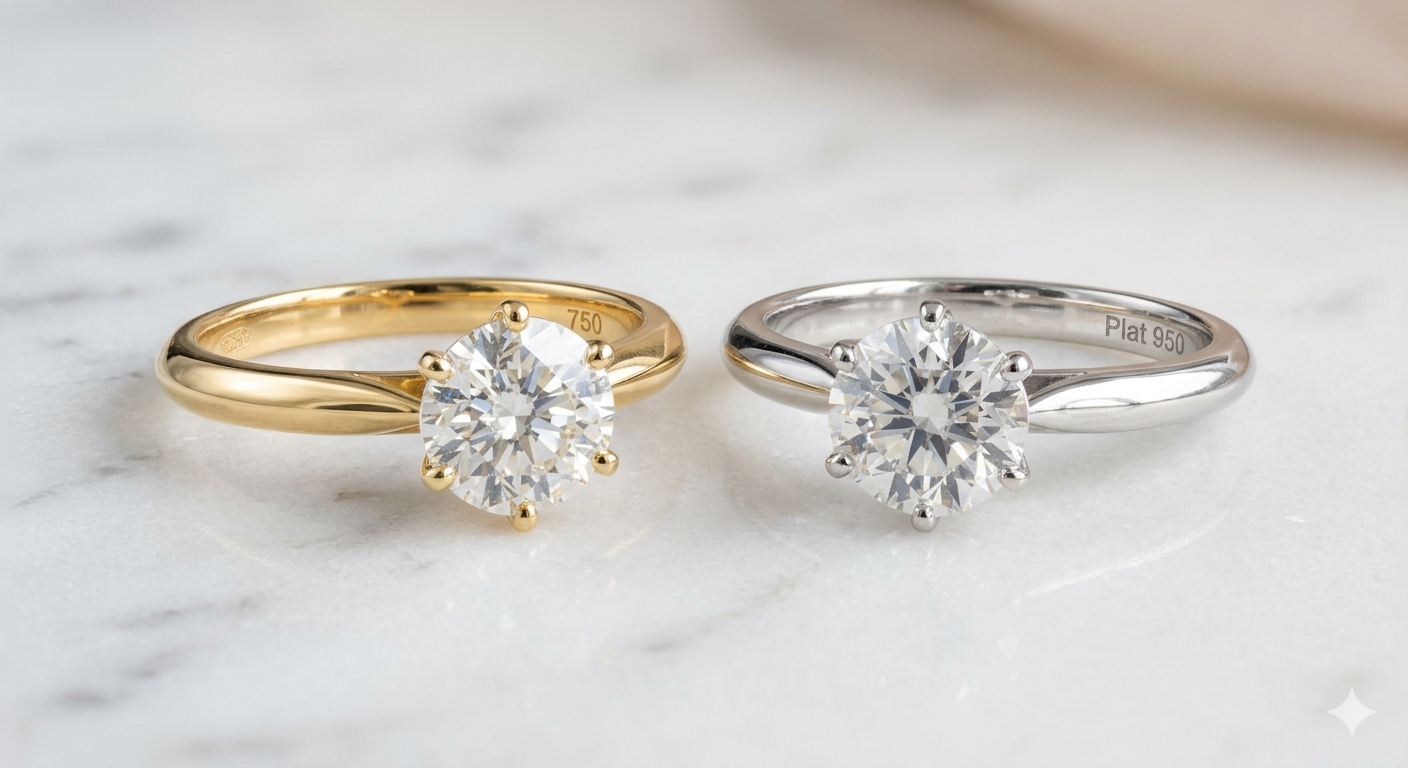
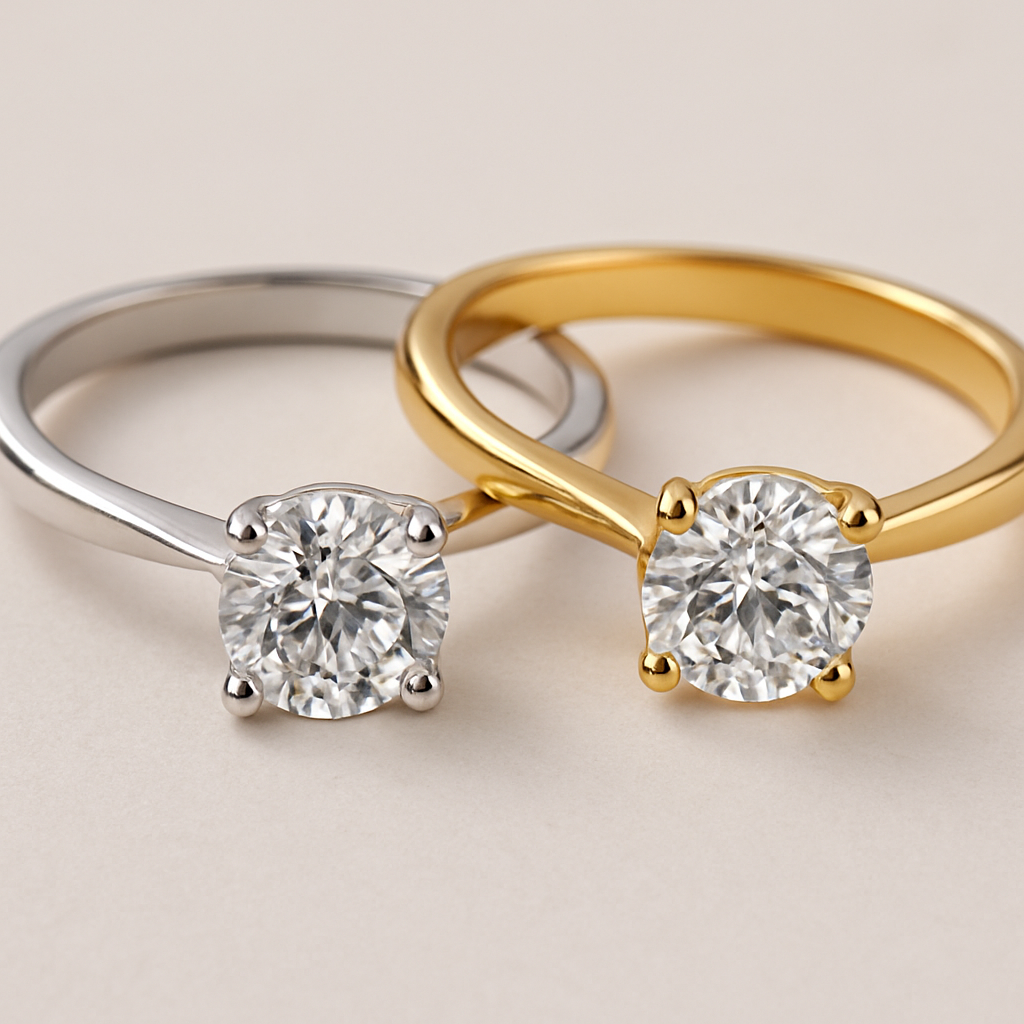
White Gold or Platinum: Best paired with D-H color diamonds
Yellow or Rose Gold: Slight warmth is less noticeable, so H-J color diamonds can save money
If you want the best value, consider near-colorless diamonds instead of paying premium prices for perfectly colorless stones.
Clarity measures internal flaws called inclusions.
Flawless (FL)
Internally Flawless (IF)
Very Very Slightly Included (VVS1/VVS2)
Very Slightly Included (VS1/VS2)
Slightly Included (SI1/SI2)
Included (I1/I2/I3)
For most buyers, VS2 or SI1 eye-clean diamonds offer the best balance between appearance and affordability.
An eye-clean diamond has imperfections that are invisible without magnification. Since most people never inspect jewellery under a microscope, paying extra for flawless clarity rarely makes practical sense.
Diamond prices jump sharply at “magic weights” like 1.00 ct or 2.00 ct.
For example:
A 0.90 ct diamond can look almost identical to a 1 ct stone
Yet it may cost 15–20% less
This small adjustment can free up budget for better cut quality or a more secure setting.
Smart buyers prioritize what matters visually.
Best areas to save money:
Slightly lower color grades
Eye-clean clarity instead of flawless
Just below major carat milestones
Avoid compromising too much on:
Cut quality
Certification
Setting durability
Instead of buying:
1 ct, D color, VVS1 clarity
Choose:
1.20 ct, H color, VS2 clarity
To the naked eye, the second option often appears larger and equally beautiful while costing significantly less.
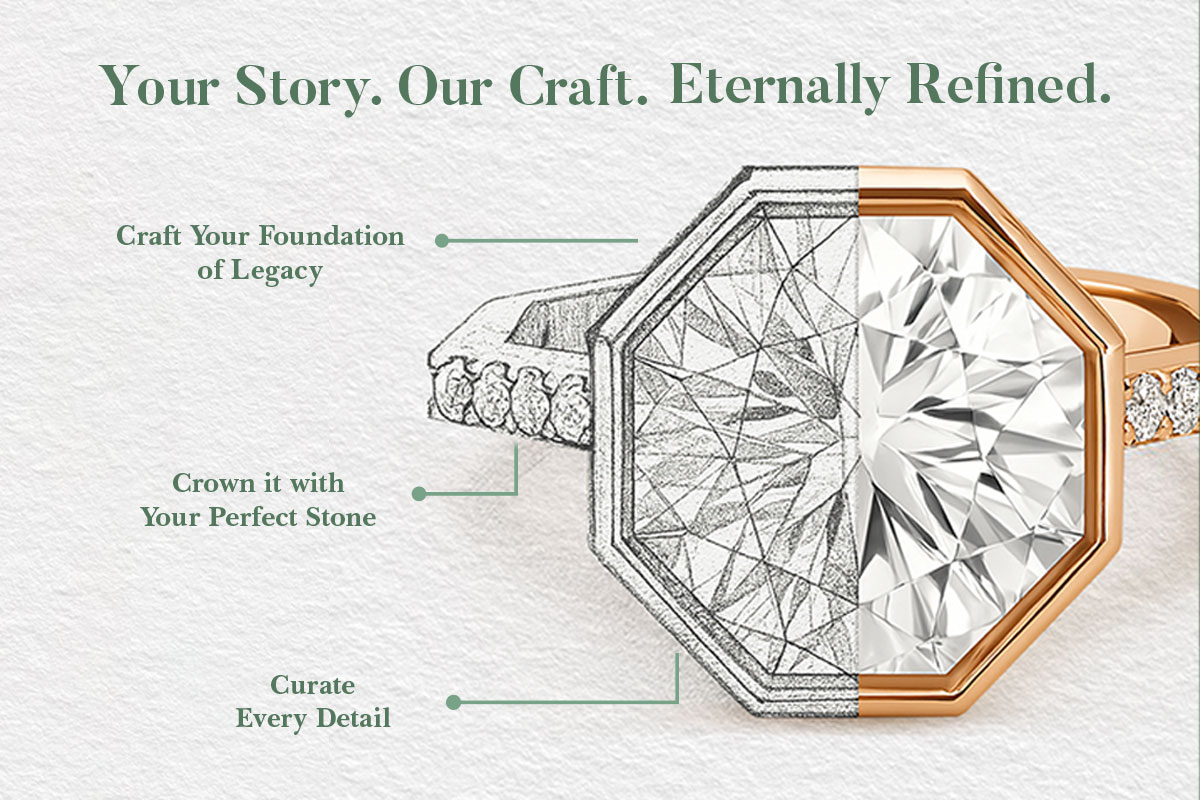
The metal and setting affect both appearance and long-term durability.
Each metal offers different advantages depending on lifestyle and budget.
14k gold: More durable for daily wear
18k gold: Richer appearance with higher gold content
For wedding jewellery worn every day, many jewellers recommend 14k for practicality.
Rose gold has become increasingly popular because of its romantic appearance.
Pros:
Warm vintage look
Complements many skin tones
Durable due to copper alloy
Cons:
Less ideal for very cool undertones
Harder to resize in some cases
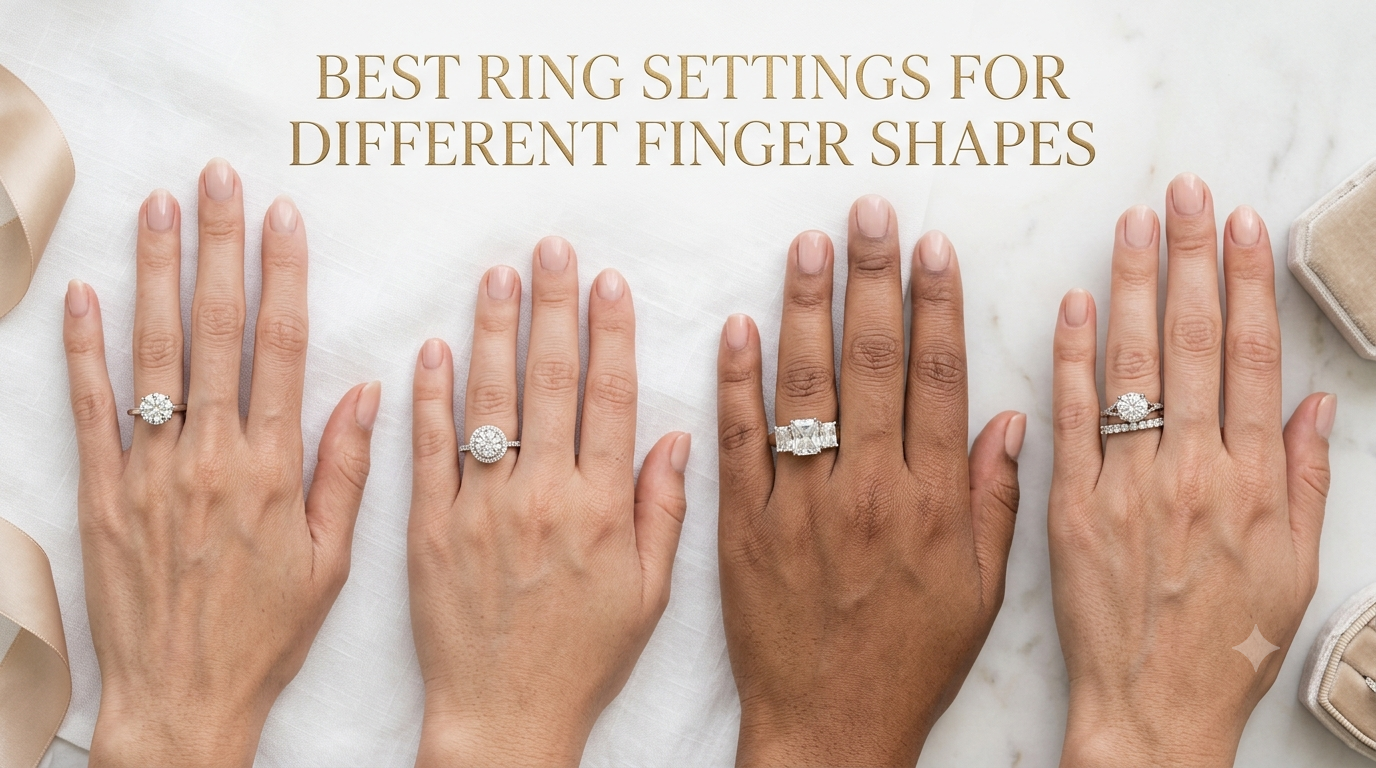
The setting influences both style and stone protection.
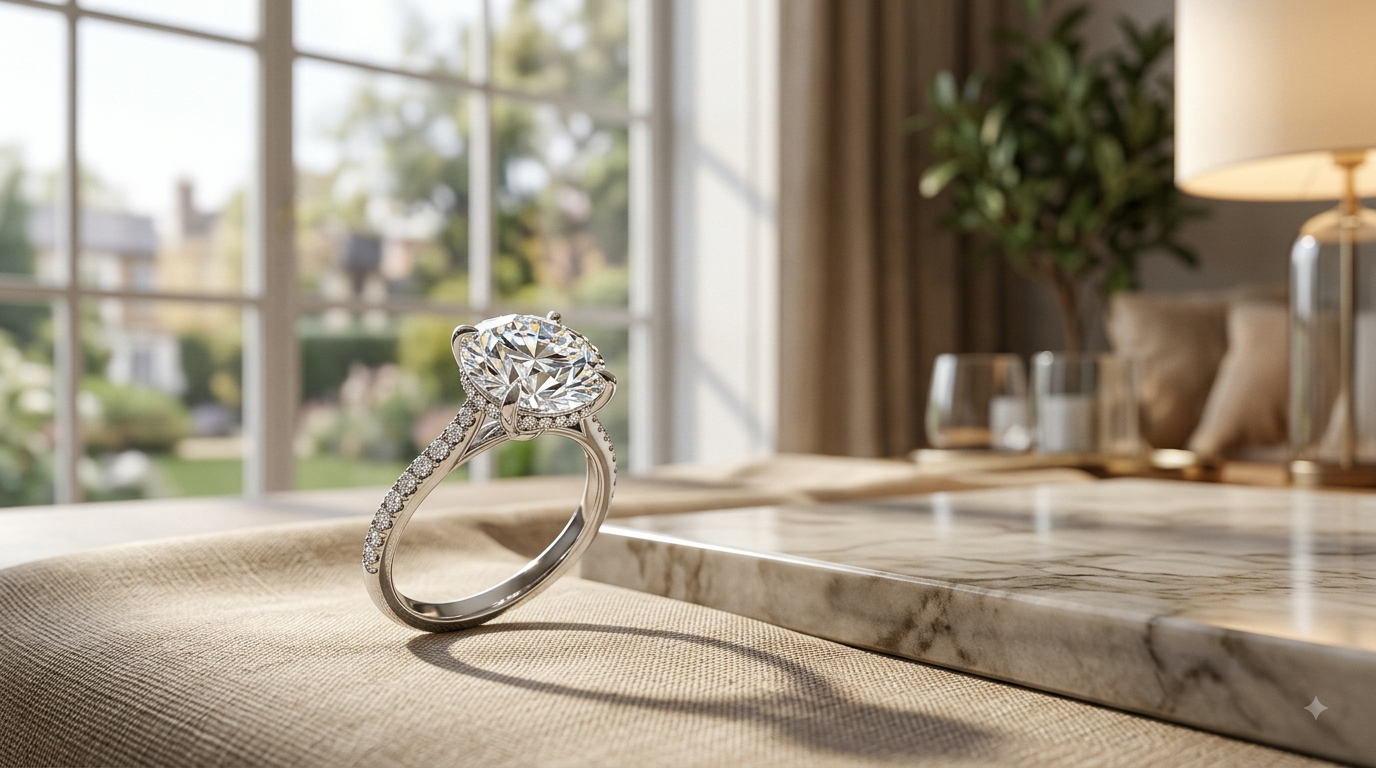
Timeless and elegant
Maximum focus on the center stone
Easy to clean
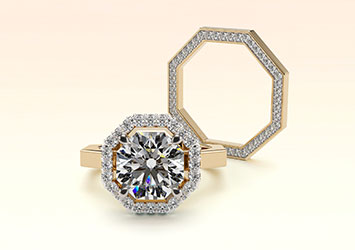
Smaller diamonds surround the center stone
Creates a larger appearance
Extra sparkle
Tiny diamonds embedded along the band
Luxurious appearance
Requires more maintenance
For active lifestyles:
Bezel settings offer excellent protection
Lower-profile settings reduce snagging
For office or occasional wear:
Halo and pavé styles provide more glamour
Choosing a setting based on lifestyle prevents future damage and costly repairs.
Before buying, inspect the jewellery carefully.
Prongs should hold the stone tightly
Band edges should feel smooth
Stone should not rattle
Setting should sit evenly
Many trendy thin bands look elegant but may bend or crack over time. Extremely delicate bands often require repairs within the first year of daily wear.
For durability:
Choose bands at least 1.8mm–2mm thick
This is one of the biggest decisions modern buyers face.
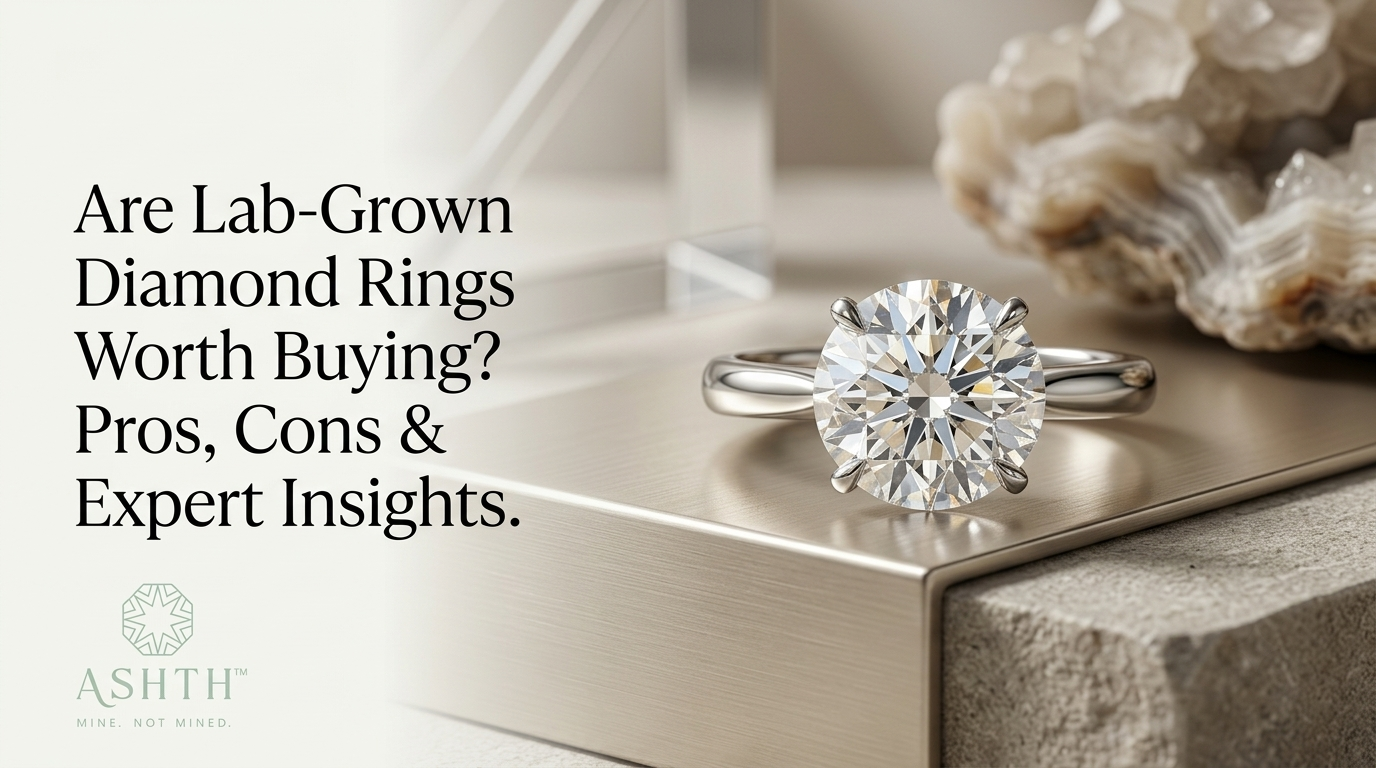
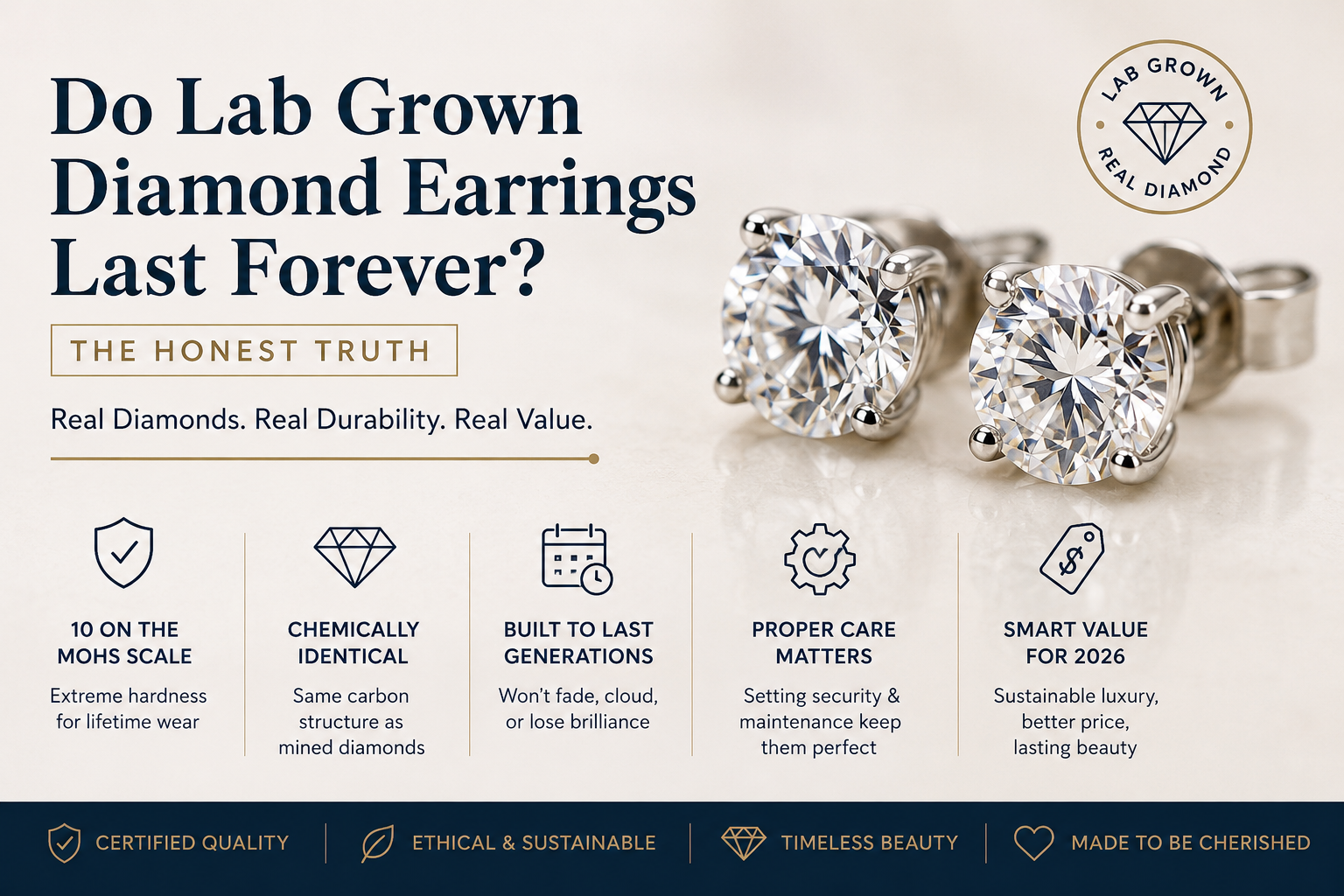
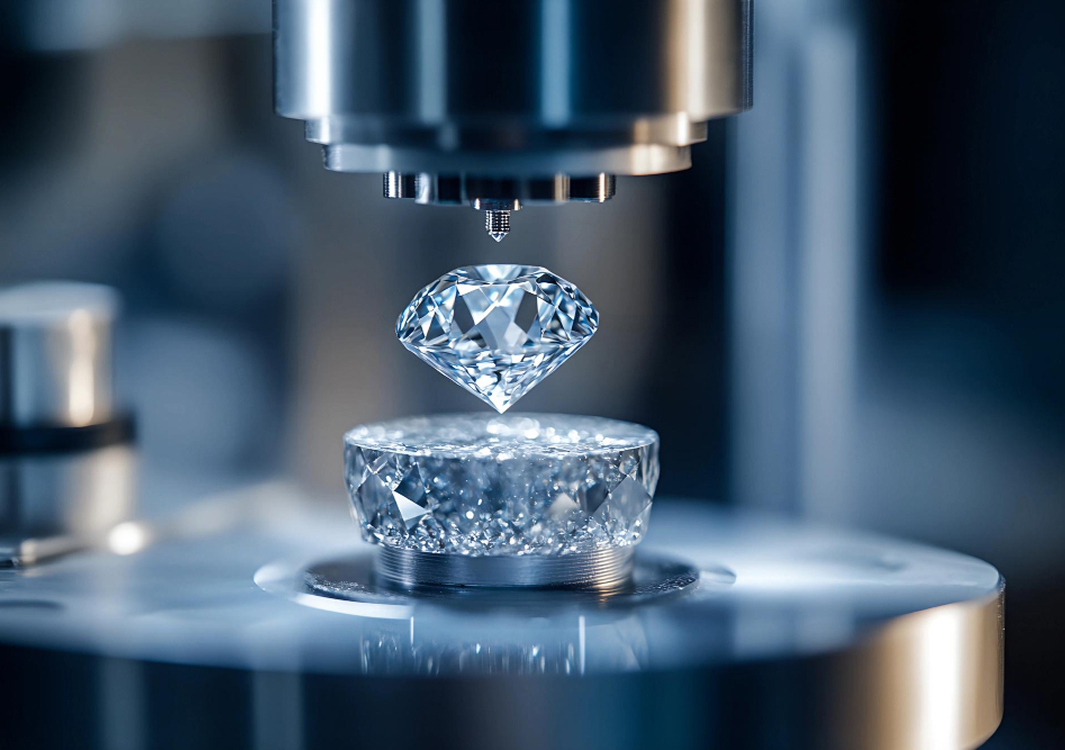
Lab-grown diamonds are chemically and visually identical to natural diamonds.
The only major difference:
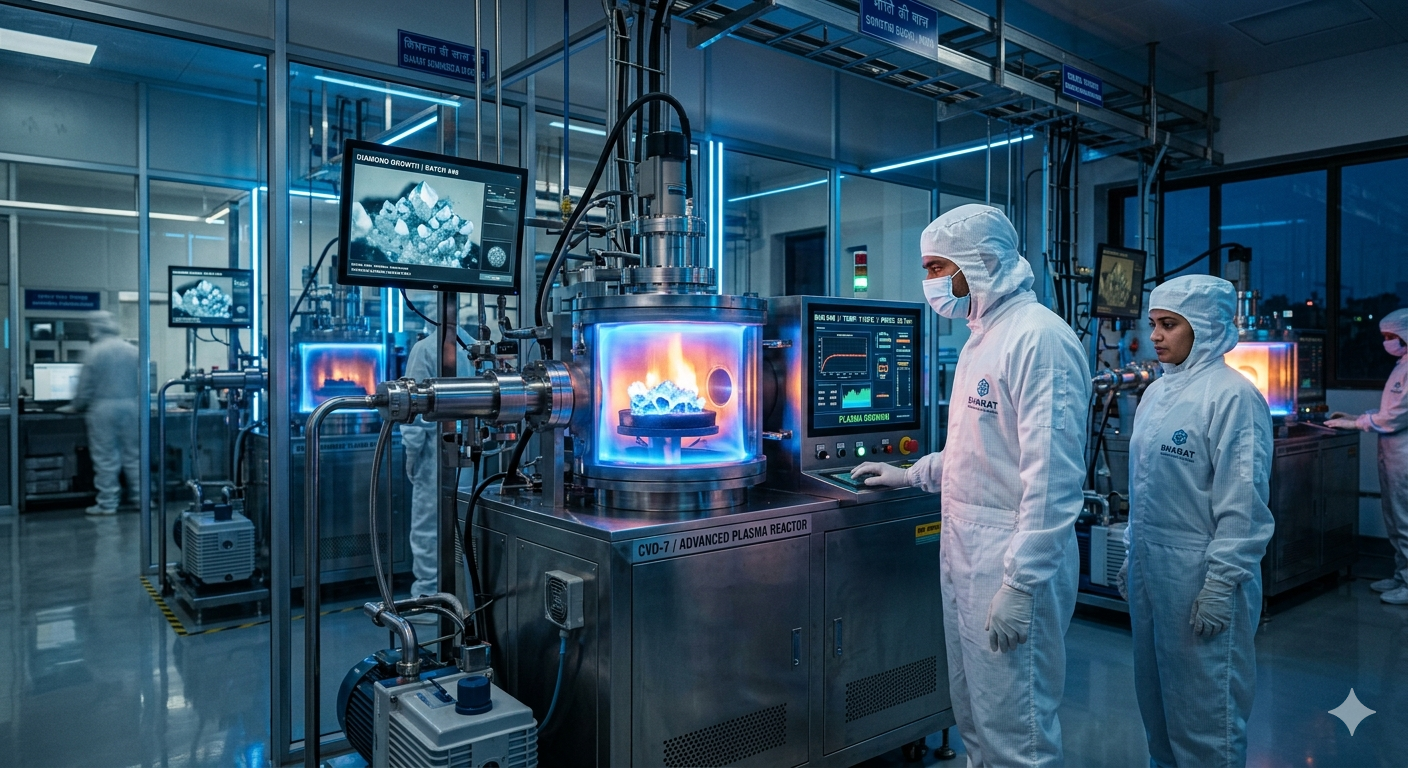
Natural diamonds form underground over billions of years
Lab diamonds are created in controlled environments
Lab-grown diamonds can cost:
40–70% less than natural diamonds of similar quality
This allows buyers to purchase:
Larger carat sizes
Better cuts
Higher clarity grades
within the same budget.
Natural diamonds traditionally hold resale value better. Lab-grown diamonds generally depreciate faster.
If emotional symbolism and rarity matter most, natural diamonds may appeal more. If maximizing size and sparkle is the priority, lab-grown diamonds provide exceptional value.
Ethical sourcing matters to many modern couples.
The Kimberley Process was created to reduce conflict diamonds entering the market. While not perfect, it remains an important industry standard.
Always ask:
Is the diamond conflict-free?
Can sourcing documentation be provided?
Is there third-party grading?
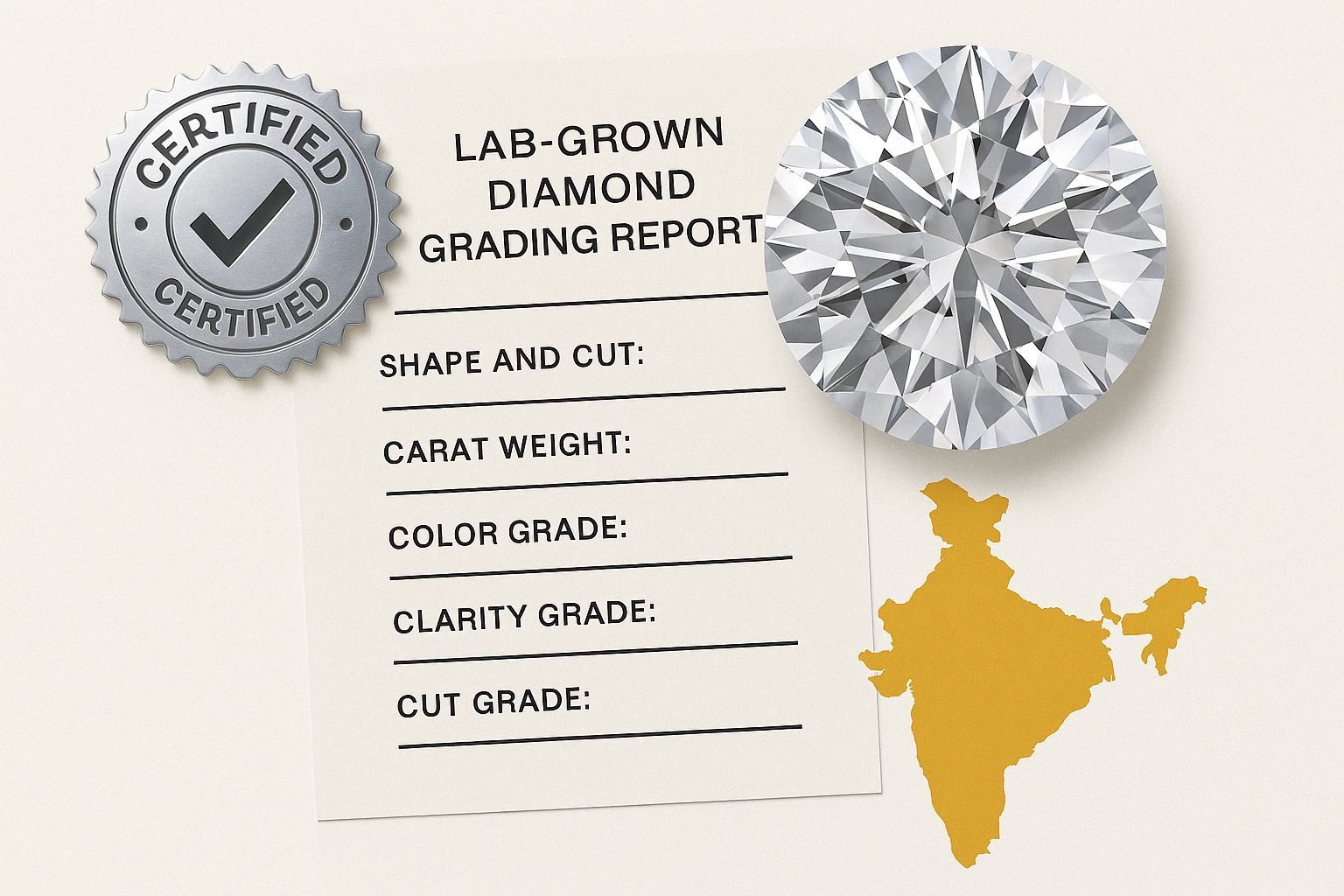
Never buy an expensive diamond without independent certification.
Reliable labs include:
GIA
IGI
AGS
Avoid relying solely on “in-house” certificates from unknown sellers.
Ask yourself:
Do I prioritize rarity or size?
Is resale value important?
What fits my long-term budget?
One couple with a fixed budget chose:
A 2 ct lab-grown diamond
instead of:
A smaller 1 ct natural diamond
The result was a larger, visually impressive ring without increasing financial stress.
Proper paperwork protects your investment.
Considered the industry gold standard
Extremely strict grading standards
Popular for lab-grown diamonds
Widely accepted globally
Known for detailed cut grading
Be cautious if:
The certificate comes only from the retailer
Grading seems unusually generous
No laser inscription exists
The Appraisal Process
A grading report and appraisal are not the same.
Explains:
Diamond quality
4Cs
Measurements
Provides:
Replacement value for insurance
Ensure documents include:
Certification number
Carat weight
Metal type
Setting details
Retail value
Store warranty information
Insurance and Warranty Basics
Wedding jewellery should always be insured.
Look for protection against:
Theft
Loss
Accidental damage
A lifetime warranty may only cover:
Cleaning
Minor maintenance
Manufacturer warranties usually cover:
Production defects
Read all terms carefully before purchasing.
Never feel pressured to overspend on wedding jewellery.
Avoid taking unnecessary debt
Prioritize long-term financial stability
Focus on emotional meaning over trends
Remember to include:
Taxes
Resizing fees
Insurance premiums
Maintenance costs
Set:
A hard spending limit
A flexible range for upgrades
This prevents emotional overspending during shopping.
Comparing Retailers
Pros:
In-person inspection
Personalized service
Cons:
Higher overhead costs
Pros:
Larger inventory
Better pricing
Cons:
Harder to inspect quality physically
Avoid sellers who:
Rush your decision
Refuse certification
Avoid return policy discussions
Push upgrades aggressively
Is the diamond certified?
What is the return period?
Are repairs included?
Can the ring be resized?
Before final payment:
Inspect:
Chips
Loose stones
Surface scratches
Match the certificate number with the laser inscription on the diamond girdle.
Always check:
Exchange window
Refund conditions
Upgrade programs
Conclusion
Buying wedding diamond jewellery for the first time doesn’t have to feel overwhelming. By understanding the 4Cs, selecting the right metal and setting, comparing natural and lab-grown diamonds, and insisting on proper certification, you can make a confident and informed purchase.
Remember:
Prioritize cut quality
Choose practical settings for daily wear
Buy certified diamonds only
Stay within a realistic budget
Most importantly, wedding jewellery is more than a financial investment — it represents commitment, love, and lifelong memories. The perfect piece is not necessarily the most expensive one, but the one that feels meaningful to you.
Before visiting a jeweller, create or download a printable checklist so you can compare options clearly and avoid impulsive decisions.

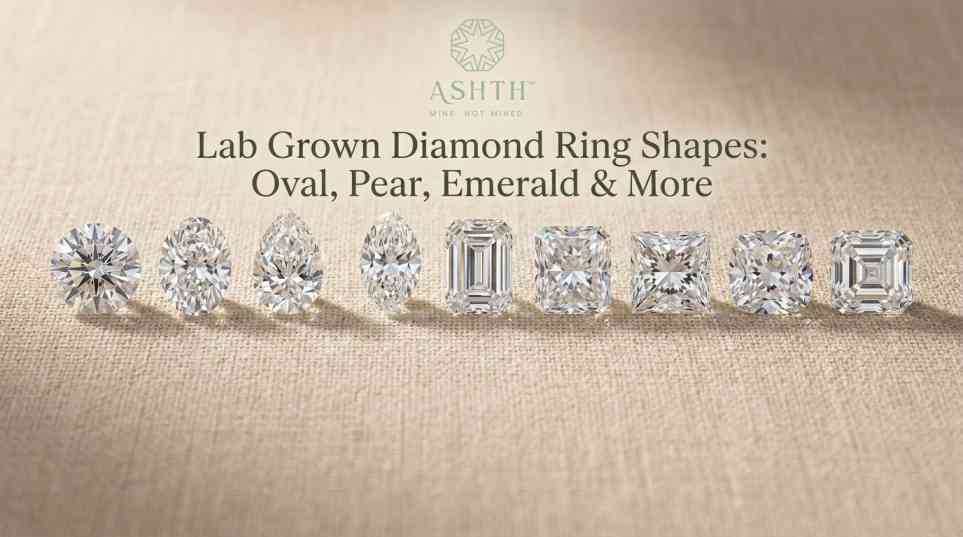
 Round
Round Pear
Pear Heart
Heart PRINCESS
 Oval
Oval CUSHION
 EMERALD
 MARQUISE
 Asscher
 RADIANT
 Ashth CUT
 ROSE CUT
 BRIOLETTE
 SINGLE CUT
 TRAPEZIUM
 TULIP
TULIP TRIANGLE
 BUTTERFLY
 FLOWER
 MOVAL
MOVAL CLOVER
 BAGUETTE
 9KT ASHTH CUT
 9KT MARQUISE
 9KT PEAR
 9KT RADIANT
 9KT EMERALD