Ashth - Where Exceptional Craftsmanship Defines Modern Luxury !

- Rings
- Earrings
Shop By Category
- Bangles/ Bracelets
Shop By Category
- Necklaces
Shop By Category
- Pendants
Shop By Category
- ASHTH LITE
Shop By Category
.jpg)
- Collections
Collections
Shop By Category
Shop By Category
Shop By Category
Shop By Category
Shop By Category
Collections
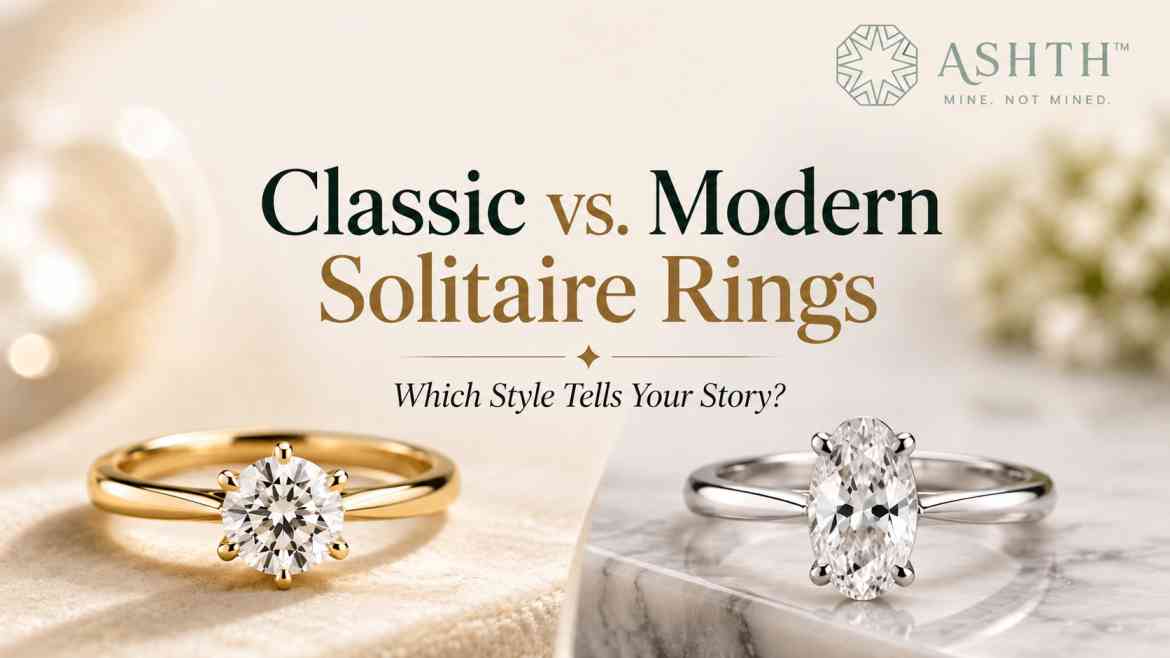
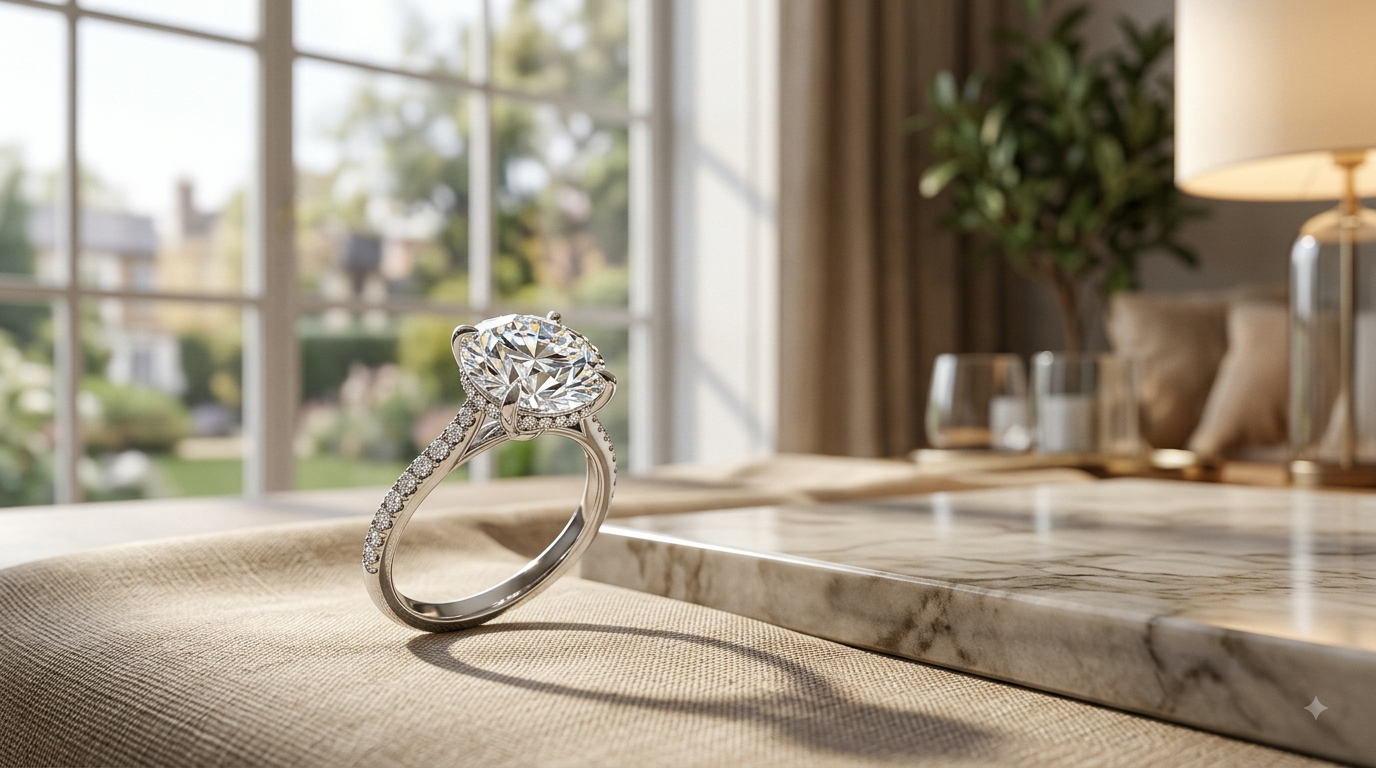
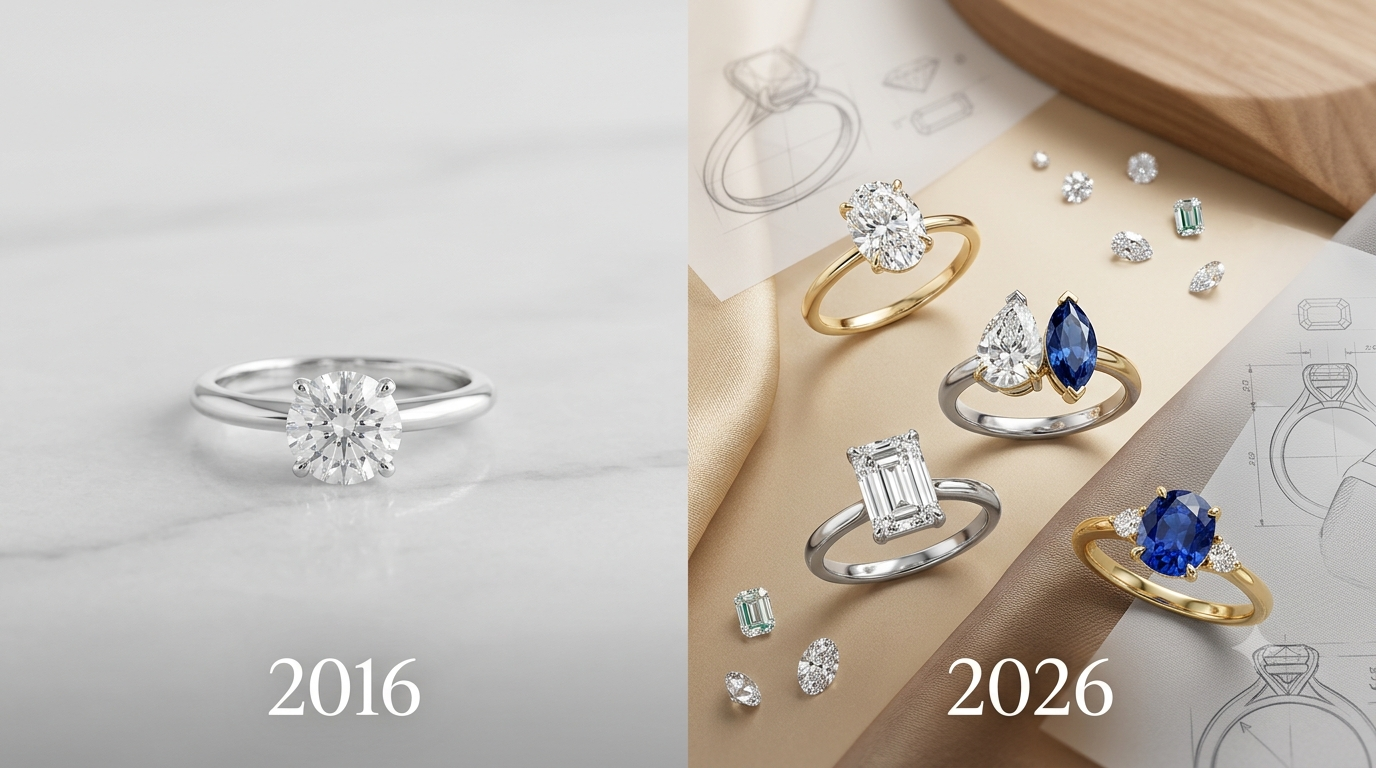
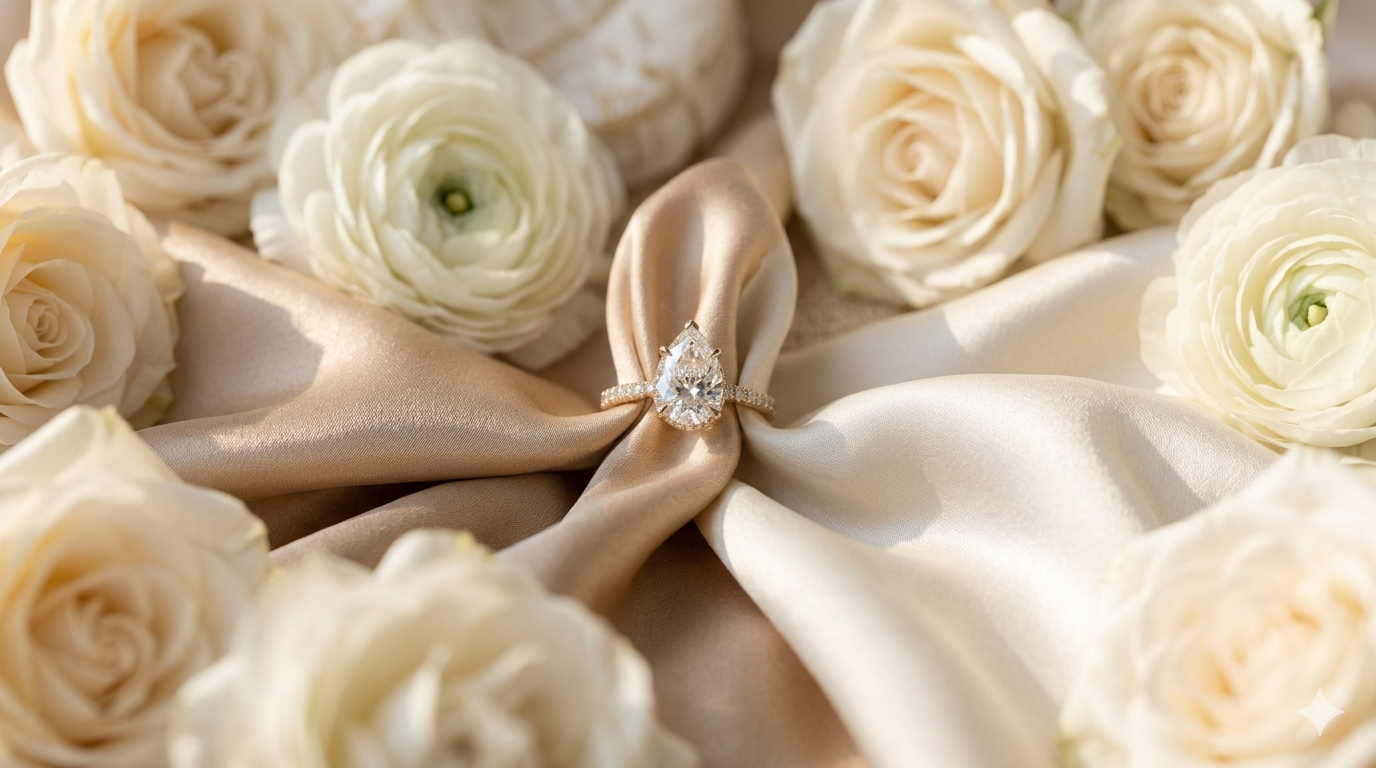
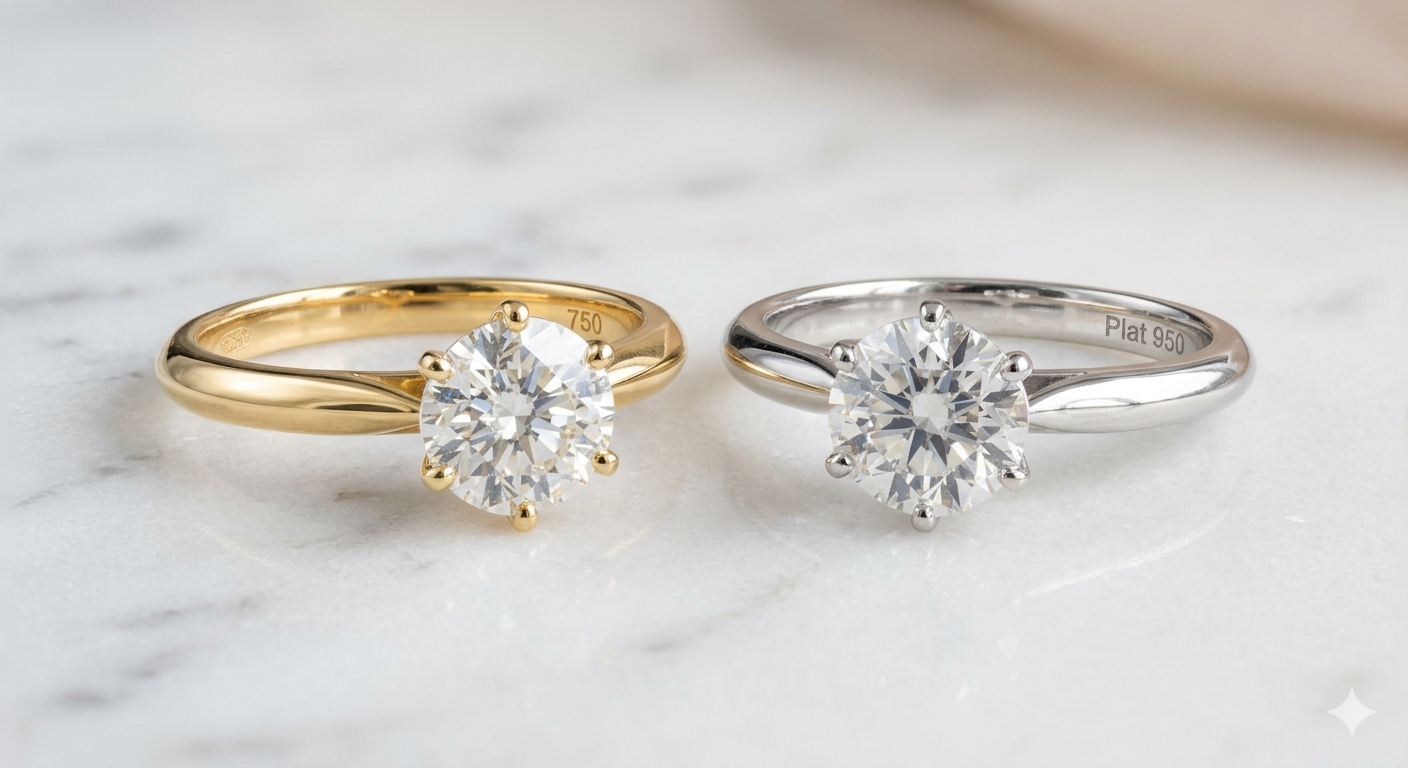
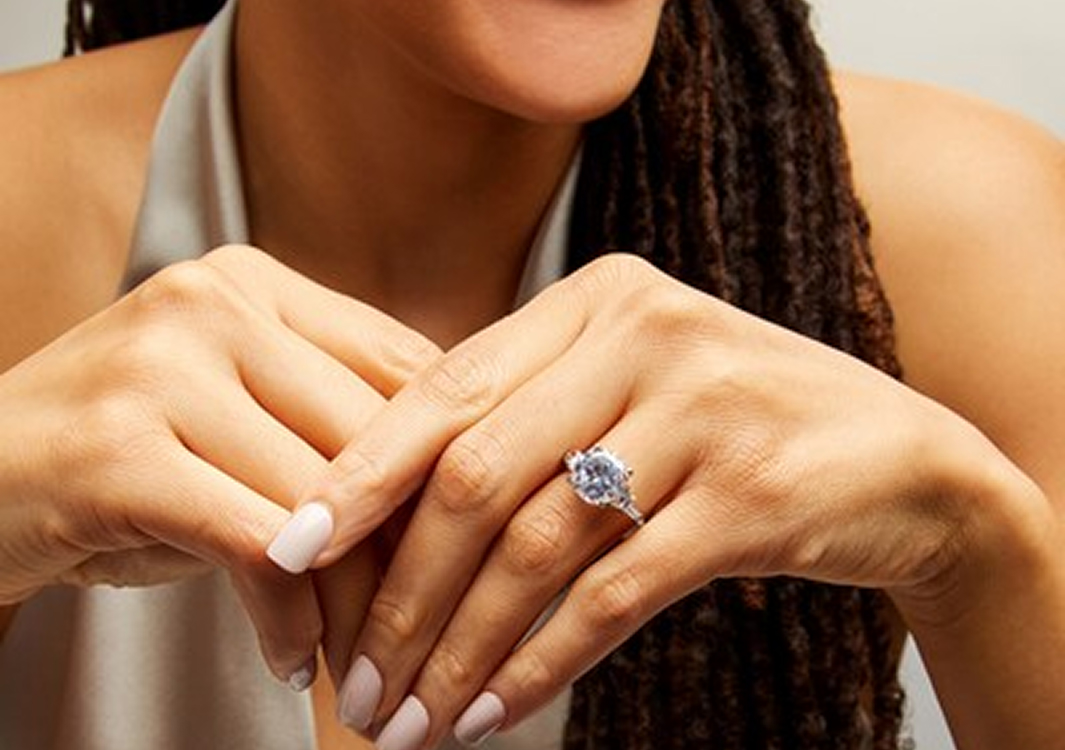
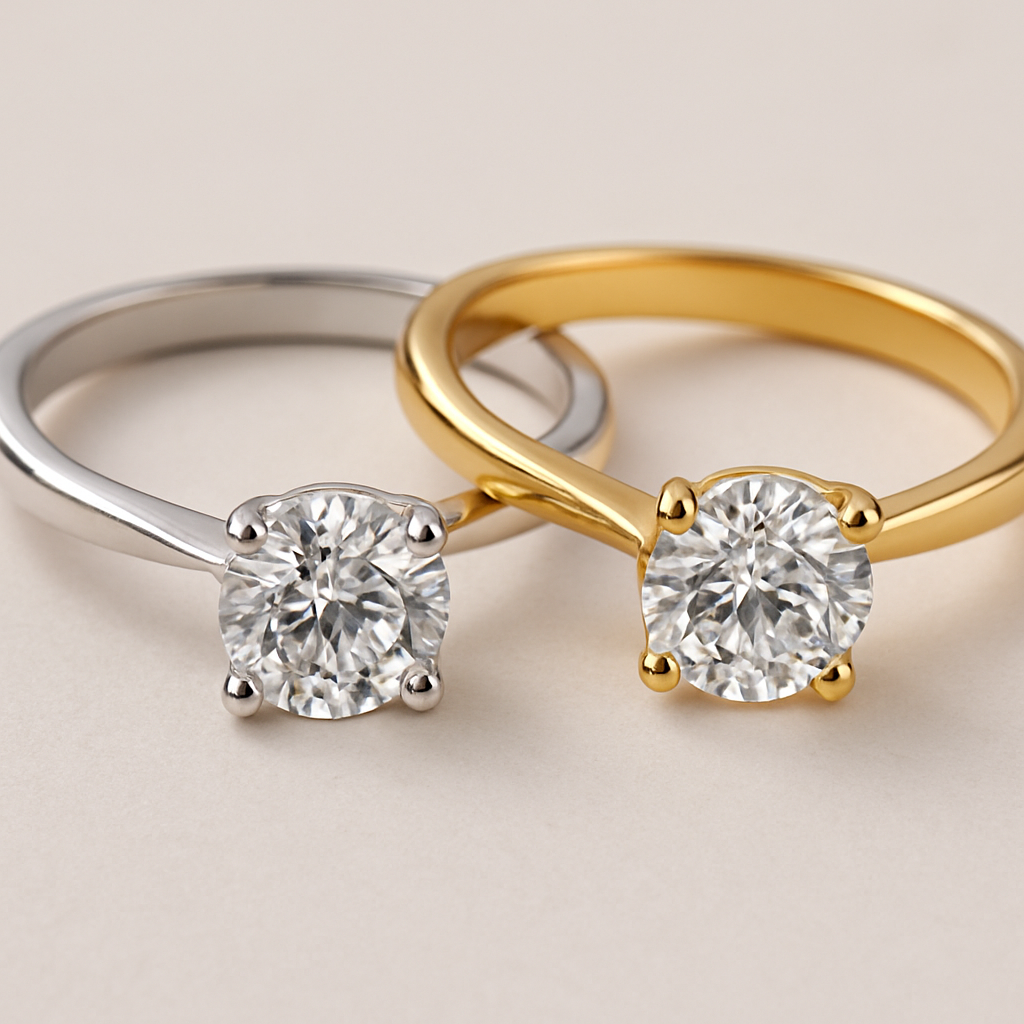
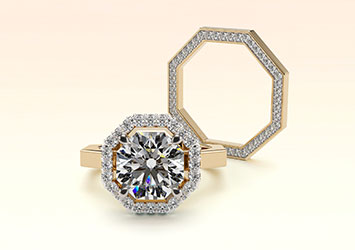
Picture two engagement rings side by side. Both have a center diamond of the same size. Yet one looks timeless, and the other feels fresh and bold.
That's the quiet power of solitaire rings. The design is simple — one center stone, little extra decoration — but small changes to the setting, diamond shape, metal, and band can completely change how the ring feels.
A solitaire ring has one main diamond or gemstone as its focus, with no large side stones competing for attention. This guide compares classic and modern solitaire styles so you can choose the one that actually fits your hand, your budget, and your life.
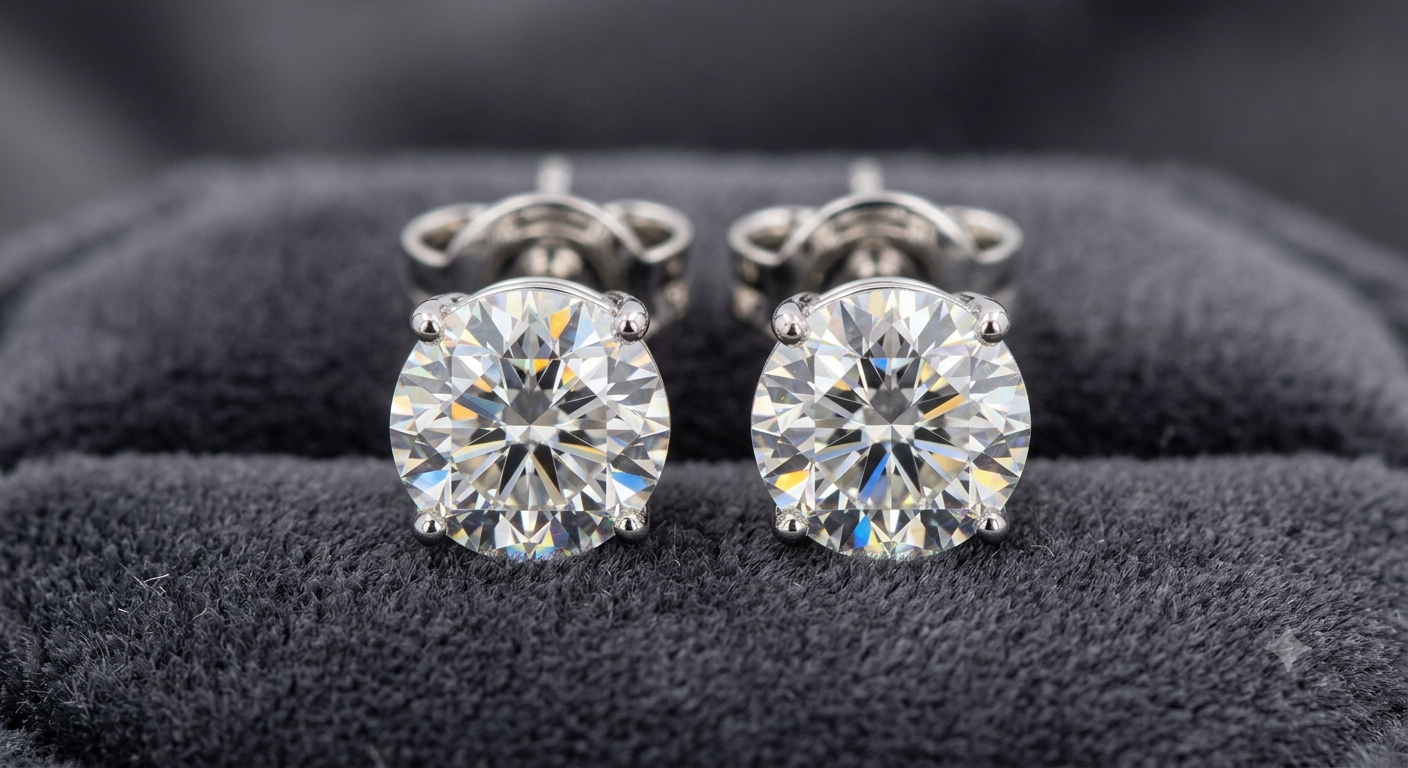
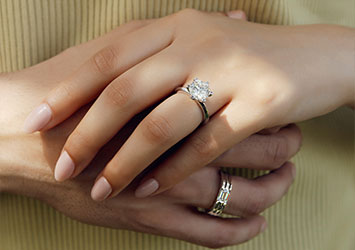
A solitaire ring holds a single center stone, usually set above a plain or lightly decorated band. There's nothing else pulling the eye away from the diamond.
This simplicity is exactly why the style has lasted so long. A clean setting lets the center stone do the talking, and it pairs easily with almost any wedding band.
In 1886, Tiffany & Co. introduced its six-prong Tiffany setting, which lifted the diamond above the band so more light could reach the stone from different angles. It replaced the older style of setting diamonds low and flush against the metal.
That design became the template most people picture when they hear "engagement ring," and it's still one of the most copied settings in jewelry today. Modern designers have since built dozens of variations on the same basic idea.
The same round diamond can look traditional in a six-prong setting and completely modern in a low-profile or bezel setting. The details that shape a solitaire's personality include:
Number of prongs
Height of the center stone
Band shape
Metal type
Diamond shape
Plain versus decorated band
Start with the classic solitaire idea, and you can steer it toward traditional or contemporary just by changing a few of these details.
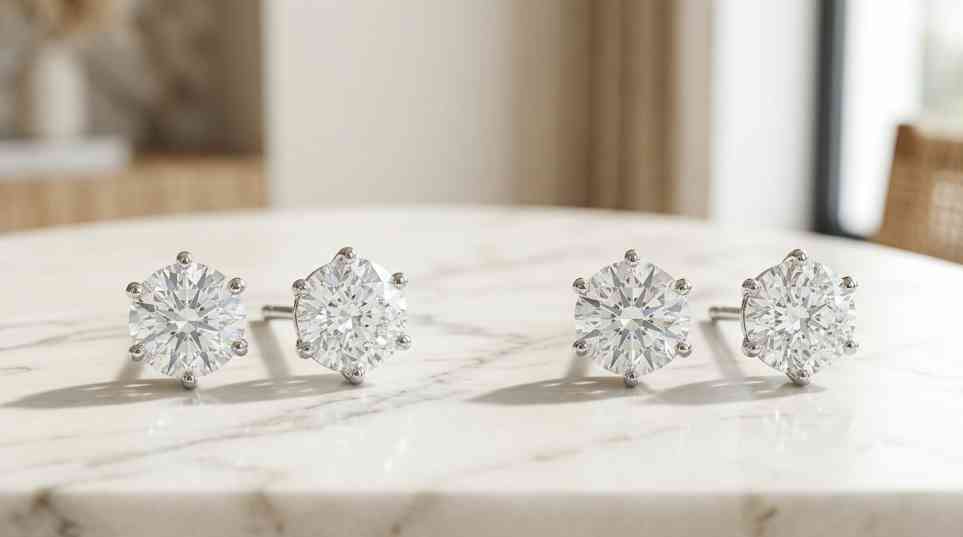
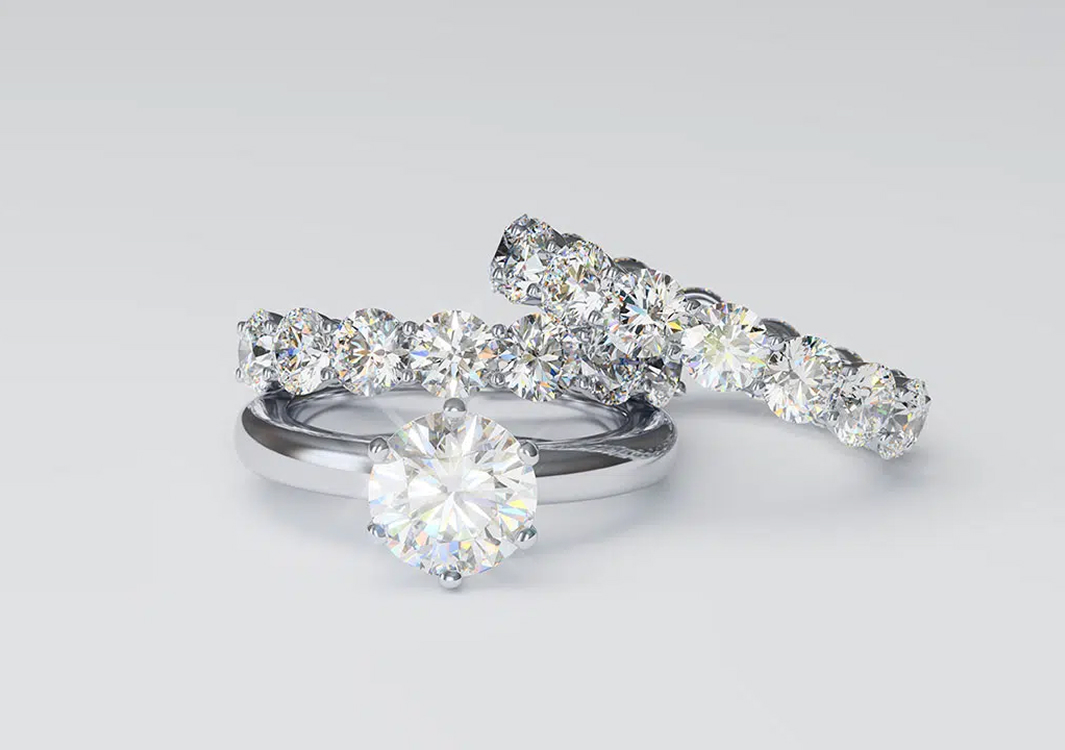
A classic solitaire keeps things simple and balanced. Four- and six-prong settings are the most common, usually holding a round brilliant diamond — a shape that has stayed popular for over a century.
Knife-edge bands, which taper slightly as they rise toward the center stone, are another traditional touch. Yellow gold and platinum are classic metal choices, and white gold can give the same clean, traditional look.
A classic solitaire tends to follow these design rules:
Plain or slim band
Round center diamond
Four or six prongs
Raised center stone
Symmetrical, balanced proportions
Little to no extra decoration
The band isn't meant to be the star. It's there to support the diamond and let it take the attention.
A classic solitaire is a strong fit if you:
Like simple, timeless jewelry
Want a ring that still looks right in twenty years
Like the idea of eventually passing it down
Prefer to avoid short-term trends
Want easy pairing with almost any wedding band
A modern solitaire usually isn't a total departure from the classic look — often just one or two details are changed, and the ring feels fresh while keeping the simplicity that makes a solitaire work.
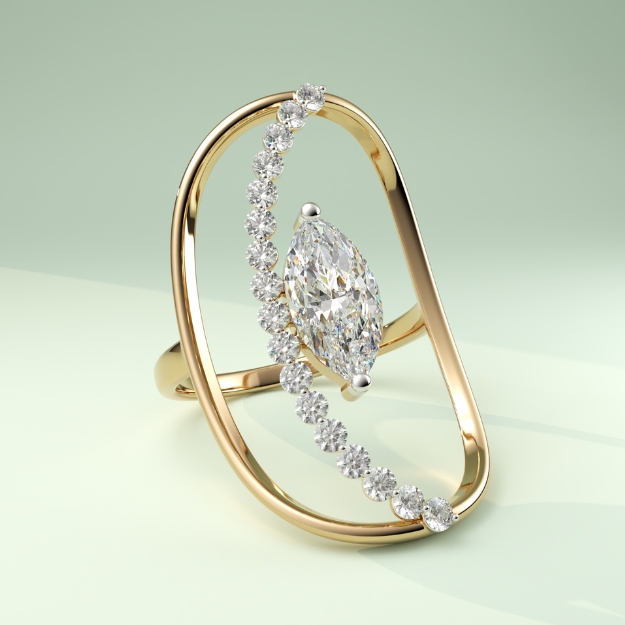
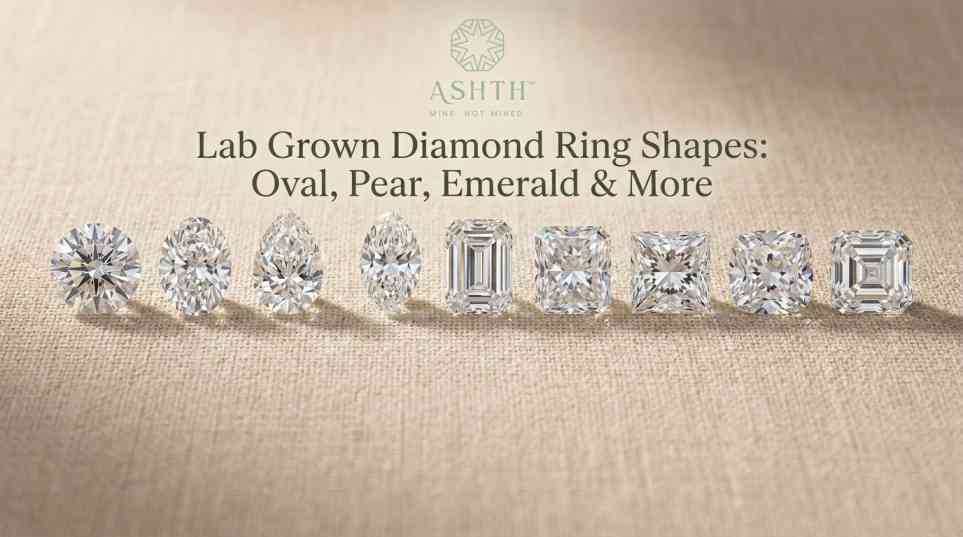
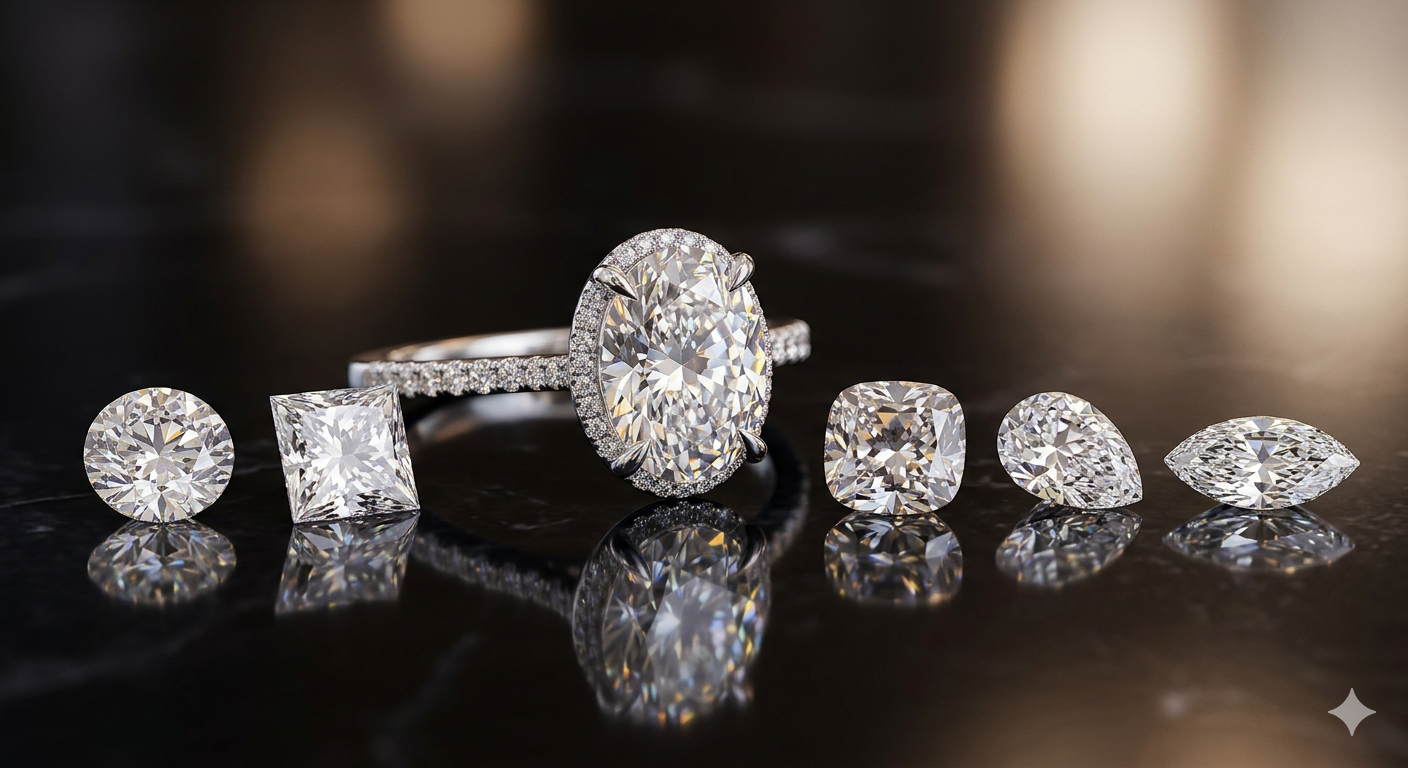
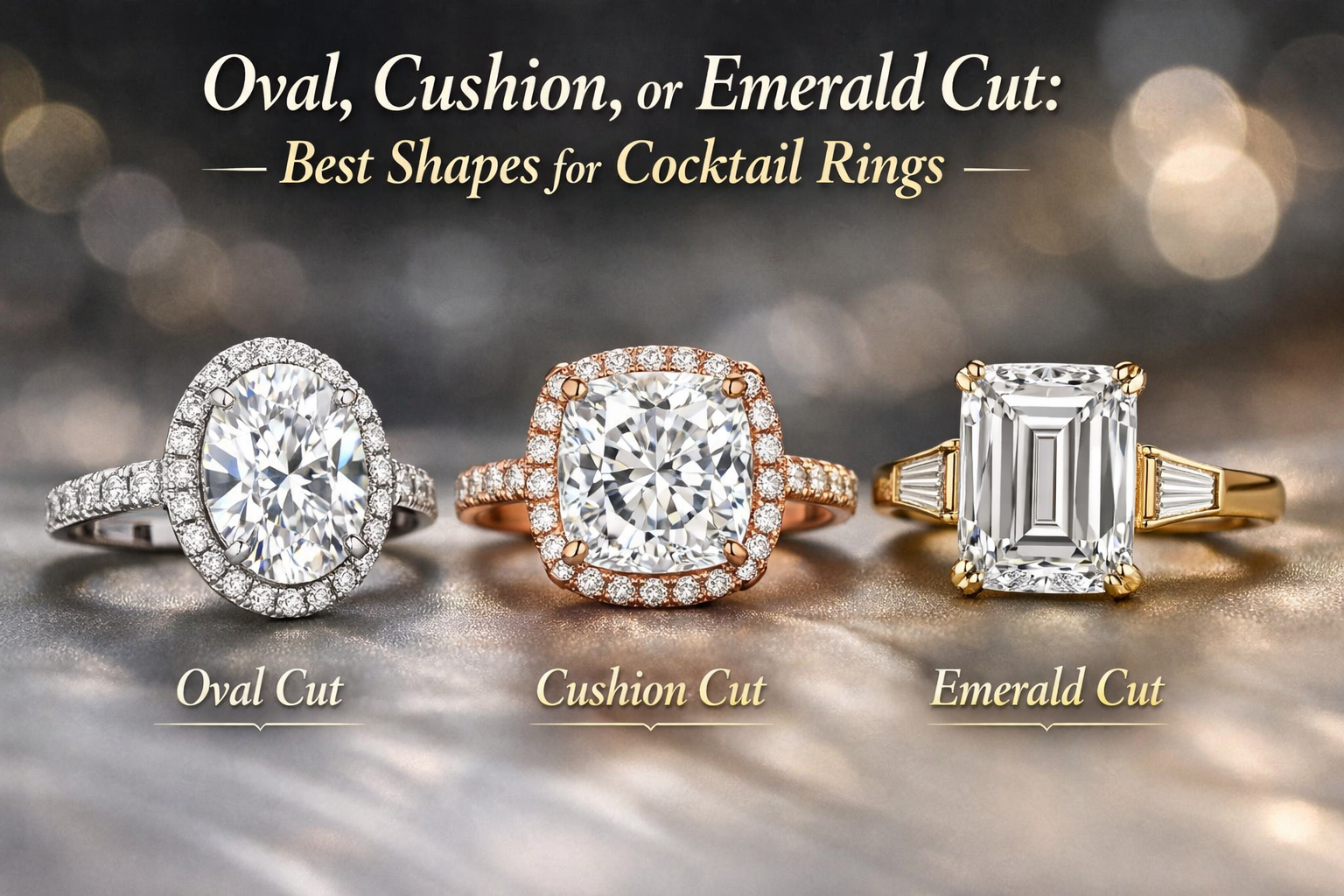
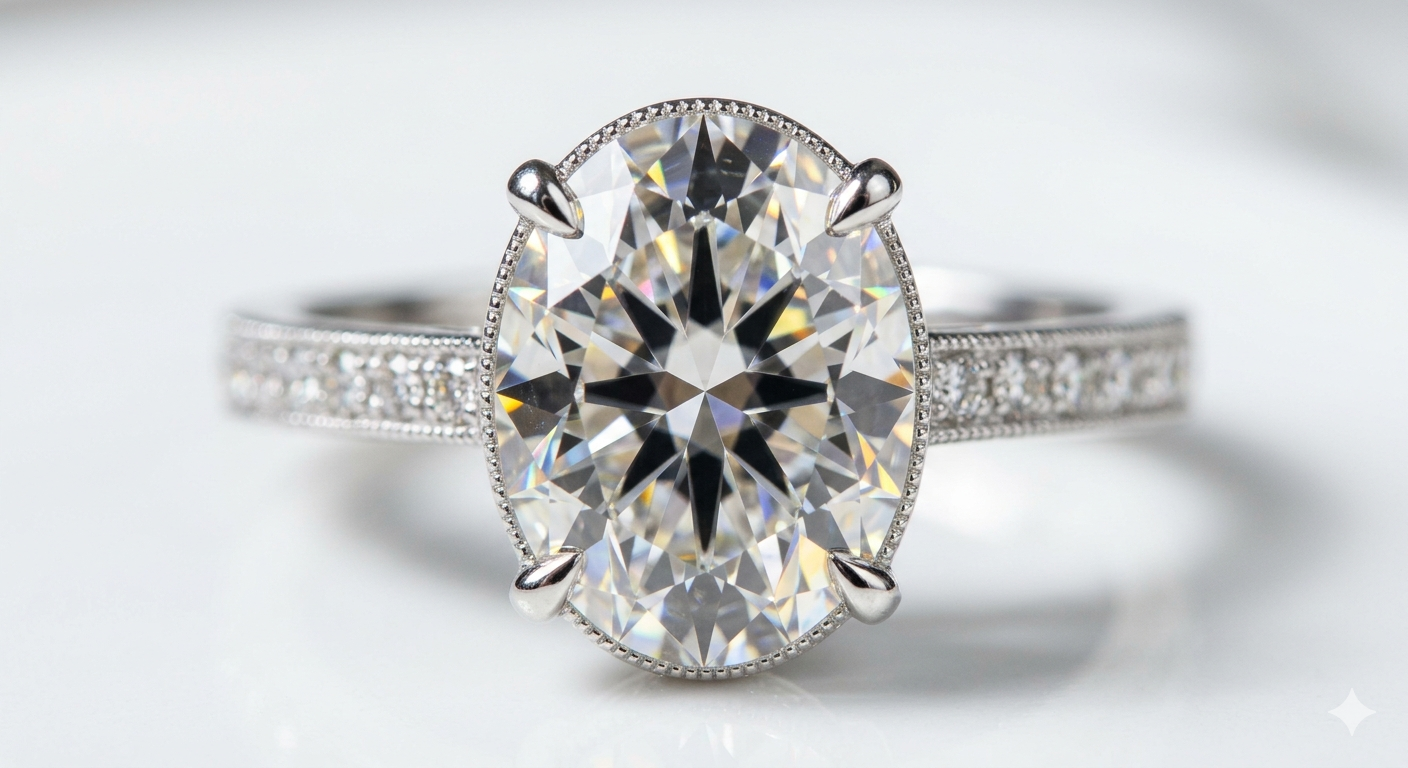
Diamond shape is the easiest way to modernize a solitaire. Oval, emerald, pear, marquise, and elongated cushion cuts all give a different personality than a round stone. An oval, for example, keeps a soft, elegant look while reading as more current.
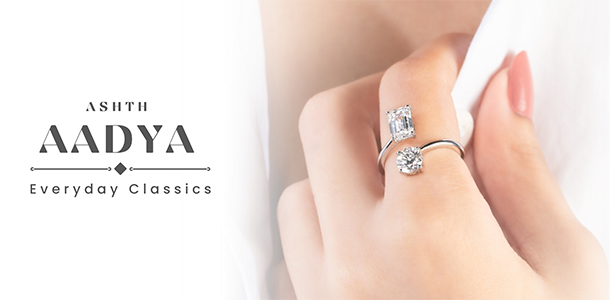
East-west settings turn an elongated diamond sideways across the band instead of pointing up and down — a small change that gives a very different silhouette.
Hidden halos tuck small diamonds underneath the center stone, adding sparkle without changing the ring's simple look from above.
Band choices also shape the modern feel:
Pavé diamond bands
Split shank bands
Floating or tension-style settings
Mixed-metal bands
Unusual band shapes
A white diamond in a rose gold band, for instance, creates a warm contrast that reads as distinctly modern.
If you're comparing lab diamond engagement rings, a modern solitaire setting often gives you more room to work with — a larger center stone or a less common shape may fit the same budget.
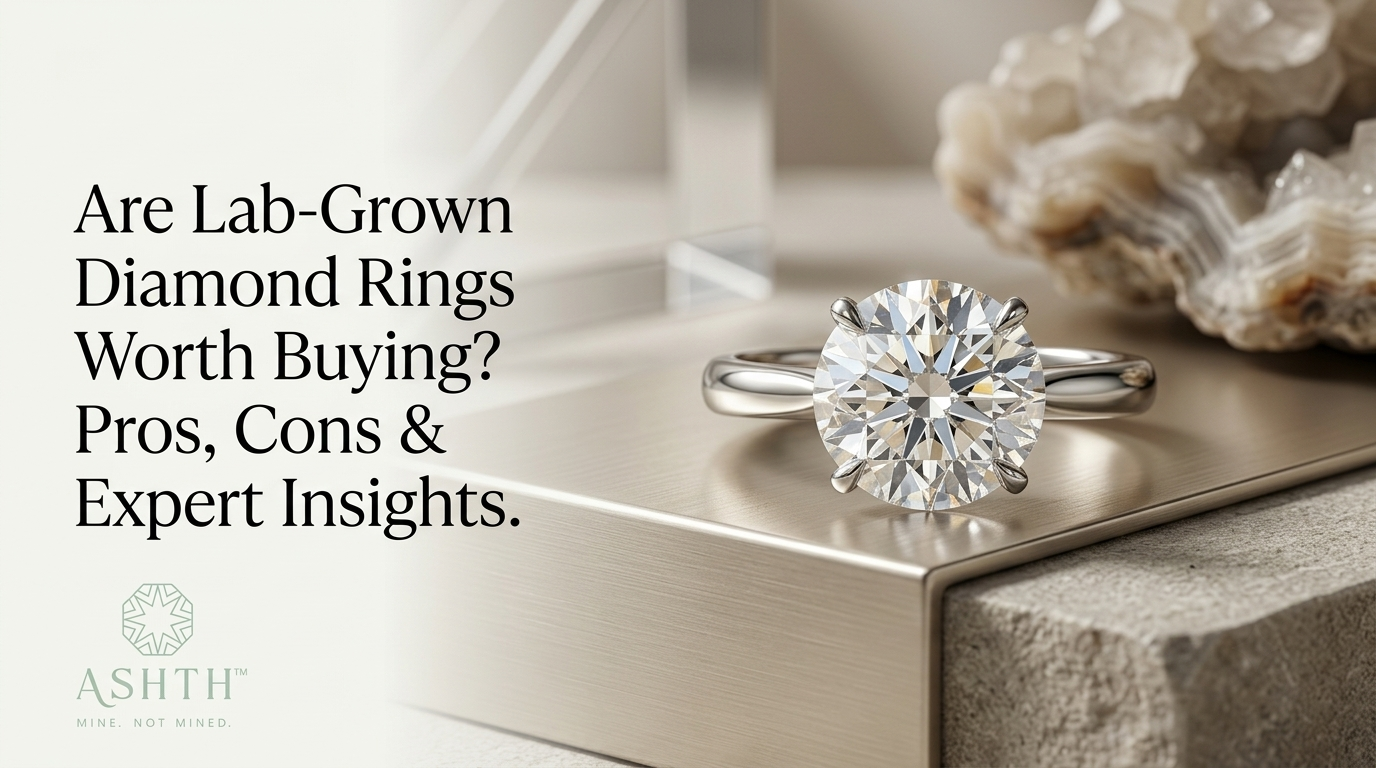
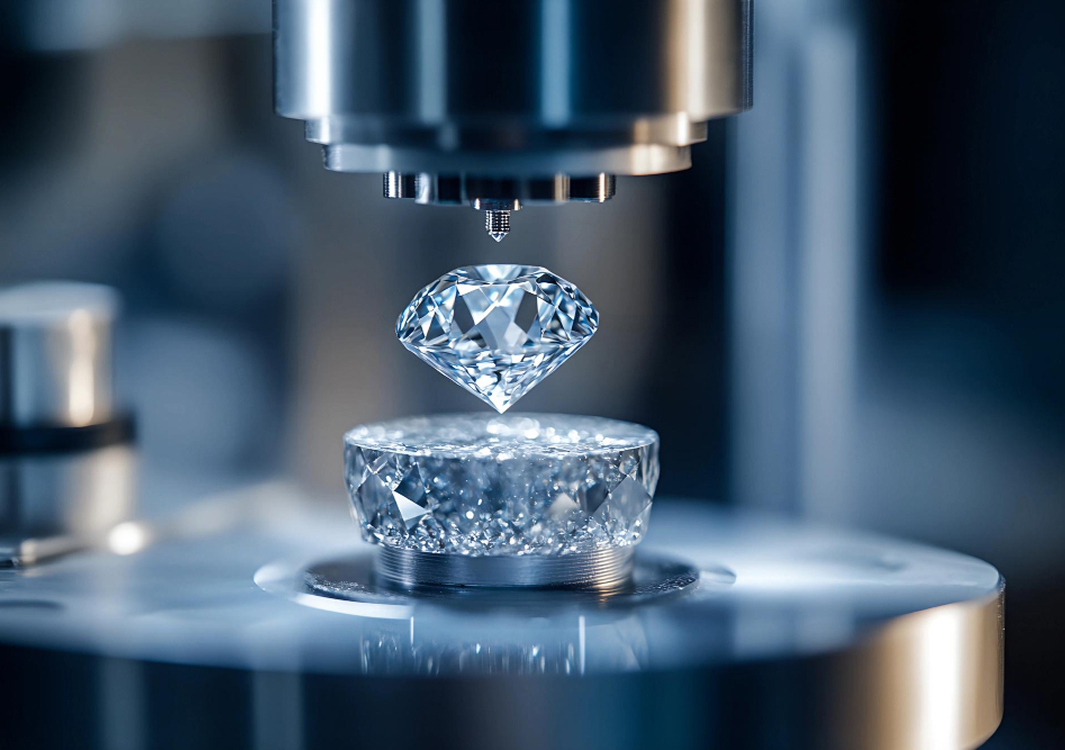
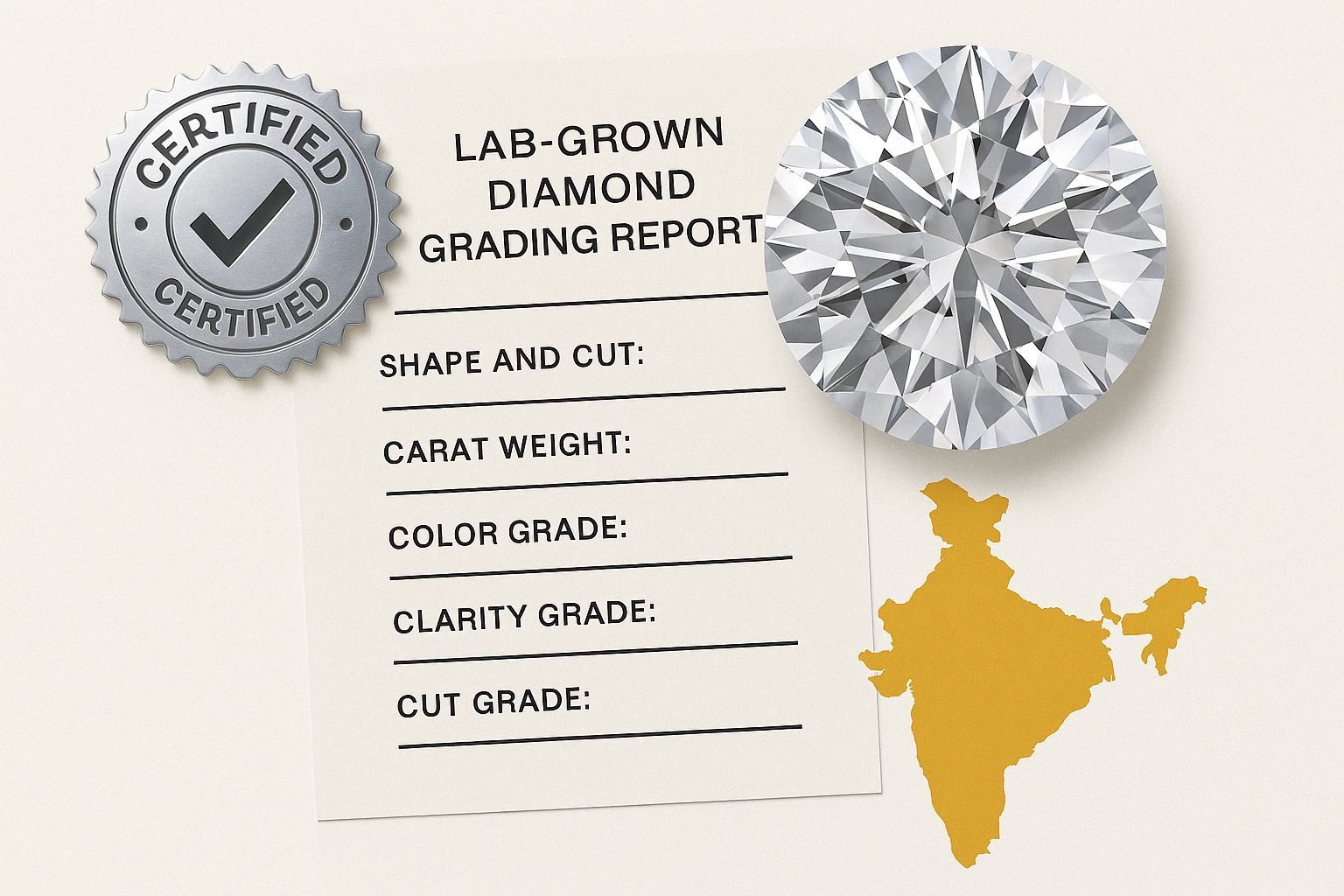
Lab grown diamond jewellery are real diamonds grown in a controlled setting rather than formed underground. Like mined diamonds, they're graded on the same characteristics, and they generally cost less than a mined diamond of similar size and quality. That price difference can free up budget for a bigger stone or a more detailed setting. Whichever type you choose, ask for the grading report and compare it against the stone in front of you before deciding.
The setting affects price, but not as much as the center stone does. A few general patterns:
A plain gold band is usually the lower-cost option.
Platinum tends to cost more because it's a denser, premium metal.
A pavé band adds cost for the extra small diamonds and detailed labor.
A custom or complex modern setting depends heavily on design and craftsmanship.
The diamond itself — carat, cut, color, and clarity — usually has the biggest effect on total price, so budget for the stone and the setting together, not separately.
Your day-to-day life should weigh heavily in this decision.
A high, six-prong classic setting shows off more of the diamond but sits higher off the finger, so the prongs can snag on clothing, hair, or gloves. A low-profile modern setting sits closer to the hand, which tends to work better if you use your hands a lot at work, exercise regularly, or just prefer a flatter feel.
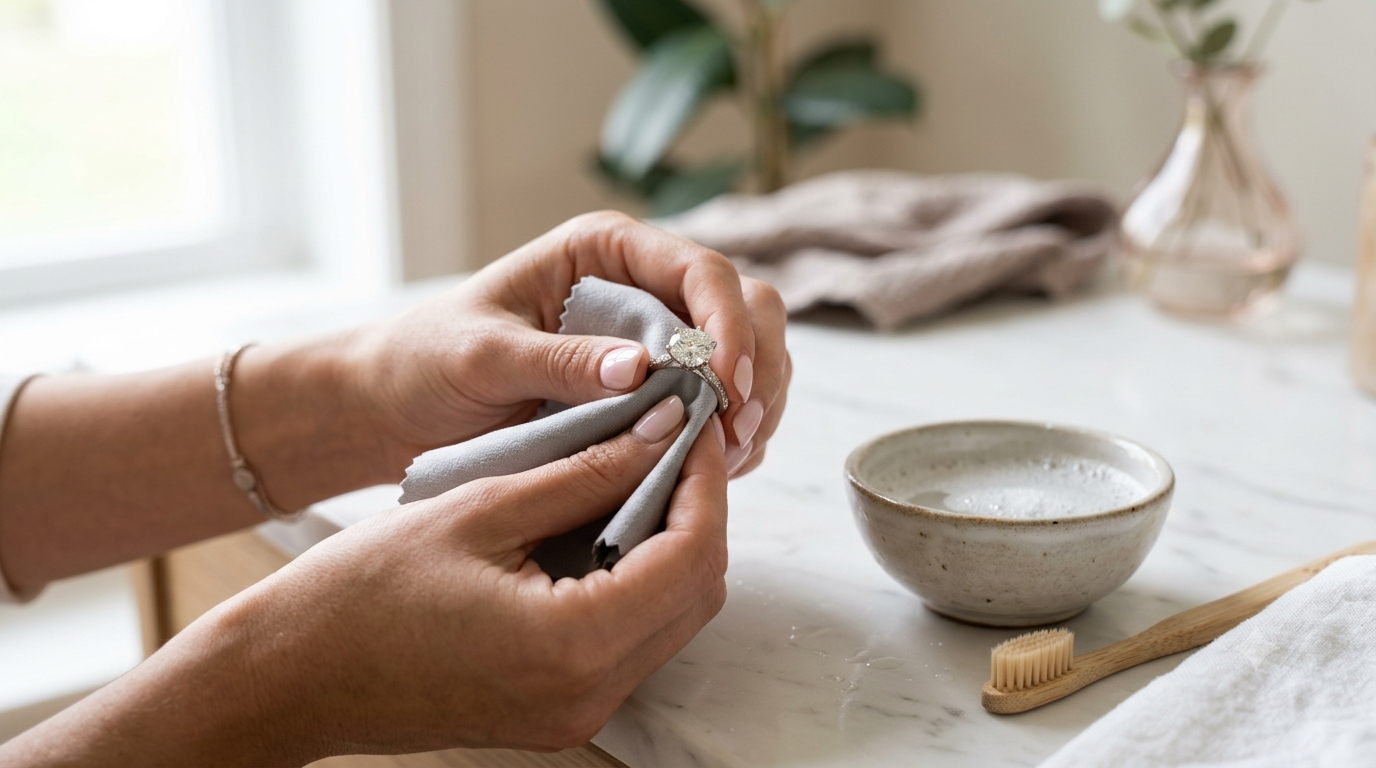
Pavé bands need a bit more attention — the small stones are held by tiny amounts of metal, so periodic inspections help catch loose stones before they're lost. No setting is completely maintenance-free. Ask your jeweler what cleaning and inspection schedule they recommend for the specific setting you choose.
Classic designs have broad, long-standing appeal simply because they've been around and recognized for generations. Modern designs can also hold up well over decades, especially when they're built on solid proportions and good craftsmanship — though very trend-specific details may feel dated sooner.
Resale value depends on far more than style alone: diamond quality, certification, brand, market demand, condition, and metal all play a role. No solitaire style is a guaranteed investment, and it's worth choosing your ring based on what you love wearing, not on a resale bet.
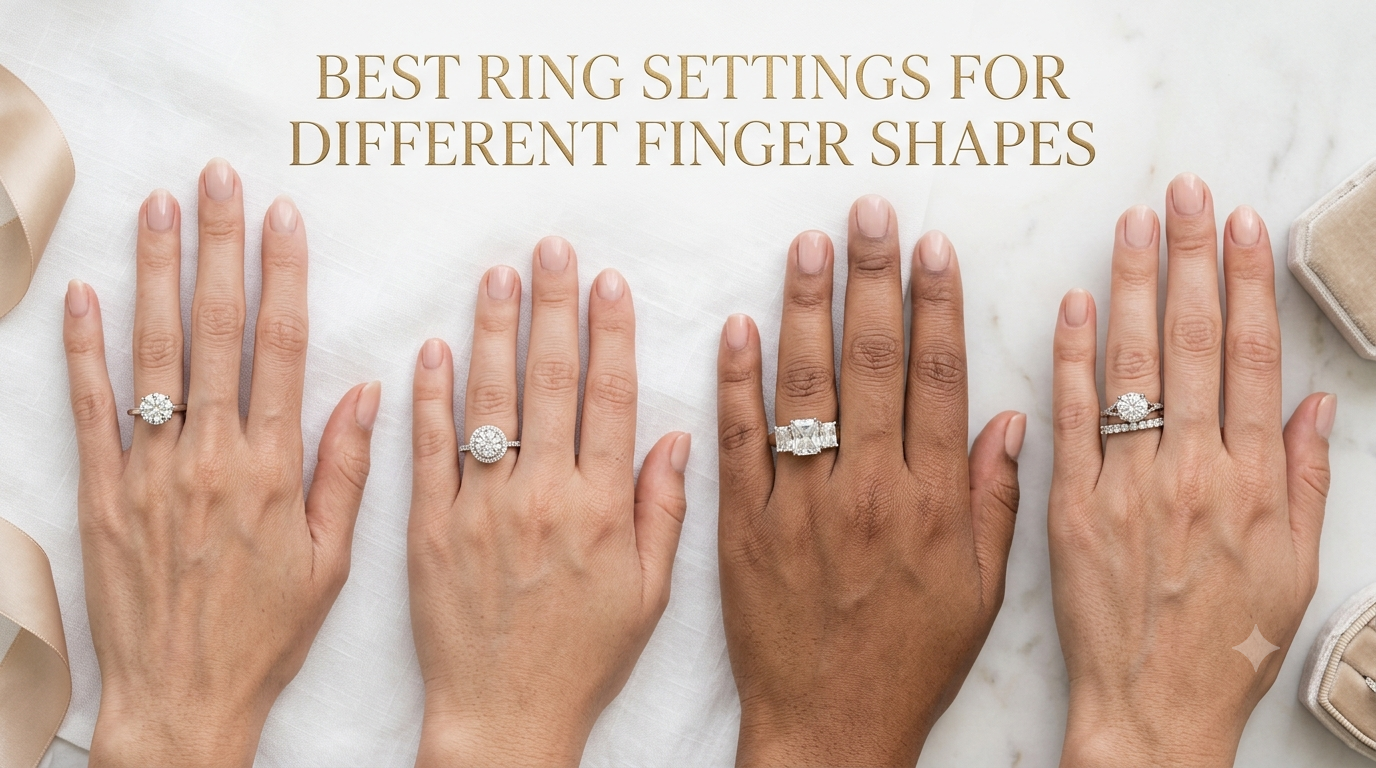
Match it to your hand. Elongated shapes like oval, emerald, and pear tend to make fingers look longer. Round diamonds give a balanced, traditional look. Trying a few shapes in person is the only reliable way to know what suits you.
Match it to your lifestyle. If your hands are busy all day, test a lower setting. Try typing, making a fist, pulling on a jacket, and using your phone while wearing the ring — a few minutes of movement tells you more than a display case ever will.
Ask the right questions before buying:
Is there a certification report, and does it match the stone?
What's the return and resizing policy?
Is there a warranty, and what does it cover?
How much metal covers the prongs?
Are pavé stones replaced if one is lost, and is that covered?
What's the recommended cleaning and inspection schedule?
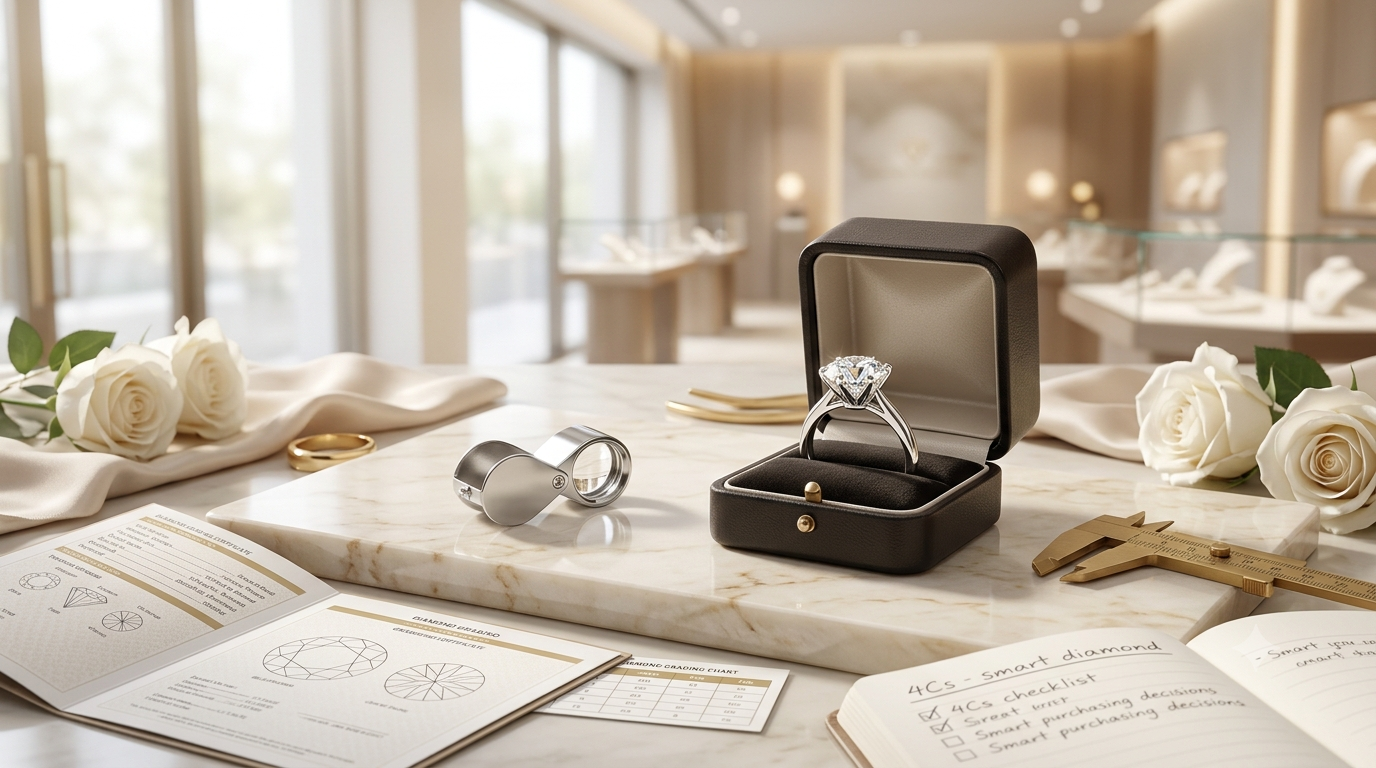
For a diamond specifically, ask for a grading report from a recognized laboratory such as GIA or IGI, and confirm the report number matches the stone you're buying.
Classic and modern details combine easily. A few examples:
A classic knife-edge band with an oval diamond
A traditional six-prong setting with a hidden halo underneath
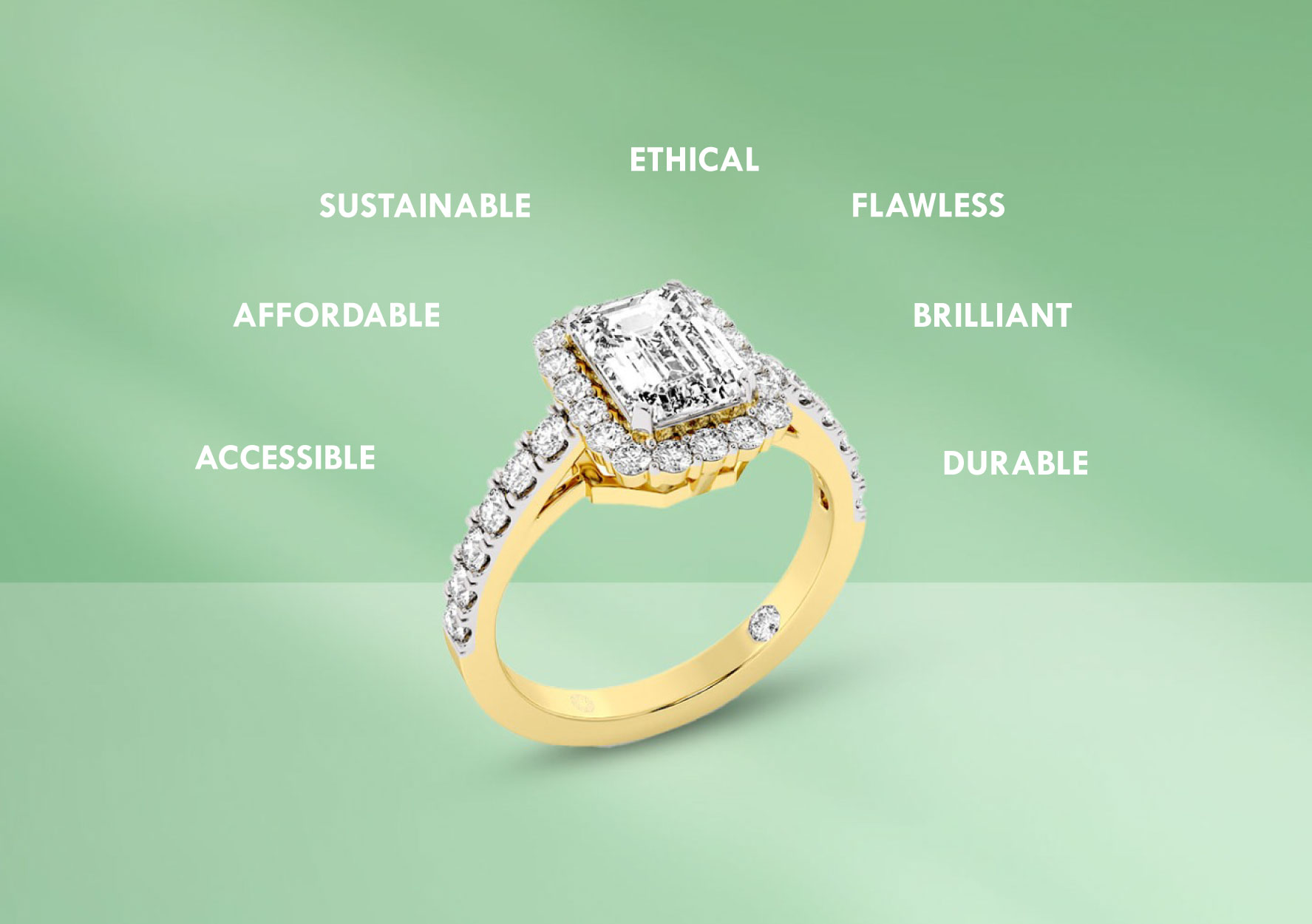
A plain yellow gold band with an emerald-cut stone
A round diamond in a modern mixed-metal band
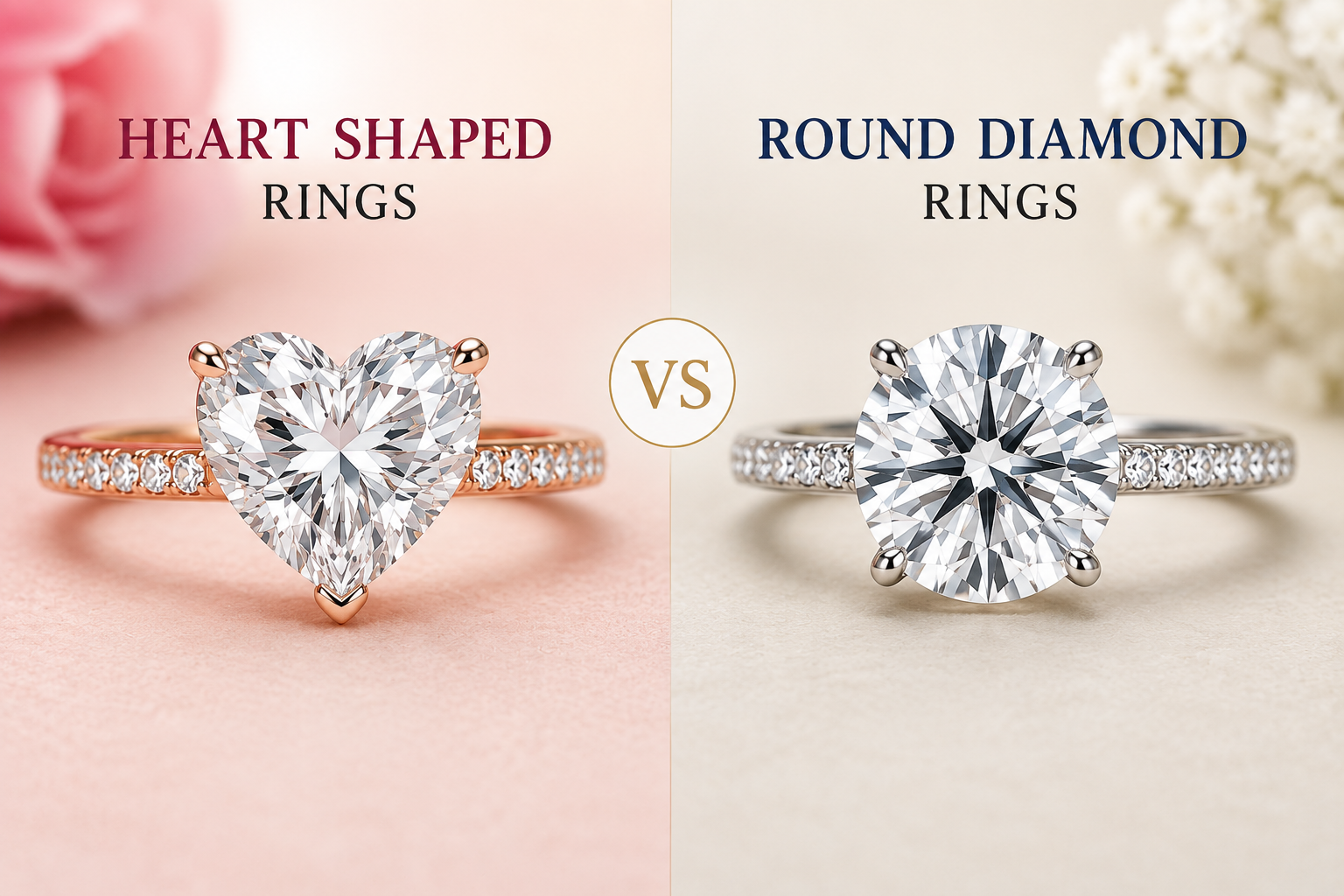
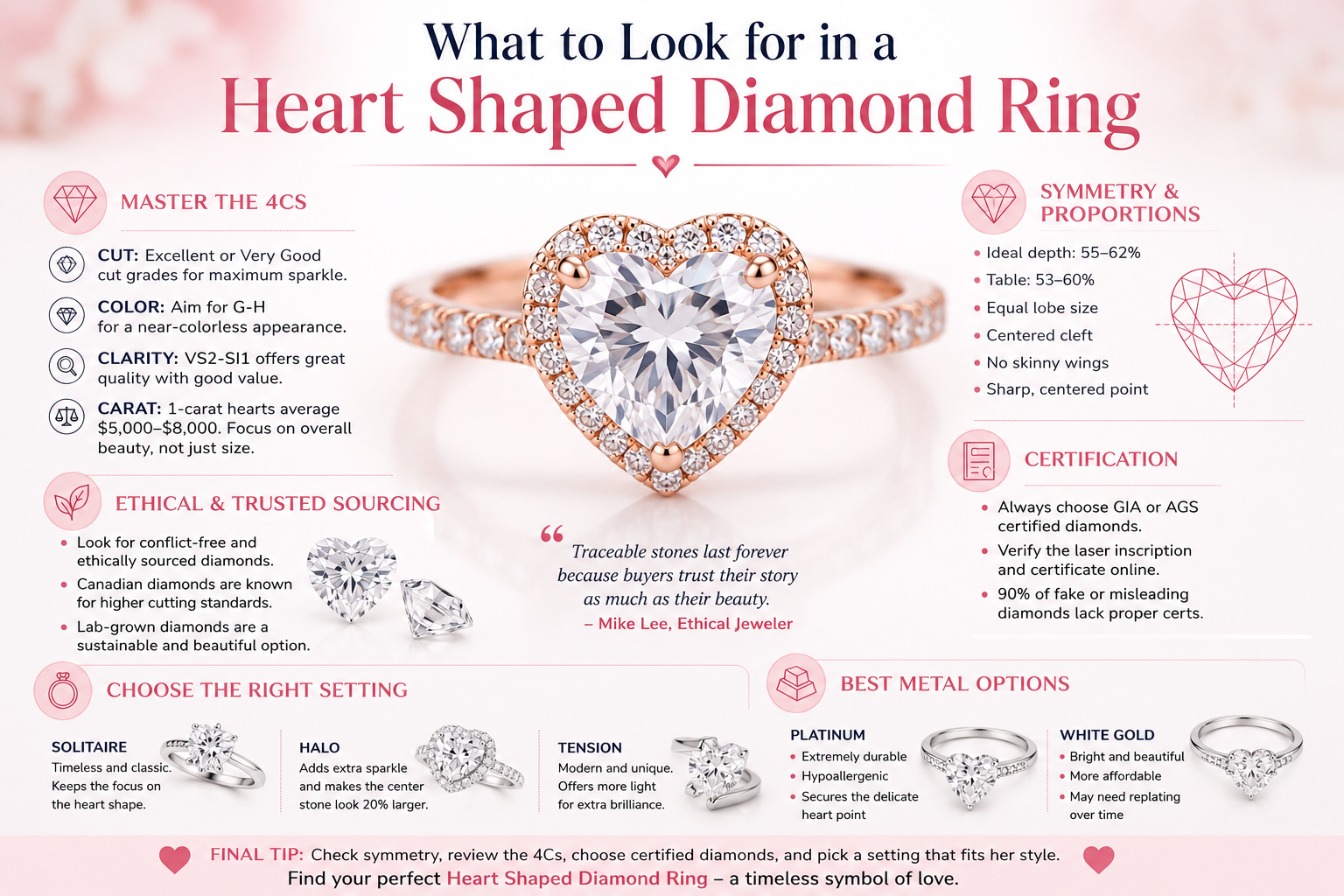
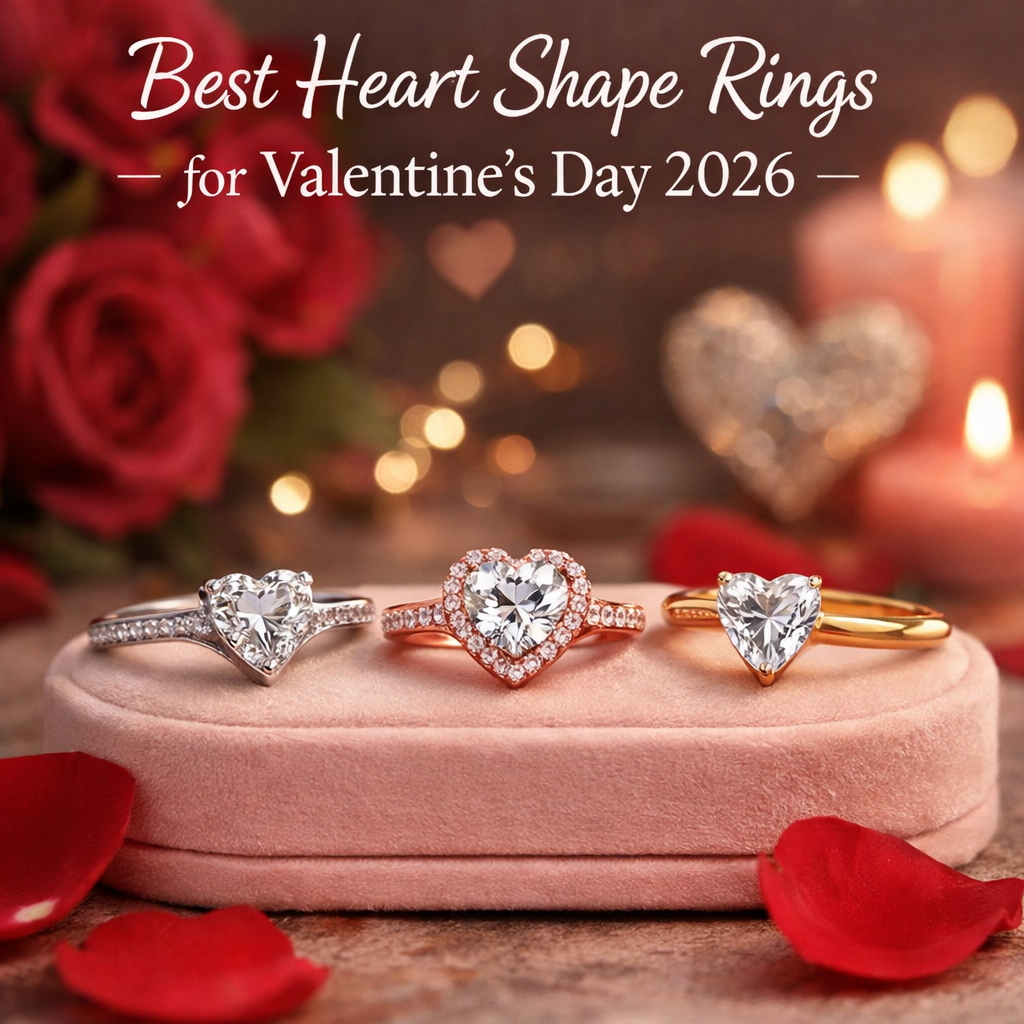
This hybrid approach works well if you love traditional jewelry but still want the ring to feel personal. If you're drawn to a more distinctive center stone, a heart shaped ring offers a romantic alternative to the round or oval solitaire. For more ideas on blending traditional and modern details, Signature Diamond Rings is worth a look.
A diamond can look noticeably different depending on the light around it. Jewelry store lighting is often designed to make stones sparkle more than they will elsewhere, while daylight, indoor lighting, and evening light each bring out different qualities in the stone.
Before you buy, look at the diamond under a few different lighting conditions rather than judging it only under a showroom spotlight. For more on this, see How Lighting Can Make or Break the Look of Your Diamond Ring.
Lean classic if you want timeless styling, a simple silhouette, and a ring that's easy to picture as an heirloom.
Lean modern if you want a distinctive diamond shape, a less traditional setting, or a band that feels more like a personal statement.
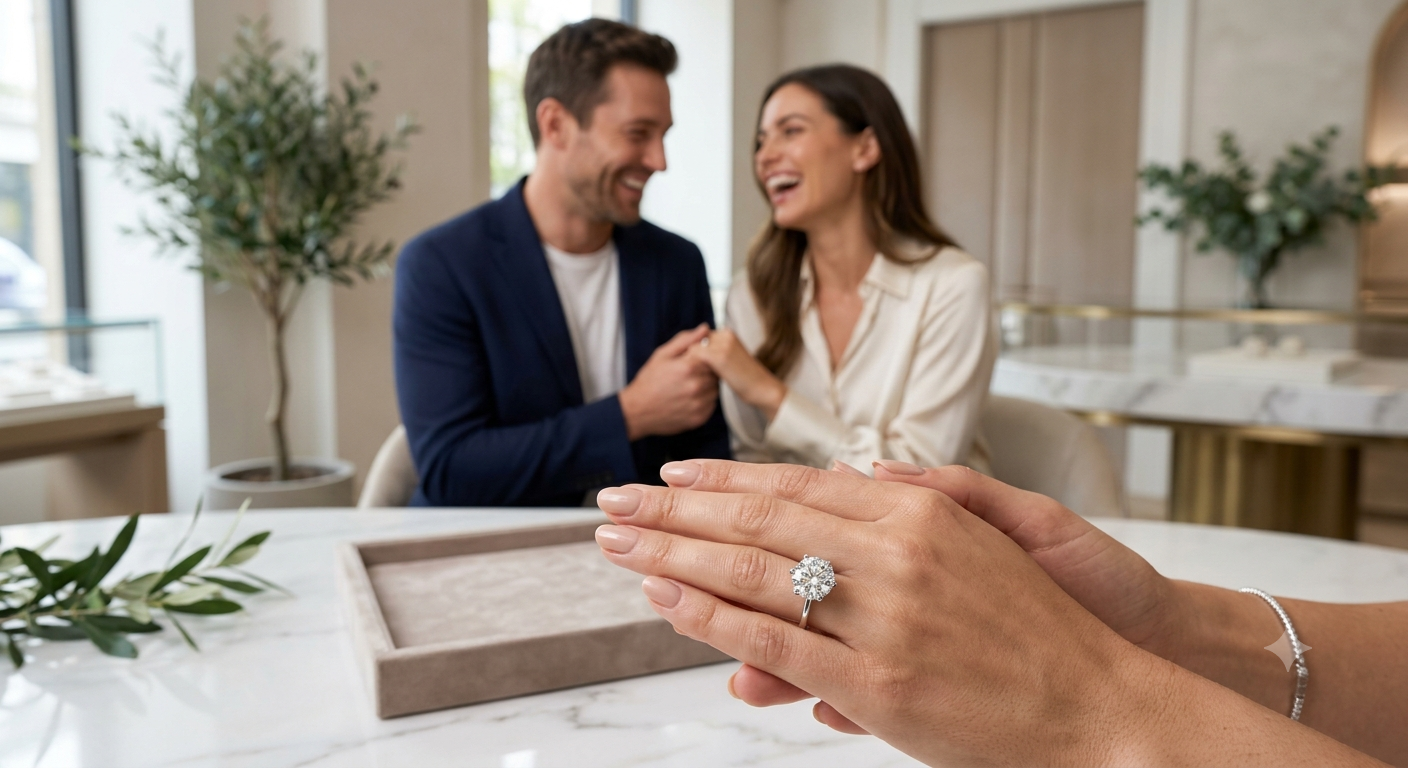
If you're genuinely torn, try both in person. The same diamond can look surprisingly different once the setting around it changes.
What is a solitaire ring?
A solitaire ring has one main center diamond or gemstone as its focus, usually with no large side stones on the band.
Are classic or modern solitaire rings better?
Neither is better across the board. A classic solitaire suits someone who wants timeless, simple jewelry. A modern solitaire suits someone who wants a distinctive shape or setting.
What diamond shape works best in a solitaire?
Round brilliant is the classic choice. Oval, emerald, pear, and other elongated shapes give a more modern look. The right shape comes down to personal taste and how it looks on your hand.
Are solitaire rings good for everyday wear?
Generally, yes, but the setting matters. High prongs can catch on clothing, while lower settings tend to hold up better for active days.
Are solitaire rings less expensive than other styles?
A simple solitaire setting can cost less than a ring with a halo or many side stones, but the final price still depends mostly on the center stone's carat, cut, color, and clarity.
Can a solitaire ring have a modern design?
Yes. Changing the diamond shape, setting height, or band style can give a solitaire a modern feel without losing the single-stone focus.
Can I use a lab-grown diamond in a solitaire setting?
Yes. Lab grown diamonds work in the same settings as mined diamonds and often cost less for a comparable size and quality.
Which solitaire setting is best for active hands?
Lower-profile and bezel settings generally sit closer to the finger and are less likely to snag than a high-prong setting.
Can a solitaire ring be customized?
Yes. Diamond shape, metal, band style, prong count, and setting height can all be adjusted, and classic and modern elements can be combined.
How do I care for a solitaire ring?
Clean it on the schedule your jeweler recommends, and have the prongs and any pavé stones checked periodically for wear.
A classic solitaire leans on simple lines, traditional proportions, and a look that's stayed recognizable for well over a century. A modern solitaire gives you more room to express your own taste — a different diamond shape, an east-west setting, mixed metals, or a hidden halo.
Neither one is the "correct" choice. Try both in person, look at the diamond under different lighting, and move your hand around while wearing each ring before deciding. The right solitaire ring is the one that fits your hand, your budget, your daily life — and, most of all, feels like you.

 Round
Round Pear
Pear Heart
Heart PRINCESS
 Oval
Oval CUSHION
 EMERALD
 MARQUISE
 Asscher
 RADIANT
 Ashth CUT
 ROSE CUT
 BRIOLETTE
 SINGLE CUT
 TRAPEZIUM
 TULIP
TULIP TRIANGLE
 BUTTERFLY
 FLOWER
 MOVAL
MOVAL CLOVER
 BAGUETTE
 9KT ASHTH CUT
 9KT MARQUISE
 9KT PEAR
 9KT RADIANT
 9KT EMERALD