Ashth - Where Exceptional Craftsmanship Defines Modern Luxury !

- Rings
- Earrings
Shop By Category
- Bangles/ Bracelets
Shop By Category
- Necklaces
Shop By Category
- Pendants
Shop By Category
- ASHTH LITE
Shop By Category
.jpg)
- Collections
Collections
Shop By Category
Shop By Category
Shop By Category
Shop By Category
Shop By Category
Collections
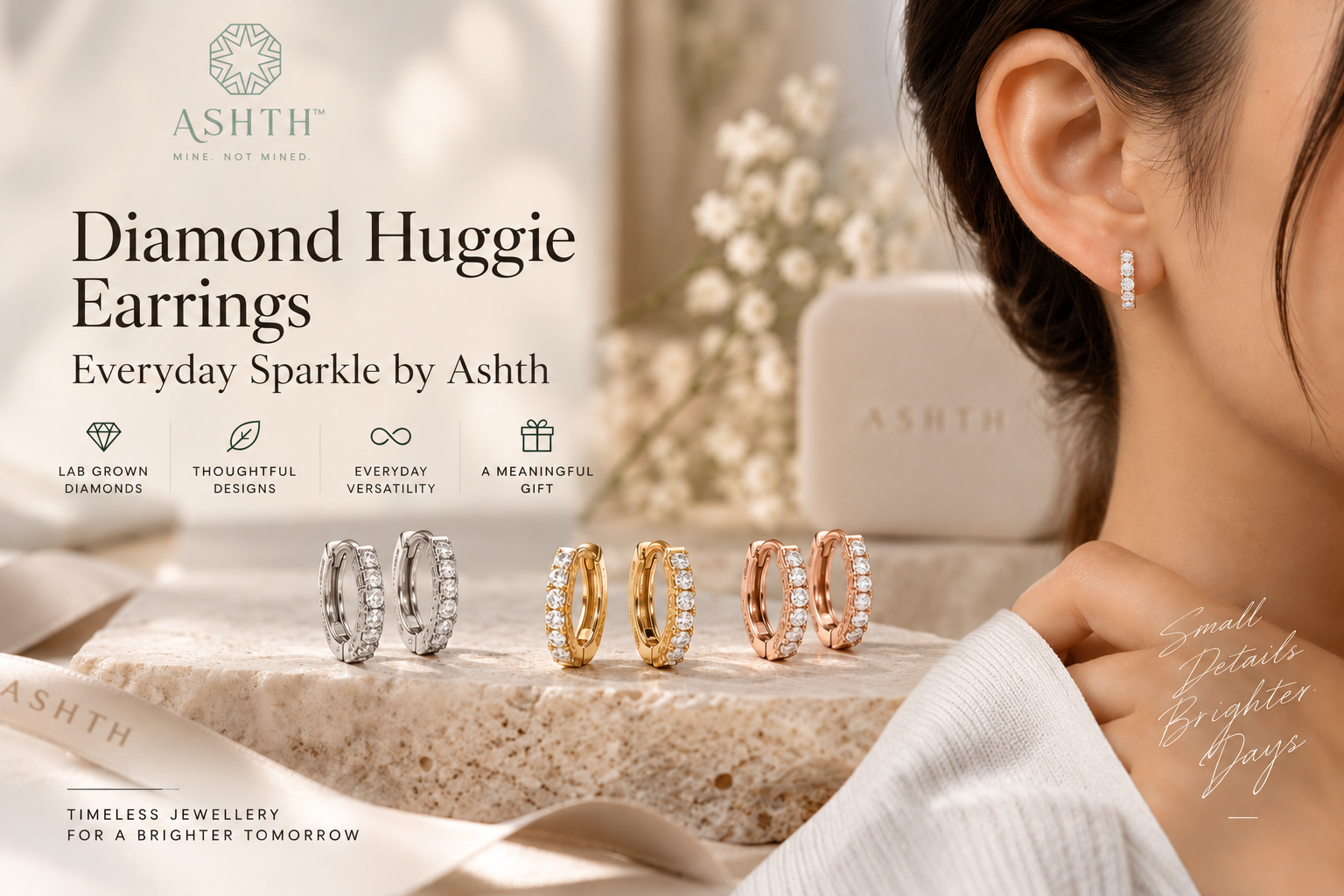
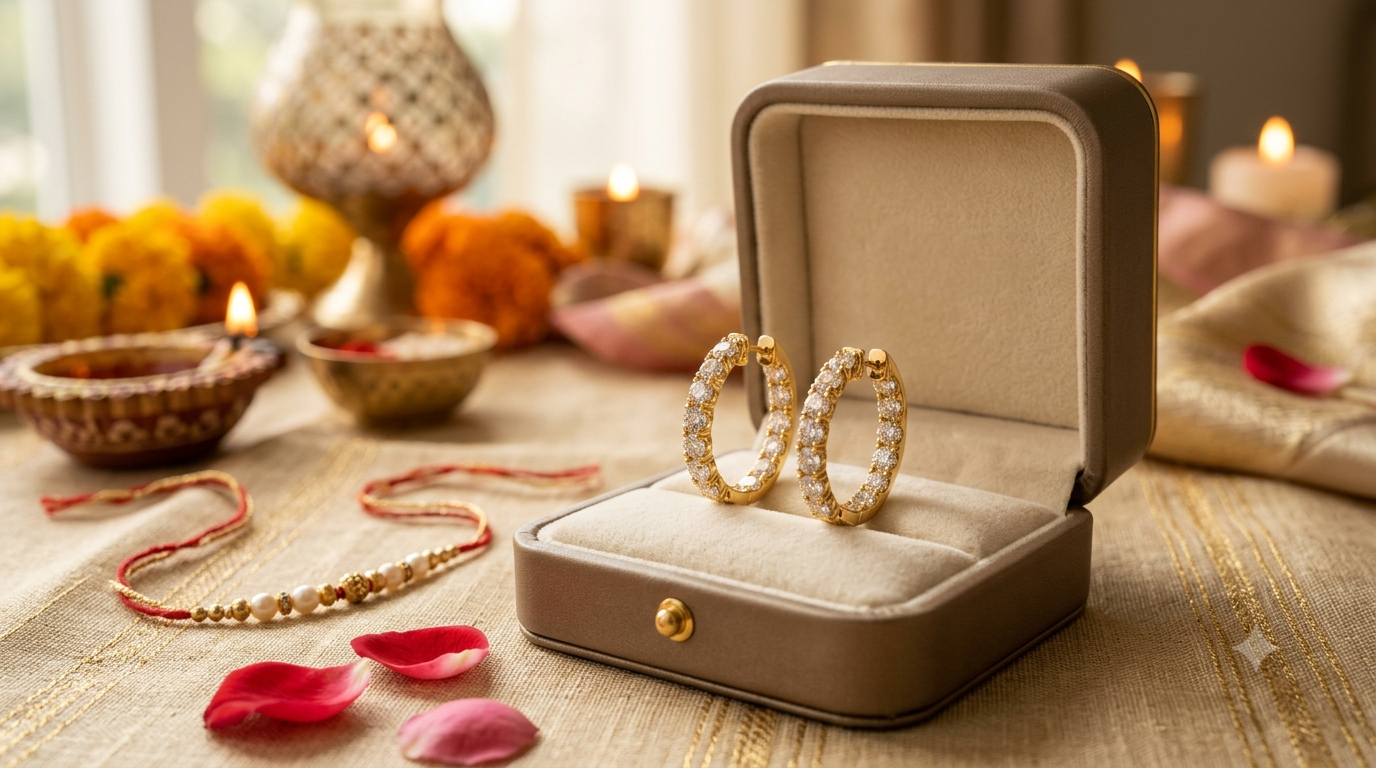
Hoop diamond earrings can make a simple outfit look polished in seconds. They frame the face, add sparkle, and work with almost any style. You can wear a small pair to the office, medium hoops with jeans, or large hoops for an evening event.
But choosing the right pair is not always easy.
A hoop that looks beautiful in a product photo may feel too heavy on your ears. A large hoop may get caught in long hair, while a tiny hoop may not give you the look you wanted. The right hoop diamond earring should match your face, hairstyle, wardrobe, daily routine, and budget.
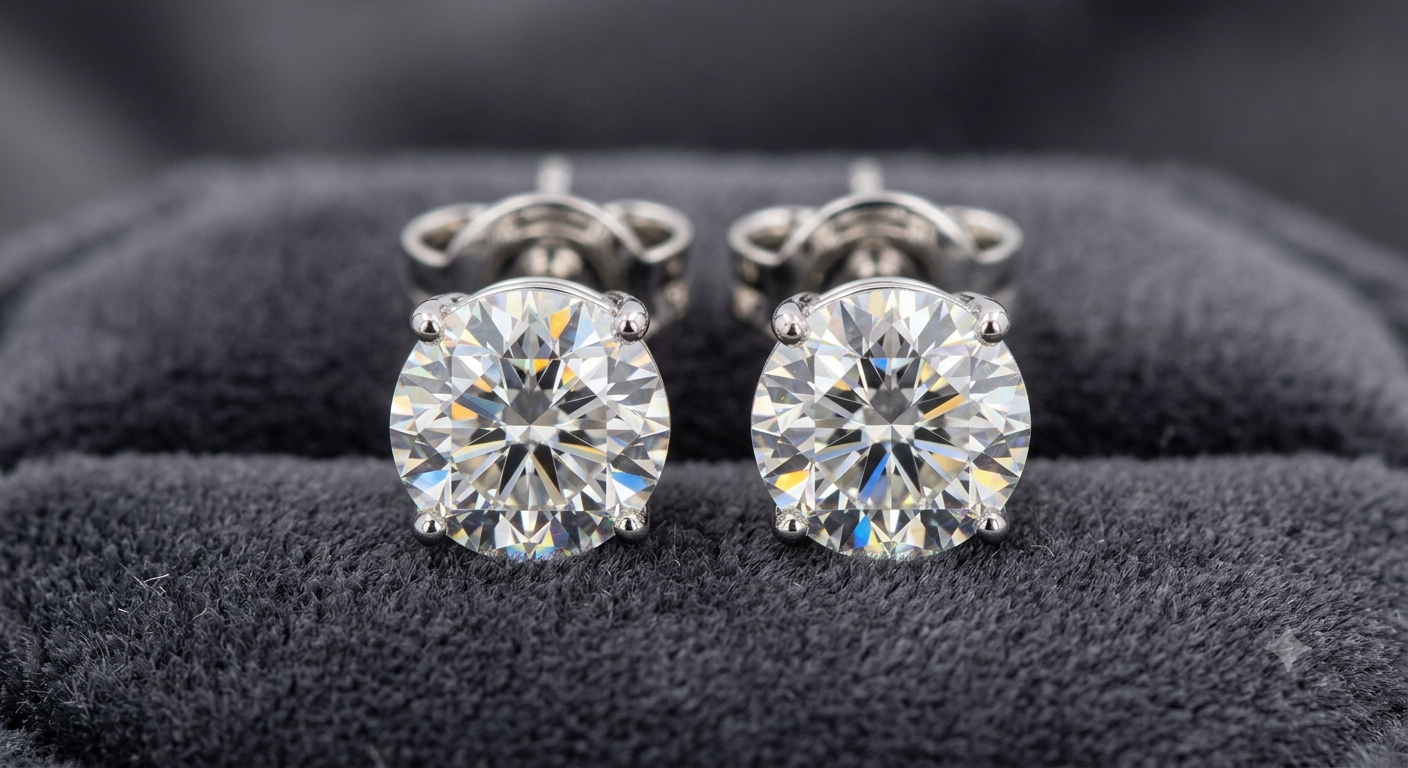
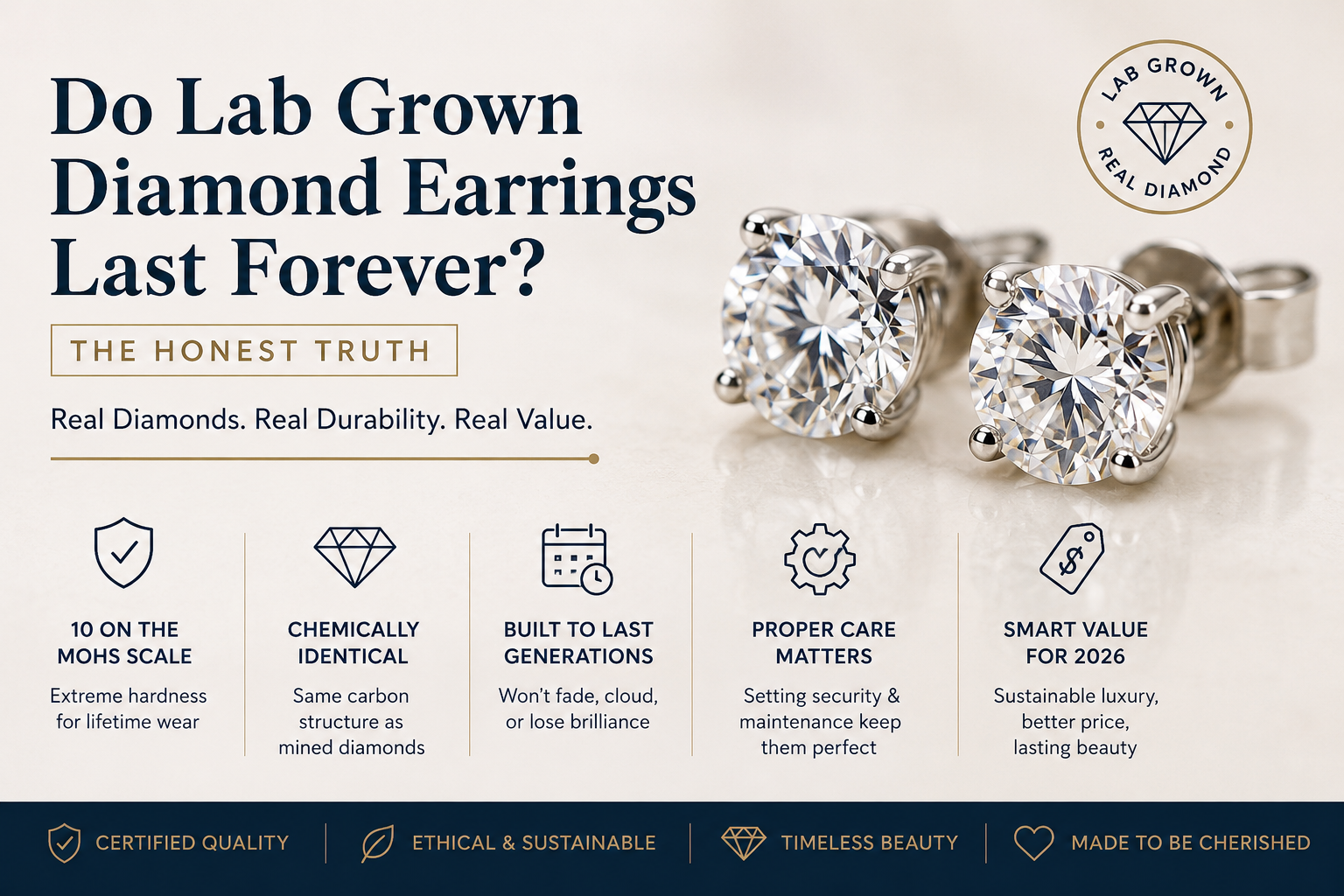
Before you look at the price, start with size, diamond quality, metal, comfort, and design. A round brilliant diamond, for example, usually has 57 or 58 facets, which help create its sparkle. Diamond also ranks 10 on the Mohs hardness scale, although even a hard diamond can still chip if it receives a strong impact.
Small hoops and huggies are usually around 8–15 mm. They sit close to the ear and offer a subtle touch of sparkle.
They are a great choice if you have short hair because they add detail without taking over your look. They also work well with multiple piercings, office clothing, and simple everyday outfits.
For a first diamond purchase, small hoops can also be a practical starting point. For example, someone who wants a little sparkle at work might choose 10 mm diamond huggies with a low-profile setting.
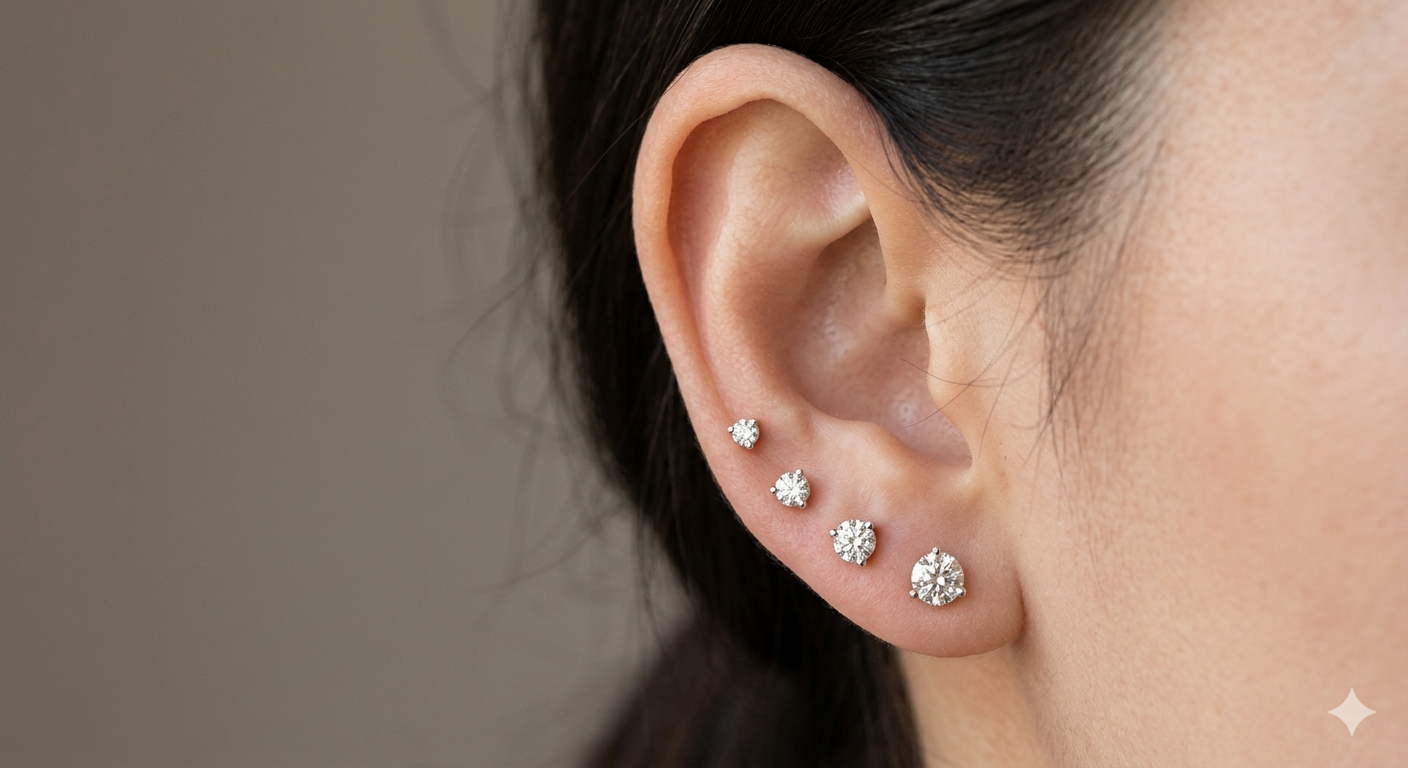
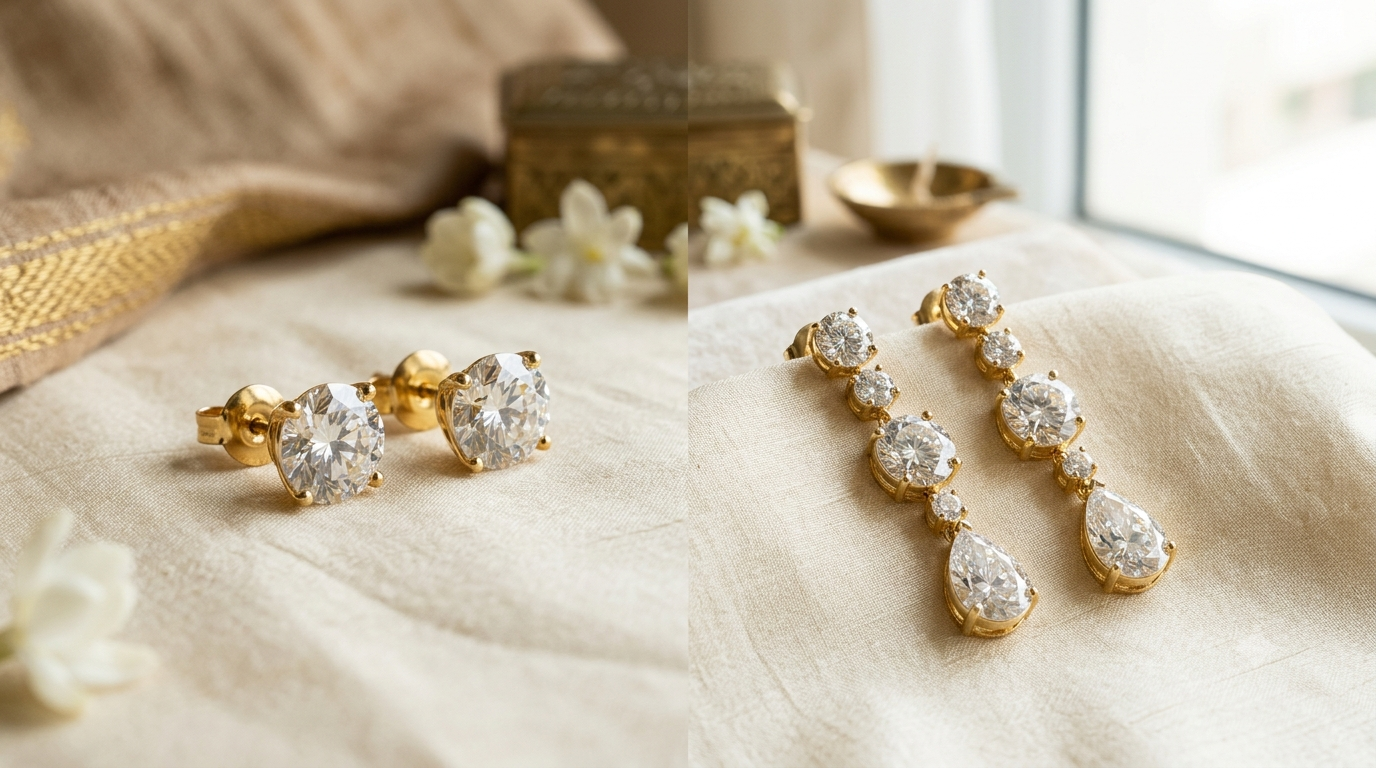
They can also work beautifully in a second piercing. If you already wear small diamond studs, adding tiny hoops to another piercing can create a clean layered look. For another everyday option, you can also compare them with small diamond stud earrings when deciding how much sparkle you want.
Medium hoops, around 20–35 mm, are often the easiest size to wear with different outfits.
They can work with jeans and knitwear during the day and with dresses or formal shirts in the evening. They frame the face without becoming the main focus of your outfit.
Pay attention to the thickness too. Thin hoops look light and refined. Thick hoops create a stronger fashion statement.
If you want one pair that can move easily from casual to formal dressing, medium hoops are worth considering.
Large hoops, starting at around 40 mm, create a more noticeable look. They can work especially well with simple outfits, sleek ponytails, and modern wardrobes.
However, size is only one part of the decision. Check the weight before buying. A 50 mm solid gold hoop may feel much heavier than a hollow design of the same diameter.
Also check the clasp, the position of the hoop on your lobe, and whether your hair or clothing may catch on the design.
For example, someone with long hair may choose 50 mm diamond hoops made with hollow gold. This can create the look of a large hoop without adding unnecessary weight.
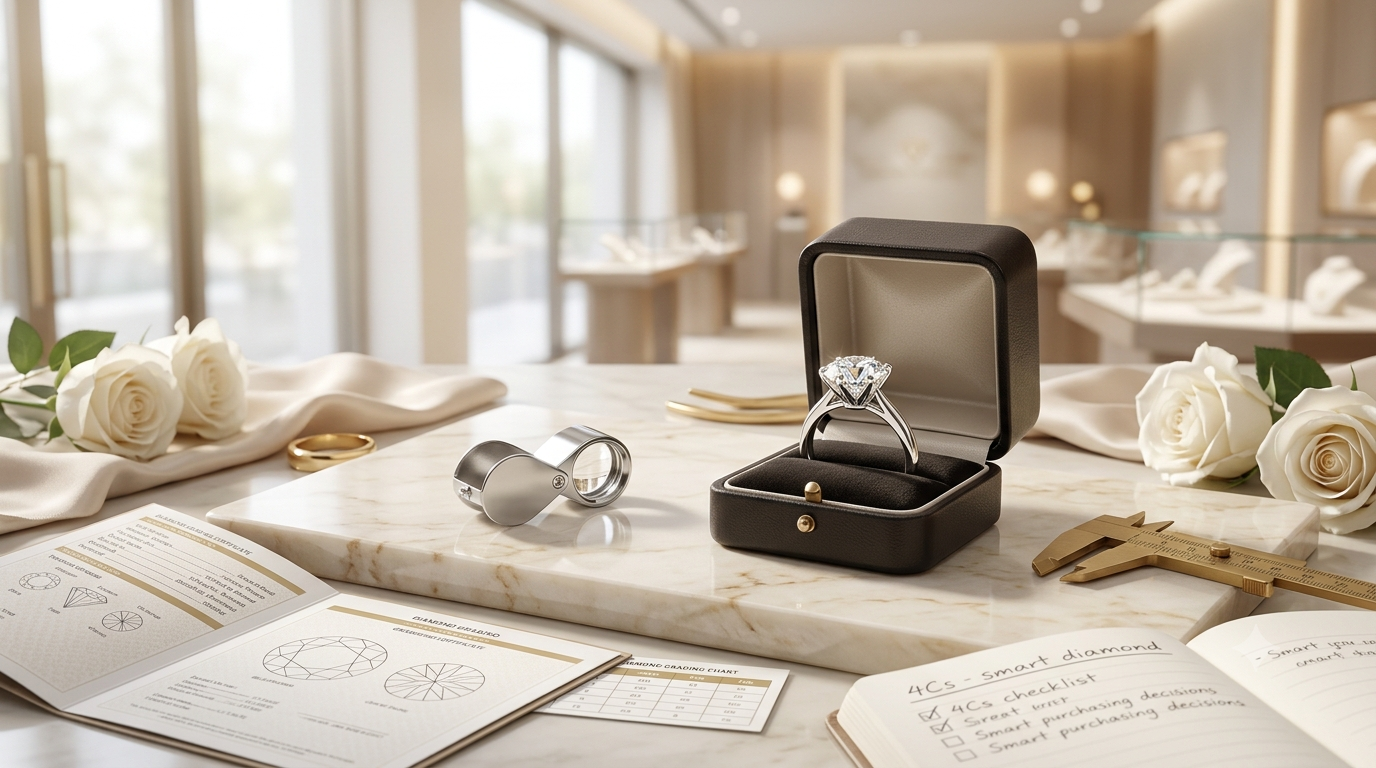
The four Cs are cut, color, clarity, and carat weight. Together, they help describe a diamond's quality.
In simple terms:
Cut affects how the diamond handles light and how much it sparkles.
Color describes how much color is visible in the diamond.
Clarity describes internal and external characteristics.
Carat measures diamond weight, not beauty or size by itself.
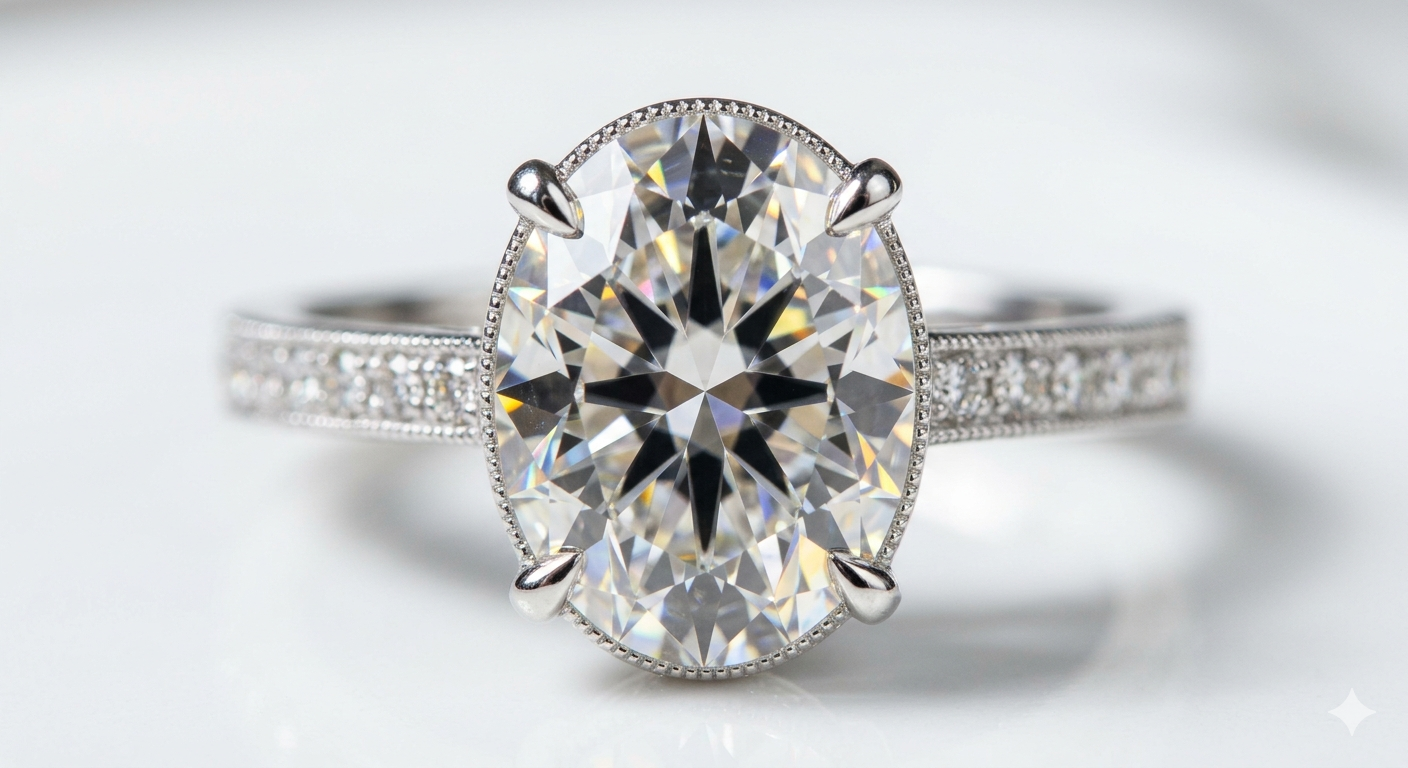
For small diamonds used in hoop earrings, cut deserves close attention because good cutting can help small stones look bright and lively. GIA notes that cut quality plays a major role in a diamond's brightness, fire, and scintillation.
Also check the total carat weight. If a pair is listed as 1.00 carat total weight, it may contain 0.50 carat in each earring. Always confirm whether the stated weight is for one earring or the complete pair.
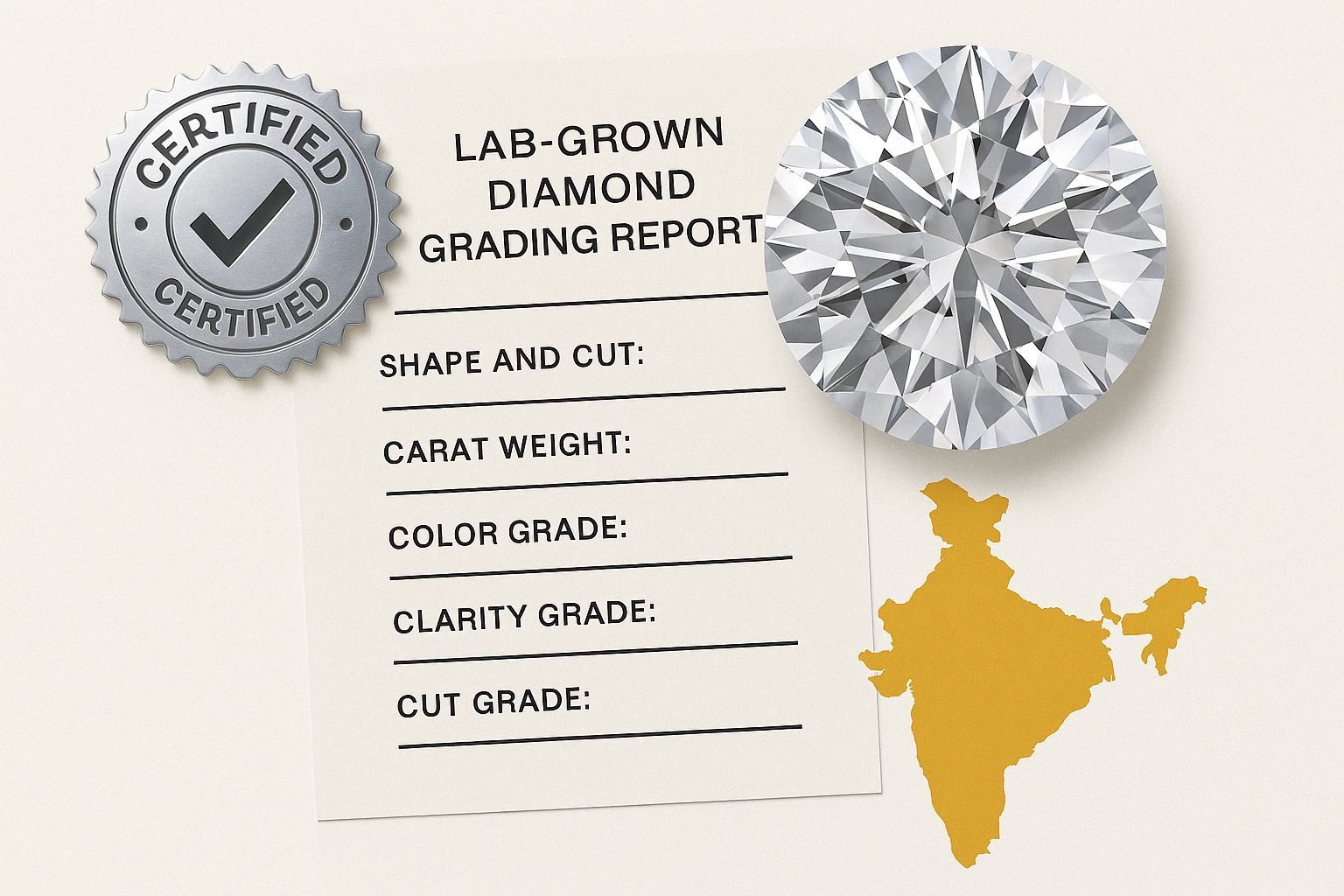
Before buying, review the diamond measurements, look at photos or videos in different lighting, and confirm whether the diamonds are natural or lab-grown. For larger or more valuable stones, ask for appropriate grading documents.
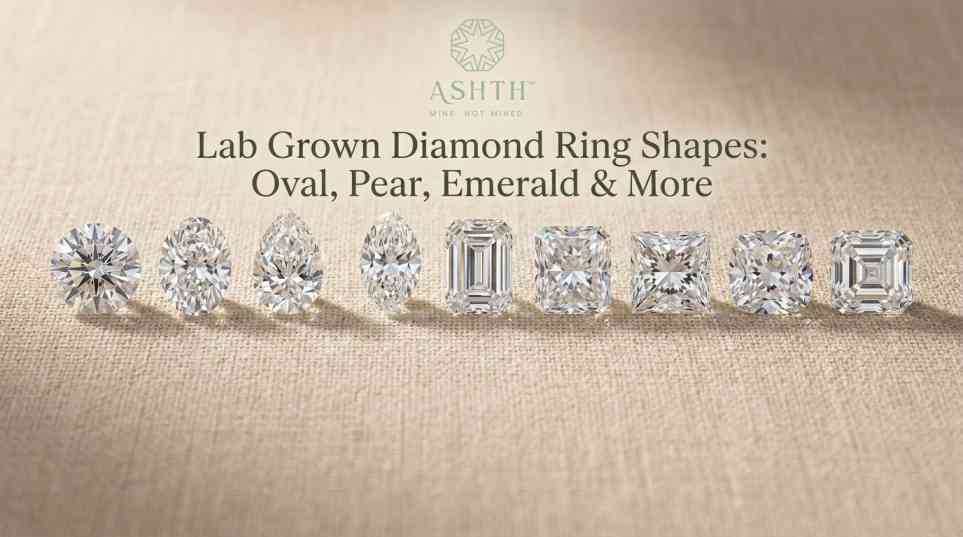
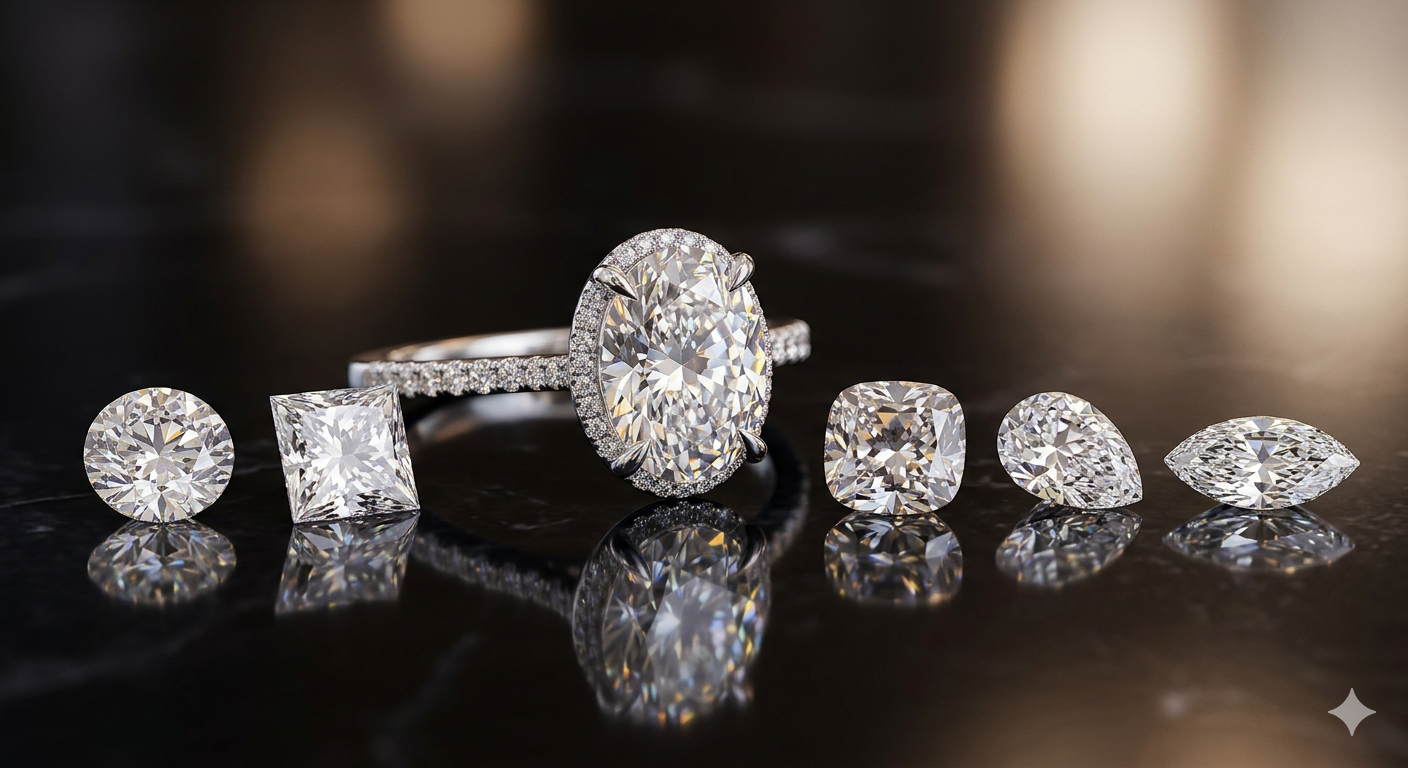
Round diamonds are a classic choice for hoops. Their shape gives a traditional and easy-to-match appearance.
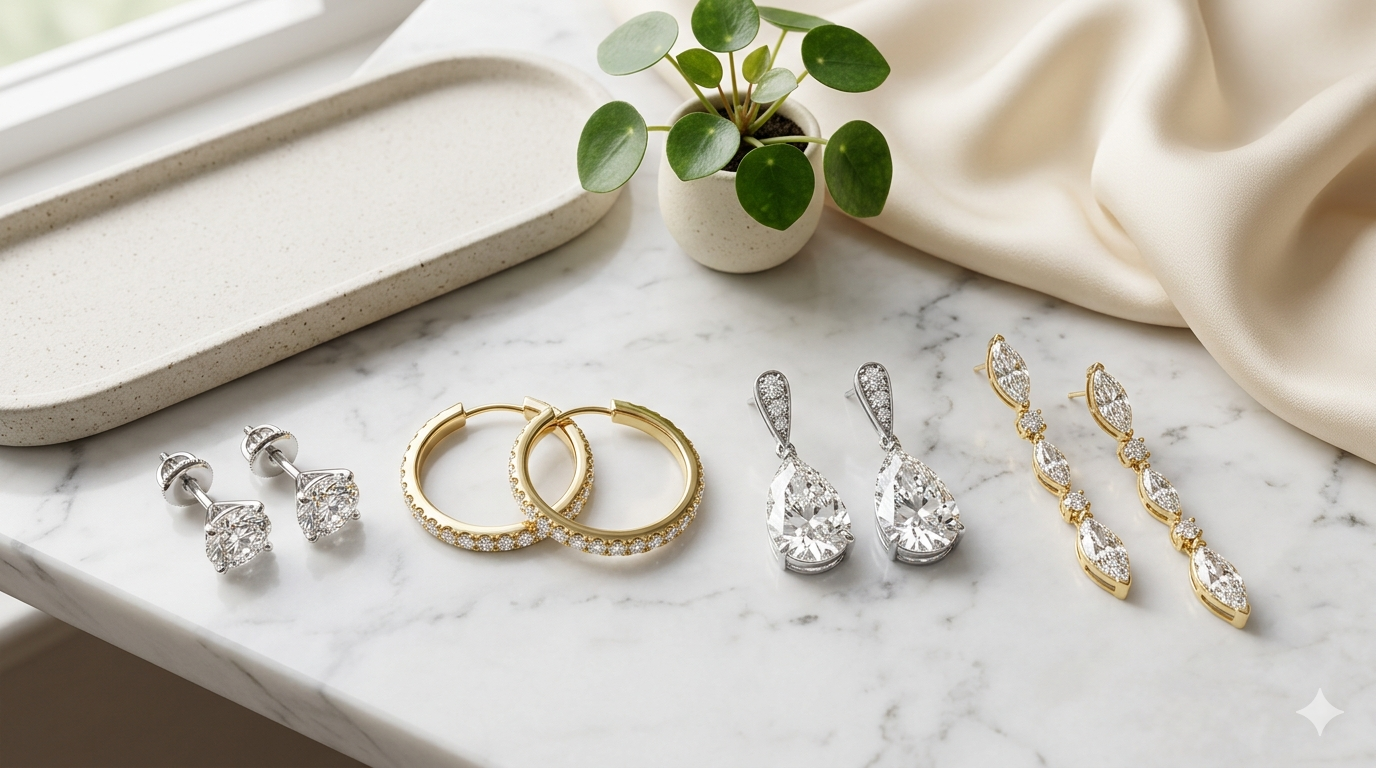
Baguette diamonds create a clean, modern line. Pear and marquise shapes can add movement, while princess cuts can create a sharper geometric appearance.
Think about the overall design. Round diamonds can soften a thick hoop. Baguettes may work better with a structured, modern wardrobe.
You can also mix shapes for a more fashion-focused look. A buyer who likes simple jewelry may prefer evenly spaced round diamonds, while someone with a more creative style may enjoy alternating round and baguette stones.
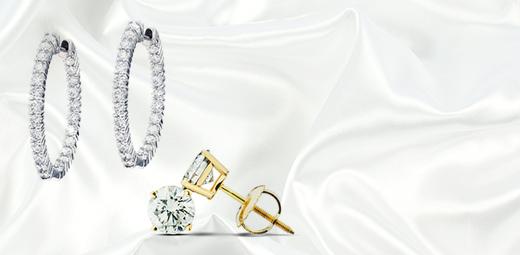
Matched diamonds give hoops a polished and classic appearance. They are also easy to wear with necklaces, rings, and other fine jewelry.
Mixed stone layouts create more texture and visual interest. There is no single correct choice. The important thing is that the design matches your normal style.
If you already like unusual combinations, a two stone earring style may also help you explore mixed diamond designs before choosing a hoop.
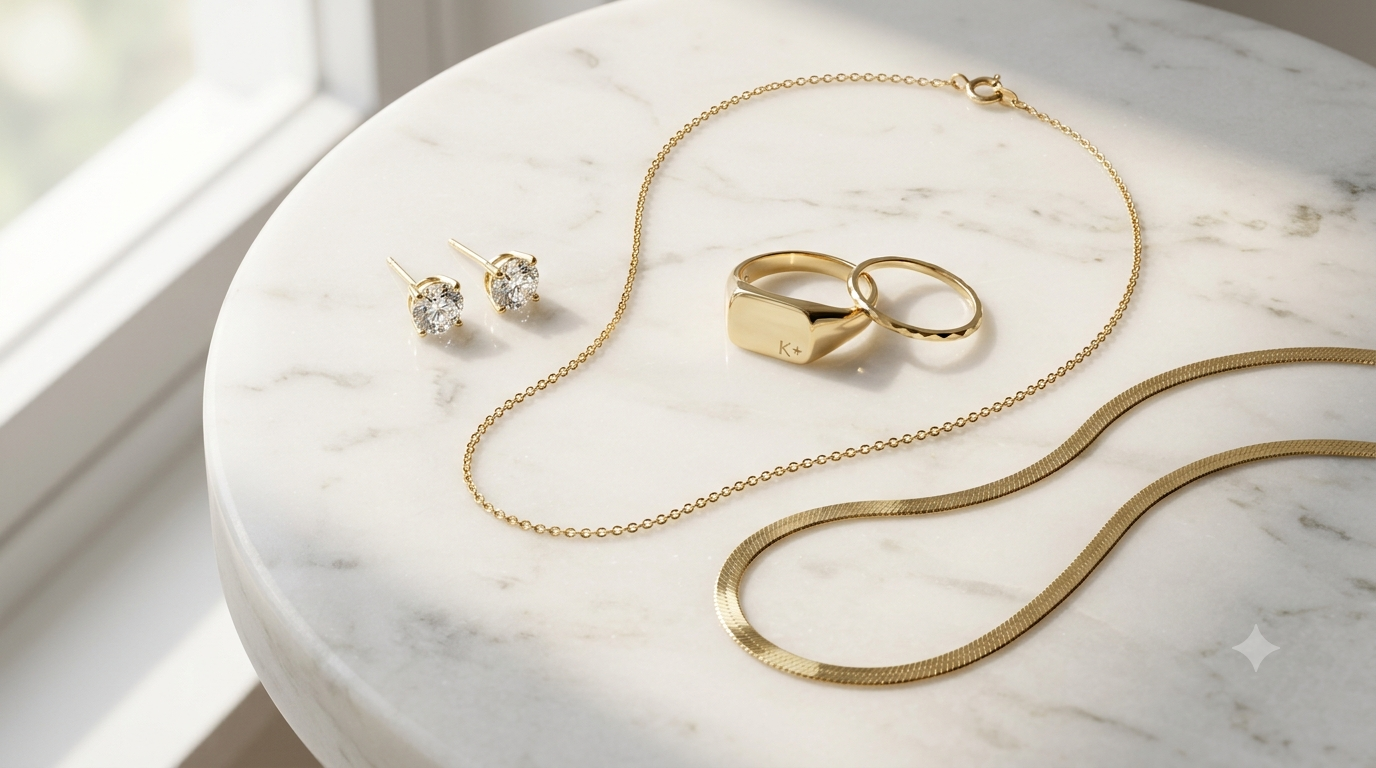
Yellow gold has a warm and timeless appearance. White gold looks clean and understated, while rose gold has a softer and more romantic tone.
Your existing jewelry can help you decide. Look at your wedding band, watch, necklace, or other earrings. Matching metals creates a coordinated look, but mixing metals can also create a relaxed and modern style.
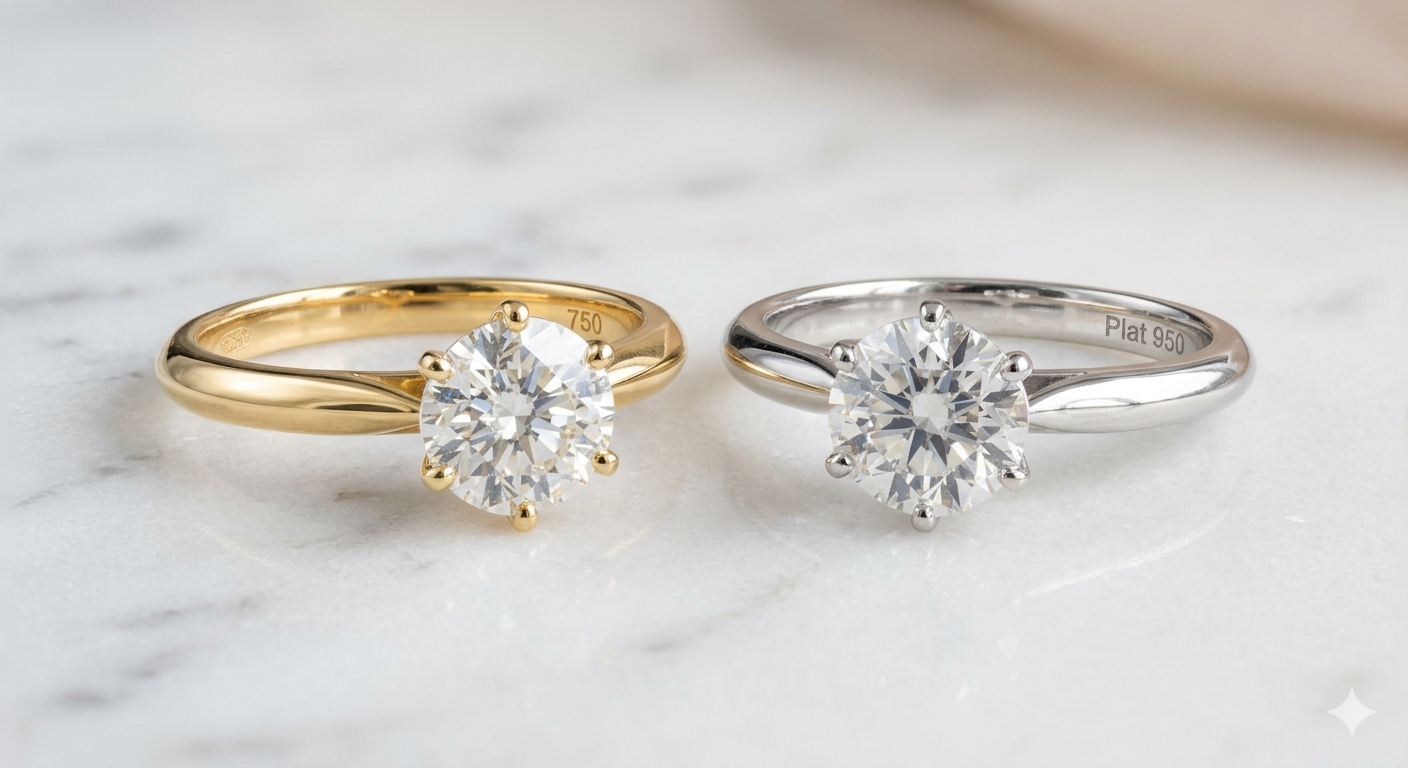
Gold purity matters too. Pure gold is 24 karat, but it is usually too soft for many jewelry designs made for frequent use. 18-karat gold contains 75% gold, while 14-karat gold contains about 58.3% gold.
If you choose white gold, ask whether it has rhodium plating and how often the finish may need to be renewed. GIA notes that rhodium plating can wear away over time.
If you have sensitive skin, ask about the metal alloy before buying. Some white gold alloys can contain nickel, so it is useful to ask about nickel content and the exact alloy used.
Solid gold, platinum, or certified nickel-free options may be worth considering if you know certain metals irritate your skin.
When trying a new pair, pay attention to comfort. If you notice redness, itching, swelling, or irritation, remove the earrings and seek appropriate medical advice if the reaction continues.
The metal finish can change the entire appearance of a hoop.
Polished metal reflects more light and works well with classic clothing. Brushed metal has a softer, more modern appearance. Hammered finishes add texture and can suit a more artistic or relaxed wardrobe.
Weight is especially important with large hoops.
Heavy earrings can pull on the earlobe and become uncomfortable during long wear. Hollow designs can reduce weight, while thin profiles may feel easier for everyday use.
Ask the seller for the total weight of the pair in grams. You can also try similar-sized costume hoops before buying fine jewelry. This gives you an idea of how the size feels on your ears.
A beautiful hoop is not useful if its closure is difficult to use or does not feel secure.
Common closures include hinged snap backs, latch backs, screw backs, and click closures.
Check that:
The closure clicks firmly into place.
The hinge moves smoothly.
There is no visible gap after closing.
You can remove the earrings without forcing them.
For expensive earrings, a secure closure is especially important. Some buyers may also prefer an additional safety back or security chain.
Before buying, ask about cleaning, repairs, warranty coverage, insurance documents, and diamond replacement terms.
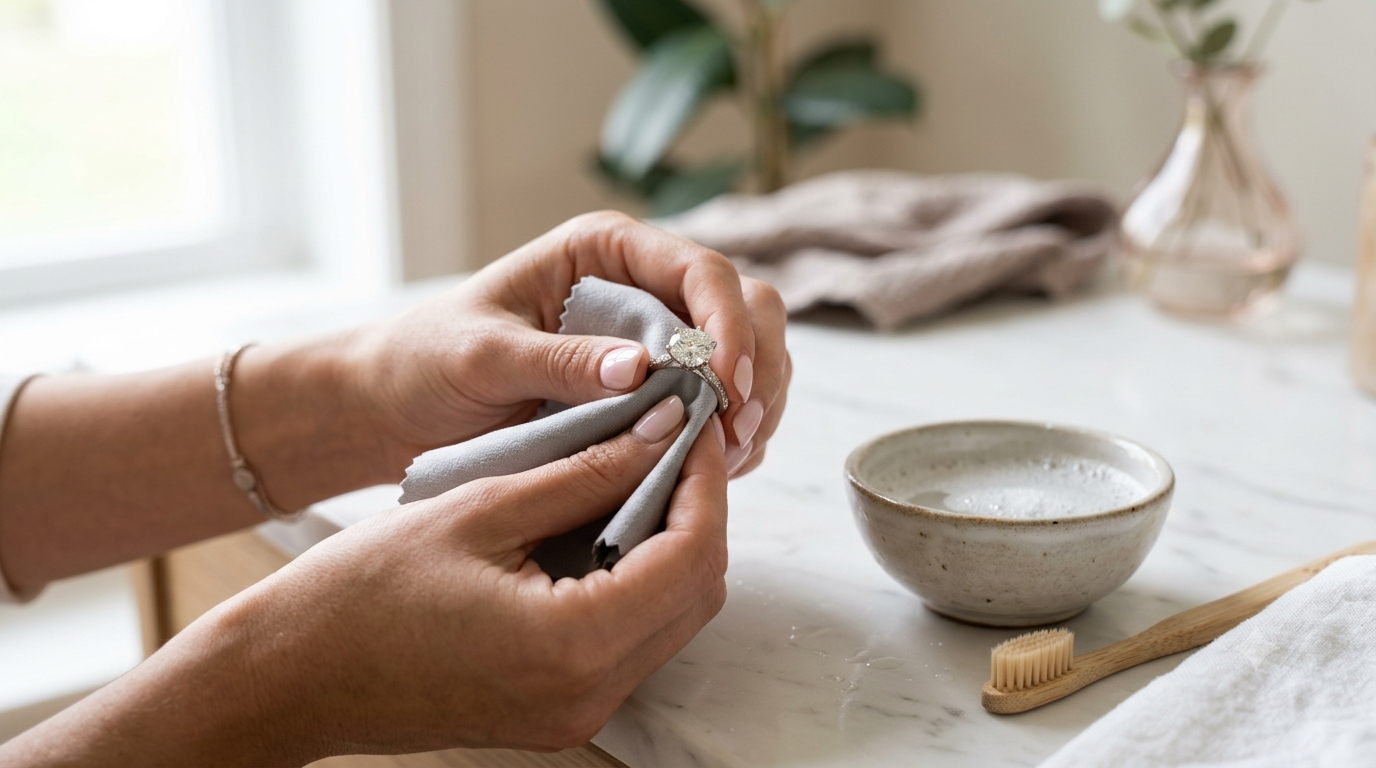
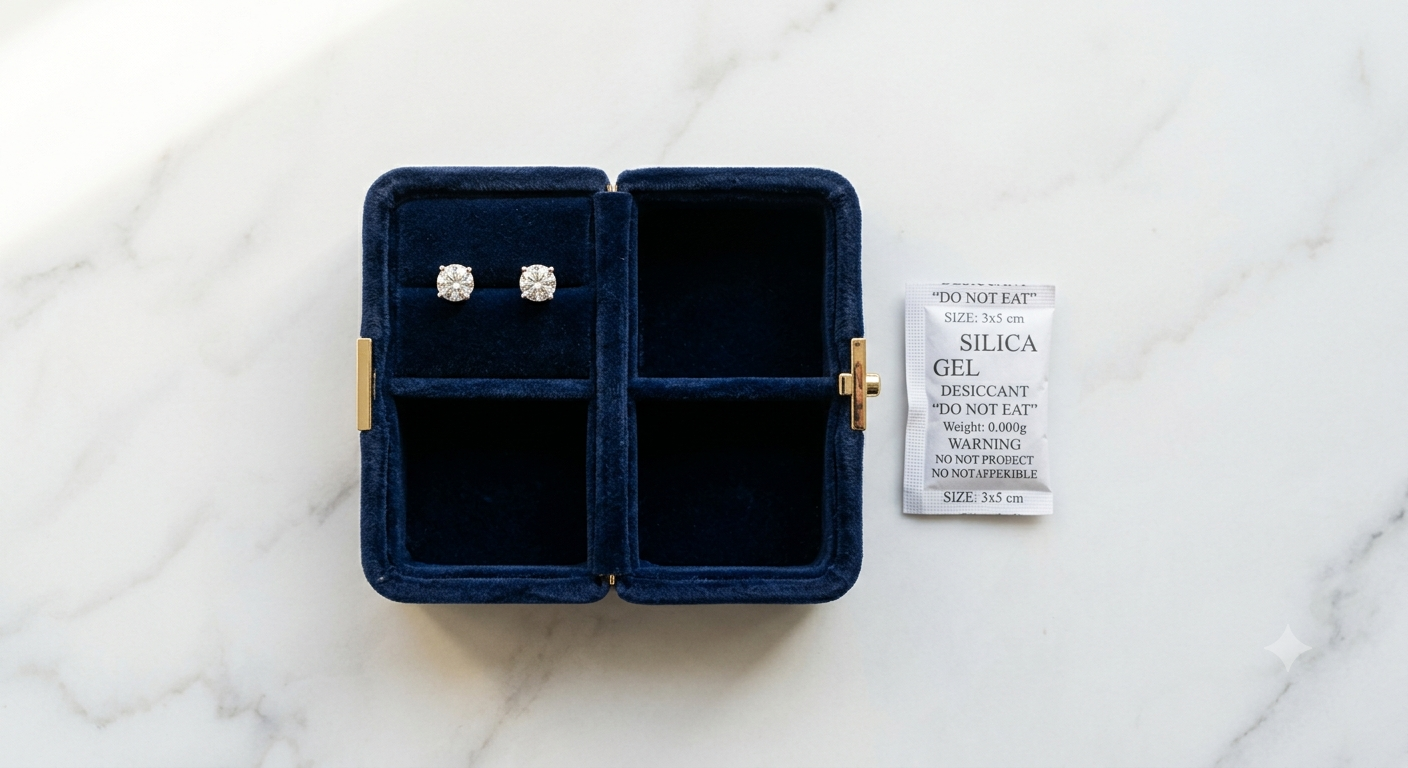
At home, store each hoop in a soft pouch or jewelry box. Keep earrings away from perfume, lotion, and chlorine. Check the clasps regularly and clean the earrings gently according to the seller's instructions.
Good construction and clear diamond documentation can help support the long-term value of a piece. However, resale prices can vary widely and are often lower than the original retail price.
Set your total budget before you start comparing designs. Remember that you are paying for more than the diamonds. Your budget may include the metal, craftsmanship, setting, certification, and insurance.
Then decide what matters most.
Do you want maximum sparkle? A larger hoop? Natural diamonds? Lab-grown diamonds? Premium metal? Everyday comfort?
For example, lab-grown diamonds may allow you to choose a larger-looking design within the same budget. A buyer who prefers natural diamonds may instead choose smaller stones with good cutting and a classic setting.
If you want to explore lab-grown options, compare the specifications rather than looking only at the price. A guide to lab grown diamond earring styles can also help you understand how different designs fit different budgets.
Do not judge a pair only by its diamond carat weight.
Compare:
Total diamond carat weight
Gold or platinum purity
Total earring weight
Natural or lab-grown diamond origin
Diamond quality
Setting style
Craftsmanship
For example, an entry-level budget may suit small lab-grown diamond huggies. A mid-range buyer may look at medium 14-karat gold hoops. A premium buyer may consider larger natural diamonds set in 18-karat gold or platinum.
Prices can change based on the brand, diamond quality, metal, design, and market conditions in 2026.
If you are shopping in India, it is also useful to compare local pricing and certification details. For more guidance, see Affordable Lab Grown Diamond Earrings in India: How to Buy Beautifully Without Overspending.
Before you pay, confirm:
Exact hoop diameter
Total diamond carat weight
Diamond origin
Metal purity
Total pair weight
Closure type
Return period
Warranty terms
Grading or quality documents
Do not rely only on product photos. Ask for exact specifications, measurements, and additional images or videos when needed.
Keep your receipt, product details, appraisal documents, and care records after purchase. These can be useful for insurance, repairs, returns, or future resale.
The perfect hoop diamond earring is not simply the biggest or most expensive pair. It is the pair that fits your style, face, routine, and budget.
Here is a simple guide:
Classic: Round diamonds with medium yellow-gold hoops
Minimalist: Small white-gold diamond huggies
Modern: Baguette or geometric diamond hoops
Bold: Large, lightweight hoops with secure clasps
Romantic: Rose-gold hoops with softer diamond shapes
Start with size and comfort. Then look at diamond quality, metal, setting, security, and price.
Most importantly, choose earrings you will actually wear. A well-made pair that feels comfortable and works with your everyday wardrobe can become a signature piece for years.
When shopping, look beyond the brand name. Check the diameter, weight, metal purity, diamond details, and closure. The best choice is the one that looks beautiful, feels secure, and earns a regular place in your jewelry collection.

 Round
Round Pear
Pear Heart
Heart PRINCESS
 Oval
Oval CUSHION
 EMERALD
 MARQUISE
 Asscher
 RADIANT
 Ashth CUT
 ROSE CUT
 BRIOLETTE
 SINGLE CUT
 TRAPEZIUM
 TULIP
TULIP TRIANGLE
 BUTTERFLY
 FLOWER
 MOVAL
MOVAL CLOVER
 BAGUETTE
 9KT ASHTH CUT
 9KT MARQUISE
 9KT PEAR
 9KT RADIANT
 9KT EMERALD