Ashth - Where Exceptional Craftsmanship Defines Modern Luxury !
We provide the best Quality of products to you.We are always here to help our lovely customers.
©2026 Ashth. All Rights Reserved | Managed & Developed by Weingenious Technocrats.


Shop By Category
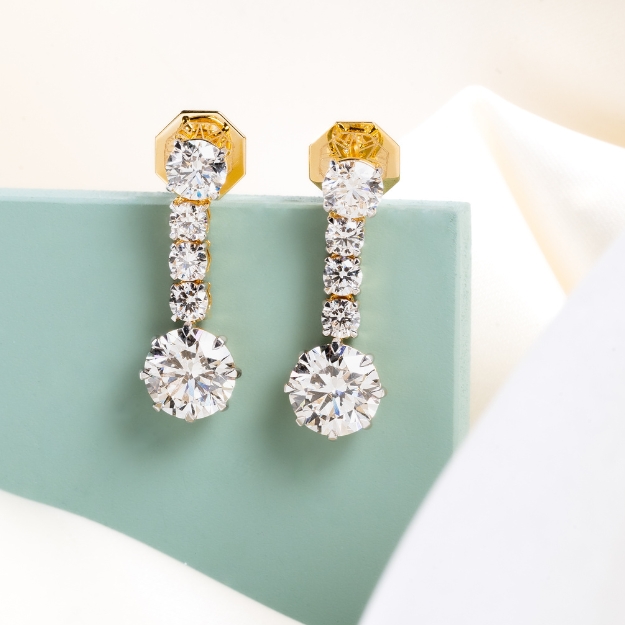
Shop By Category
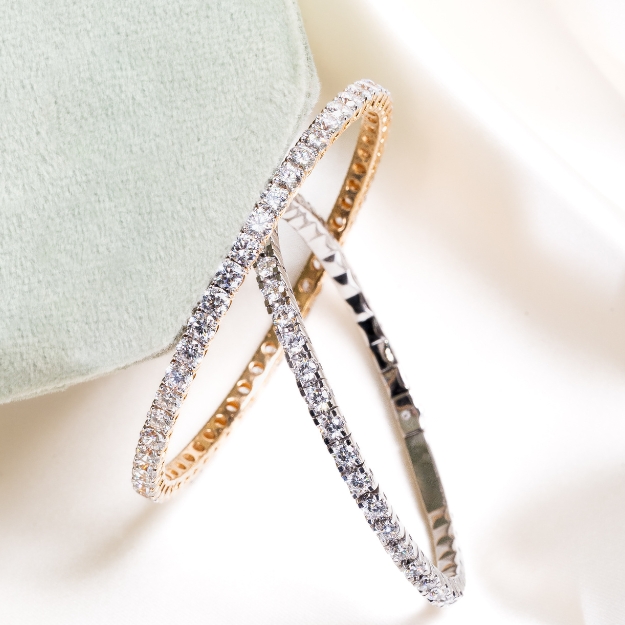
Shop By Category
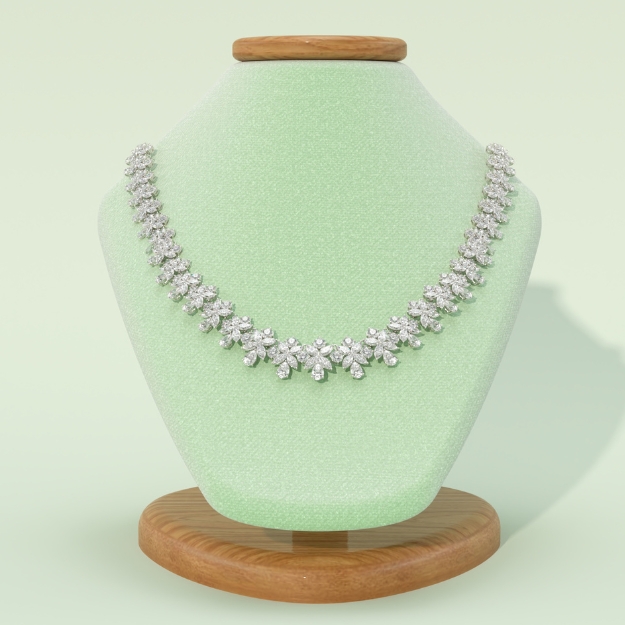
Shop By Category
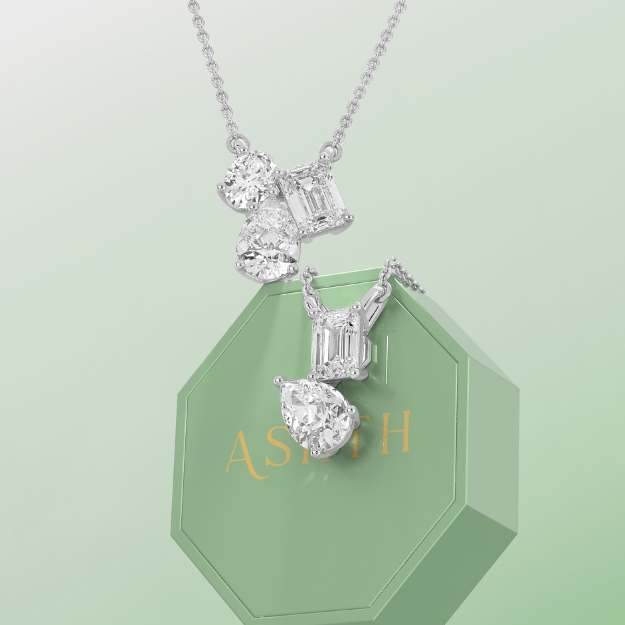
Shop By Category
Collections
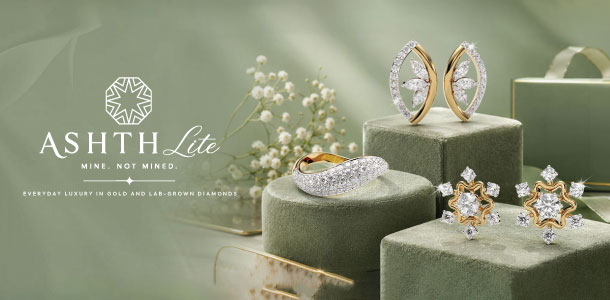
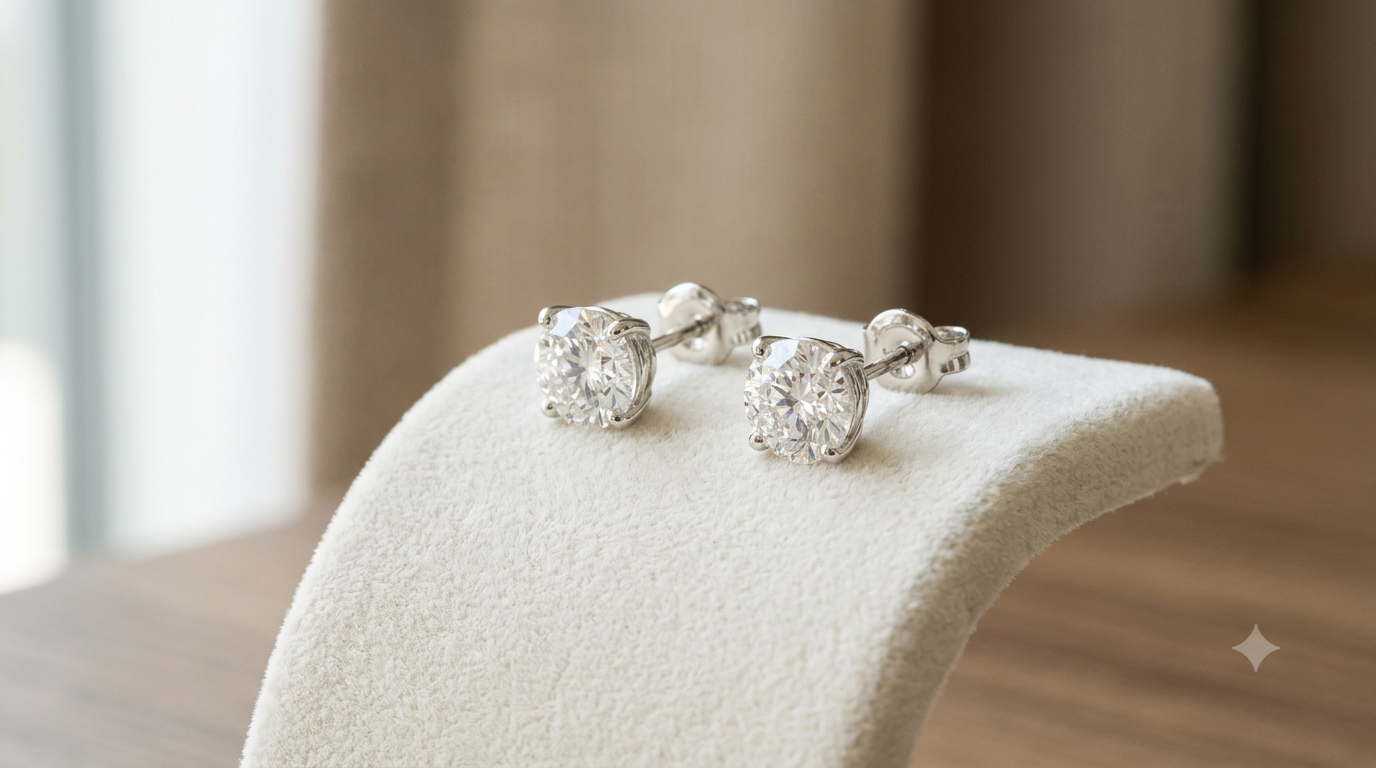
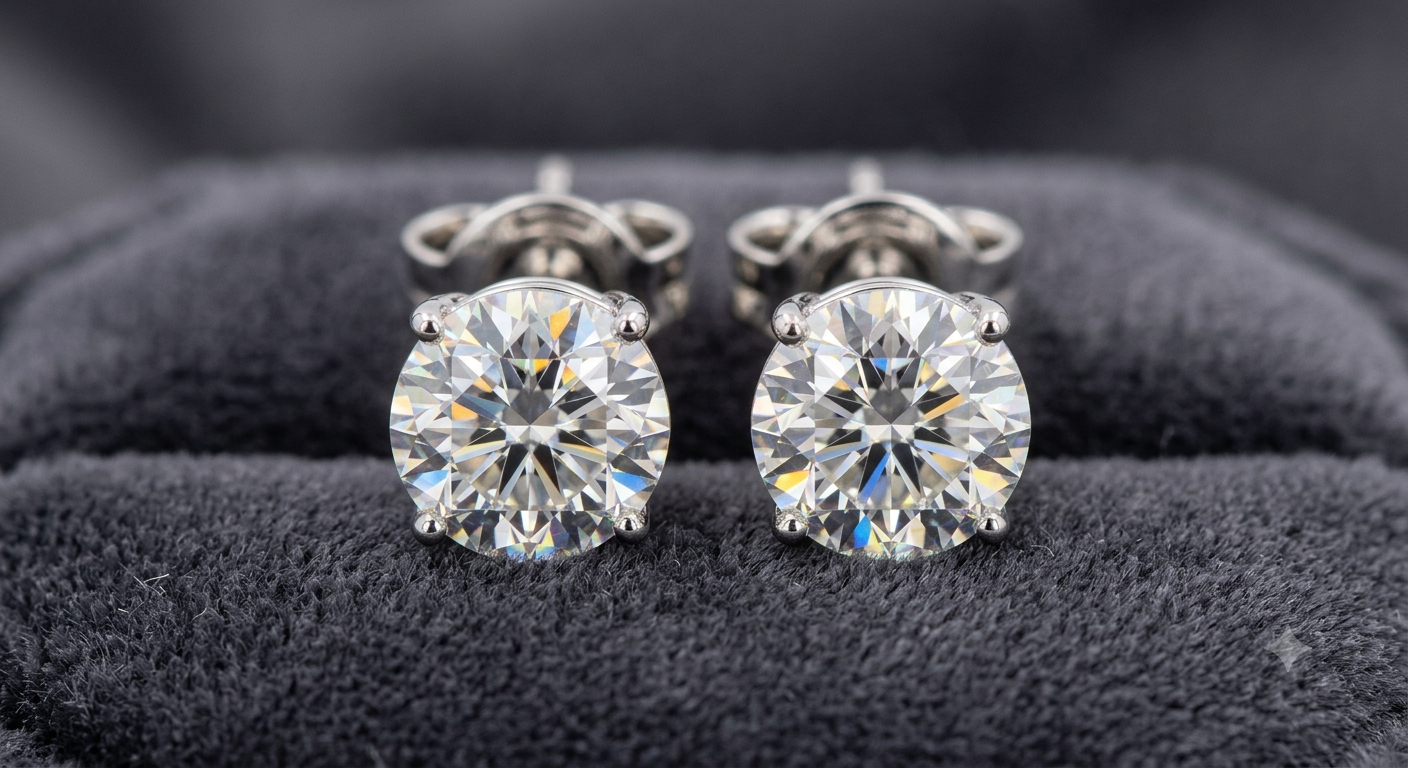
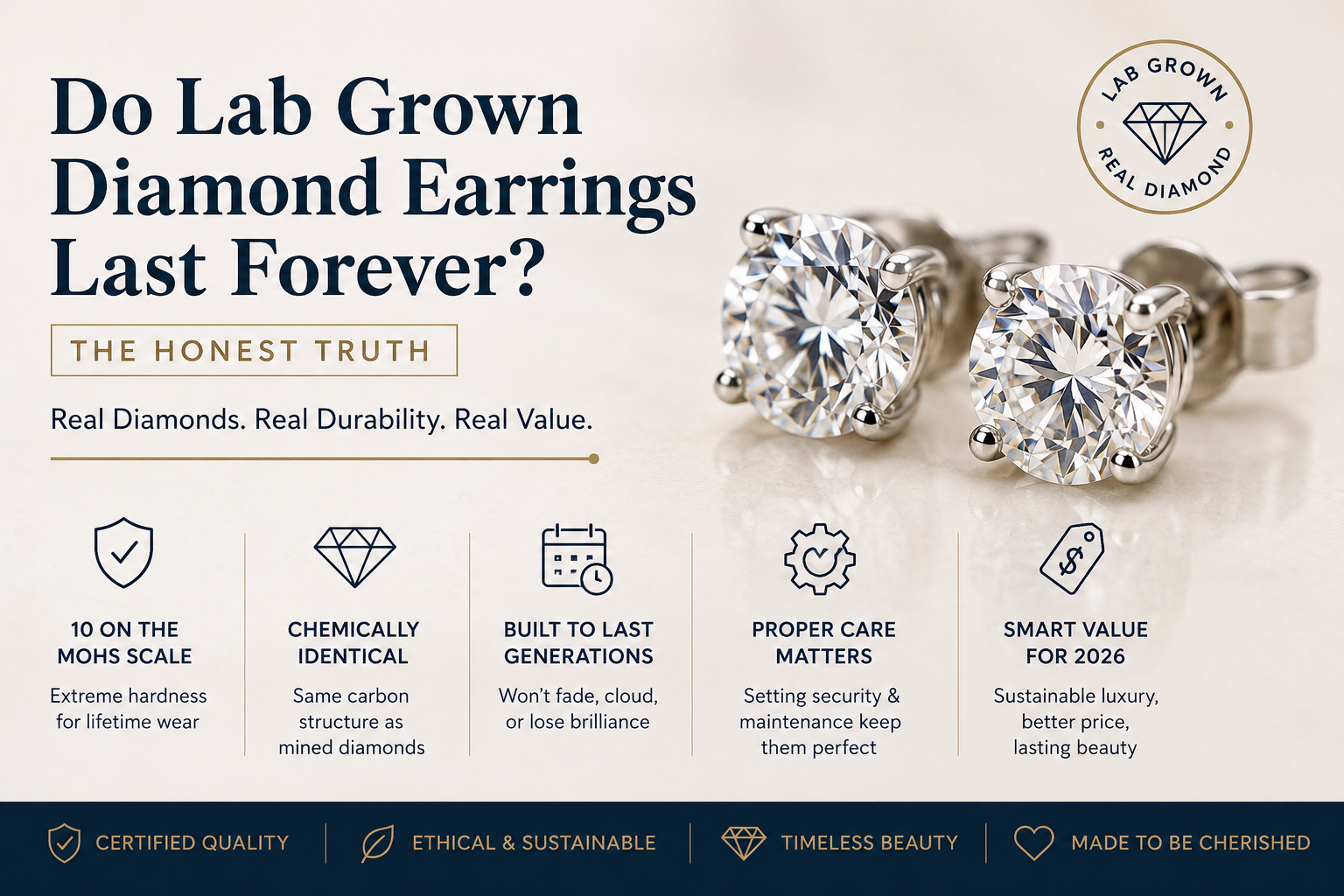
Lab Grown Diamond Earrings are becoming a popular choice for people who want beautiful diamond jewellery at a more affordable price. But how much should you actually spend on a pair?
You may find two pairs of diamond stud earrings that look almost the same, but their prices can be very different. One pair may cost ₹35,000, while another may cost ₹1,00,000 or more.
So, what makes the difference?
The price depends on several factors, including diamond size, quality, metal type, design, and brand. In this guide, we will explain the typical prices, what affects the cost, and how to choose the right pair for your budget.
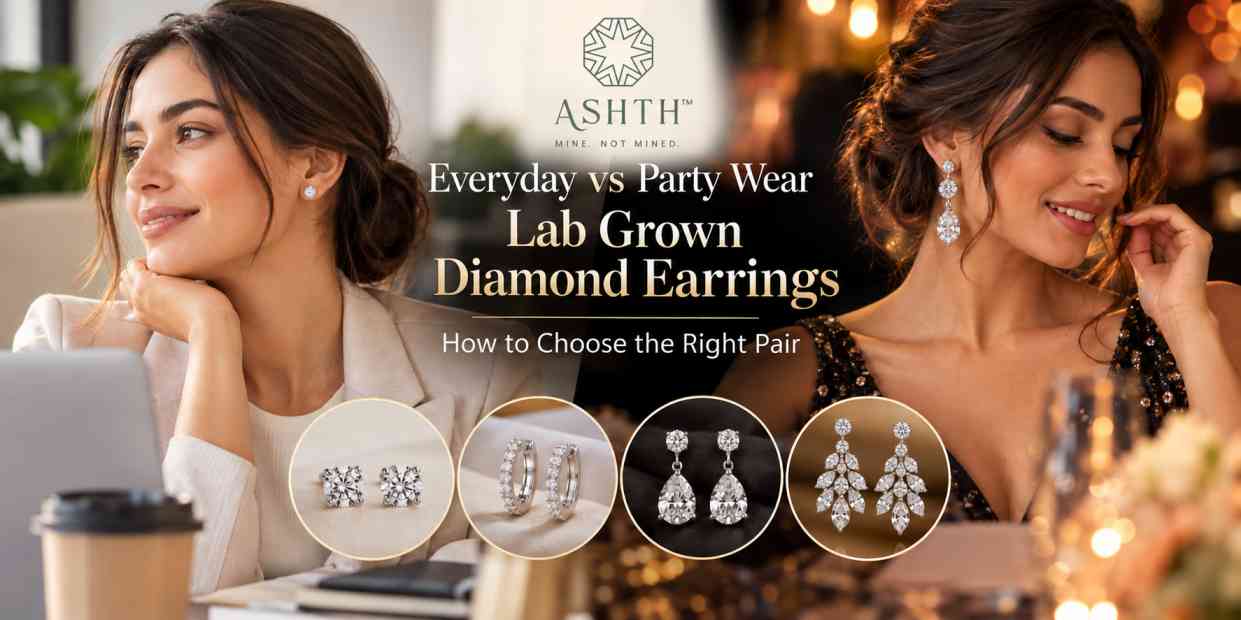
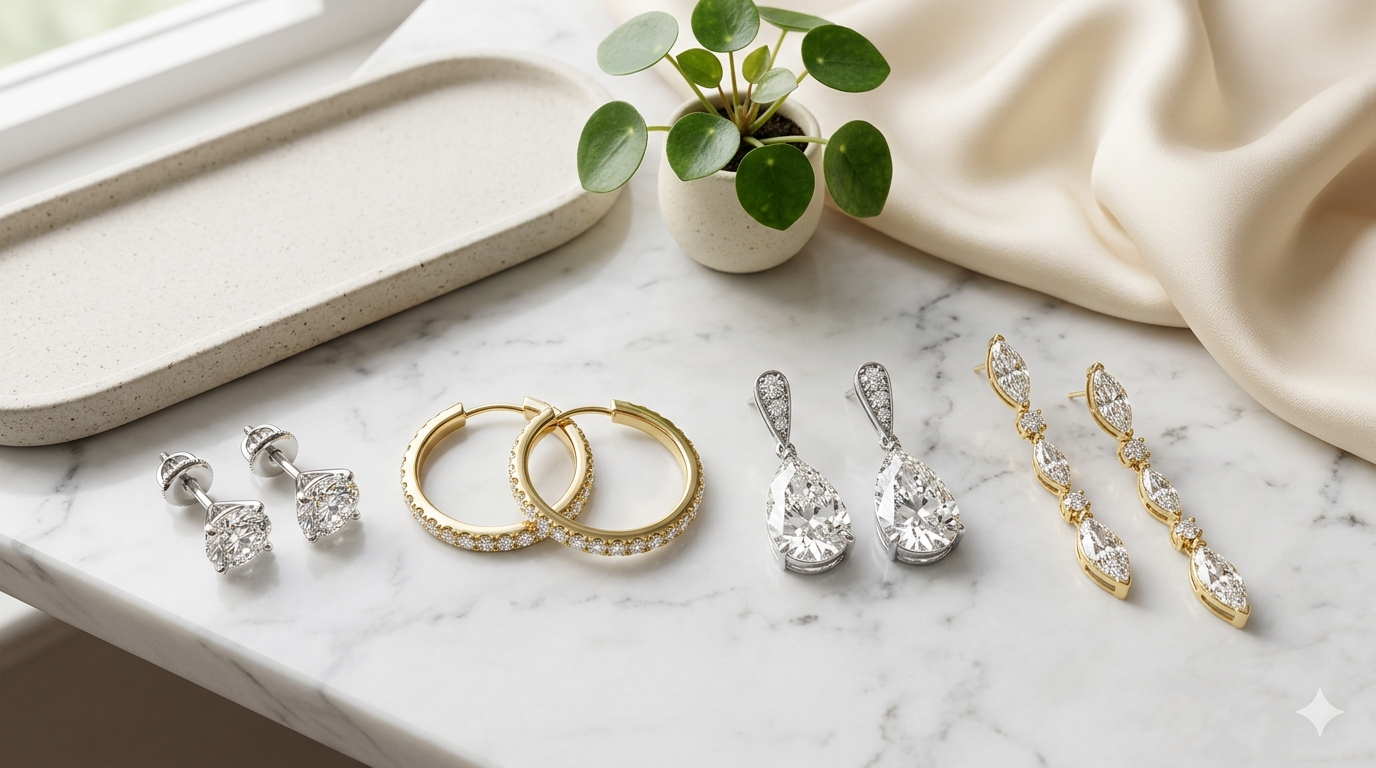
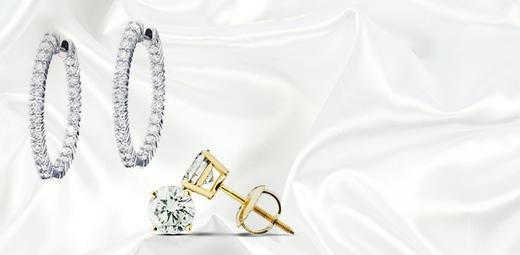
Lab grown diamond earrings come in many styles. Some are simple and perfect for everyday wear, while others have detailed designs for weddings and special events.
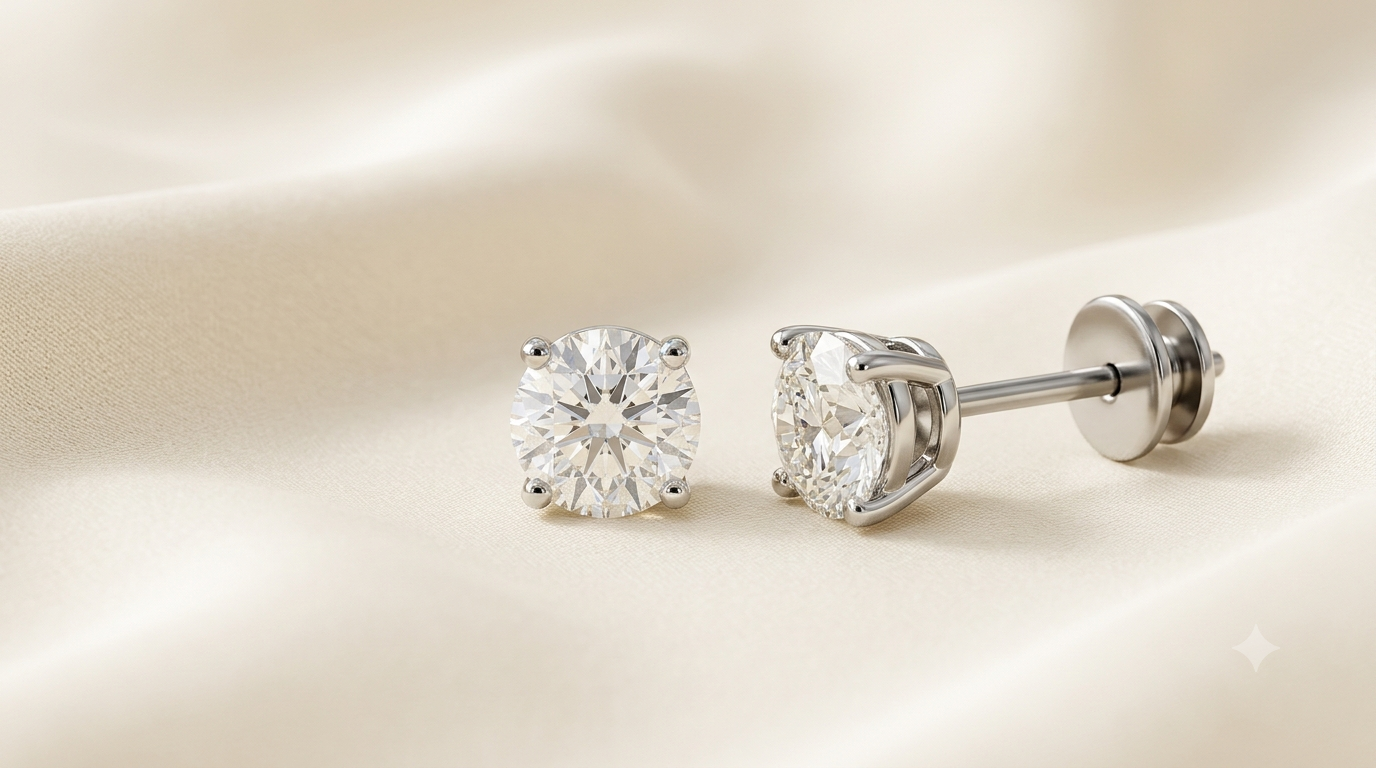
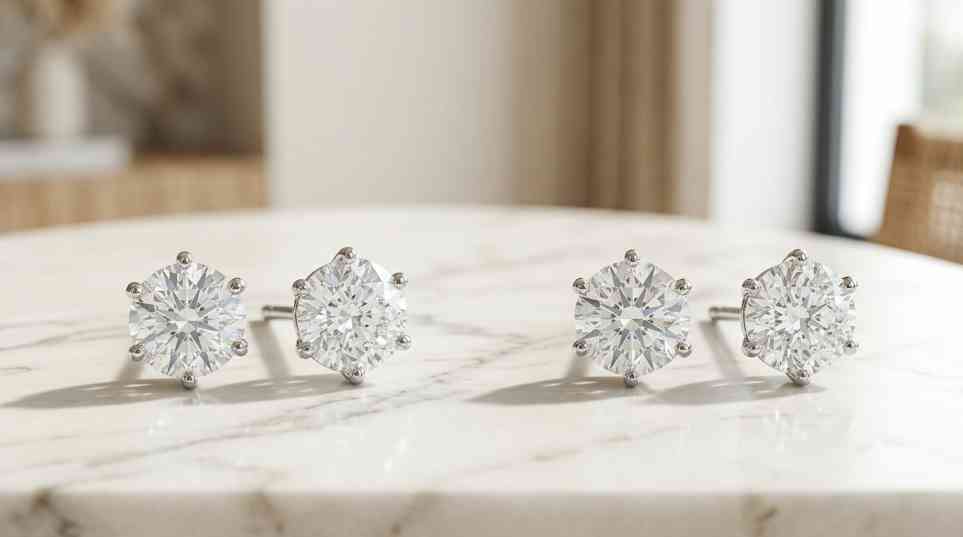
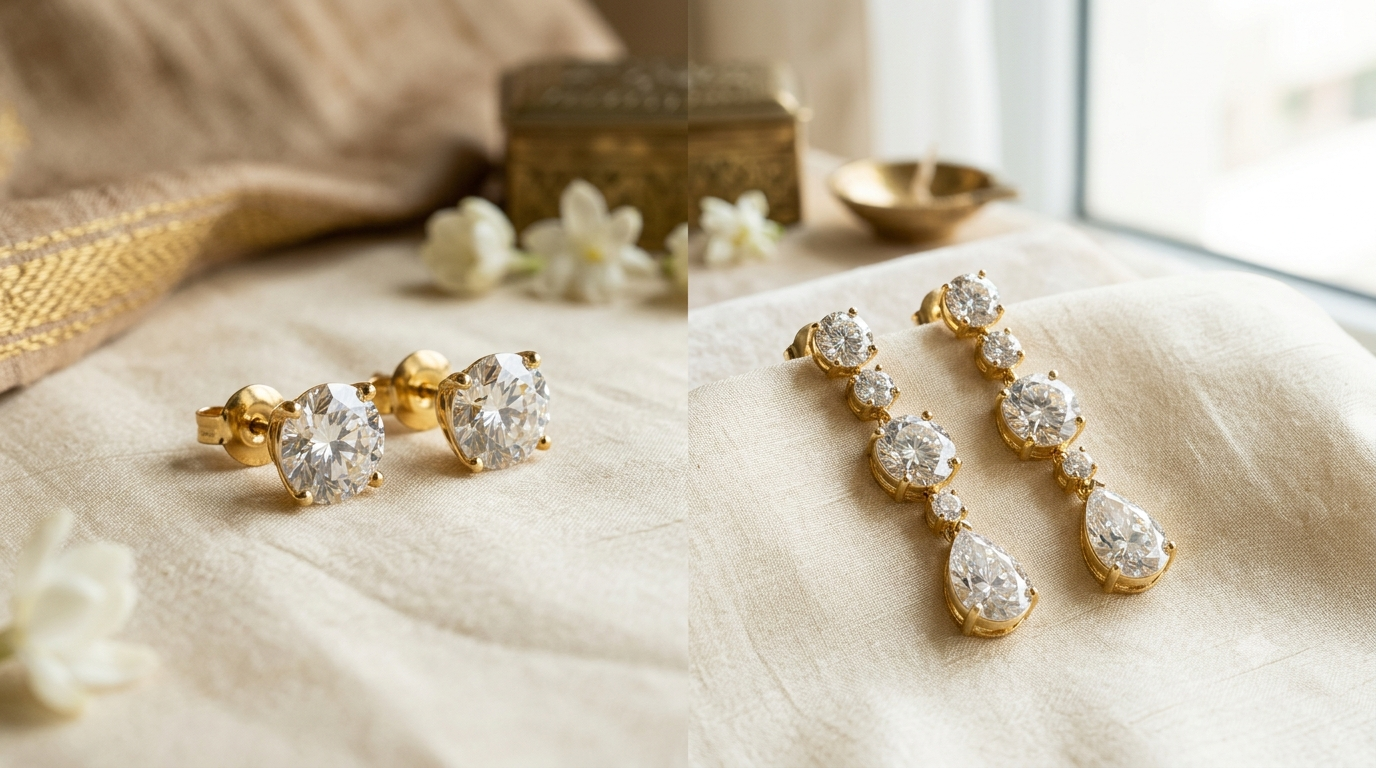
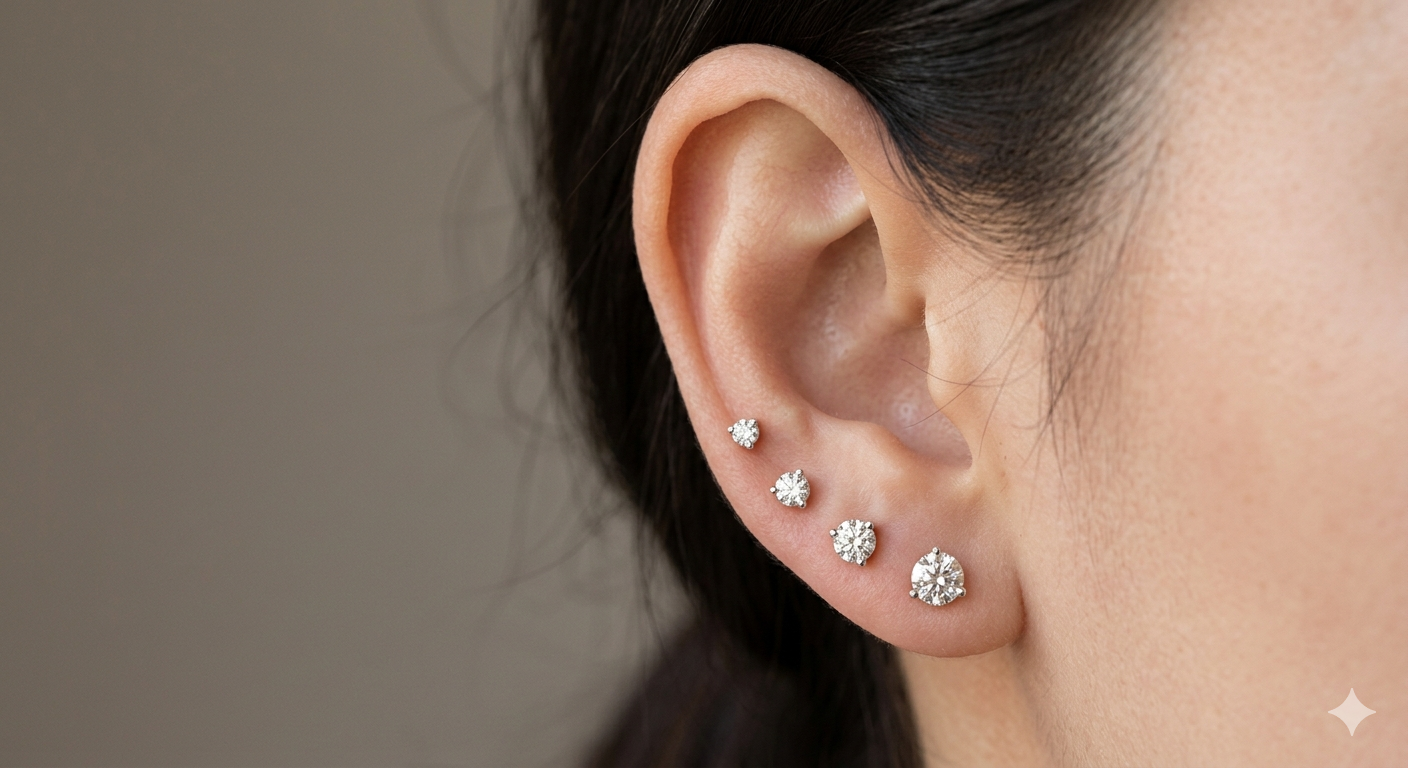
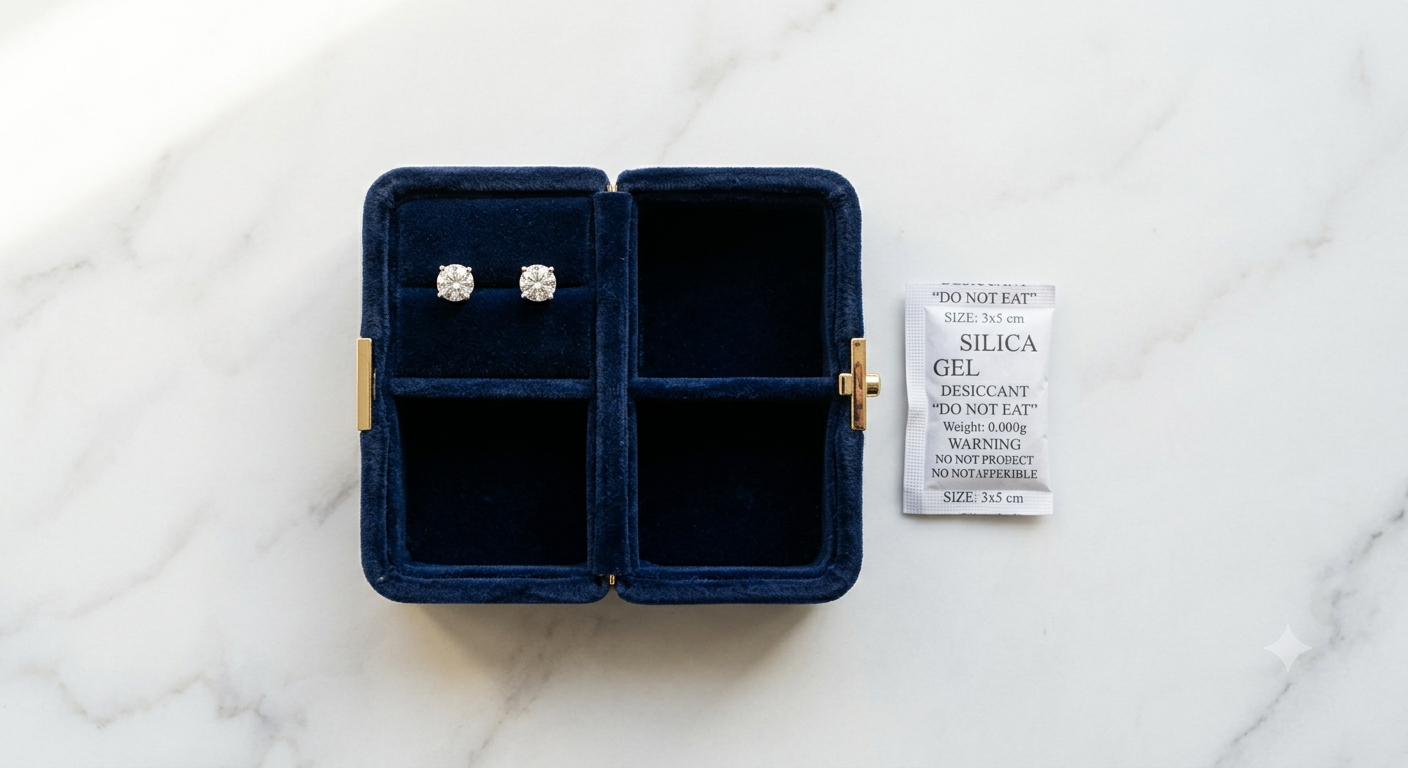
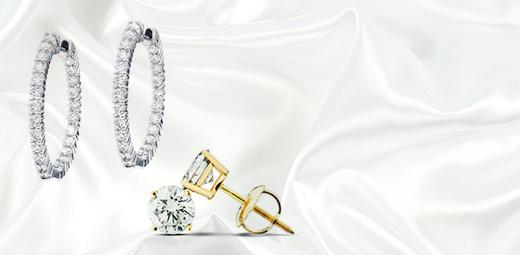
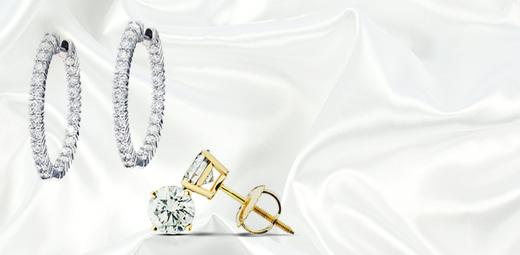
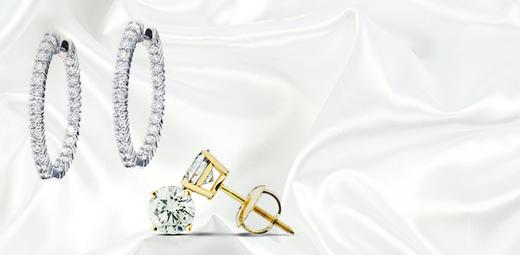
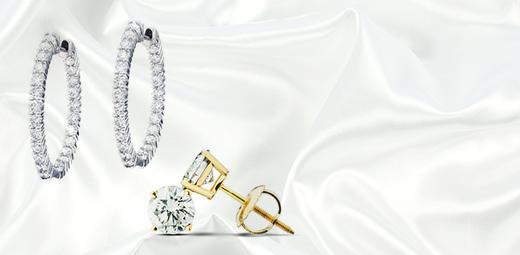
Diamond studs are one of the most popular choices because they are simple, timeless, and easy to wear.
In India, a basic pair of lab grown diamond studs may start around ₹15,000 to ₹30,000. Mid-range options can cost around ₹30,000 to ₹70,000, while premium pairs may cost ₹70,000 to ₹1,50,000 or more.
These are general budget estimates, not fixed market prices.
Before comparing prices, understand total carat weight (CTW). A 1 CTW pair usually contains two 0.50-carat diamonds, one for each ear.
This is different from a pair with 1-carat diamonds in each ear, which has 2 CTW in total.
A 1 CTW pair also does not cost the same as a single 1-carat diamond. Diamond prices depend on stone size, quality, and other details.
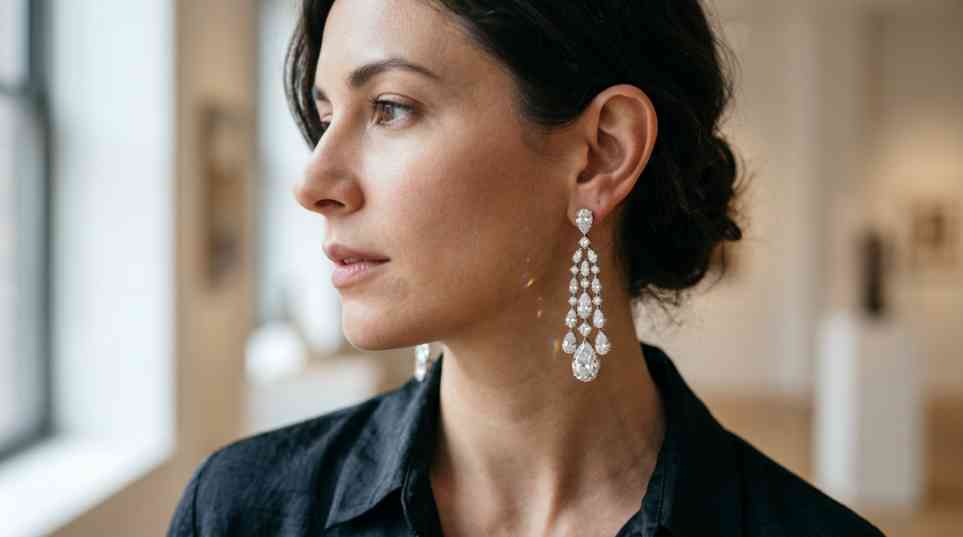
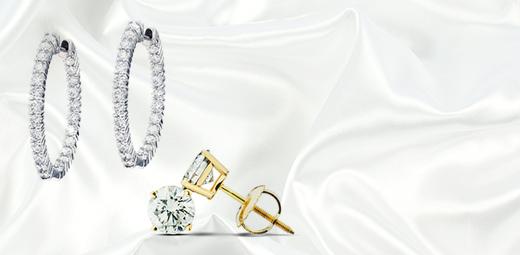
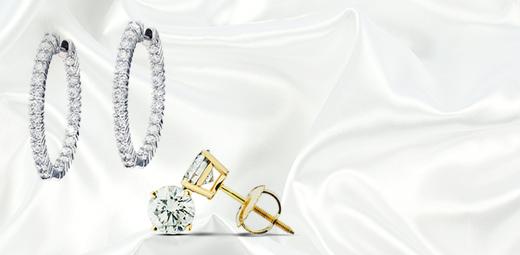
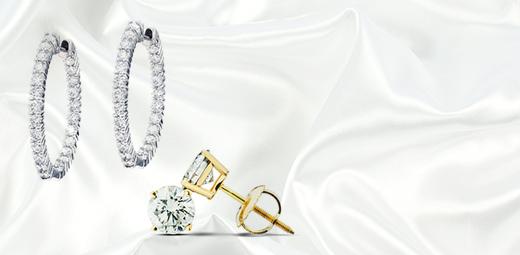
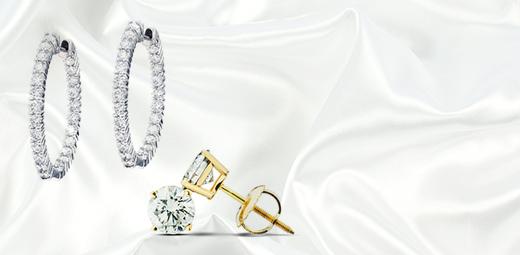
Hoops, drop earrings, and halo earrings can cost more than simple studs.
This is because they may use more diamonds, more gold, and more detailed settings.
For example, a 1 CTW stud pair may have only two diamonds. A 1 CTW diamond hoop pair may include many smaller stones placed around the hoops.
Even if both have the same total carat weight, their prices can differ.
Small halo earrings may also cost more than simple studs because they include extra diamonds around the main stones.
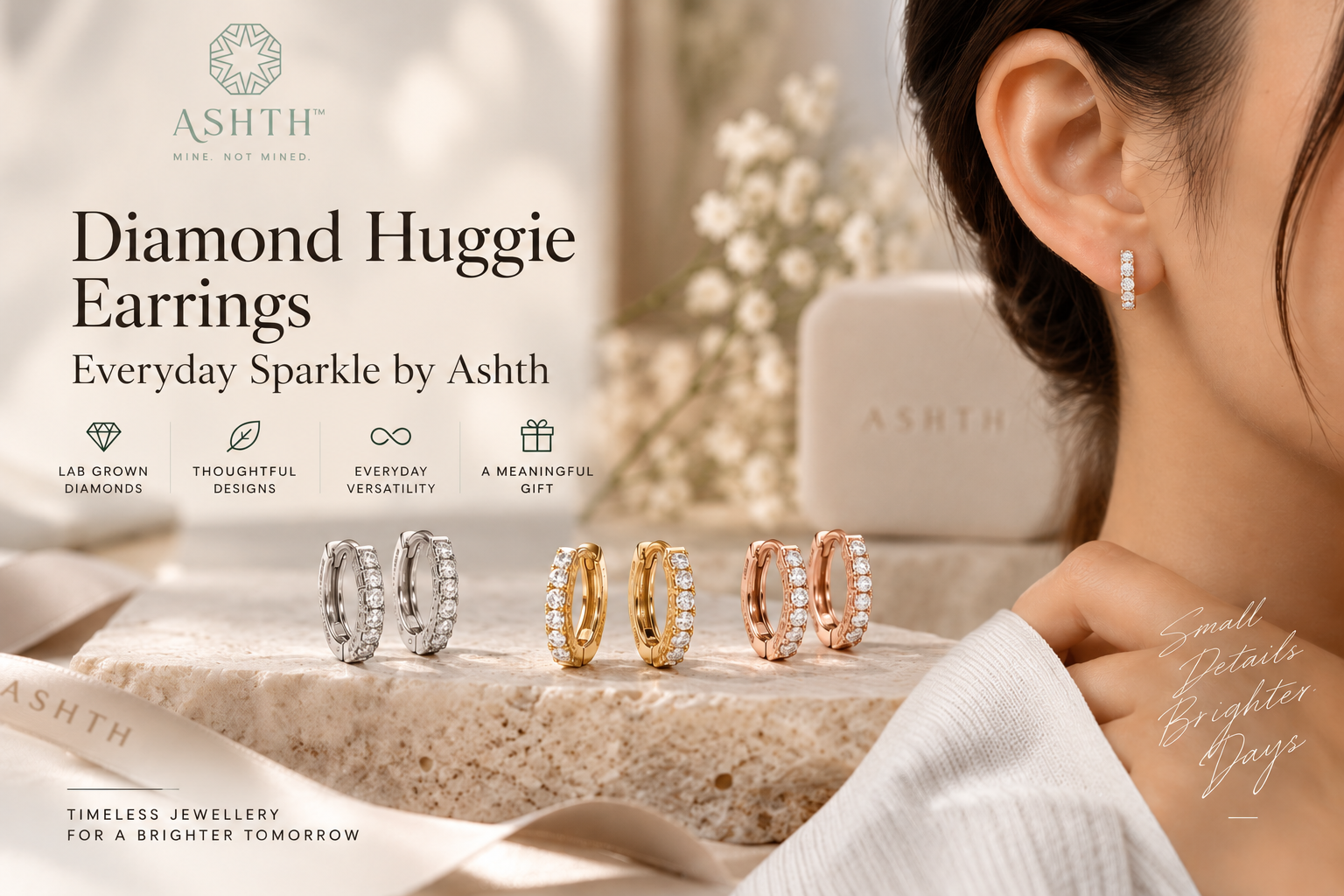
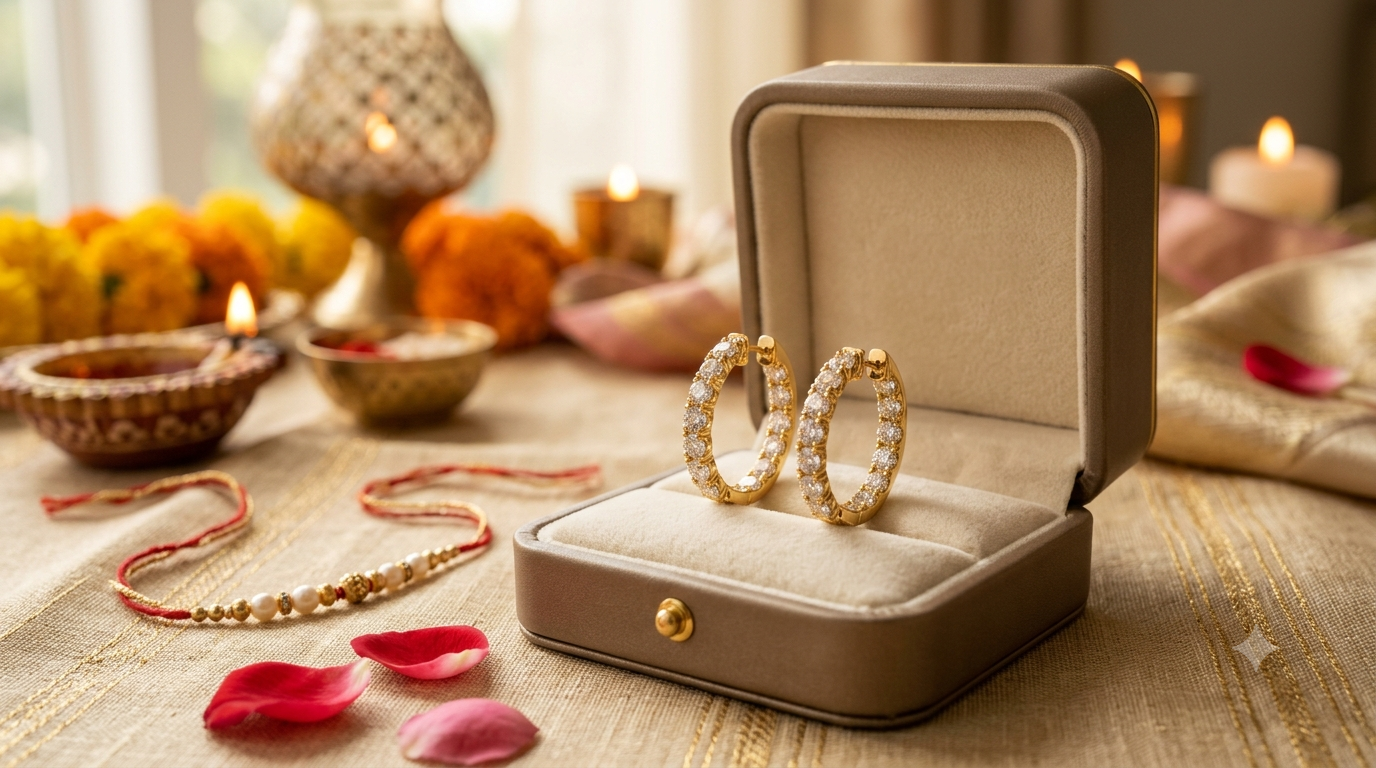
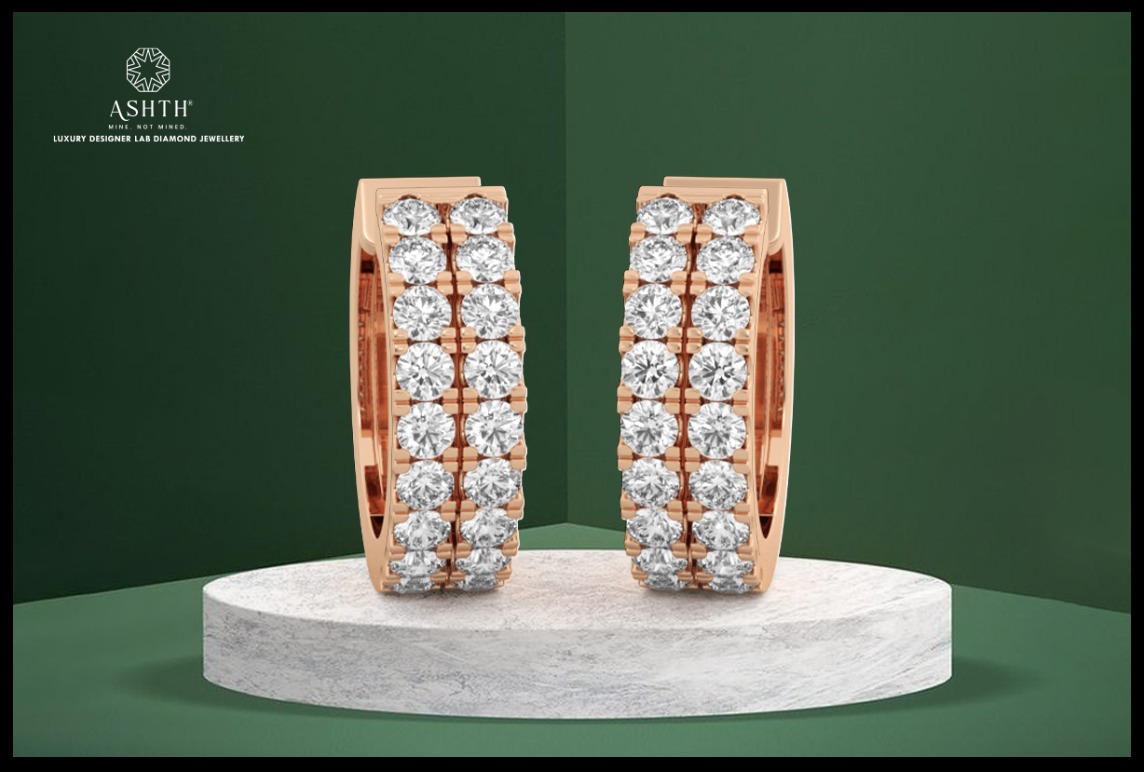
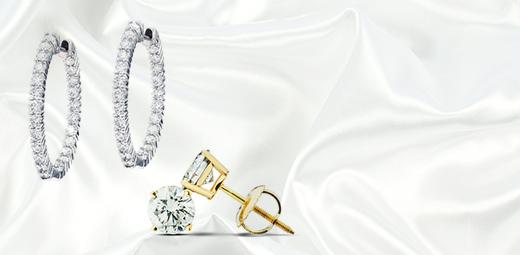
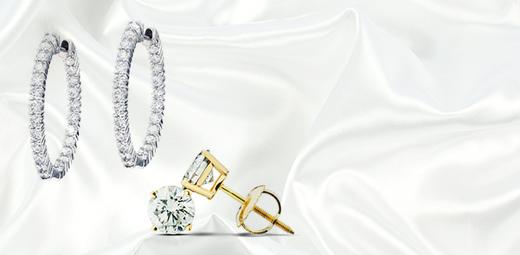
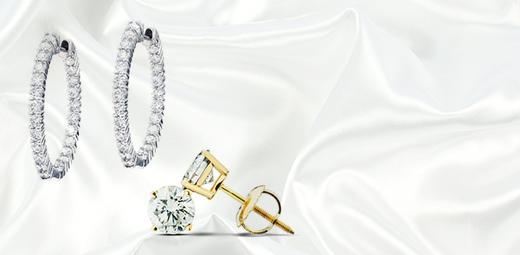
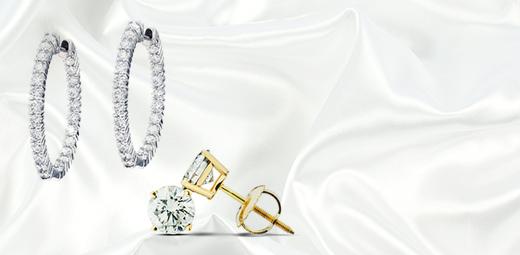
If you like a stylish look, explore hoop diamond earrings and compare their total weight, metal, and design before buying.
Here are some real listed prices found on Indian retailer websites. These are price snapshots, not guaranteed offers.
Price checked: November 4, 2026. Prices may change based on stock, offers, and product options.
The Grown Brilliance and AJ Retail listings specify two-stone pairs. Swarovski lists the styles and total carat weights, but not all diamond grades in the displayed information.
Sources: Grown Brilliance, AJ Retail, and Swarovski India product listings.
These examples show why you should compare the full product details instead of choosing only by price.
Four important factors affect diamond quality.
Carat: It measures the weight of a diamond. Larger stones often cost more.
Cut: It affects how well a diamond reflects light and creates sparkle.
Color: Diamonds with less visible color can cost more in many product ranges.
Clarity: It measures natural or growth-related marks and features inside or on a diamond.
Two pairs with the same CTW can have different prices because their diamond grades may differ.
However, a higher clarity grade does not always mean a visibly better-looking earring. Small differences can be hard to notice during normal wear.
A well-cut diamond can also look brighter than a poorly cut diamond with a higher clarity grade.
For earrings, focus on overall beauty, matching stones, and comfortable wear.
The metal and setting also affect the final price.
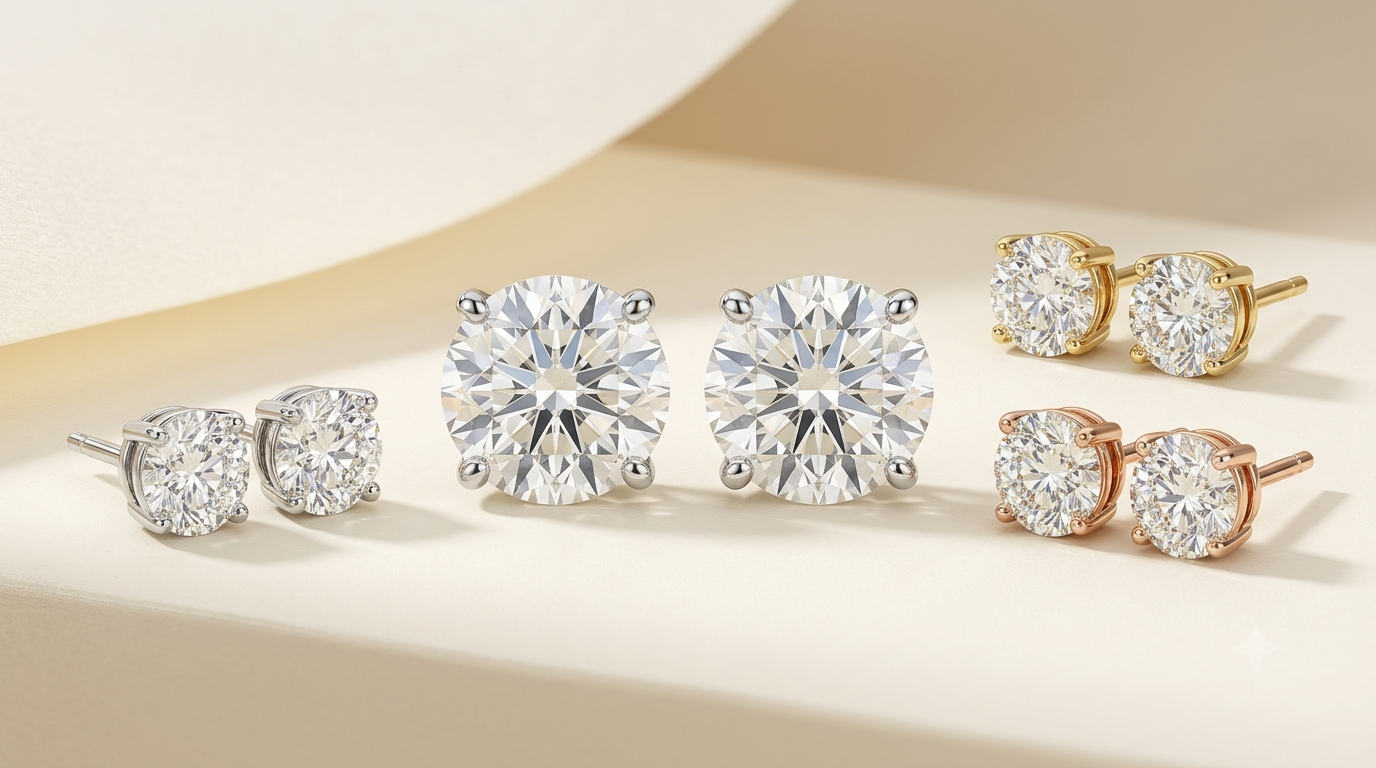
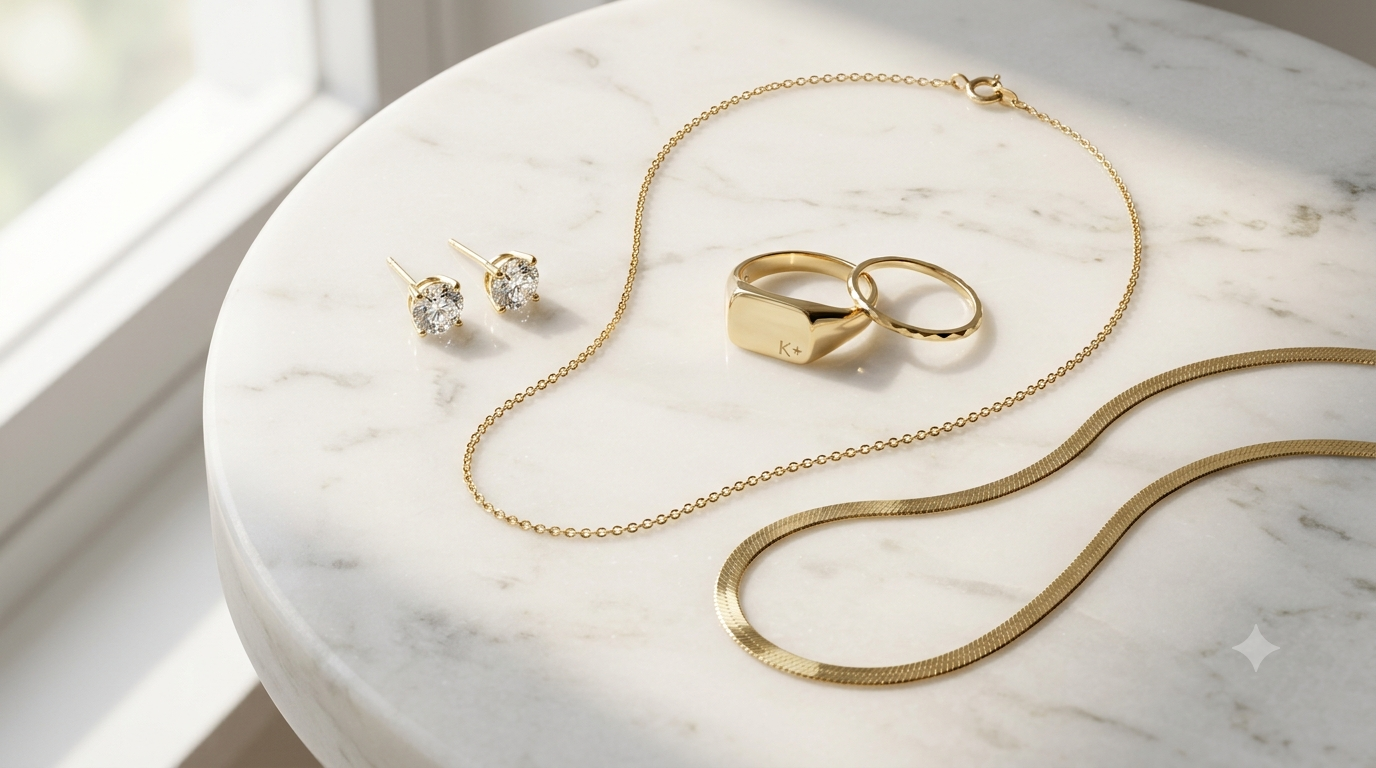
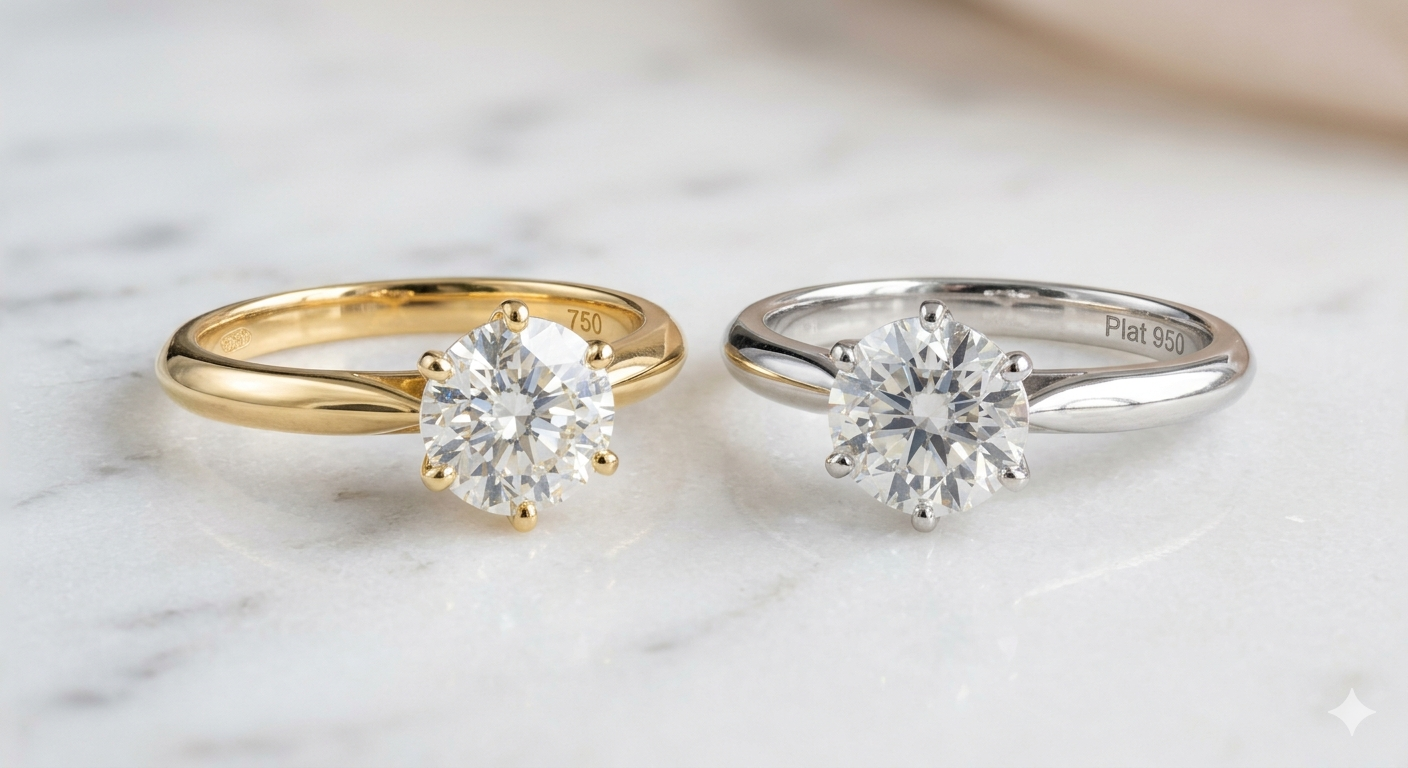
14K gold is a common choice for everyday jewellery. It offers a balance of durability and cost.
18K gold contains more pure gold and may cost more.
Platinum is another premium option. Silver and other lower-cost metals may help reduce the starting price, but check their durability and suitability.
The setting matters, too. Secure prongs, good backings, and careful finishing can improve comfort and help protect your diamonds.
If you plan to wear your earrings often, do not ignore the quality of the setting just to save money.
Different retailers may charge different prices for similar earrings.
Brand reputation, marketing, design costs, customer service, and warranty terms can affect the price.
Before buying, check whether the grading report covers each diamond individually or whether the seller provides only a jewellery certificate for the pair.
Also, review the return period, repair policy, shipping charges, and warranty conditions.
A useful expert-style buying tip is to compare the exact stone specifications, setting quality, grading documents, and return terms before comparing the final price. A low price alone does not prove that a pair offers better value.
Lab grown diamonds and natural diamonds have the same basic crystal structure and chemical composition. The main difference is their origin.
Lab grown diamonds are made using technology, while natural diamonds form in the Earth over long periods.
For a fair comparison, match the following details:
Same earring style
Same total carat weight
Same metal type
Similar color, clarity, and cut
Similar warranty and return terms
For example, compare two 1 CTW stud pairs in 14K gold with similar diamond grades.
Natural diamond earrings may cost significantly more, but the exact price difference depends on the products selected.
Do not assume that every natural pair costs a fixed percentage more than every lab grown pair.
Diamond jewellery is not always easy to resell at its original retail price.
Resale offers can be much lower than the amount you paid. Lab grown diamonds may also face changing resale prices as production and market supply change.
Choose earrings based on your personal style, budget, and how often you will wear them.
Before purchasing, check the store's upgrade, exchange, repair, and buyback policies. These terms are not the same.
Imagine a shopper comparing two options:
The shopper may choose a smaller natural pair or a larger lab grown pair.
This is an illustrative buying scenario, not a verified like-for-like price comparison. Actual prices and warranty terms must be checked for the exact products.
First, decide what matters most to you.
Do you want bigger diamonds, better metal, a classic design, or a premium brand?
Choose your budget before browsing. Keep some money aside for taxes, shipping, or a better setting if needed.
Always compare the total carat weight and the weight of each diamond.
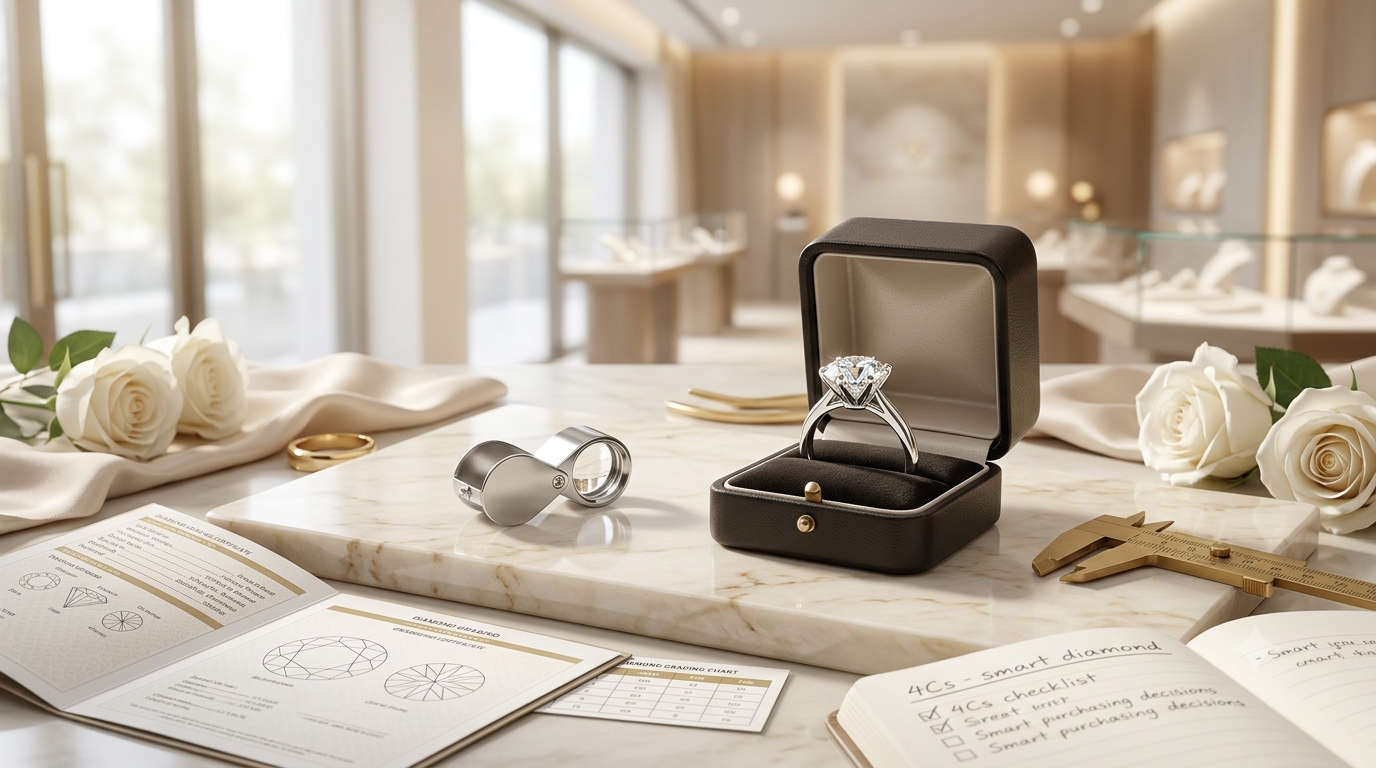
Before placing your order, check these details:
Confirm the total carat weight and per-ear weight.
Check cut, color, clarity, and diamond shape.
Review the gold purity or metal type.
Check the setting and earring backings.
Ask for grading reports or certificates.
Read the return policy and warranty terms.
Check shipping costs and delivery time.
Compare at least three similar listings.
These steps can help you avoid paying extra for features you do not need.
Paying more may be worth it when you get better craftsmanship, secure settings, reliable grading details, and helpful after-sales service.
However, paying extra for very high clarity may not make a big visual difference in small earrings.
Ask the seller for clear product photos or videos in natural light. If possible, view the earrings in person before buying.
You can also explore cocktail diamond rings if you are looking for matching jewellery for parties, celebrations, or special occasions.
For more styling ideas, read Sparkle Smart: Lab Grown Diamond Earrings for Festivals & Special Occasions.
Lab grown diamond earrings can fit different budgets, from simple everyday studs to premium statement designs.
The final price depends on more than carat weight. Diamond quality, metal, setting, craftsmanship, and retailer policies all matter.
The smartest way to shop is to compare similar earrings with the same style, CTW, metal, and diamond grades.
Set your budget, check current listings, and read the return policy before making your decision.
The right pair is not always the most expensive one. It is the pair that offers the look, comfort, quality, and value you want.
Simple pairs may start around ₹15,000 to ₹30,000. Mid-range pairs may cost ₹30,000 to ₹70,000, while premium options can cost ₹1,50,000 or more. Prices depend on the product and retailer.
No. A 1 CTW pair usually has two 0.50-carat diamonds. A pair with two 1-carat diamonds has 2 CTW.
Yes. Lab grown diamonds have the same basic crystal structure and chemical composition as natural diamonds. They differ in how they are formed.
They can be a good choice for buyers who want diamond jewellery with more size options within their budget. Compare quality, setting, and seller policies before buying.
14K gold is a popular everyday option. 18K gold and platinum are also good choices. The best metal depends on your budget, comfort, and personal preference.
Resale prices can be much lower than the original purchase price. Buy earrings mainly for personal use rather than expecting future profit.
Check the total carat weight, individual stone weights, diamond grades, metal, setting, certificates, warranty, and return policy. Compare similar products before deciding.

 Round
 Pear
 Heart
 PRINCESS
 Oval
 CUSHION
 EMERALD
 MARQUISE
 Asscher
 RADIANT
 Ashth CUT
 ROSE CUT
 BRIOLETTE
 SINGLE CUT
 TRAPEZIUM
 TULIP
 TRIANGLE
 BUTTERFLY
 FLOWER
 MOVAL
 CLOVER
 BAGUETTE
 9KT ASHTH CUT
 9KT MARQUISE
 9KT PEAR
 9KT RADIANT
 9KT EMERALD