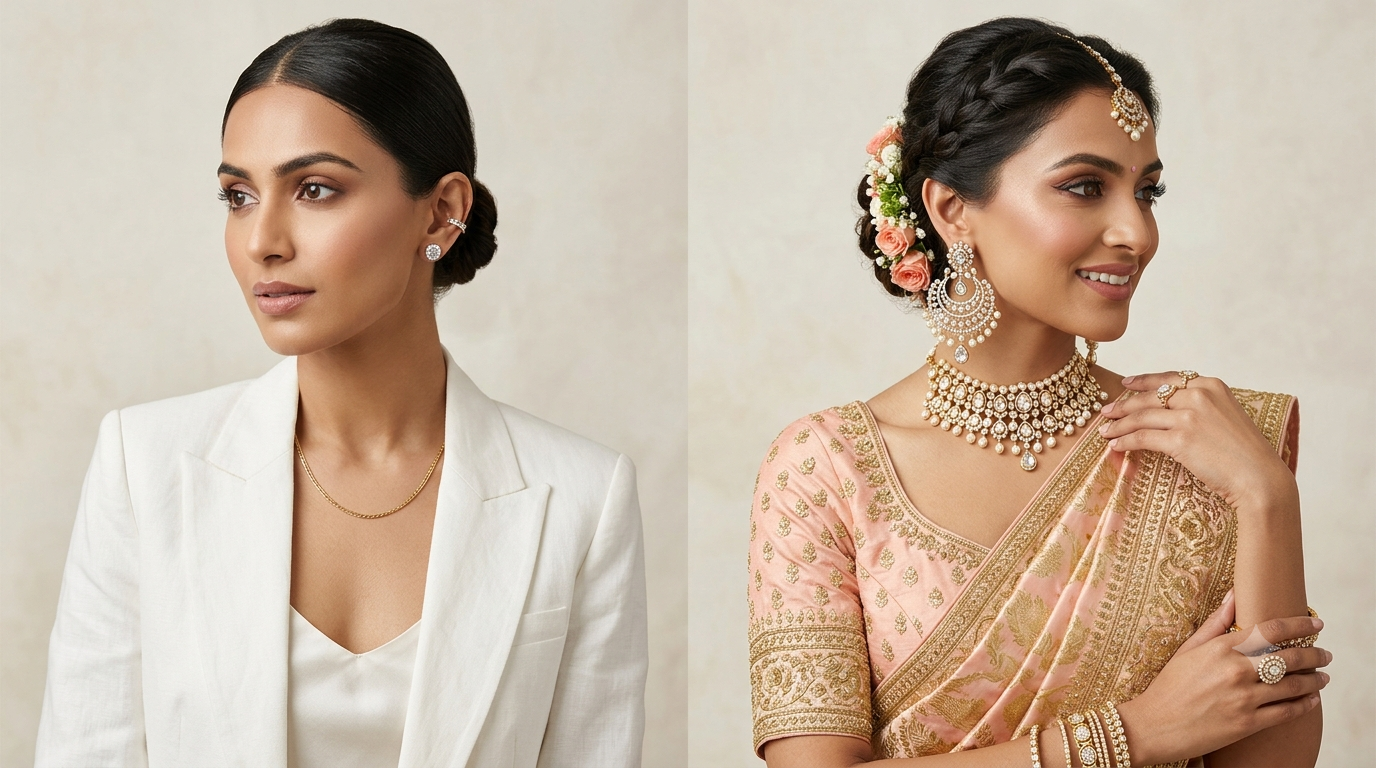
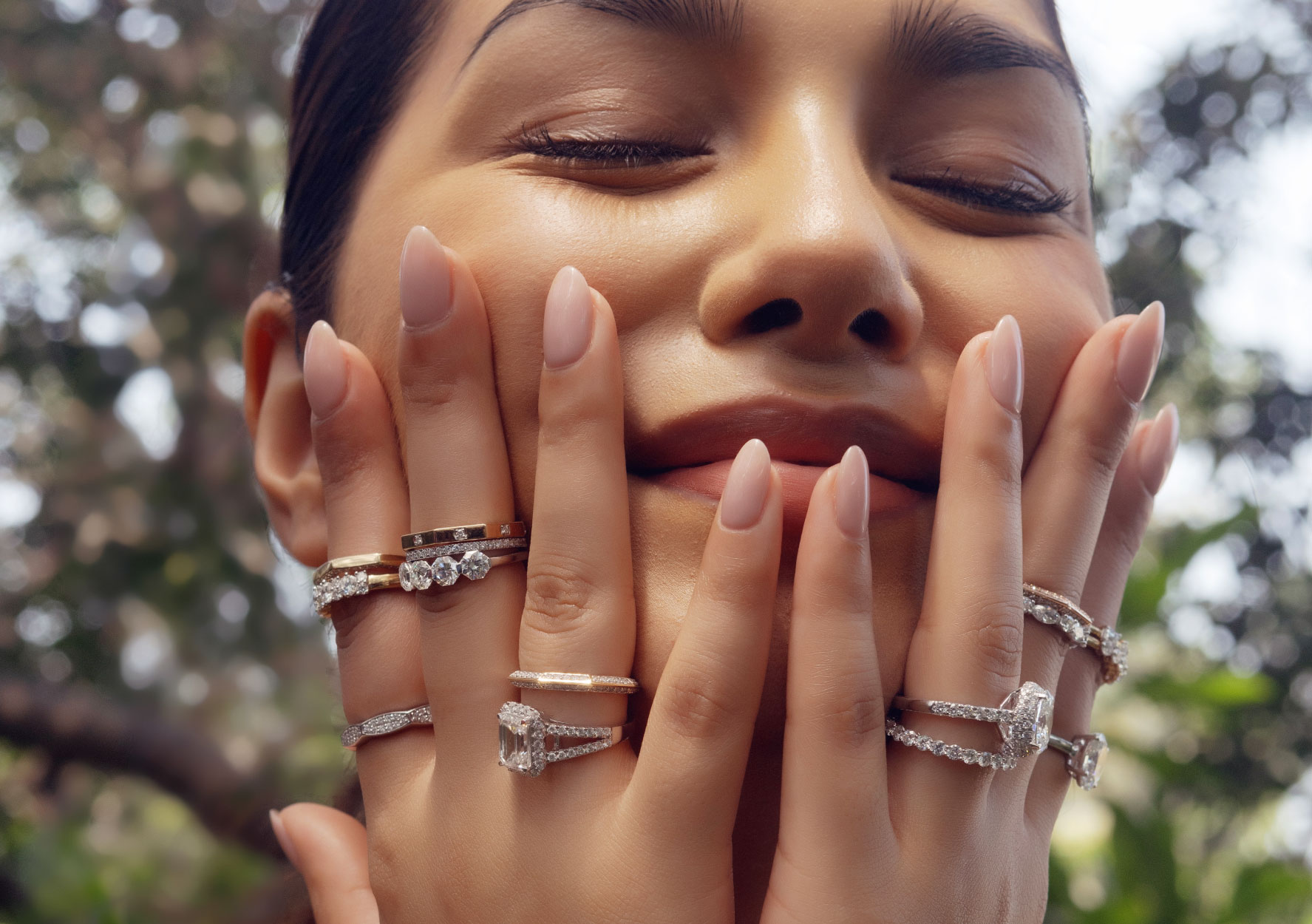
Ashth - Where Exceptional Craftsmanship Defines Modern Luxury !

- Rings
- Earrings
Shop By Category
- Bangles/ Bracelets
Shop By Category
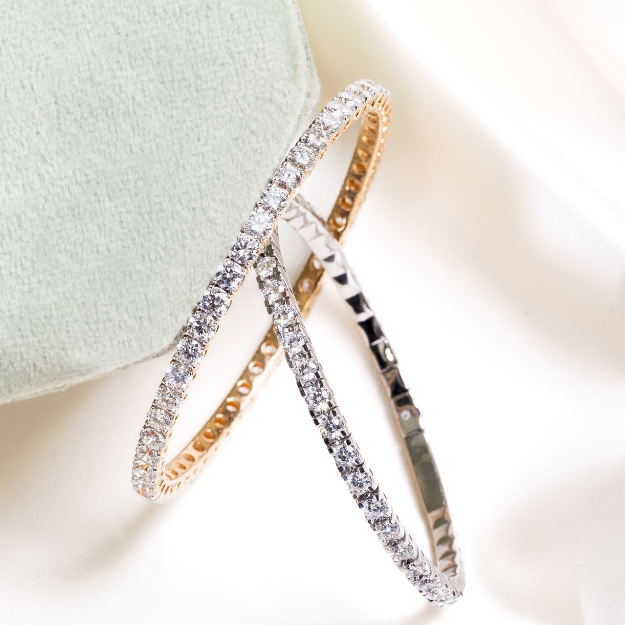
- Necklaces
Shop By Category
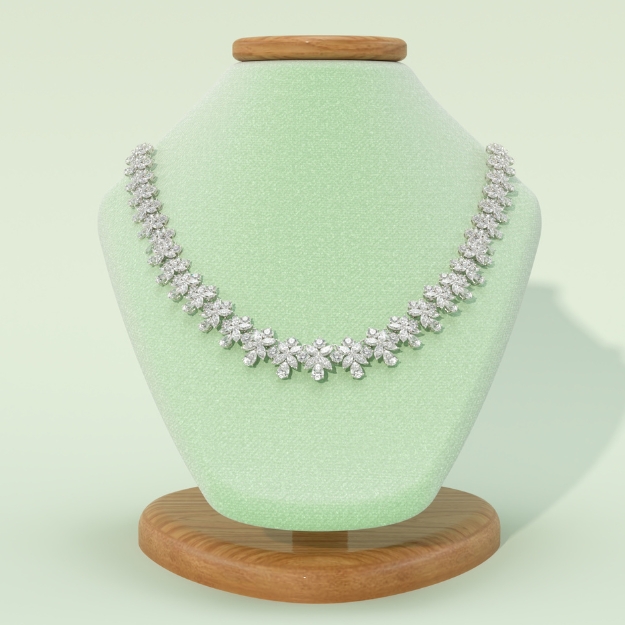
- Pendants
Shop By Category
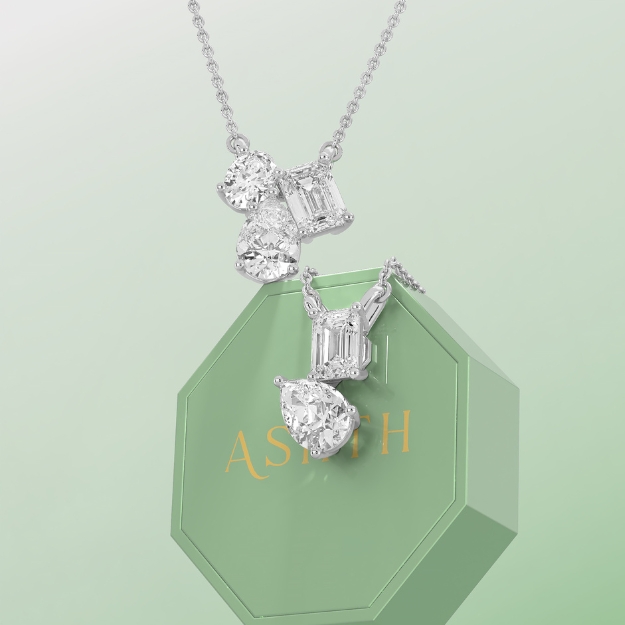
- ASHTH LITE
Shop By Category
.jpg)
- Collections
Collections
Shop By Category
Shop By Category
Shop By Category
Shop By Category
Shop By Category
Collections
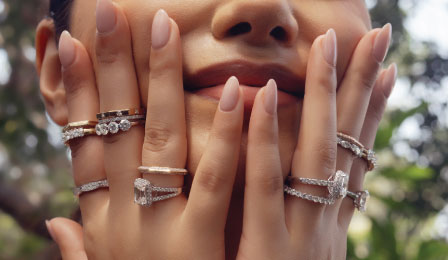
Six years ago, most Indian jewellers wouldn't even stock lab grown diamonds. Today, walk into any major showroom in Mumbai, Surat, or Delhi and you'll find entire counters dedicated to them. Something shifted — and it wasn't just the price.
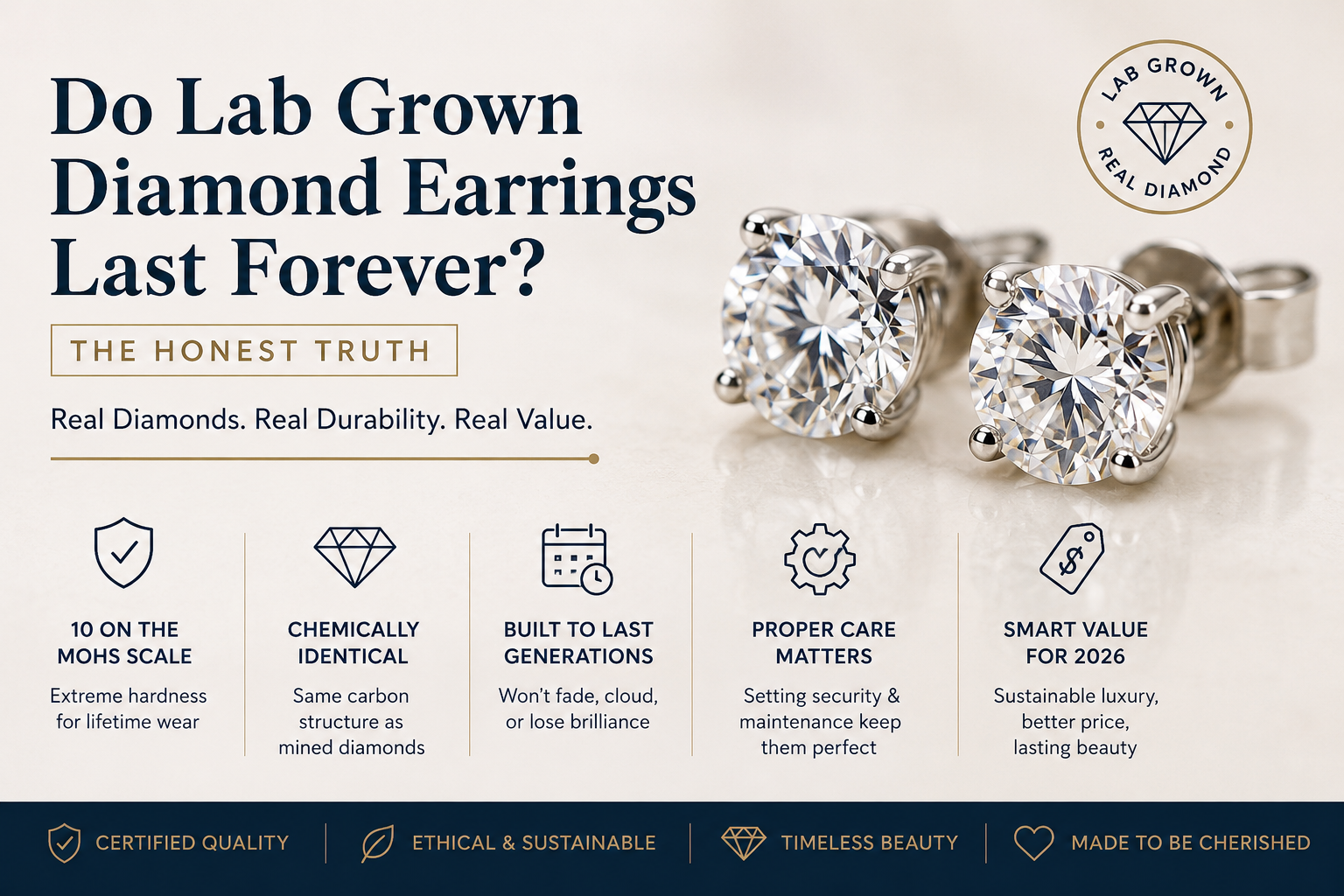
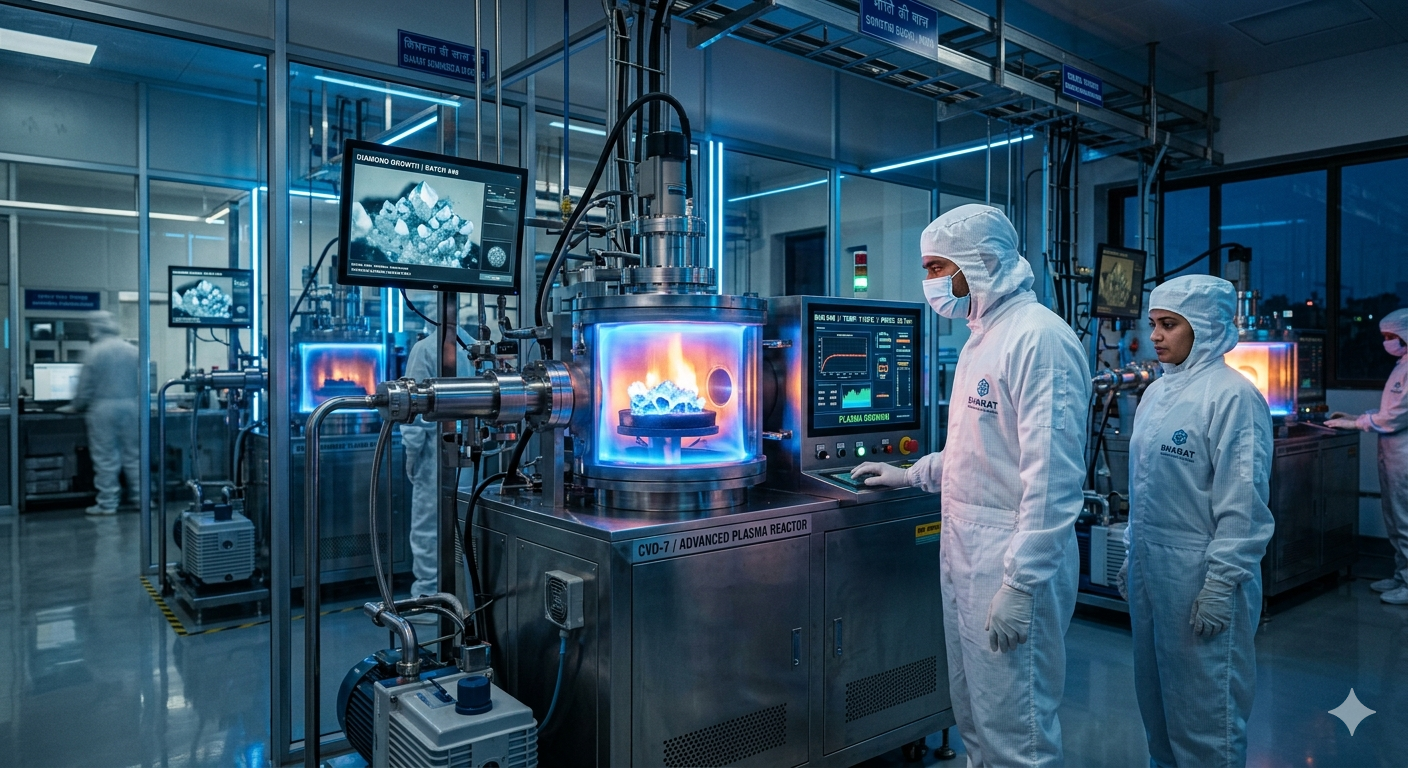
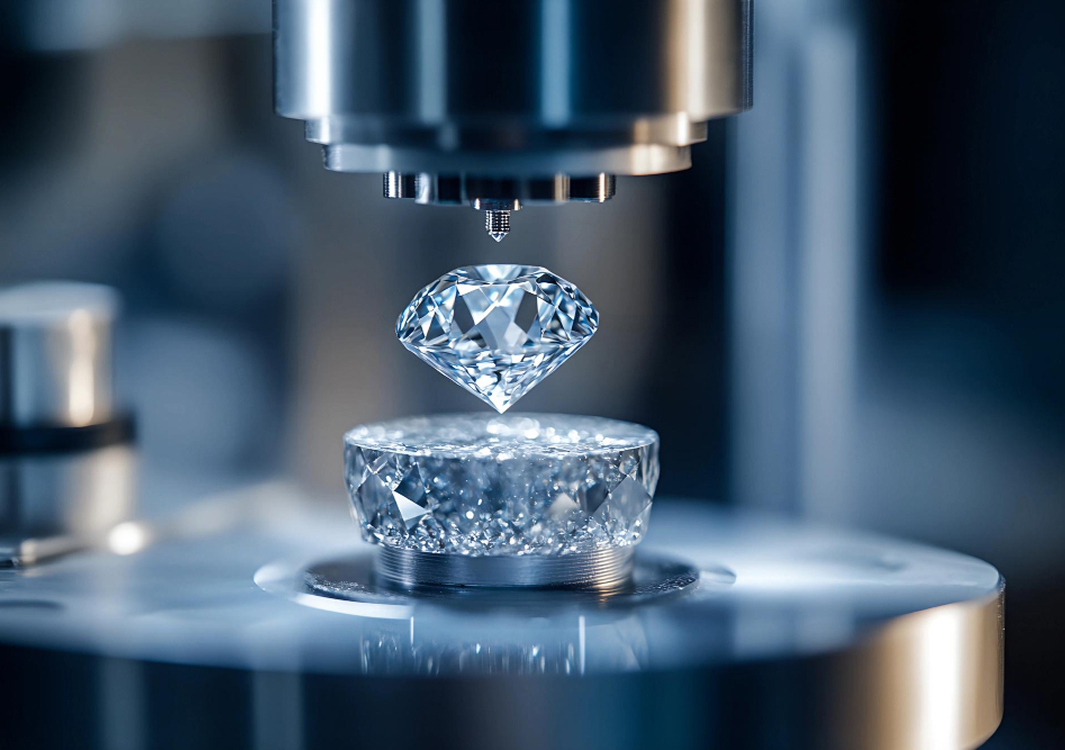
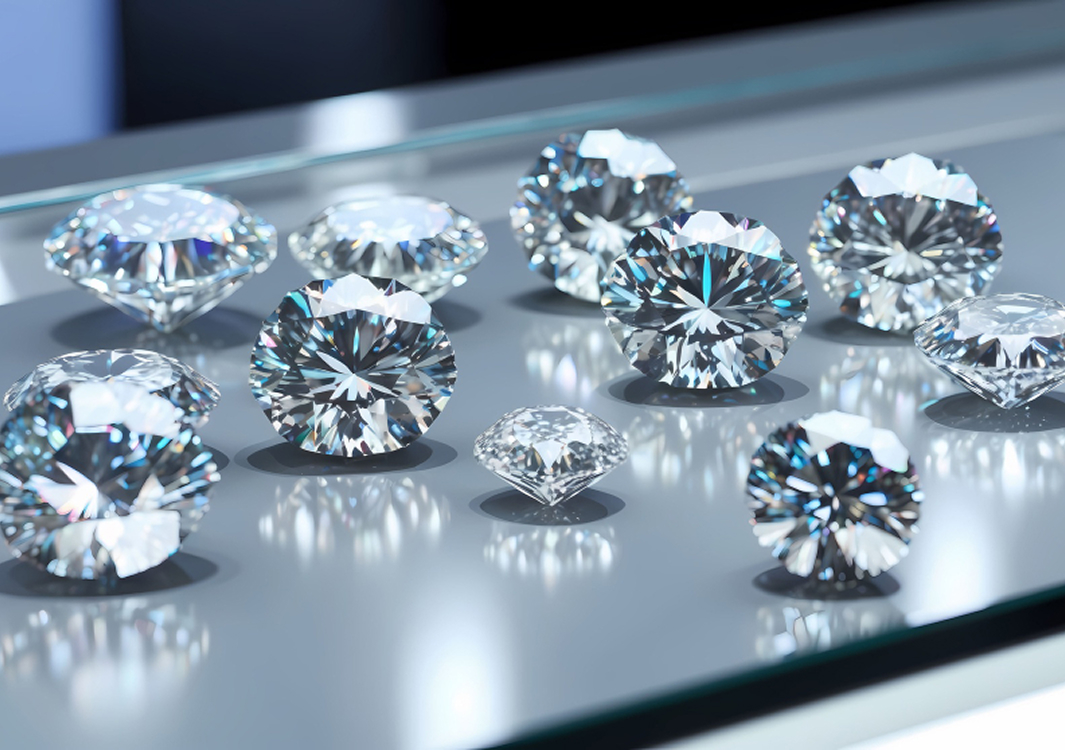
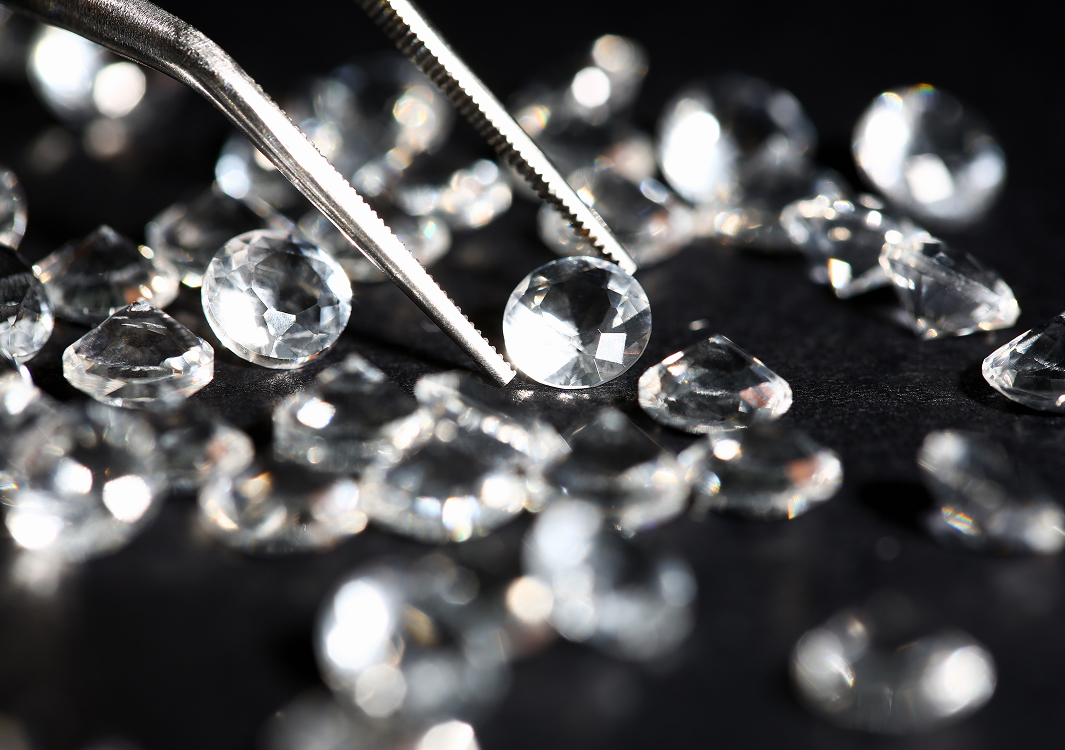
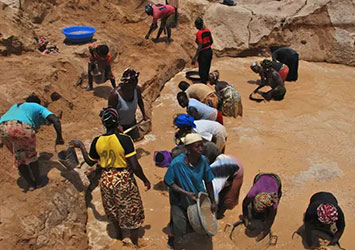
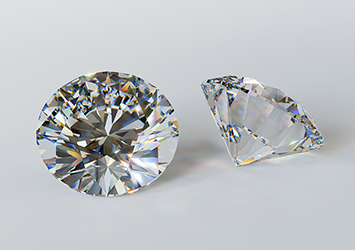
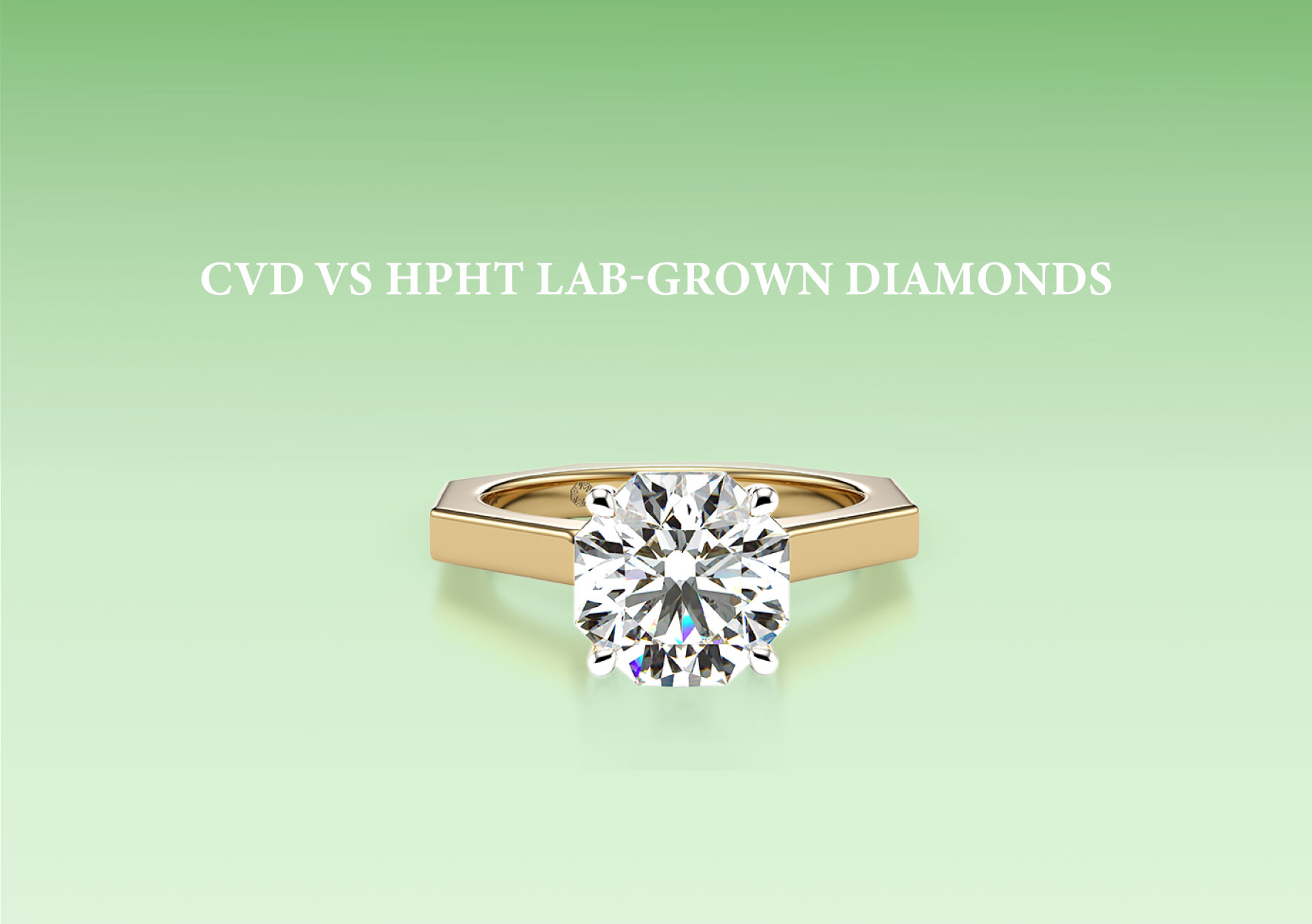
A lab grown diamond isn't a "fake" diamond or a cubic zirconia lookalike. It's carbon, grown in a controlled chamber using CVD or HPHT technology, that comes out with the same hardness, fire, and brilliance as a diamond pulled from a mine. The only real difference is where it was born. And because it skips the decades-long mining and distribution chain, it typically costs 70 to 85 percent less than a natural diamond of comparable quality.
That savings is exactly why so many Indian buyers now walk into this decision with more confidence than caution — but also more choices than they expected. Colour grades, clarity grades, cut ratings, certification bodies, metal purity, GST slabs — it adds up fast. This guide walks through each decision point in the order you'll actually face them, so by the end you'll know exactly what to ask your jeweller and what to check before you pay when choosing a lab grown diamond ring.
Who This Guide Is For
Prioritise Quality: Understanding the Four Cs
Select the Right Style for Your Occasion
Choosing Your Metal for Lasting Durability
Smart Shopping and Budgeting in India
Common Mistakes First-Time Buyers Make
Final Checklist Before You Pay
FAQs
Final Verdict
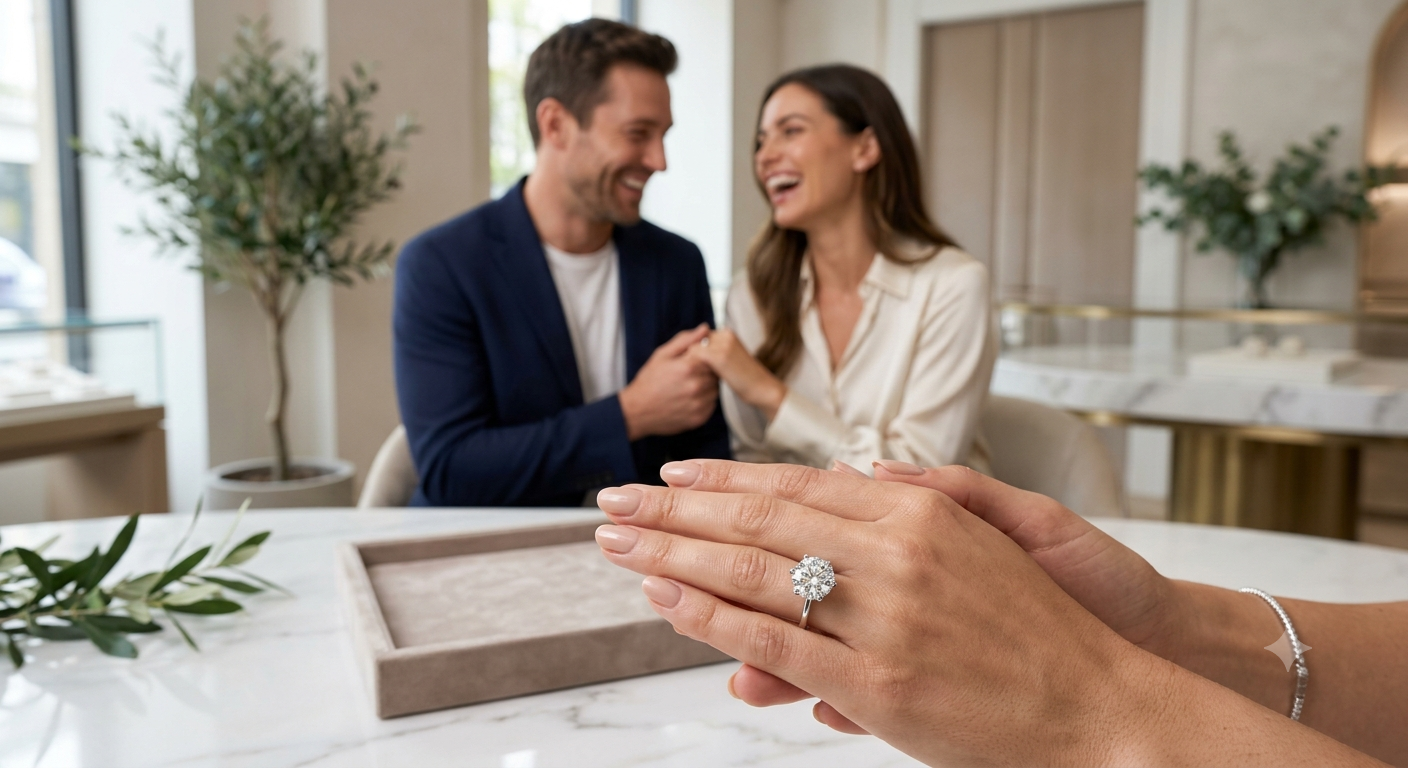
This is written for three kinds of buyers, and honestly, most people reading it fall somewhere between the three: a couple shopping for an engagement ring on a fixed budget, someone buying themselves a right-hand ring for the first time, and a family selecting an anniversary or celebration piece. If that's you, keep reading — the framework below applies regardless of which occasion brought you here.
What it won't do is tell you lab grown is automatically "better" than natural. It's a different product with different economics, and the right choice depends on what you actually want out of the ring: size, sparkle, resale expectations, or sentiment. We'll be upfront about all of that.
Every diamond, lab grown or natural, is graded the same way: colour, clarity, cut, and carat weight. Get the balance right here and everything else — style, metal, budget — falls into place more easily.
Colour is graded on a scale from D (completely colourless) to Z (visibly yellow or brown). Clarity measures internal inclusions and surface blemishes, graded from Flawless down to Included.
Here's what most first-time buyers don't realise: you don't need the top grade on either scale to get a diamond that looks flawless to the naked eye.
Colour: G–H colour diamonds look colourless once mounted in a ring, especially under yellow-toned lighting common in Indian homes and jewellery stores. D–F is reserved for buyers who want the absolute top tier, usually for larger centre stones above 1.5 carats where colour is easier to spot.
Clarity: VS1 or VS2 clarity is the practical sweet spot. Inclusions at this grade are invisible without 10x magnification, so you get the "eye-clean" look without paying for internal perfection nobody but a gemologist will ever check.
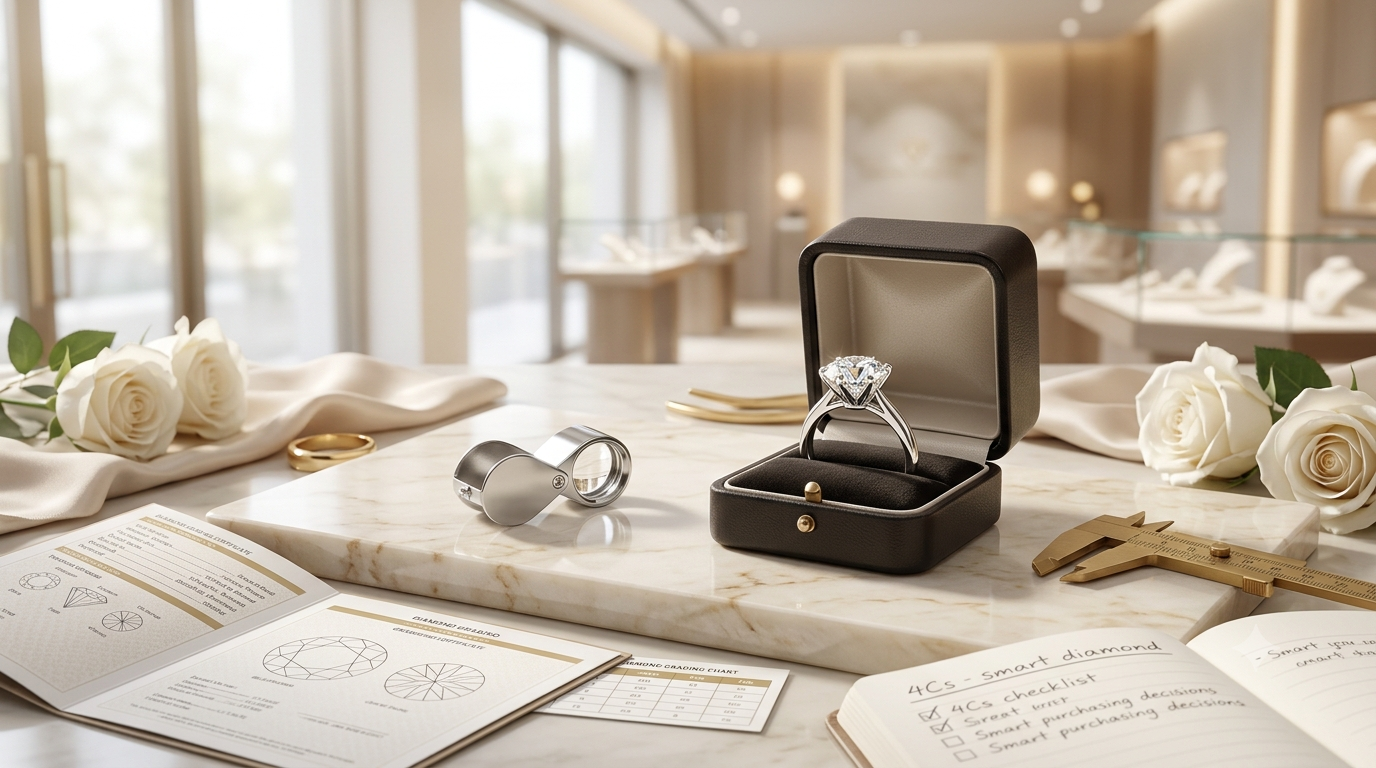
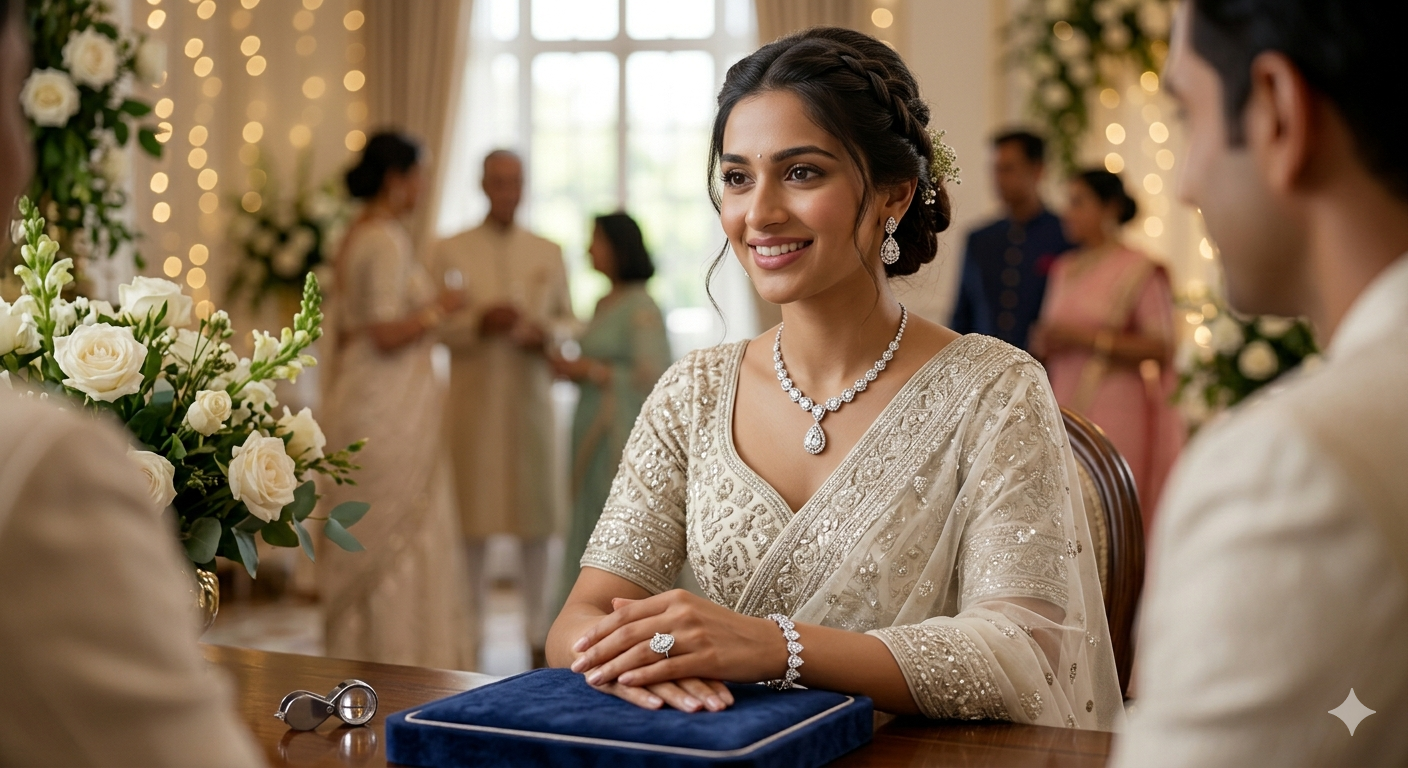
Expert tip: Ask your jeweller to show you the stone under a loupe and explain exactly what grade you're looking at. A jeweller who's confident in the quality will do this without hesitation. One who avoids the question is a red flag.
Price generally moves in steps as you cross each colour and clarity threshold. A jump from H to G colour might add a modest premium; a jump from G to D can nearly double the per-carat rate on a larger stone. That's money better spent elsewhere on the ring — more on that in the budgeting section.
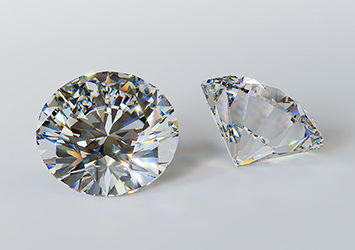
If you only optimise for one thing, make it cut. Colour and clarity affect how "clean" a diamond looks; cut affects how much it actually sparkles, because it determines how light enters, bounces, and exits the stone.
A diamond graded "Excellent" or "Ideal" cut, with strong symmetry and polish, will look larger and brighter than a bigger stone with a mediocre cut. This matters more with lab grown diamonds than people expect, because the affordability means buyers are tempted to chase carat weight instead.
Why cut beats carat, in practical terms: a well-cut 0.90 carat solitaire can throw more visible fire than a poorly cut 1.10 carat stone, while also sitting lower and more securely in the setting. If your jeweller pushes you toward a bigger, cheaper stone without discussing cut grade, ask why.
Carat weight measures mass, not size — and definitely not sparkle. Two 1-carat diamonds can look noticeably different in size depending on how they're cut. A stone cut too deep hides weight in the base, where you can't see it, instead of spreading it across the face-up area.
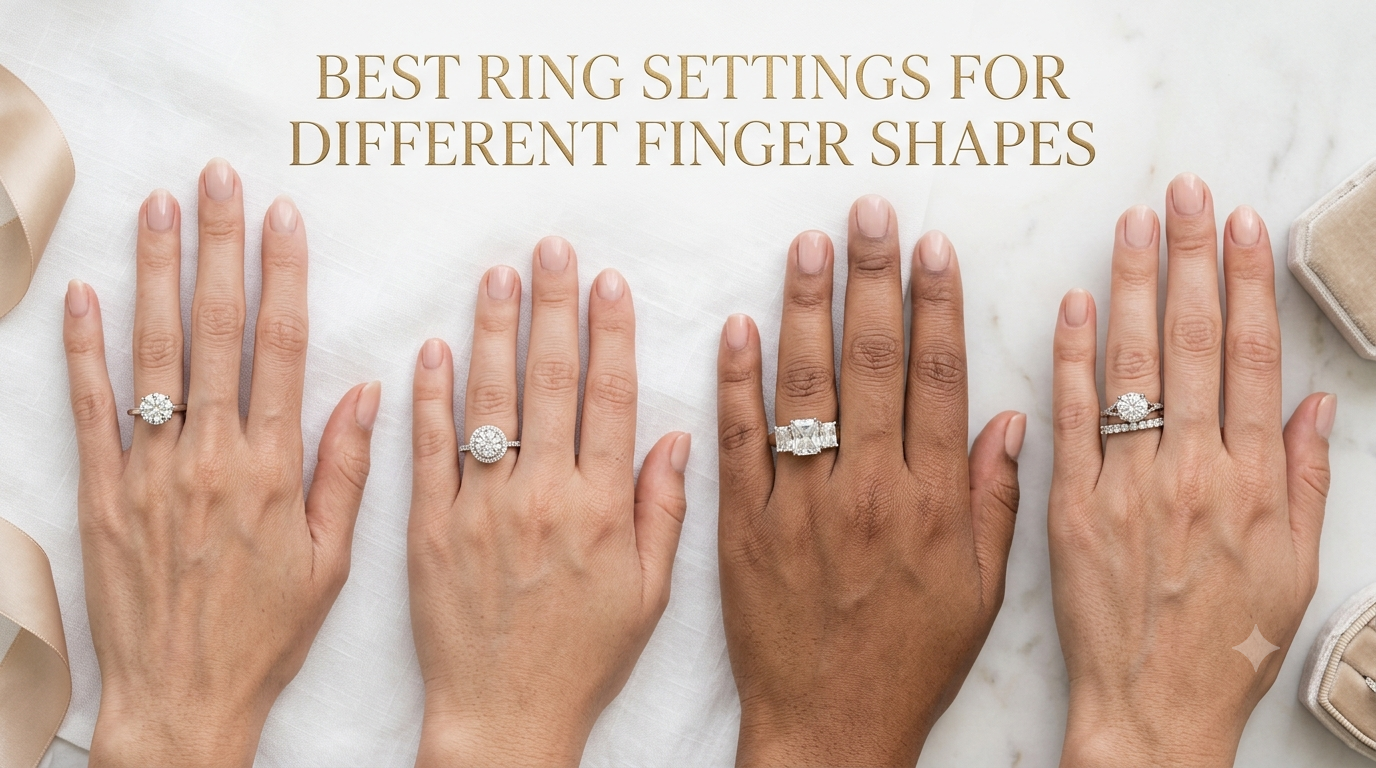
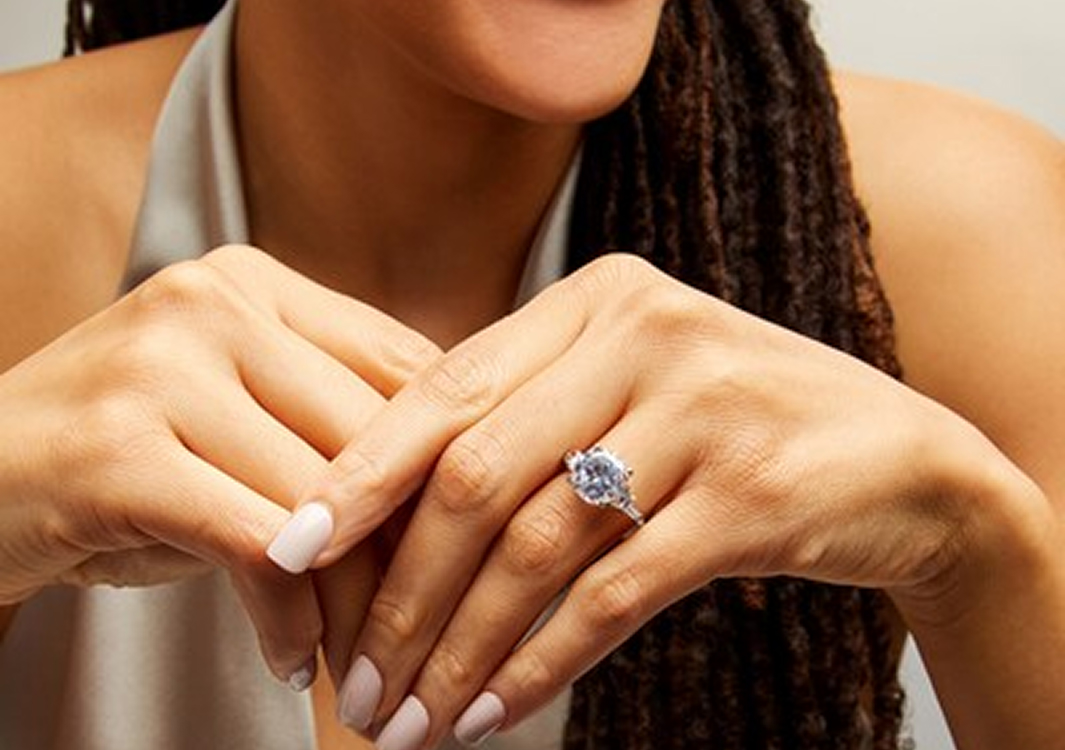
This is also where finger size matters more than people expect. On a slender finger, a 1-carat round or oval solitaire tends to look proportionate and often reads visually larger. On a broader finger, the same stone can look smaller relative to the band unless the setting compensates with a halo or a slightly elongated shape like an oval or pear.
Case study: A jeweller comparing two customer orders once put it simply — a 1.5 carat diamond with an Excellent cut grade outsold a 2 carat diamond with a Good cut grade in side-by-side viewings, even though the second stone was nearly 30% heavier and cost more. Buyers consistently pick the one that sparkles, not the one that weighs more on paper. That's the carat-versus-cut trade-off in action, and it's worth remembering before you fixate on hitting a round number like "1 carat" or "2 carat."
The right ring style depends heavily on what the ring is for and how often it'll be worn. A ring meant for daily office wear needs different priorities than one meant purely for celebration or ceremony.
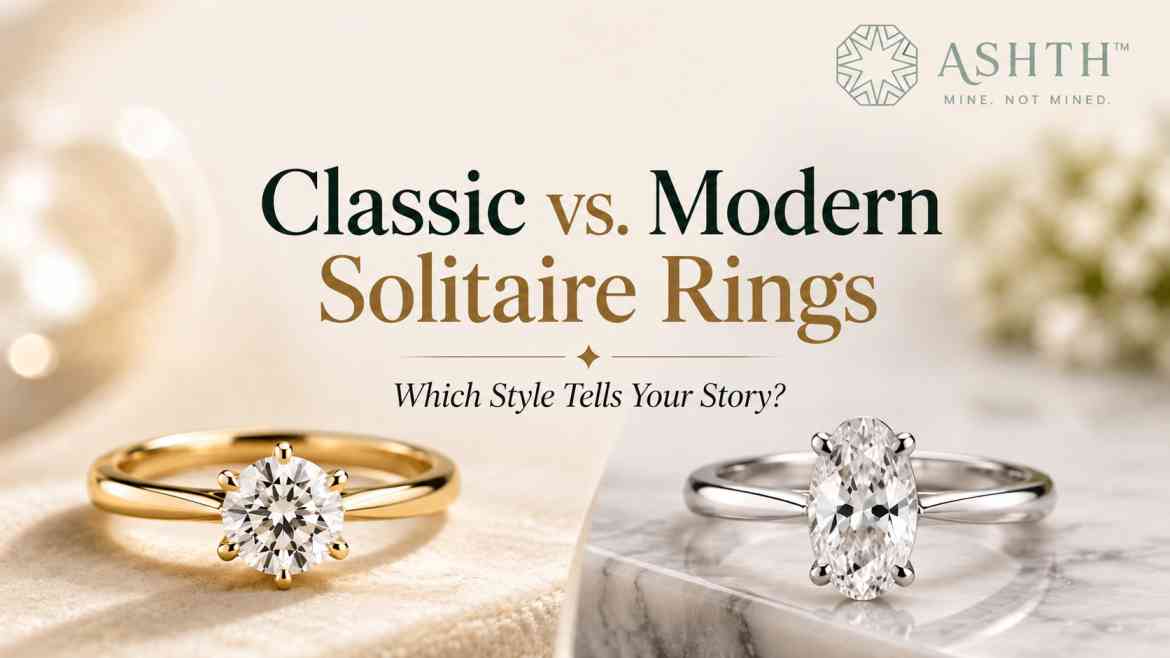
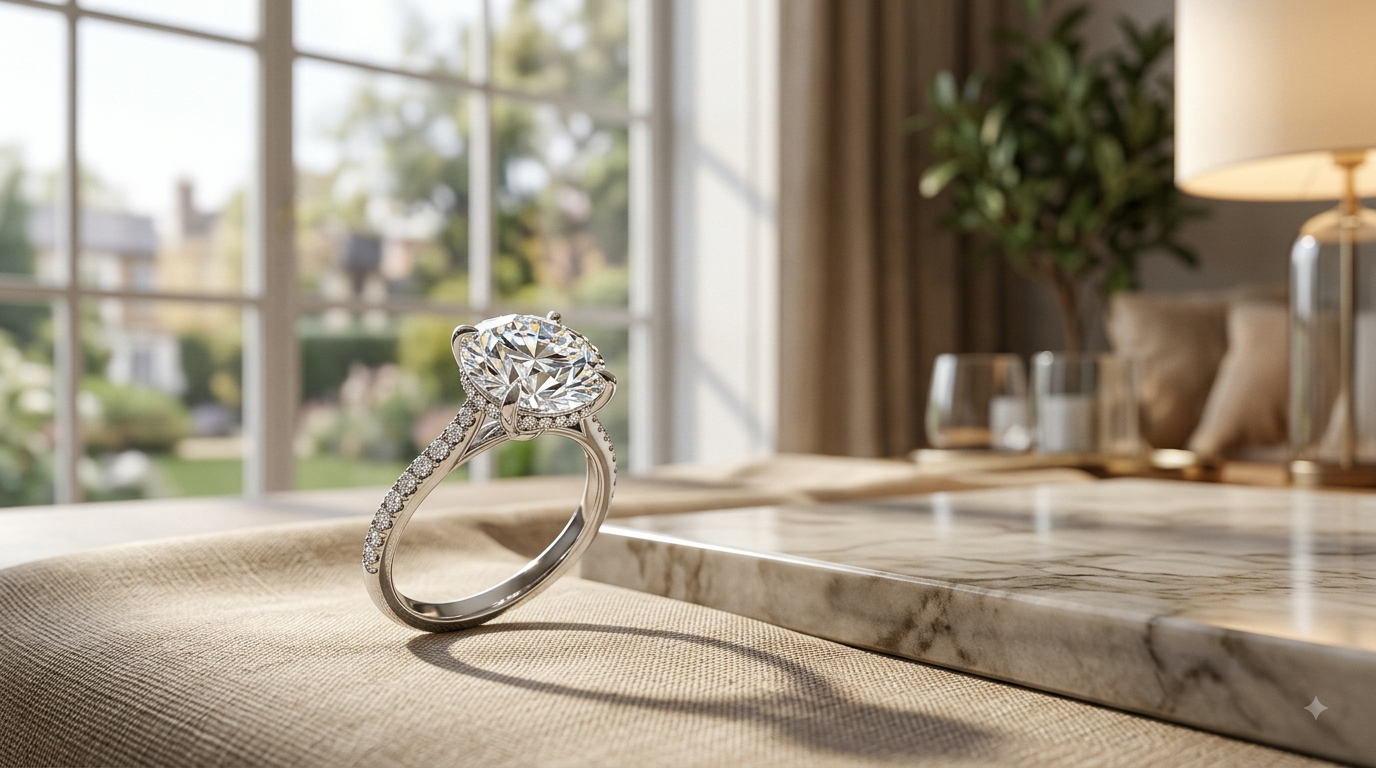
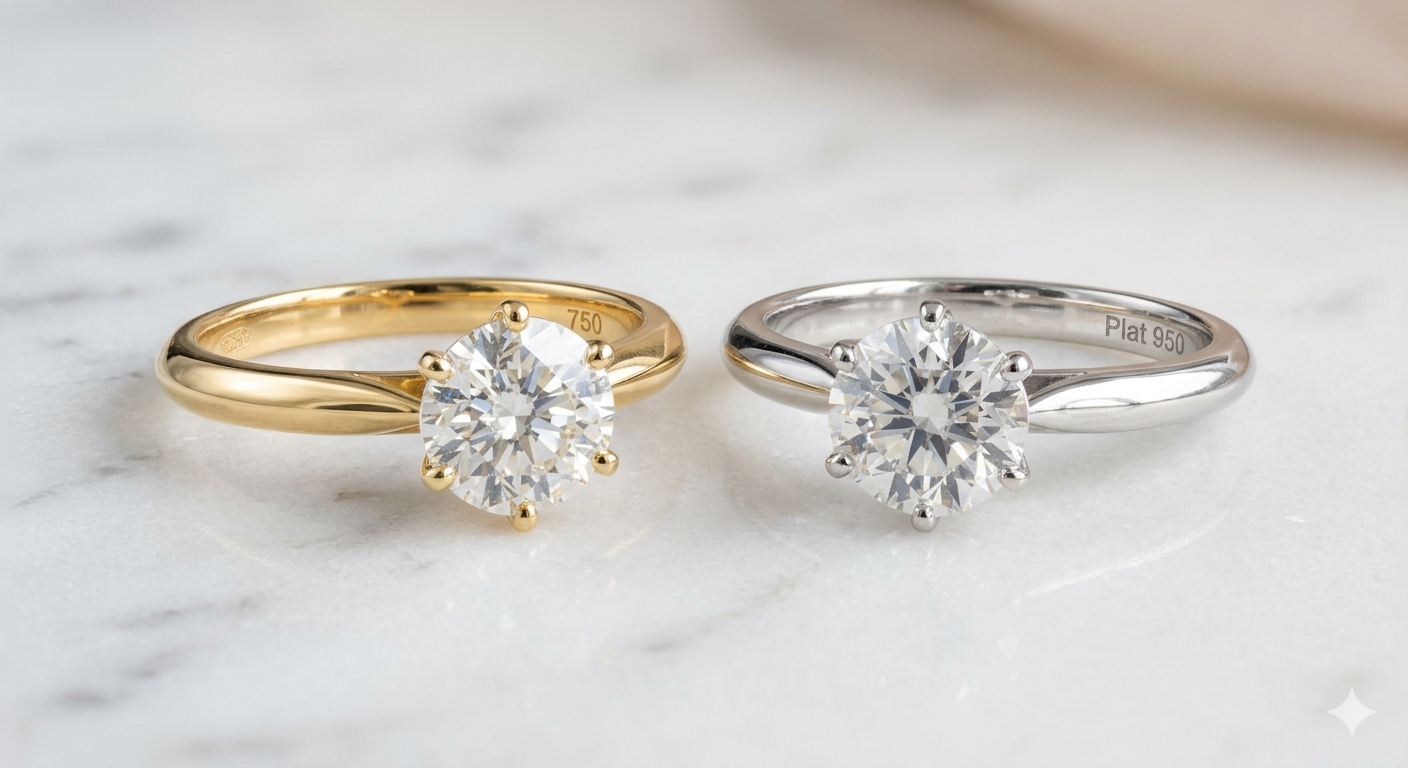
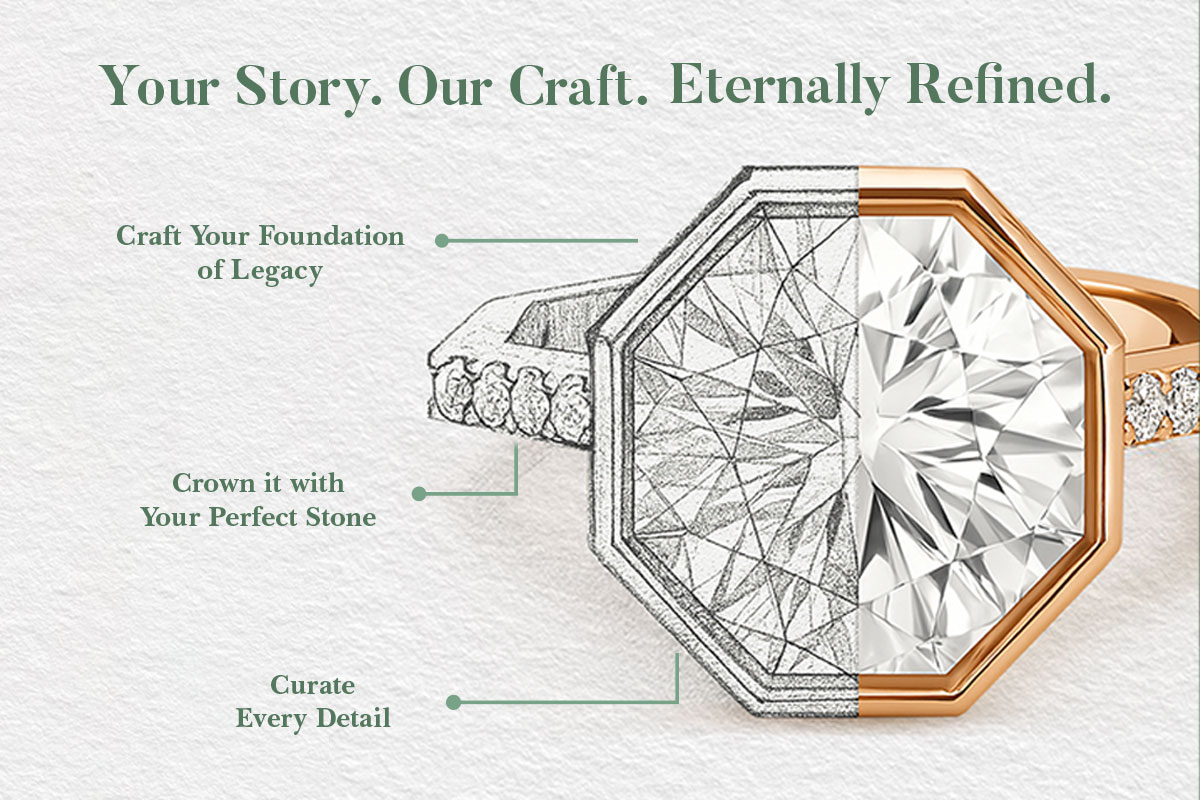
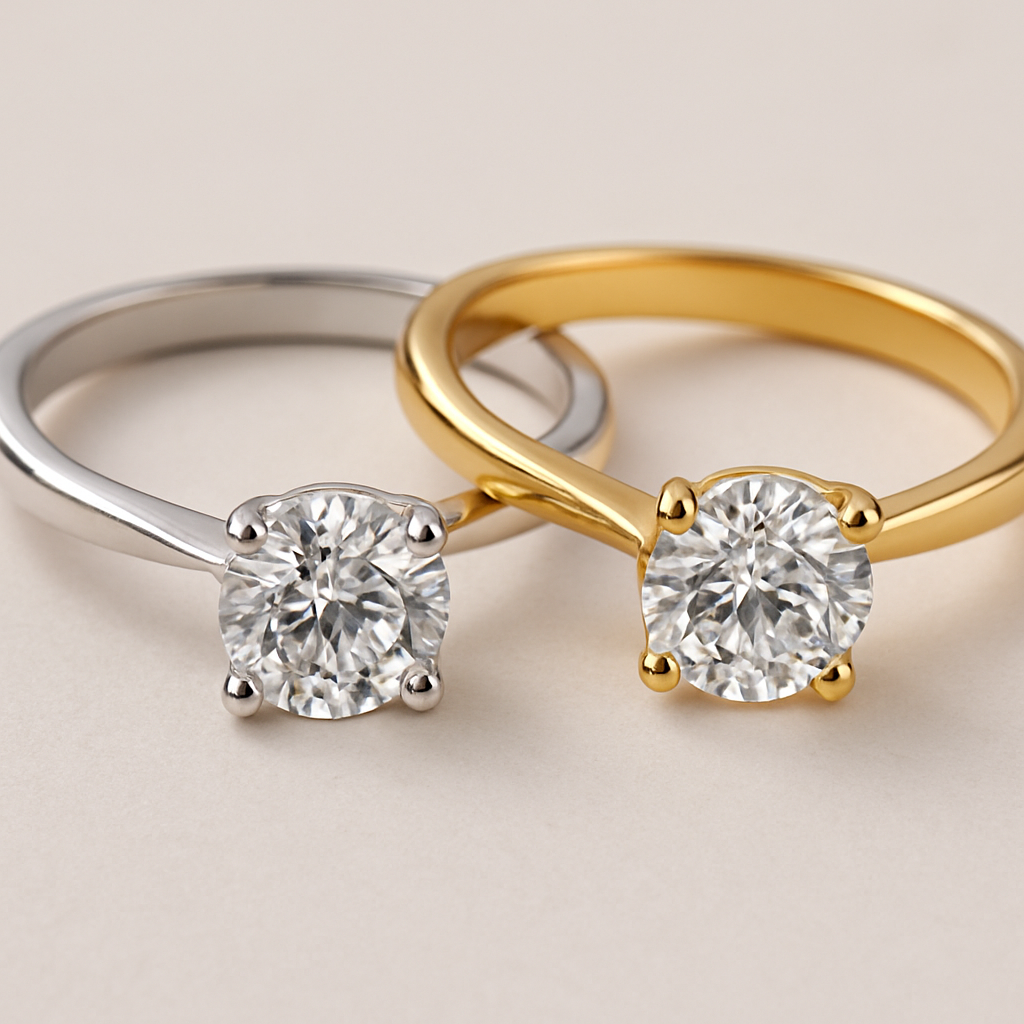
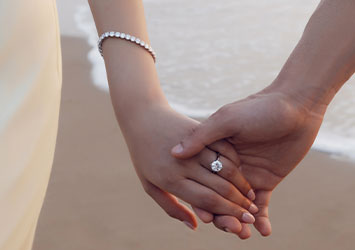
The classic solitaire remains the most requested engagement ring style in India, and for good reason — it puts the stone front and centre with minimal distraction, and it never looks dated. A four-prong or six-prong setting in platinum or 18K gold is the standard choice.
Halo settings, where a ring of smaller diamonds surrounds the centre stone, add perceived size and extra sparkle without a big jump in carat weight. This is a popular way to make a 0.70–0.90 carat centre stone look closer to a full carat, which matters if you're working with a tighter budget but still want visual presence. If you want something with more visual drama, browse Exclusive Diamond Rings in India for statement halo and detailed-setting styles.
Expert insight — choosing metal colour: Platinum and white gold suit colourless (D–F) or near-colourless (G–H) stones best, because the white metal doesn't reflect warm tones back into the diamond. Yellow gold, on the other hand, can actually work in your favour with slightly warmer colour grades (I–J), since the metal's tone masks any faint yellow tint in the stone.
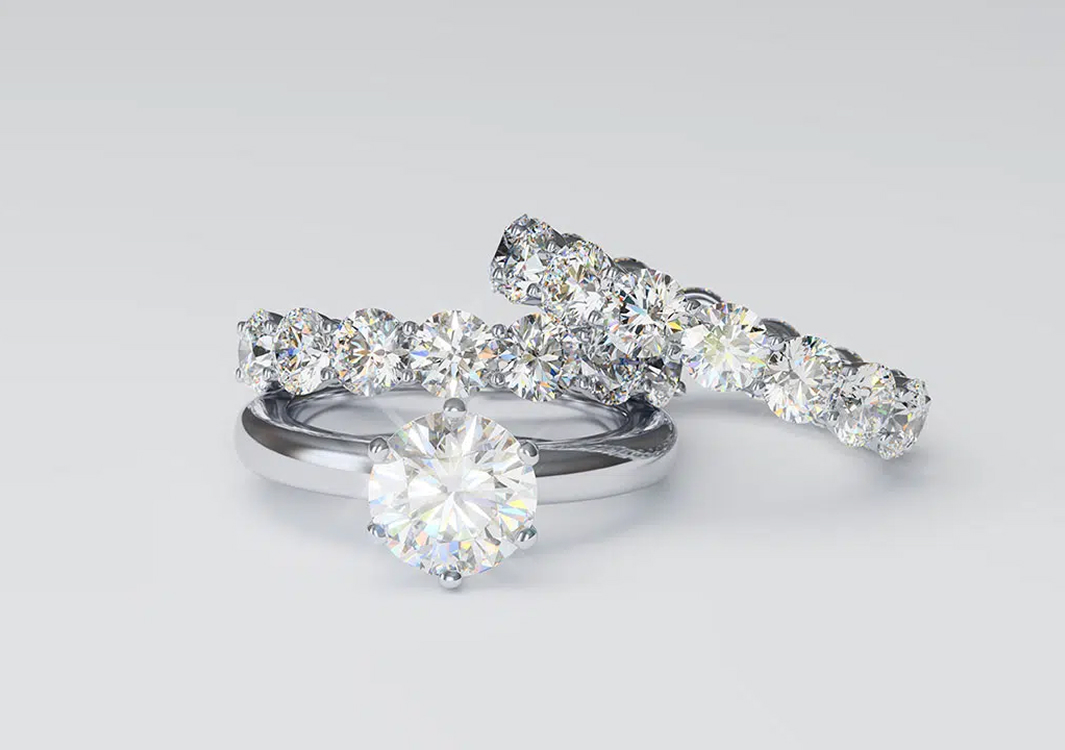
Eternity bands — rings set with diamonds running the full circumference — carry strong symbolism for anniversaries, representing an unbroken circle. They're also genuinely practical for daily wear if set with a low profile, since there's no single raised stone to catch on clothing or hair.
Stackable rings have become a real trend among urban Indian buyers building a jewellery collection over time rather than buying one large piece. A thin diamond band, a plain gold band, and a coloured-stone band worn together let you add to the collection on birthdays or anniversaries without committing to one big-ticket item.
For a modern look, jewellers are increasingly mixing cuts within a stack — a round-cut band next to a baguette-cut band, for instance — rather than matching every stone shape exactly.
If the ring is going on a hand that cooks, types, or works out daily, prioritise a low-profile setting. Bezel settings, where metal wraps around the stone's edge, or flush settings sit closer to the finger and snag far less than a raised prong setting.
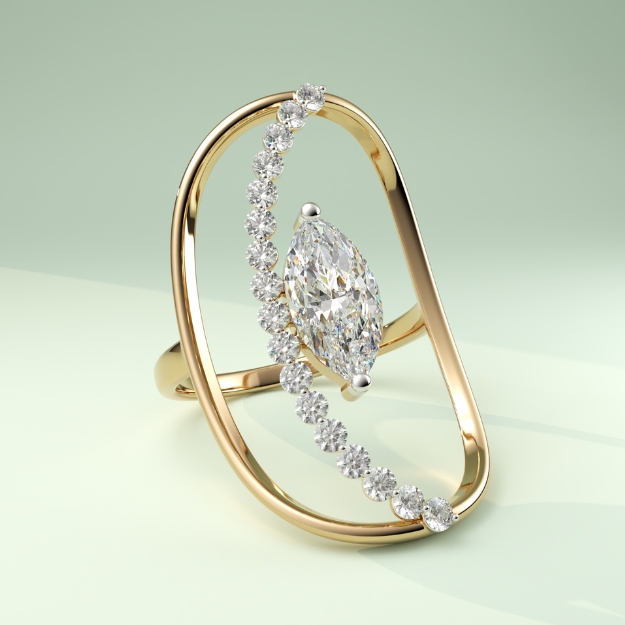
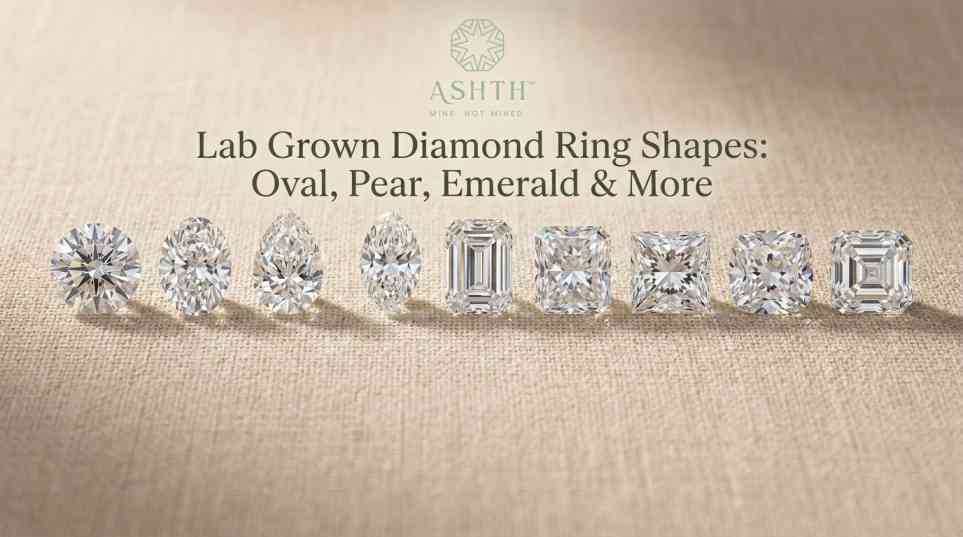
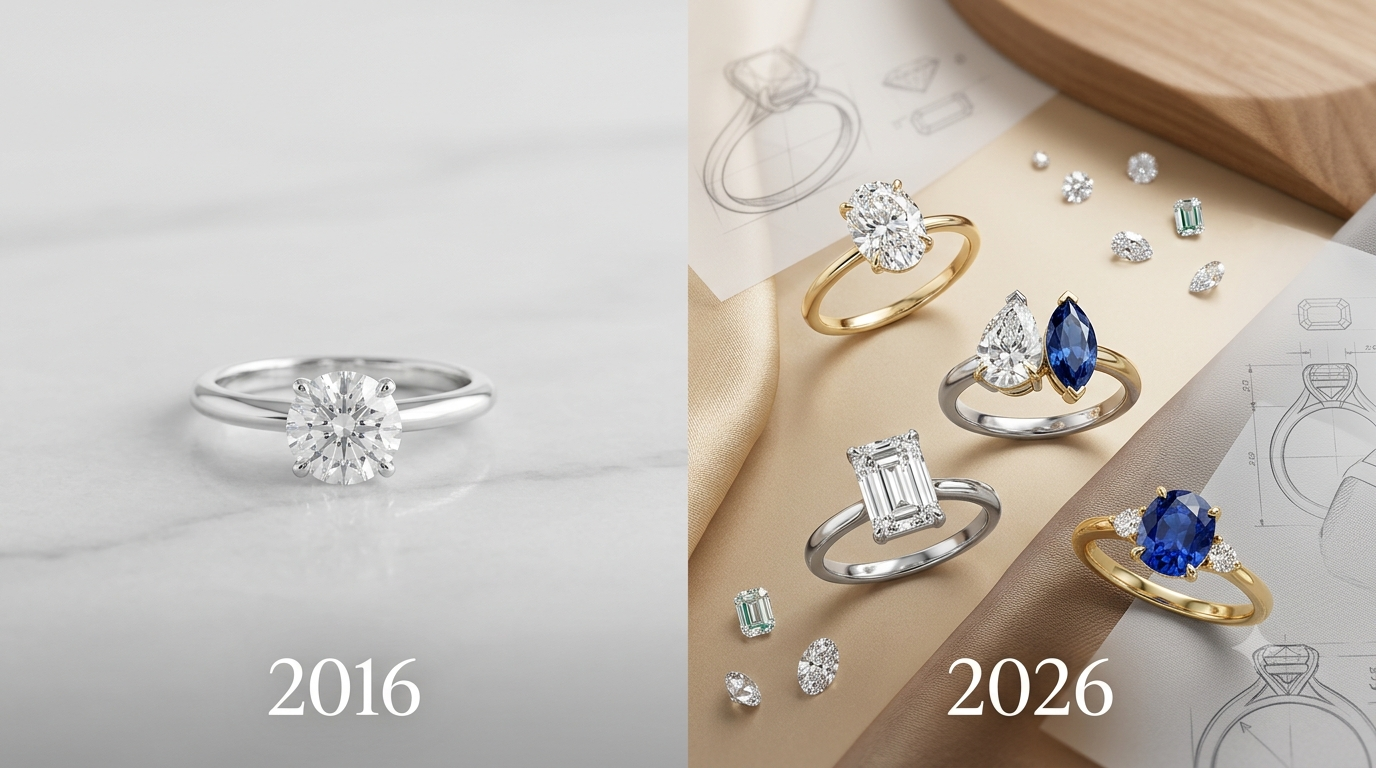
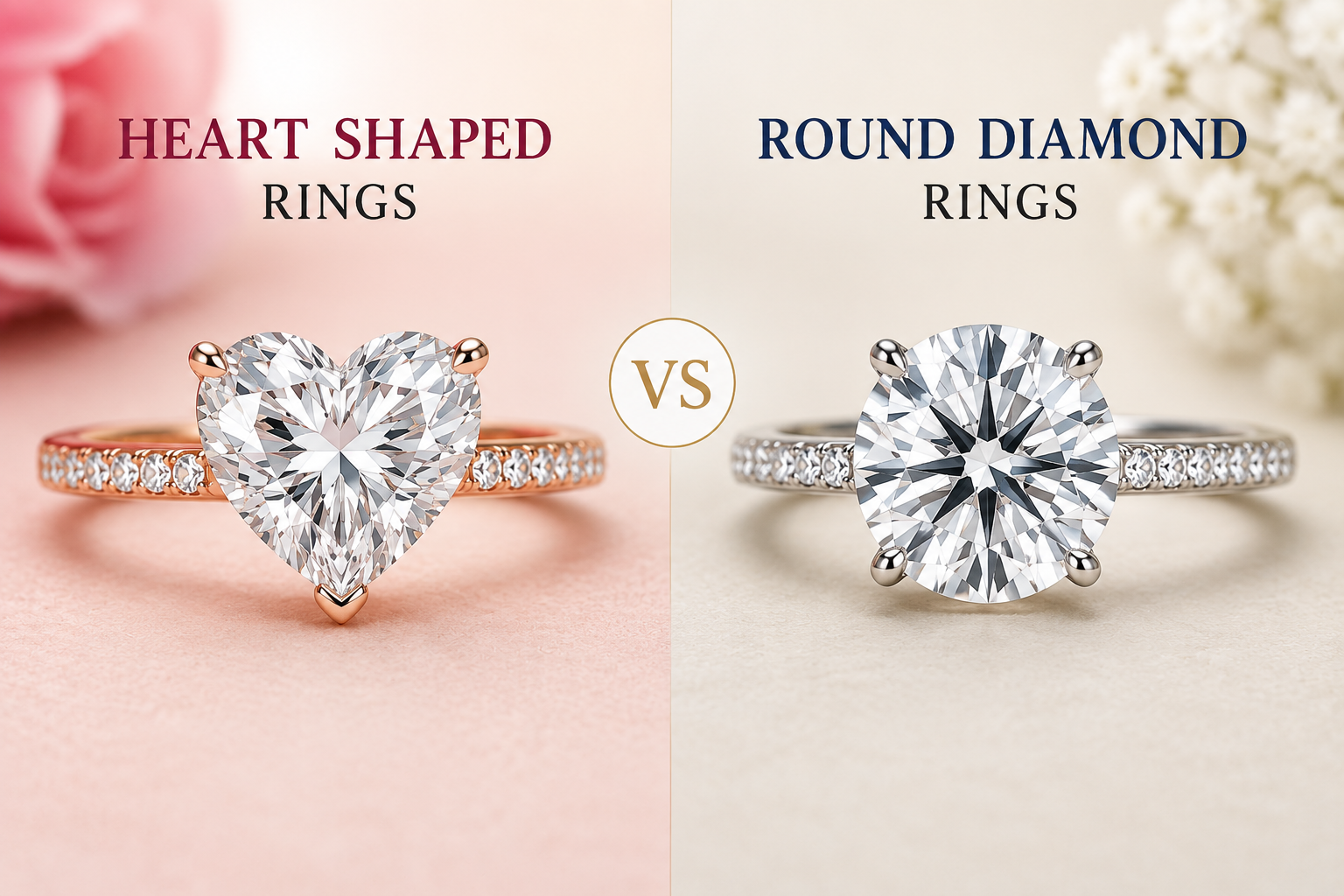
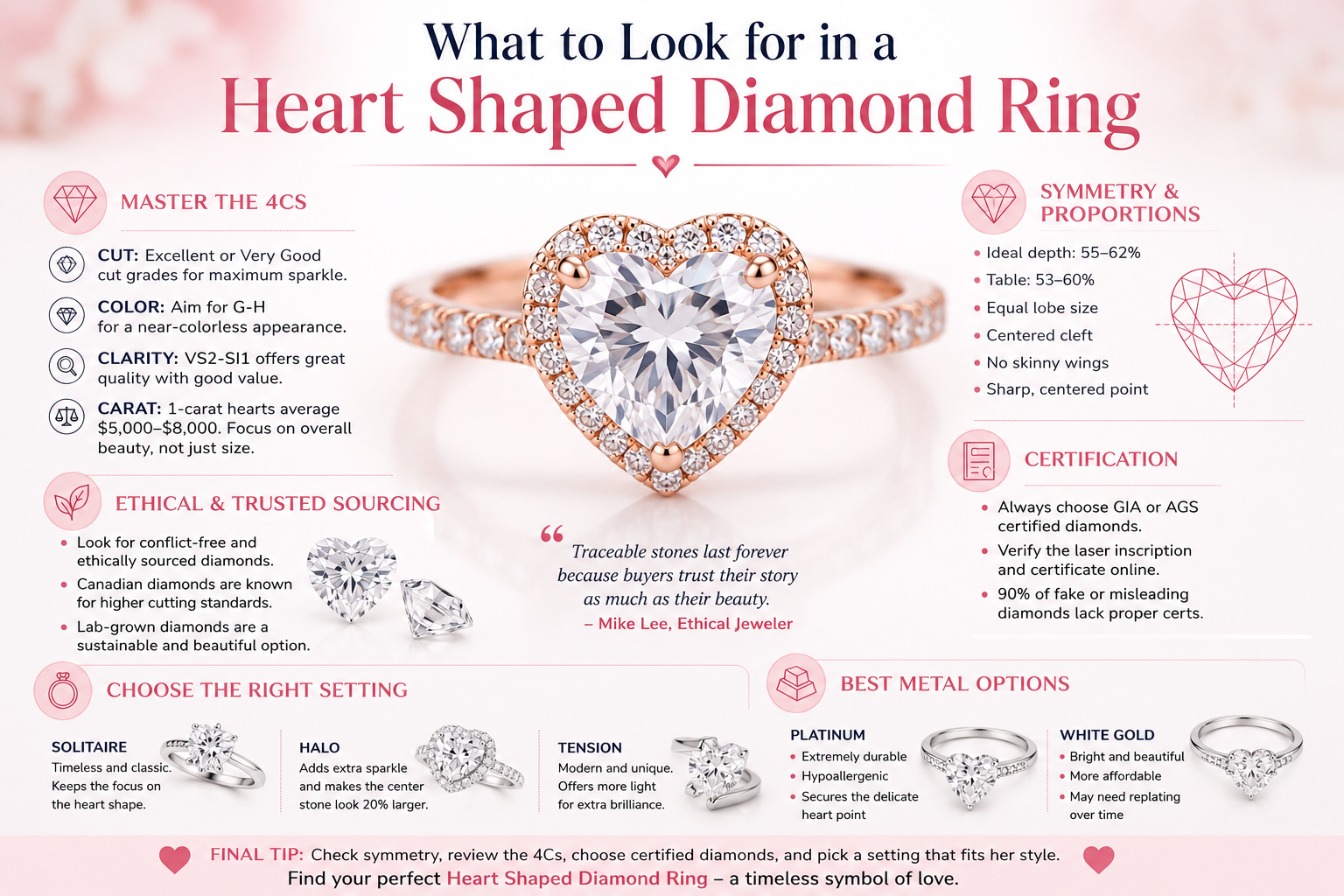
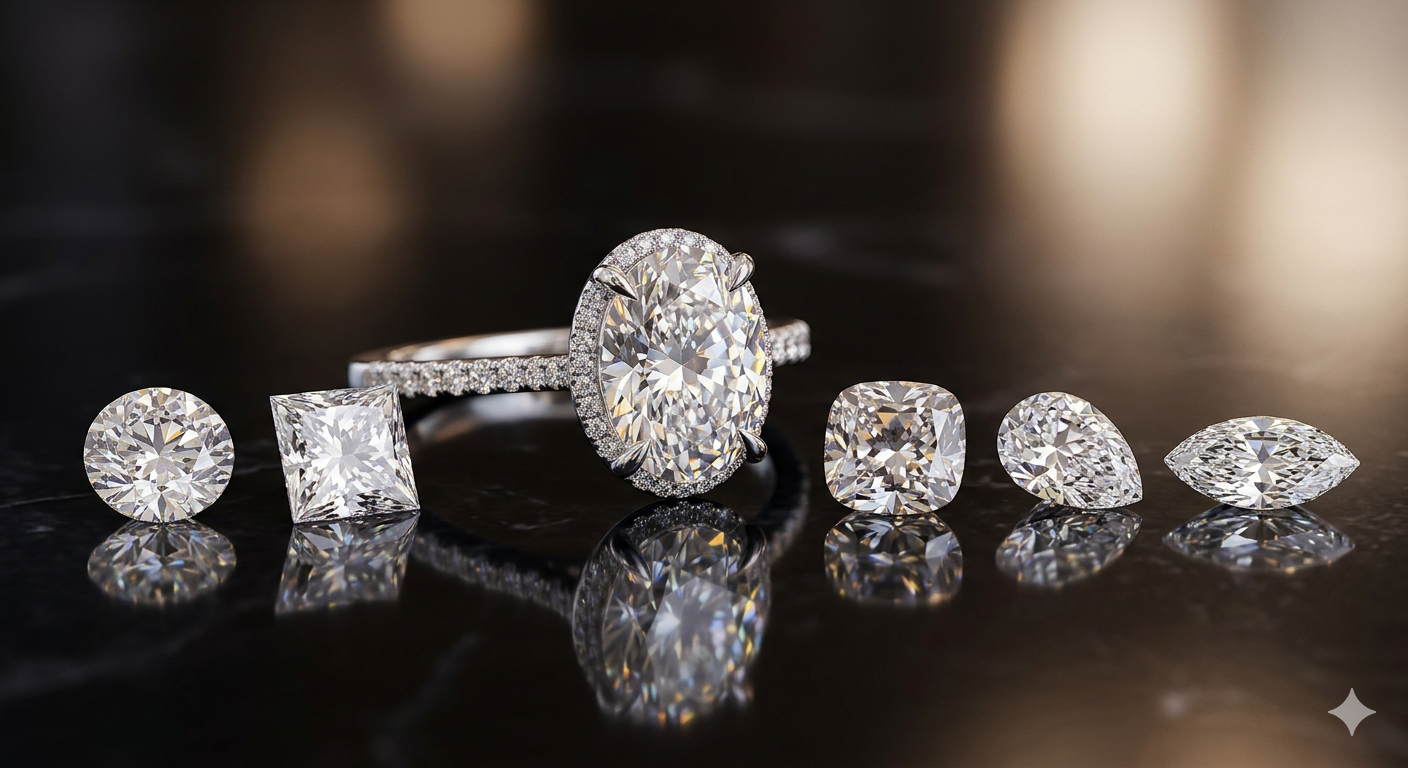
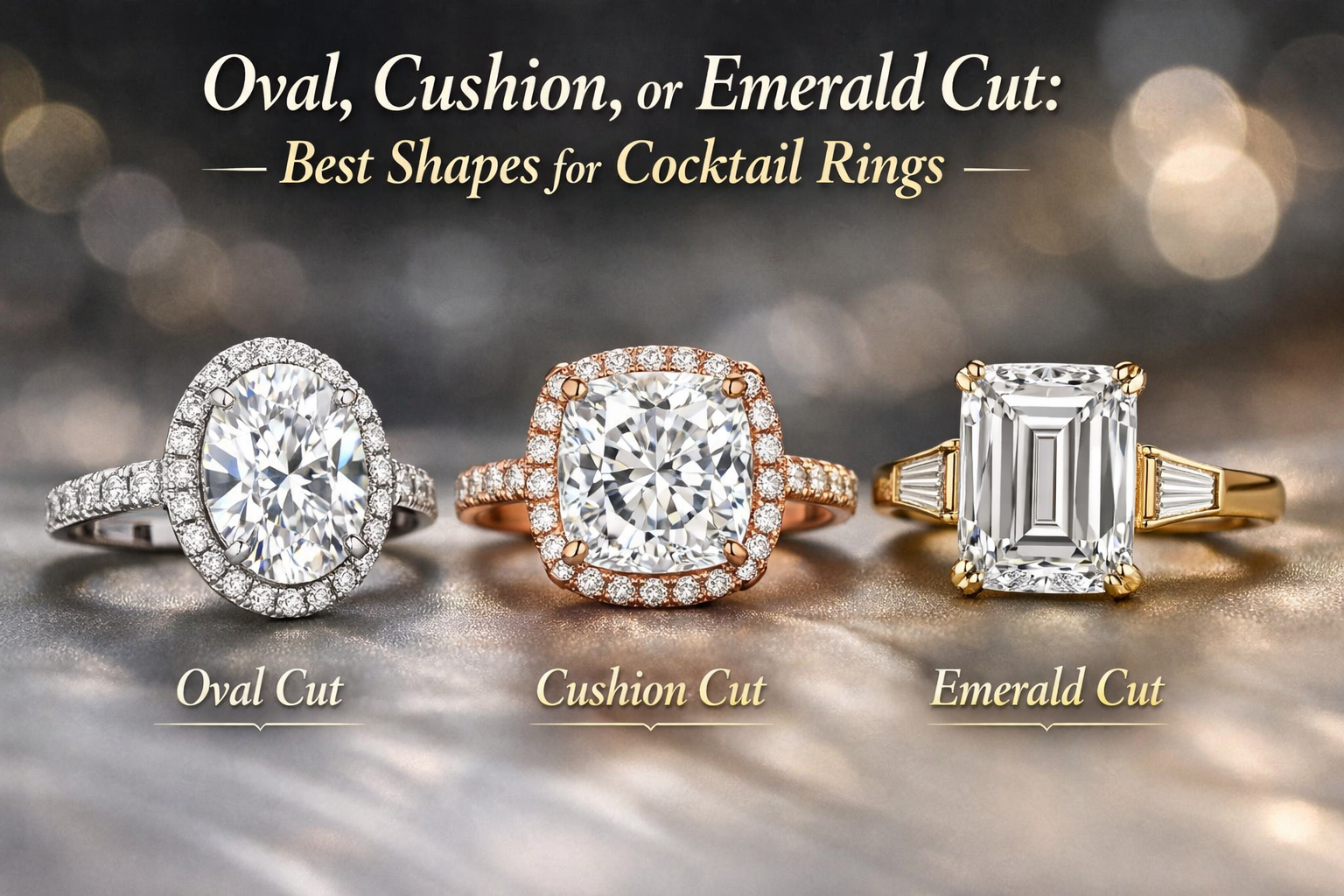
For buyers who want personality over convention, fancy shapes — pear, marquise, oval — read as more individual than a round brilliant, and often appear larger per carat because of their elongated outline. The trade-off: fancy shapes show inclusions and colour more readily at the pointed ends, so it's worth going up slightly in clarity if you choose one.
Balancing boldness with comfort: a larger fancy-shape stone looks striking, but check how it sits when your hand is closed or when you're typing. Try it on and go about a normal five minutes — reach into a bag, hold a phone, shake someone's hand — before deciding.
The stone gets the attention, but the metal is what determines how the ring survives years of actual wear. This decision should match your lifestyle, not just your taste.
Platinum is the strongest hold for a diamond and the safest choice if you have sensitive skin, since it's naturally hypoallergenic and doesn't require rhodium plating. It's denser and heavier than gold, develops a soft patina over time (which many buyers actually prefer), and holds prongs more securely — a real consideration for anyone who works with their hands.
18K gold (75% pure gold) strikes a balance between richness of colour and daily durability. It's softer than platinum but holds its shine well and is widely available across Indian jewellers at every price point.
White gold deserves a specific caution: it isn't naturally white. It's yellow gold alloyed with white metals, then plated with rhodium to get that bright white finish. That plating wears off — typically within one to two years of regular wear — and needs to be re-done. Ask your jeweller upfront what a rhodium re-plating service costs, because it's a recurring expense white gold owners often don't budget for.
14K gold (58.3% pure gold) is noticeably harder than 18K because it contains a higher percentage of alloy metals. For someone with an active daily routine — gym, kitchen, manual work — 14K resists scratching and bending better, at a slightly lower price point too.
Rose gold has held steady as a favourite for 2026, particularly for anniversary and celebration pieces, thanks to its warm tone that photographs well and pairs naturally with both cool and warm skin tones. Yellow gold has also seen renewed interest as a counter-trend to the white-metal-everything era of the past decade.
High-grade sterling silver works for fashion-forward, occasional-wear pieces, but it's not the right choice for an everyday engagement ring — it tarnishes faster and doesn't hold a diamond as securely over years of wear.
Titanium and tungsten show up mostly as accent bands or men's rings rather than centre-stone settings, valued for their industrial look and scratch resistance, though tungsten can't be resized once it's made.
When to choose precious metal over base metal: if the ring is meant to be worn daily for years — which describes most engagement and anniversary rings — stick to gold or platinum. Base metals save money upfront but cost more over time in resizing limitations and replacement.
This is where lab grown diamonds actually change the calculation, not just the price tag.
As of 2026, a certified 1-carat lab grown diamond in India typically runs between roughly ₹35,000 and ₹1,10,000 depending on quality tier — commercial-grade stones at the lower end, and top investment-grade D-colour, IF–VVS1 clarity, triple-excellent-cut stones at the upper end. A comparable natural diamond of similar grade costs roughly ₹3,00,000 to ₹7,00,000, putting the price gap somewhere between 70 and 85 percent.
Certification also affects price. A GIA-certified lab grown stone typically costs about 5 to 10 percent more than an IGI-certified stone of the same grade, since GIA operates a smaller lab grown certification volume in India compared to IGI.
Figures are indicative 2026 market ranges for loose, certified stones; final ring prices add metal, making charges, and GST.
The obvious use of this savings is buying a larger stone for the same budget. But experienced buyers often do something smarter: they keep the carat weight modest and put the savings into a better cut grade and a sturdier setting instead. A smaller, better-cut diamond consistently outperforms a larger, average-cut one in how it actually looks on the hand. Browsing a curated collection of Exclusive Diamond Rings is a good way to compare how different cut-and-carat combinations actually look before you decide.
On resale value — an honest note: neither lab grown nor natural diamonds are reliable investment assets for the average buyer. Natural diamonds hold resale value better than lab grown stones, largely because of scarcity and an established secondary market through channels like the Rapaport list. Lab grown diamonds, being reproducible in volume, don't carry the same resale premium — most jewellers today buy back lab grown stones at a fraction of the purchase price, if at all. If you're buying to wear and enjoy, this doesn't matter. If you're buying partly as a store of value, understand this trade-off going in.
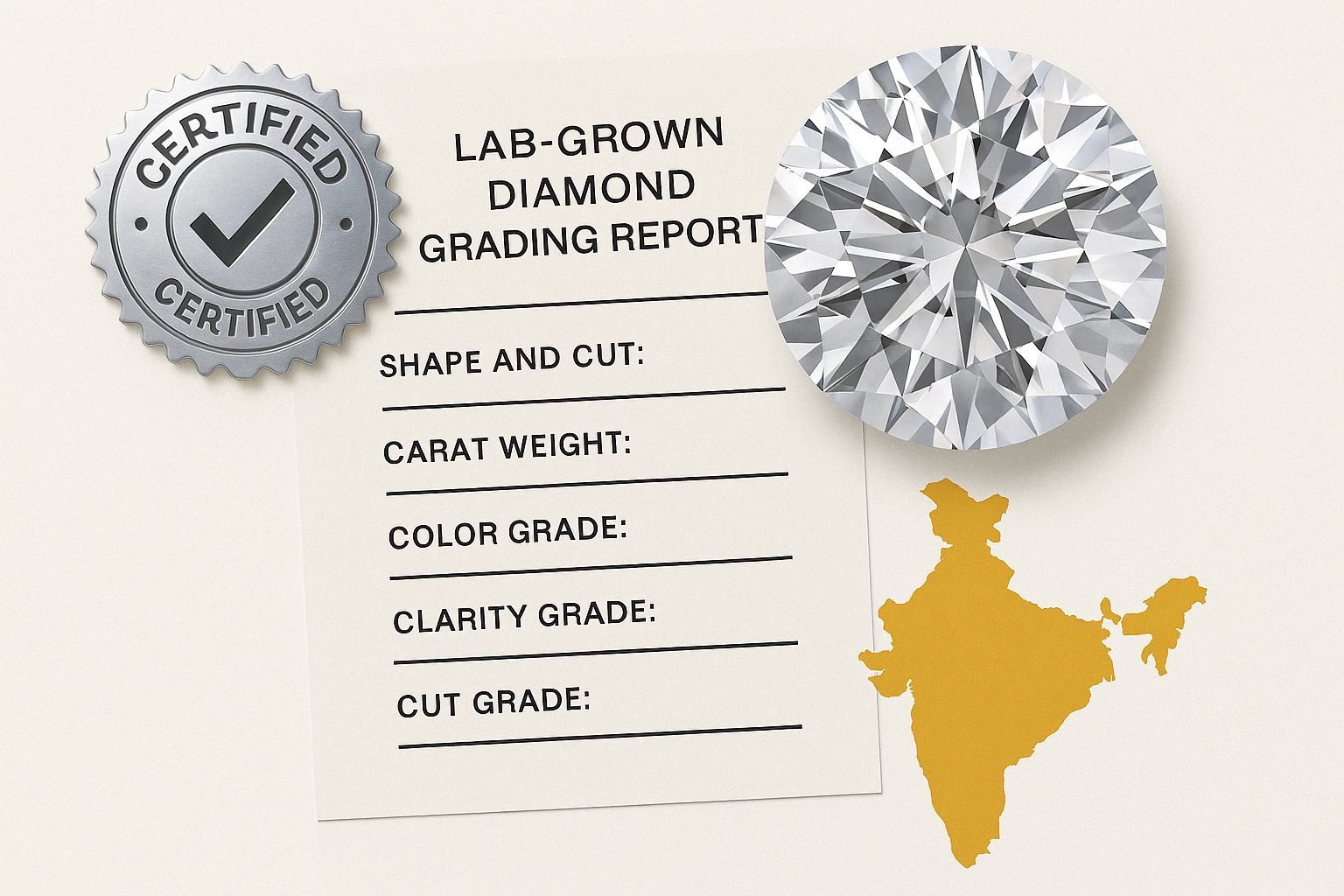
Insist on a certificate from IGI or GIA. These are the two labs Indian buyers should recognise; IGI dominates the lab grown certification market in India by volume, while GIA — the stricter, more globally recognised name — certifies a smaller share at a slight price premium. Avoid uncertified stones entirely, regardless of how good a deal seems, since there's no independent verification of what you're actually buying.
How to read a grading report:
Check the growth method listed (CVD or HPHT) — this confirms the stone is genuinely lab grown and disclosed as such.
Cross-check the colour, clarity, and cut grades against what the jeweller quoted verbally.
Look at the inclusion plot diagram — this maps exactly where any inclusions sit, which is how gemologists spot stones with a flaw conveniently placed to be hidden under a prong.
Confirm the carat weight and measurements match the physical stone description on your invoice.
On the ethics side, lab grown diamonds are inherently conflict-free since they're manufactured rather than mined, which sidesteps the sourcing concerns tied to some natural diamond supply chains. If sustainability matters to your decision, ask the jeweller about the energy source used in production — CVD and HPHT are energy-intensive processes, and some manufacturers now disclose renewable energy usage as a differentiator.
A custom build makes sense when you have a specific vision — a family heirloom stone reset into a new design, an unusual metal combination, or a setting style your local jeweller doesn't stock. Expect a longer timeline, typically three to six weeks in India, and a deposit upfront.
A pre-set, ready-to-wear ring is faster (often available same-day or within a few days for resizing) and usually slightly cheaper since it skips custom labour charges. For most buyers working within a normal timeline — proposal dates, wedding seasons, gifting occasions — ready-to-wear covers the need without the wait.
Checklist for talking to a jeweller about a custom vision:
Bring reference images, not just verbal descriptions
Confirm whether the quoted price includes the certified stone or is stone-exclusive
Ask for a CAD rendering or wax model before final casting
Get the full timeline and any rush-order charges in writing
Clarify what happens if you want changes after seeing the CAD render
Chasing carat weight over cut grade. This is the single most common regret jewellers report — buyers who picked the bigger stone and later wished they'd chosen the one that actually sparkled.
Skipping certification to save money. An uncertified "great deal" has no independently verified grade behind it — you're trusting the seller's word alone.
Not asking about GST breakdown. Diamond jewellery in India attracts 3% GST on the total invoice value, covering the diamond, metal, and making charges together, while gold making charges specifically are taxed at a separate rate. A jeweller quoting a suspiciously round, tax-inclusive number without an itemised bill is worth double-checking.
Ignoring finger size and lifestyle when picking a setting. A gorgeous halo setting that snags on every sweater sleeve stops feeling gorgeous within a month.
Assuming all lab grown diamonds are priced the same. As the price tables above show, the range between commercial and top-grade stones is wide — know which tier you're actually paying for.
Not confirming the resizing policy before buying. Ring sizes can shift with weight change or over years; a jeweller without a clear resizing policy leaves you stuck later.
Before you swipe your card, run through this list:
Certification paperwork (IGI or GIA) matches the stone's actual grades — colour, clarity, cut, carat
Growth method (CVD/HPHT) is clearly disclosed on the certificate
Ring has been tried on for comfort, fit, and how it feels during normal daily movement
Warranty terms are in writing — covers what, for how long
Resizing policy is confirmed, including whether it's free within a certain window
Return or exchange window is clearly stated, along with any restocking conditions
Invoice itemises stone cost, metal cost, making charges, and GST separately
Hallmarking (BIS, for gold) is visible on the band if applicable
1. Are lab grown diamonds real diamonds? Yes. They share the same chemical composition, hardness, and optical properties as mined diamonds. The only difference is origin — one forms underground over millions of years, the other in a lab over a matter of weeks.
2. How much does a lab grown diamond ring cost in India in 2026? A certified 1-carat lab grown solitaire ring typically falls between ₹55,000 and ₹95,000 in 14K–18K gold, though final price depends heavily on colour, clarity, cut grade, and metal choice.
3. Is IGI or GIA certification better for a lab grown diamond? Both are credible labs. IGI certifies the large majority of lab grown diamonds sold in India and is widely accepted by Indian jewellers. GIA applies a slightly stricter grading standard and commands a modest price premium as a result. Either is acceptable as long as the certificate is genuine and matches the stone.
4. Do lab grown diamonds lose their sparkle or "cloud" over time? No. Diamond is diamond — lab grown stones don't fade, cloud, or lose brilliance with age any differently than natural diamonds would.
5. Will a jeweller or appraiser be able to tell it's lab grown just by looking? Not with the naked eye. Distinguishing lab grown from natural requires specialised equipment that detects trace growth patterns invisible to standard tools, which is exactly why certification matters — the paperwork is the only reliable proof either way.
6. What's the ideal clarity grade for a diamond that looks flawless? VS1 or VS2 clarity is the practical sweet spot for most buyers — inclusions at this level aren't visible without magnification, so the stone reads as eye-clean without paying for internally flawless grades few people will ever verify.
7. Should I choose platinum or gold for a lab grown diamond ring? Platinum offers the most secure hold and is naturally hypoallergenic, making it ideal for daily wear and sensitive skin. 18K or 14K gold offers a more affordable, warmer-toned alternative with slightly less durability than platinum but strong day-to-day performance.
8. What GST applies to a lab grown diamond ring in India? Diamond jewellery, including lab grown stones set in gold or platinum, attracts 3% GST on the total invoice value covering the diamond, metal, and making charges. Ask for an itemised invoice to see exactly how the tax is applied to each component.
9. Do lab grown diamonds hold resale value? Generally, no — not at the level natural diamonds do. Because lab grown stones are reproducible rather than scarce, most jewellers offer limited or no buyback value on them. They're best purchased to wear and enjoy rather than as a financial asset.
10. How long does it take to get a custom lab grown diamond ring made in India? Typically three to six weeks from design approval to delivery, depending on the jeweller and complexity of the setting. Ready-to-wear pieces, by contrast, are usually available within a few days including resizing.
Choosing a lab grown diamond ring in India in 2026 comes down to four decisions, in this order: get the cut grade right before chasing carat weight, pick a metal that matches how you'll actually wear the ring, insist on IGI or GIA certification with a report you've actually read, and put your savings toward quality rather than size alone.
The lab grown advantage isn't just that it's cheaper — it's that the savings buy you room to make better choices at every step instead of compromising on all of them. Use that room wisely, and the ring you choose will look, wear, and last exactly the way a fine diamond ring should.

 Round
Round Pear
Pear Heart
Heart PRINCESS
 Oval
Oval CUSHION
 EMERALD
 MARQUISE
 Asscher
 RADIANT
 Ashth CUT
 ROSE CUT
 BRIOLETTE
 SINGLE CUT
 TRAPEZIUM
 TULIP
TULIP TRIANGLE
 BUTTERFLY
 FLOWER
 MOVAL
MOVAL CLOVER
 BAGUETTE
 9KT ASHTH CUT
 9KT MARQUISE
 9KT PEAR
 9KT RADIANT
 9KT EMERALD