Ashth - Where Exceptional Craftsmanship Defines Modern Luxury !

- Rings
- Earrings
Shop By Category
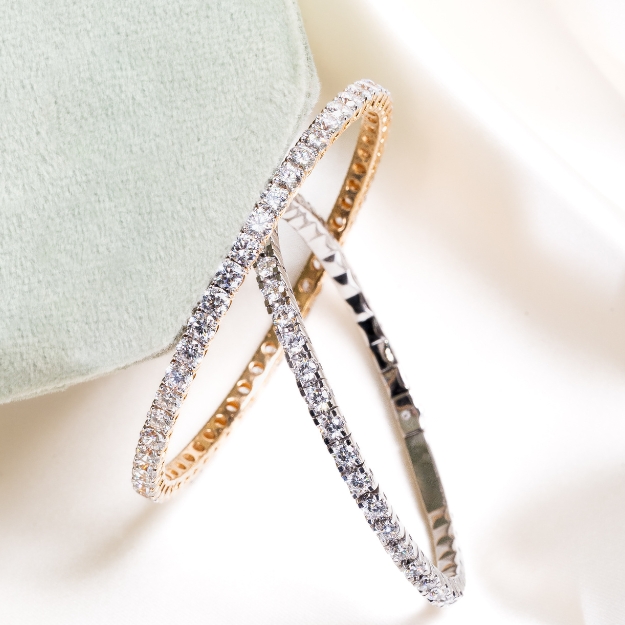
- Bangles/ Bracelets
Shop By Category
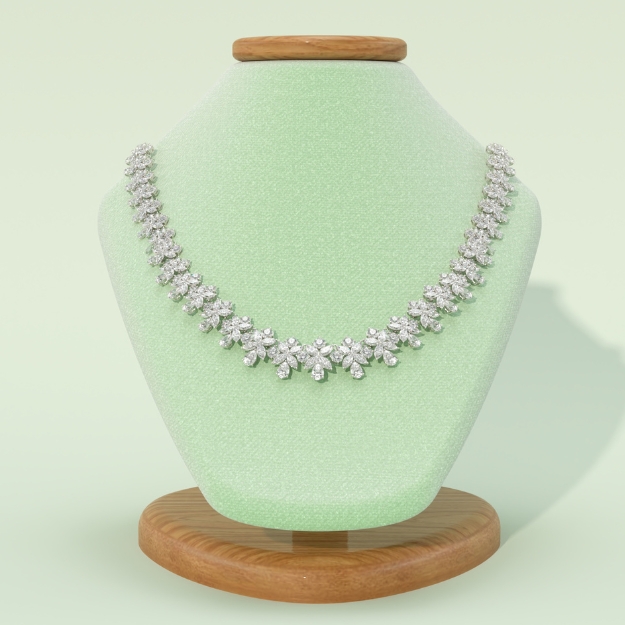
- Necklaces
Shop By Category
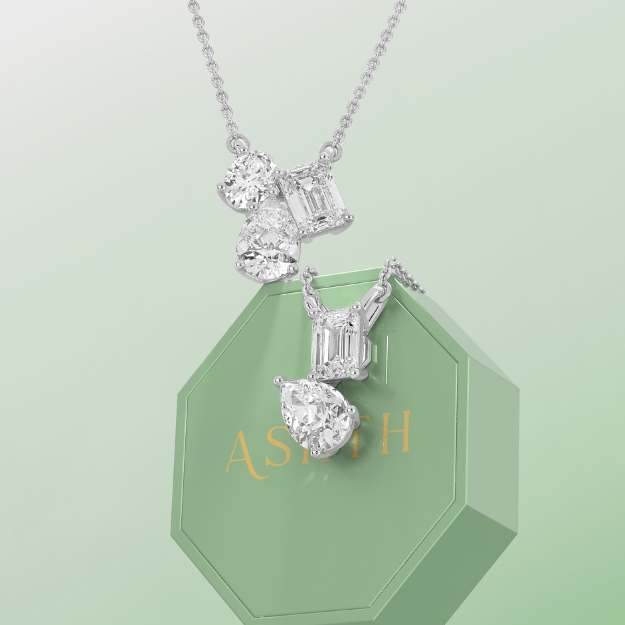
- Pendants
Shop By Category
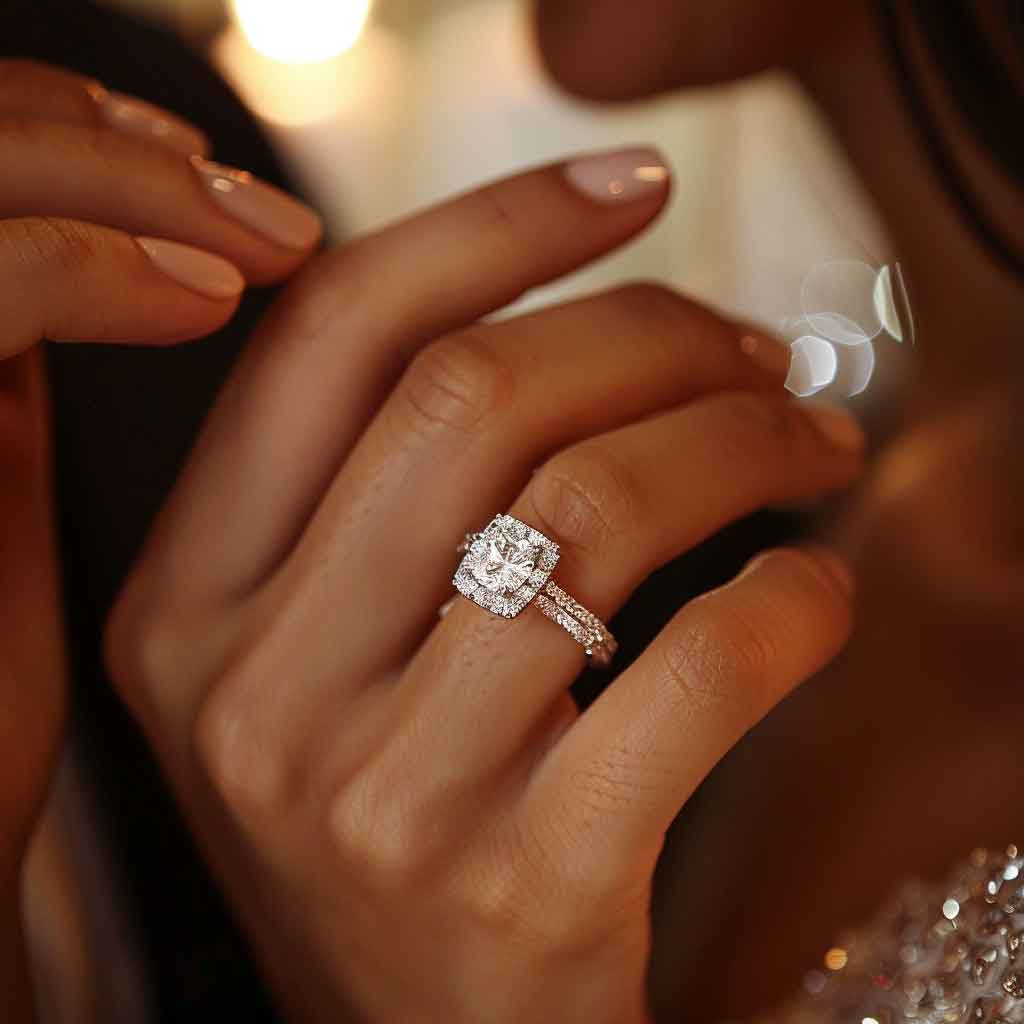
- ASHTH LITE
Shop By Category
- Collections
Collections
Shop By Category
Shop By Category
Shop By Category
Shop By Category
Shop By Category
Collections
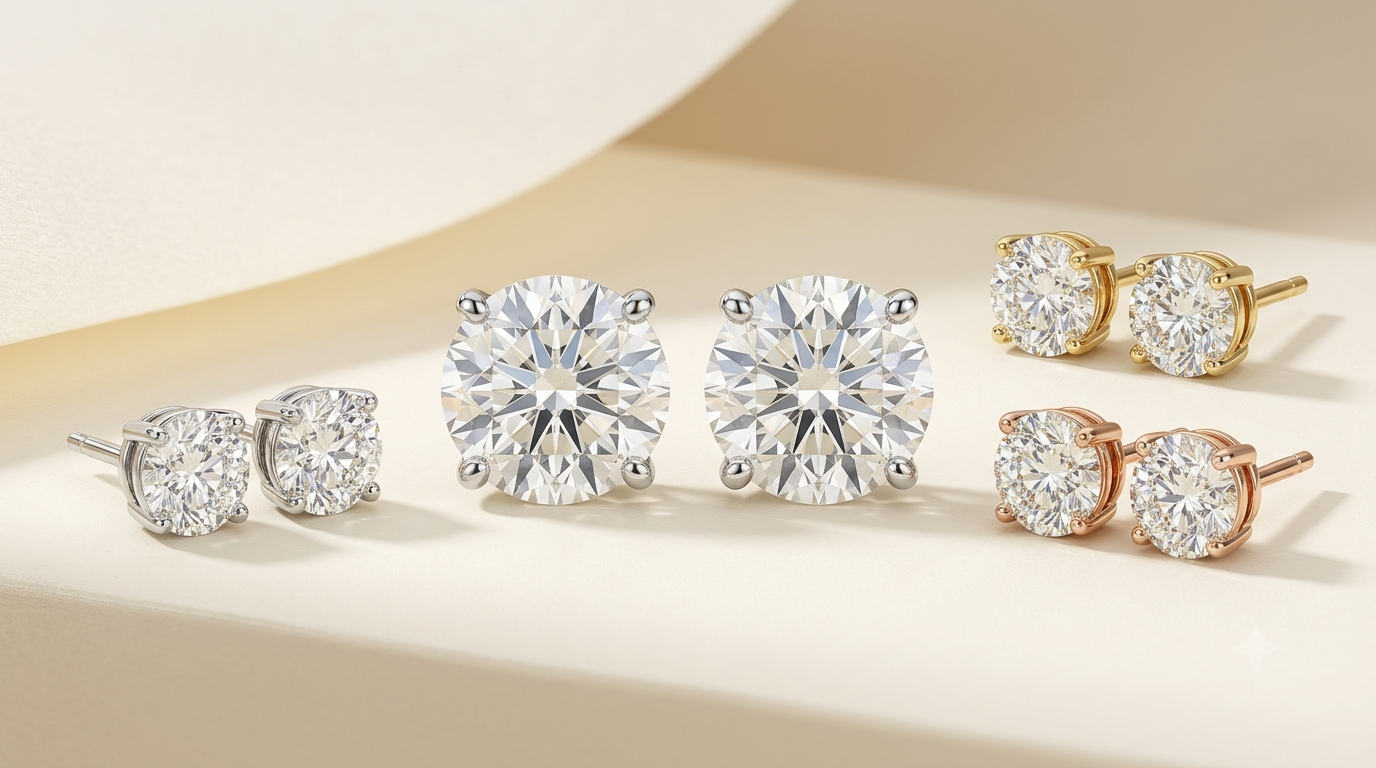
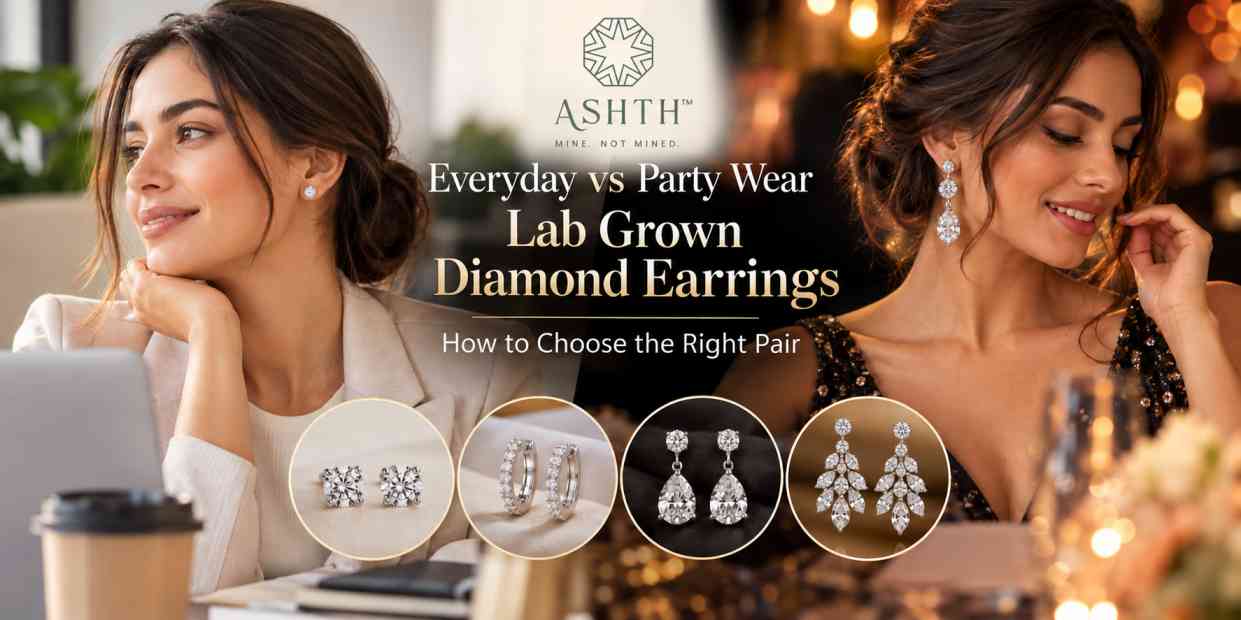
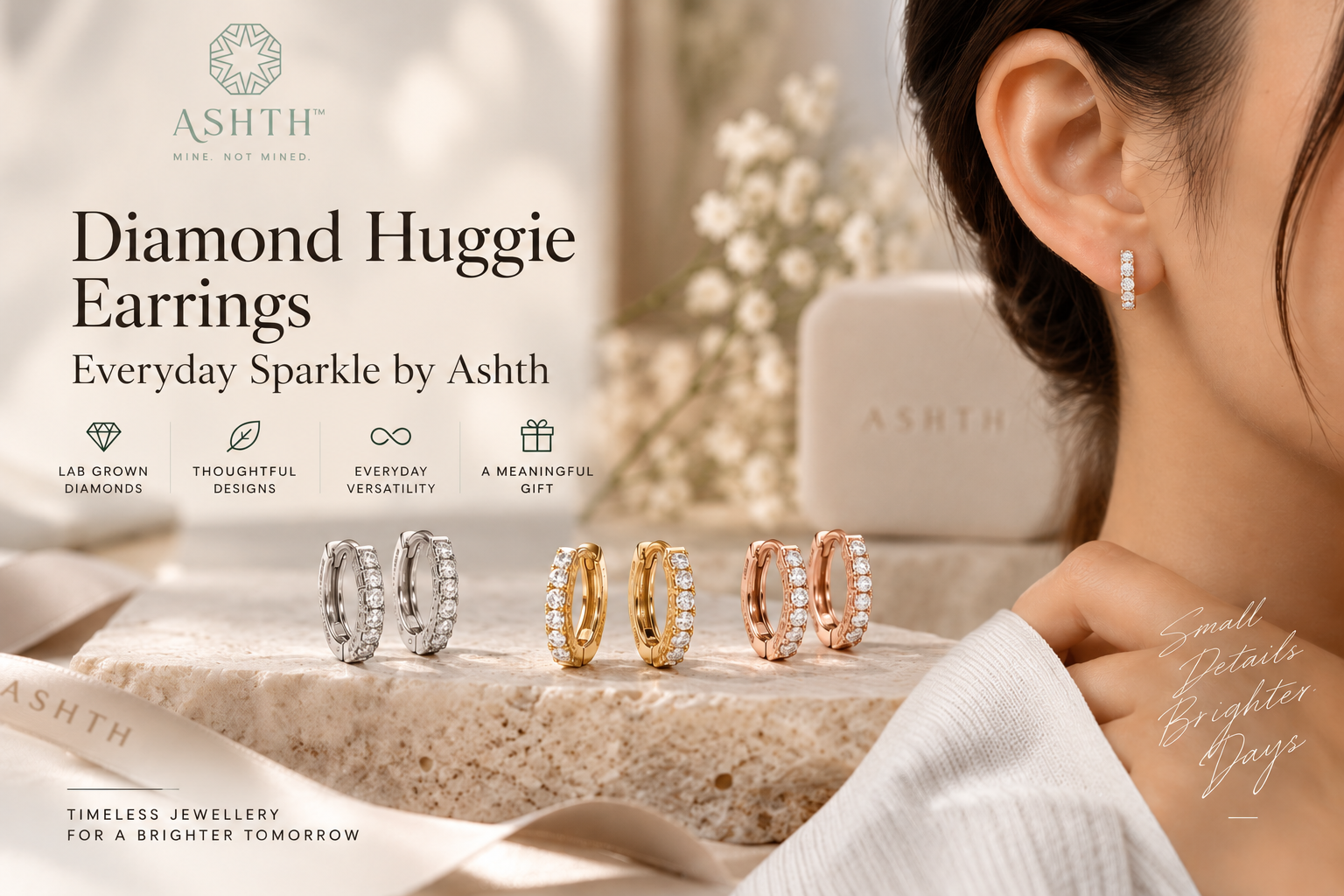
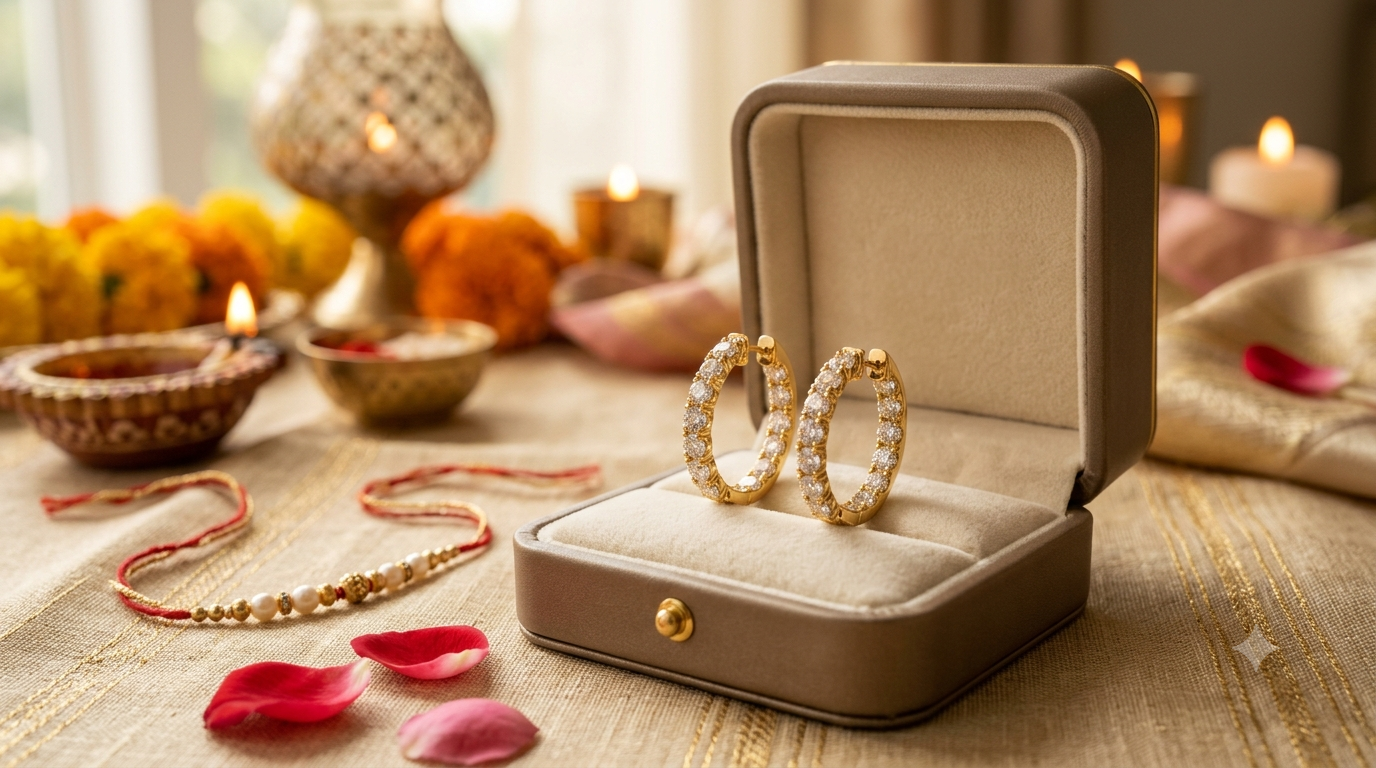
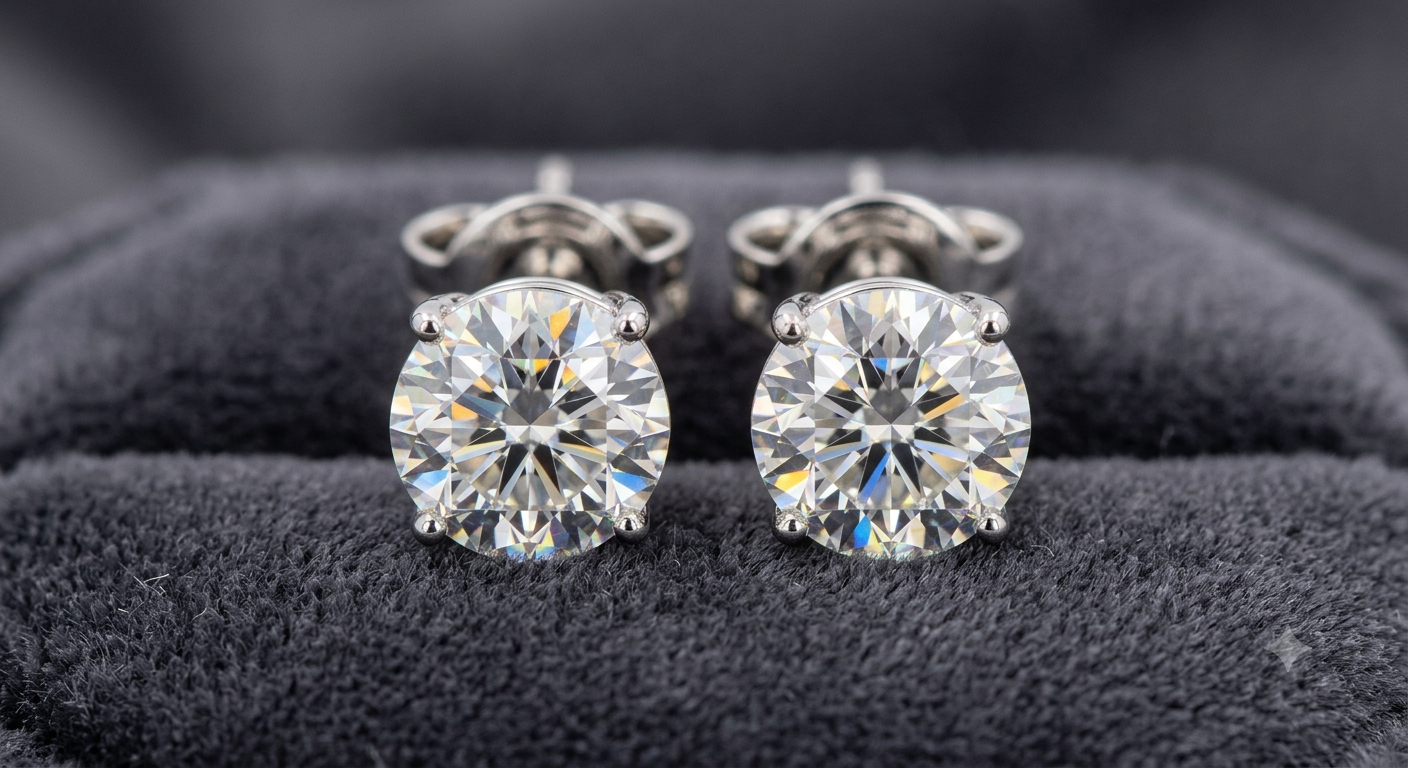
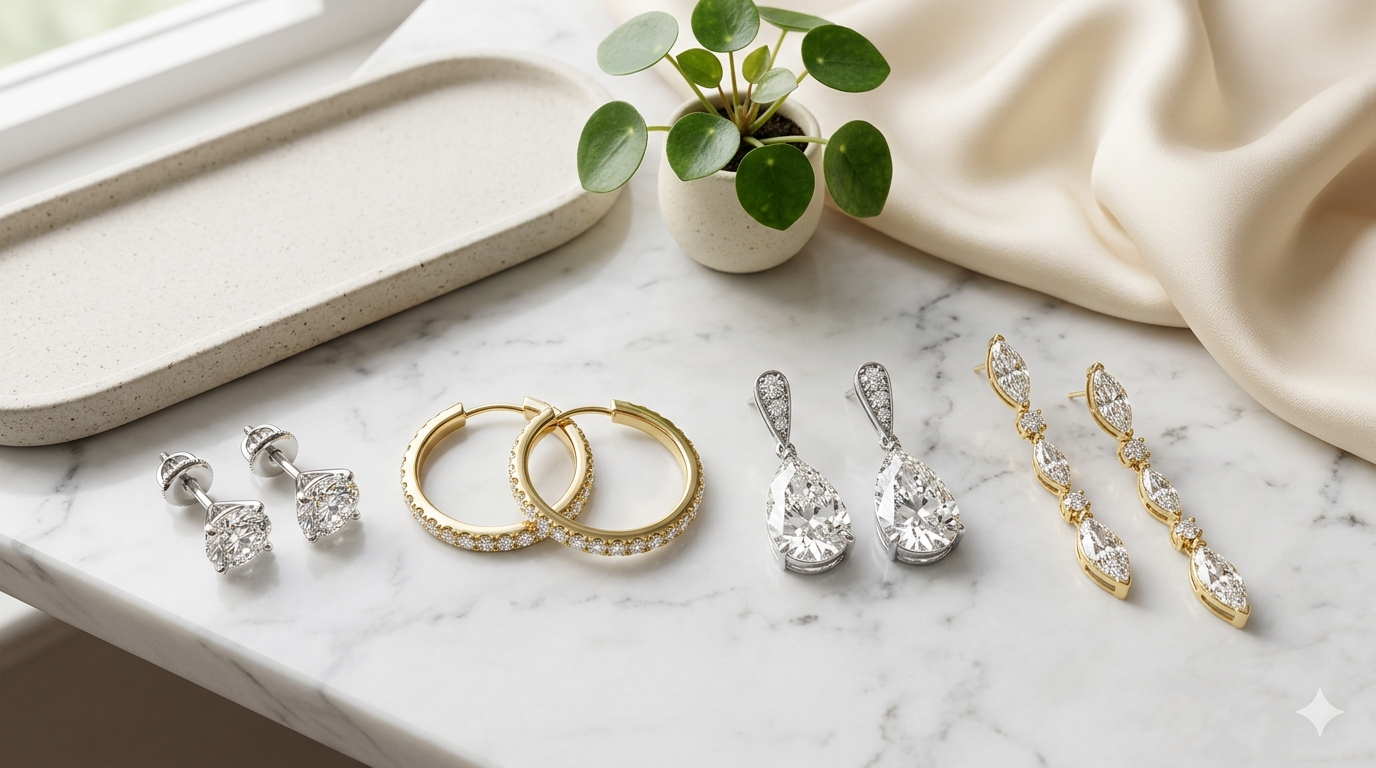
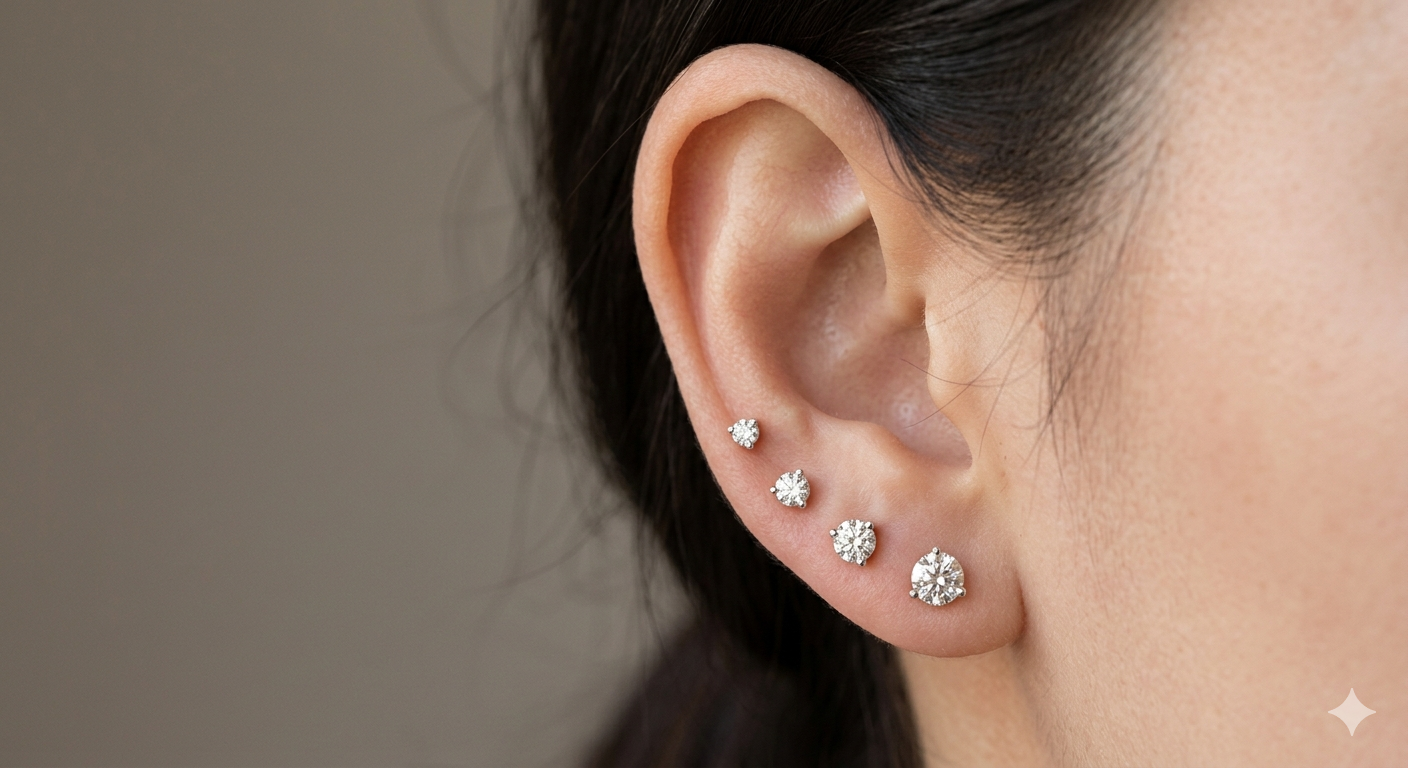
For most buyers choosing lab grown diamond earrings, G–H is a practical starting point for white gold or platinum studs, and I–J can work well in yellow or rose gold. These are guidelines, not rules: size, shape, cut, setting and your own eye all affect how much colour you will notice. Earrings are usually seen from a greater distance than a ring, so small differences between neighbouring grades are often harder to spot when they are worn.
This guide explains how colour grades work, how to match a grade to your metal and setting, and how to avoid paying for a difference you cannot see.
The GIA colour scale runs from D to Z and has 23 grades. They fall into five groups: colourless (D–F), near-colourless (G–J), faint (K–M), very light (N–R) and light (S–Z). The less colour a diamond shows, the higher its grade.
Each letter covers a range, so two diamonds with the same grade can still look slightly different side by side. That is why matching a pair matters (more on that below).
Lab grown diamonds have the same chemical and optical properties as natural diamonds, and grading laboratories have generally described their colour using the same D-to-Z framework. GIA notes that these grades do not reflect natural rarity, which is one reason price gaps between grades can differ from those of natural diamonds. Reporting practices for lab grown stones have changed over the years, so check which laboratory graded your diamonds and read what the report actually states.
The metal around a diamond changes how its colour looks, but not its official grade. An I-colour diamond is still an I whether it sits in platinum or rose gold.
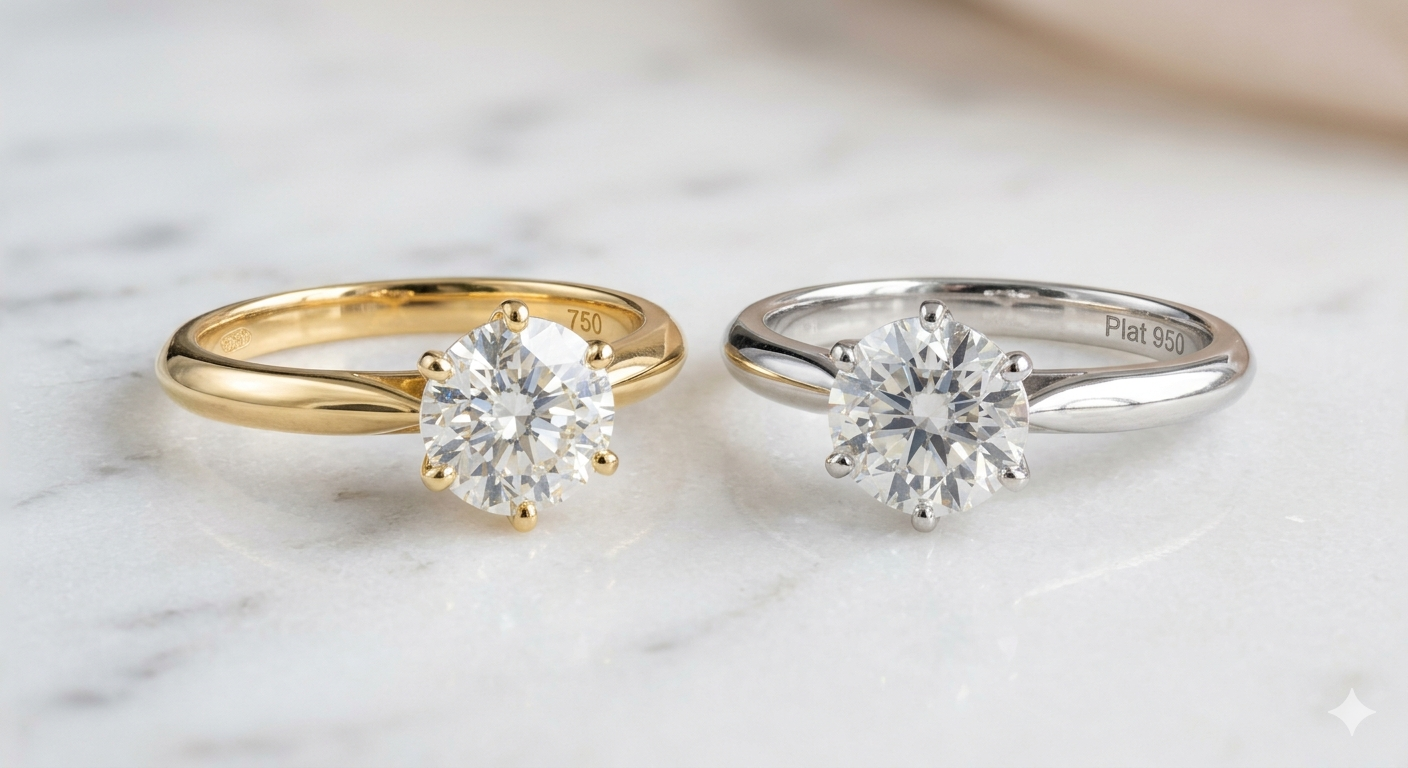
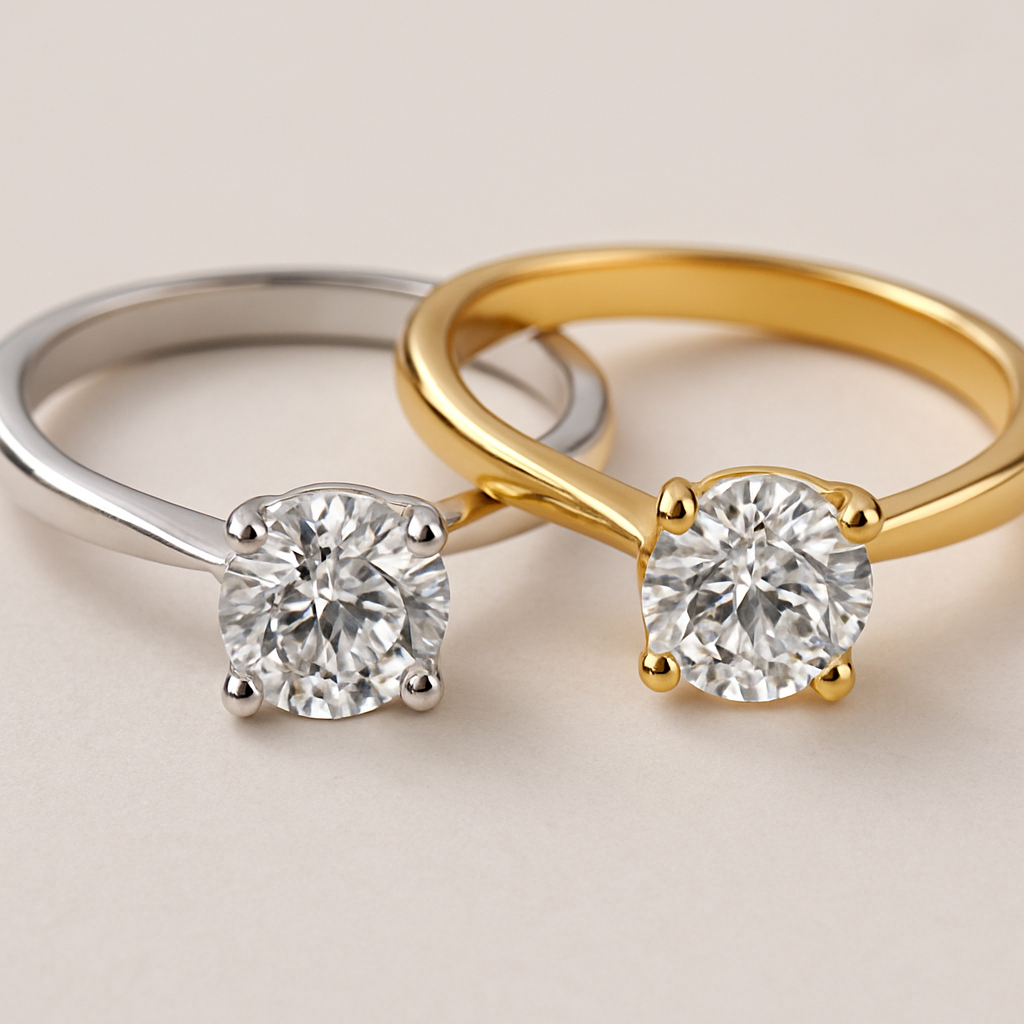
White metals are bright and neutral, so they give a slightly warm diamond nothing to blend into. G–H is a sensible place to start for white-metal studs: the stones are near-colourless and look crisp at a lower cost than the top grades.
D–F is worth considering if you want the whitest possible look, or if the earrings will be worn with other high-colour diamond jewellery.
Colour is only one part of the picture. Cut does not change a diamond's colour grade, but a well-cut G can look livelier and brighter than a poorly cut diamond of a higher grade.
Warmer metals soften the contrast with a faint tint. I–J diamonds are a practical choice here, and many buyers find they look just as bright in yellow or rose gold as a higher grade does. K–M diamonds have a faint colour and may suit a warmer style or a tighter budget, particularly in smaller earrings, but view them in person before you commit.
Setting style changes how much of the stone you see. As general guidance, open prong settings let in more light and show more of the diamond. A bezel surrounds the edge with metal, which can soften how colour appears at the sides but does not remove body colour. In a halo, bright white side stones can make a warmer centre diamond look more yellow by contrast.
Whatever the style, judge the finished earring rather than the certificate alone.
Size. Larger diamonds have more depth for colour to build up, so a tint is easier to see. If your earrings use larger stones, consider moving up a grade or comparing neighbouring grades side by side. Smaller studs are more forgiving.
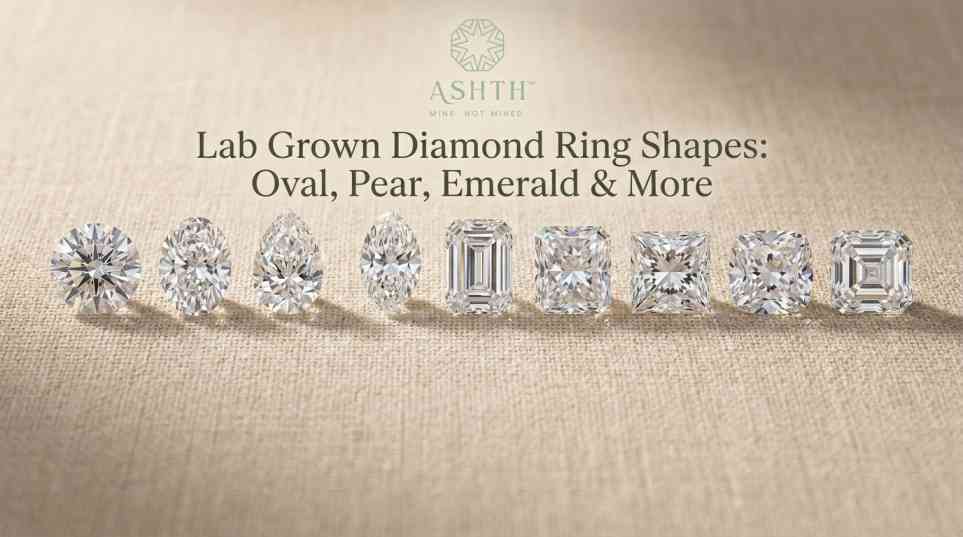
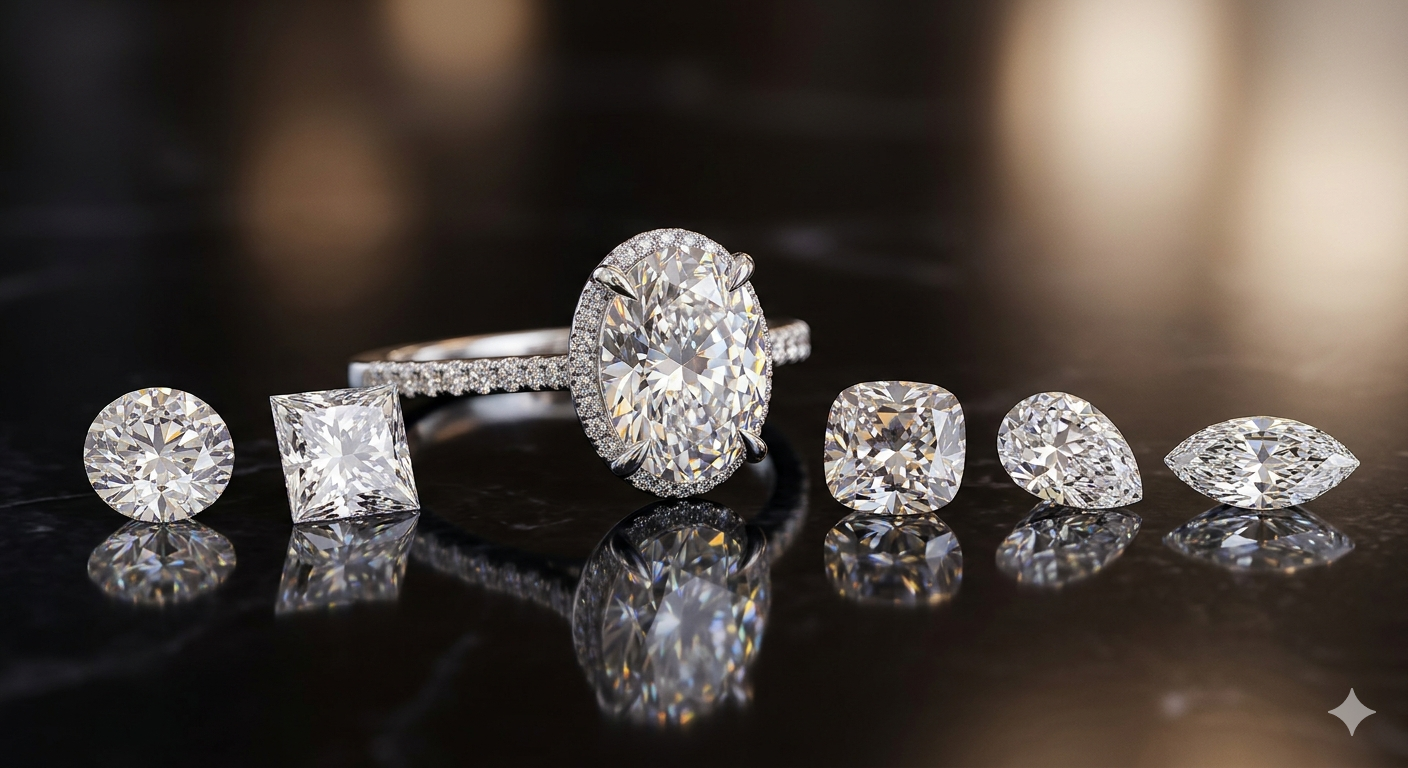
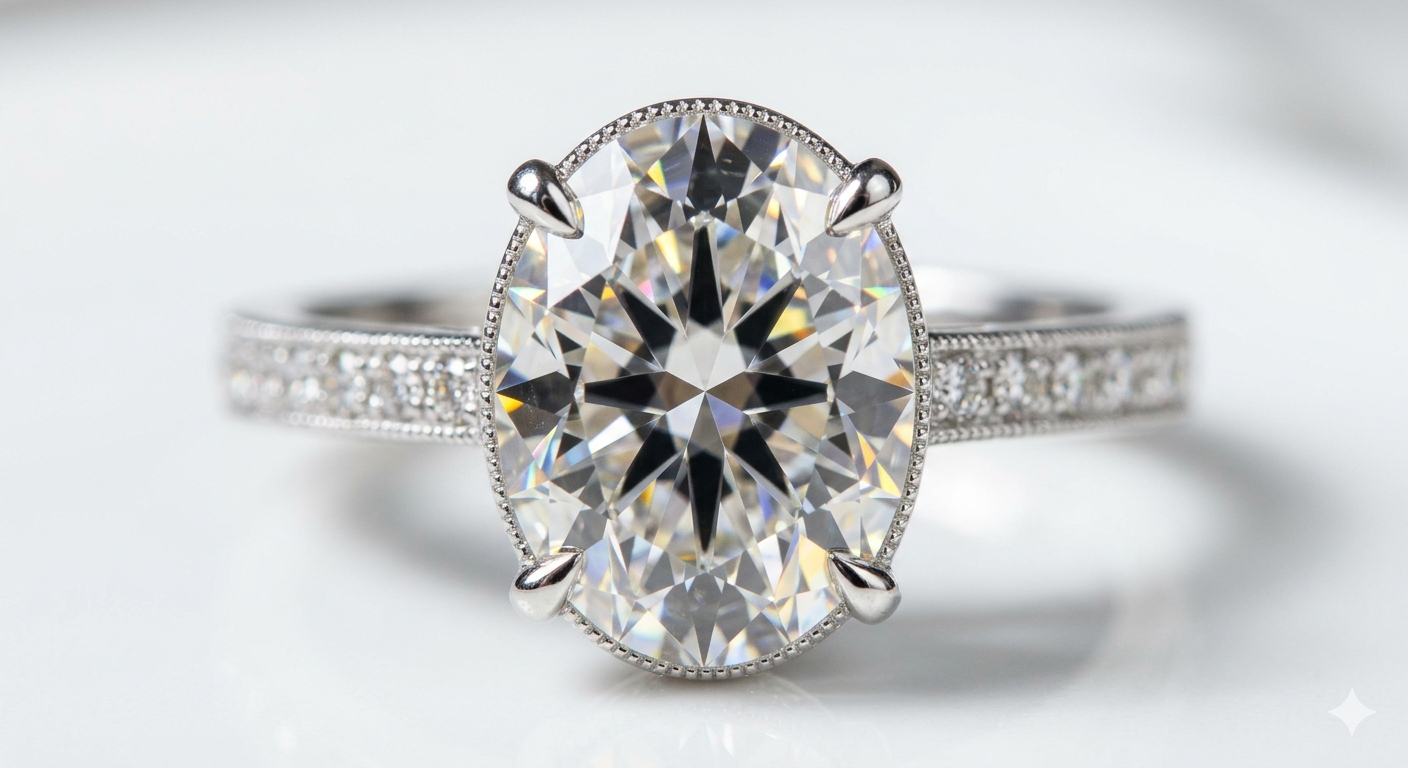
Shape. Round brilliants usually hide colour well because of how their facets scatter light. Pear, marquise and other pointed or elongated shapes can show more colour near the tips.
Cut. Cut controls how brightly a diamond returns light. GIA assigns a cut grade only to standard round brilliants, so for fancy shapes it helps to ask about symmetry and polish and to compare the stones visually.
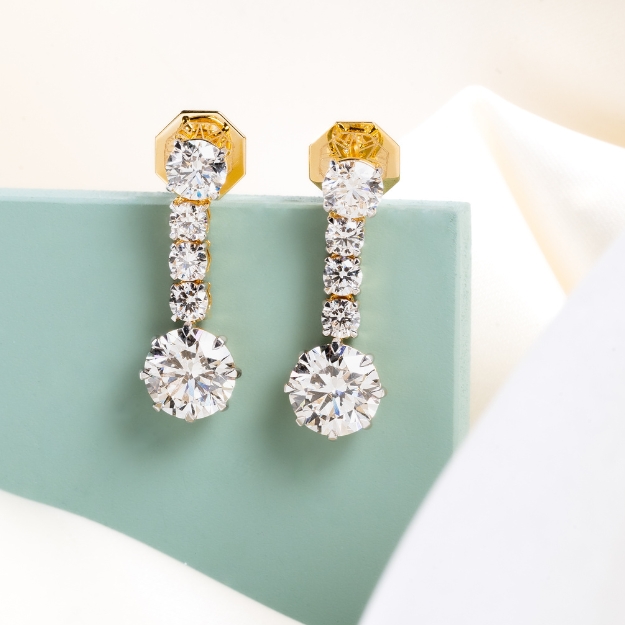
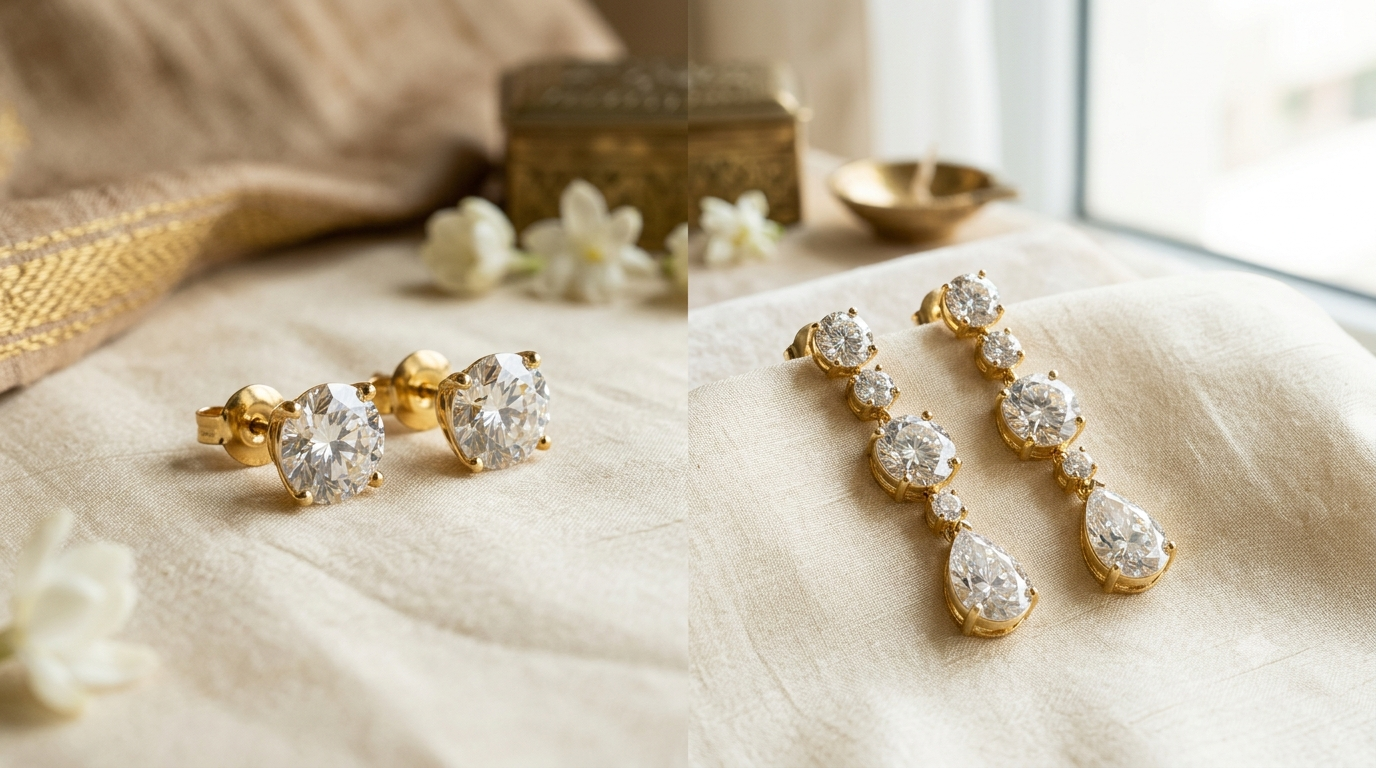
Longer designs add another consideration. With long diamond earrings, several stones are on view at once, so consistent colour from stone to stone matters more than chasing the highest grade for each one.
A pair can look uneven even when both stones carry attractive grades. Look for similar colour, cut quality and dimensions, and ask whether each diamond was graded individually or the pair was chosen by eye.
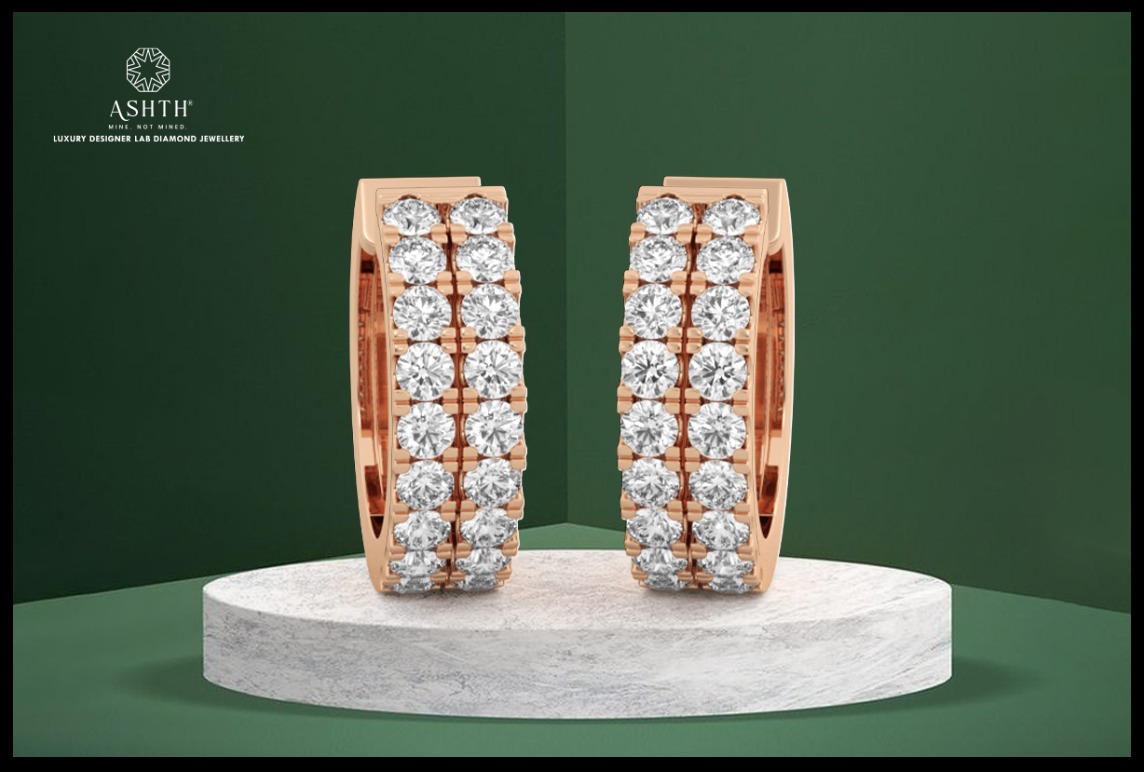
Matching is especially important with two stone earrings, because the two diamonds are displayed together and any difference in warmth or sparkle stands out.
Here is a simple example. Two H-colour studs both look bright and colourless under shop lighting, but in daylight one appears slightly warmer. Because a grade is a range, this can happen. In that situation, ask to see another pair rather than relying on the paperwork.
View both earrings side by side in daylight and indoor light, and check the return or exchange policy before you buy, especially online.
A higher colour grade usually costs more, but the gap depends on carat weight, cut, clarity, the seller and, for lab-grown stones, current market pricing. Avoid relying on a fixed percentage.
To compare fairly, ask to see earrings with the same total carat weight, metal, setting and similar clarity and cut. Then compare G–H with D–F, or I–J with G–H. If you cannot see a difference when the earrings are worn, the extra cost probably does not add value for you.
Use these ranges as a starting point.
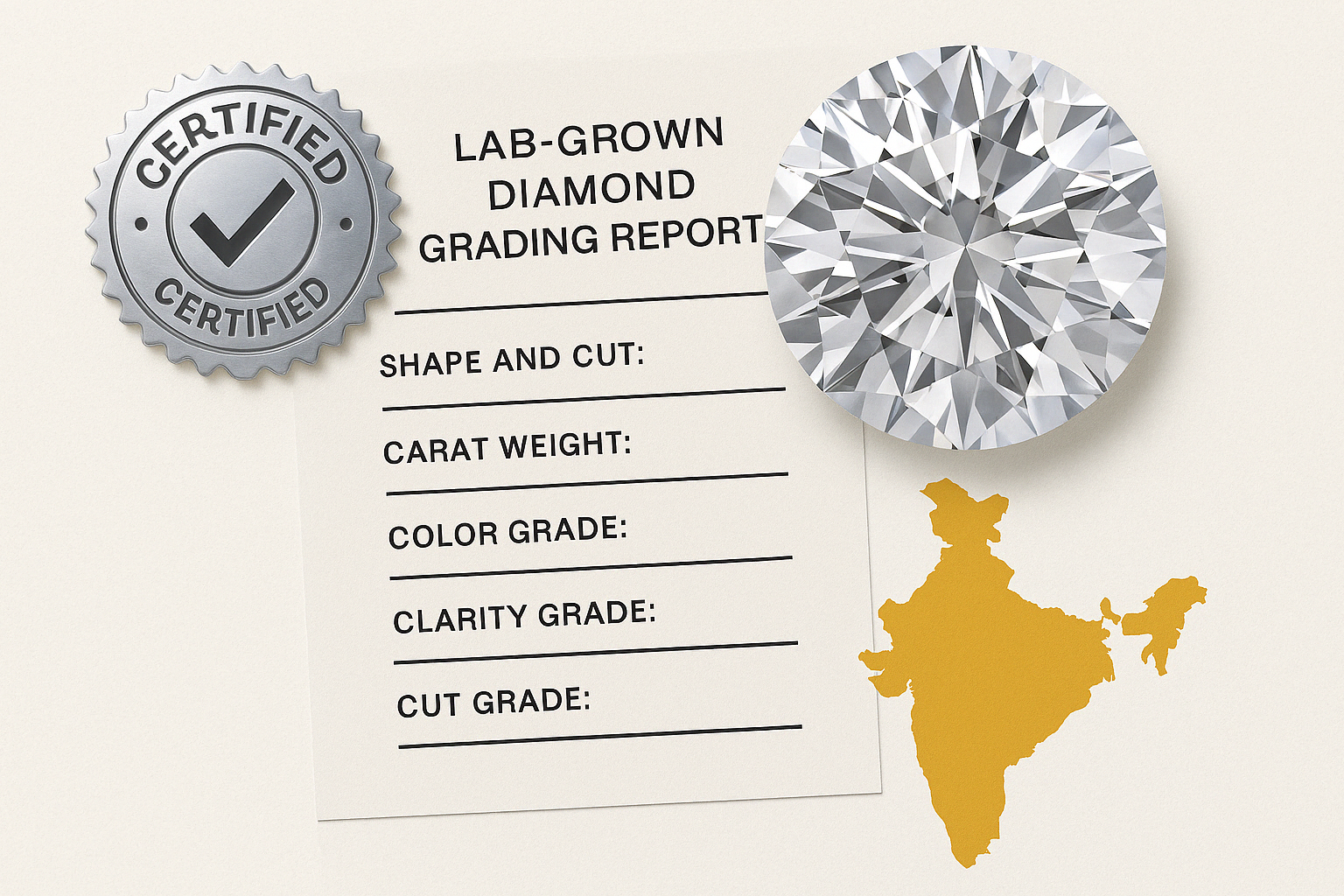
Which laboratory graded these diamonds, and can I see the reports?
Are they a matched pair, and can I compare both stones together?
What is the individual colour grade of each diamond?
Can I view them in daylight and indoor light?
What is the return or exchange policy if the pair looks uneven when worn?
If you are shopping for lab grown diamond earrings, start with G–H for white metals and I–J for yellow or rose gold, then adjust for size, shape and budget. D–F suits those who want the highest colour grades, and K–M can suit a warmer style.
The best pair is not necessarily the highest grade. It is the one that looks balanced and bright when worn and fits your budget. A good rule of thumb is to choose the lowest colour grade that still gives you the look you want, and to check it in person or against your return policy first.
There is no single best grade. G–H is a practical starting point for white gold and platinum studs, and I–J often works well in yellow or rose gold. Size, shape, cut and your own eye can change that, so compare options in person where you can.
Yes. G and H fall in GIA's near-colourless range and usually look bright and white when worn, at a lower cost than D–F.
You can, particularly in smaller studs, but a slight tint may be easier to notice against a white metal or next to higher-grade stones. View them in daylight before you decide.
Lab grown diamonds are generally described using the same D-to-Z colour framework, though the grades do not reflect natural rarity. Reporting practices have changed over time, so check which laboratory graded your diamonds and what the report states.
No. The grade stays the same whatever the setting. The metal only changes how the colour appears to the eye.
They should look matched rather than merely carry the same letter, because each grade covers a range. Ask whether the pair was selected together and compare both stones side by side.

 Round
 Pear
 Heart
 PRINCESS
 Oval
 CUSHION
 EMERALD
 MARQUISE
 Asscher
 RADIANT
 Ashth CUT
 ROSE CUT
 BRIOLETTE
 SINGLE CUT
 TRAPEZIUM
 TULIP
 TRIANGLE
 BUTTERFLY
 FLOWER
 MOVAL
 CLOVER
 BAGUETTE
 9KT ASHTH CUT
 9KT MARQUISE
 9KT PEAR
 9KT RADIANT
 9KT EMERALD