Ashth - Where Exceptional Craftsmanship Defines Modern Luxury !

- Rings
- Earrings
Shop By Category
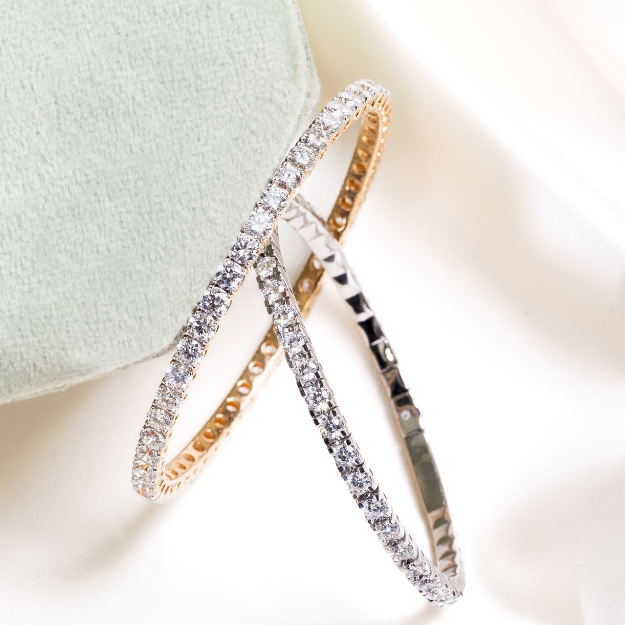
- Bangles/ Bracelets
Shop By Category
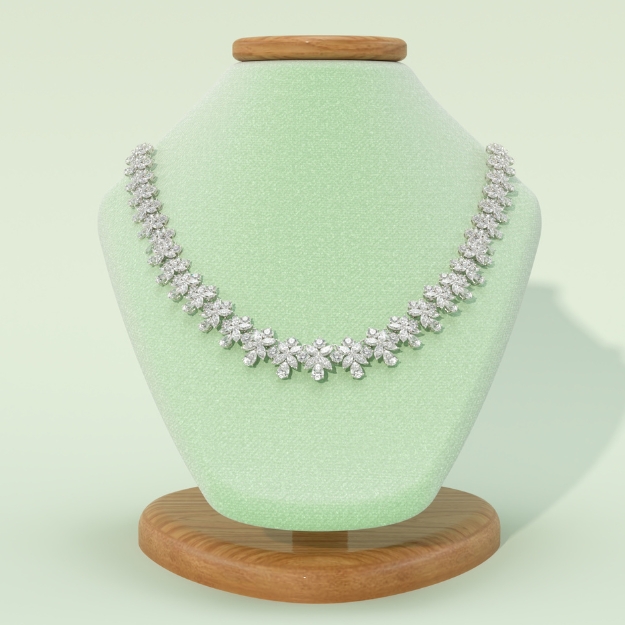
- Necklaces
Shop By Category
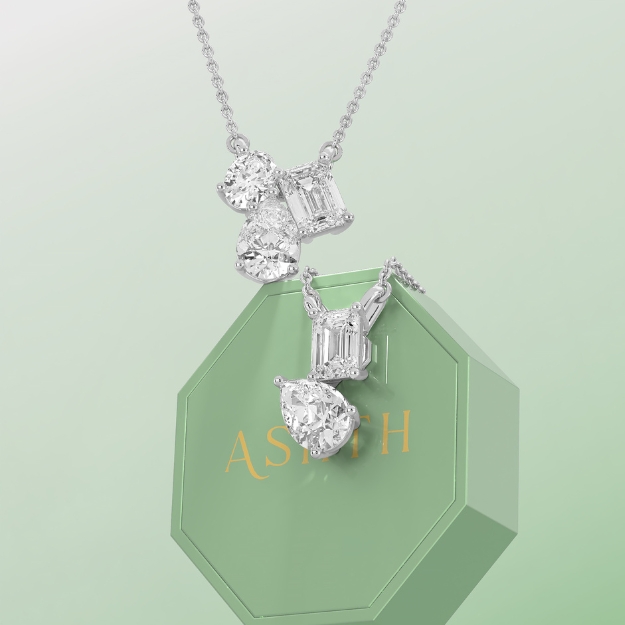
- Pendants
Shop By Category
- ASHTH LITE
Shop By Category
.jpg)
- Collections
Collections
Shop By Category
Shop By Category
Shop By Category
Shop By Category
Shop By Category
Collections

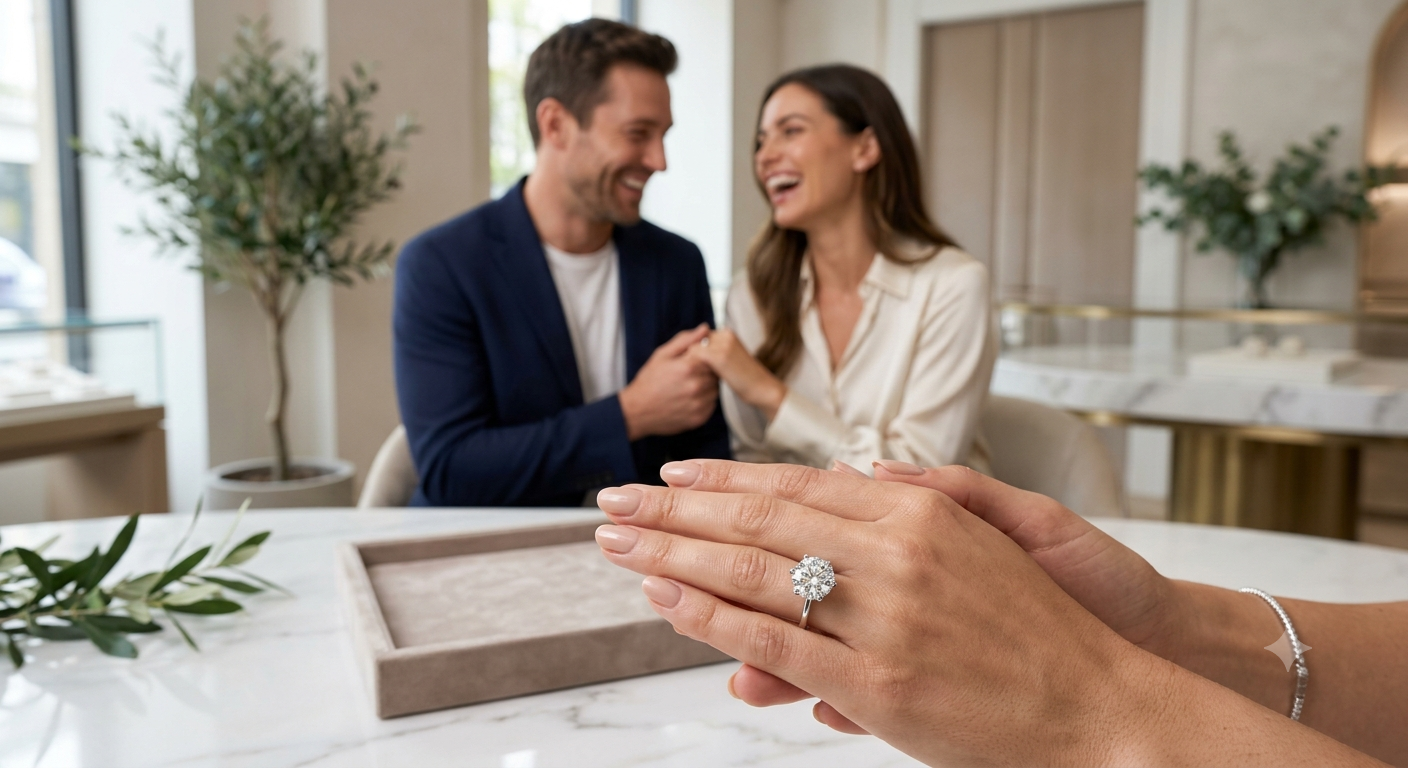
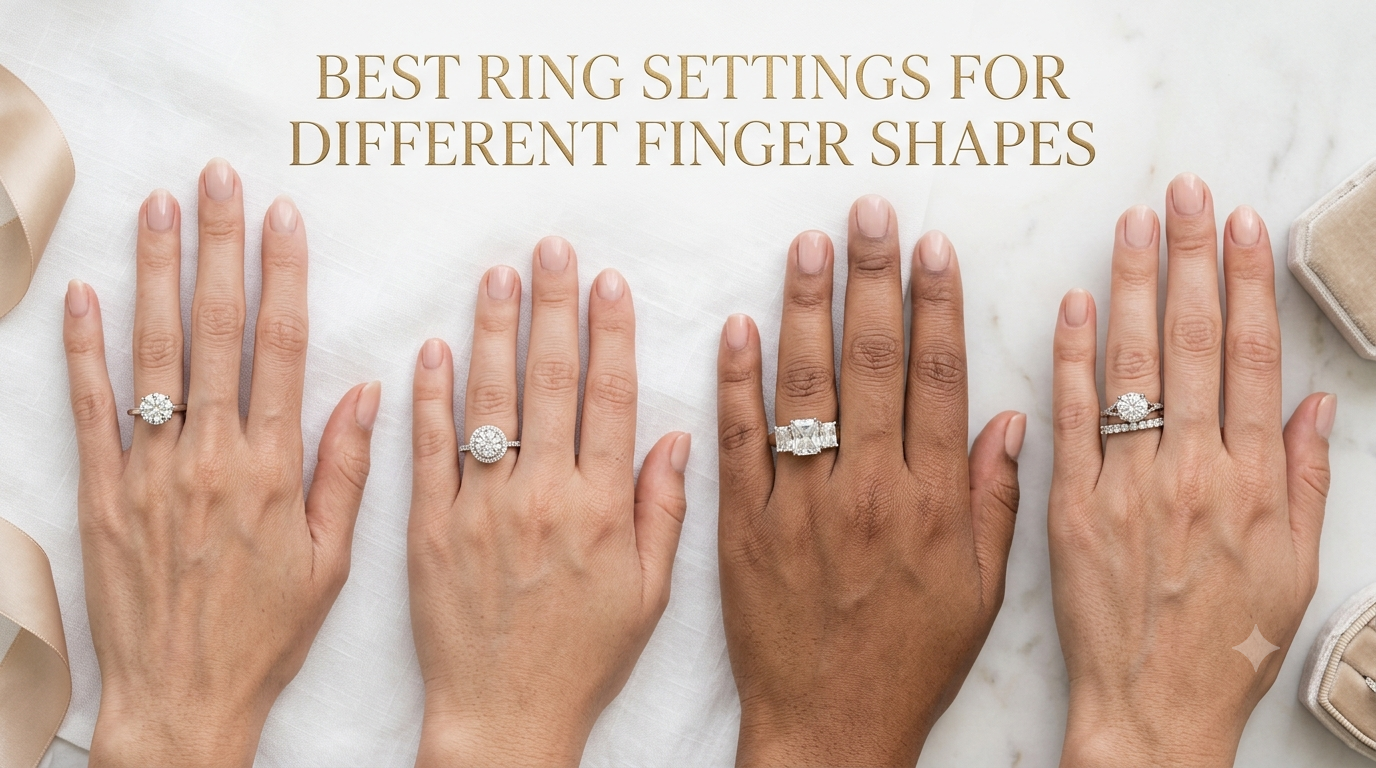
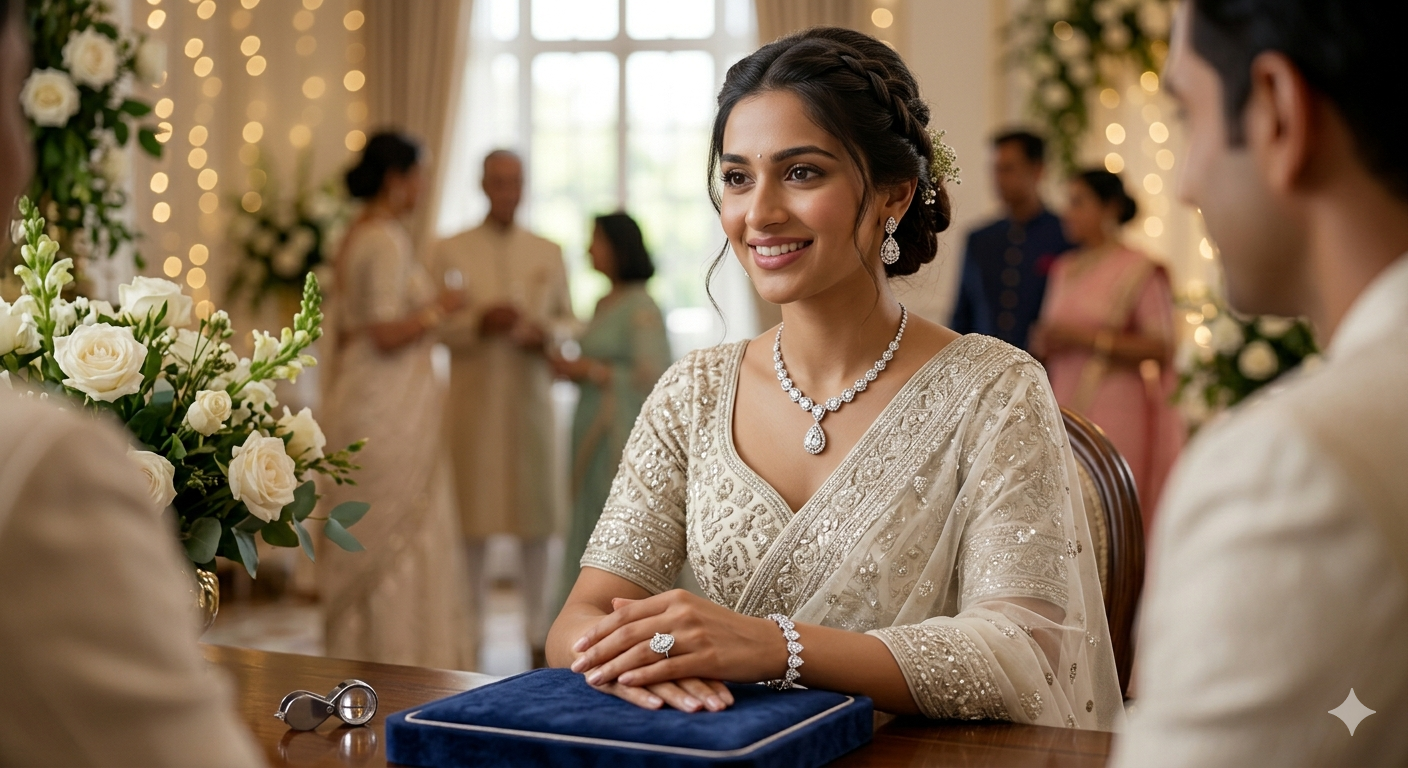
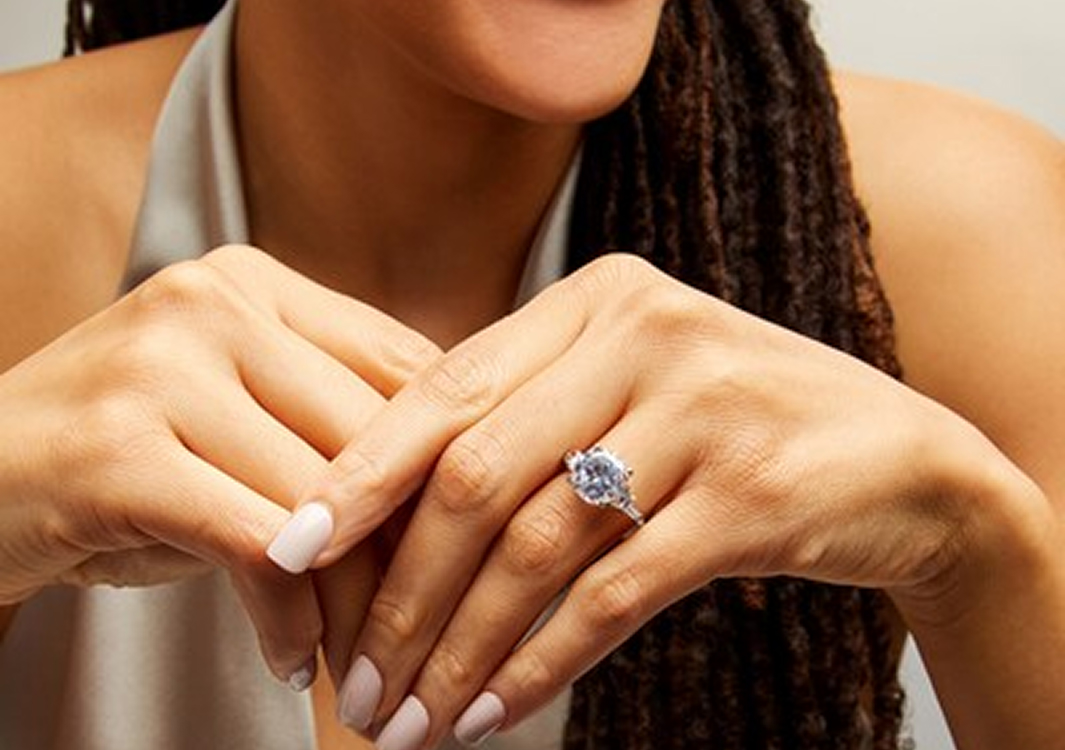
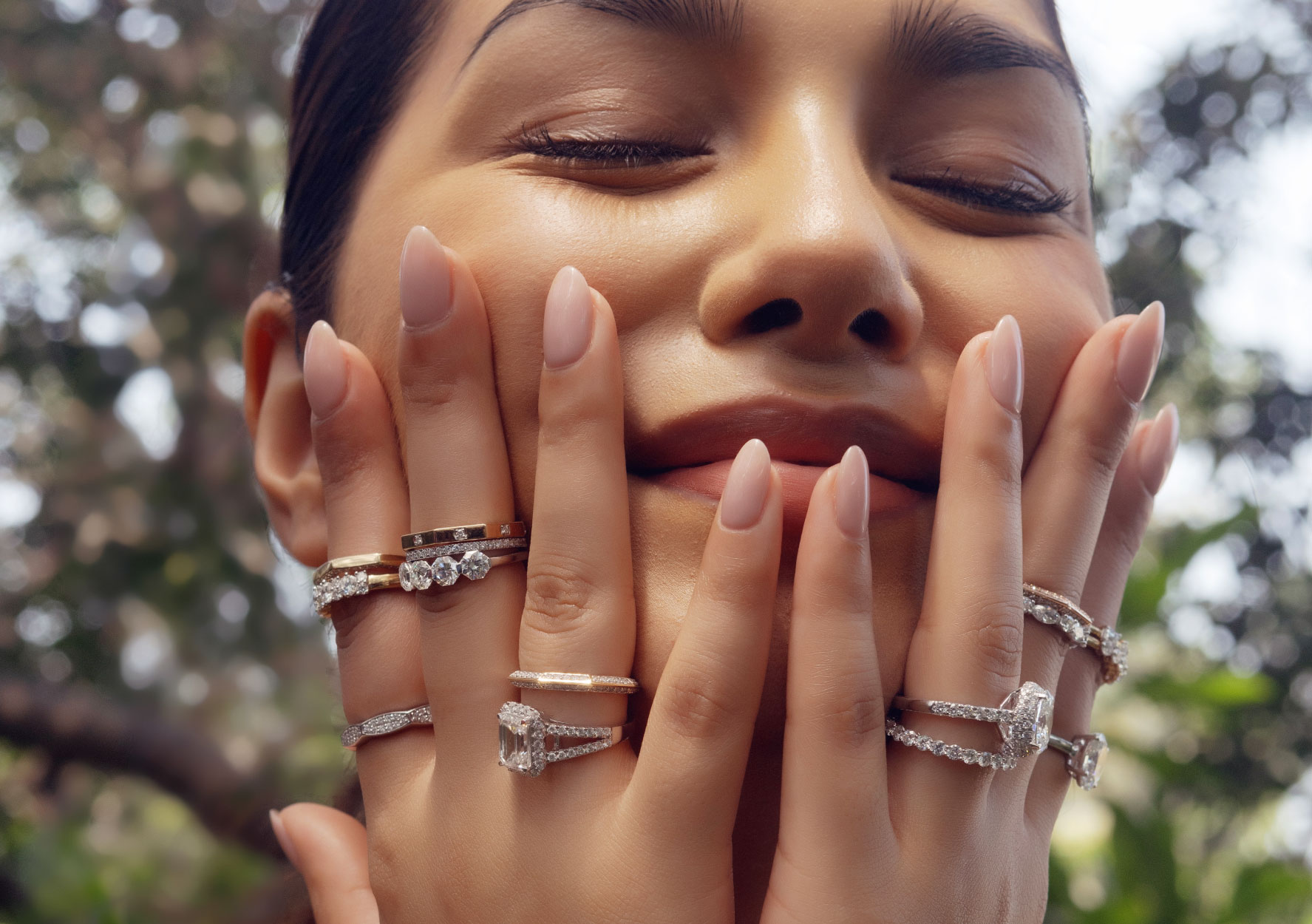
Choosing the perfect diamond ring is not always easy. Many people focus only on the size or sparkle of the diamond, but the shape of the ring should also match the shape of your hand. A beautiful stone can sometimes look too large, too small, or unbalanced if it does not suit your fingers.
When shopping for a solitaire ladies ring, it is important to think about finger length, finger width, band thickness, and diamond shape together. The right combination can make your fingers appear longer, slimmer, softer, or more balanced.
This guide will help you understand how to choose the best solitaire ring for your hand shape. You will learn which diamond cuts work best for short fingers, long fingers, wide hands, tapered fingers, and petite hands. You will also learn how band width, setting style, and carat size affect the overall appearance of the ring.
Diamond shapes create visual illusions. Some cuts make fingers look longer, while others create more width and balance. This is why the same ring can look very different from one person to another.
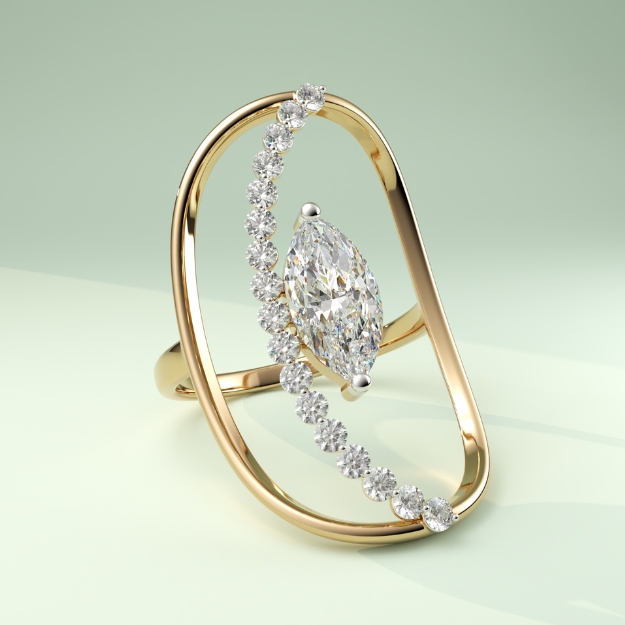
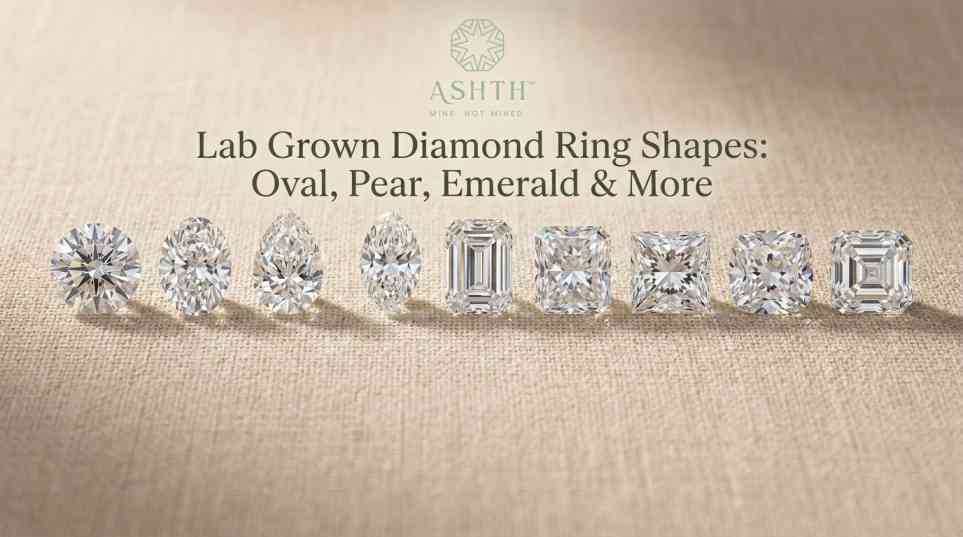
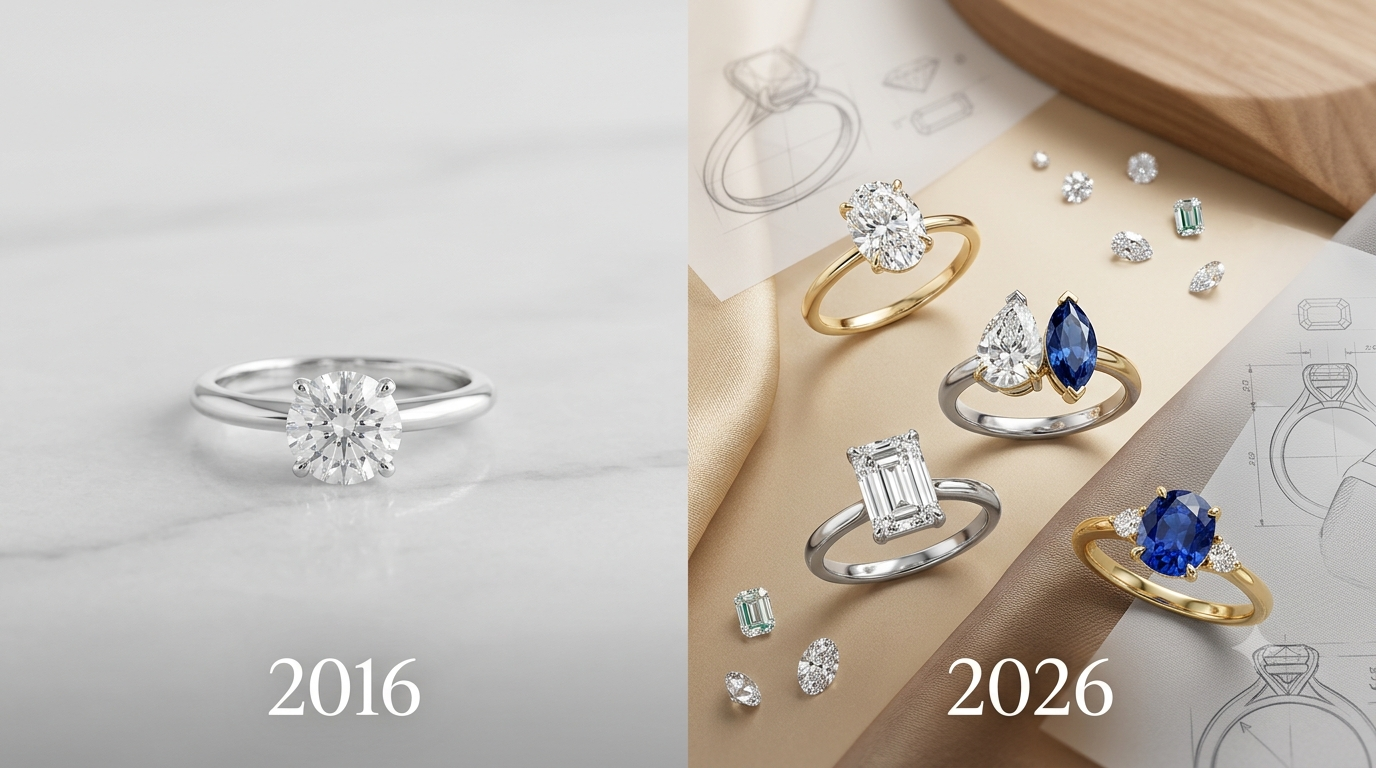
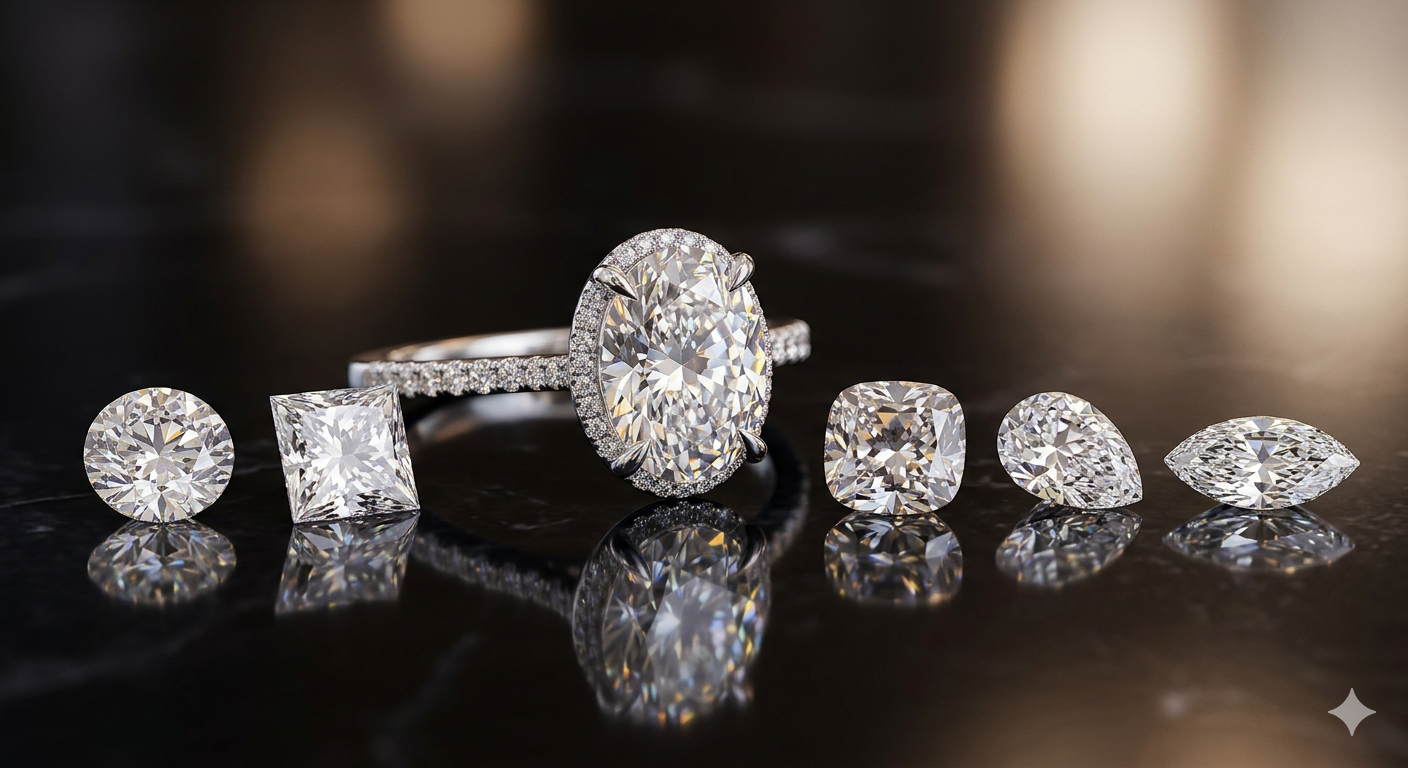
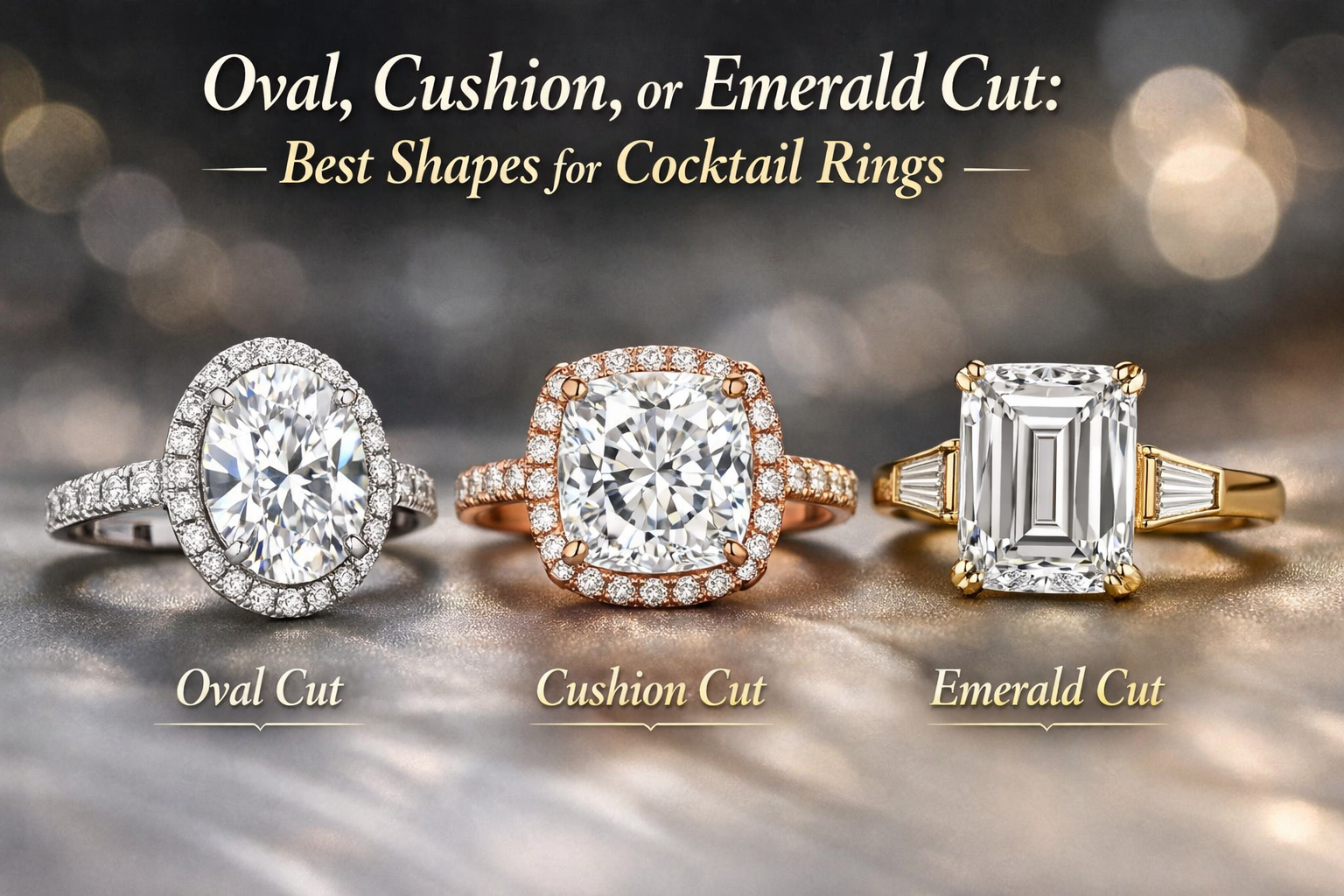
Elongated cuts like Oval, Pear, Marquise, and Emerald naturally draw the eye upward. This creates the illusion of longer and slimmer fingers. Round and Cushion cuts create a softer and wider appearance, making them ideal for long or thin fingers.
Many buyers believe that a larger diamond is always better. In reality, the best ring is one that looks proportional to the hand. A very large diamond on a petite finger may look overwhelming instead of elegant.
Jewelry experts often recommend following balanced proportions. The center stone should complement the finger instead of covering most of it.
There are several common hand shapes:
Short fingers
Long fingers
Wide fingers
Small hands
Tapered fingers
To understand your hand shape, compare your finger width to finger length. Long fingers usually appear narrow and elegant, while short fingers often look wider.
A simple mirror test can also help. Hold your hand naturally and notice whether your fingers appear long, balanced, slim, or broad.
Band width plays a major role in the overall appearance of a ring. Thin bands create a delicate and feminine look. Wider bands create stronger visual weight.
For most solitaire rings, bands between 1.8mm and 2.5mm offer a balanced appearance. Very thick bands can make fingers appear shorter, while ultra-thin bands may look too delicate on wider hands.
Metal color also changes the final appearance:
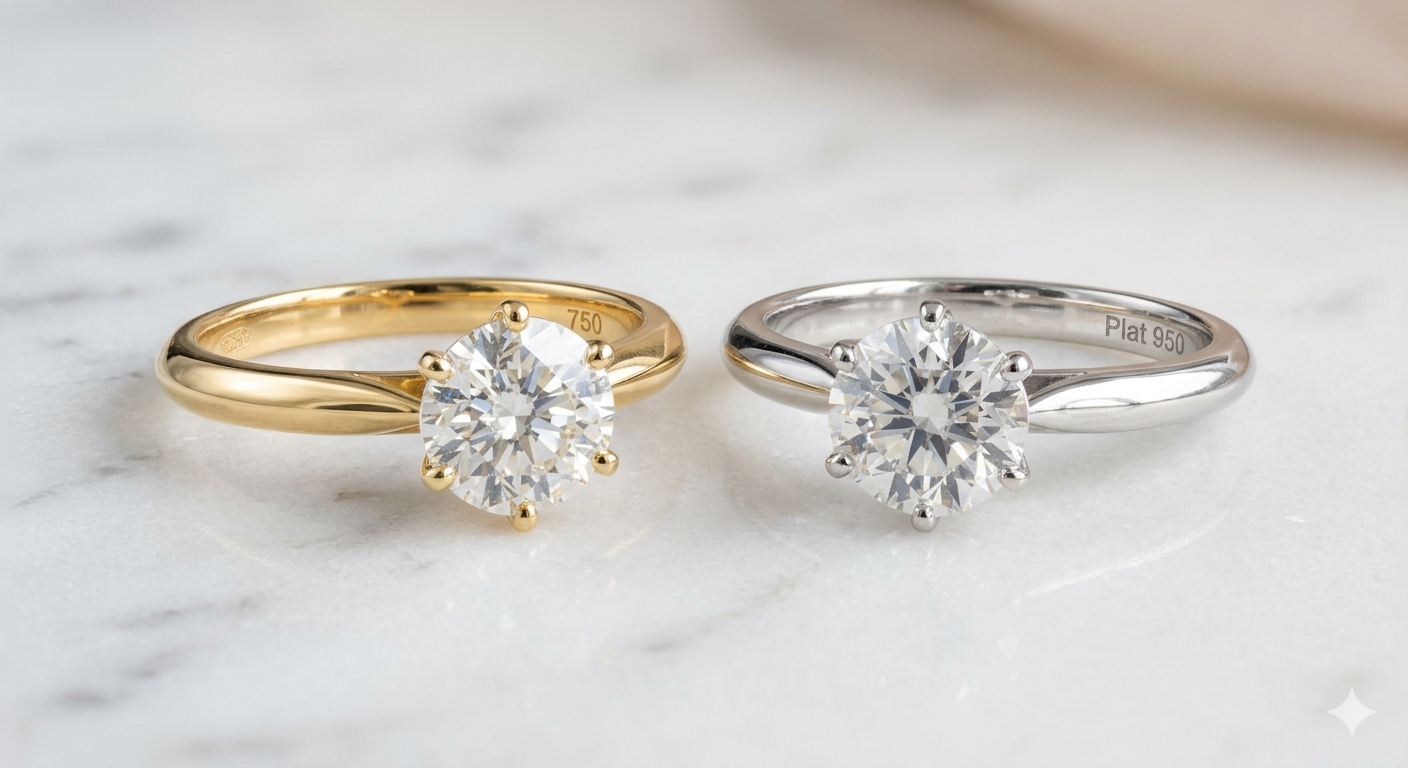
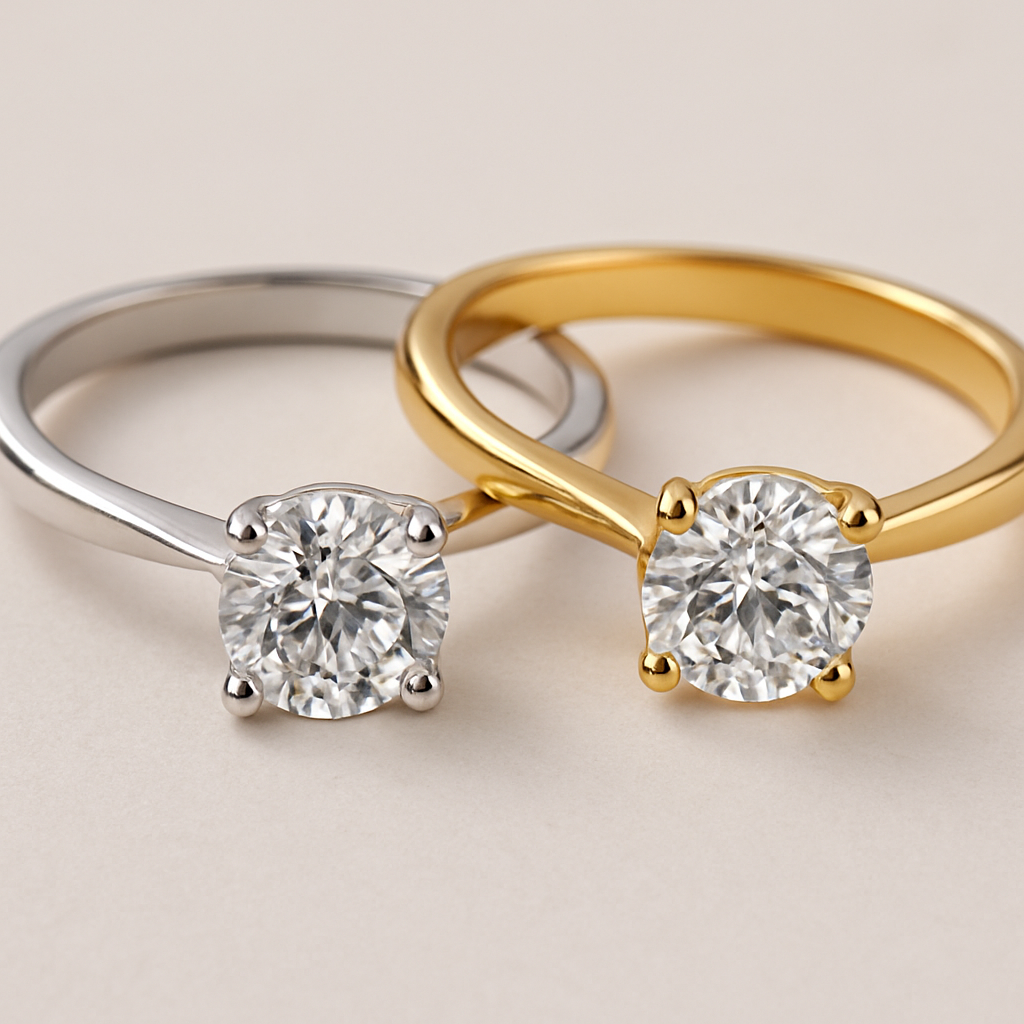
Yellow gold creates warmth
White gold and platinum create brightness
Rose gold adds softness and romance
Setting height matters too. High-profile settings create more presence, while low-profile settings offer better comfort for daily wear.
If you have short or wide fingers, elongated diamond cuts are usually the best choice.
Oval and Marquise diamonds are especially popular because their longer shape visually stretches the finger. The pointed ends naturally guide the eye upward, creating a slimming effect.
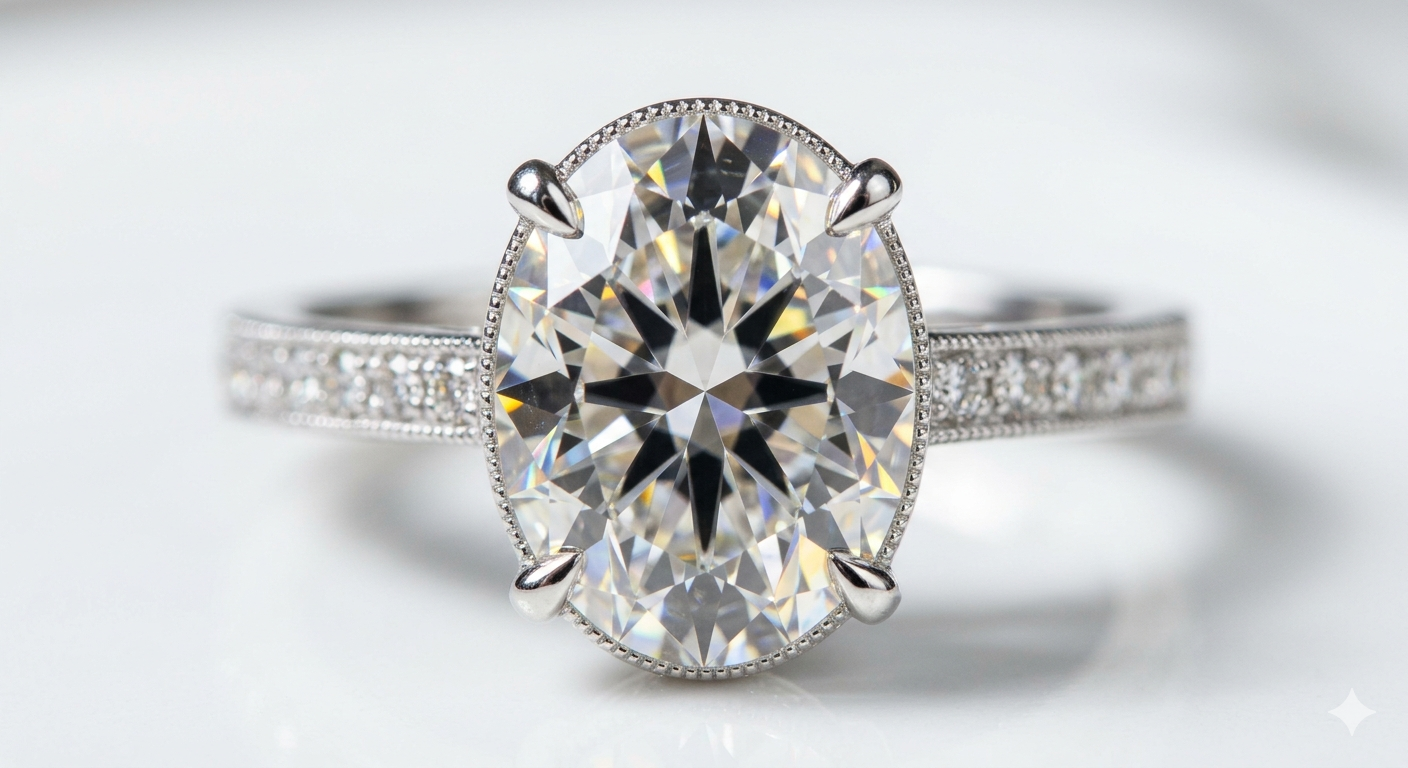
An oval diamond ring is one of the most recommended choices for shorter fingers because it combines elegance, sparkle, and visual length without appearing too sharp.
Pear-shaped diamonds also work well because they create softness while still adding length.
Wide square cuts such as Princess and Cushion shapes may sometimes make short fingers appear wider. This does not mean they should never be worn, but proportions become very important.
Very thick bands can also create a heavy appearance on shorter fingers. A slimmer band often creates better balance.
Jewelry experts often recommend choosing vertical stone orientation because it visually lengthens the hand.
The goal is to find the right balance between diamond size and finger width.
A stone that is too large may overpower the hand. A properly balanced ring usually looks more luxurious and elegant.
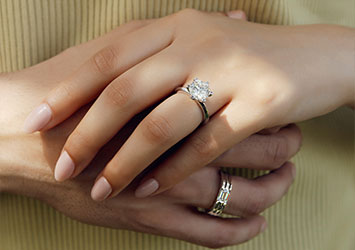
Many jewelers recommend choosing a diamond width that covers around 40% to 50% of the finger width for a balanced look.
When choosing between diamond types, many modern buyers now explore a lab diamond ring because it offers excellent beauty and value while allowing buyers to select larger or higher-quality stones within budget.
Tapered bands work especially well for wider fingers because they create a slimming effect. Split shank designs can also improve visual balance without adding too much heaviness.
Simple solitaire styles usually look cleaner and more elegant than rings with excessive side stones or bulky halos.
Low-profile settings are often more practical for short fingers because they sit comfortably on the hand without feeling oversized.
Cathedral settings can also work beautifully because they add height and elegance without increasing the actual diamond size too much.
Long fingers are considered highly versatile because they can wear many different diamond shapes successfully.
Round Brilliant and Cushion cuts are excellent choices because they add visual width and softness. Wider bands also help create better balance for slender fingers.
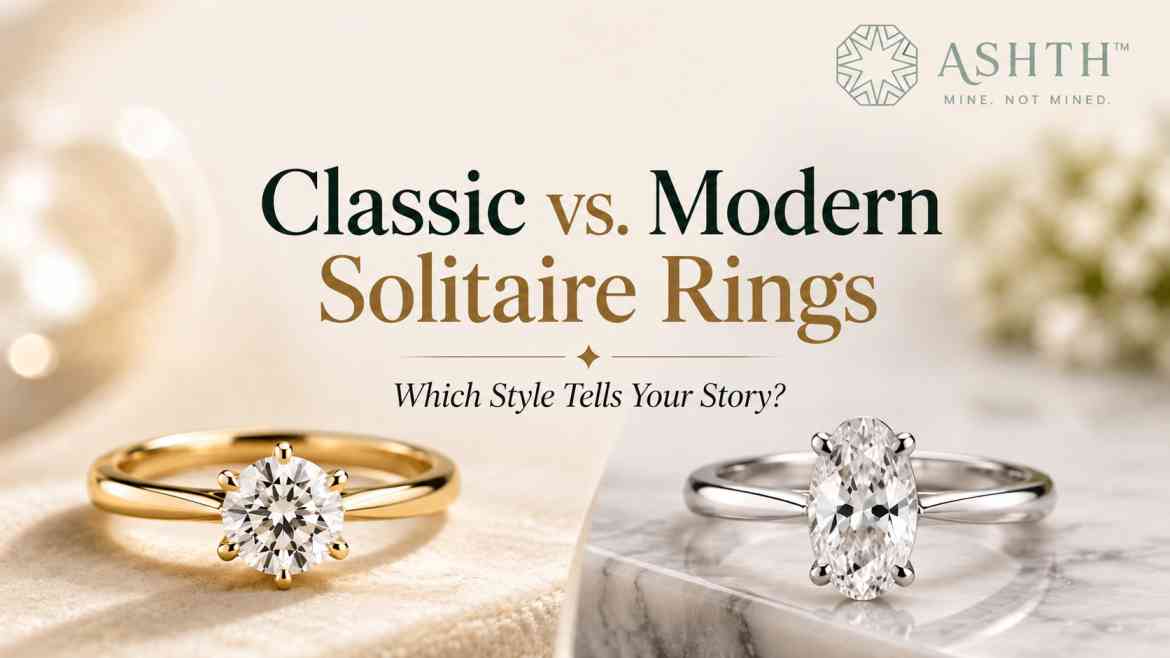
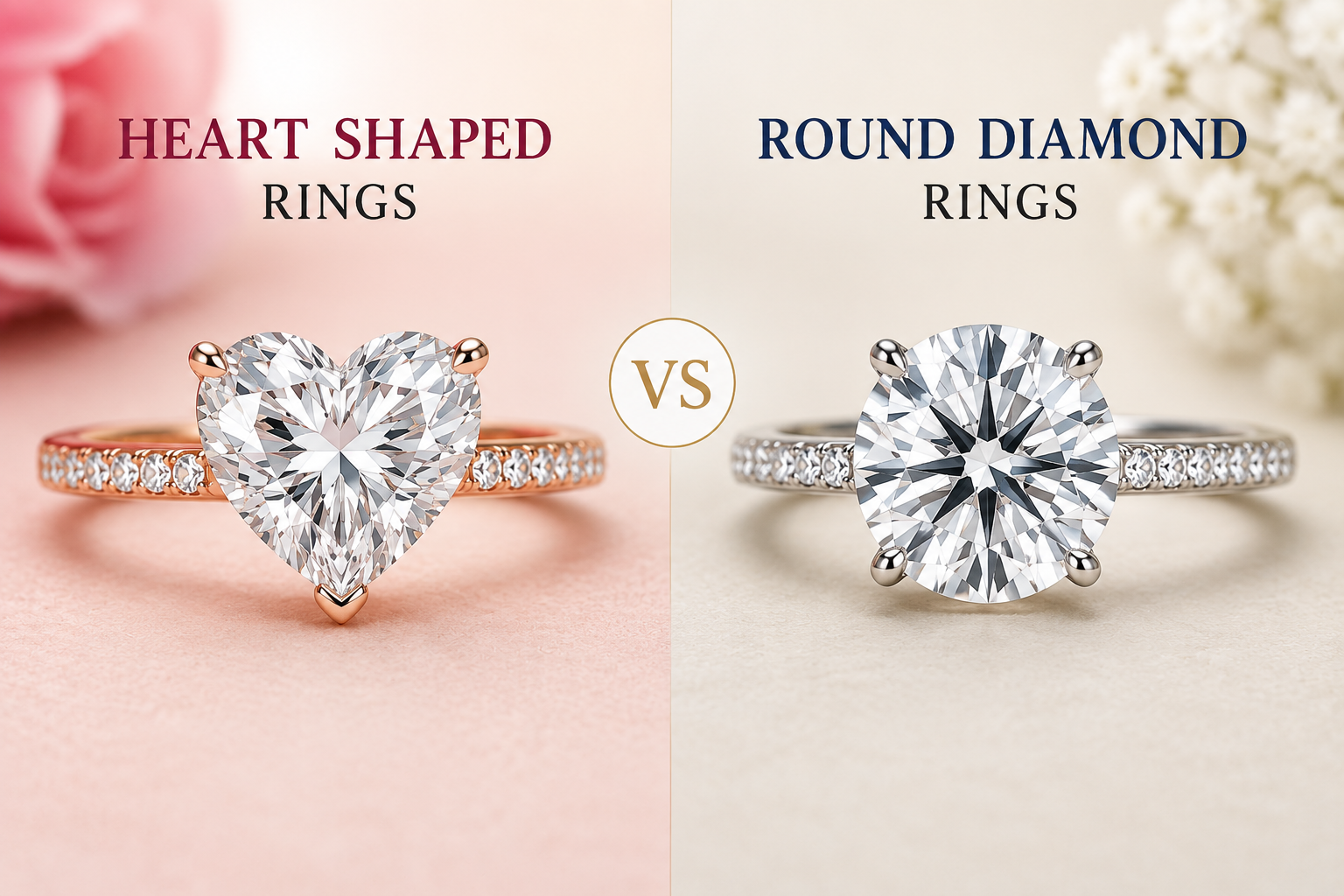
A classic Round Brilliant diamond on a slightly wider gold band creates a timeless and luxurious appearance.
Very elongated stones may sometimes make slender fingers appear even thinner. In these cases, East-West settings can help by placing the diamond horizontally instead of vertically.
This modern style adds width and creates a fashionable look.
Higher settings may also add more visual volume to long fingers.
Long fingers can usually handle larger center stones comfortably because there is more natural space on the hand.
Face-up size is often more important visually than actual carat weight. Some diamond shapes appear larger than others even when they have the same weight.
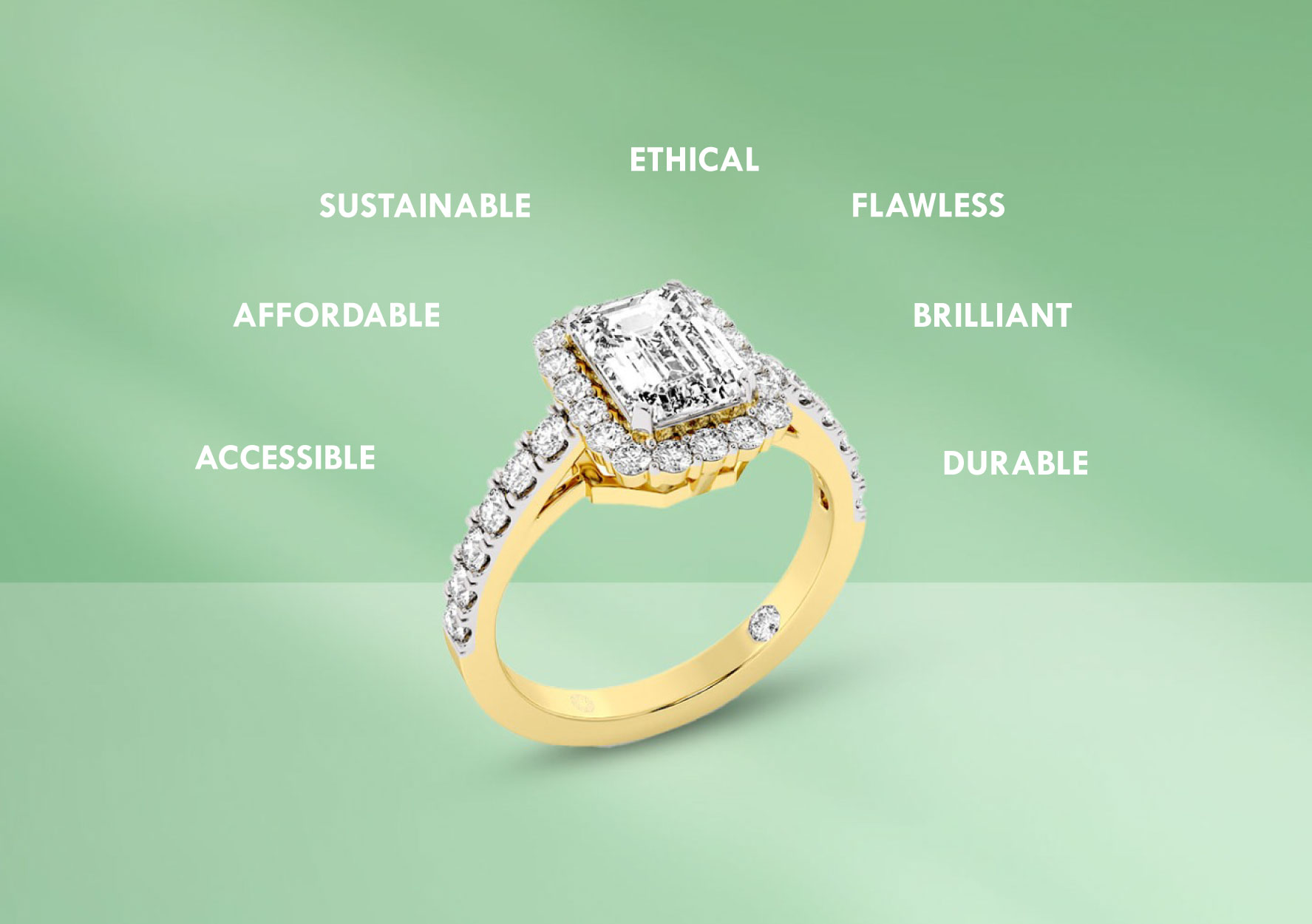
Emerald, Radiant, and Oval cuts often provide strong finger coverage and elegant sparkle.
Long fingers look beautiful with bold geometric cuts such as Emerald and Radiant diamonds.
These shapes create a sophisticated and fashion-forward appearance while maintaining balance.
Vintage-inspired solitaire settings also pair beautifully with slender hands.
Double bands, pavé bands, and textured bands can create extra width and presence for long fingers.
These designs help prevent the hand from looking too thin while adding personality to the ring.
Small hands usually look best with proportional and delicate designs.
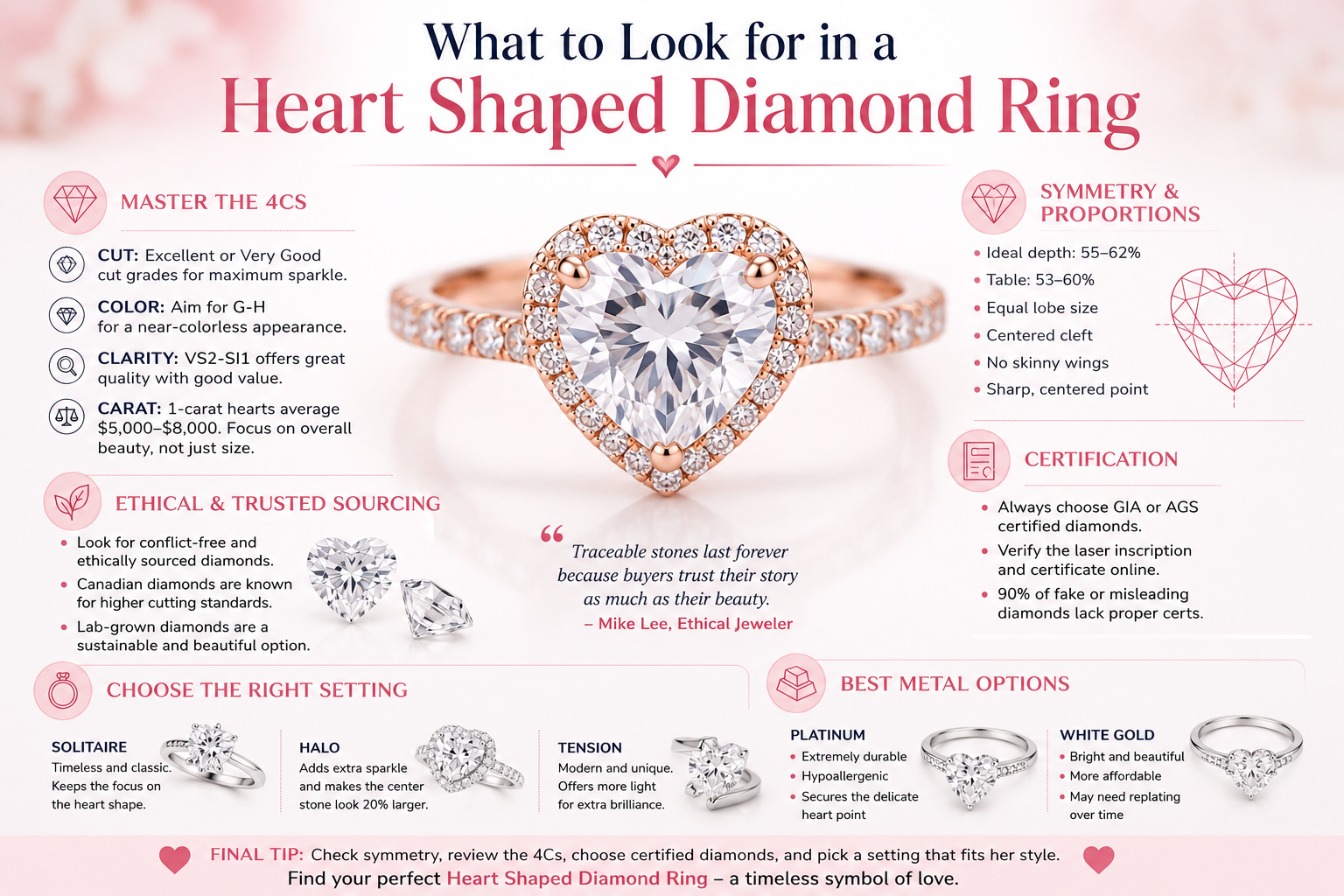
Pear and Heart-shaped diamonds often complement tapered fingers beautifully because they follow the natural narrowing shape of the hand.
Large diamonds that cover the entire finger joint may feel overwhelming on petite hands.
Slightly wider bands can help anchor the ring visually without overpowering the hand.
Delicate prong settings keep the design light and elegant.
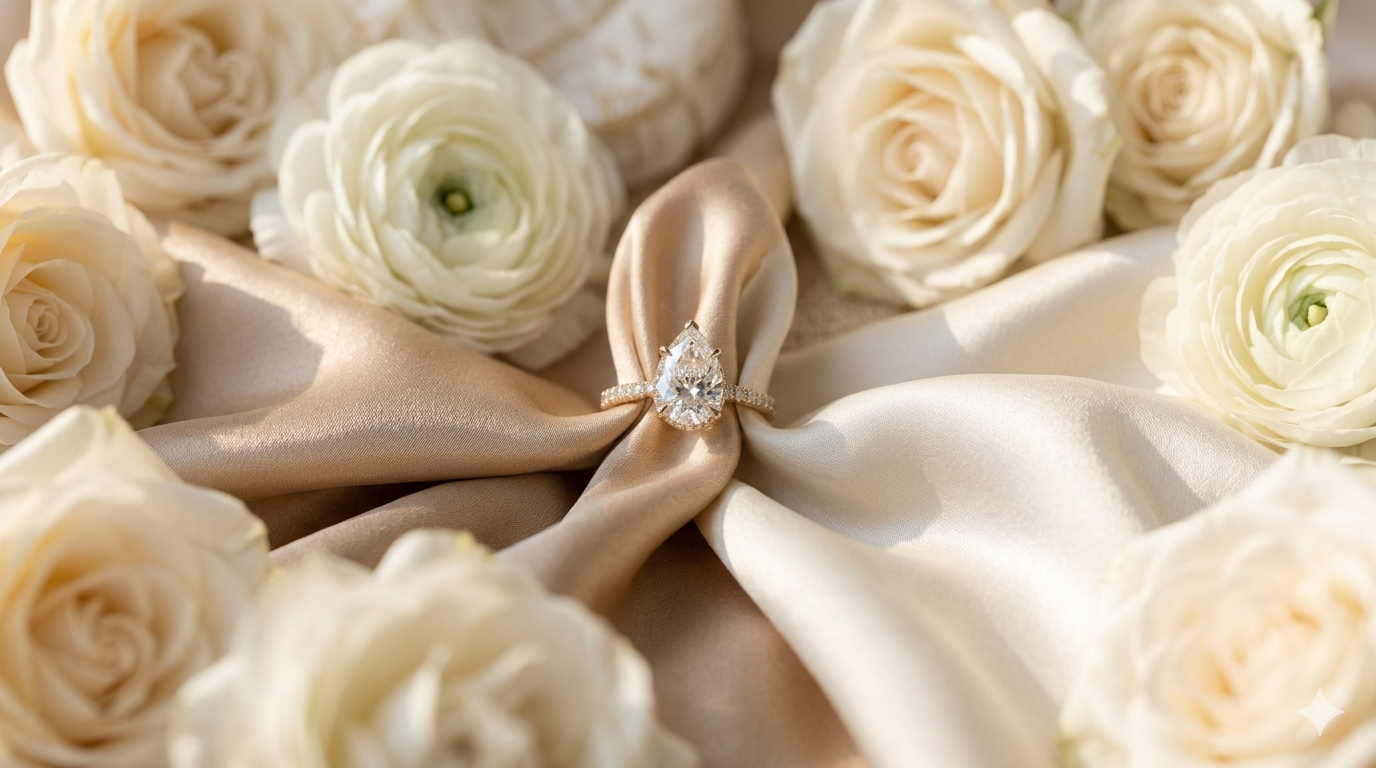
A one-carat Pear-shaped diamond often looks perfectly balanced on smaller hands.
Many jewelry experts suggest that the center stone should not dominate the finger length excessively.
Low-profile settings are often recommended for comfort and practicality because they reduce snagging during everyday wear.
Metal color should also complement skin tone:
Warm skin tones pair beautifully with yellow or rose gold
Cooler skin tones often suit white gold or platinum
Minimal solitaire designs are highly popular for petite hands because they create elegance without heaviness.
Hidden halo settings can add sparkle while maintaining a clean appearance.
Ultra-thin bands also create a refined and feminine style.
Smaller fingers may experience ring spinning if the setting is too heavy.
Lightweight settings and balanced stone sizes usually provide the best daily comfort.
Choosing the right metal improves the overall appearance of the ring.
Yellow gold creates warmth and a classic style. White gold and platinum create a bright and modern look. Rose gold adds softness and romance.
The right metal should complement both the skin tone and the diamond shape.
Prong settings are the most popular because they maximize light exposure and sparkle.
Bezel settings offer more security and a sleek modern appearance.
Cathedral settings create elegance and height, while tension settings create a contemporary floating effect.
High settings make diamonds more noticeable and dramatic.
Low settings provide comfort and practical everyday wear.
The best setting balances beauty, security, and comfort together.
Active lifestyles may require stronger and more secure settings.
Platinum is known for durability, while gold remains popular for its classic appearance.
Daily wear should always be considered before choosing an elaborate design.
Social media trends change quickly. A ring that looks fashionable online may not always suit your hand shape in real life.
Timeless balance is usually more important than following short-term trends.
Many buyers choose rings based only on the diamond itself without considering finger proportions.
Trying rings in person remains one of the best ways to understand how a ring truly looks on your hand.
Bands that are too thick or too thin can affect the entire appearance of the ring.
The center stone and band should always look balanced together.
Carat weight alone does not determine beauty.
Diamond cut, shape, and face-up appearance often matter more visually than size alone.
A well-cut diamond with excellent proportions usually looks more impressive than a larger poorly balanced stone.
Before buying a ring, try different shapes and settings on your hand.
View the ring from multiple angles and under different lighting conditions.
Temporary try-on rings can also help you understand visual balance before making a final decision.
Some diamond shapes offer better value than others.
Marquise and Oval diamonds often appear larger than Round diamonds of the same carat weight while costing less.
Balancing shape, quality, and budget is usually smarter than focusing only on size.
Which diamond shape best suits my finger length?
What band width creates the best balance?
Can I compare multiple settings side by side?
Always try the ring under natural light if possible.
Wear the ring for several minutes to judge comfort and proportion.
Think about how the ring will pair with future wedding bands as well.
The best solitaire ring creates balance between finger length, width, stone shape, and band design.
Professional fitting is important, but personal confidence matters most.
Choose the ring that feels beautiful and comfortable every time you wear it.
Every hand shape can wear a stunning solitaire ring when the proportions are chosen carefully.
Oval, Pear, and Marquise cuts often work beautifully for shorter fingers, while Round and Cushion cuts help balance long fingers. Petite hands usually benefit from delicate settings and balanced stone sizes.
The most important thing is to choose a ring that feels natural, elegant, and confident on your hand.
Before making your final decision, visit a trusted jeweler and compare multiple solitaire styles in person. Seeing different cuts on your own hand is the best way to discover the perfect ring for your style and proportions.

 Round
Round Pear
Pear Heart
Heart PRINCESS
 Oval
Oval CUSHION
 EMERALD
 MARQUISE
 Asscher
 RADIANT
 Ashth CUT
 ROSE CUT
 BRIOLETTE
 SINGLE CUT
 TRAPEZIUM
 TULIP
TULIP TRIANGLE
 BUTTERFLY
 FLOWER
 MOVAL
MOVAL CLOVER
 BAGUETTE
 9KT ASHTH CUT
 9KT MARQUISE
 9KT PEAR
 9KT RADIANT
 9KT EMERALD