Ashth - Where Exceptional Craftsmanship Defines Modern Luxury !

- Rings
- Earrings
Shop By Category
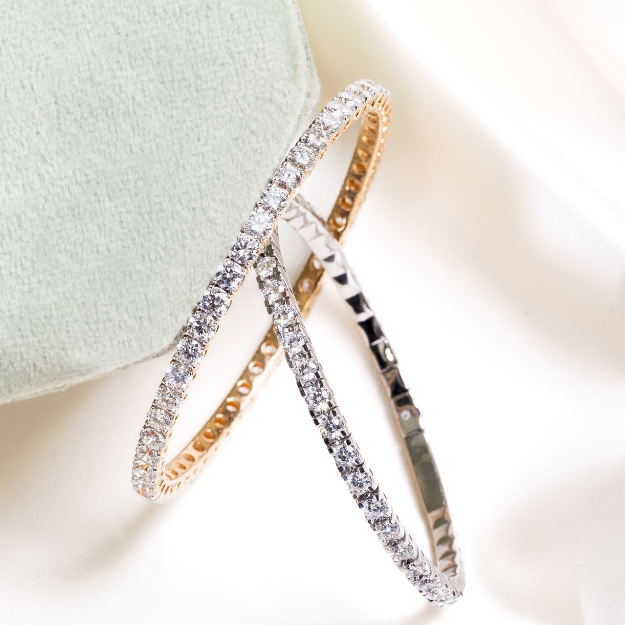
- Bangles/ Bracelets
Shop By Category
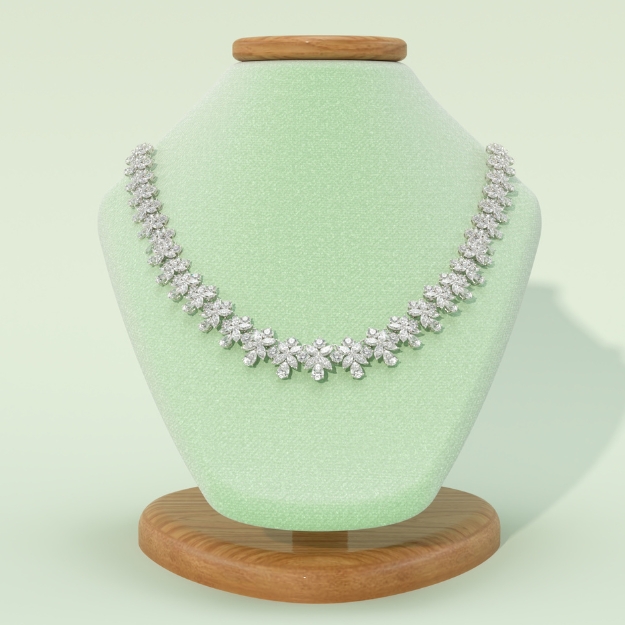
- Necklaces
Shop By Category
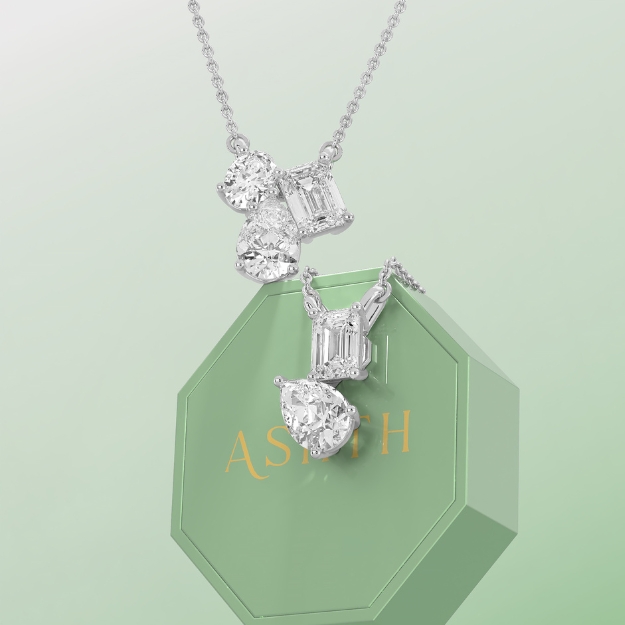
- Pendants
Shop By Category
- ASHTH LITE
Shop By Category
.jpg)
- Collections
Collections
Shop By Category
Shop By Category
Shop By Category
Shop By Category
Shop By Category
Collections
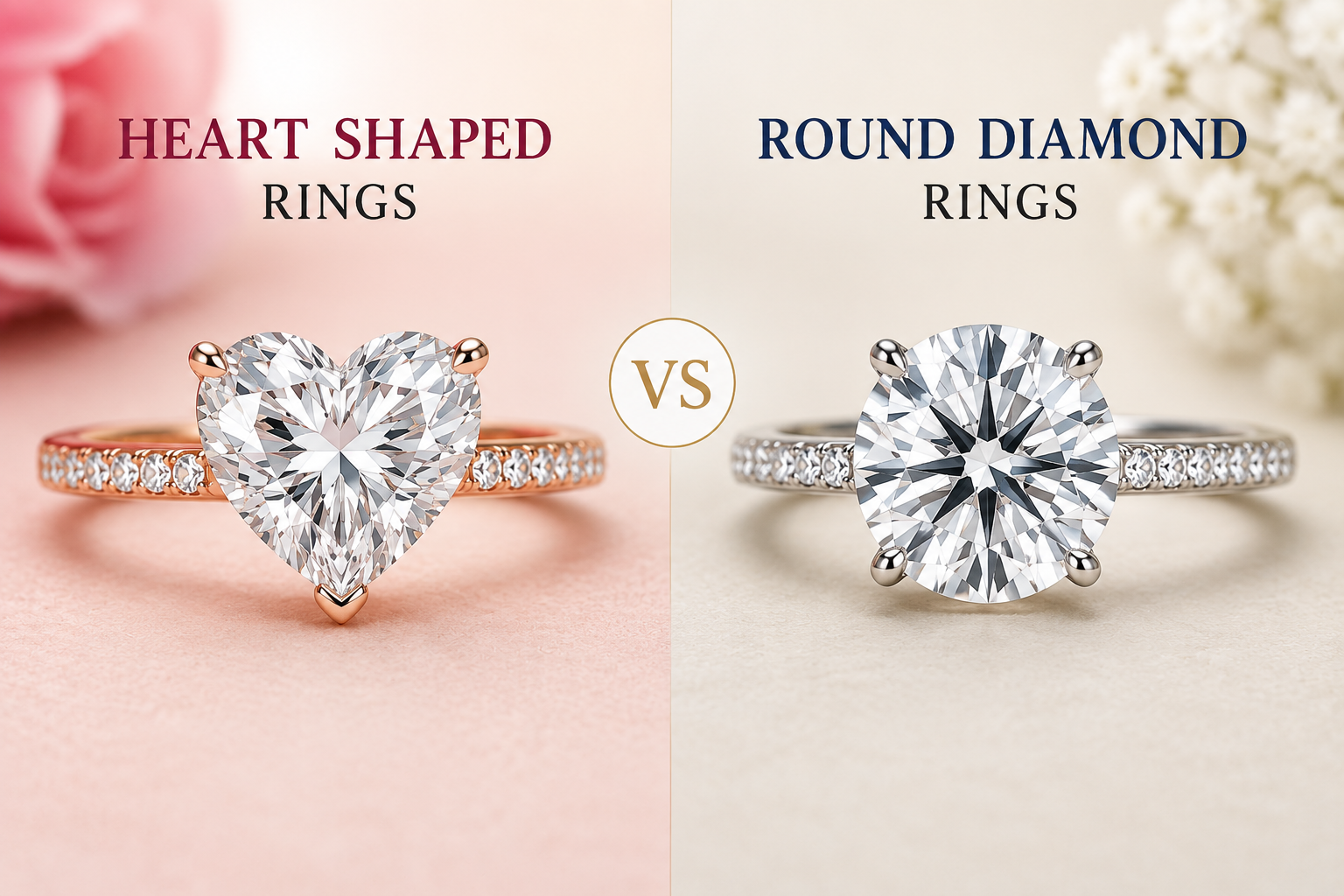
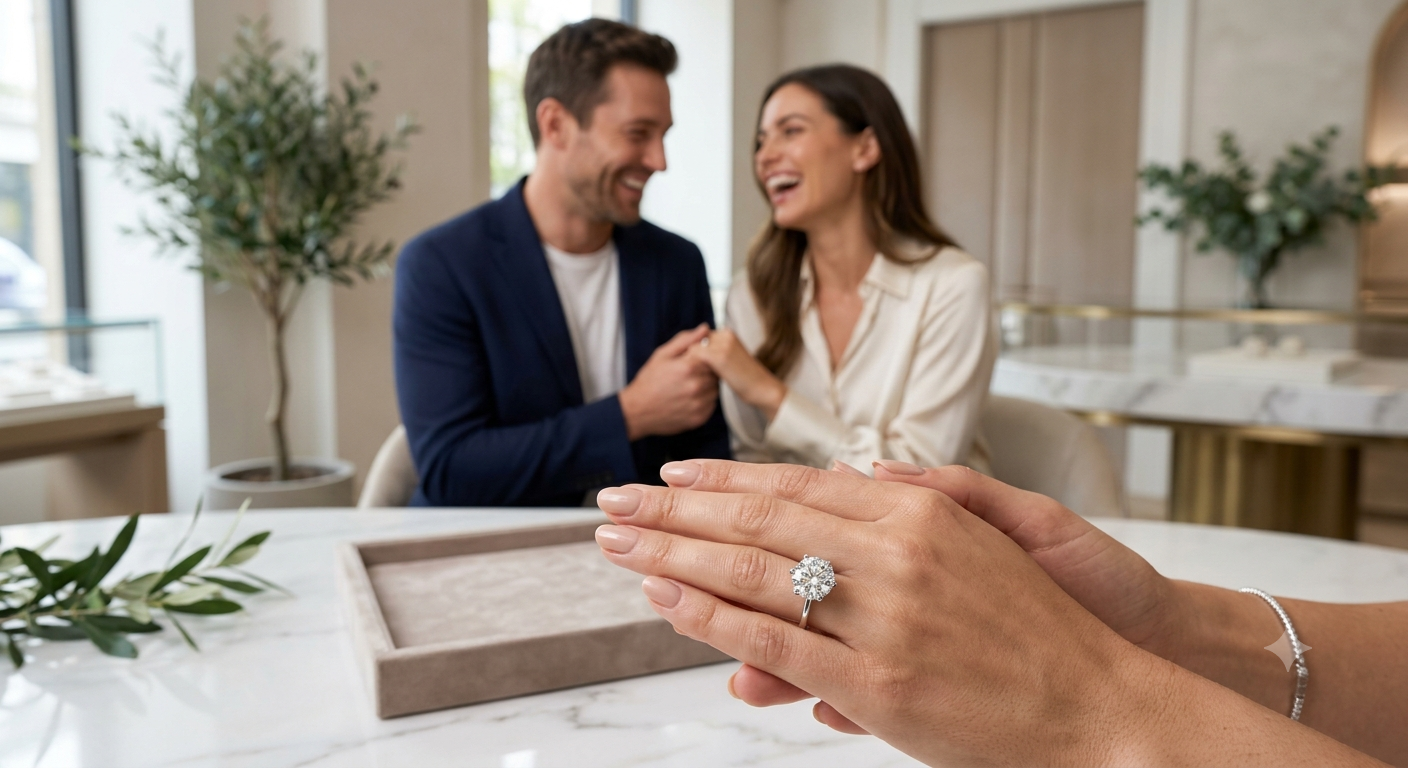
When it comes to choosing an engagement ring, few decisions feel as personal as selecting the diamond shape. The shape you choose doesn't just affect how the ring looks—it influences how it feels, what it represents, and even how it fits your lifestyle.
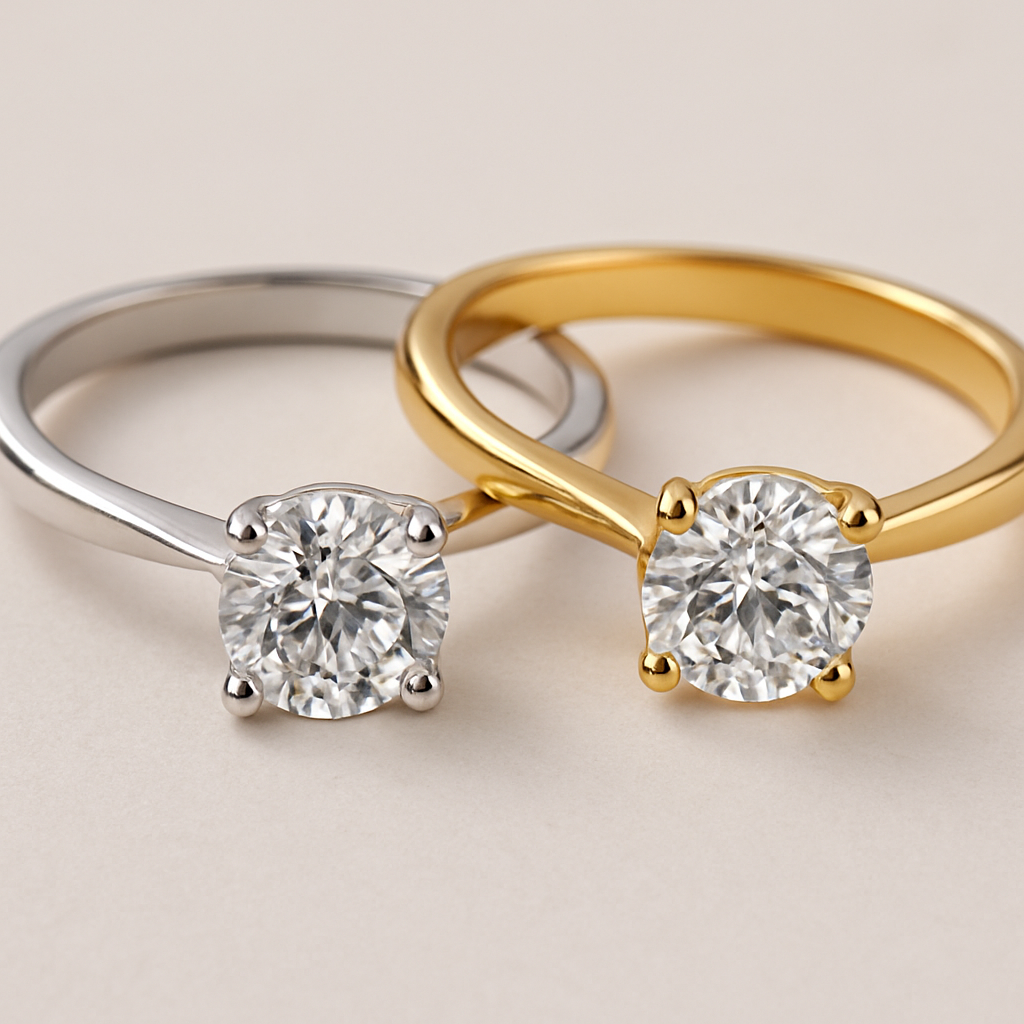
Two of the most popular options sit at opposite ends of the style spectrum: the classic round brilliant diamond and the romantic heart-shaped diamond.
A round diamond is timeless. It's known for unmatched sparkle, universal appeal, and a design that never goes out of style. A heart-shaped diamond, on the other hand, is expressive and unique. It instantly symbolizes love and offers a look that stands apart from traditional engagement rings.
Many modern couples find themselves debating between these two shapes. One offers proven brilliance and long-term popularity. The other delivers personality, symbolism, and a bold statement.
If you're trying to decide which shape deserves a place on your finger, this guide will help you compare heart shaped rings and round diamond rings based on appearance, value, durability, and everyday wear.
There is a reason round diamonds continue to dominate the engagement ring market year after year.
They are designed to maximize light performance.
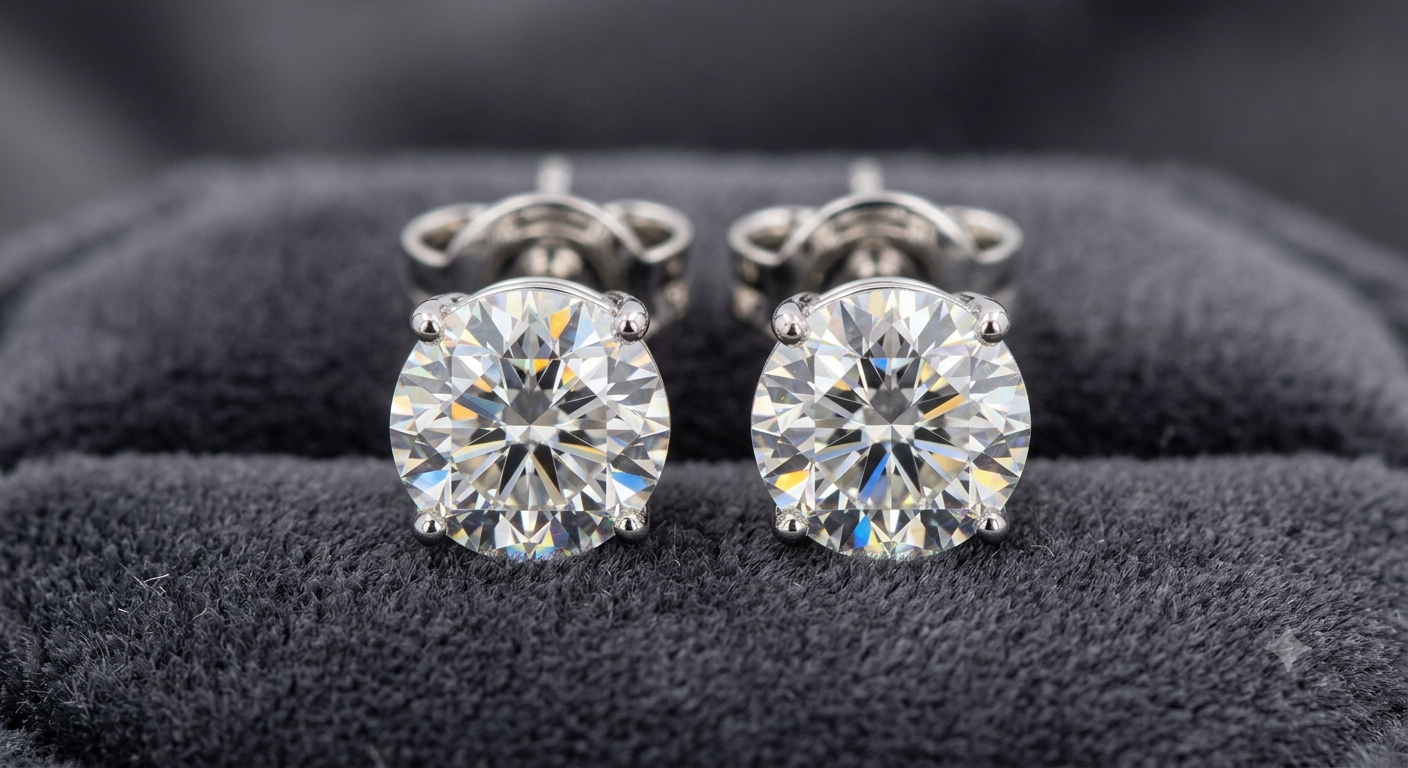
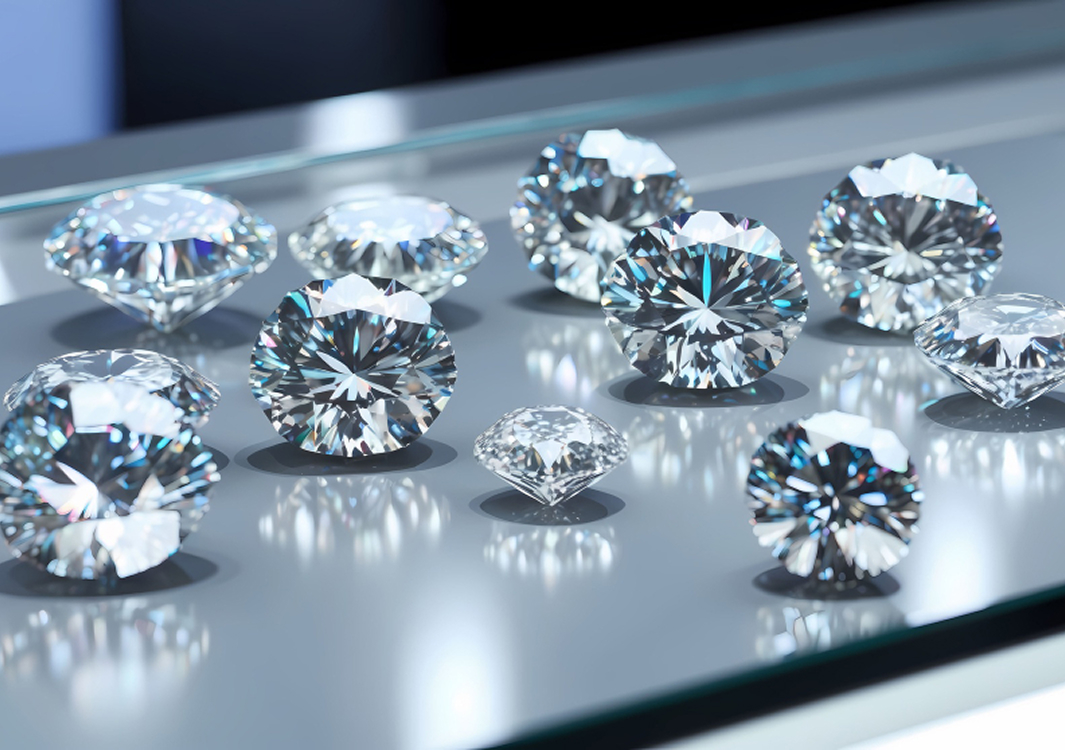
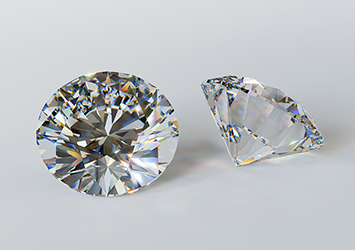
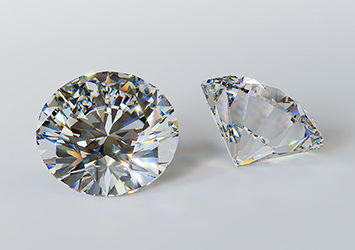
A modern round brilliant diamond typically contains 57 or 58 facets arranged in a precise pattern. This facet structure helps the diamond capture light and reflect it back toward the viewer's eye.
The result is exceptional brilliance, fire, and sparkle.
When people imagine a diamond glittering across a room, they are usually picturing a round brilliant.
This ability to return light efficiently is what separates round diamonds from most other shapes. While fancy-cut diamonds can certainly sparkle, round diamonds are specifically engineered for maximum brilliance.
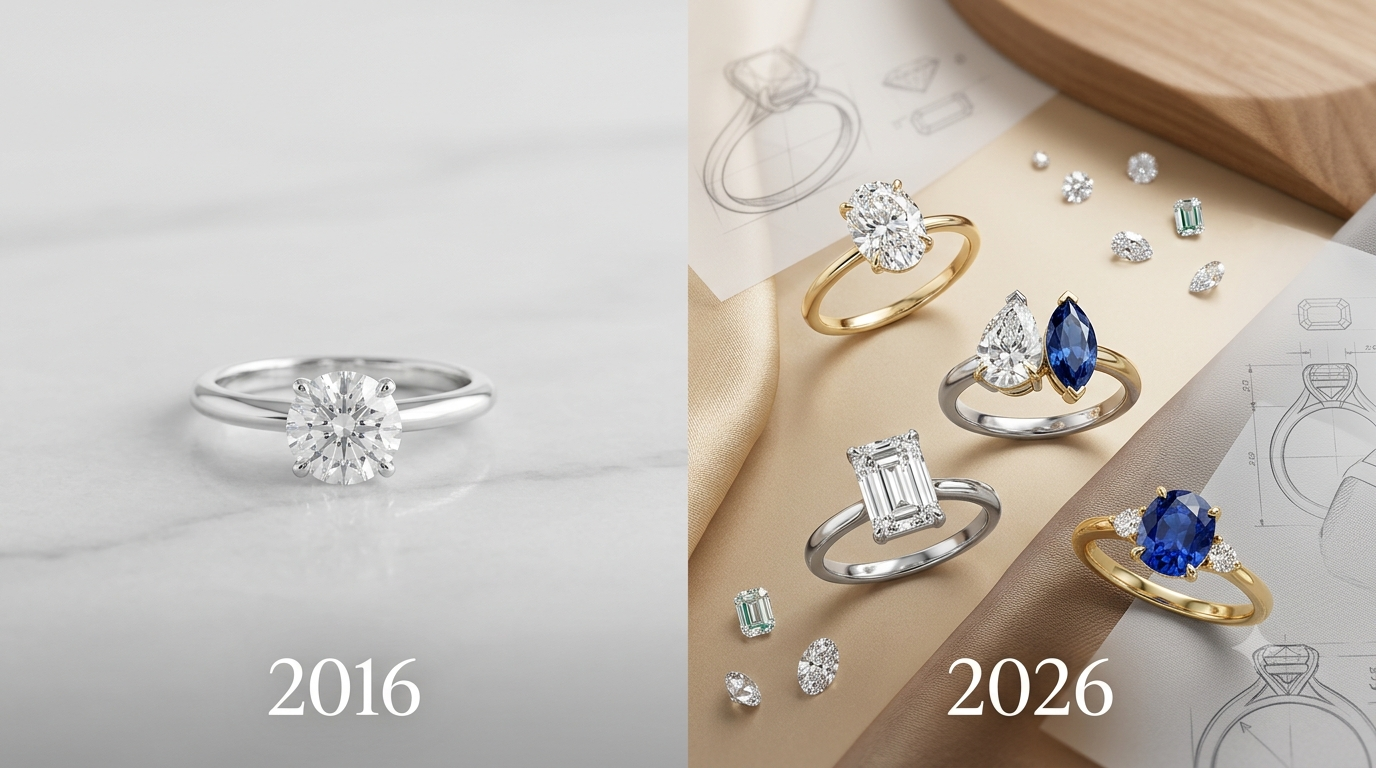
Engagement ring trends change constantly.
Oval diamonds rise in popularity.
Emerald cuts become fashionable.
Pear shapes have their moment.
Yet round diamonds remain the most popular choice decade after decade.
One reason is their versatility.
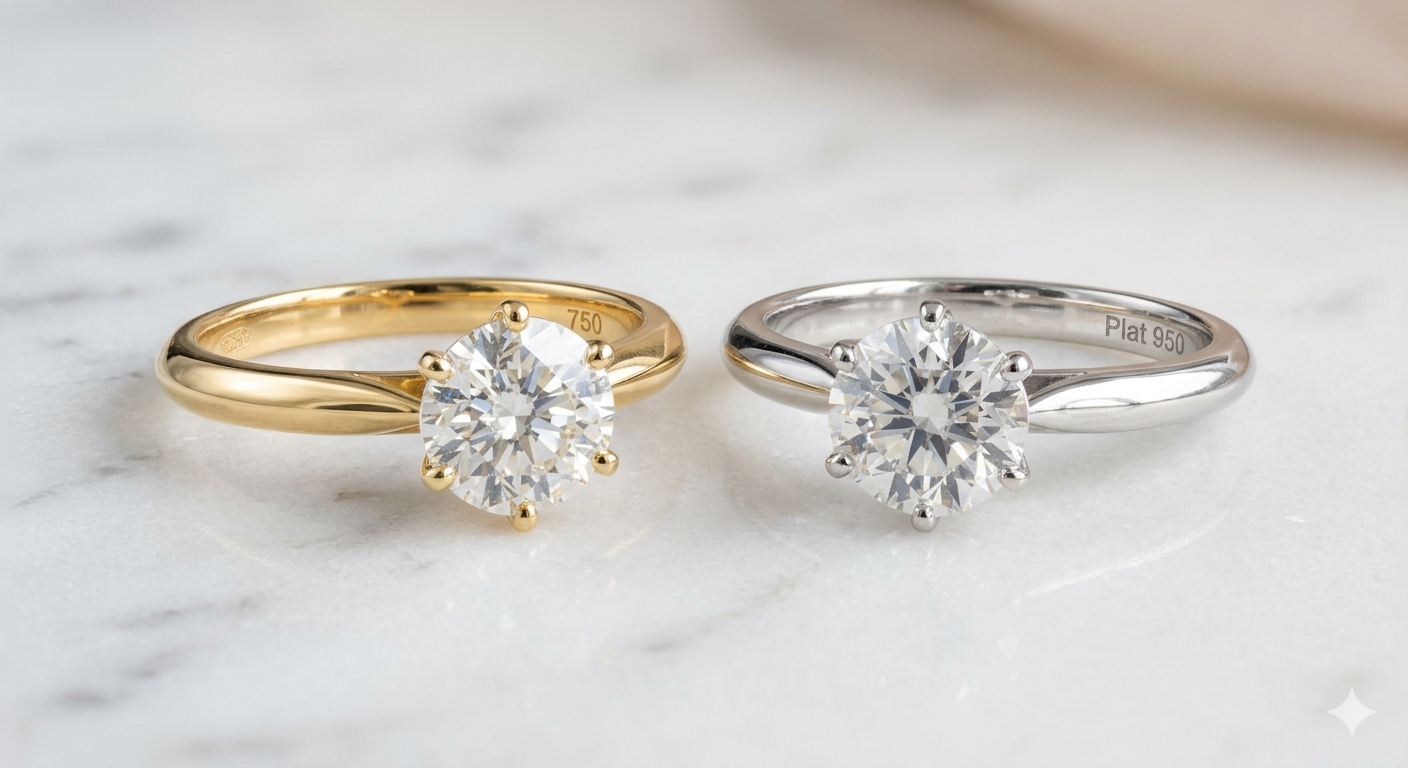
Round diamonds work beautifully in almost every setting style, including:
Solitaire rings
Halo settings
Hidden halo designs
Three-stone rings
Vintage-inspired settings
Pavé bands
Because they pair so well with different designs, buyers rarely feel limited when choosing a round diamond.
One of the strongest arguments in favor of round diamonds is their ability to transcend trends.
A round diamond purchased today will likely look just as elegant twenty years from now.
That's difficult to say about many trend-driven jewelry styles.
For buyers who want a ring that feels classic and enduring, the round brilliant remains one of the safest and most reliable choices available.
Like every diamond shape, round diamonds have strengths and weaknesses.
Understanding both sides helps create realistic expectations before making a purchase.
Round diamonds consistently produce more sparkle than most other diamond shapes.
Their facet arrangement is specifically designed to maximize light return.
Because round diamonds remain highly desirable, they continue to dominate engagement ring sales worldwide.
Few diamond shapes adapt as easily to different settings and design styles.
Whether your style is modern or traditional, a round diamond fits naturally.
The rounded outline eliminates vulnerable corners and points.
This makes round diamonds particularly durable for daily wear.
Round diamonds generally cost more than many fancy-shaped diamonds.
This is due to both consumer demand and the amount of rough diamond material lost during cutting.
Because round diamonds are everywhere, some buyers feel they lack individuality.
If uniqueness is important, a more unusual shape may feel more exciting.
Compared to some fancy shapes, round diamonds can appear slightly smaller when viewed from above despite having the same carat weight.
Few diamond shapes carry as much emotional meaning as a heart.
Unlike other cuts that rely on geometric beauty, the heart shape immediately communicates love and romance.
There is no guessing what it represents.
The symbolism is obvious.
For many couples, this emotional connection is exactly what makes a heart-shaped engagement ring so appealing.
Instead of choosing a ring based purely on tradition, they choose a shape that reflects the reason they're getting engaged in the first place.
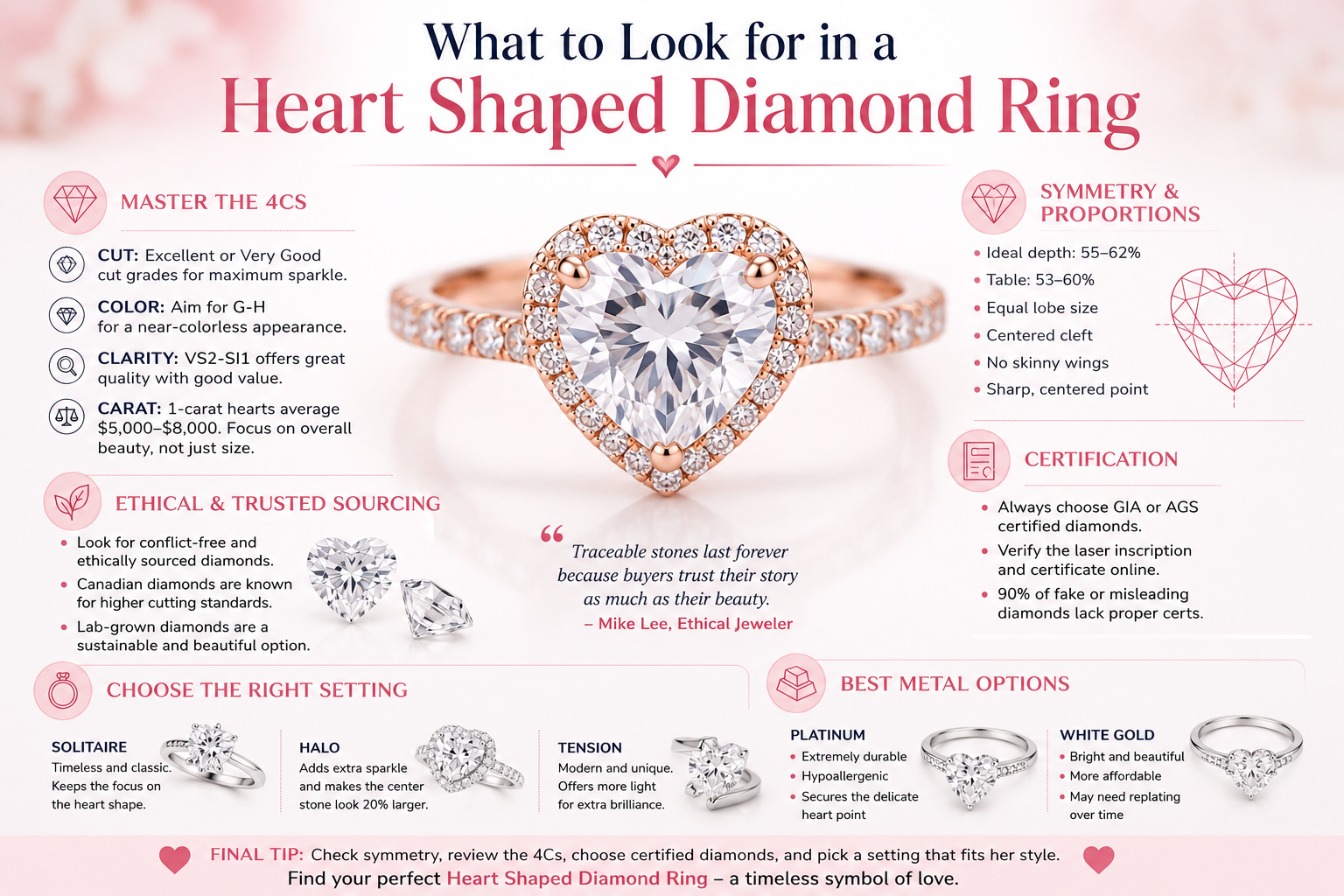
A heart-shaped diamond is a modified brilliant cut that combines characteristics of round and pear-shaped diamonds.
The shape includes:
A central cleft
Two rounded lobes
Curved shoulders
A pointed tip
When these elements are balanced correctly, the diamond appears symmetrical and elegant.
The proportions matter more than many buyers realize.
A heart shape that is too wide can appear squat.
A heart shape that is too narrow can begin to resemble a pear shape.
The most attractive heart diamonds strike a balance between width and length.
One reason buyers are drawn to heart-shaped diamonds is their visual spread.
Unlike some cuts that carry weight deeper inside the stone, heart-shaped diamonds distribute more weight across the visible surface.
This often creates the impression of a larger diamond.
When viewed from above, a heart-shaped diamond can appear surprisingly substantial for its carat weight.
For buyers who want maximum visual impact, this can be a major advantage.
Modern engagement ring trends have shifted dramatically toward personalization.
Today's buyers are increasingly interested in rings that reflect their personalities rather than simply following tradition.
This trend has created renewed interest in fancy diamond shapes, including heart-shaped diamonds.
Instead of asking, "What does everyone else choose?"
Many buyers are now asking, "What feels most like me?"
Heart-shaped diamonds answer that question beautifully.
They offer individuality without sacrificing elegance.
They feel meaningful without appearing overly trendy.
Most importantly, they create an emotional connection that many traditional shapes simply cannot replicate.
No other diamond shape communicates love as clearly as a heart.
For many couples, this symbolism alone is enough to justify the choice.
Heart-shaped diamonds immediately stand out from more traditional engagement rings.
They attract attention without needing a massive carat weight.
Because of their broad shape, heart diamonds often appear larger than buyers expect.
Heart-shaped diamonds frequently cost less than comparable round diamonds.
This can allow buyers to purchase a larger or higher-quality stone within the same budget.
Heart diamonds are less forgiving than round diamonds.
Even small symmetry issues can significantly affect appearance.
The pointed tip requires protection.
Without a secure setting, this area can be more susceptible to damage.
Finding a beautifully cut heart diamond can sometimes take longer than finding a quality round diamond.
Like many fancy shapes, some heart diamonds may display darker areas across the center when cut proportions are not ideal.
One of the biggest differences between these shapes is cost.
Round diamonds typically command premium prices because:
Demand remains extremely high
More rough material is lost during cutting
Precision cutting requires additional expertise
Heart-shaped diamonds often provide better value from a purely financial perspective.
Many buyers discover they can purchase:
Higher clarity
Better color
Larger carat weight
for the same budget they would spend on a smaller round diamond.
Round diamonds generally maintain broader resale appeal because they attract the largest number of buyers.
Heart-shaped diamonds appeal to a more niche audience.
However, engagement rings are rarely purchased as investments.
Most people wear them for years or even decades.
In practical terms, personal satisfaction is often far more important than resale potential.
This is one of the most common questions buyers ask.
The answer may surprise you.
Carat weight measures mass, not visual size.
Two diamonds with identical carat weights can look noticeably different.
Heart-shaped diamonds frequently appear larger because more of their weight is visible from above.
The broad upper section creates significant finger coverage.
Round diamonds tend to carry more weight toward the center.
As a result, they can sometimes appear slightly smaller despite having the same weight.
Certain settings can dramatically influence visual size.
Halo settings surround the center stone with smaller diamonds, increasing overall presence.
A thinner band makes the center diamond appear larger through contrast.
Hidden halos add sparkle while maintaining focus on the center stone.
Elevated settings increase visibility and create a more dramatic appearance.
Durability matters because engagement rings are worn every day.
Round diamonds have a natural advantage.
Their curved outline eliminates vulnerable points and corners.
Heart-shaped diamonds require a little more protection because of the pointed tip.
Fortunately, proper setting design addresses this concern effectively.
Most jewelers recommend a V-prong setting for heart-shaped diamonds.
This specialized prong protects the point while preserving the shape's appearance.
When properly secured, a heart-shaped diamond can perform exceptionally well during everyday wear.
In most cases, the setting experiences more wear than the diamond itself.
Prongs may loosen.
Bands may scratch.
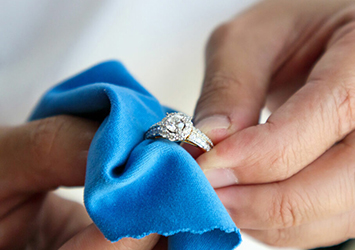
Routine inspections help prevent problems before they occur.
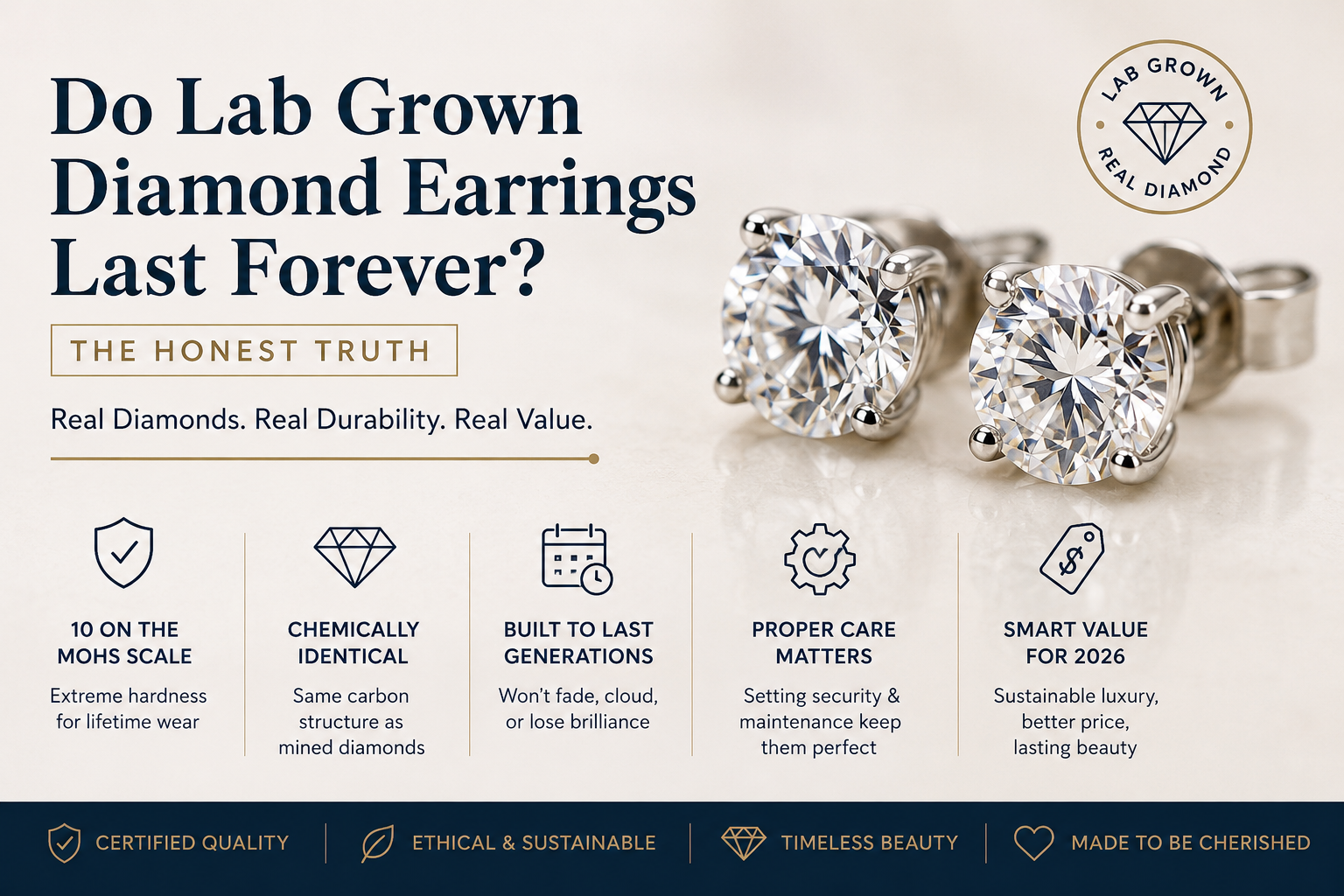
With proper care, both round and heart-shaped diamonds can remain beautiful for generations.
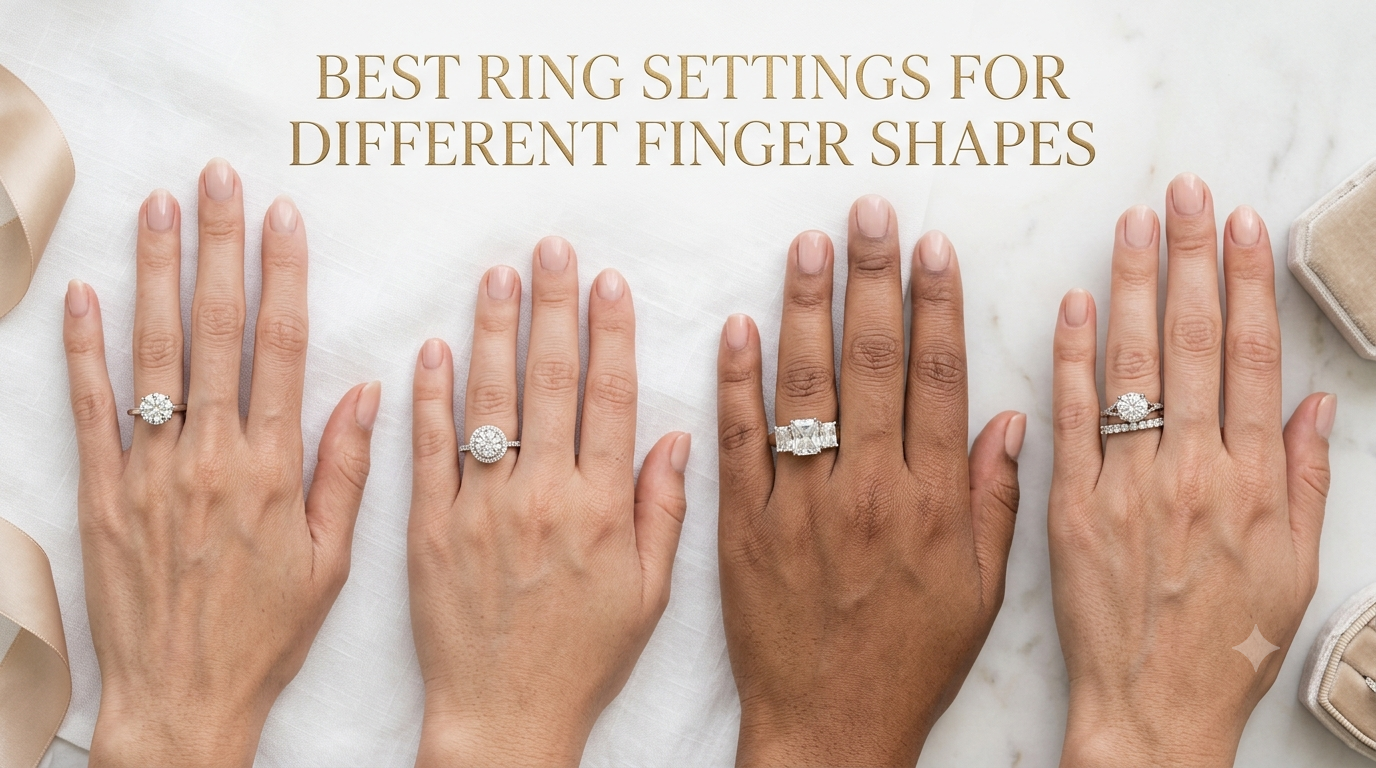
Round diamonds complement virtually every hand shape.
They work particularly well on:
Wide fingers
Short fingers
Long fingers
Larger hands
Smaller hands
Their balanced proportions make them universally flattering.
Heart-shaped diamonds create a strong focal point.
They often look especially beautiful on:
Slender fingers
Long fingers
Narrow hands
The distinctive shape naturally draws attention toward the center stone.
Online photos can only tell part of the story.
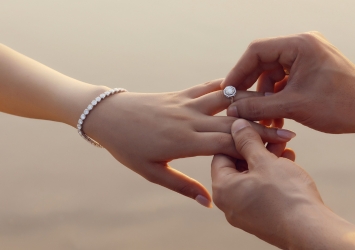
Whenever possible, try both shapes in person.
Many buyers are surprised by which shape they ultimately prefer once they see it on their hand.
You want maximum sparkle.
You prefer a timeless design.
Durability is important.
You appreciate classic elegance.
You want the most versatile shape available.
You value uniqueness.
Romantic symbolism matters.
You want a ring that stands out.
You prefer strong visual presence.
Personal expression is a priority.
Before making your final decision, ask yourself:
What matters more: sparkle or symbolism?
How important is budget flexibility?
How active is your lifestyle?
Which shape feels more personal?
Which ring would you still love ten years from now?
Heart-shaped rings and round diamond rings each offer something special.
Round diamonds continue to set the standard for brilliance, durability, and timeless appeal. They remain the safest choice for buyers who want a ring that will never go out of style.
Heart shaped diamonds take a different approach. They prioritize emotion, individuality, and visual impact. For couples who want a ring that tells a story and reflects their relationship, few shapes feel as meaningful.
Neither option is objectively better.
The best choice is the one that reflects your priorities, your personality, and your vision for the future.
At the end of the day, the ring you love every time you look at it is the right ring.
Before making a final decision, visit a trusted jeweler and compare both shapes under natural light. Seeing them side by side often reveals more than any online comparison ever can.
No. Heart-shaped diamonds are often less expensive per carat than round diamonds of similar quality.
Round brilliant diamonds generally produce more sparkle because they are specifically designed to maximize light return.
Many heart-shaped diamonds appear larger because more of their weight is distributed across the visible surface.
Yes. With a properly designed V-prong setting, heart-shaped diamonds are durable enough for everyday wear.
The best shape depends on your priorities. Round diamonds excel in brilliance and timelessness, while heart-shaped diamonds offer uniqueness and romantic symbolism.

 Round
Round Pear
Pear Heart
Heart PRINCESS
 Oval
Oval CUSHION
 EMERALD
 MARQUISE
 Asscher
 RADIANT
 Ashth CUT
 ROSE CUT
 BRIOLETTE
 SINGLE CUT
 TRAPEZIUM
 TULIP
TULIP TRIANGLE
 BUTTERFLY
 FLOWER
 MOVAL
MOVAL CLOVER
 BAGUETTE
 9KT ASHTH CUT
 9KT MARQUISE
 9KT PEAR
 9KT RADIANT
 9KT EMERALD