Ashth - Where Exceptional Craftsmanship Defines Modern Luxury !

- Rings
- Earrings
Shop By Category
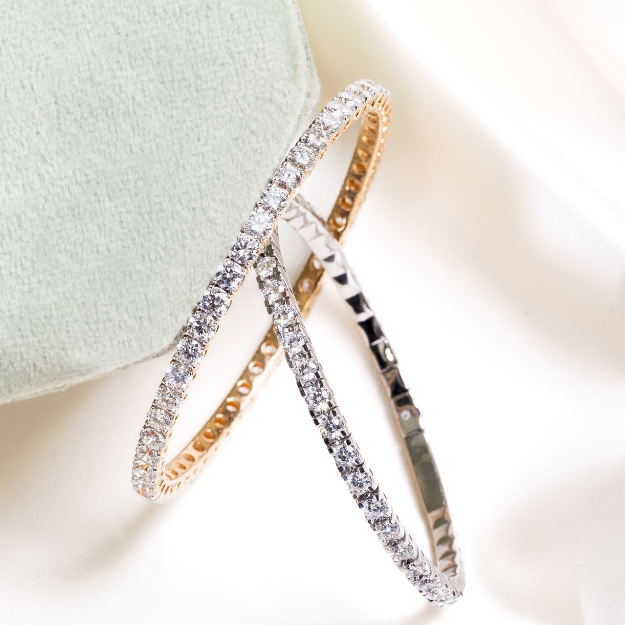
- Bangles/ Bracelets
Shop By Category
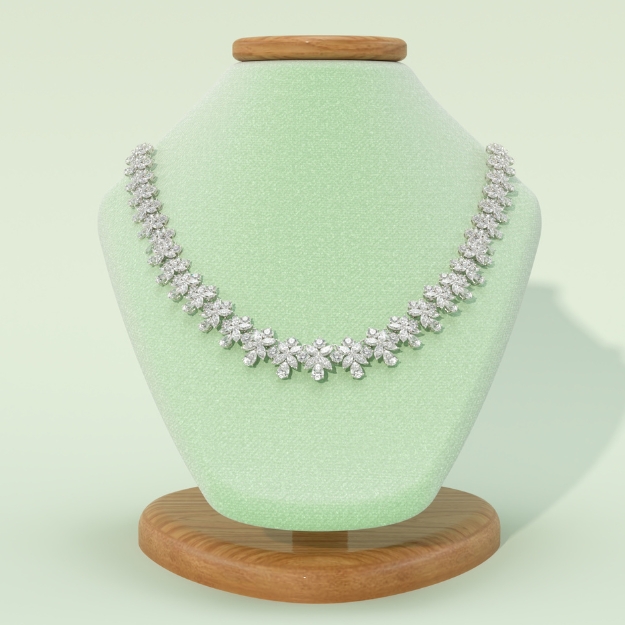
- Necklaces
Shop By Category
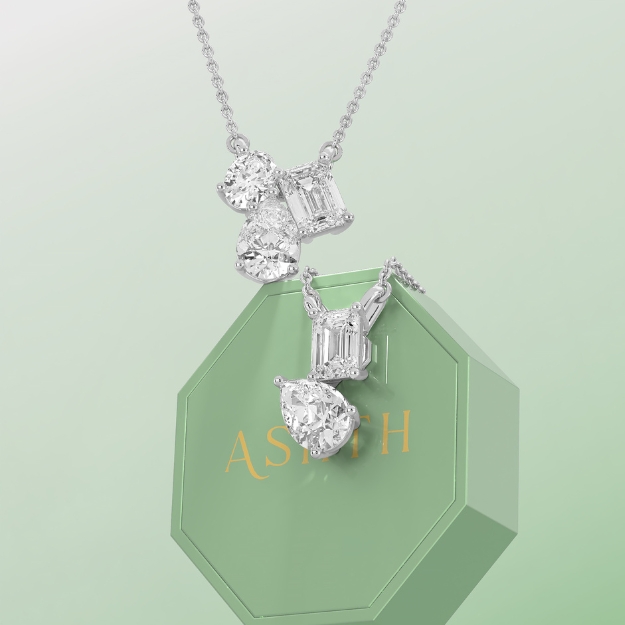
- Pendants
Shop By Category
- ASHTH LITE
Shop By Category
.jpg)
- Collections
Collections
Shop By Category
Shop By Category
Shop By Category
Shop By Category
Shop By Category
Collections
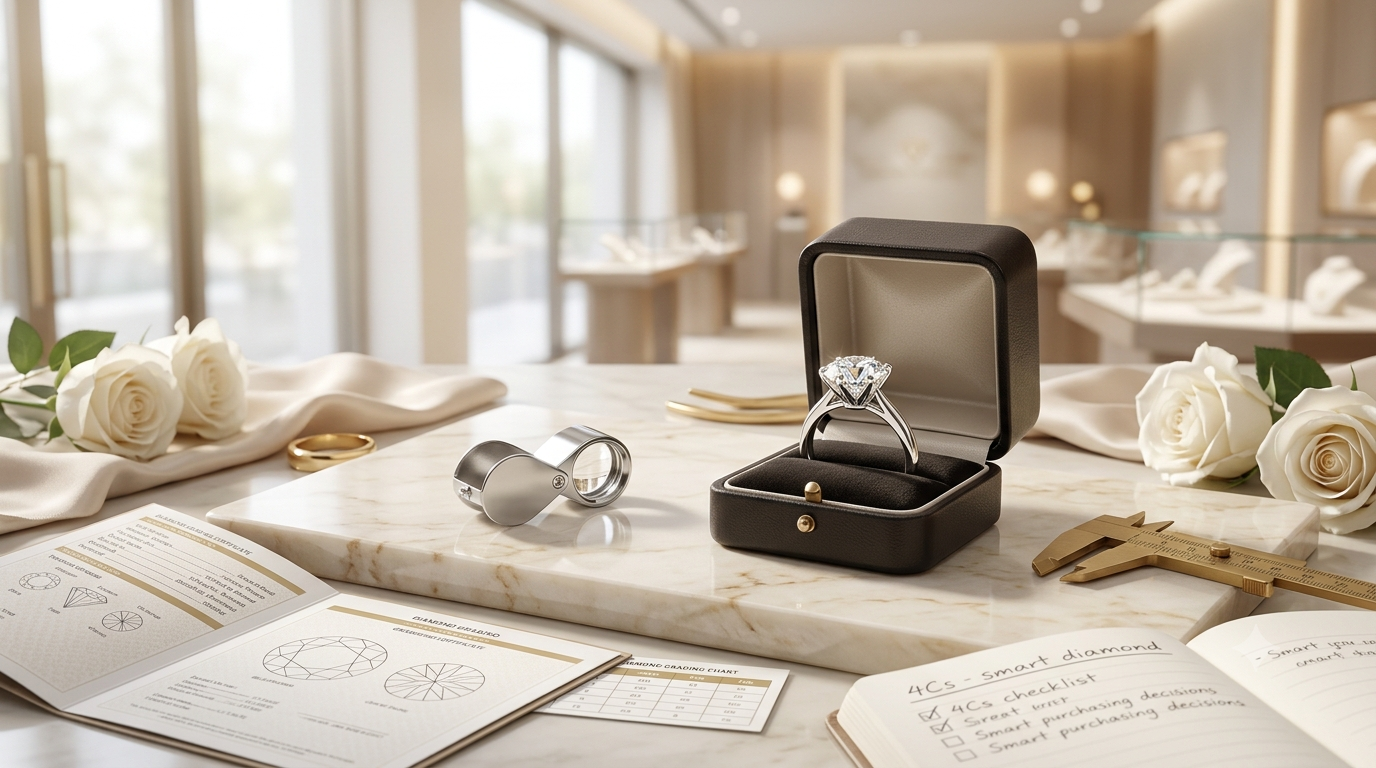
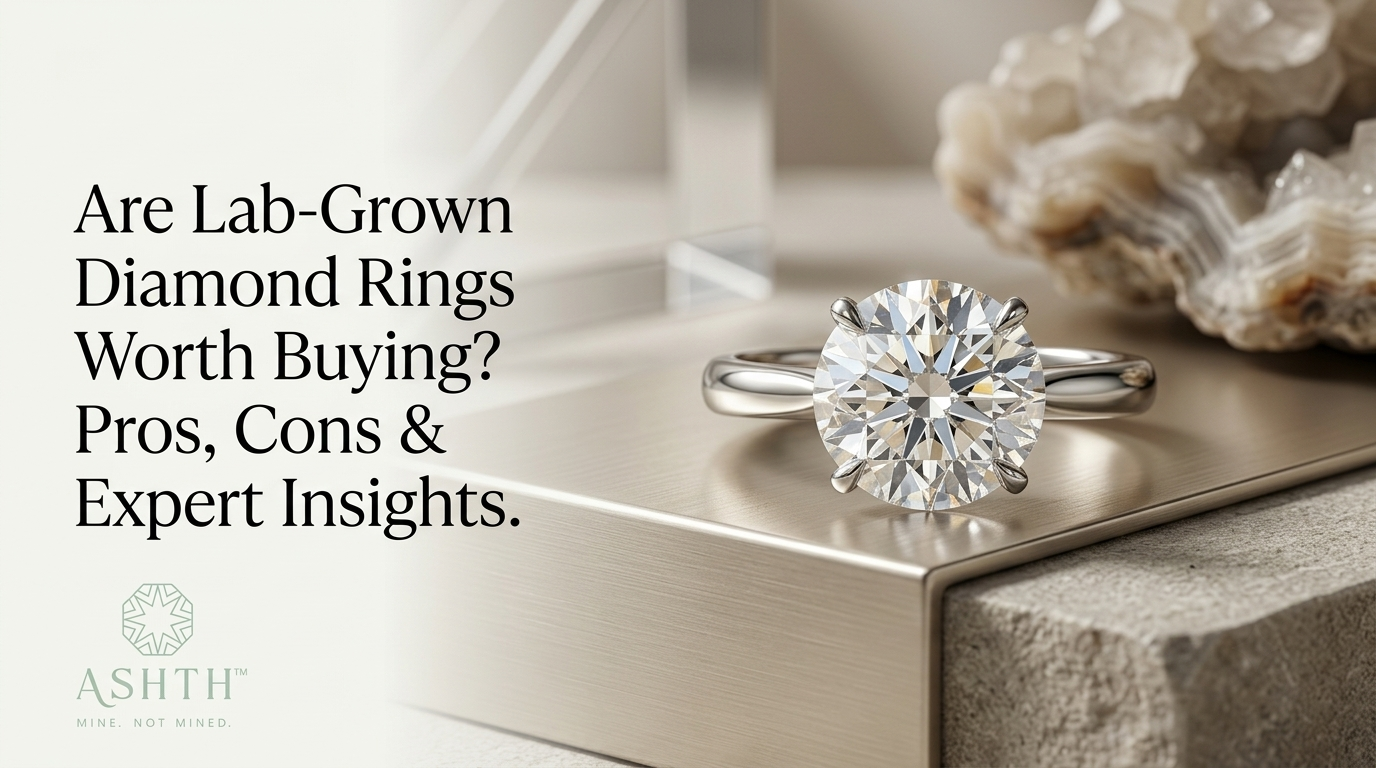
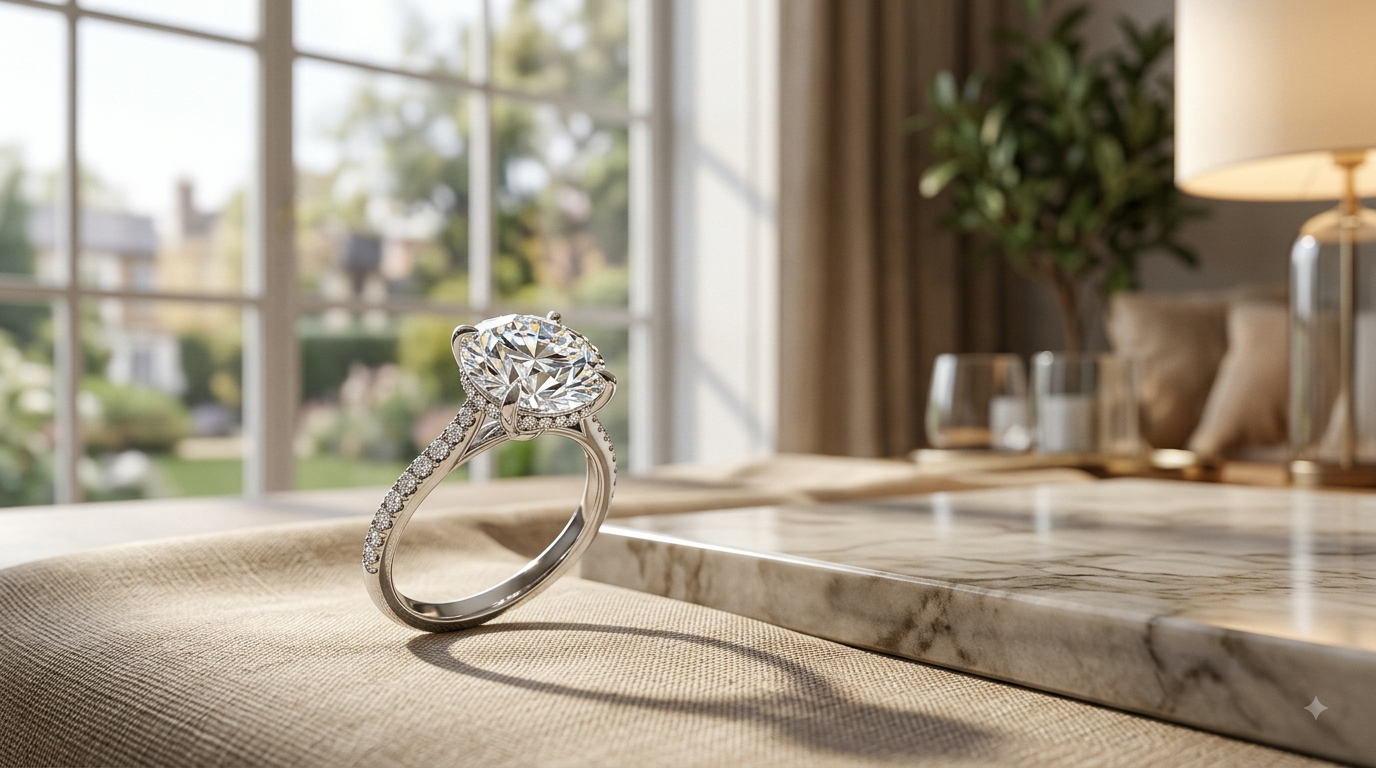
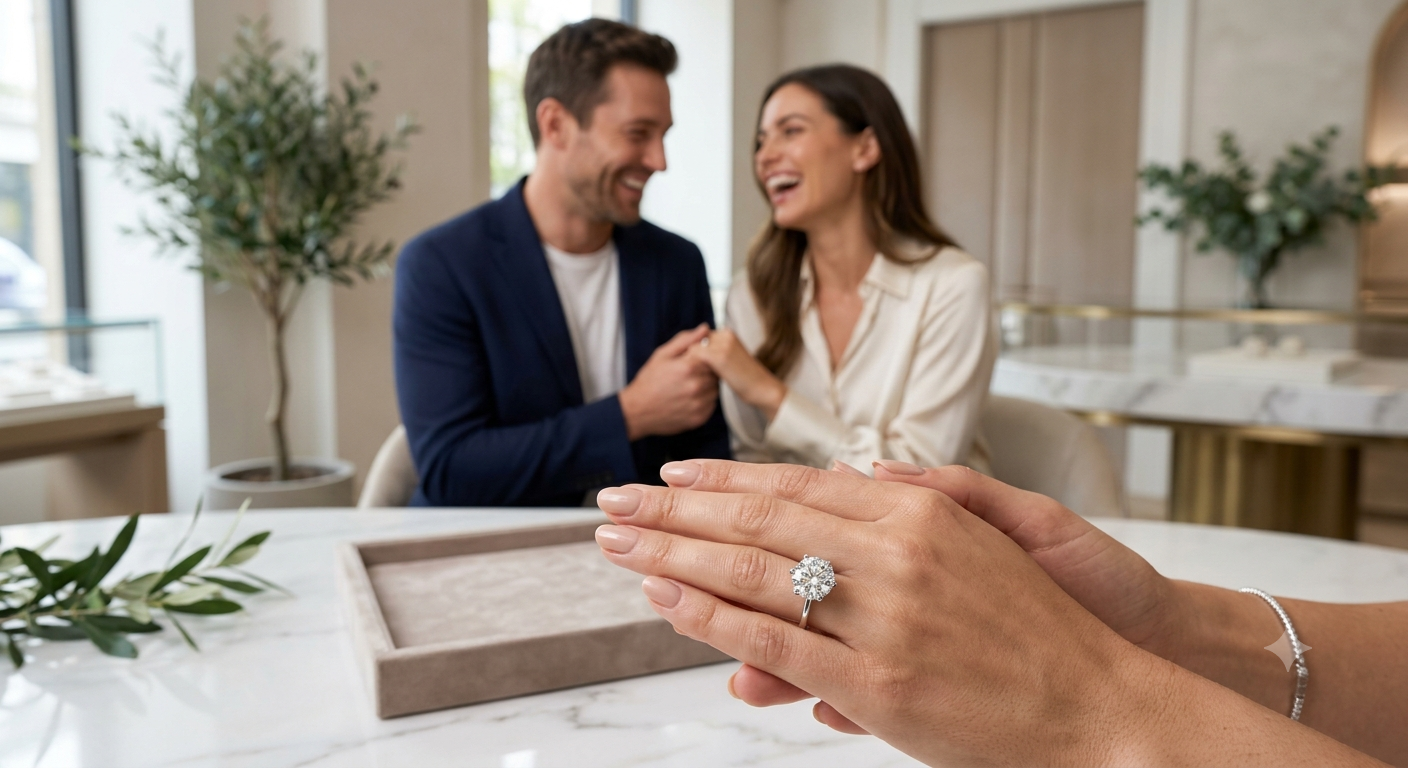
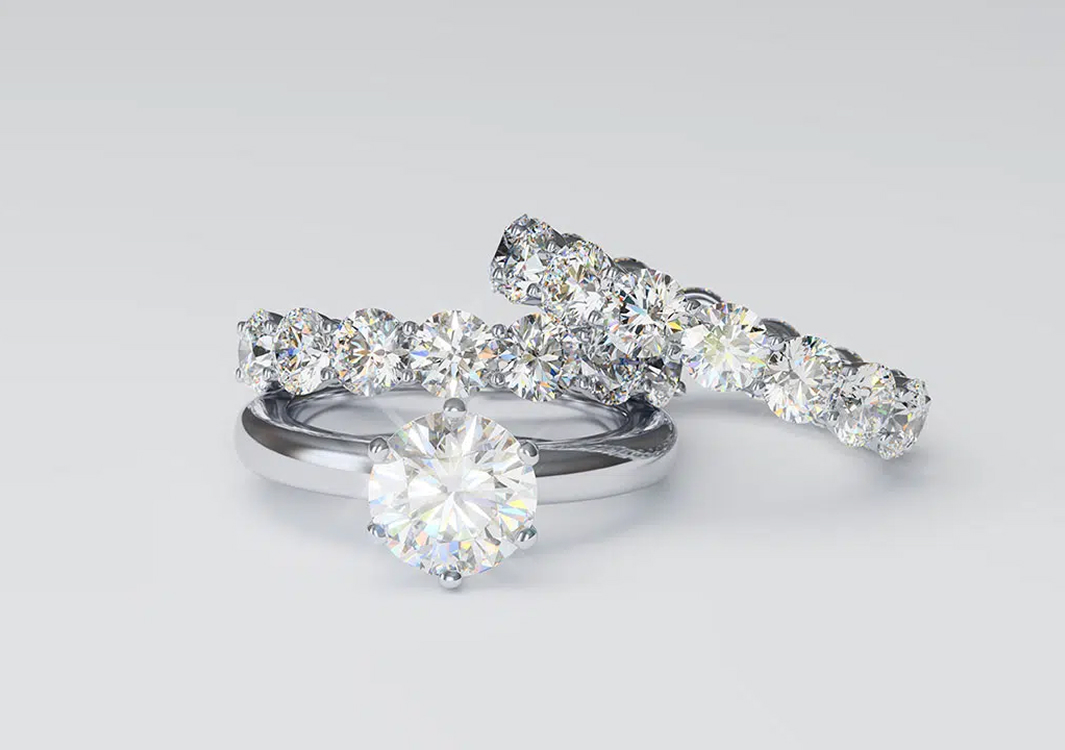
Shopping for a lab grown diamond engagement ring can feel overwhelming fast. One website tells you lab diamonds are "basically fake." Another swears they're identical to mined stones. Somewhere in between is the truth, and it matters, because this ring is going to sit on someone's hand for the rest of their life.
The good news: once you understand a handful of key facts, choosing the right lab grown diamond engagement ring becomes a lot less stressful and a lot more fun. Here's what actually matters before you buy.
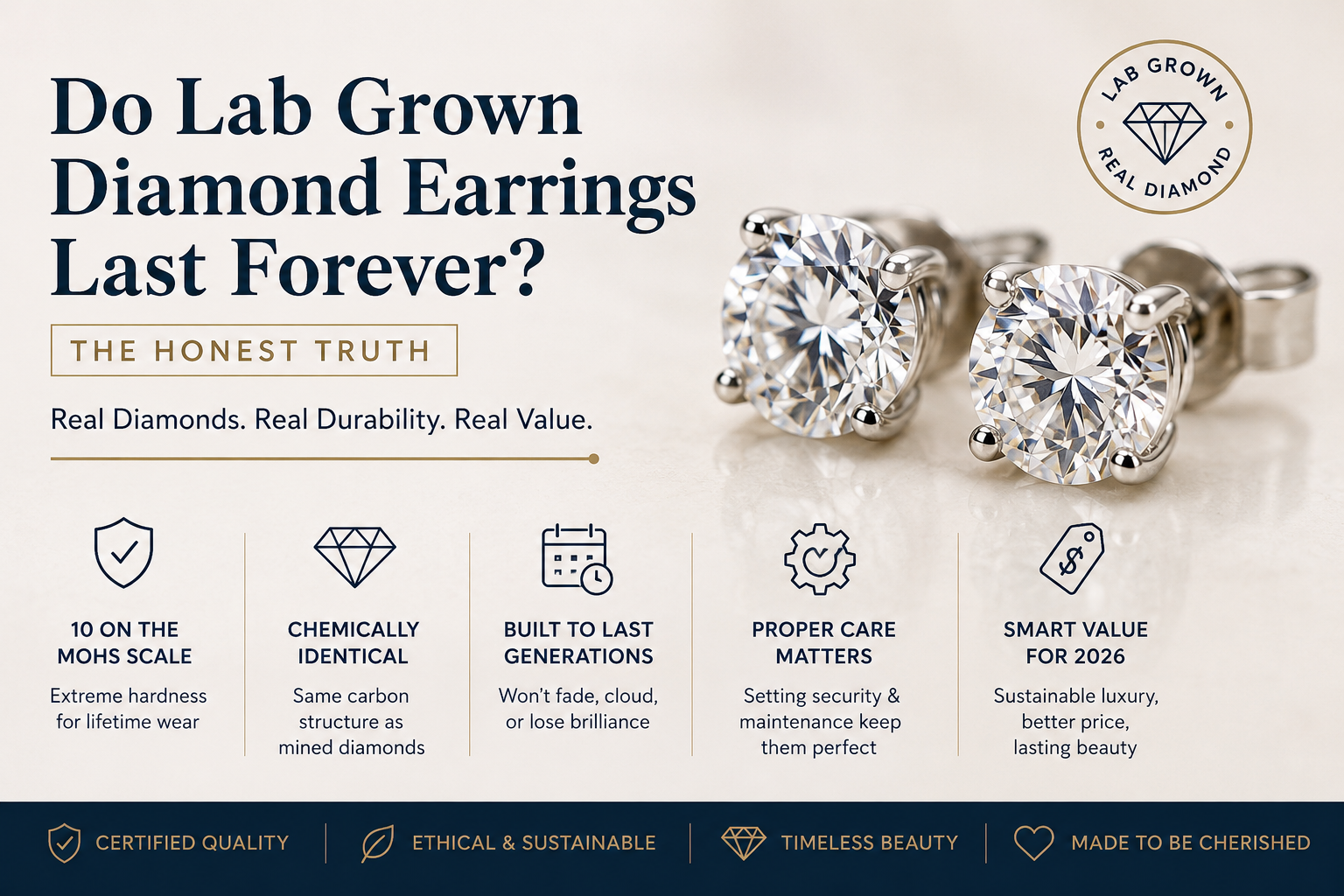
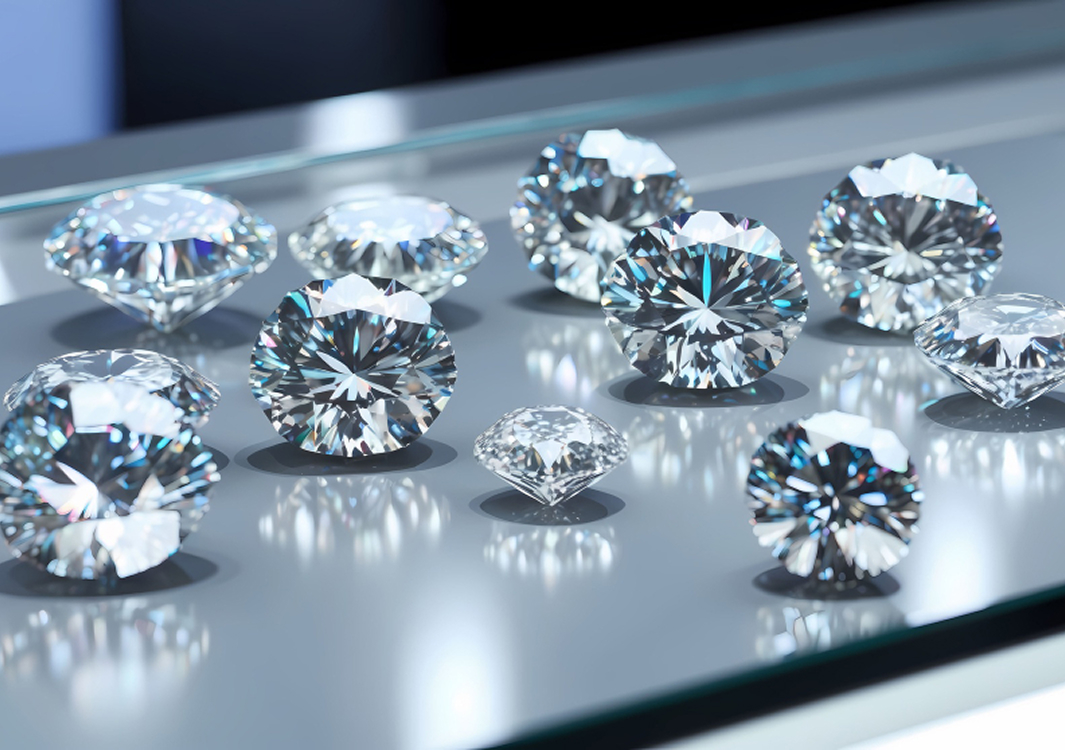
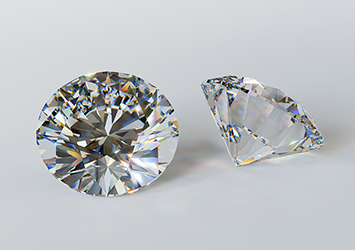
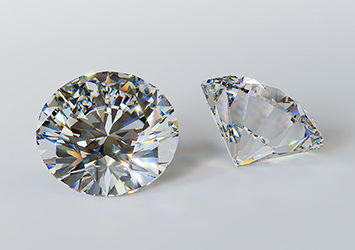
Let's clear this up first, because it trips up more buyers than anything else. Lab grown diamonds are not fake, and they're not a "diamond alternative" like moissanite or cubic zirconia. They share the same chemical composition, crystal structure, and optical properties as mined diamonds. The only real difference is where they came from.
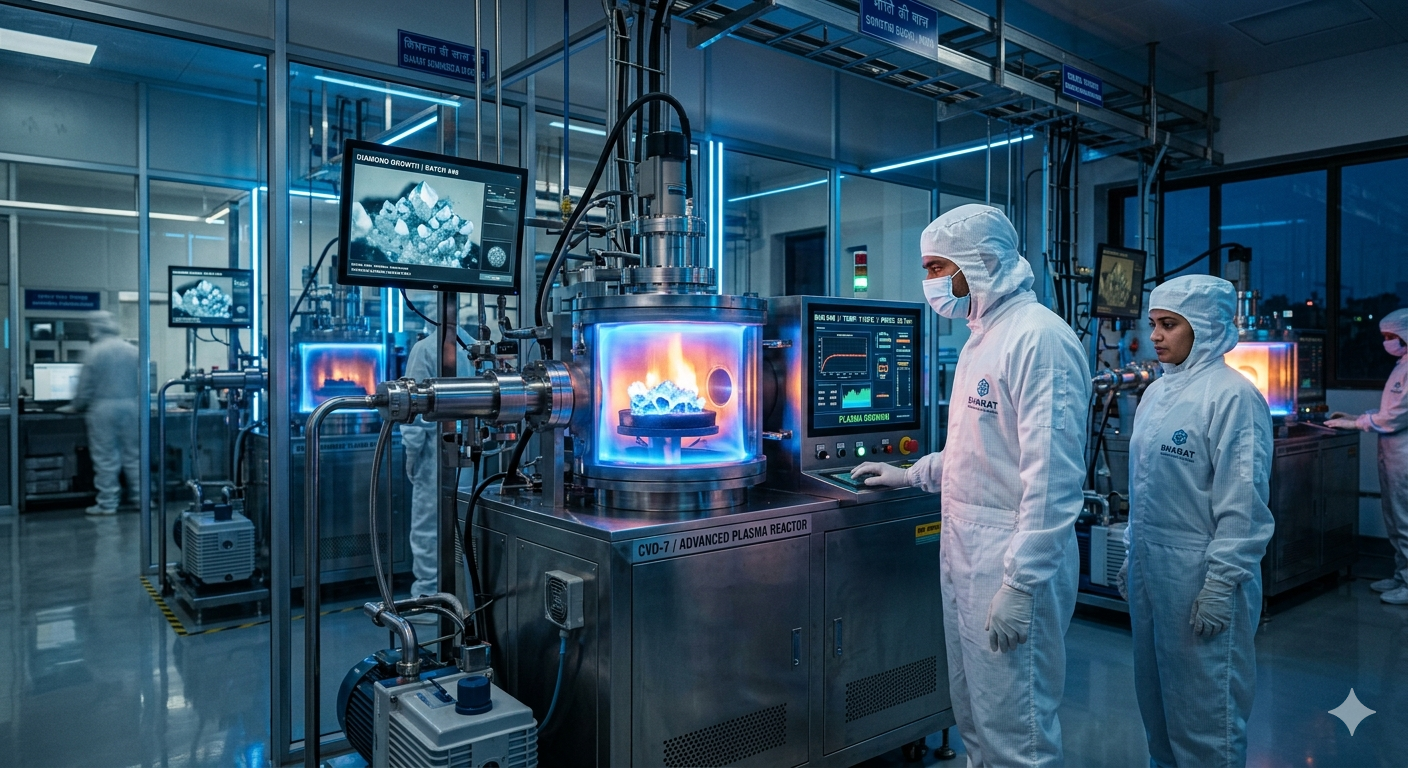
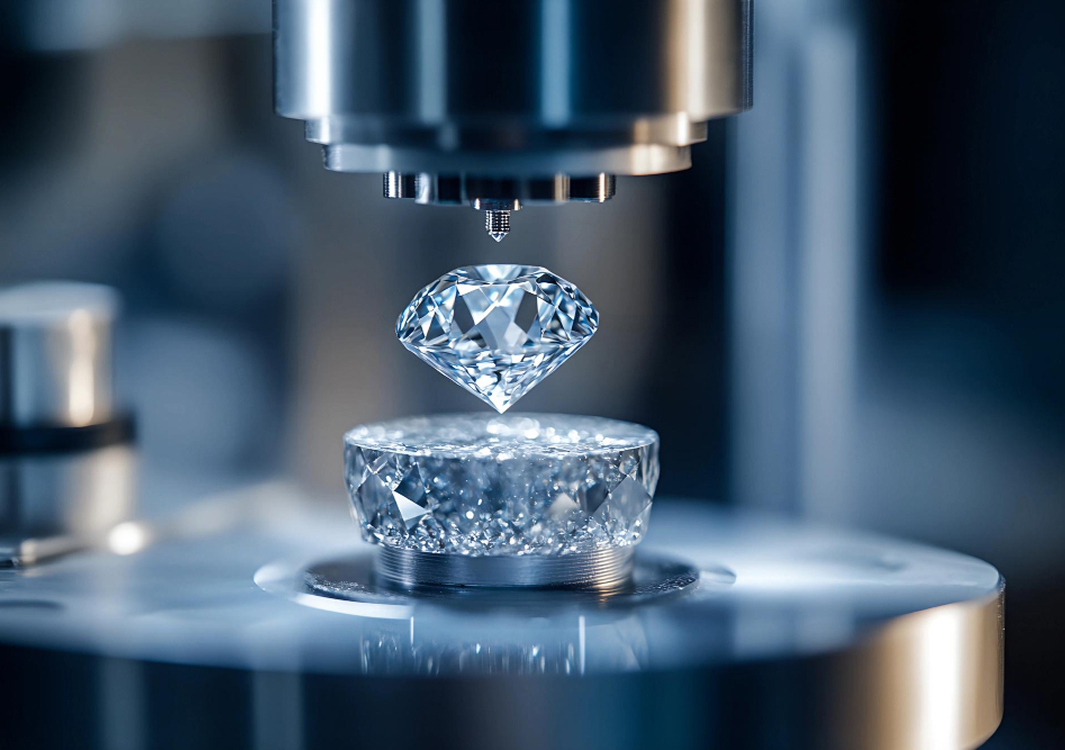
Natural diamonds form over billions of years under intense heat and pressure deep in the earth. Lab grown diamonds are created using advanced technology that recreates those same conditions, just in a controlled environment instead of underground. The result is a diamond that's chemically identical, down to how it splits light into that signature sparkle.
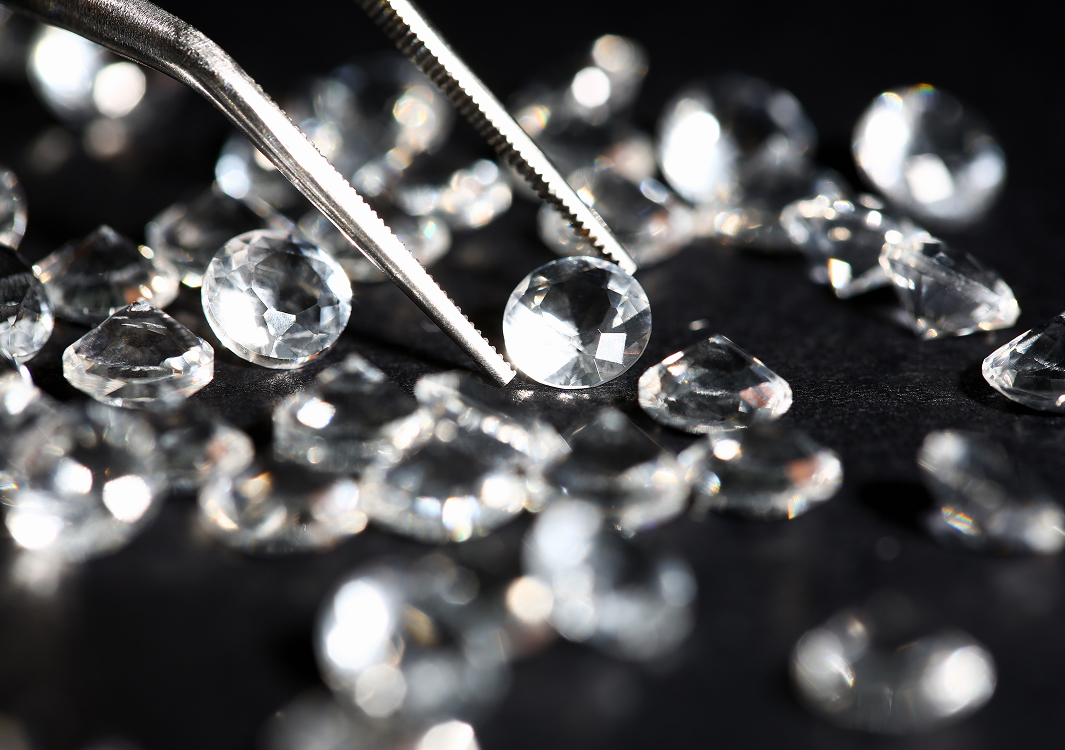
Even trained gemologists typically need specialized lab equipment to distinguish a lab grown stone from a mined one with the naked eye alone.
This is usually the reason couples switch to lab grown in the first place.
Lab grown diamonds generally cost 30% to 50% less than mined diamonds of the same size and quality. That price gap opens up real options:
A noticeably larger center stone within the same budget
Better color or clarity grades
A more elaborate setting or halo
Extra room in the budget for the wedding itself
You're not settling for less sparkle here. You're often getting more of it, for less money.
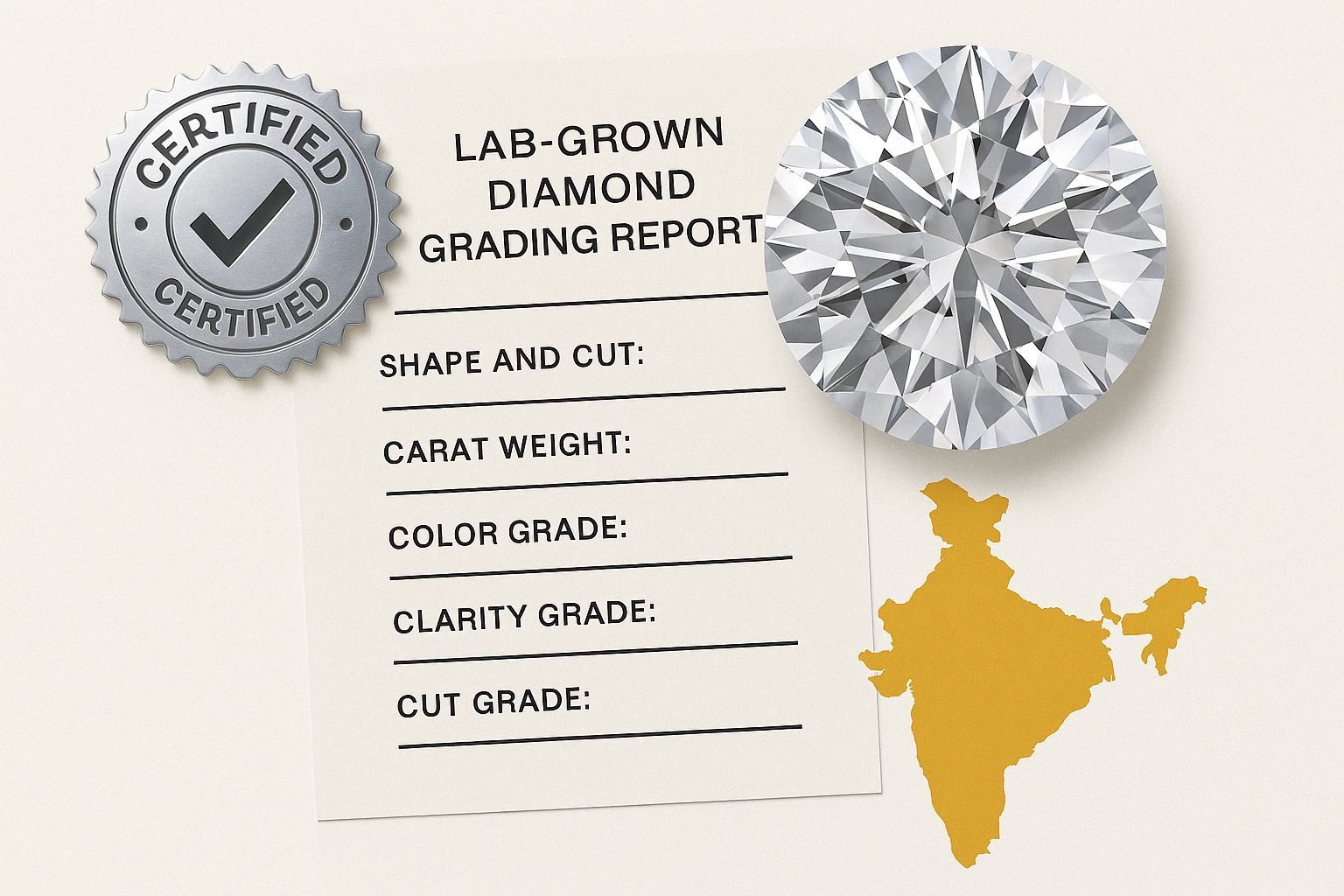
Never buy a diamond, lab grown or otherwise, without a grading report from an independent lab. This document is your proof of what you're actually paying for.
A proper certificate will detail:
Carat weight
Cut grade
Color grade
Clarity grade
Exact measurements
Stick with certifications from established labs like GIA or IGI. If a seller can't produce third-party paperwork, that's a reason to walk away, not a detail to overlook.
At Ashth, every stone we sell ships with GIA or IGI certification and the finished piece carries a hallmark for gold purity. It's a small thing buyers rarely ask about upfront, but it's the first document you'll want if you ever resize, insure, or resell the ring.
Most first-time buyers fixate on carat weight. Experienced jewelers know that cut is what actually makes a diamond dazzle.
A well-cut one-carat diamond will almost always out-sparkle a poorly cut 1.5-carat stone, because cut quality determines how well light bounces around inside the diamond and back out to the eye. When you're comparing options, look for Excellent, Very Good, or Ideal cut grades before you even glance at carat size.
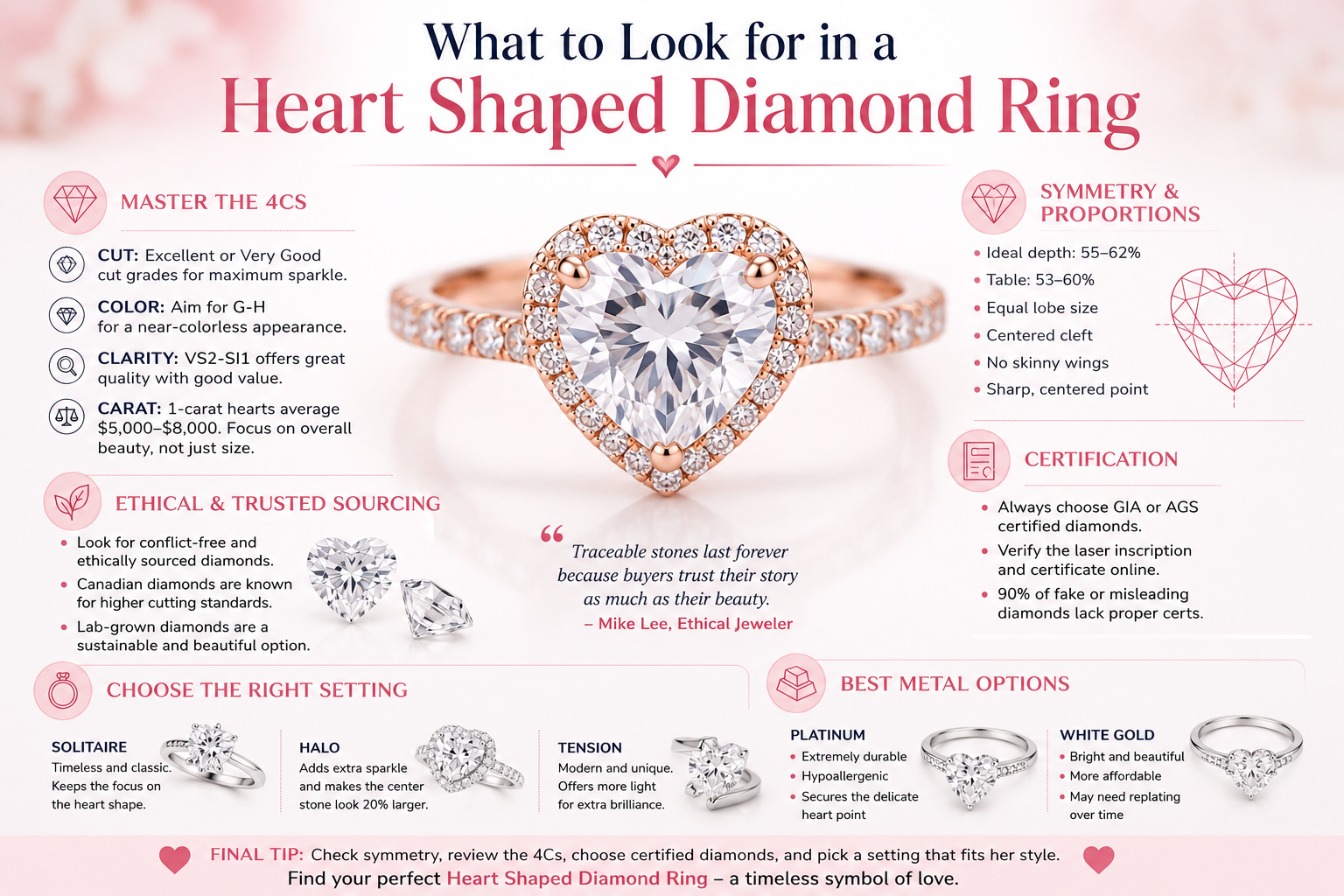
Every diamond, lab grown or mined, is evaluated using the same four criteria:
Cut – How well the diamond is shaped and faceted, which drives its brilliance.
Color – Graded on a scale where colorless stones sit at the top, though near-colorless diamonds still look beautiful and cost less.
Clarity – The number and visibility of natural inclusions inside the stone.
Carat – The diamond's weight, which correlates roughly with size.
None of these should be evaluated alone. A high clarity grade means little if the cut is poor. Balance all four against your budget rather than chasing one number.
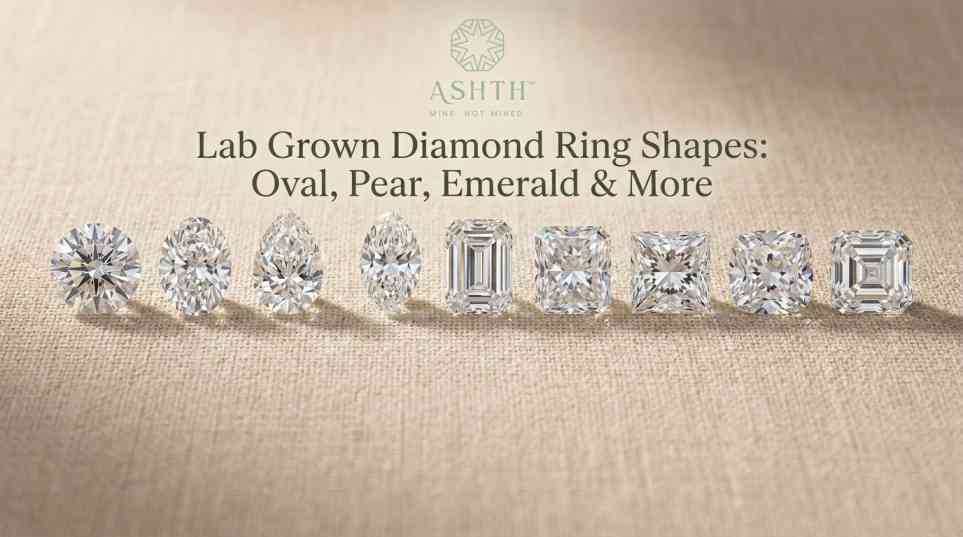
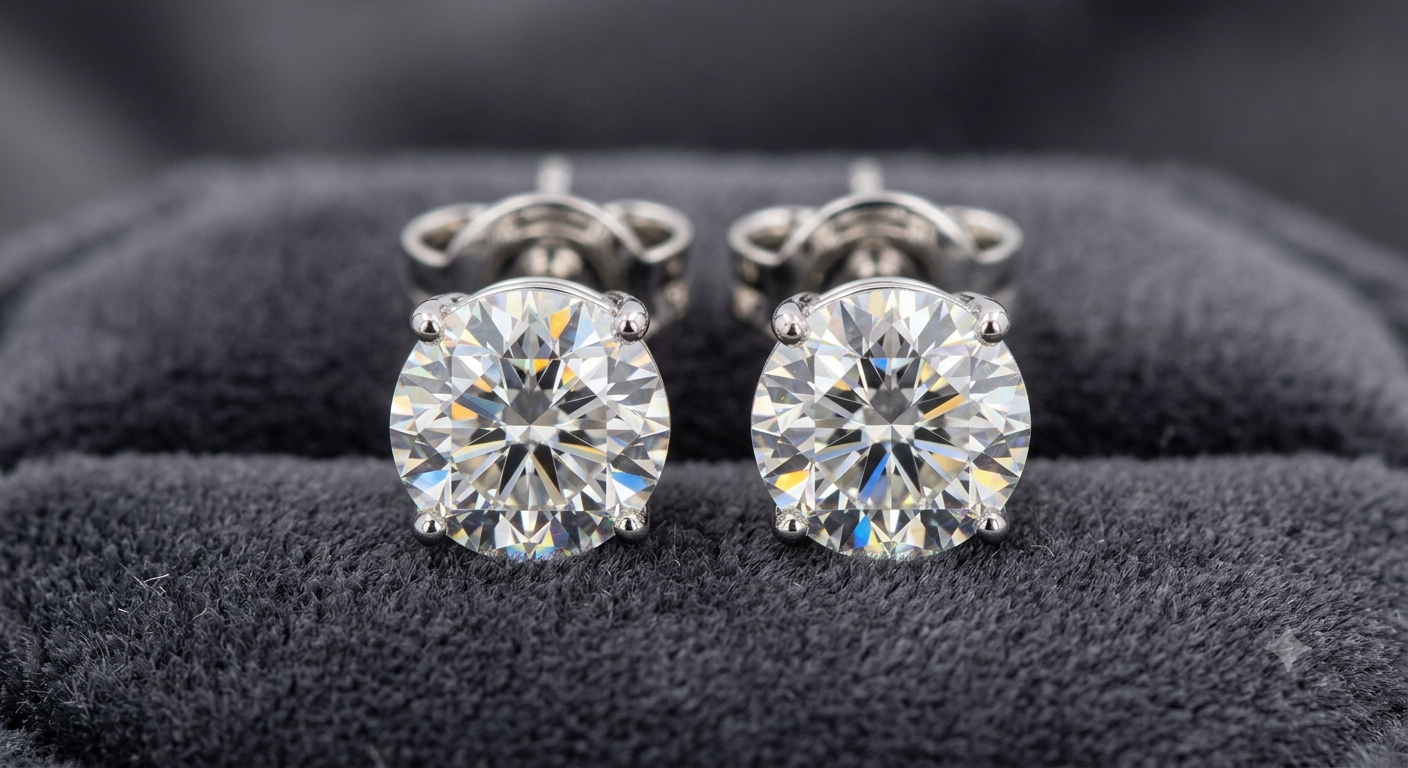
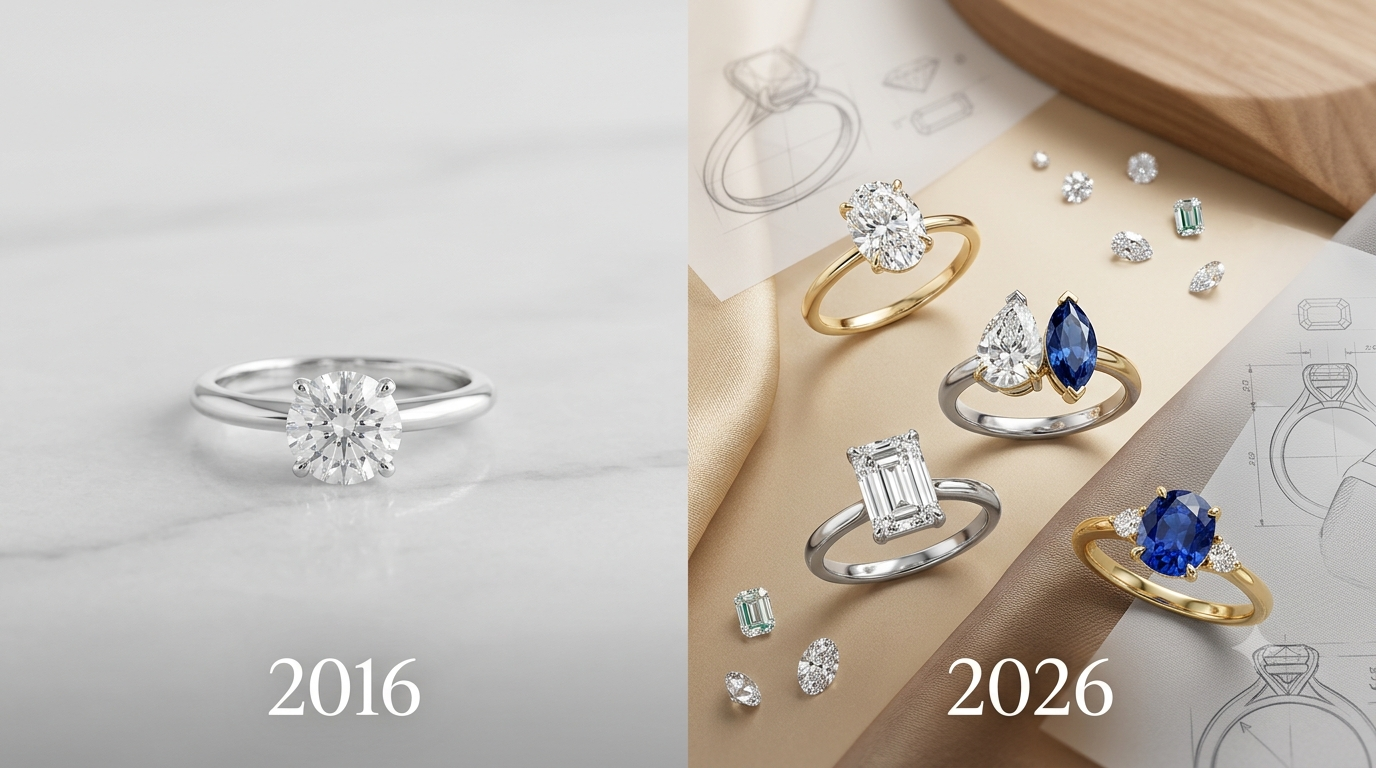
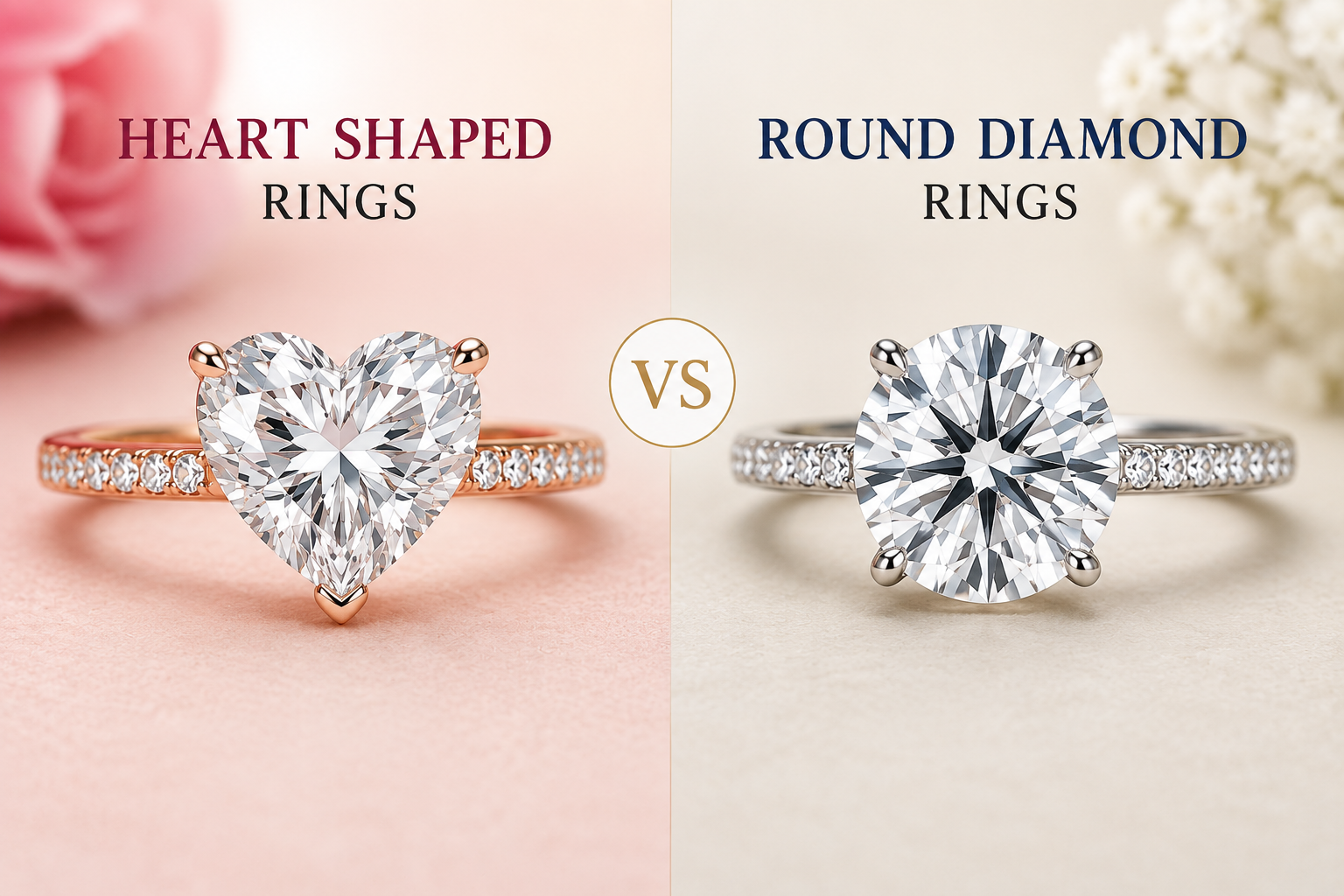
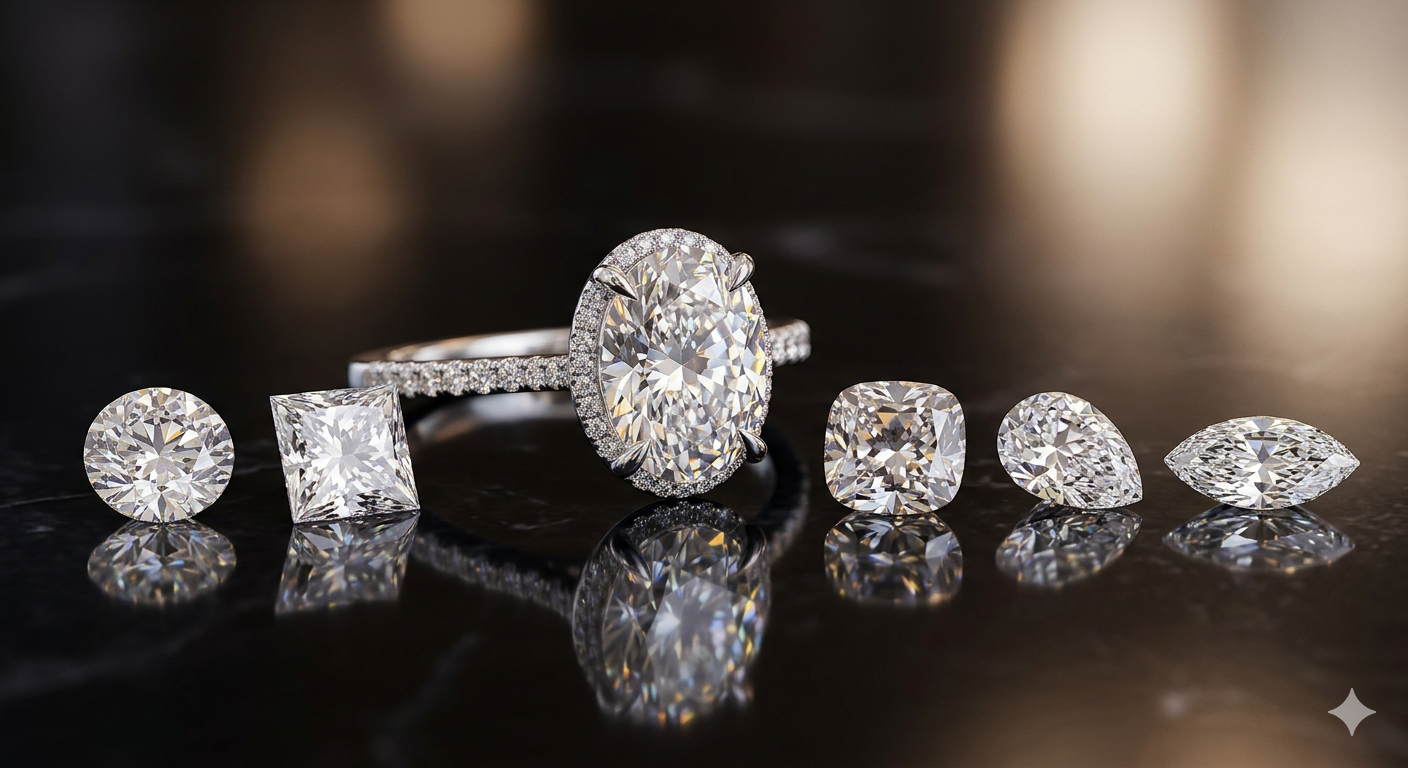
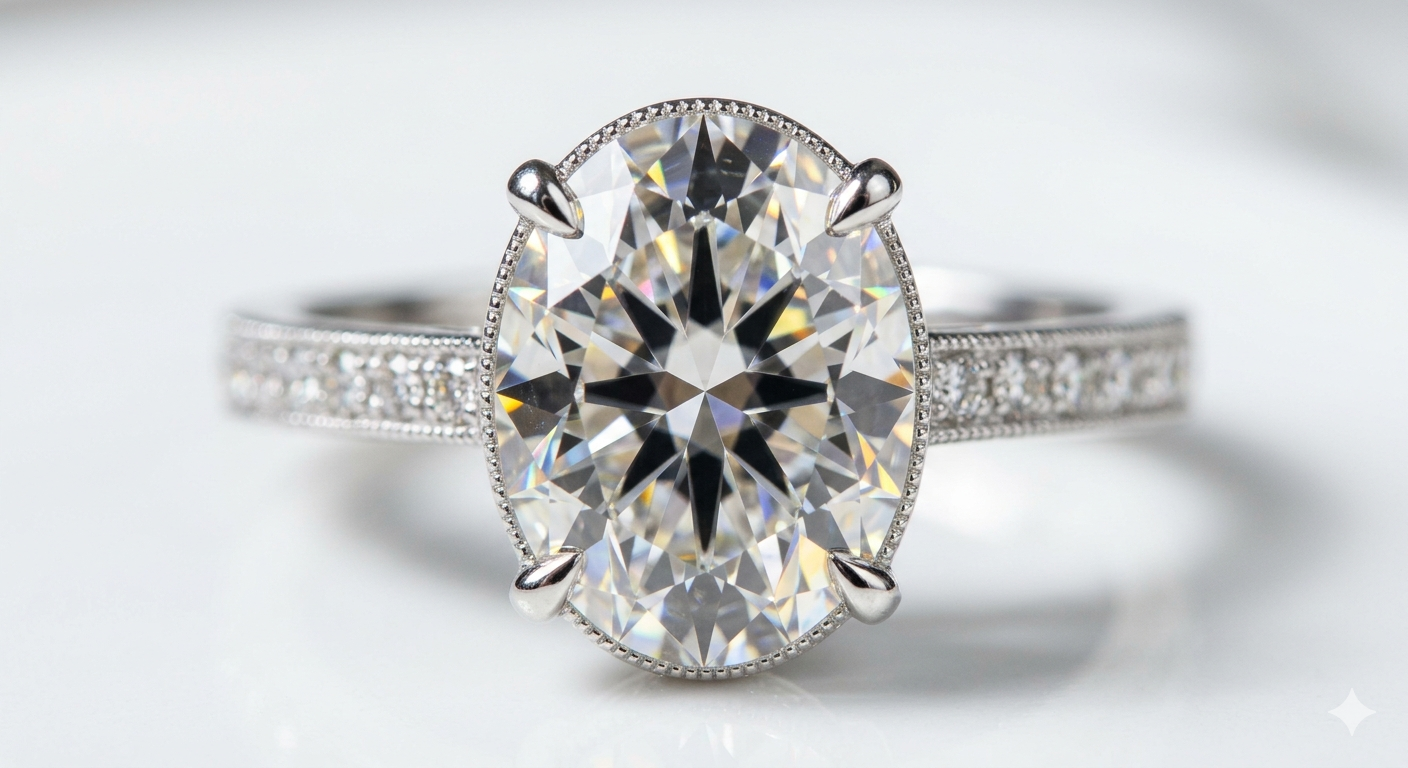
Diamond shape has more influence on the ring's overall look than almost any other choice you'll make. Popular options include round brilliant, oval, cushion, emerald, pear, radiant, marquise, heart, and princess.
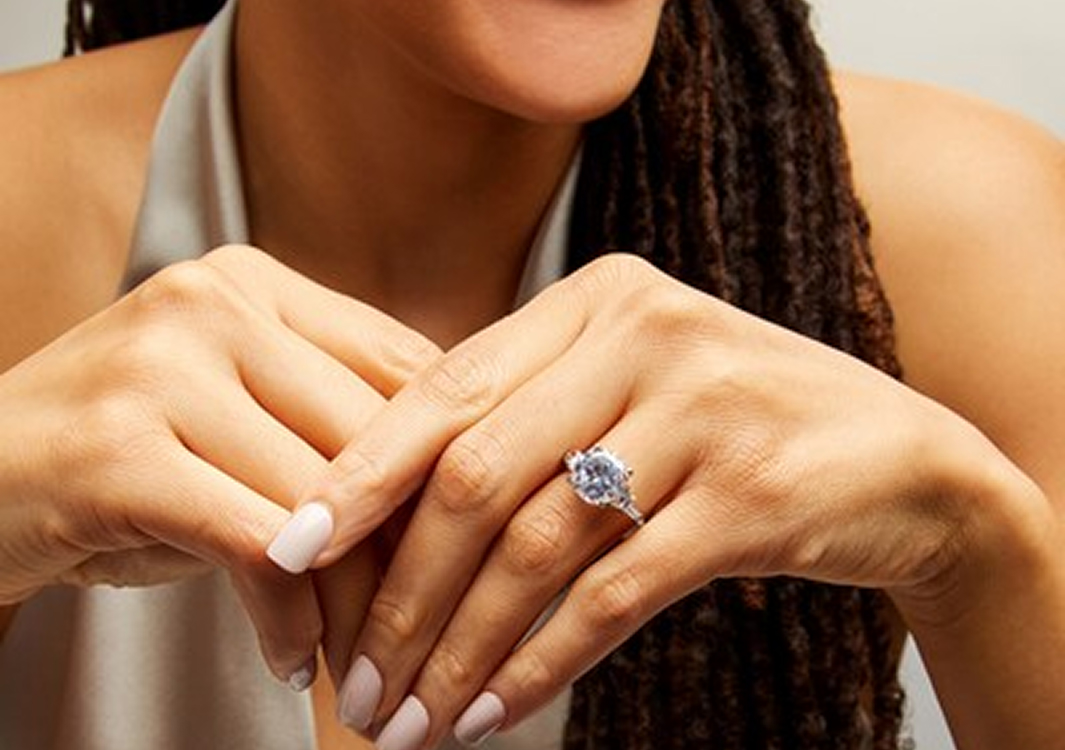
Round brilliant remains the most requested shape because it maximizes sparkle. For couples who want something with sharper, more architectural lines, princess cut diamond rings are consistently one of the top picks, prized for their clean square edges and strong light performance. There's no wrong answer here. The best shape is simply the one that matches how the wearer sees herself.
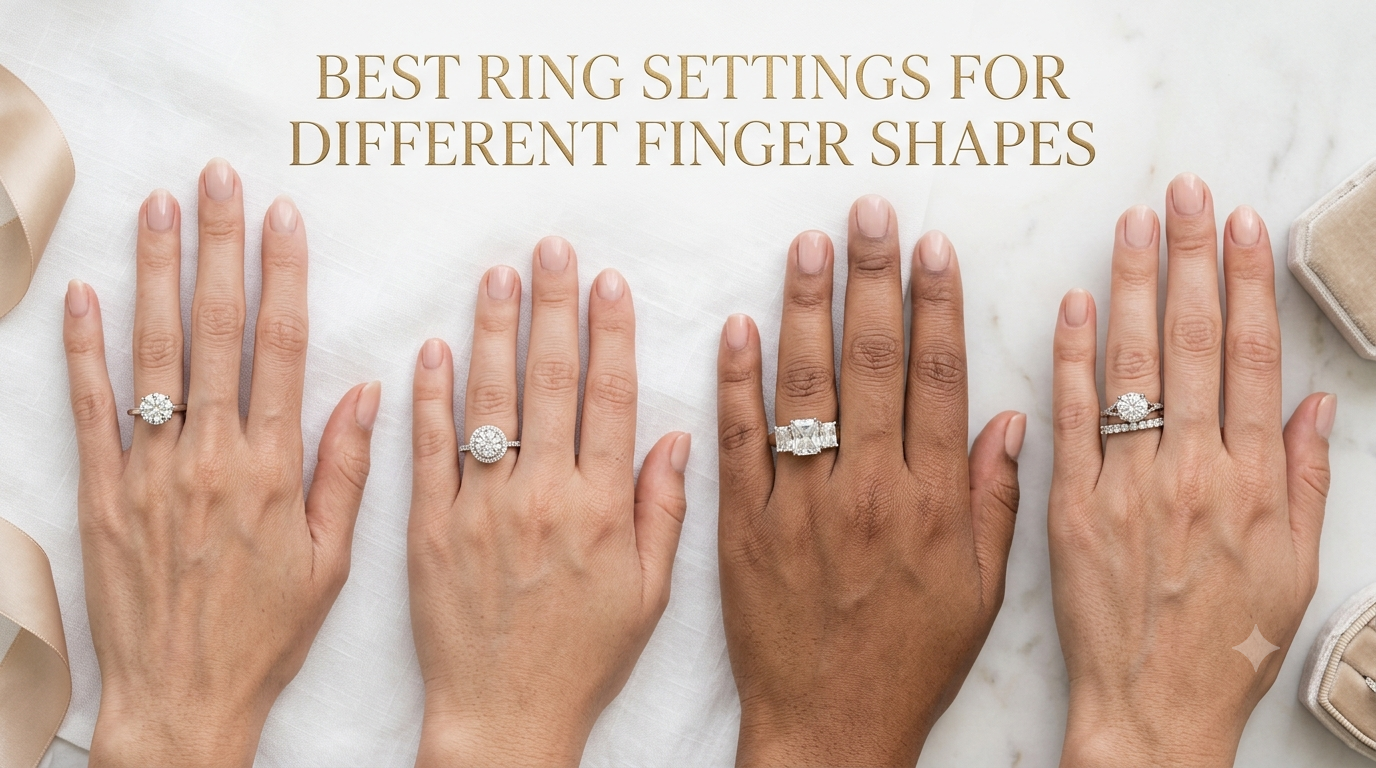
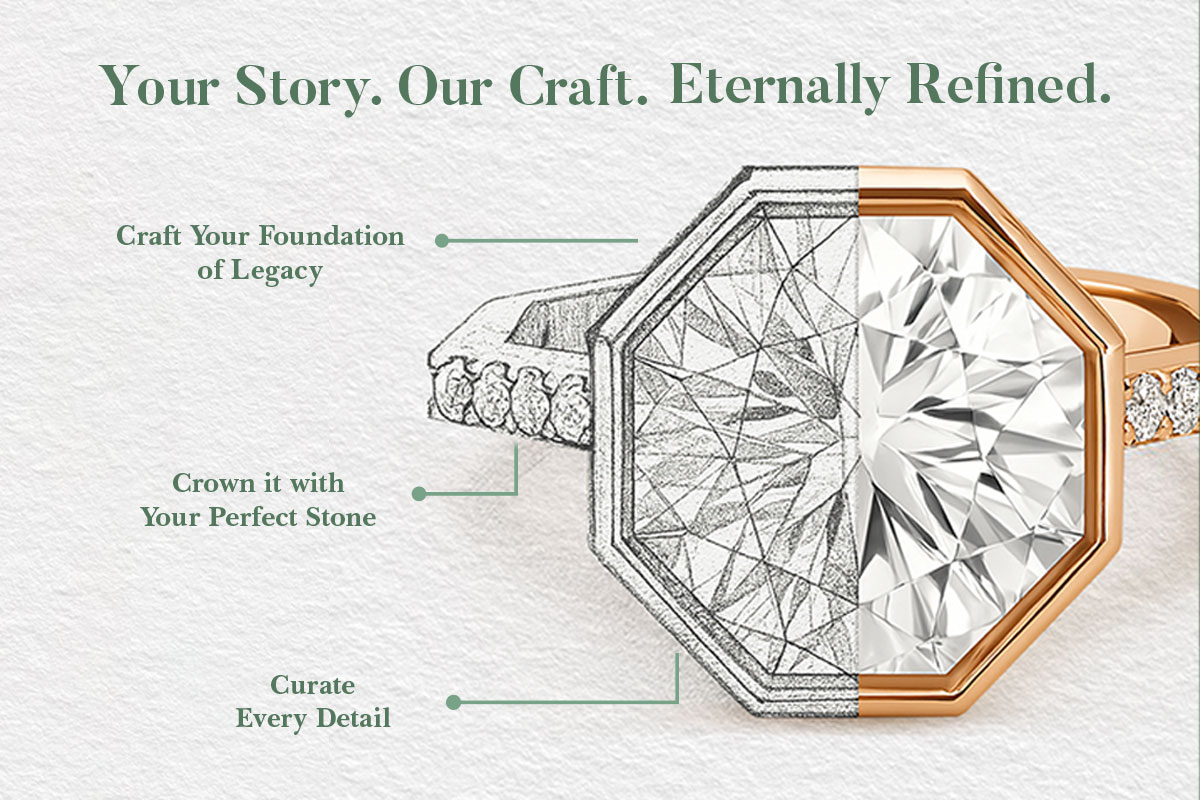
The setting does more than hold your diamond in place. It affects durability, everyday comfort, and how much the stone sparkles.
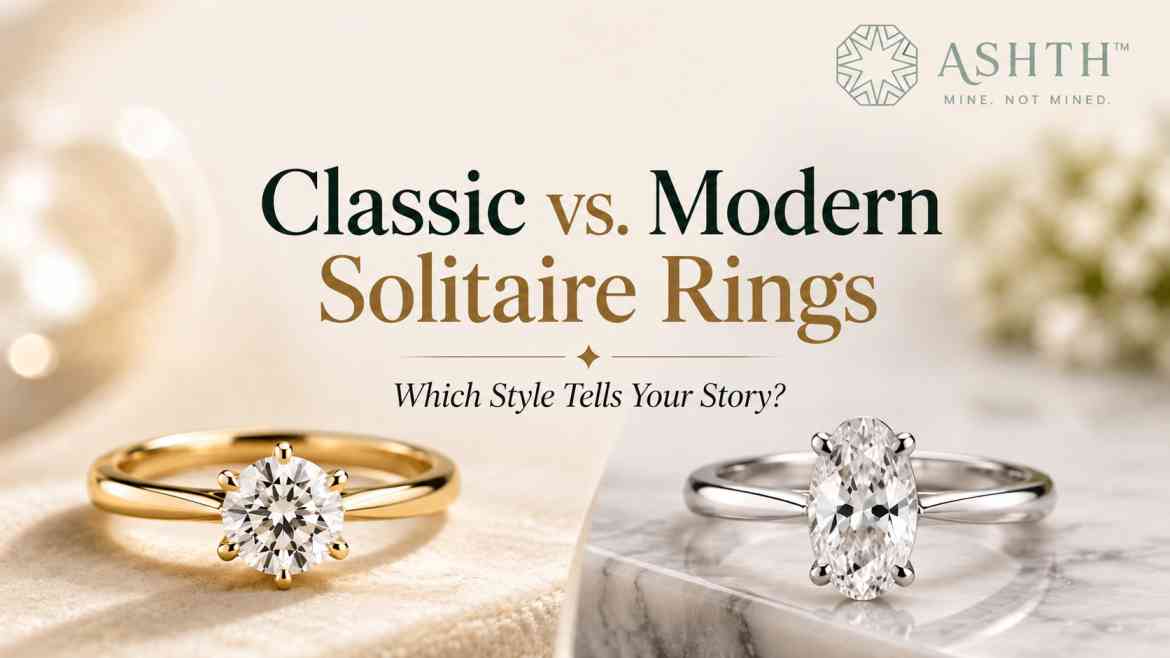
Solitaire – Clean and classic, with nothing to distract from the center stone.
Halo – Smaller diamonds surround the center stone for extra sparkle and a larger visual size.
Three-stone – Symbolizes past, present, and future.
Hidden halo – Adds sparkle underneath the center stone without changing the ring's classic profile from above.
If the wearer has an active job or hobbies that involve using her hands, a lower-profile setting will hold up far better day to day than a high-set stone that catches on everything.
The metal band isn't just a styling choice. It affects durability, maintenance, and how the diamond appears against the skin.
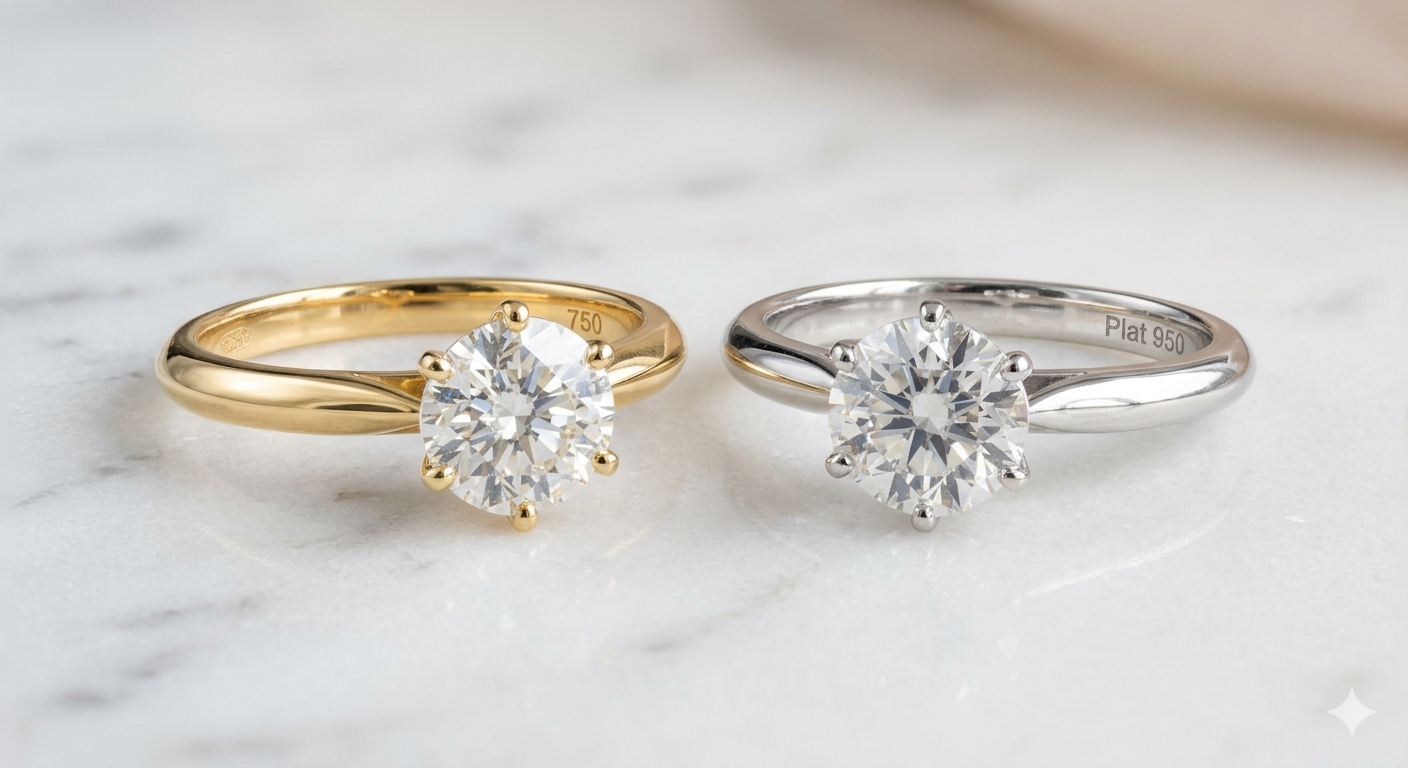
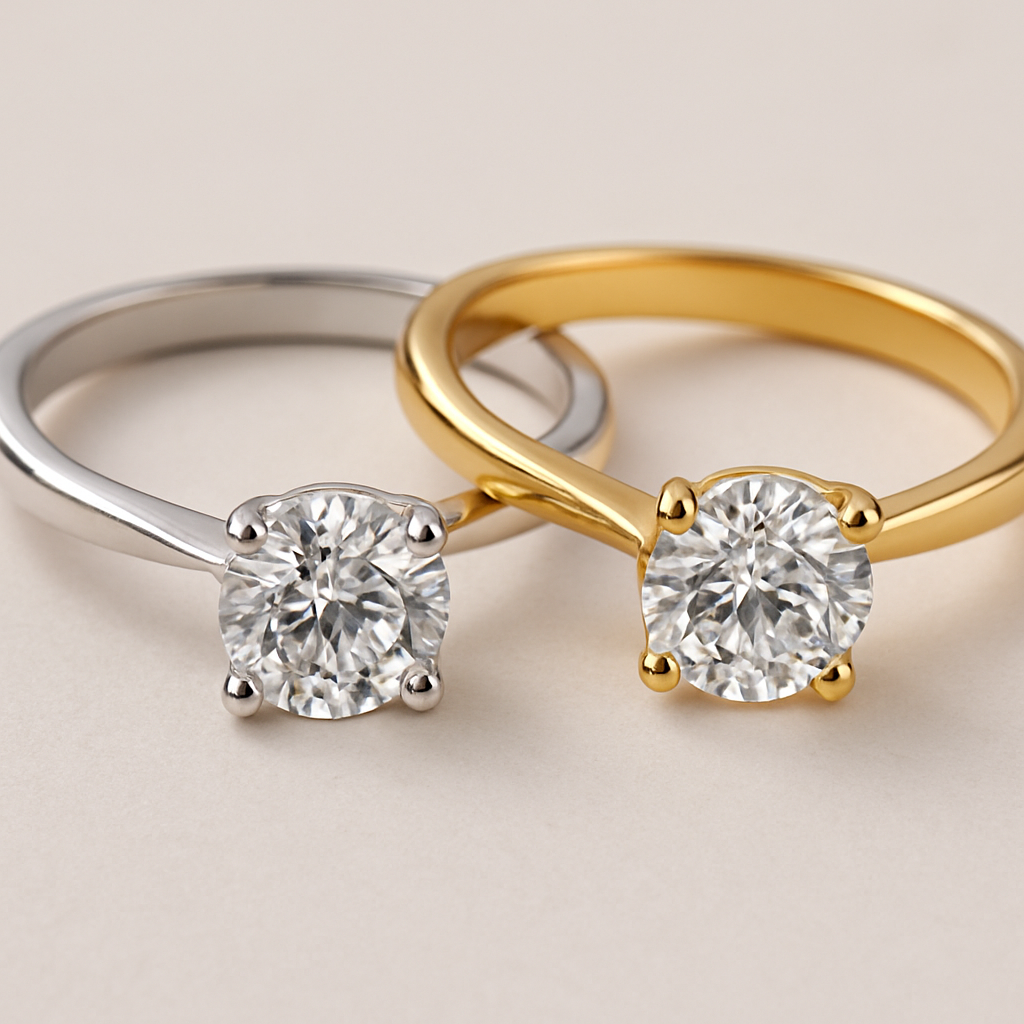
White gold offers a bright, modern look that pairs especially well with colorless diamonds.
Yellow gold brings warmth and a classic, vintage-adjacent feel.
Rose gold suits a romantic, softer aesthetic.
Platinum is the most durable option, naturally white, and highly resistant to everyday wear, though it typically costs more than gold.
If she's active or works with her hands frequently, platinum's scratch resistance is worth the extra cost.
An engagement ring gets worn nearly every day for decades, so lifestyle should shape the design decision as much as aesthetics do.
Consider her profession, exercise habits, hobbies, and how much daily wear the ring will realistically see. Someone who works with their hands or trains regularly will appreciate a secure, lower-profile setting over a high, delicate one. It's a small detail that prevents a lot of future frustration and repair visits.
This is the step that protects everything else on this list.
A trustworthy jeweler will offer certified diamonds, transparent pricing with no hidden markups, a clear warranty, a reasonable return policy, resizing services, and responsive customer support. Before you buy, check independent reviews and ask direct questions about sourcing and certification. A jeweler who answers clearly and patiently is usually one worth buying from.
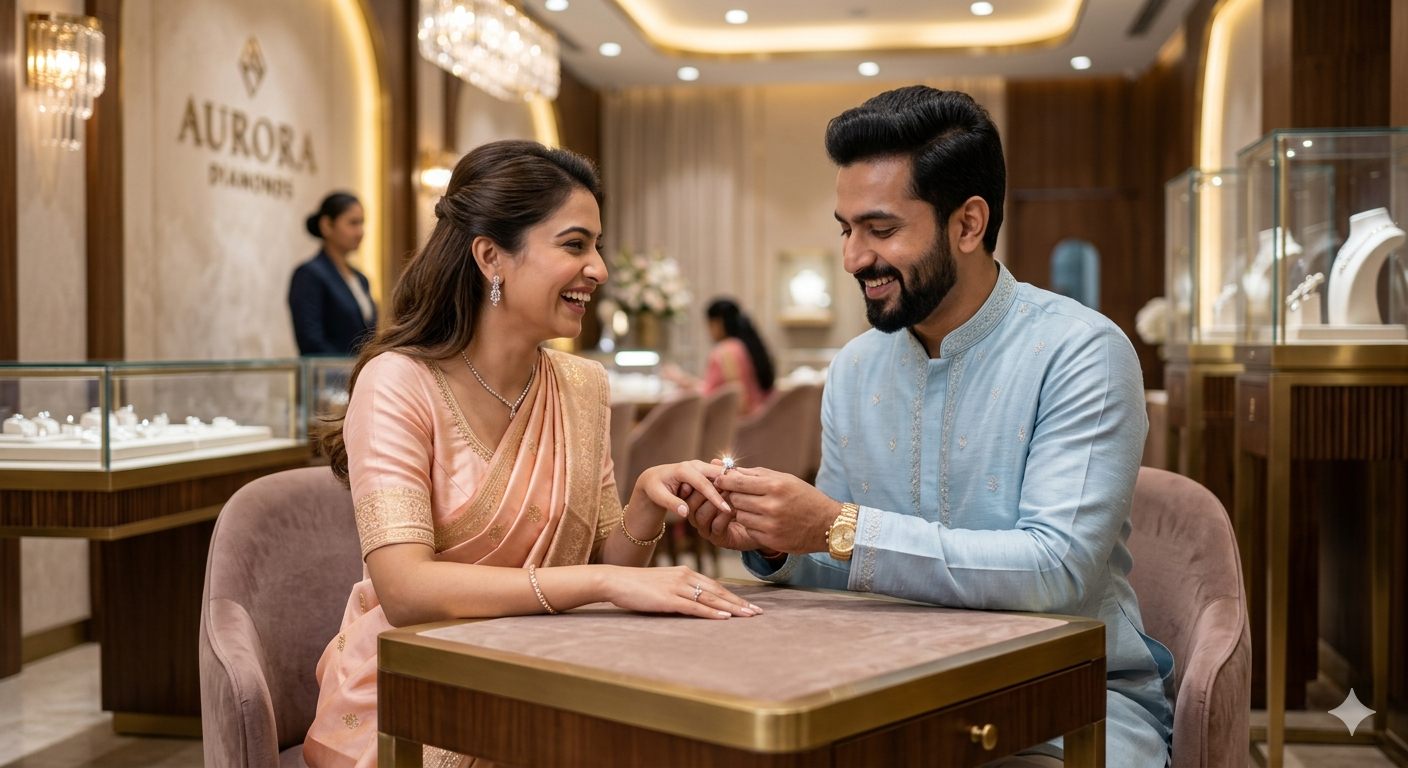
This is also where a free diamond consultation earns its keep. We offer one at Ashth precisely because most first-time buyers have questions that a product listing can't answer, things like how a certain cut will actually look on a smaller hand, or whether a setting will survive daily wear. A jeweler willing to talk you through those specifics, rather than just push a sale, is usually the one worth trusting. We also back every purchase with a lifetime buyback policy, which is the kind of guarantee that only makes sense if a jeweler stands firmly behind their own quality.
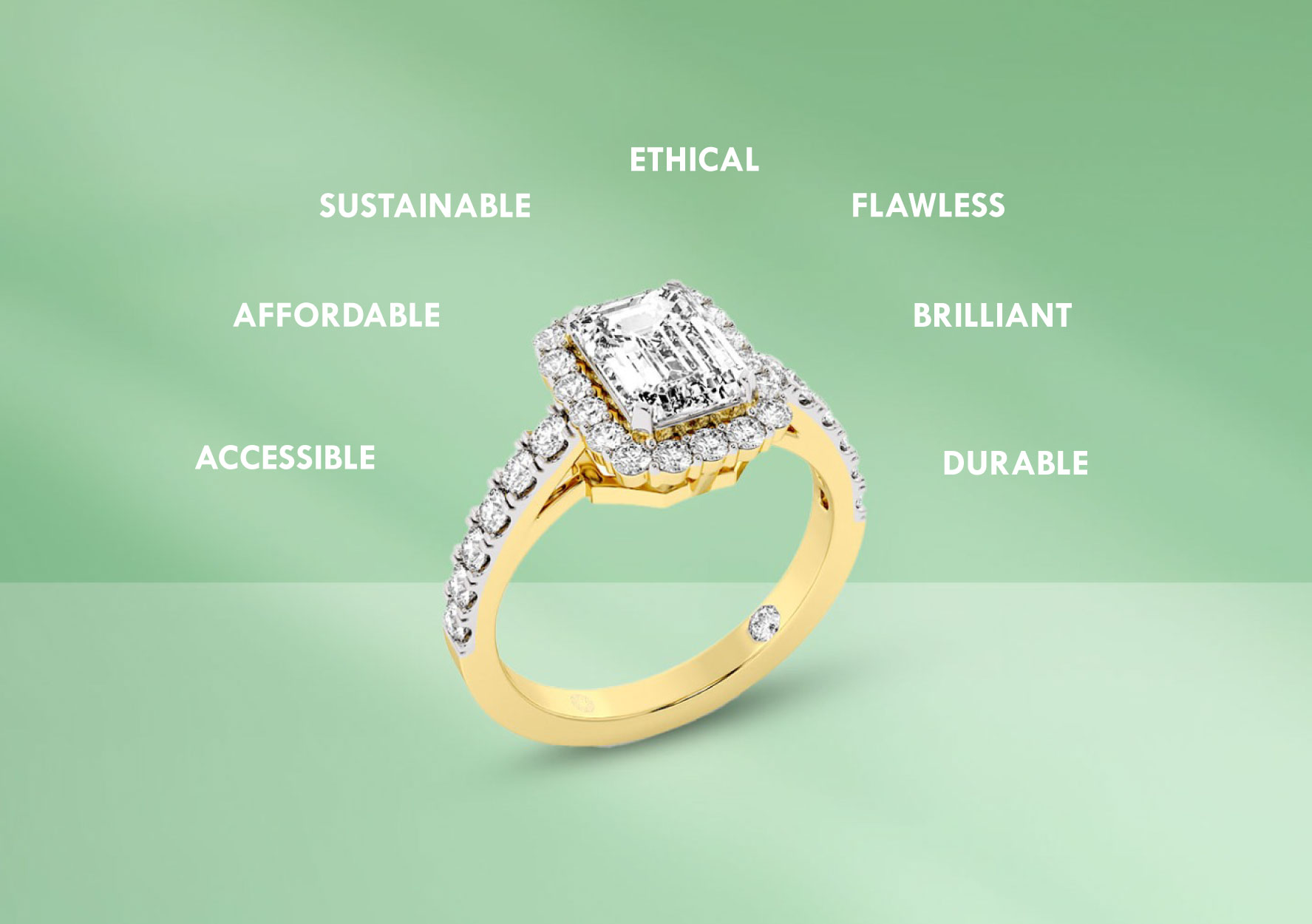
For most couples today, yes. A lab grown diamond engagement ring delivers the same beauty, durability, and chemical makeup as a mined diamond, at a price that lets you upgrade size, clarity, or setting without stretching your budget. As lab-grown technology has matured, the visual and structural differences between lab grown and mined diamonds have essentially disappeared, which is exactly why more couples are choosing them each year.
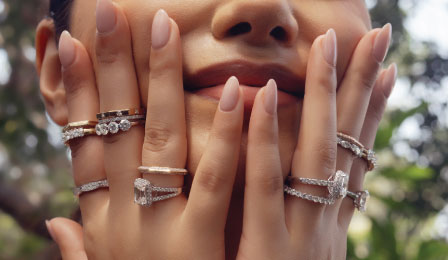
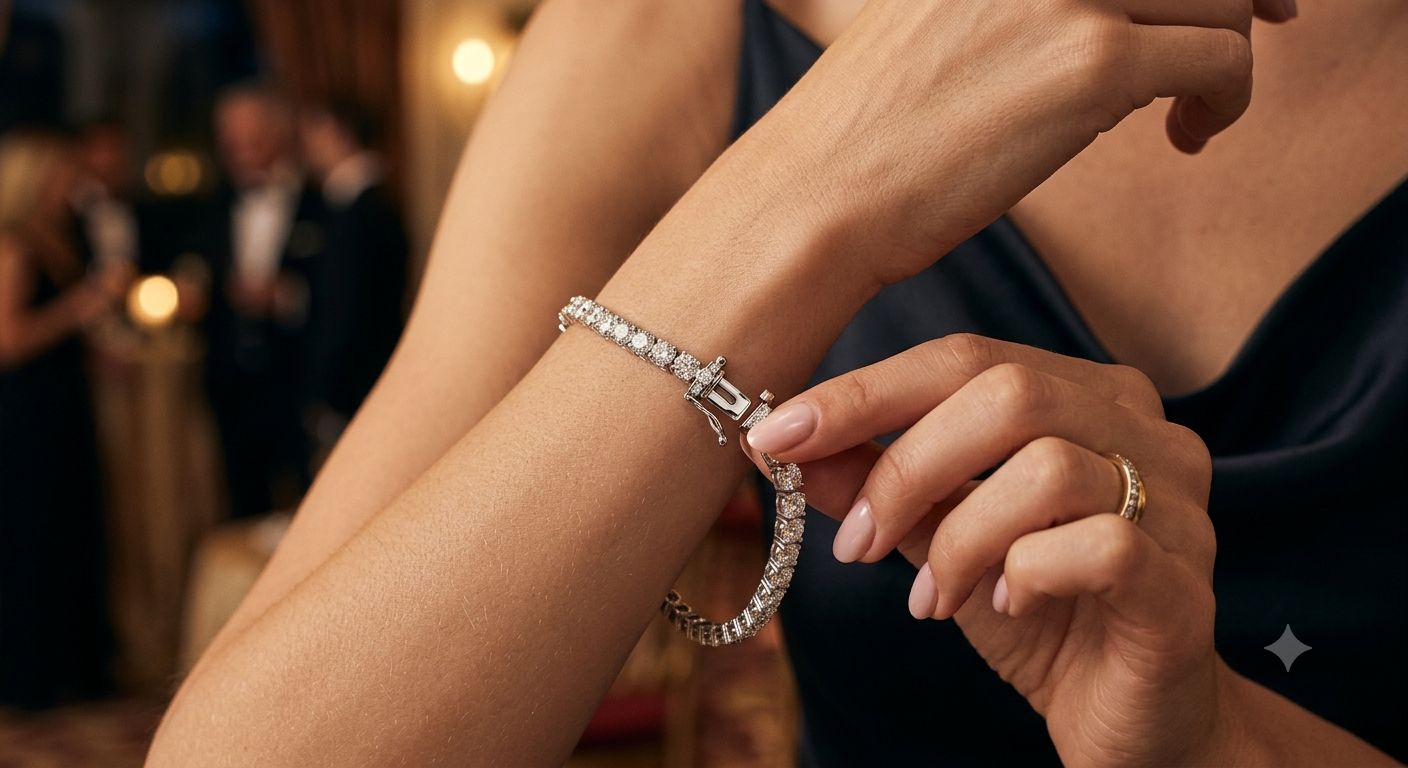
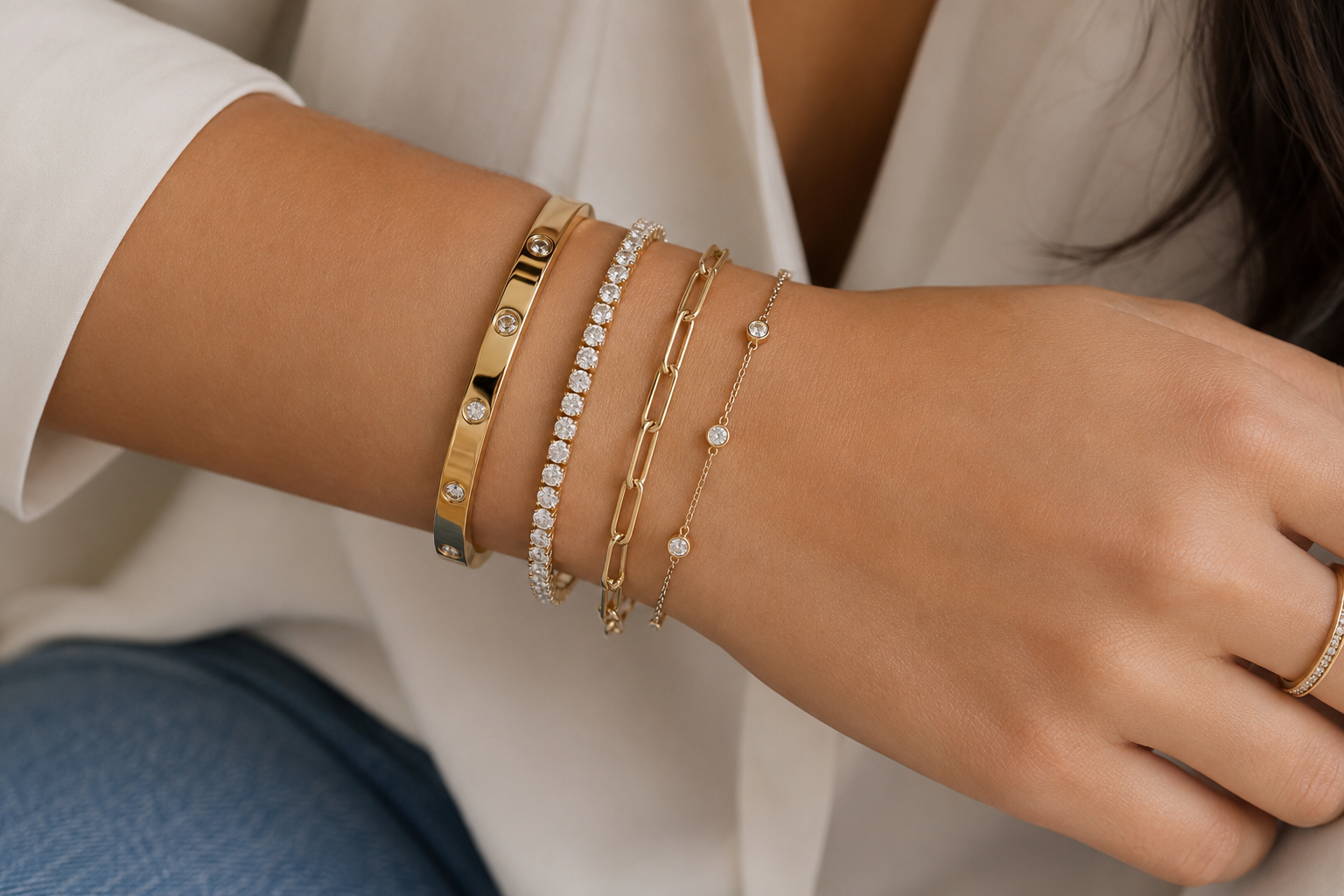
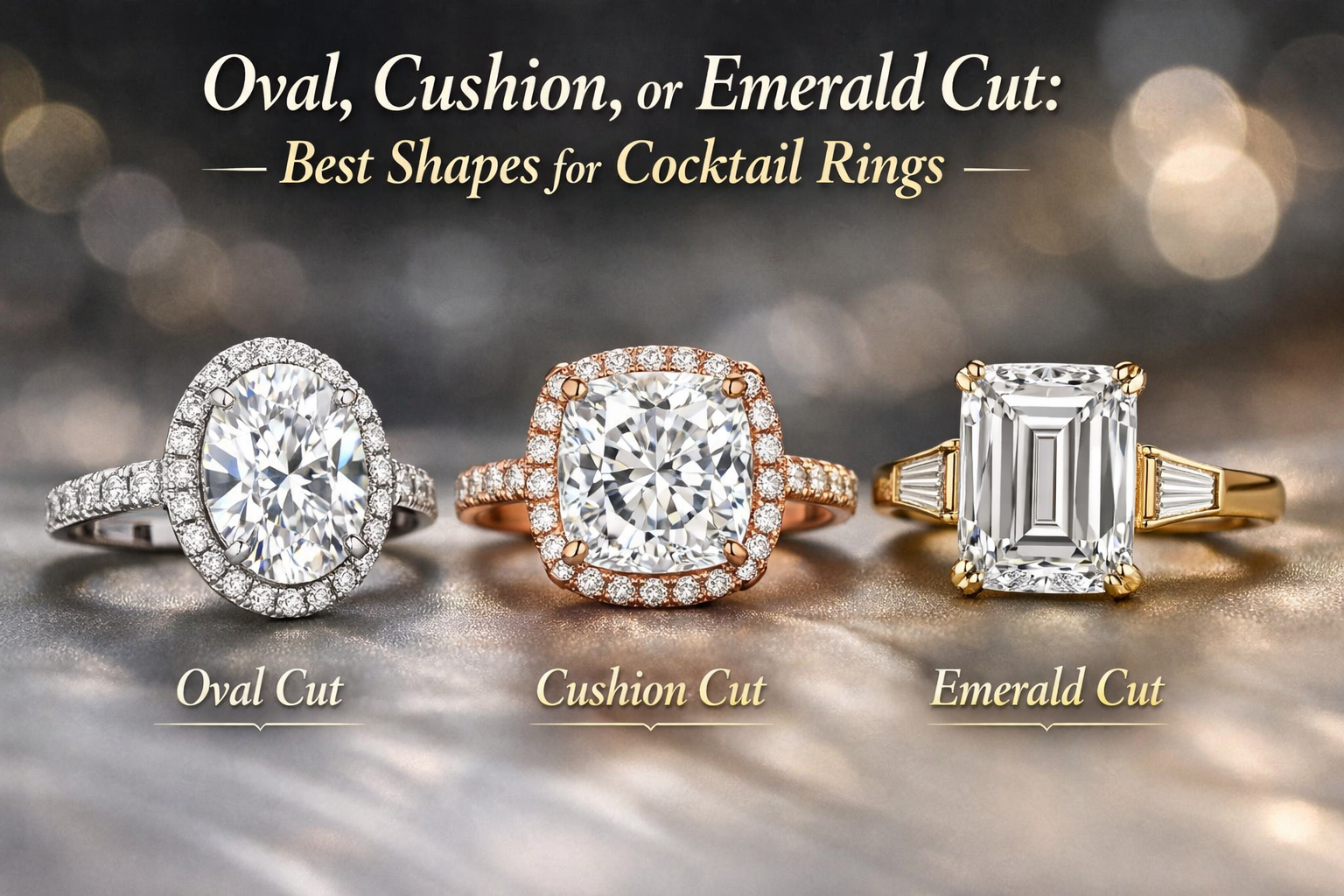
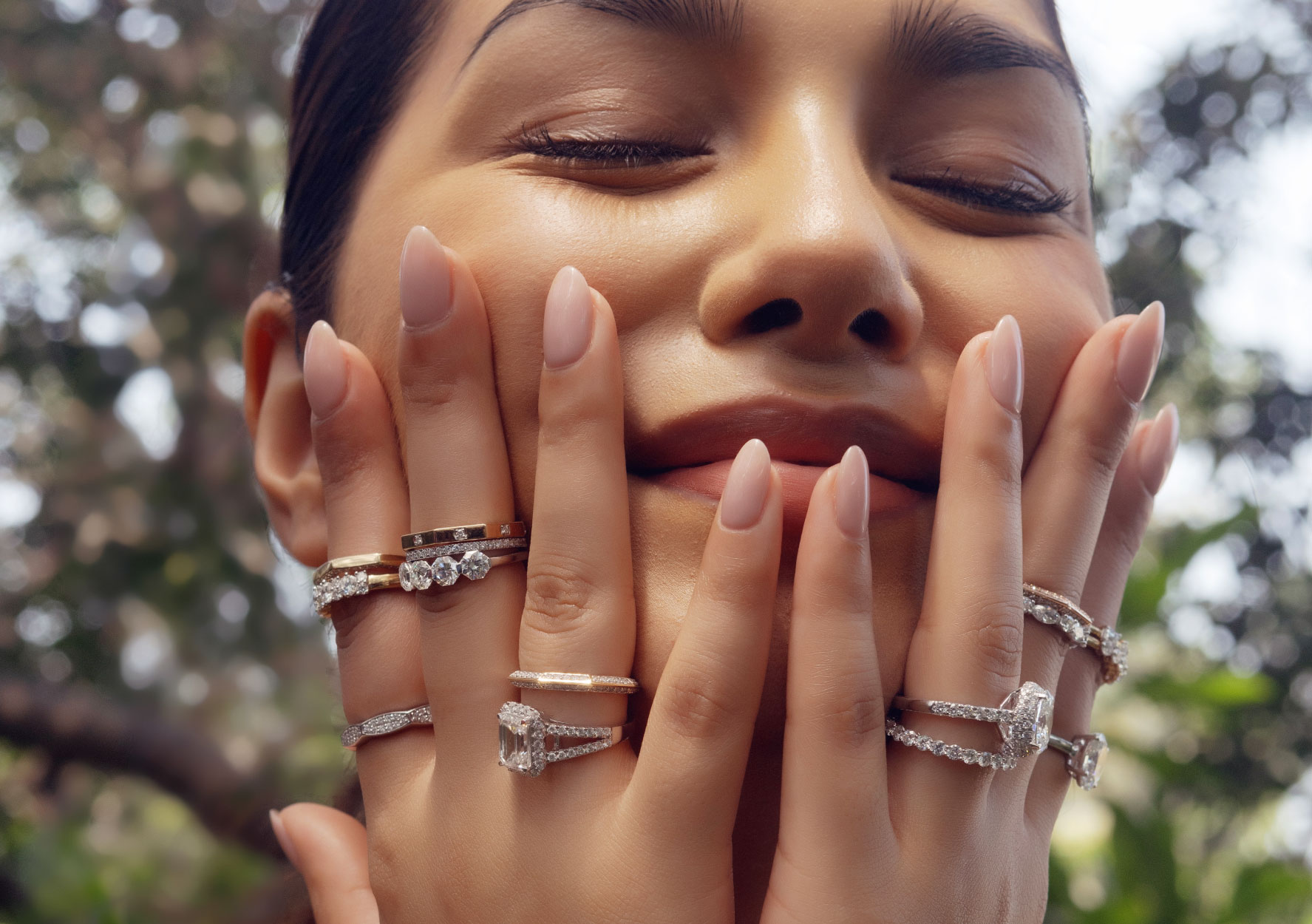
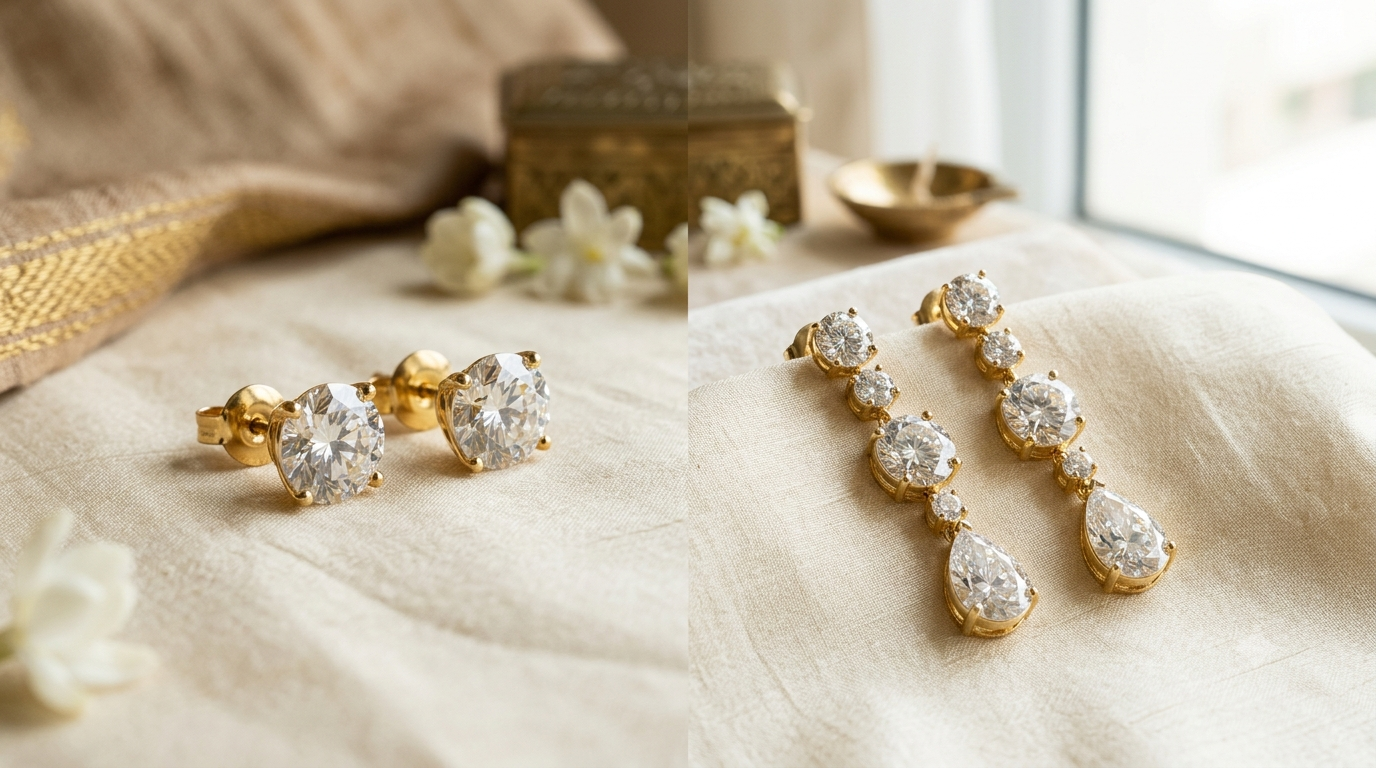
Your engagement ring sets the tone, but it doesn't have to stand alone. Some people keep it simple with a matching band. Others like to build out a fuller collection, pairing their ring with elegant stacking bands or statement pieces like cocktail diamond rings for special occasions, parties, and anniversaries. Thinking about how your ring fits into your broader jewelry collection now can save you from mismatched metals or styles later.
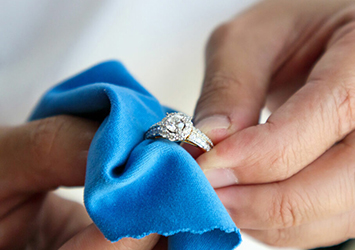
Lab grown diamonds are just as hard and durable as mined diamonds, so care is straightforward:
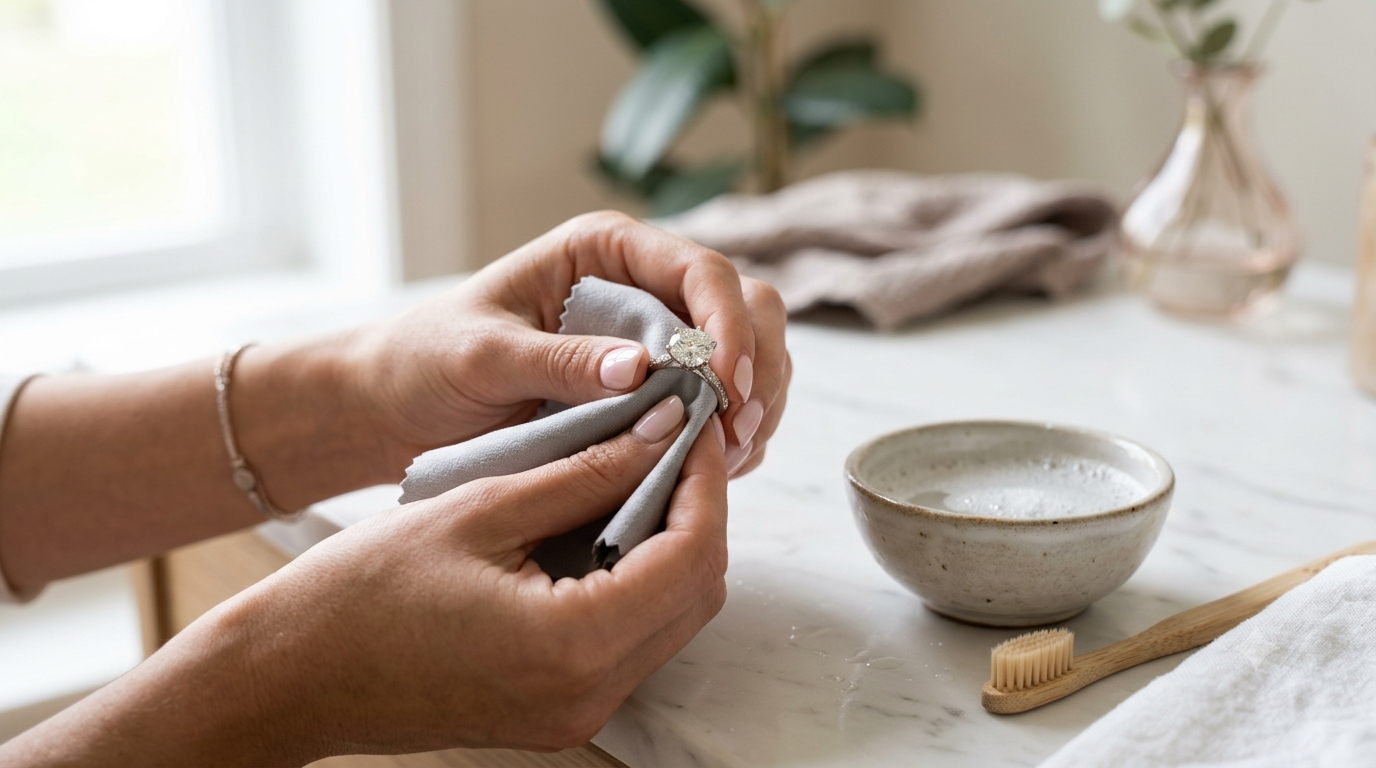
Clean it regularly with warm water and a drop of mild soap
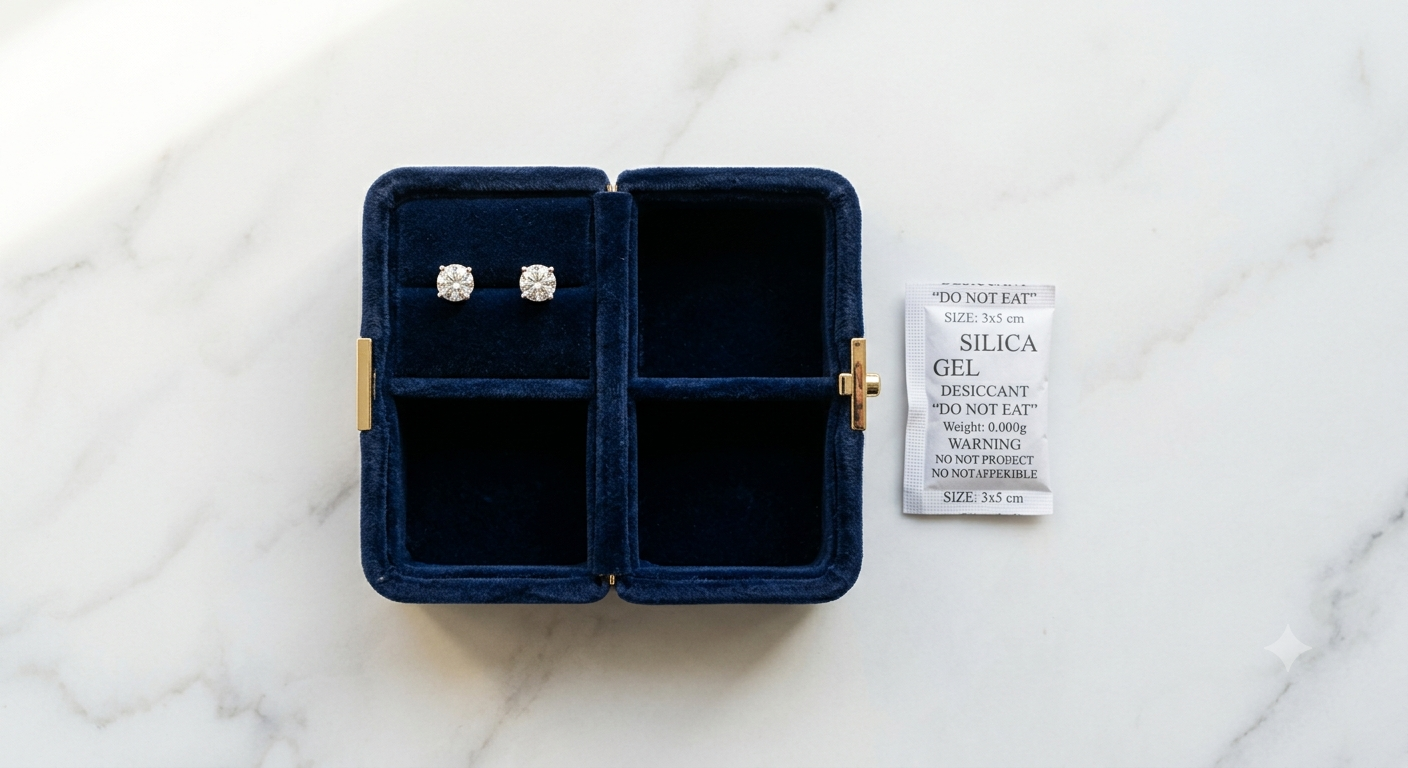
Store it separately from other jewelry to avoid scratches
Remove it during heavy manual work or intense exercise
Book a professional inspection once or twice a year
Check the prongs periodically to make sure the stone is still secure
A few minutes of maintenance a couple of times a year keeps the ring looking as sharp as the day it was purchased.
Buying a lab grown diamond engagement ring doesn't have to be complicated once you know what to look for. Focus on certification, prioritize cut over carat, choose a setting and metal that fit her daily life, and buy from a jeweler willing to answer your questions honestly.
The best engagement ring isn't the most expensive one. It's the one that fits your budget, suits her style, and holds up to real life for years to come.
If you'd rather talk it through than research it alone, that's exactly what our free diamond consultation at Ashth is for. Every piece we make is GIA or IGI certified, hallmarked for purity, and covered by our lifetime buyback policy, whether you're shopping from our Mumbai studio or having it shipped worldwide.
Is a lab grown diamond engagement ring a real diamond? Yes. It shares the same chemical, physical, and optical properties as a natural diamond. The difference is origin, not composition.
Are lab grown diamonds cheaper than mined diamonds? Yes, typically 30% to 50% less for comparable size and quality, which is the main reason so many couples choose them.
Do lab grown diamonds sparkle like natural diamonds? Yes. Because the crystal structure is identical, light behaves the same way inside both types of stones.
How can I verify the quality of a lab grown diamond? Look for a certification from an independent lab such as GIA or IGI, and confirm the report matches the stone's exact measurements.
Which diamond shape is most popular for engagement rings? Round brilliant leads in popularity, with oval and princess cut diamond rings close behind for buyers who want a distinctive look.
Which metal is best for an engagement ring? Platinum and gold (white, yellow, or rose) are all solid choices. The right one depends on lifestyle, skin tone preference, and budget.
Can I wear a lab grown diamond ring every day? Yes. Lab grown diamonds rank the same 10 on the Mohs hardness scale as mined diamonds, making them fully suited to daily wear.
Do lab grown diamonds lose their sparkle over time? No. With routine cleaning and occasional professional checks, they hold their brilliance indefinitely.
Can lab grown diamonds be resized or reset? Yes. They can be resized or reset into new designs just like mined diamonds, using standard jewelry techniques.
Is buying a lab grown diamond engagement ring worth it? For most couples looking for real diamond quality without the mined-diamond price tag, yes. It's one of the smartest ways to get more ring for the budget.

 Round
Round Pear
Pear Heart
Heart PRINCESS
 Oval
Oval CUSHION
 EMERALD
 MARQUISE
 Asscher
 RADIANT
 Ashth CUT
 ROSE CUT
 BRIOLETTE
 SINGLE CUT
 TRAPEZIUM
 TULIP
TULIP TRIANGLE
 BUTTERFLY
 FLOWER
 MOVAL
MOVAL CLOVER
 BAGUETTE
 9KT ASHTH CUT
 9KT MARQUISE
 9KT PEAR
 9KT RADIANT
 9KT EMERALD