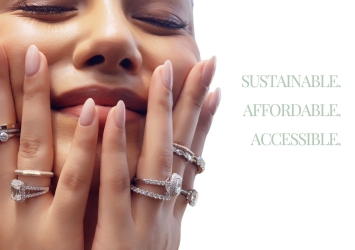
Ashth - Where Exceptional Craftsmanship Defines Modern Luxury !
We provide the best Quality of products to you.We are always here to help our lovely customers.
©2026 Ashth. All Rights Reserved | Managed & Developed by Weingenious Technocrats.

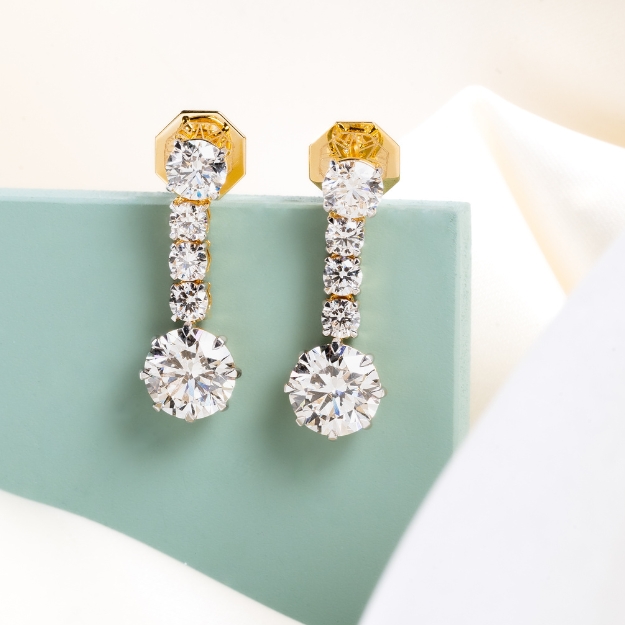
Shop By Category
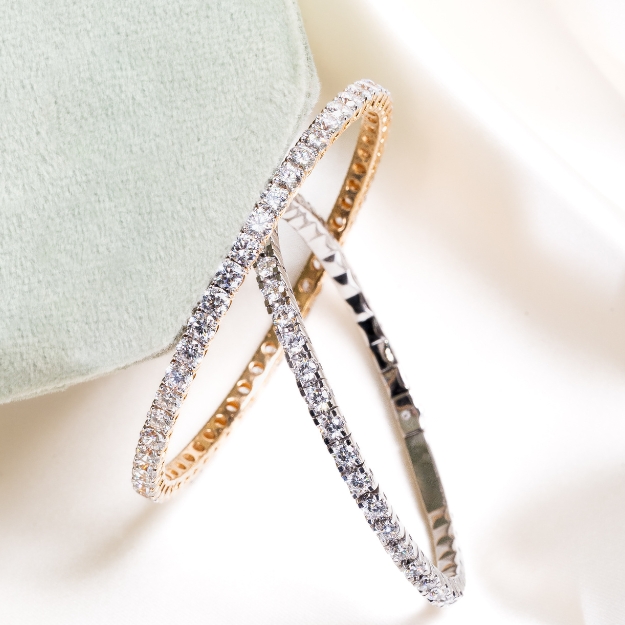
Shop By Category
Shop By Category
Shop By Category
Shop By Category
Collections
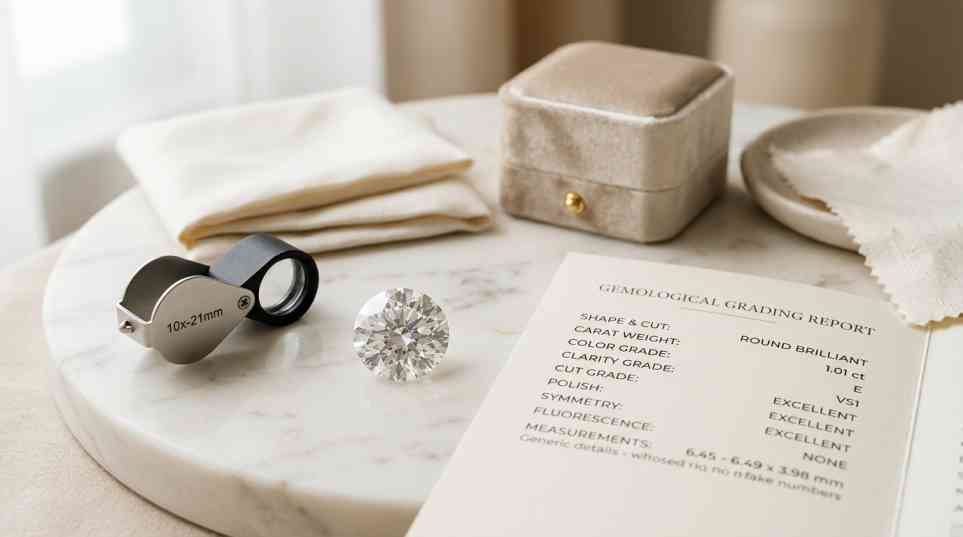
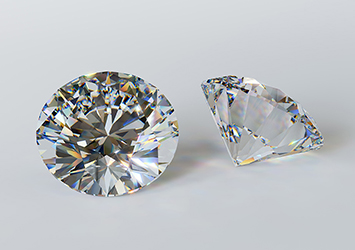
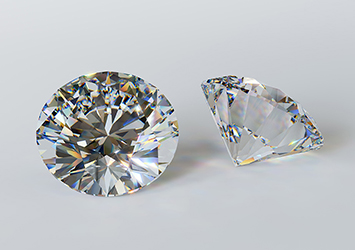
A 1 carat lab grown diamond looks and performs like a mined diamond at a fraction of the price. The exact amount you pay still depends on cut, colour, clarity, certification and the seller.
In India, a loose 1-carat lab grown diamond typically costs ₹25,000 to ₹1,00,000 in November 2026. A finished ring costs more, because of the metal setting, making charges and tax.
This guide covers loose-stone prices, the factors that move them, ring costs and how lab-grown compares with natural. It also gives a checklist for anyone buying lab grown diamond jewellery.
Prices are a November 2026 snapshot from published seller guides and listings. Actual prices vary by retailer, specification and availability.
Seller guides and listings place most certified 1-carat stones between ₹25,000 and ₹1,00,000. The range is wide because published guides differ. cites ₹35,000–₹55,000, ₹40,000–₹90,000, and Jewelove ₹60,000–₹1,20,000. Some entry-level listings fall lower: lists an H-colour, VVS2 stone at ₹17,000–₹20,000.
Treat ₹25,000–₹1,00,000 as a typical band, not a fixed rate. The price covers the stone alone, not a finished piece.
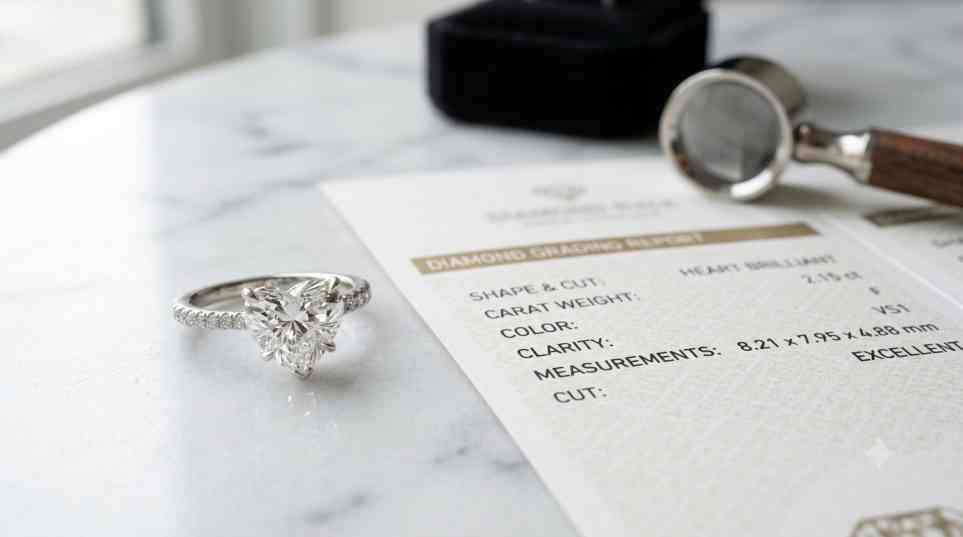
These are indicative bands drawn from the seller guides above and live listings, not live quotations. For reference, one retailer listed a 1.04 ct D/VS1 round stone at about ₹30,900 and a 1.05 ct E/IF round at about ₹65,200. Verify the certificate and price independently before you buy.
A carat is a unit of weight: 1 carat = 0.2 grams (200 milligrams). It is not a measure of size.
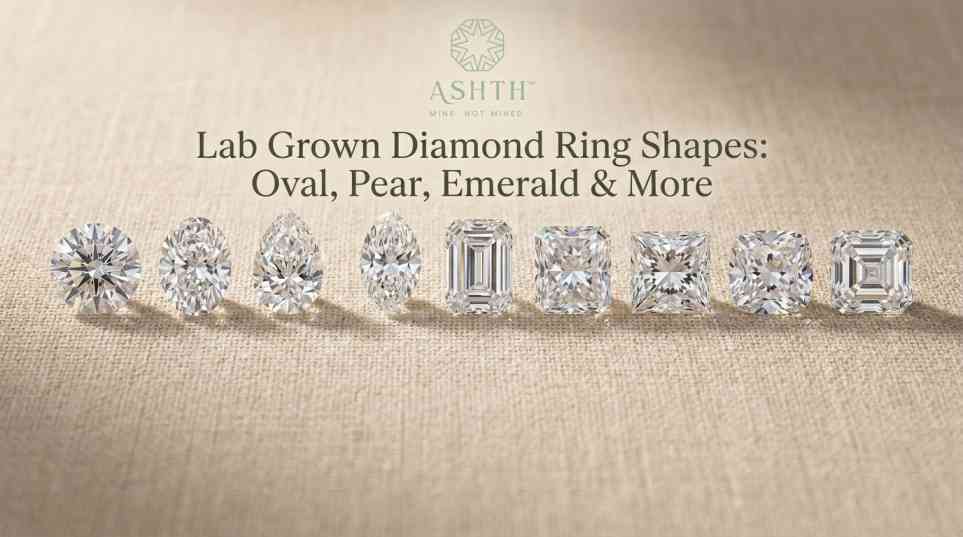
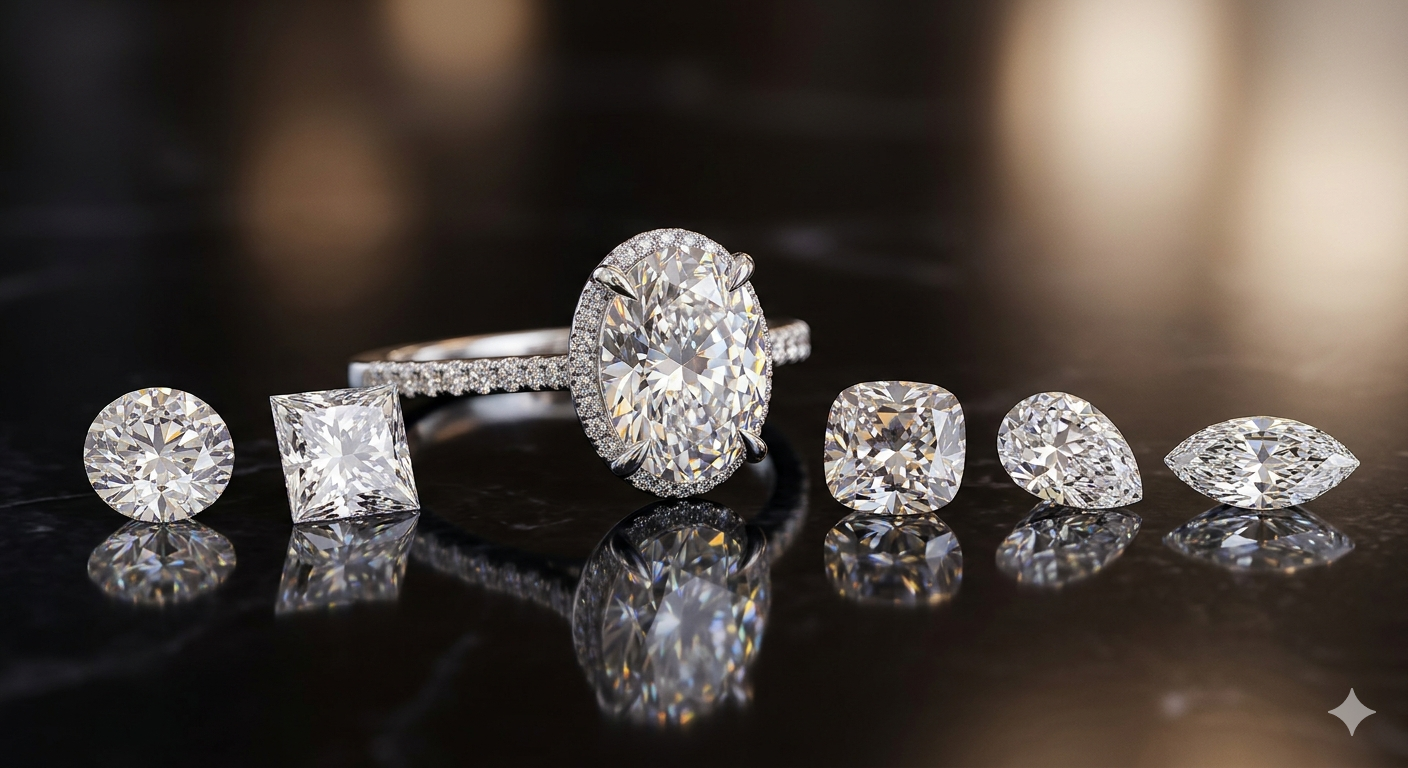
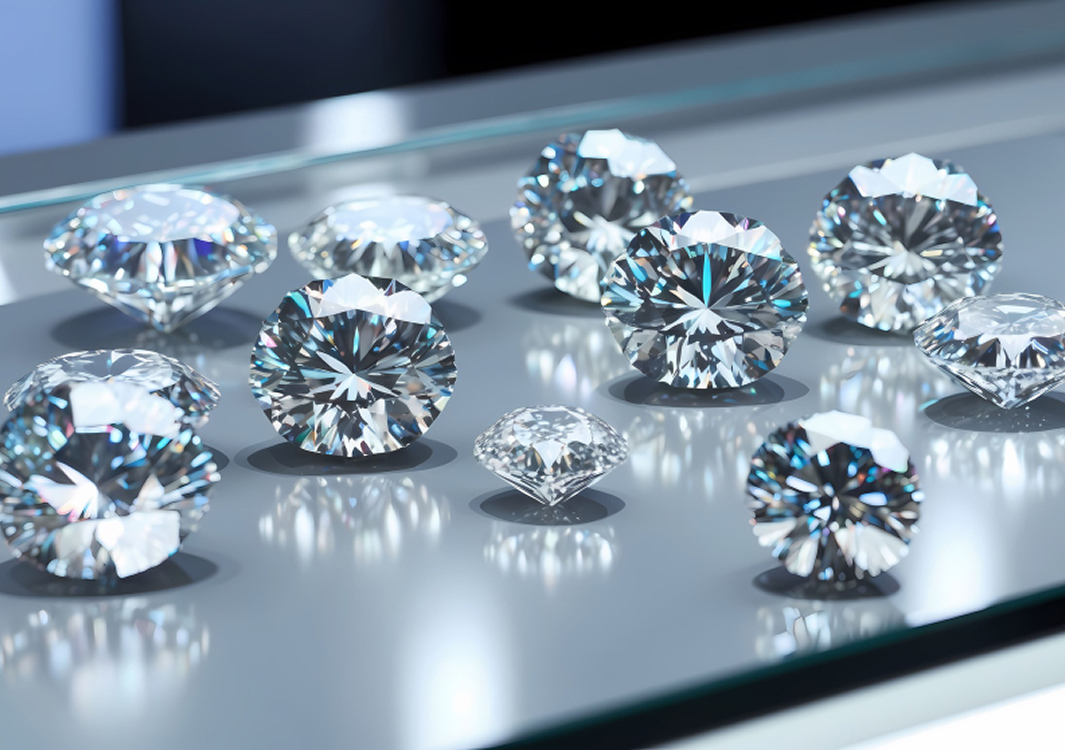
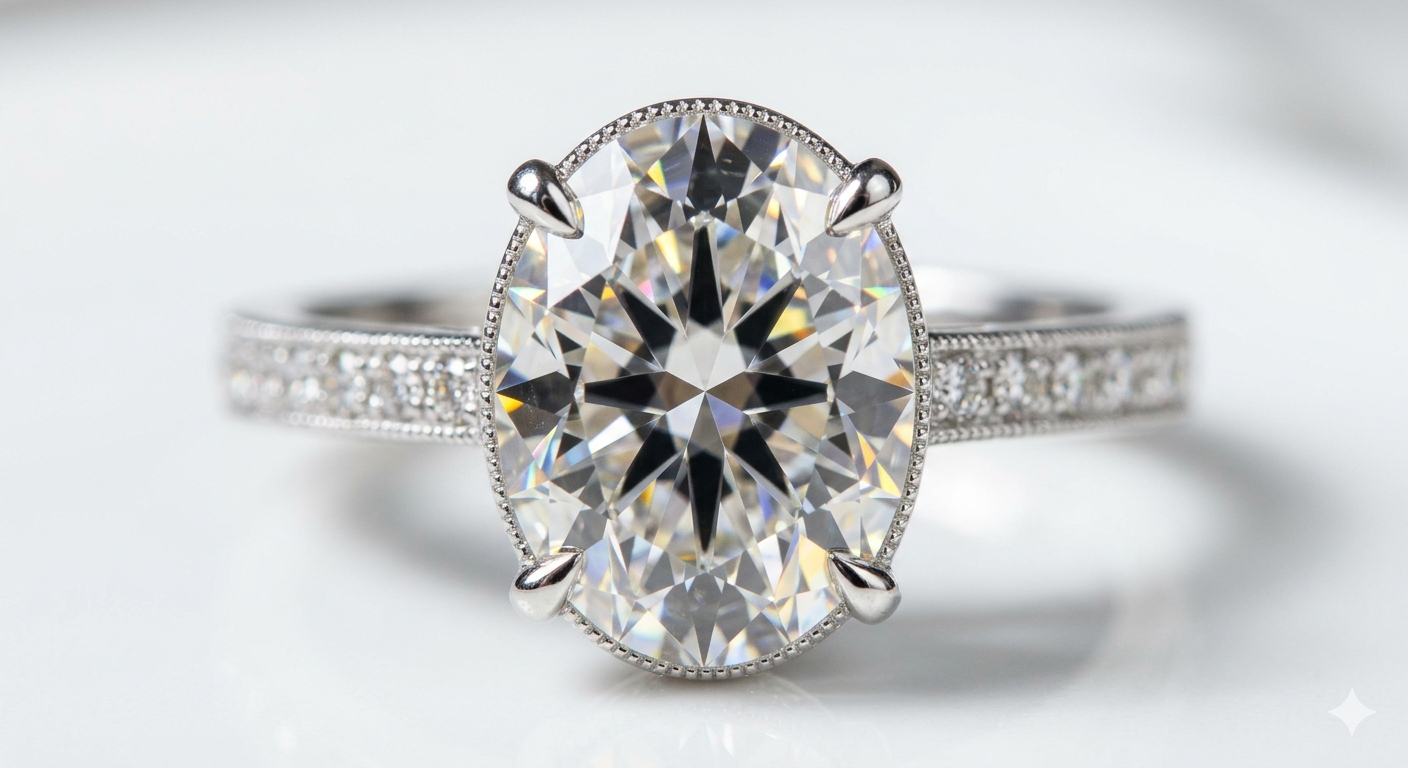
Two 1-carat diamonds can look different in size depending on shape and proportions. An oval often looks larger face-up than a round of the same weight. Always check the millimetre measurements on the report.
Cut controls brilliance and sparkle. A poorly cut stone can look dull even with top colour and clarity. Look for the highest cut grade offered (reports use terms such as Ideal or Excellent), and ask for a video of the actual stone.
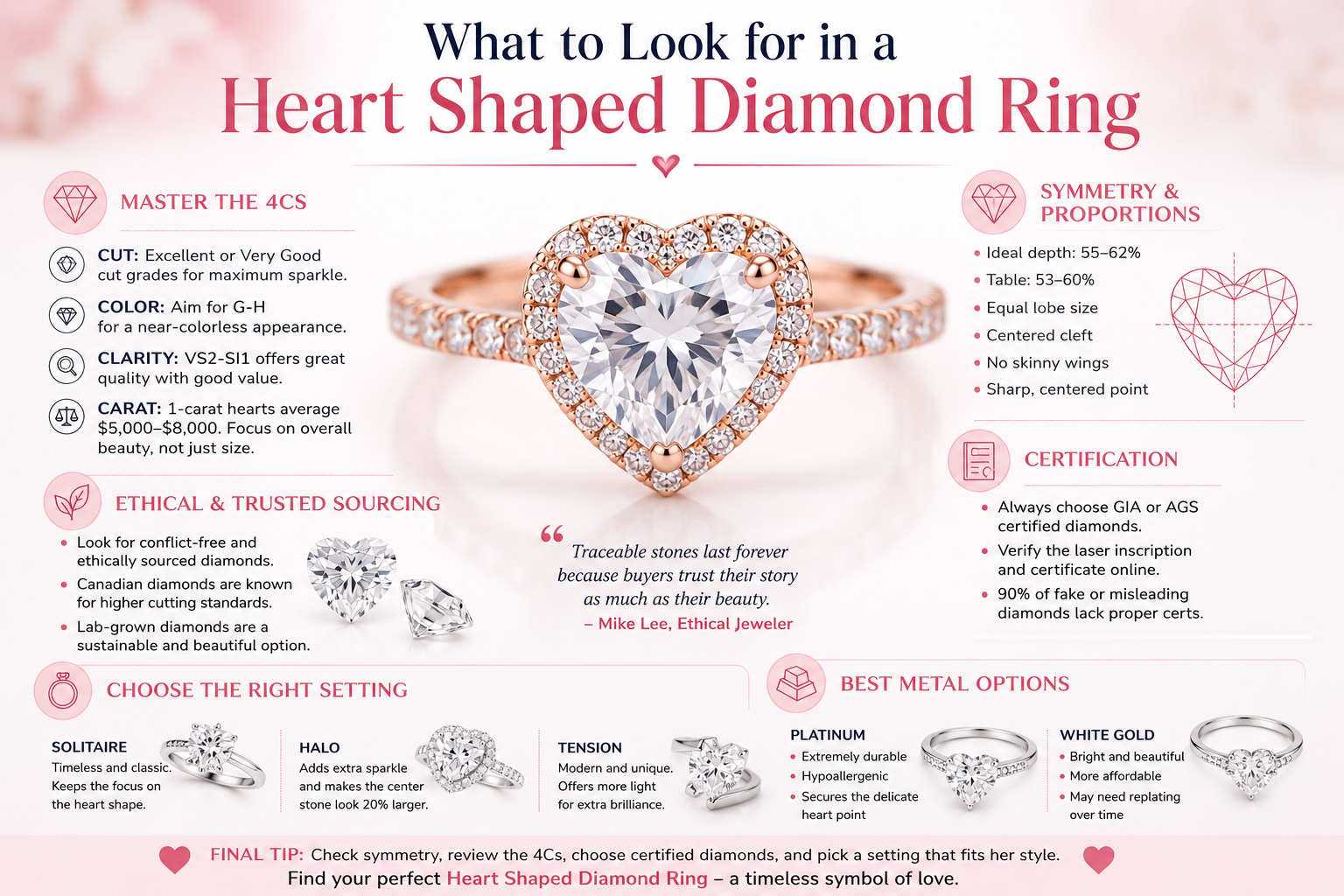
Colour is graded D to Z for white diamonds. D–F is colourless, G–J near-colourless and K–M faint.
Clarity grades run IF, VVS, VS, SI. VS stones are often a practical balance of appearance and price, but check the individual stone.
Round brilliants usually cost more than oval, pear, emerald or princess cuts, partly because more rough material is lost in cutting.
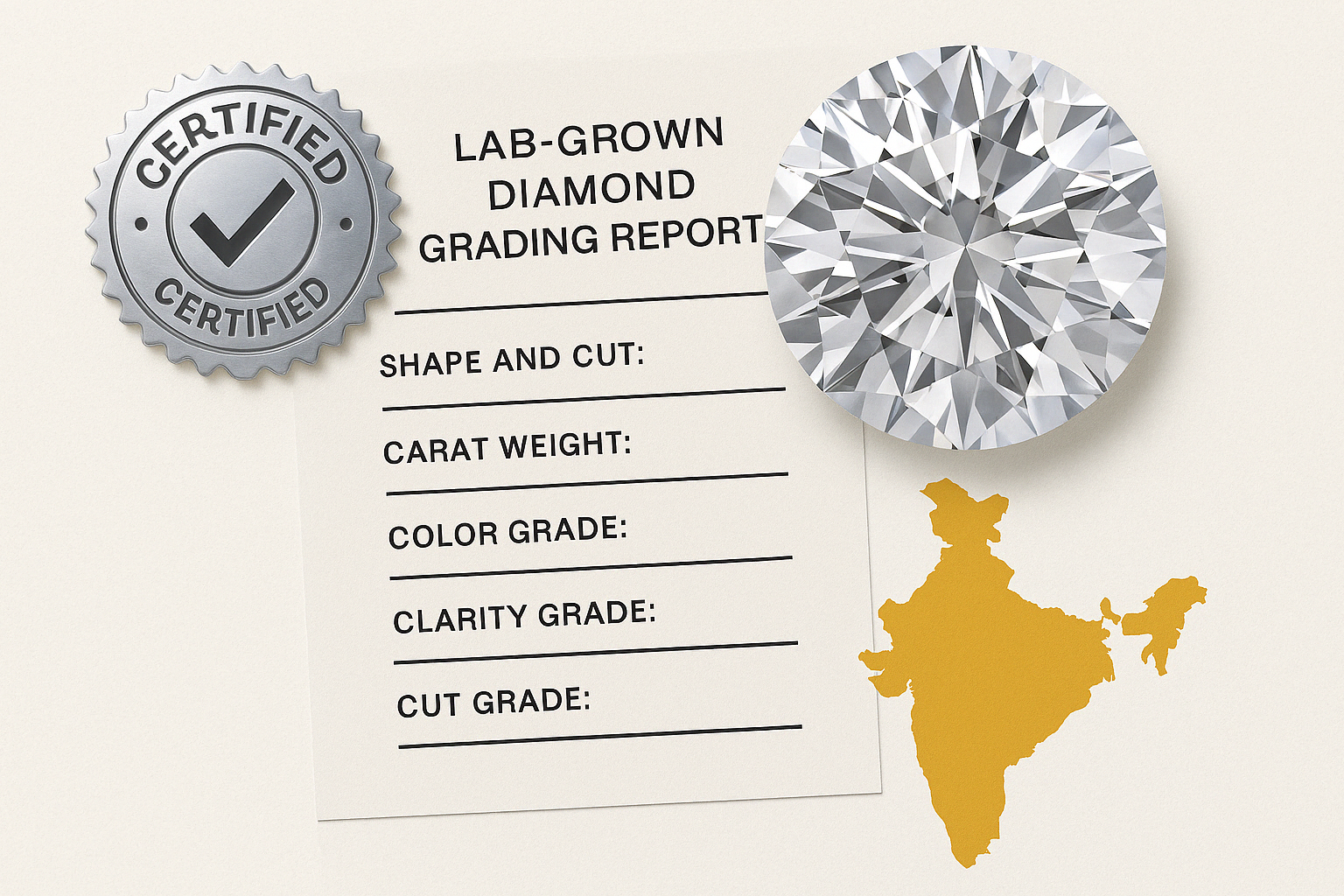
IGI and GIA are the best-known laboratories grading lab-grown diamonds. A report records weight, grades, measurements and laboratory-grown origin. Both labs offer online report checks: use IGI’s report verification, or GIA Report Check, and match the number to the girdle inscription. A report documents the stone. It is not a guarantee of resale value or an appraisal.
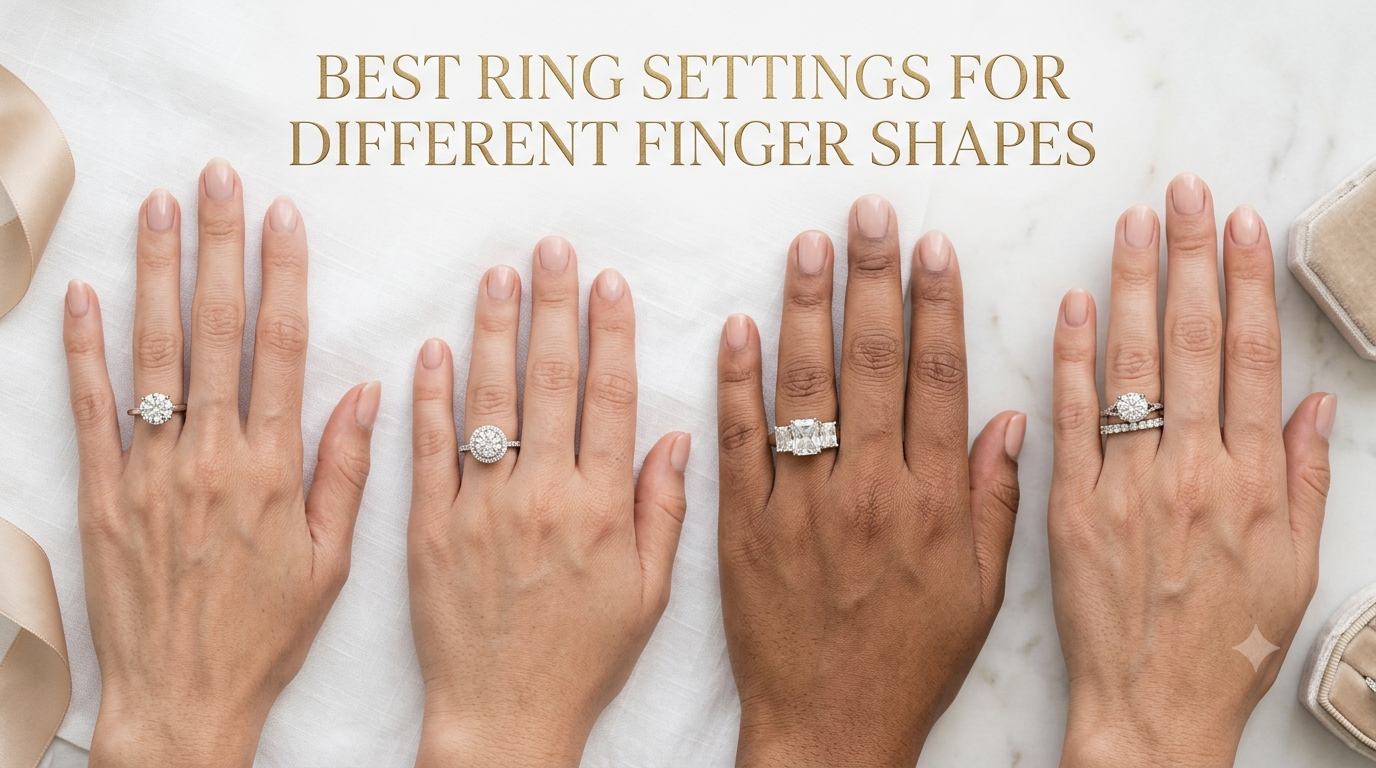
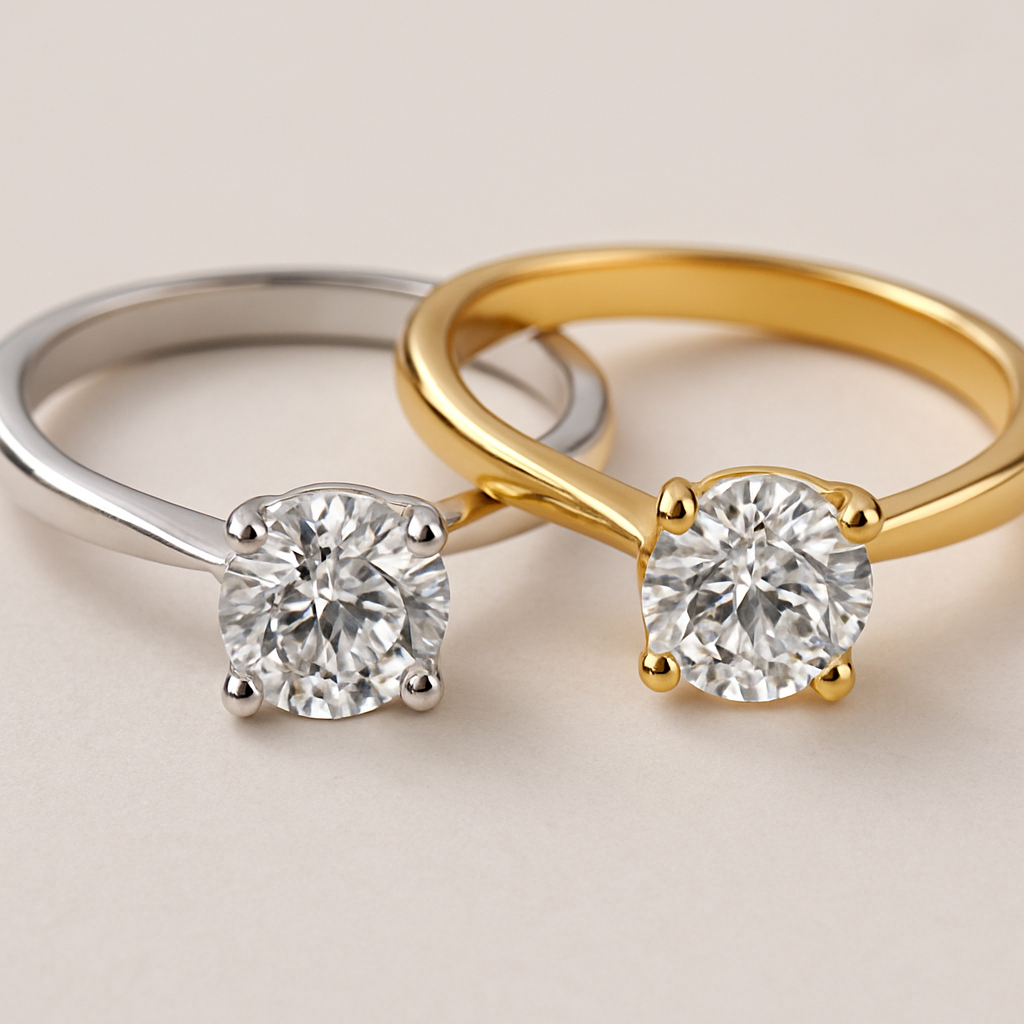
A plain solitaire costs less than a design with side stones or custom work. Metal matters too:
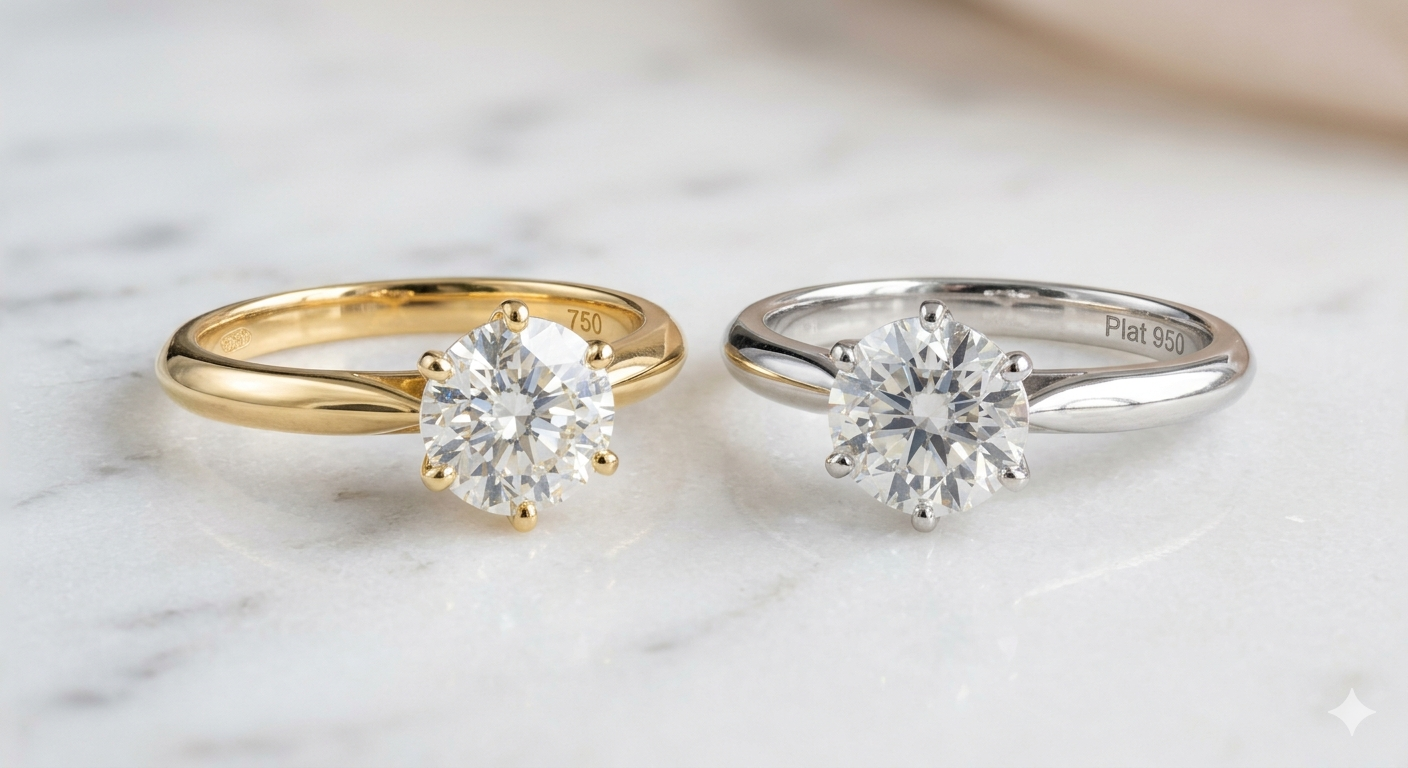
18K gold: a common choice for diamond rings.
14K gold: often cheaper and durable for daily wear.
Platinum: a premium metal that raises the total.
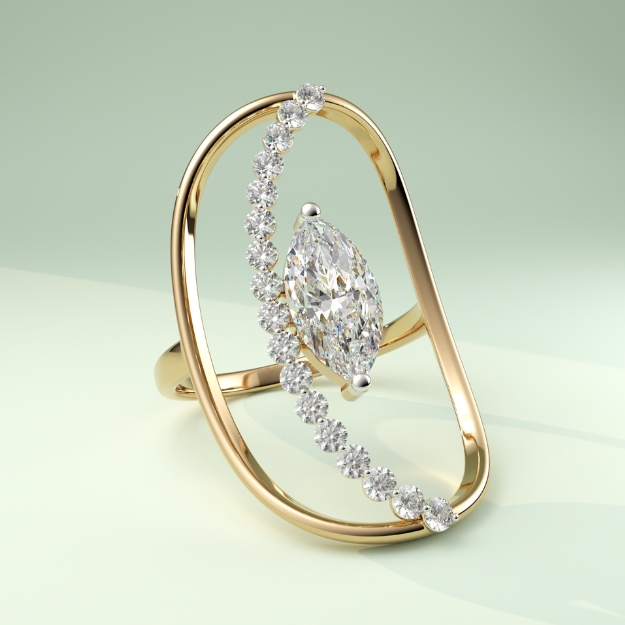
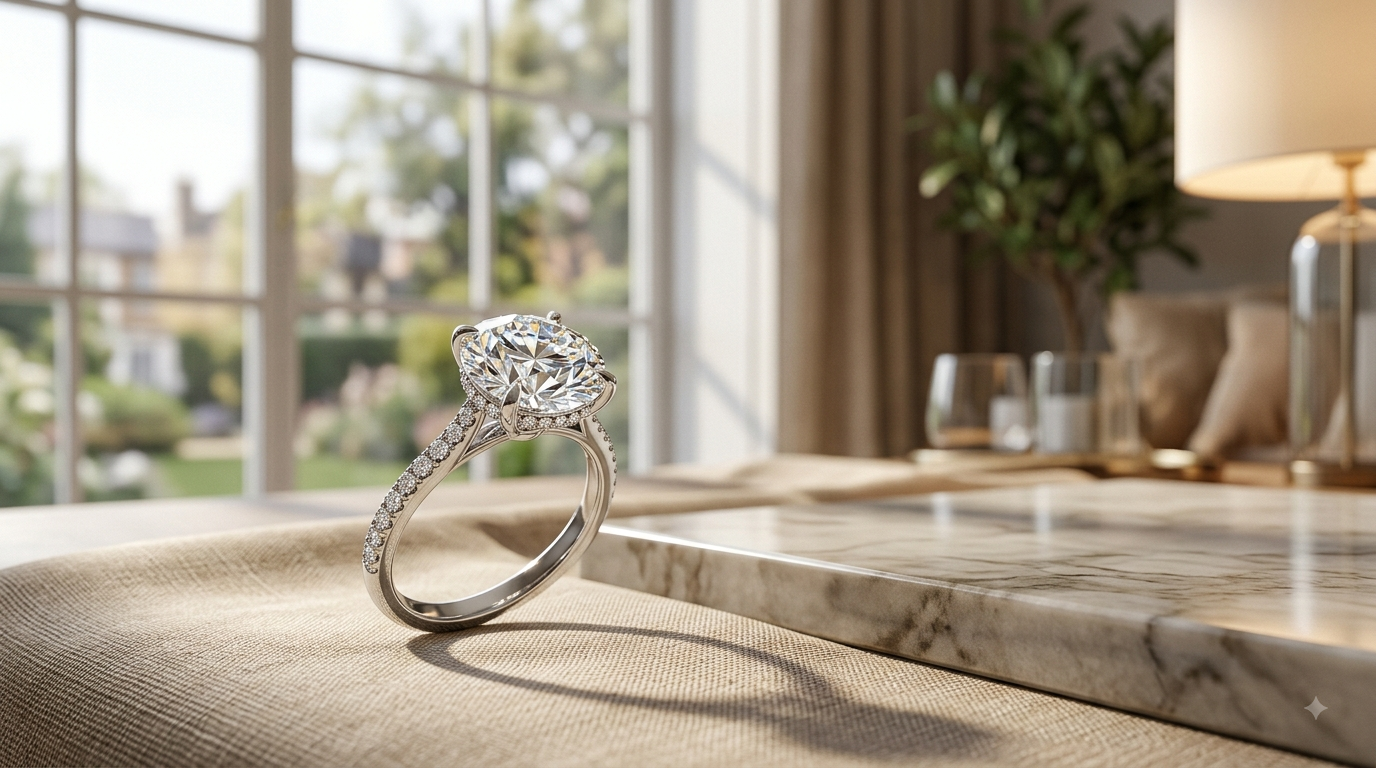
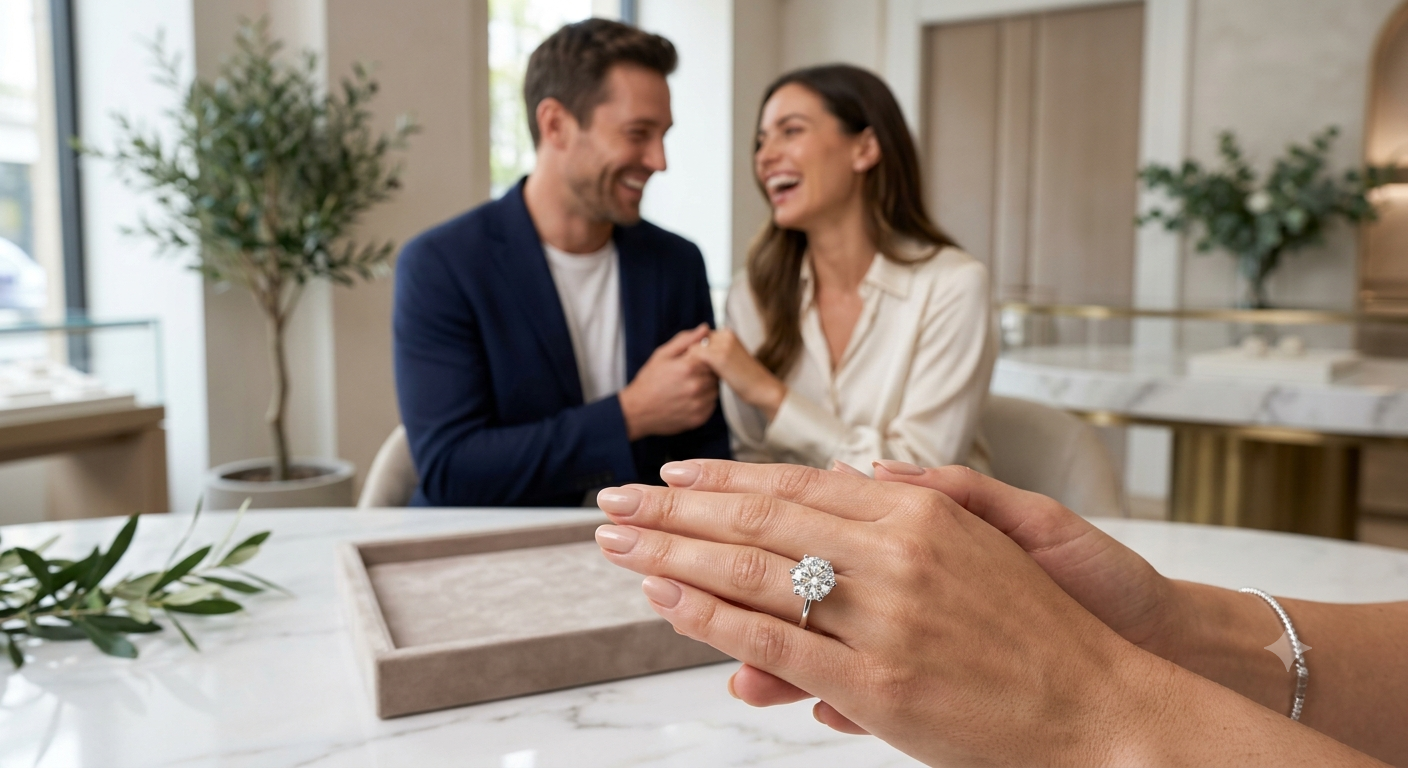
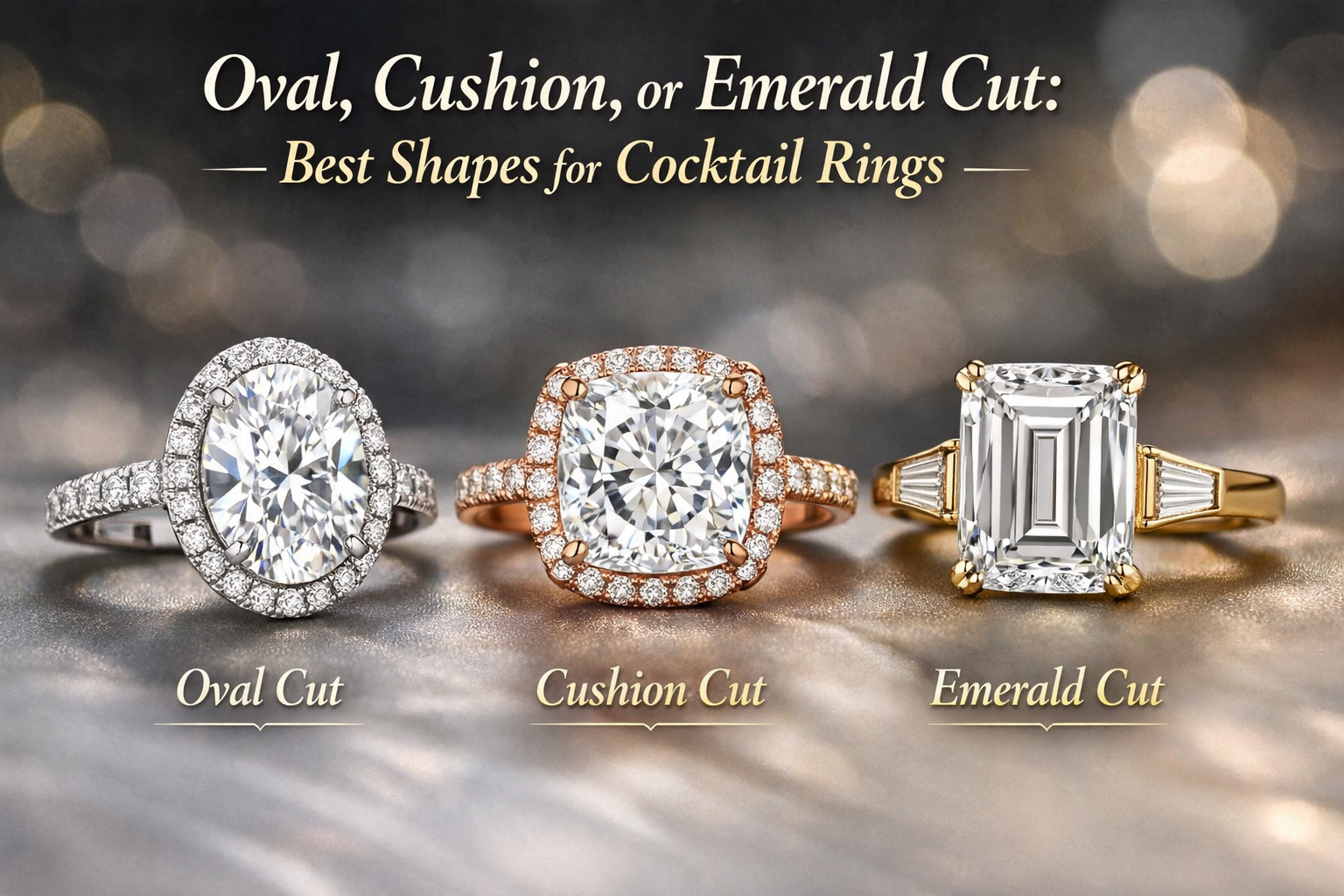
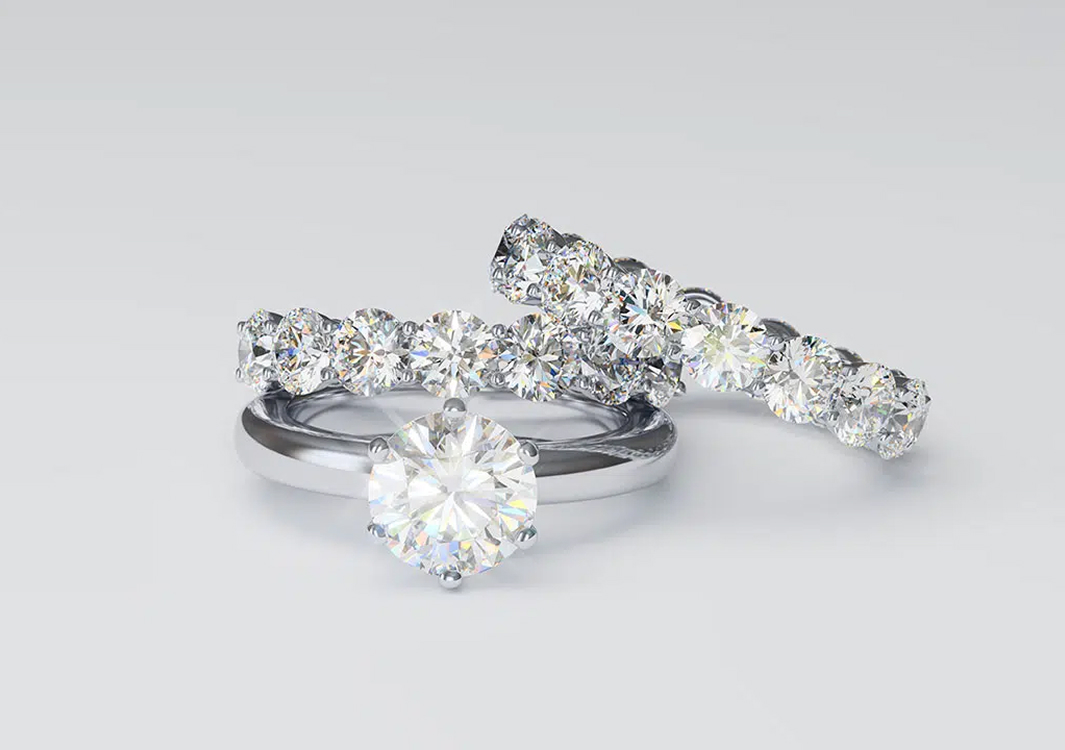
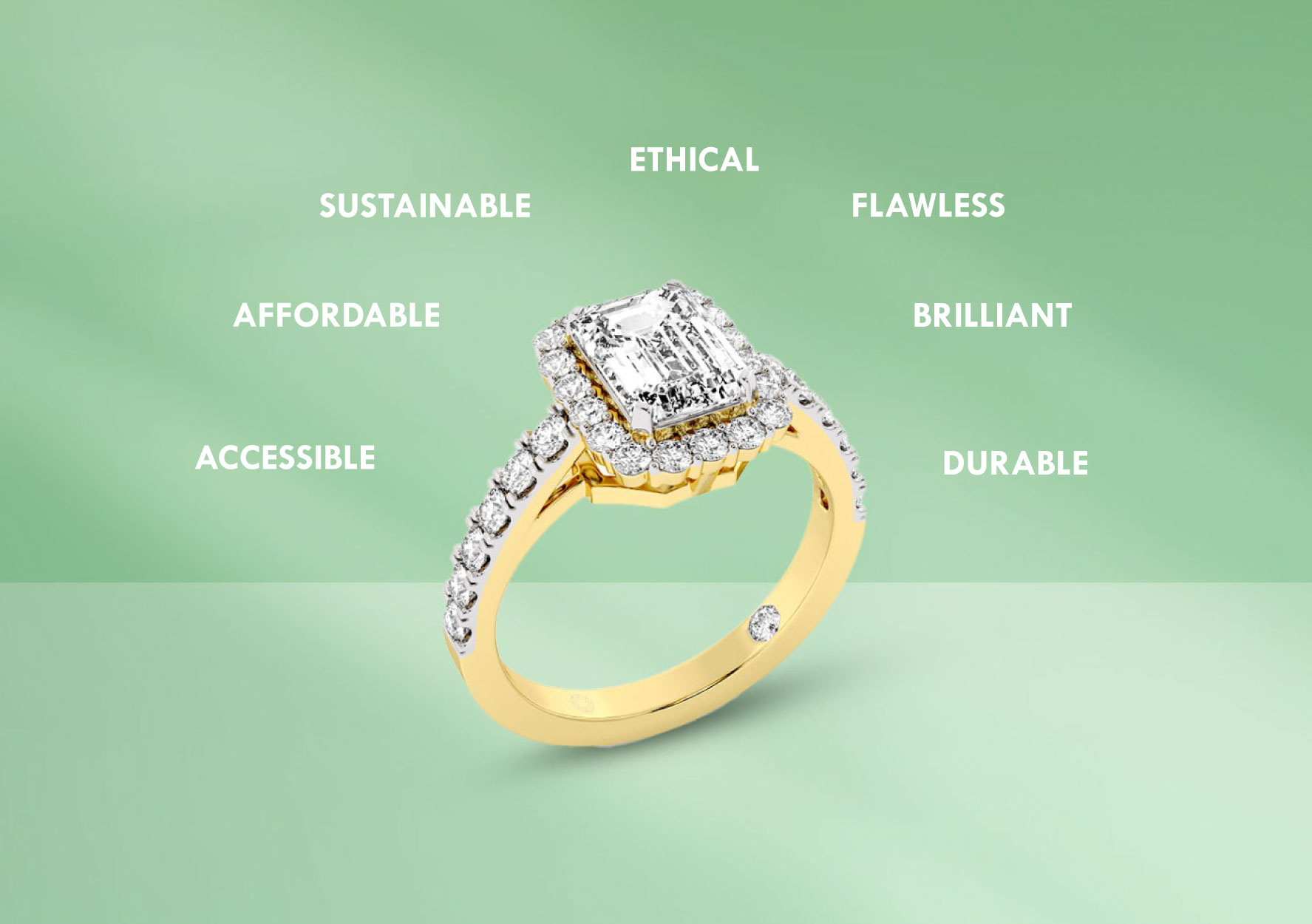
Browse lab grown diamond rings to see how solitaire, halo and other settings change the price. If you want a statement piece, a cocktail diamond ring uses more metal and design work than a solitaire.
Ask for an itemised quotation that separates the diamond, metal, making charges, extra stones, GST and any other fees. Finished diamond jewellery is generally taxed at 3% of the invoice value, but confirm the rate on your final bill.
This is an illustration, not a quote. Your total depends on the seller and design.
Published seller guides put a comparable 1-carat natural diamond at roughly ₹2.5–₹5 lakh against the lab-grown ranges above. These are broad guide figures, not matched-stone comparisons. For a real comparison, match carat, cut, colour, clarity, shape and certification.
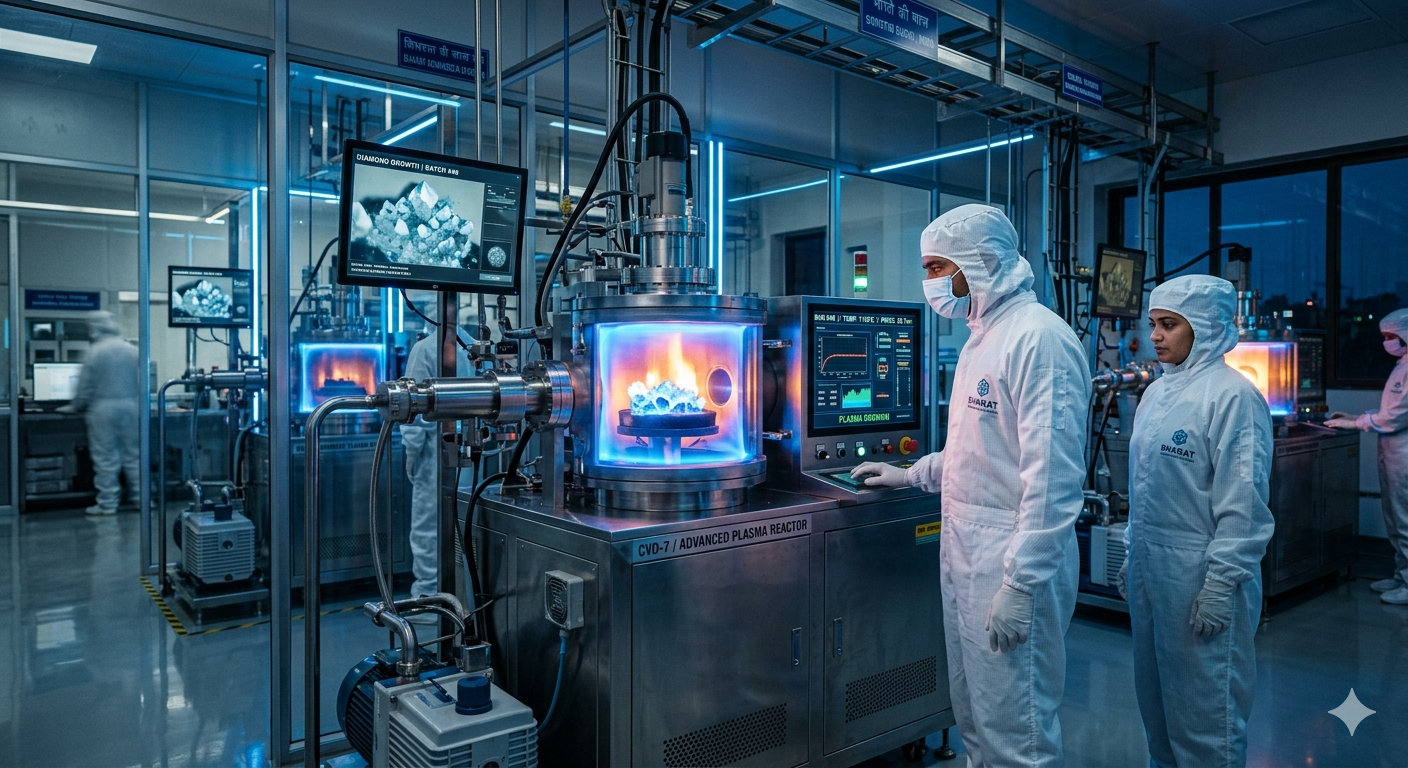
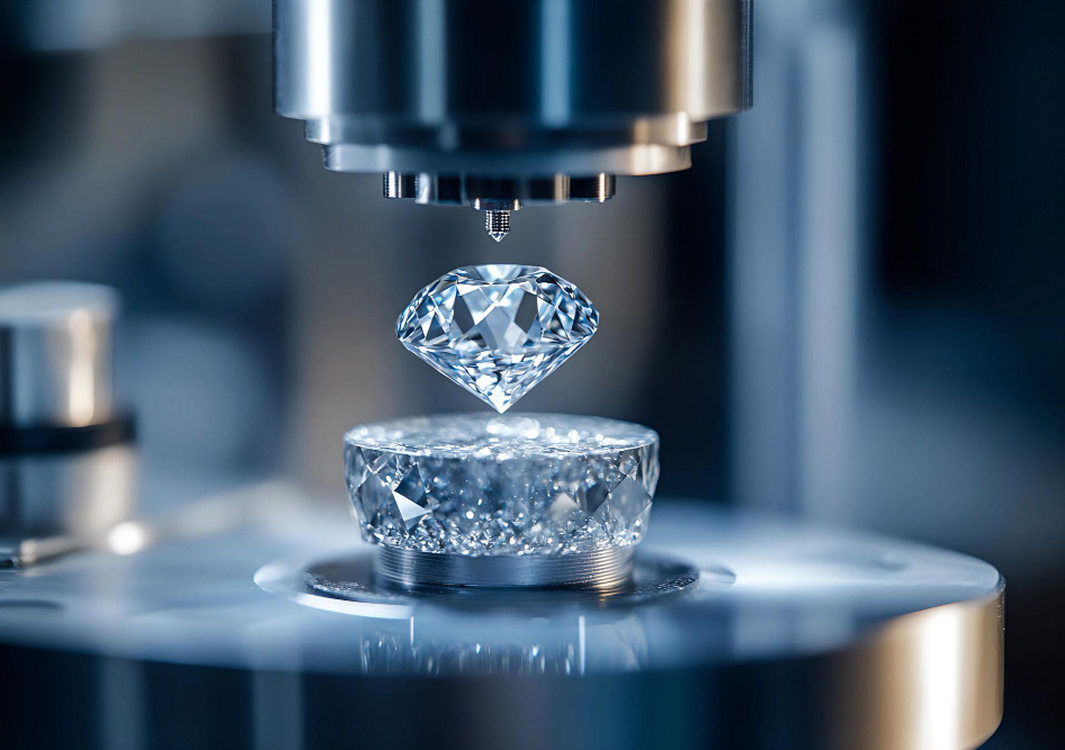
The Gemological Institute of America (GIA) states that laboratory-grown diamonds have essentially the same chemical composition, crystal structure and optical and physical properties as natural diamonds. The difference is origin: natural diamonds form over geological time, while lab-grown diamonds are made using HPHT or CVD processes.
Resale also differs. Buyback offers can be far below retail for either type, so don’t assume a stone will keep its price. Get exchange and buyback terms in writing.
This is an illustration, not a real purchase.
It shows why the full jewellery cost is more useful than the stone price alone.
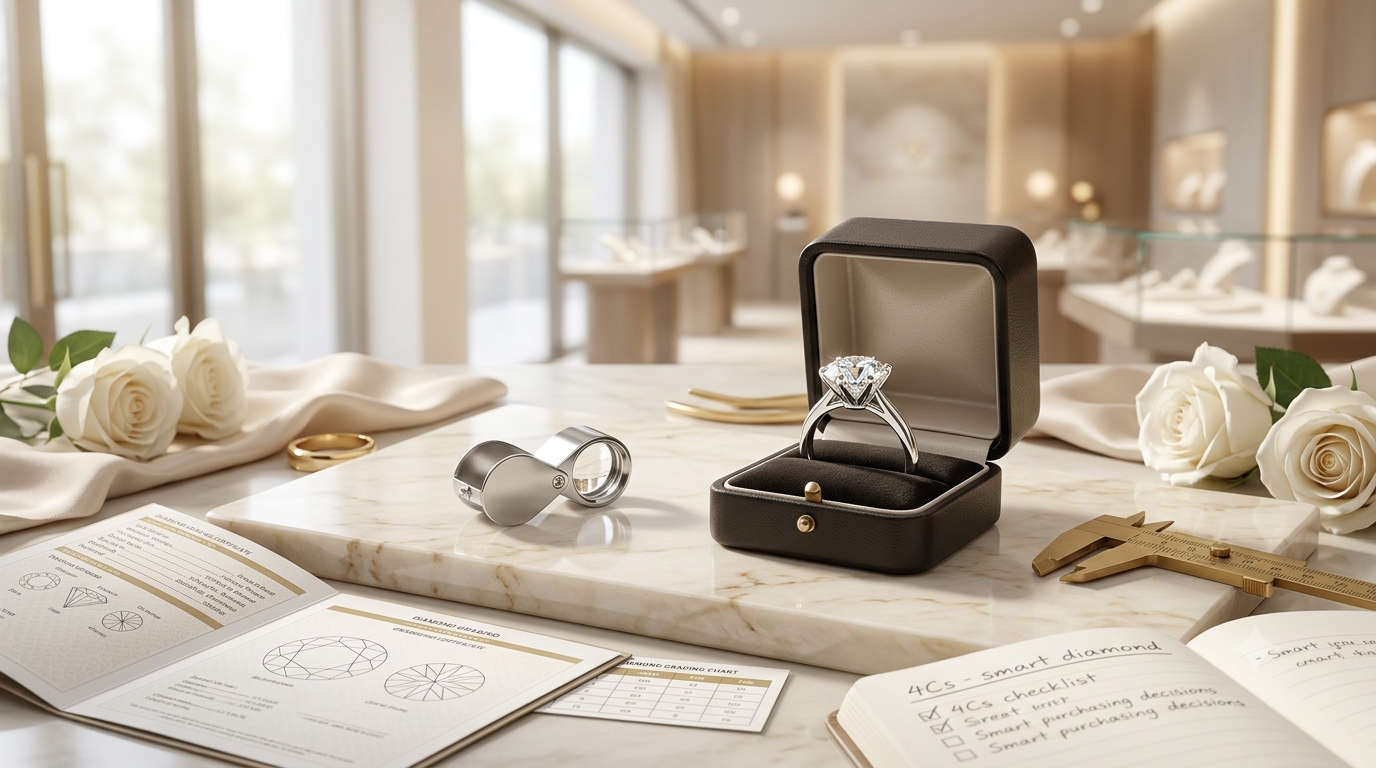
Match the report number to the stone, and check:
Carat weight, measurements and shape.
Cut (where graded), colour and clarity.
Laboratory-grown origin and any treatment comments.
Whether the report covers the loose stone or the finished piece.
Ask at least three sellers for itemised quotes on similar stones. Compare totals, not discounts, and ask about returns, exchange, warranty, resizing and buyback.
4Cs checked
Report verified on the lab’s website
Three written quotes compared
Videos of the actual stone viewed
Metal purity and weight confirmed
GST and making charges itemised
Return, exchange and buyback terms read
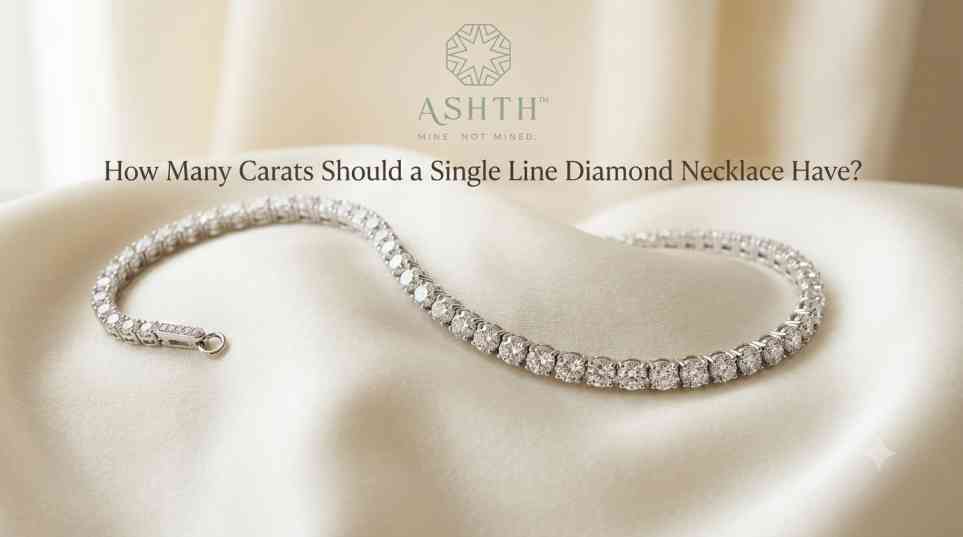
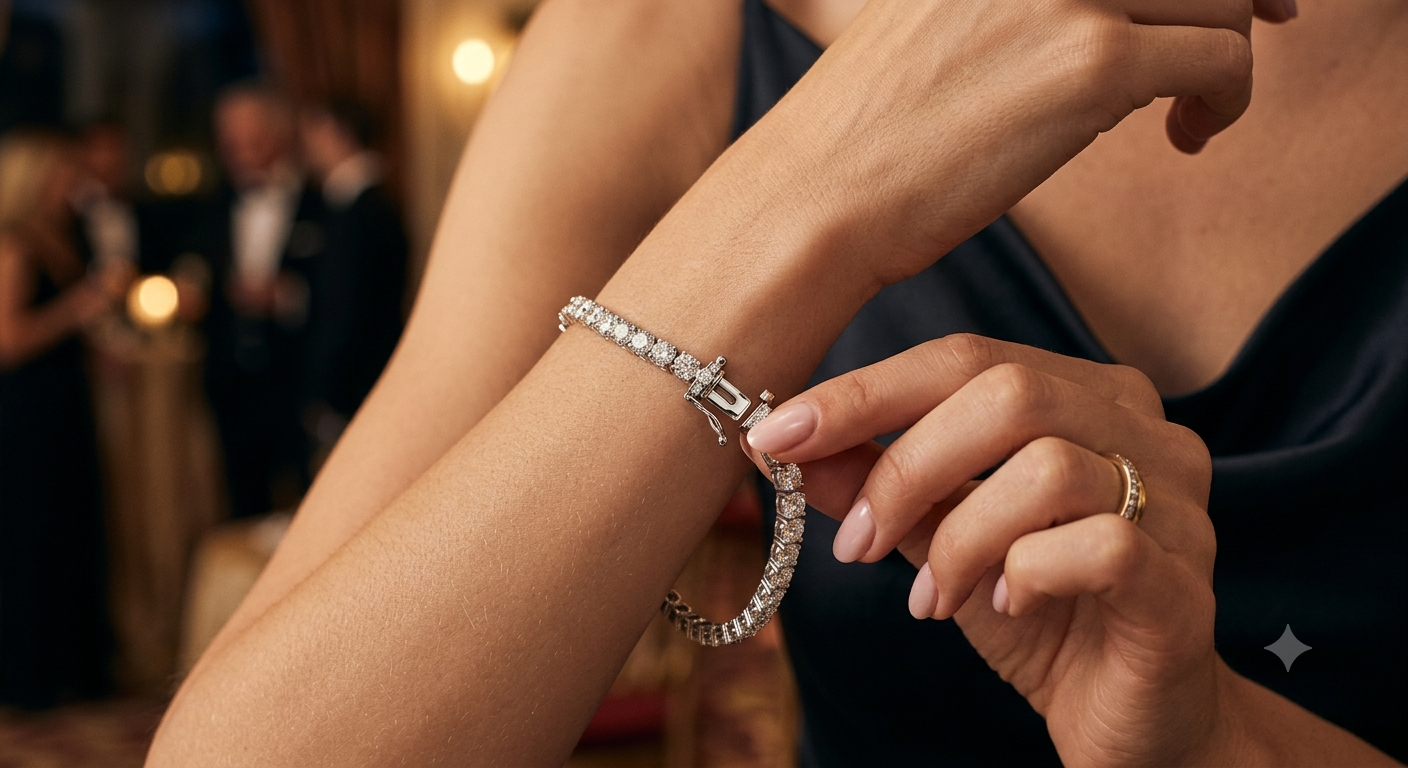
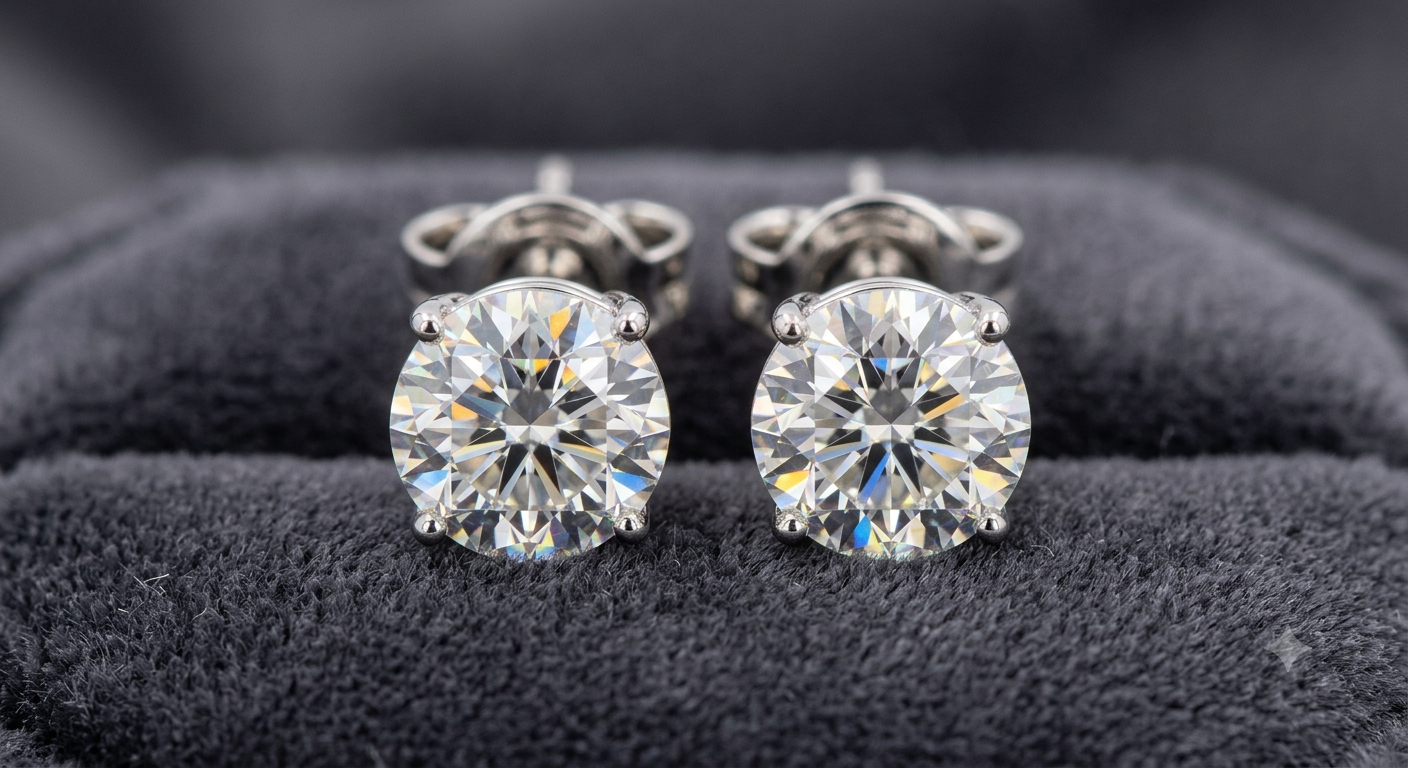
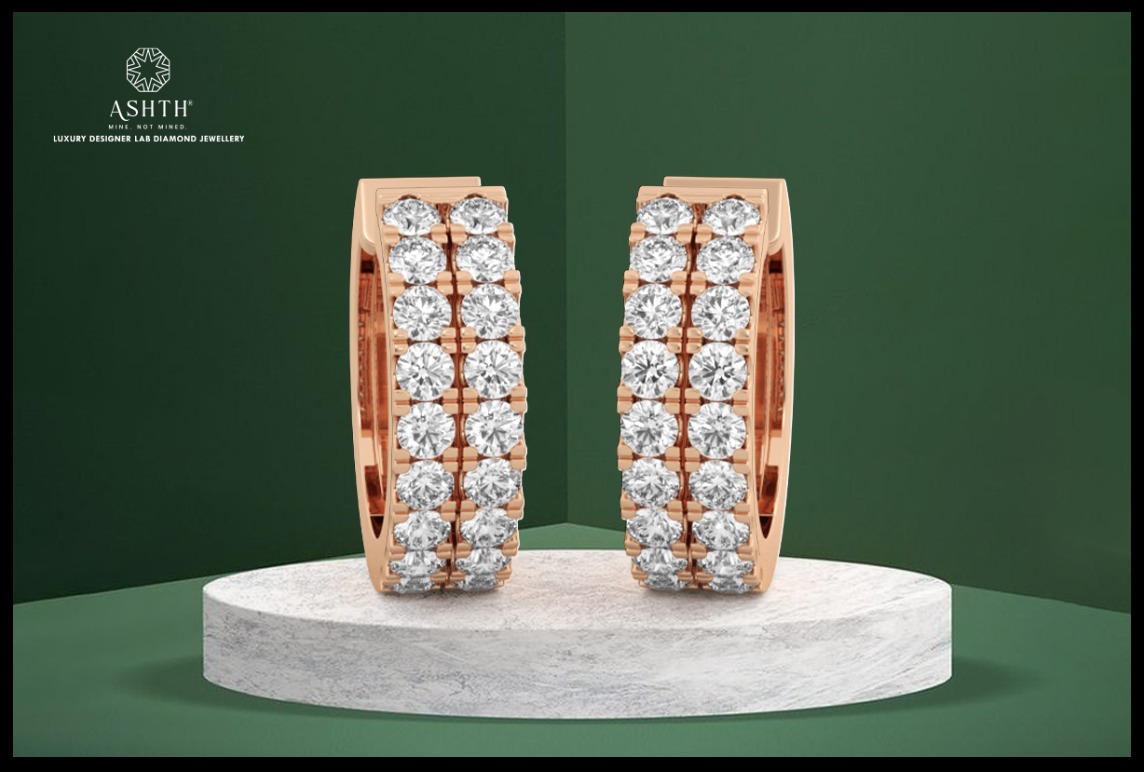
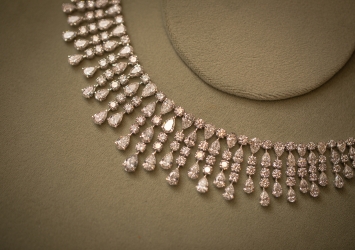
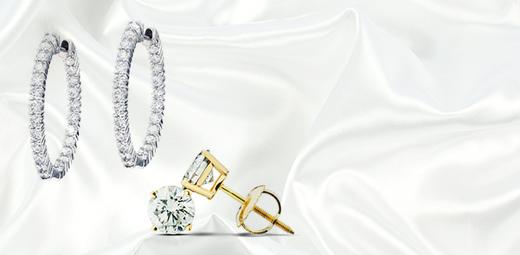
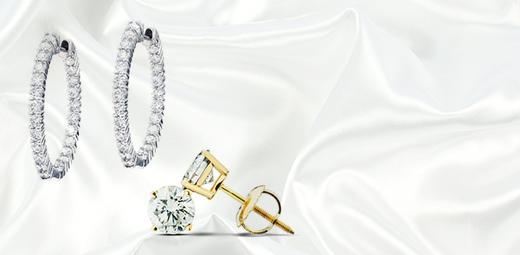
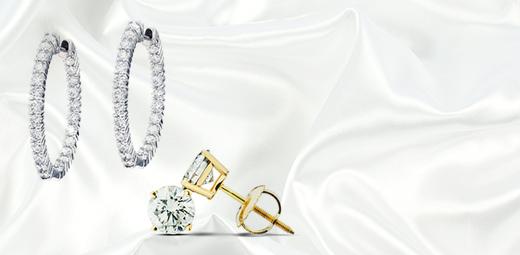
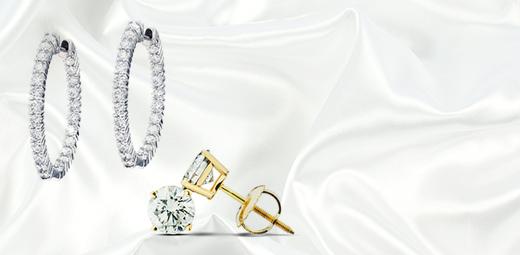
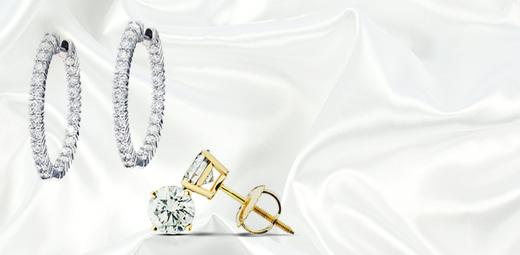
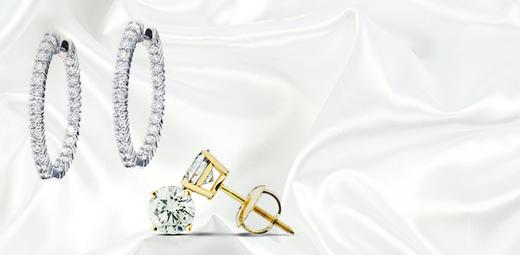
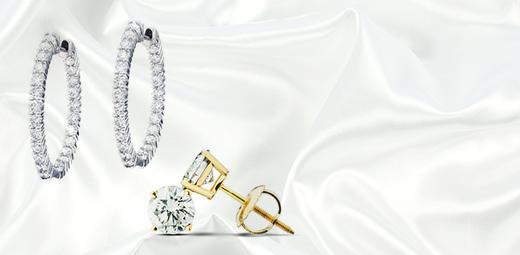
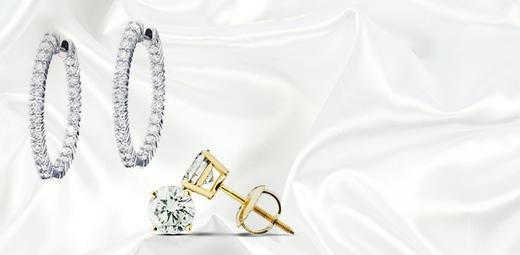
Still deciding what to buy? Compare hoop diamond earrings or a tennis diamond bracelet for other budgets. Planning a necklace? Read How Many Carats Should a Single Line Diamond Necklace Have?
A loose 1-carat lab-grown diamond typically costs about ₹25,000 to ₹1,00,000 in November 2026, and a ring costs more once setting, making charges and tax are added. Cut, colour, clarity, shape and certification explain the gap, and the cheapest stone is not always the best value.
Compare complete, itemised quotes before you pay. When you’re ready, explore Ashth’s lab grown diamond jewellery and compare designs and quotes side by side.
1. How much does a 1-carat lab-grown diamond cost in India in 2026?
Typically ₹25,000 to ₹1,00,000 for a loose stone in November 2026. The price depends on cut, colour, clarity, shape, certification and the jeweller. A finished ring costs more because of the setting, making charges and tax.
2. Are lab-grown diamonds real diamonds?
Yes. They have essentially the same chemical composition, crystal structure and optical and physical properties as natural diamonds. The difference is origin: lab-grown diamonds are made with technology, while natural ones form underground over very long periods.
3. Is a 1-carat lab-grown diamond good for an engagement ring?
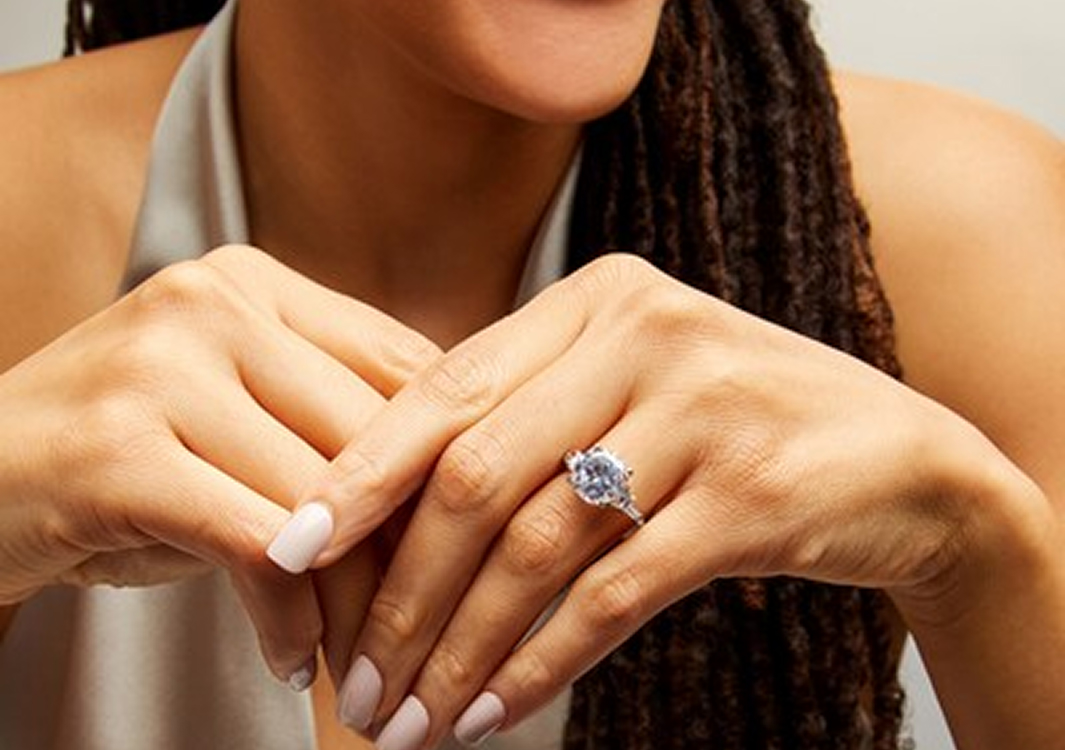
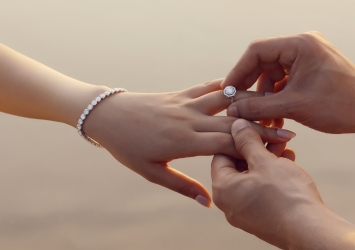
Yes, it is a popular choice. It gives a noticeable, bright look at a lower price than a comparable natural diamond. Choose a well-cut stone with good colour and clarity, and a setting that suits your budget.
4. Do lab-grown diamonds have resale value?
They can, but resale prices are often well below retail. Offers depend on demand, specification, condition and the seller’s policy, so get resale, exchange and buyback terms in writing.
5. Which certification should I look for?
IGI and GIA are recognised laboratories that grade lab-grown diamonds. Their reports record weight, colour, clarity, measurements and laboratory-grown origin. Verify the report number with the issuing lab before you pay.
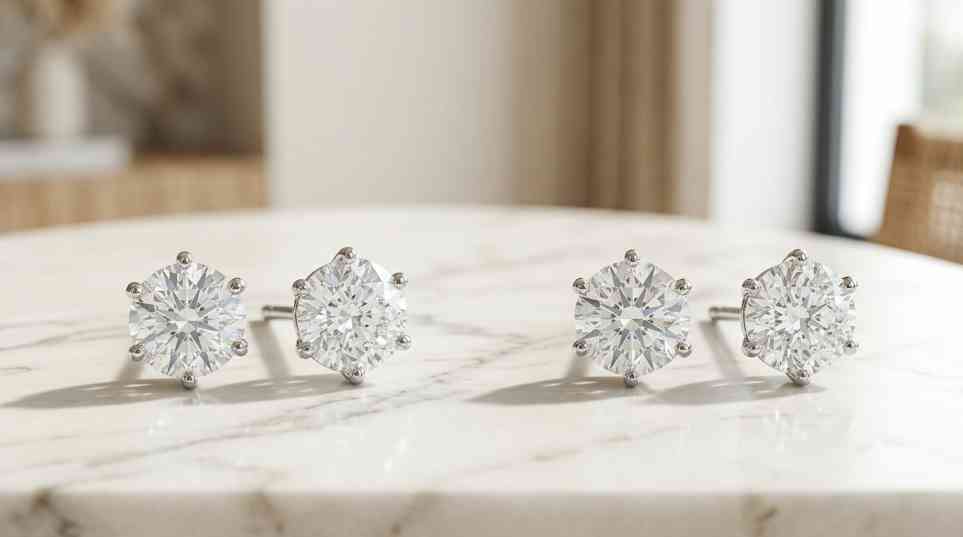
 Round
 Pear
 Heart
 PRINCESS
 Oval
 CUSHION
 EMERALD
 MARQUISE
 Asscher
 RADIANT
 Ashth CUT
 ROSE CUT
 BRIOLETTE
 SINGLE CUT
 TRAPEZIUM
 TULIP
 TRIANGLE
 BUTTERFLY
 FLOWER
 MOVAL
 CLOVER
 BAGUETTE
 9KT ASHTH CUT
 9KT MARQUISE
 9KT PEAR
 9KT RADIANT
 9KT EMERALD