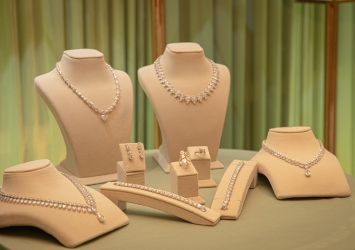
Ashth - Where Exceptional Craftsmanship Defines Modern Luxury !

- Rings
- Earrings
Shop By Category
- Bangles/ Bracelets
Shop By Category
- Necklaces
Shop By Category
- Pendants
Shop By Category
- ASHTH LITE
Shop By Category
.jpg)
- Collections
Collections
Shop By Category
Shop By Category
Shop By Category
Shop By Category
Shop By Category
Collections

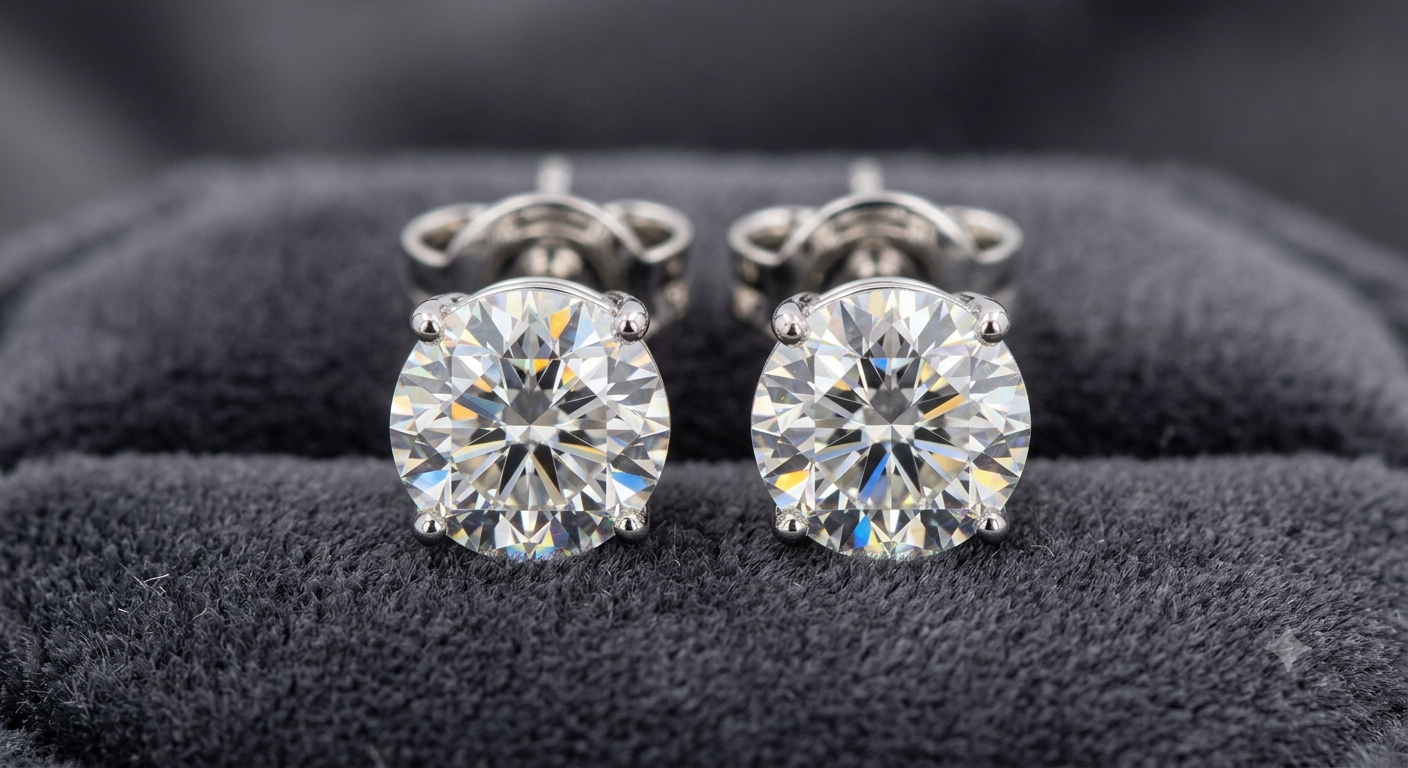
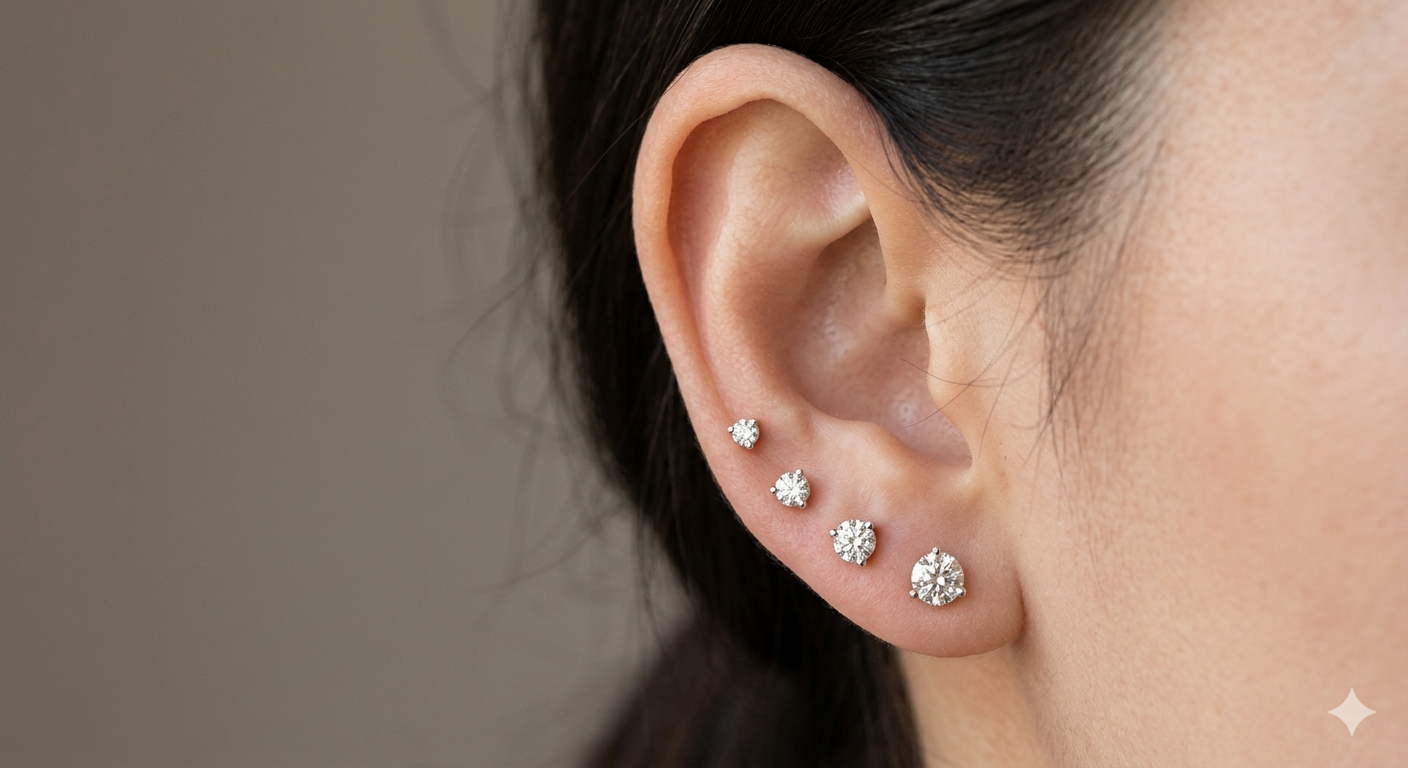
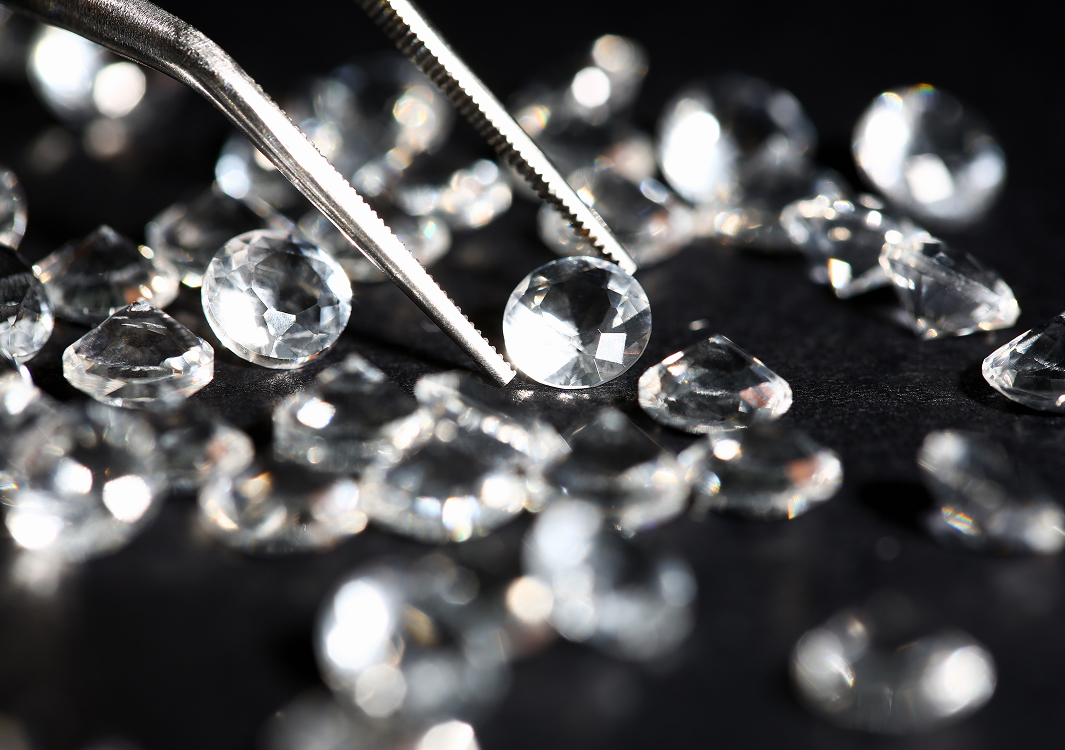
Turn your head, and a good pair of earrings can send a quick flash of white light across the room. Sometimes, you may also notice a small flicker of color. This effect comes from the way a diamond is cut, how light interacts with its facets, and how the earring moves.
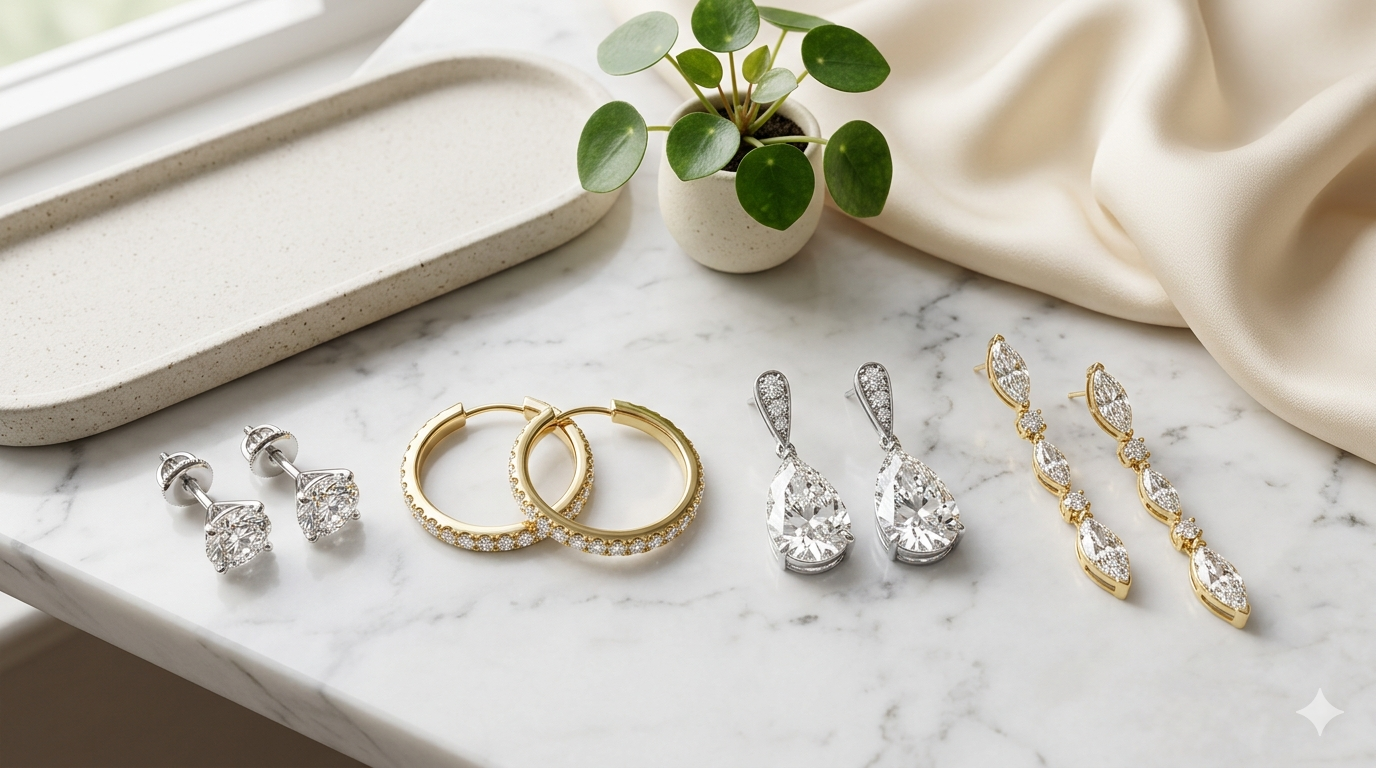
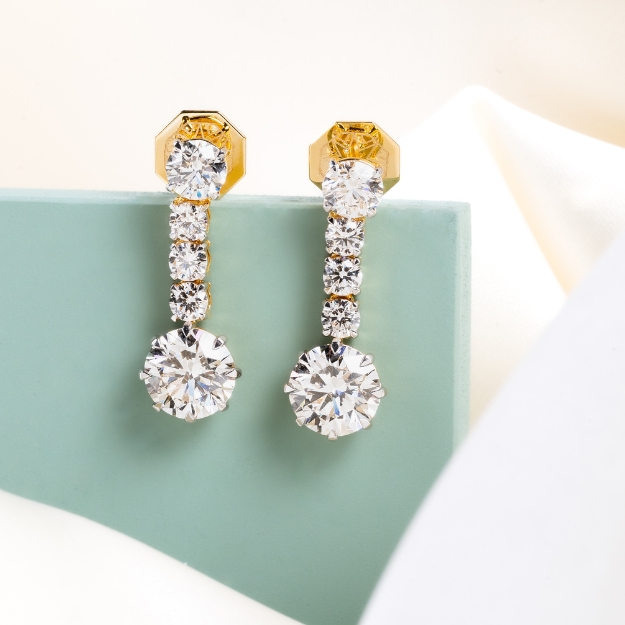
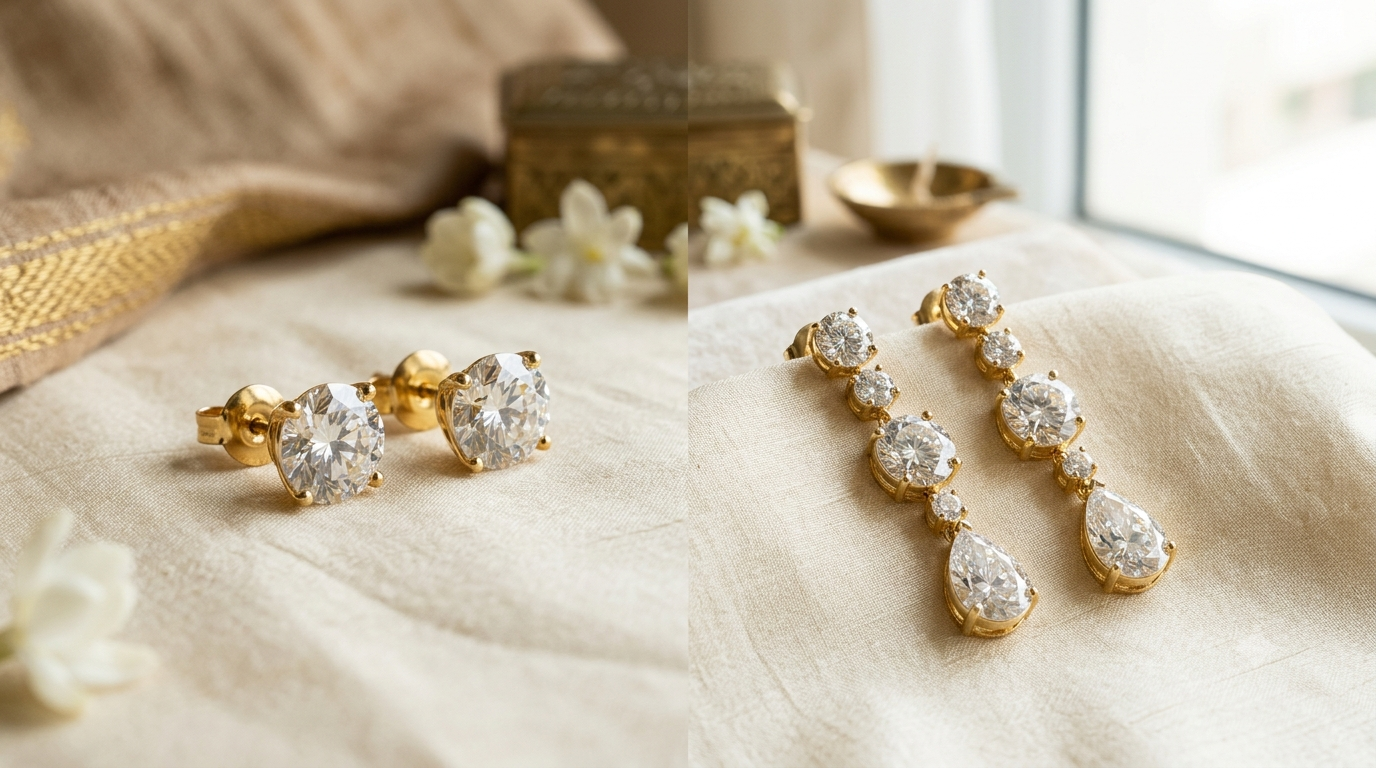
Drop Diamond Earrings can look especially lively because they hang below the ear and move as you walk, talk, or turn your head. Each small movement changes the diamond's angle to the light, creating new flashes.
Once you understand how this works, it becomes easier to judge earrings when shopping. Instead of looking only at carat size, you can pay attention to cut, light performance, movement, and the way the earrings look in different lighting.
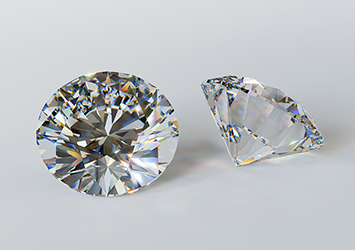
Light enters a diamond through its surface. Inside the stone, it bends and reflects from its facets before returning toward the viewer.
Diamond has a refractive index of about 2.42, which means it bends light strongly. This property helps create the optical effects diamonds are known for. However, refractive index alone does not guarantee strong sparkle.
The diamond's cut, proportions, symmetry, and facet arrangement also matter. Think of the facets as a group of tiny mirrors. When they are positioned well, they can direct more light back toward your eyes. When the proportions are not well balanced, more light can escape through the sides or bottom.
That is why two diamonds of the same size can look very different.
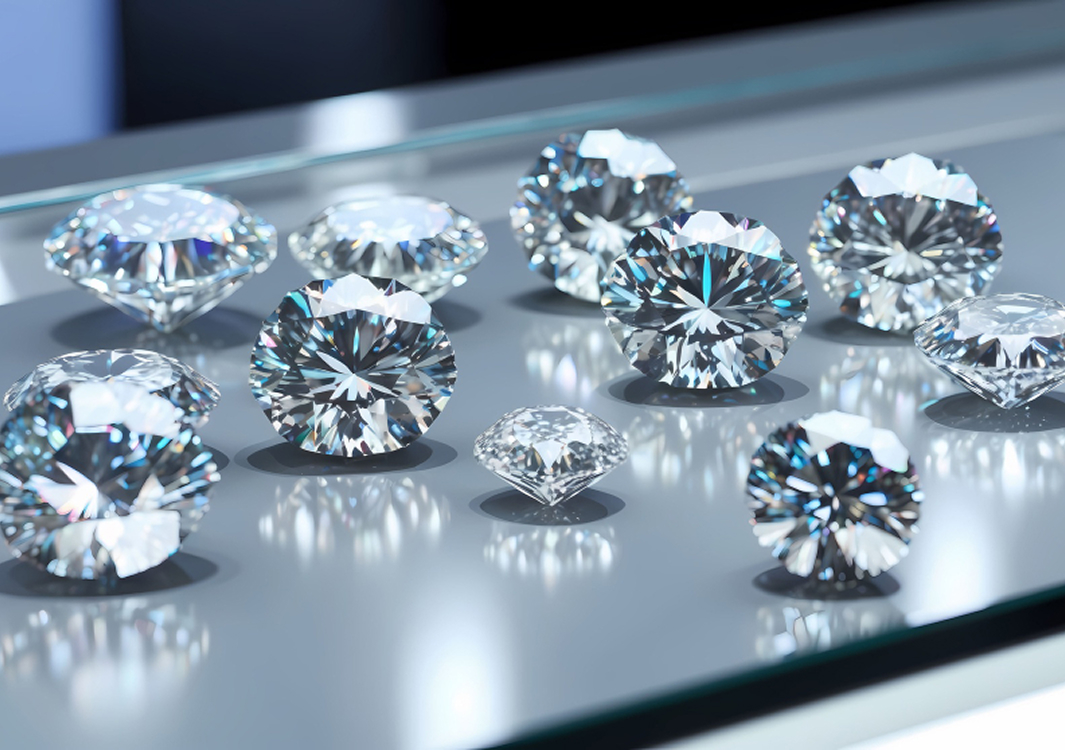
Diamond sparkle is often described using three main terms: brilliance, fire, and scintillation.
Brilliance refers to the white light reflected from the diamond. It gives a stone its bright and lively appearance.
Fire refers to flashes of color created when white light is dispersed into different colors. Depending on the lighting and viewing angle, you may notice flashes of blue, yellow, red, or other colors.
Scintillation is the pattern of light and dark areas and the flashes you notice as the diamond, light source, or viewer moves.
These three effects work together to create the sparkle you see in a diamond. GIA also uses brightness, fire, and scintillation when describing the face-up appearance of standard round brilliant diamonds.
Many buyers start by looking at carat weight. But carat measures a diamond's weight, not how well it handles light.
A larger diamond does not automatically produce more sparkle. A well-cut smaller diamond can look brighter and more lively than a larger diamond with weaker light performance.
GIA explains that a diamond's cut grade is about how well its facets interact with light. For standard round brilliant diamonds, the grading system also considers factors such as brightness, fire, scintillation, symmetry, polish, and other aspects of the diamond's design.
This is why cut deserves careful attention when choosing diamond earrings.
The same basic optical principles apply to Lab grown diamond earrings. GIA states that laboratory-grown diamonds have essentially the same chemical composition, crystal structure, and optical and physical properties as natural diamonds. Their sparkle still depends greatly on factors such as cut and quality.
Stud earrings usually sit close to the ear and have limited movement. Drop earrings hang lower, so they can swing gently as you move.
Every small movement changes the angle between the diamond, the light source, and your eyes. One facet may catch the light at one moment, while another facet becomes brighter a second later.
For example, imagine wearing diamond drop earrings near a window. As you turn your head, the stones change position relative to the daylight. You may see a bright white flash, followed by a softer reflection or a small burst of color.
This is one reason drop earrings can look more lively in motion than in a still photograph.
A photo captures one position. Wearing the earrings lets you see many different positions and reflections.
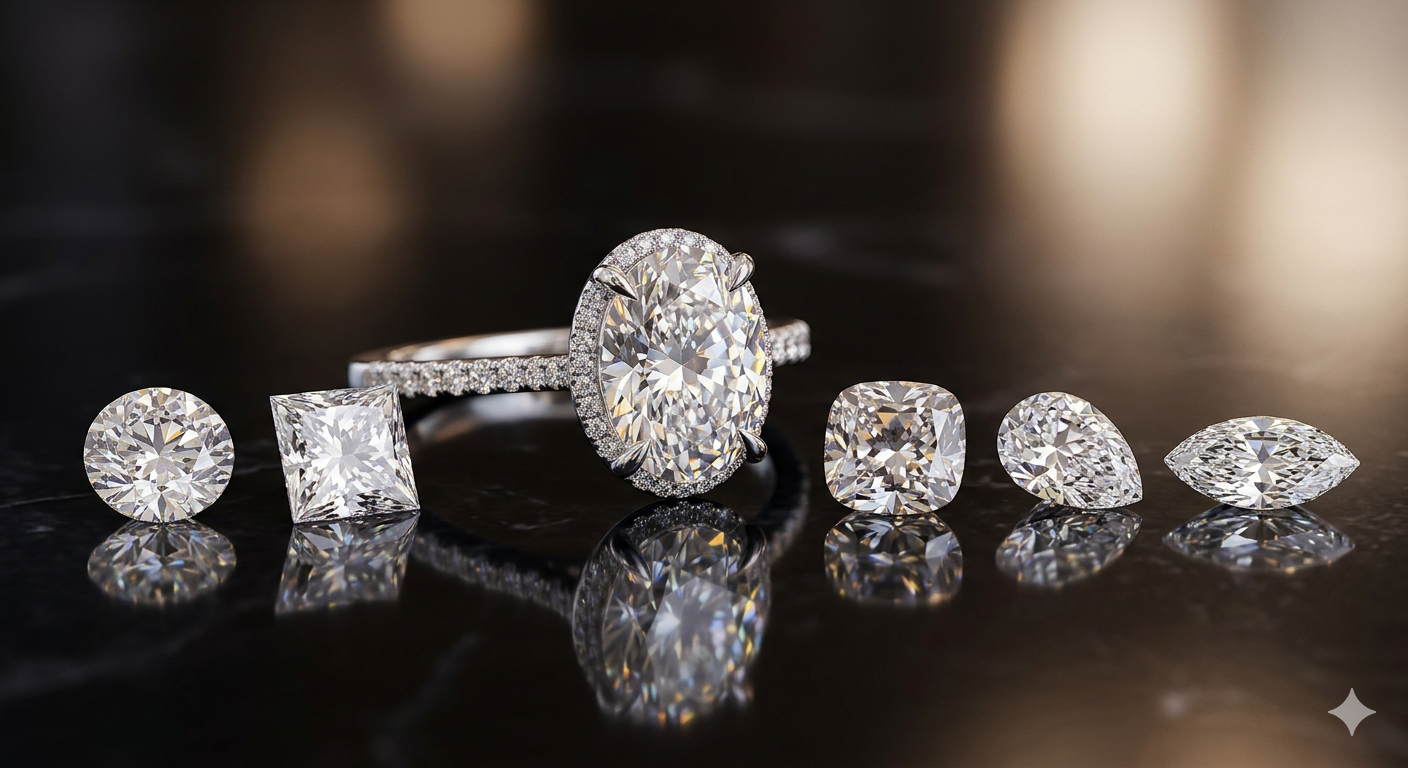
Diamond shape affects more than the outline of the stone. It also changes the way light and reflections appear.
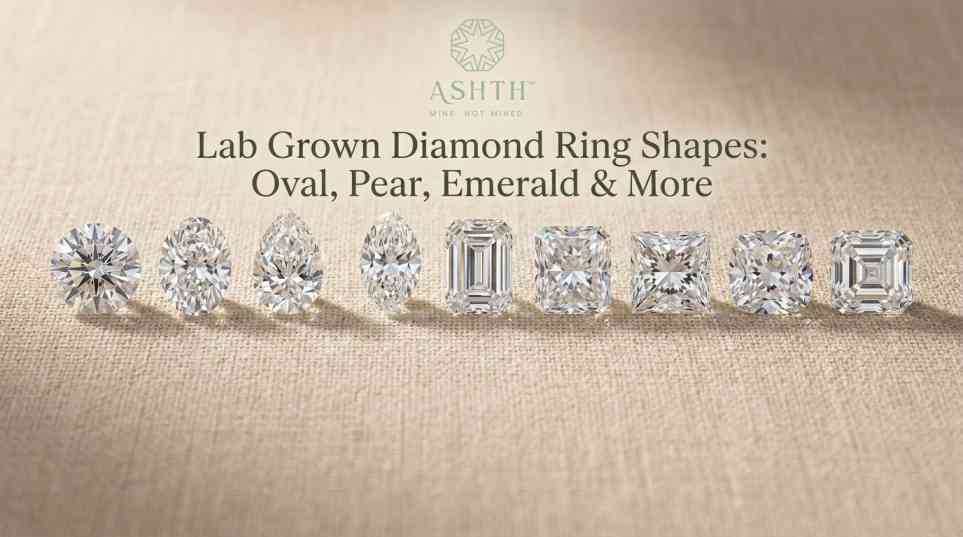
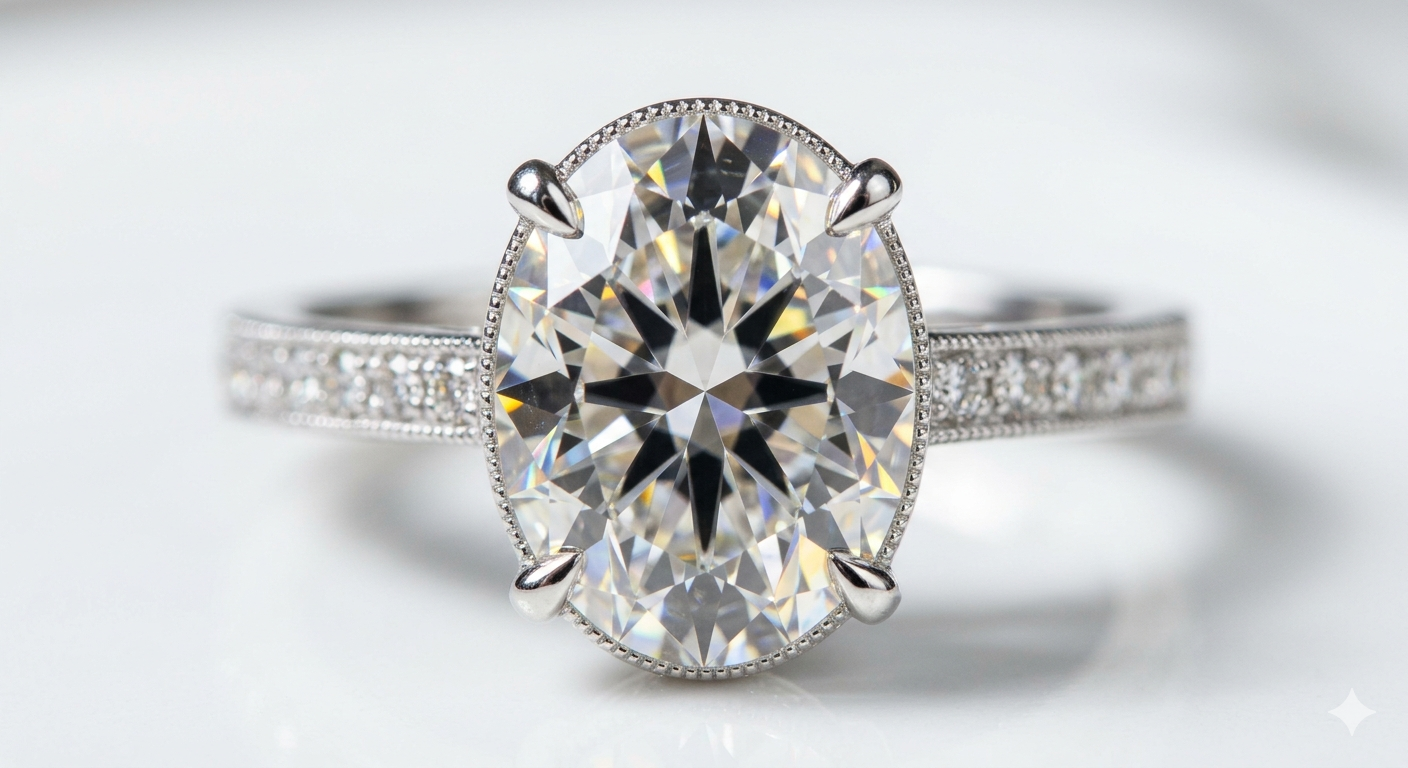
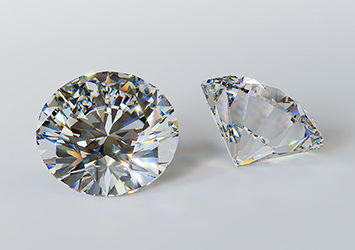
A round brilliant diamond is designed with a large number of facets to create strong interaction with light. A standard round brilliant has 58 facets, including the culet. This facet arrangement helps create the bright flashes associated with the classic round diamond look.
Step cuts, such as emerald cuts, use long, straight facets arranged in a step-like pattern. They tend to create broader reflections rather than the many small flashes often associated with round brilliants.
The difference is easy to understand when you compare the two styles. A round brilliant can look lively and sparkly, while an emerald cut can give a cleaner, more mirror-like appearance.
The right choice depends on the look you prefer.
Have you noticed that a diamond can look very bright in one room and more subtle in another?
The lighting around the diamond makes a difference.
Small or direct light sources can create distinct flashes as the diamond moves. Sunlight or focused indoor lights may produce noticeable points of light.
Large, diffused light sources can create broader and softer reflections. A cloudy window or large overhead light may therefore give the earrings a different appearance.
Warm indoor lighting can also change how you notice color in the diamond.
The diamond itself has not changed. The surrounding light has.
This is why it is useful to view earrings in more than one lighting environment before buying them. If possible, look at them near a window, under indoor lighting, and in a warmer light.
Avoid judging sparkle only from a camera-flash photograph. A flash can create a very bright moment that does not represent how the earrings will normally look.
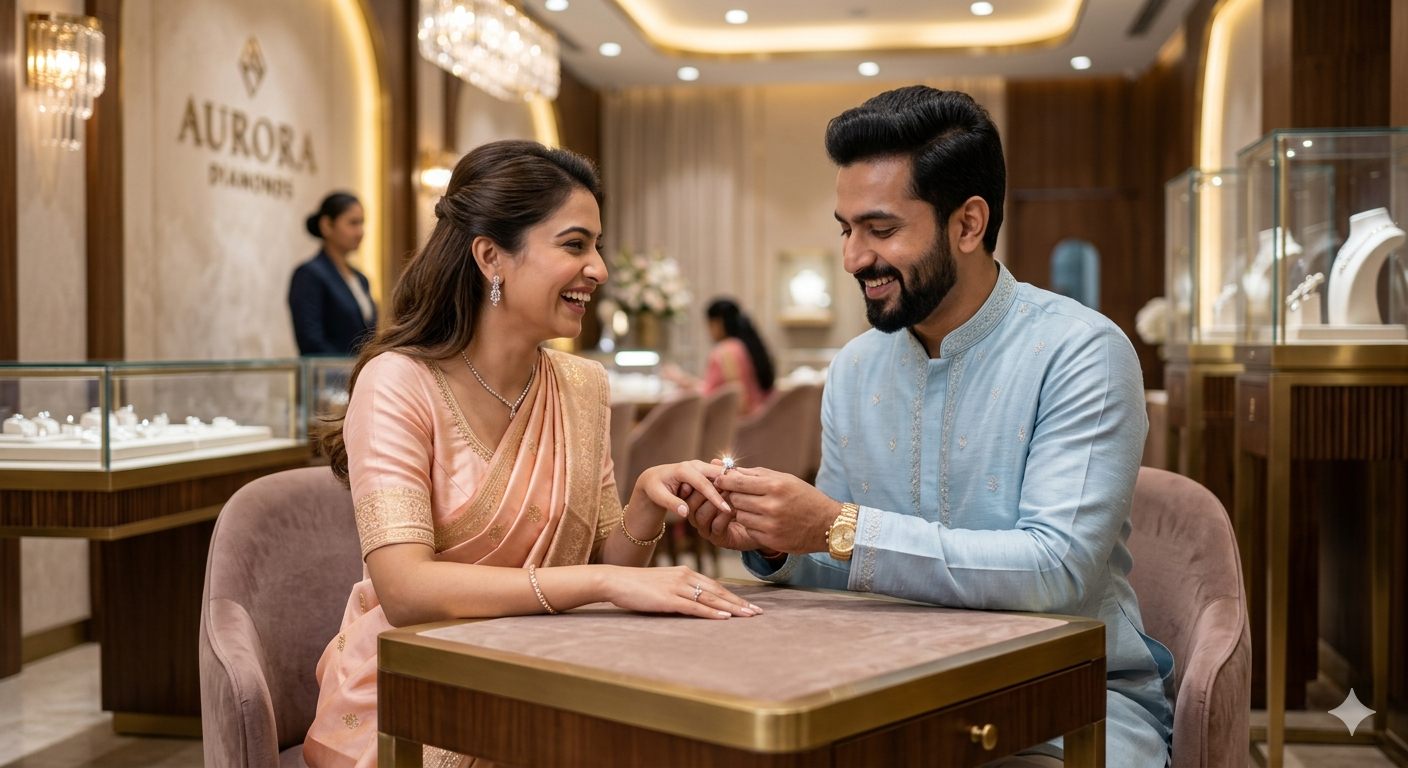
Ask about the diamond's cut and, if possible, view the actual earrings before buying.
Move your head slightly or gently move the earrings and watch how the diamonds respond to light. Look for a lively appearance rather than focusing only on size.
Also compare both earrings. They should look reasonably matched in brightness and overall appearance.
The setting holds the diamond securely and affects how the finished earring looks.
An open setting can allow light to reach more areas around the stone, but an open back does not automatically make a diamond brighter. The diamond's cut and proportions still play an important role.
The metal also changes the overall look.
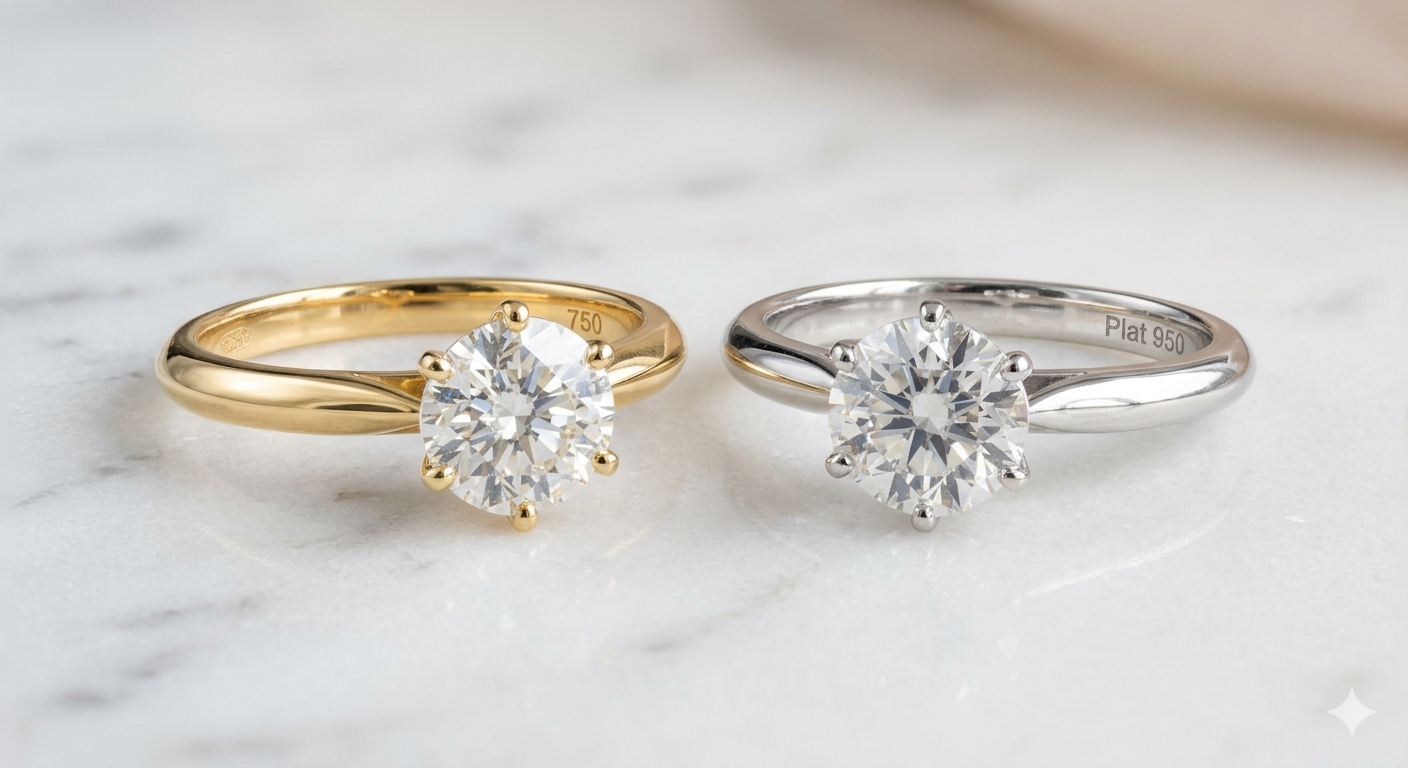
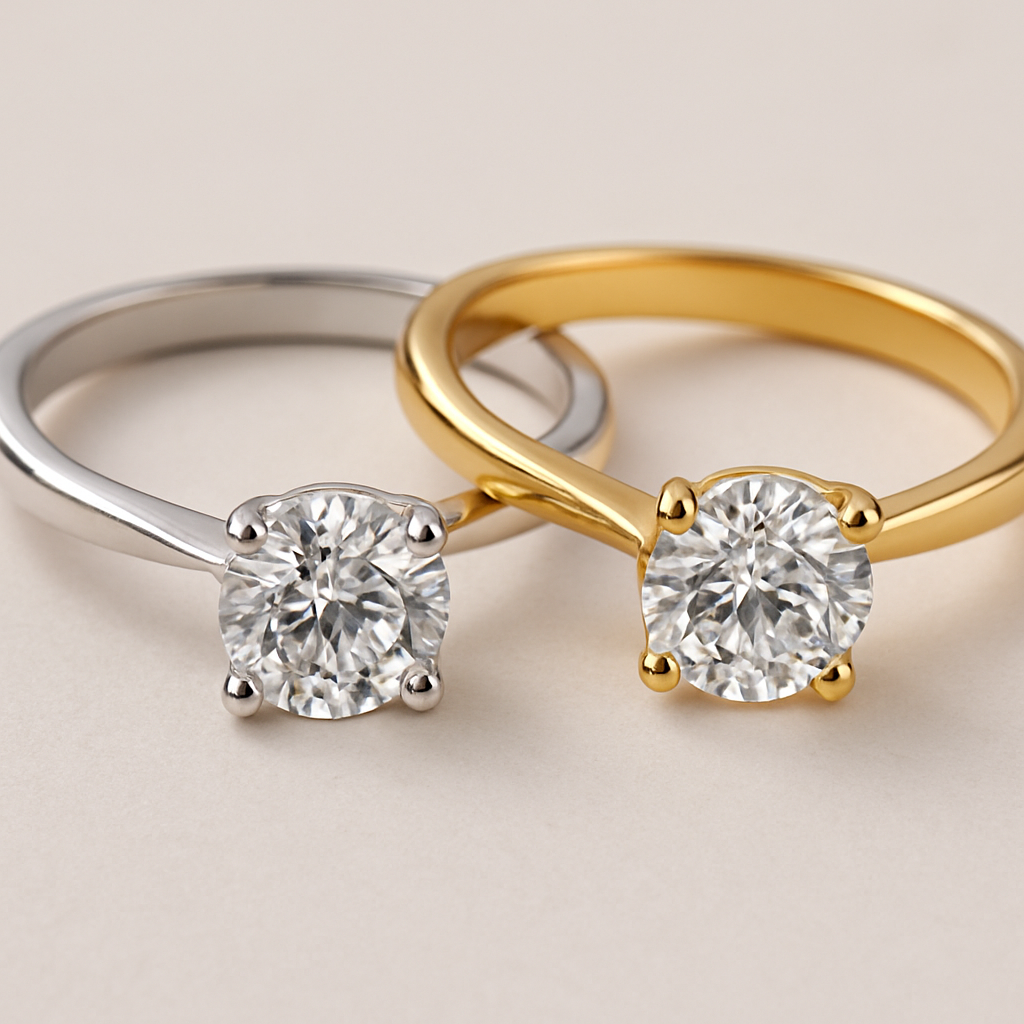
White gold and platinum can create a bright, cool frame around the diamond. Yellow gold adds warmth, while rose gold gives the design a softer pink tone.
Choose the metal based on the style you like and how it works with the rest of your jewelry.
Put the earrings on and gently turn your head.
They should hang naturally and move without constantly twisting to the side. The diamonds should face forward often enough to show their best surface to the viewer.
This is especially useful when shopping for long diamond earrings. Longer designs can create more movement, but they should still feel balanced and comfortable.
Check the weight, backing, and clasp before buying. Beautiful earrings are much more useful when you can comfortably wear them for several hours.
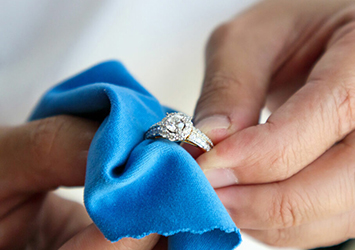
Diamonds can collect skin oil, lotion, hairspray, dust, and other residue. A thin layer on the surface can reduce the clarity of reflections and make the diamond appear less bright.
You can see the difference with a simple comparison.
Imagine two similar pairs under the same light. One pair is clean, while the other has a light layer of skin oil on the diamond. The clean pair will usually show clearer reflections.
After proper cleaning, the second pair can look brighter again without changing the diamond itself.
For regular care, follow the cleaning instructions provided by your jeweler. Some settings may need special care, so avoid harsh chemicals or aggressive cleaning methods unless they are confirmed to be safe for your earrings.
Diamond sparkle comes from several things working together.
The cut controls how the diamond handles light. The facets create surfaces that reflect and disperse light. Movement changes the angle between the stone, light, and viewer. The light source changes the type of reflections you see. The setting and cleanliness can also affect the final appearance.
So, do not judge a pair only by carat size or one photograph.
Instead, look at the earrings in more than one type of light. Try them on if possible. Turn your head, walk a few steps, and watch how the diamonds move.
If you are comparing different earring styles, our guide on How to Choose the Perfect Hoop Diamond Earrings for Every Style can help you explore another popular design.
The best pair is one that looks beautiful in the lighting where you actually plan to wear it and feels comfortable enough for everyday use.
They can show more changing flashes because they usually move more than studs. Movement changes the angle between the diamond and nearby light sources, which can create changing patterns of light.
However, movement alone does not guarantee more sparkle. The diamond's cut and facet arrangement are also important.
Several factors affect visible sparkle, including cut quality, proportions, facet arrangement, lighting, and movement. A well-cut diamond can return light effectively and show strong brilliance, fire, and scintillation.
Carat weight alone does not determine sparkle.
For light performance, cut is very important. Carat measures weight, while cut describes how the diamond is fashioned and how its facets interact with light.
A larger diamond is not automatically brighter than a smaller, well-cut diamond.
Different light sources create different reflections. Small or direct light sources can produce distinct flashes, while large and diffused sources may create softer reflections.
This is why it is useful to view diamond earrings under several types of lighting before buying.
Lab-grown diamonds have essentially the same chemical composition, crystal structure, and optical properties as natural diamonds. Their appearance and sparkle are therefore also strongly influenced by their cut and quality.
A standard round brilliant diamond has 58 facets, including the culet. The arrangement of these facets helps the diamond interact with light and contributes to its characteristic sparkle.
Yes. Oil, lotion, dust, and other residue can cover the diamond's surface and reduce the clarity of its reflections. Proper cleaning can help restore the diamond's visible brightness.
Carat size is only one factor. Also consider cut, overall appearance, matching between the two earrings, setting quality, comfort, and how the diamonds look under different lighting.
For earrings, it is especially useful to see how the diamonds look when they are actually being worn and moving.



 Round
Round Pear
Pear Heart
Heart PRINCESS
 Oval
Oval CUSHION
 EMERALD
 MARQUISE
 Asscher
 RADIANT
 Ashth CUT
 ROSE CUT
 BRIOLETTE
 SINGLE CUT
 TRAPEZIUM
 TULIP
TULIP TRIANGLE
 BUTTERFLY
 FLOWER
 MOVAL
MOVAL CLOVER
 BAGUETTE
 9KT ASHTH CUT
 9KT MARQUISE
 9KT PEAR
 9KT RADIANT
 9KT EMERALD