We provide the best Quality of products to you.We are always here to help our lovely customers.
©2026 Ashth. All Rights Reserved | Managed & Developed by Weingenious Technocrats.

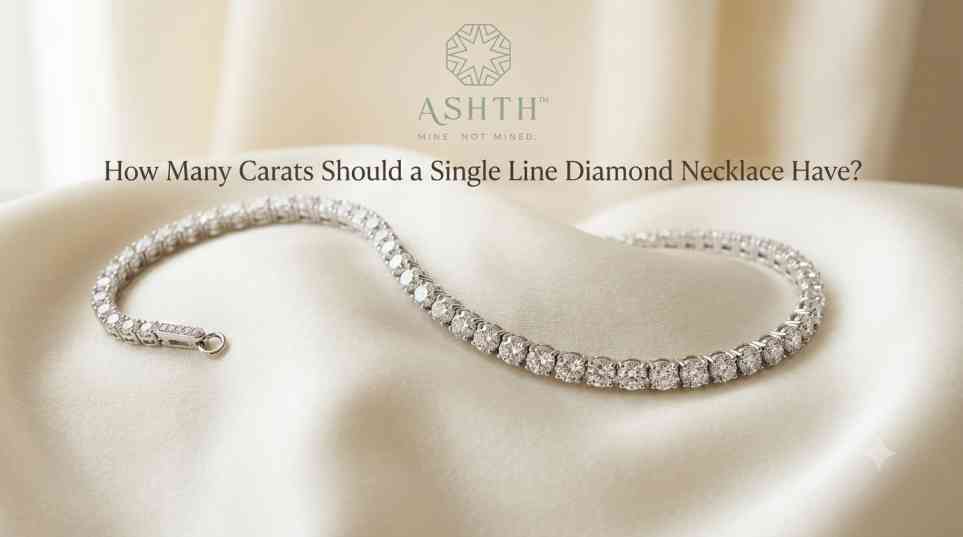
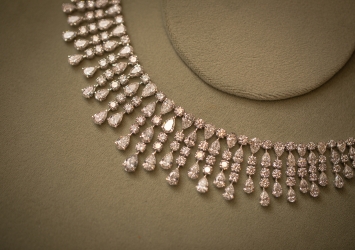
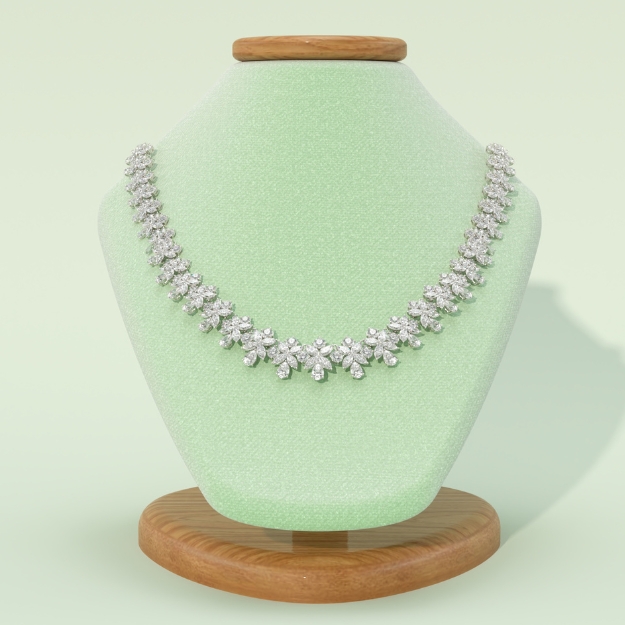
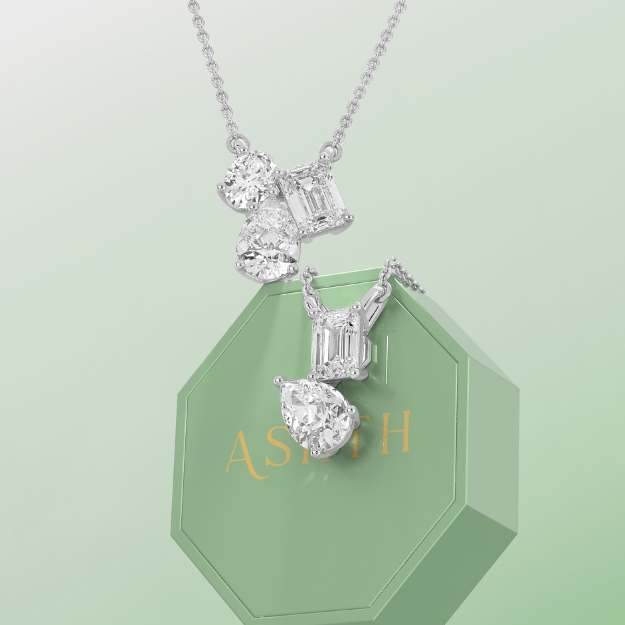
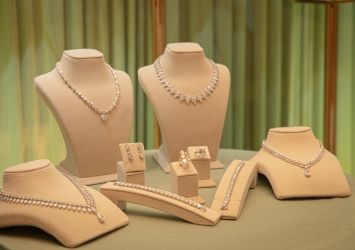
A Single Line Diamond Necklace is a beautiful piece of jewellery that can make any outfit look special. Some necklaces have small diamonds that create a simple and elegant look. Others have larger diamonds that offer more shine and a bold appearance. But how many carats should you choose?
The answer depends on your personal style, budget, necklace length, and how often you plan to wear it. A necklace with more carats is not always the best choice. The size of each diamond and the overall design also matter.
In this guide, we will explain how to choose the right carat weight for your necklace.
Before buying a diamond necklace, it is important to understand what carat weight means. This will help you compare different designs and make a better choice.
Total carat weight (ctw) means the combined weight of all the diamonds in a necklace. It does not mean that every diamond has the same weight as the total.
For example, a 2-carat necklace may contain many small diamonds instead of one large diamond. Each stone adds to the total weight.
According to the Gemological Institute of America (GIA), carat measures a diamond's weight, not its visible size. Two diamonds with the same weight may look different because of their shape and cut.
That is why you should check the size and number of diamonds before choosing a necklace.
Knowing a few basic facts about carats can make shopping easier.
One carat equals 200 milligrams.
A well-cut, round 1-carat diamond is usually around 6.4 to 6.5 mm wide.
Total carat weight includes all diamonds in the necklace.
The number of stones affects how the necklace looks.
For example, a necklace with 40 small diamonds may look different from one with 20 larger diamonds, even if both have the same total weight.
Always ask the jeweller about the total carat weight, number of stones, and average diamond size.
The best carat weight depends on the appearance you want. Some people prefer simple jewellery, while others enjoy bold and sparkling designs.
Here are some common carat weight ranges to consider.
Around 1 Carat: Simple and Elegant
A 1-carat necklace can be a good choice for someone who likes a delicate look. It may work well with everyday outfits, office clothes, and casual occasions.
Around 2–3 Carats: Noticeable Sparkle
A 2 to 3-carat necklace can offer a brighter appearance. It may be suitable for dinners, celebrations, and family functions.
This range can also complement bridal diamond jewellery, especially when you want a necklace that adds sparkle without looking too heavy.
4 Carats or More: Bold and Beautiful
A necklace with 4 carats or more can create a statement look. It may be a good option for weddings, parties, and special events.
These ranges are only starting points. The final appearance depends on the size, quality, and arrangement of the diamonds.
Think about how often you will wear your necklace.
For daily use, a lighter design may feel more comfortable. You should also choose a secure clasp and strong setting.
For special occasions, you may prefer larger stones or a more noticeable design.
Your budget is equally important. Higher carat weight can increase the price, but diamond quality, metal type, and craftsmanship also affect the cost.
Carat weight is not the only factor that changes a necklace's appearance. Necklace length and diamond size also play an important role.
A 16-inch necklace usually sits closer to the base of the neck. An 18-inch necklace generally sits a little lower.
A shorter necklace may look fuller than a longer necklace with the same total carat weight. This is because the diamonds may cover a smaller area.
Before buying, check how the necklace looks when worn.
You can also measure a necklace against your neck to understand where it will sit.
This is especially helpful when choosing jewellery for weddings or other important occasions.
The number of diamonds can change the overall design.
More small diamonds can create a thin, continuous line of sparkle. Fewer large diamonds may make each stone more noticeable.
The setting also matters.
Prong setting: Small metal prongs hold each diamond in place.
Bezel setting: Metal surrounds the diamond for a secure appearance.
Shared setting: Nearby diamonds share some of the metal prongs.
These settings can change how much metal is visible and how the necklace feels.
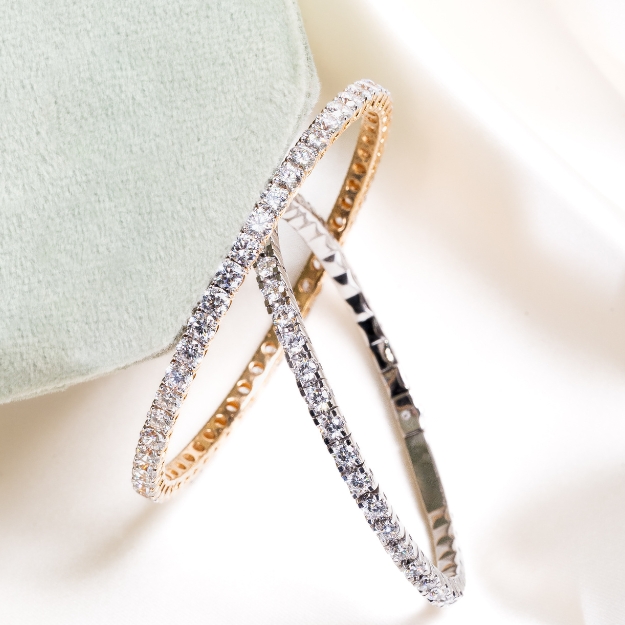
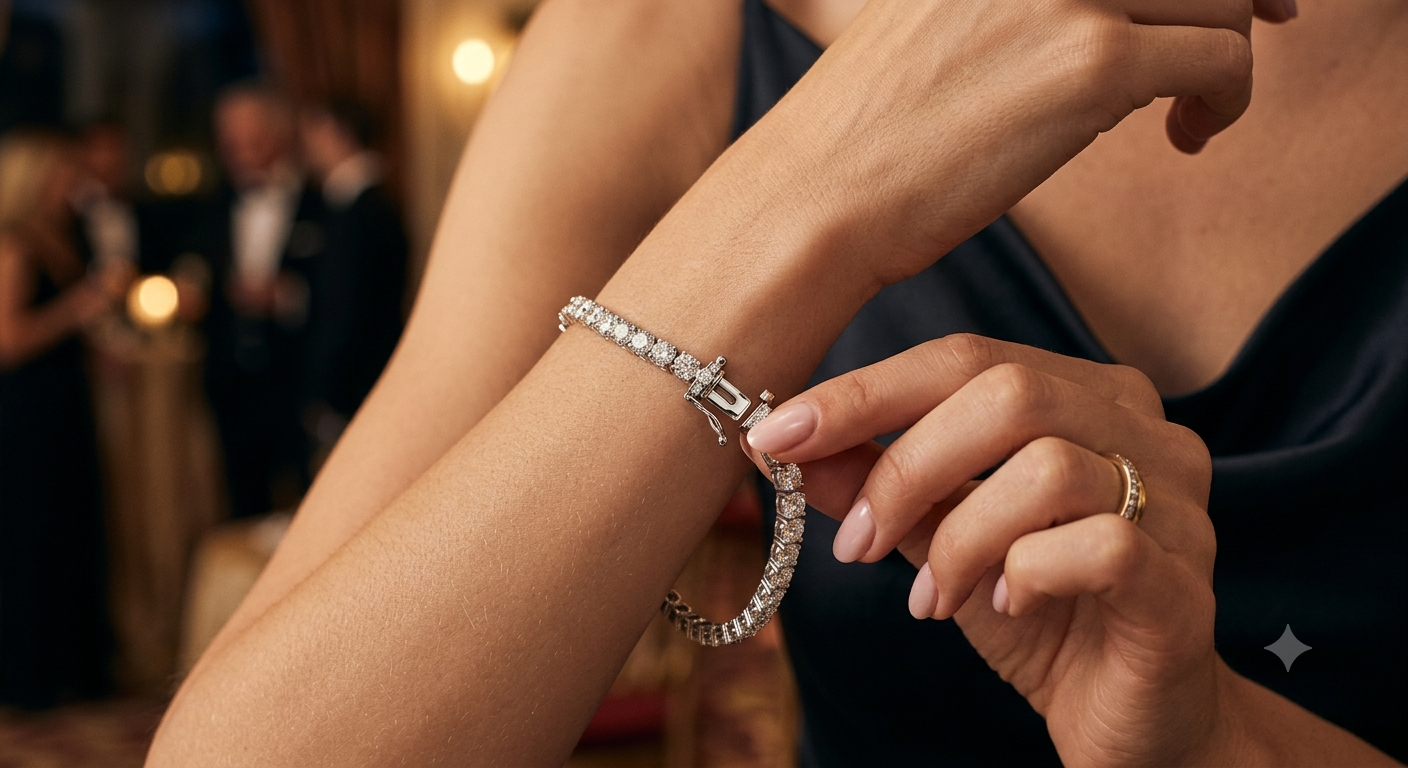
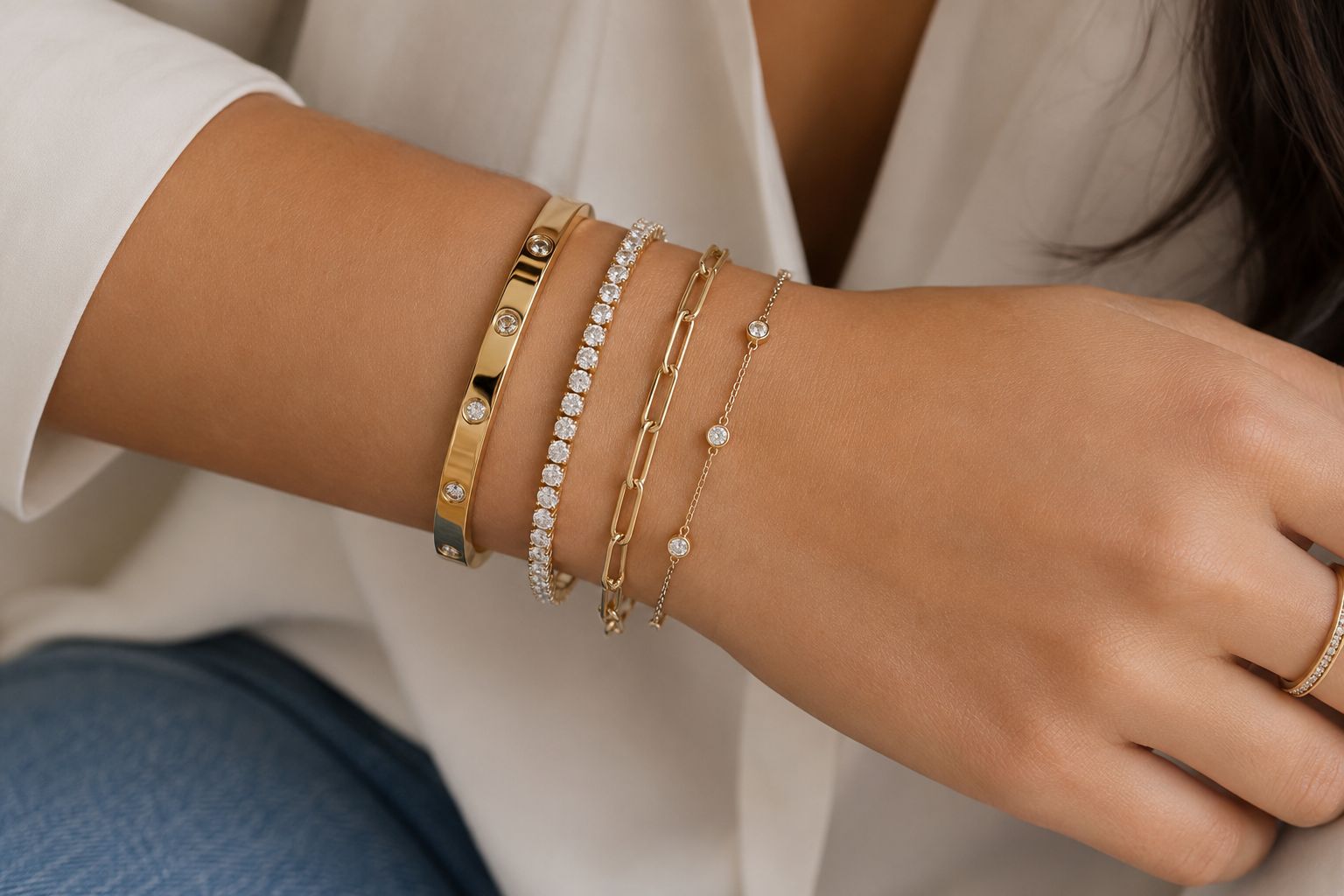
If you enjoy matching jewellery, a tennis diamond bracelet can pair nicely with a single line necklace for a balanced look.
Understanding real examples can make it easier to choose between different carat weights.
Consider these simple examples.
Example 1: Around 1 Carat
A necklace containing 30 diamonds, each weighing approximately 0.033 carats, will have a total weight of about 1 carat.
This design may create a fine line of sparkle.
Example 2: Around 2 Carats
A necklace containing 60 diamonds, each weighing approximately 0.033 carats, will have a total weight of about 2 carats.
This design uses more diamonds and may provide greater coverage.
These are illustrative examples, not standard necklace designs. The final look will depend on necklace length, diamond shape, spacing, and setting.
Case Study 1: The Everyday Buyer
Imagine a shopper comparing two necklaces with a total weight of 1 carat.
One necklace has more small diamonds, while the other has fewer larger stones.
The shopper checks the necklace length, stone count, and comfort before selecting the finer design for everyday use.
Case Study 2: The Statement Buyer
Another shopper is choosing between 2-carat and 3-carat necklaces for special occasions.
Instead of selecting the higher carat weight immediately, the shopper compares model photos, diamond quality, and return policies.
This helps them decide whether the extra carat weight is worth the additional cost.
When shopping online, always look for full-length photos instead of relying only on close-up images.
A beautiful diamond necklace should offer more than sparkle. The quality of the diamonds and the strength of the setting are also important.
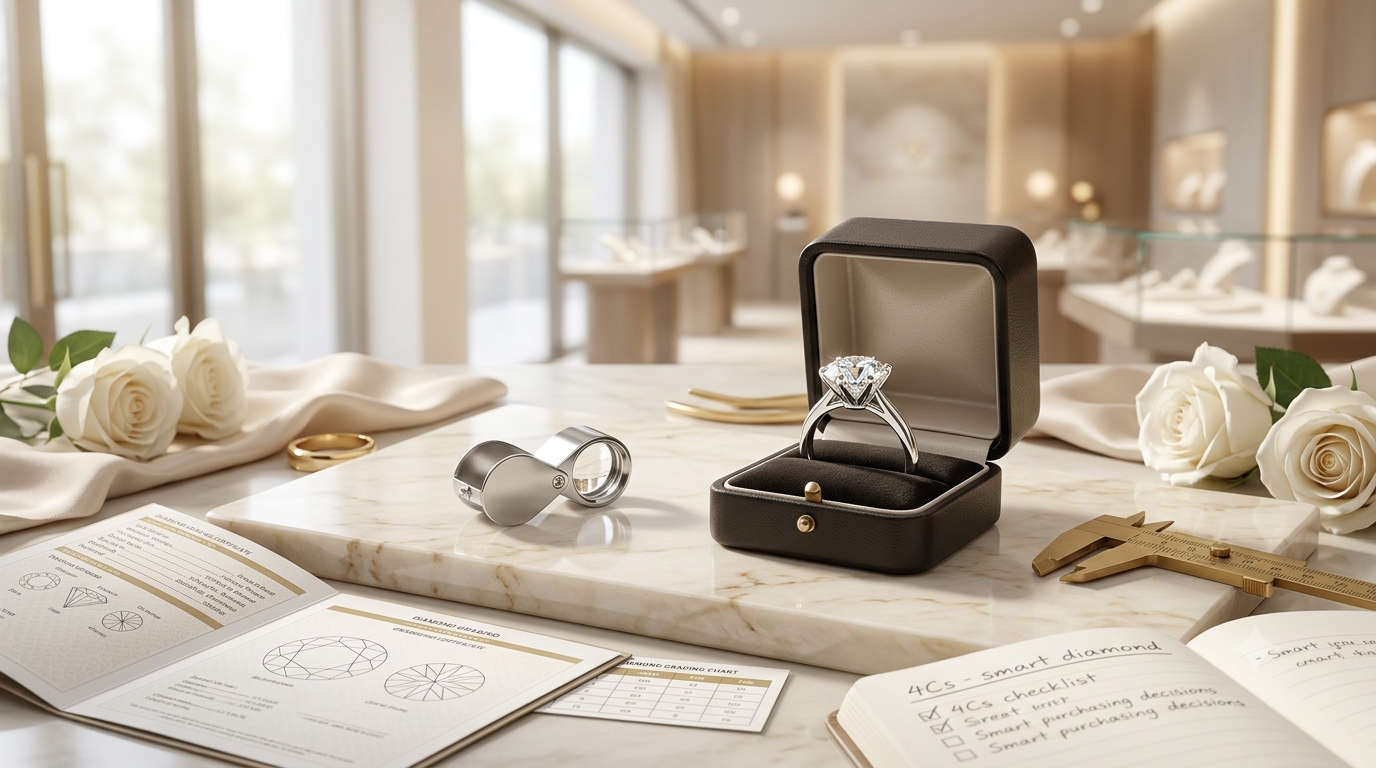
Before buying, check the four important diamond quality factors: cut, colour, clarity, and carat weight.
A good cut helps diamonds reflect light beautifully. Colour and clarity also affect their appearance.
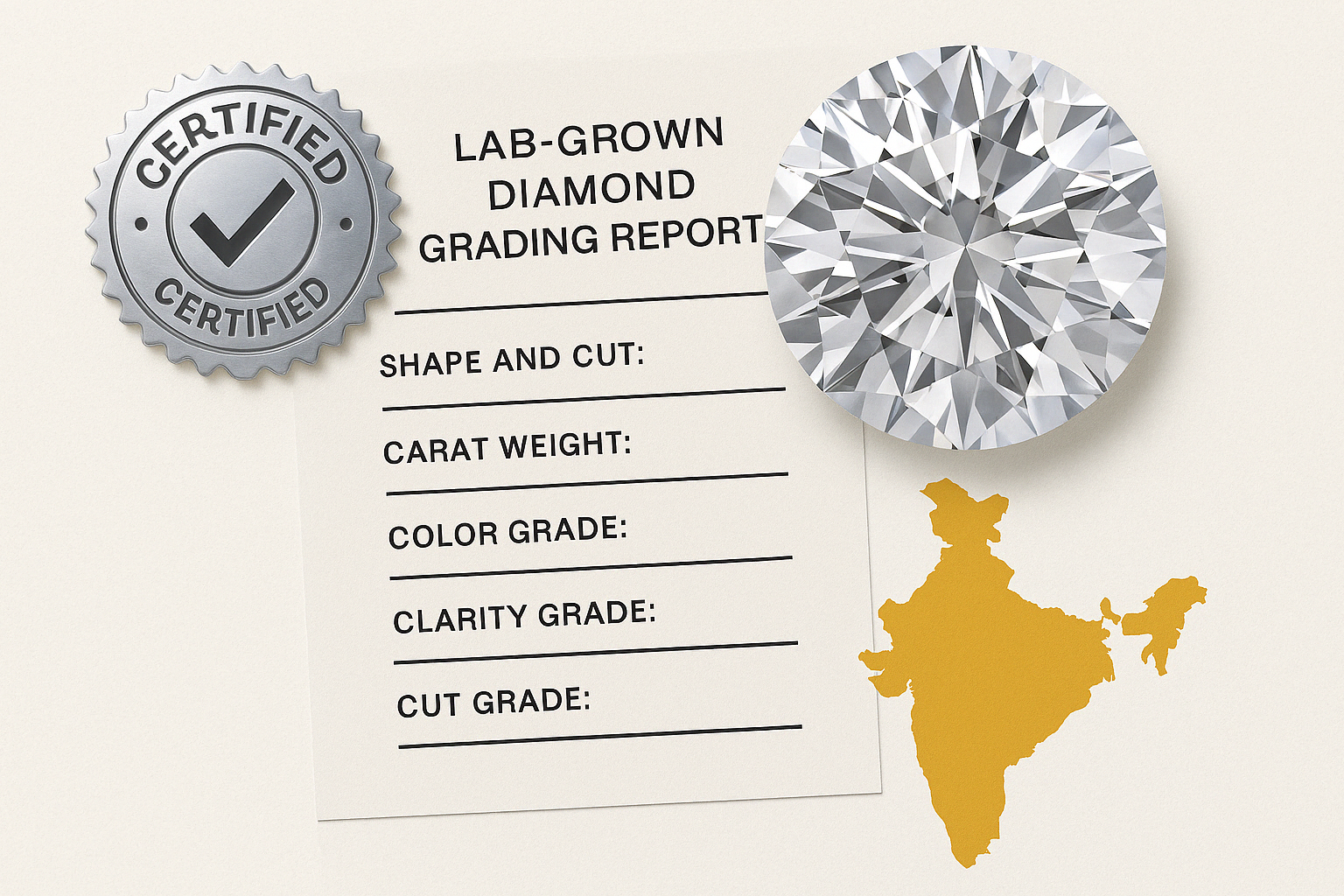
Ask the jeweller whether the diamonds have grading reports or shared quality information.
You should also inspect the clasp, links, and settings. A well-made necklace should have secure stones and an even design.
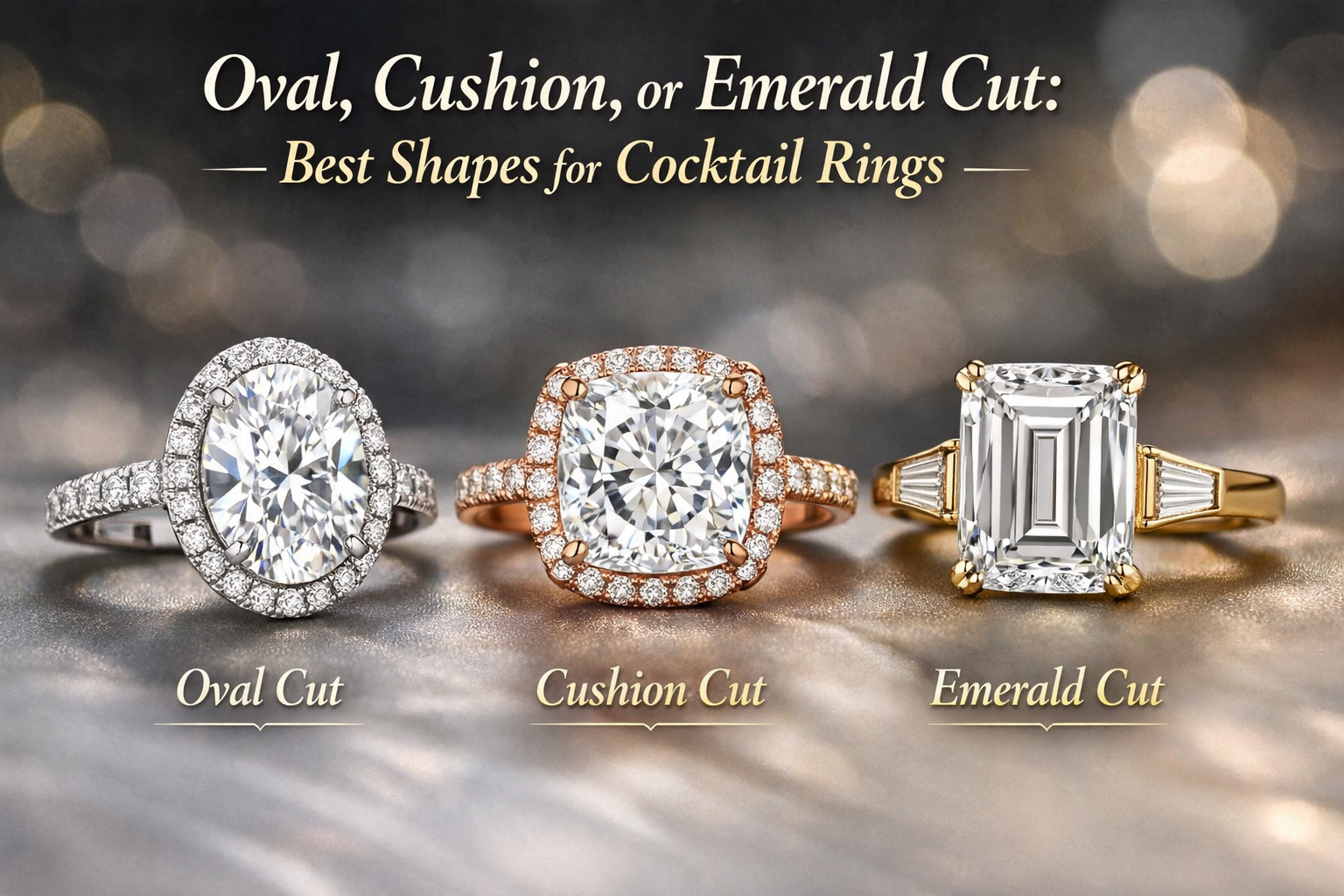
The same quality checks are useful when shopping for cocktail diamond rings, earrings, or other diamond jewellery.
Always read the product details carefully.
Check the following information:
Total carat weight and number of diamonds
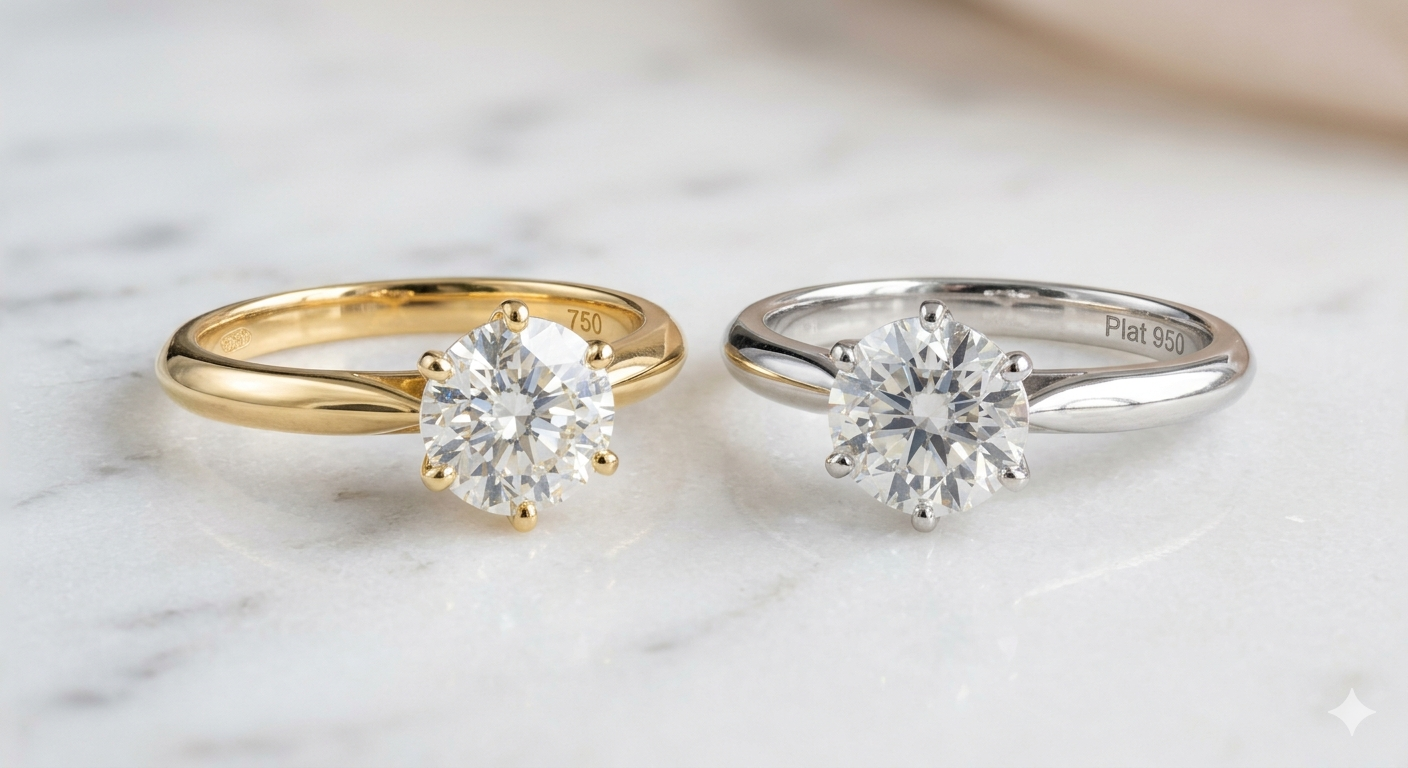
Necklace length and metal type
Diamond quality and setting style
Warranty, care, and repair services
Return and exchange policies
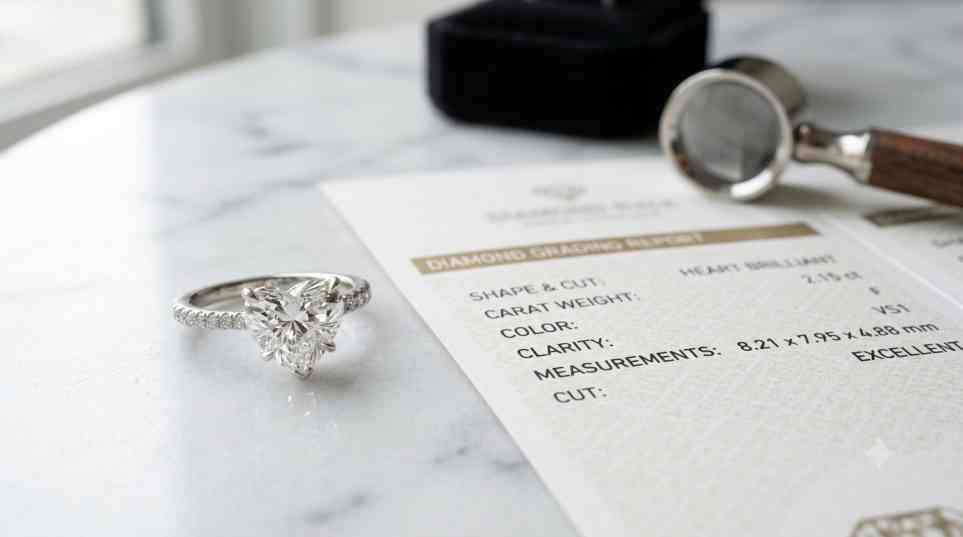
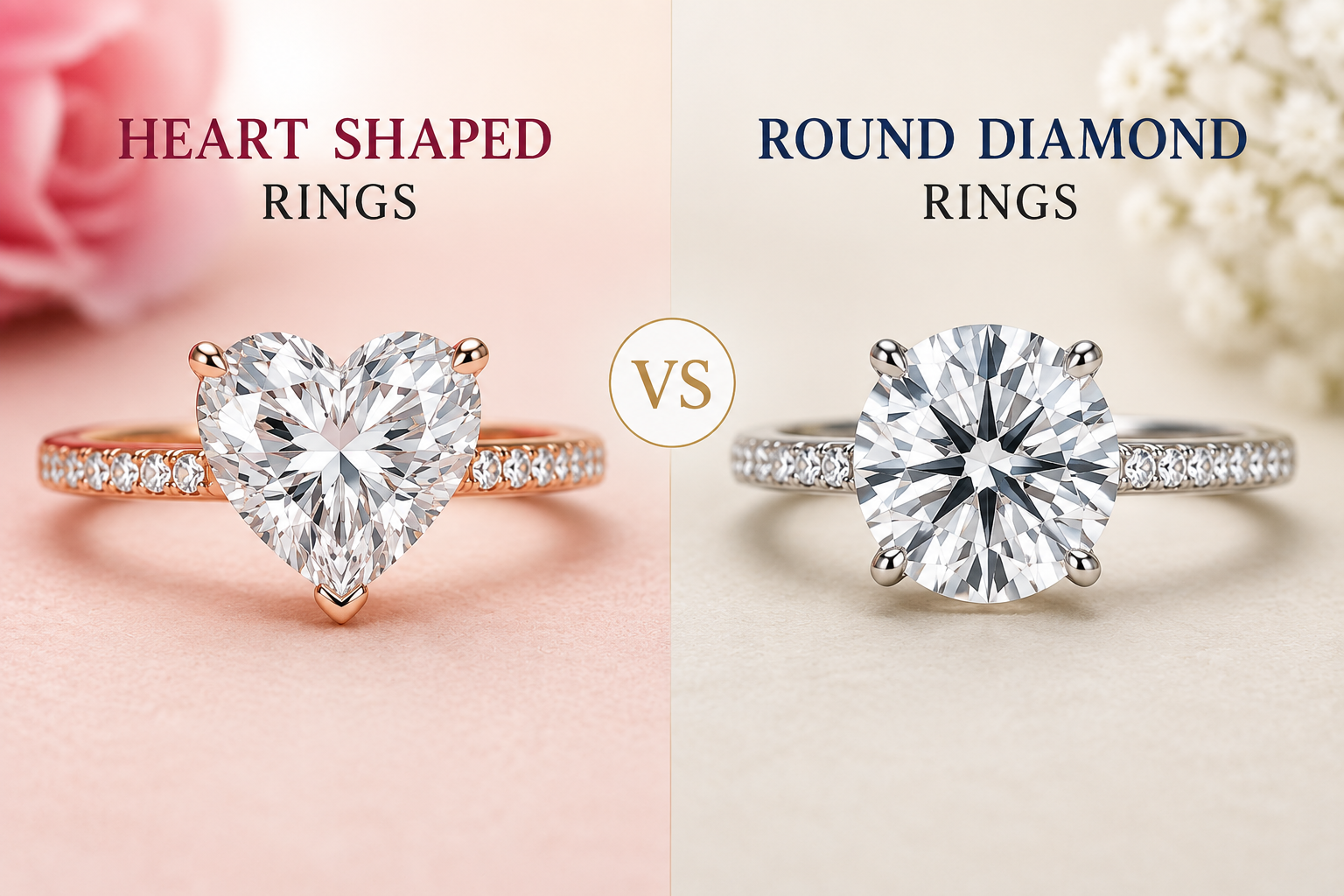
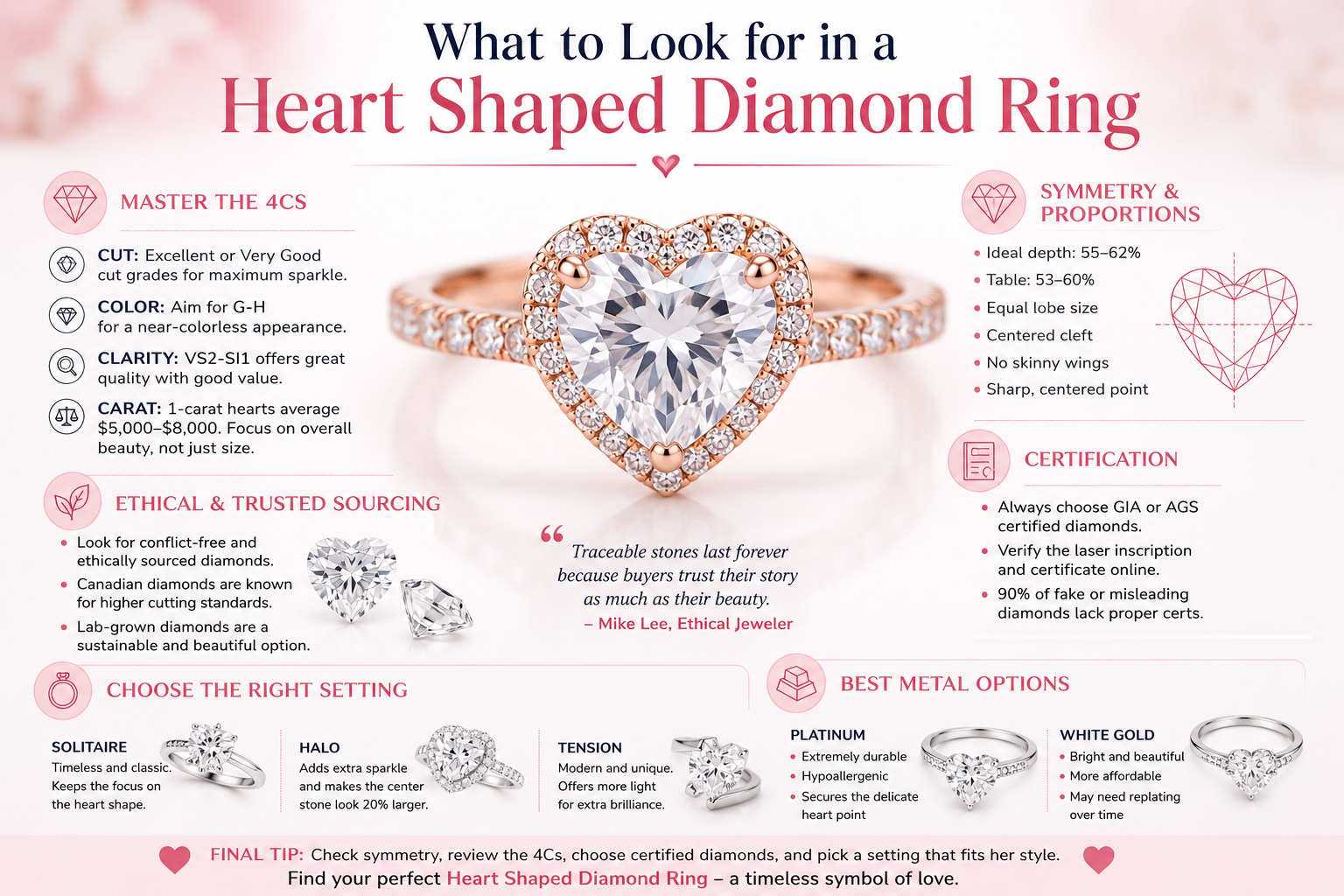
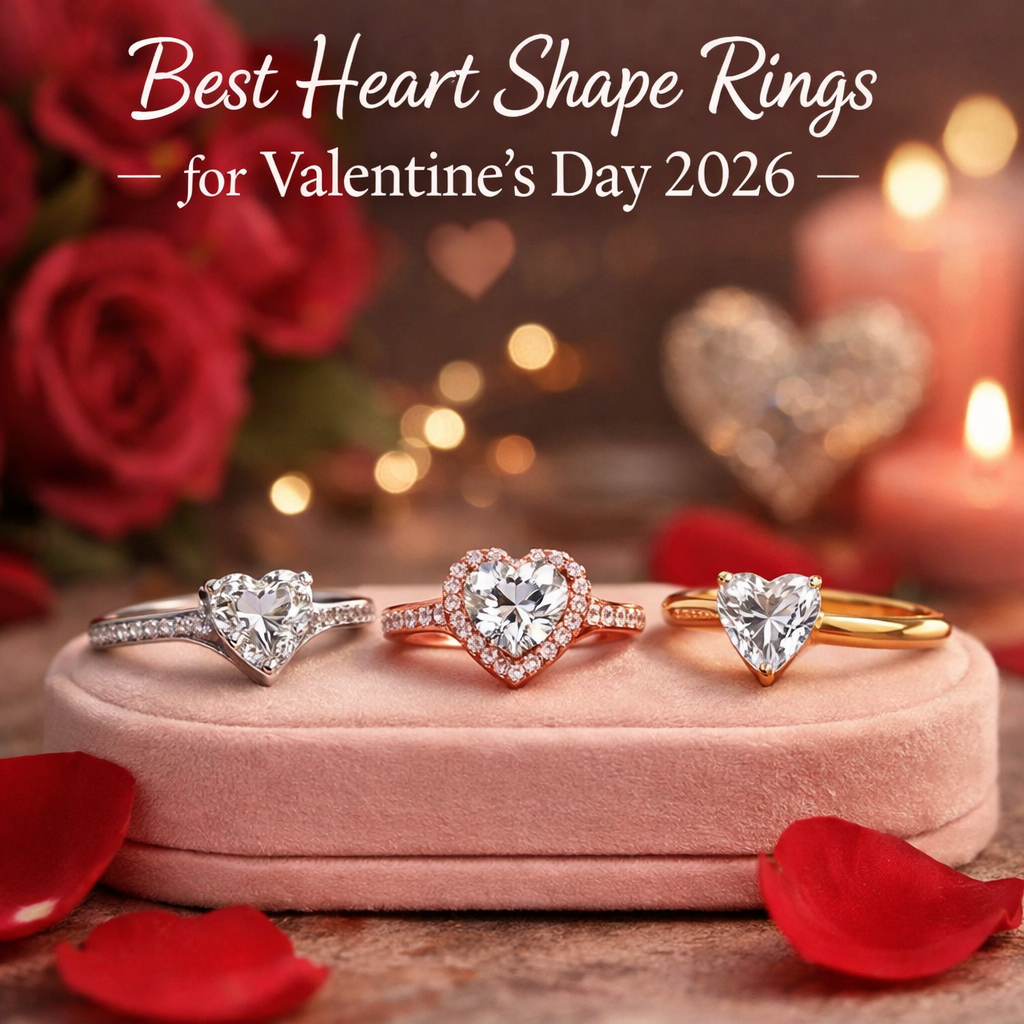
If you are also exploring a heart shape ring, compare its diamond quality and setting with the necklace.
You can also read Heart Shaped Rings vs. Round Diamond Rings: Which Is Right for You? to understand how diamond shapes affect the look of different jewellery pieces.
For people who enjoy romantic jewellery, heart shaped ring designs can also be a beautiful addition to a diamond collection.
Choosing the right carat weight is about finding a necklace that matches your style, comfort, and budget.
A necklace around 1 carat may be suitable for a delicate everyday look. A 2 to 3-carat design can offer more visible sparkle, while 4 carats or more may be better for bold styling.
However, carat weight should never be your only consideration.
Compare the number of diamonds, stone size, necklace length, and overall quality before making your decision.
The best Single Line Diamond Necklace is one that looks beautiful, feels comfortable, and suits the occasions when you want to wear it.
Frequently Asked Questions (FAQs)
A single line diamond necklace can have around 1 to 4 carats or more. A 1-carat necklace is suitable for a simple look, while 2 to 3 carats offer more sparkle. Choose the weight based on your style, budget, and wearing needs.
Yes, a 1-carat diamond necklace can be a great choice for everyday wear. It offers a simple and elegant look without appearing too bold. Choose a comfortable design with a secure clasp.
Total carat weight (ctw) means the combined weight of all diamonds in the necklace. For example, a 2-carat necklace may contain 40 or 50 small diamonds rather than one large diamond.
No, a higher carat weight does not always mean a better necklace. Diamond cut, colour, clarity, stone size, and setting also affect its beauty and quality.
A 16-inch necklace usually sits close to the base of the neck, while an 18-inch necklace sits slightly lower. The best length depends on your neck size, personal style, and preferred look.


Shop By Category
Shop By Category
Shop By Category
Shop By Category
Shop By Category
Collections


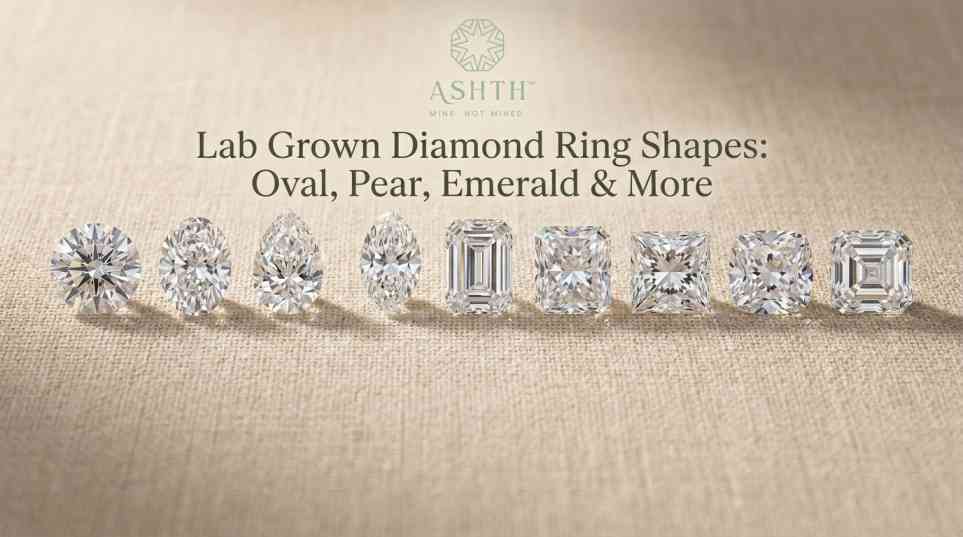





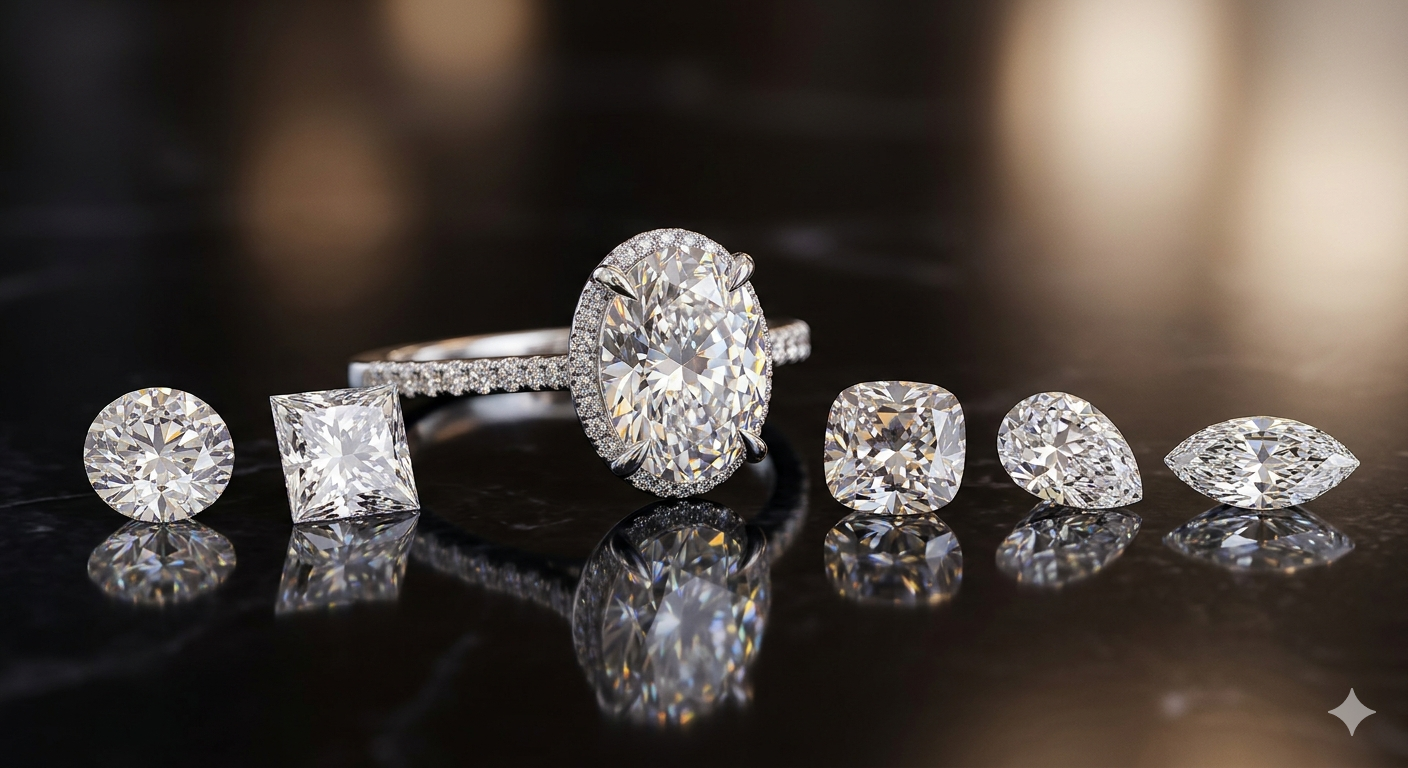











 Round
 Pear
 Heart
 PRINCESS
 Oval
 CUSHION
 EMERALD
 MARQUISE
 Asscher
 RADIANT
 Ashth CUT
 ROSE CUT
 BRIOLETTE
 SINGLE CUT
 TRAPEZIUM
 TULIP
 TRIANGLE
 BUTTERFLY
 FLOWER
 MOVAL
 CLOVER
 BAGUETTE
 9KT ASHTH CUT
 9KT MARQUISE
 9KT PEAR
 9KT RADIANT
 9KT EMERALD