Ashth - Where Exceptional Craftsmanship Defines Modern Luxury !

- Rings
- Earrings
Shop By Category
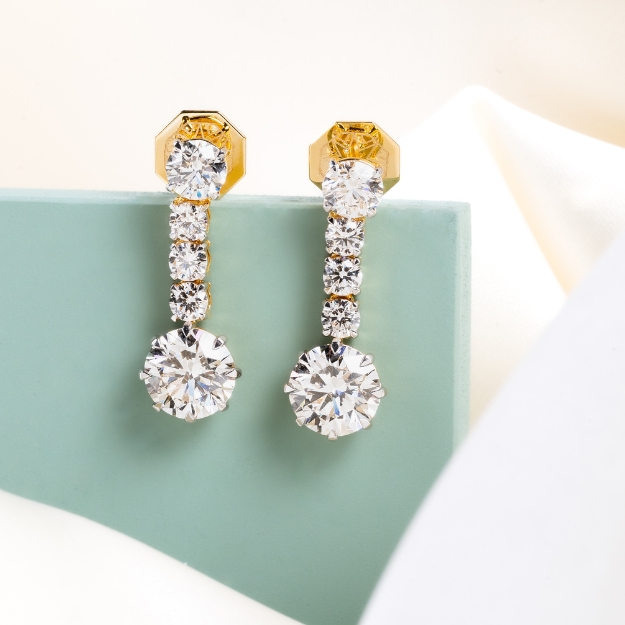
- Bangles/ Bracelets
Shop By Category
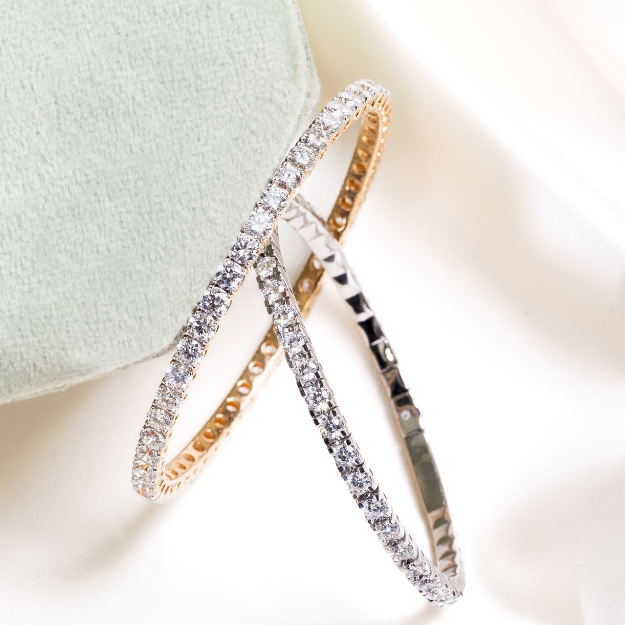
- Necklaces
Shop By Category
- Pendants
Shop By Category
- ASHTH LITE
Shop By Category
.jpg)
- Collections
Collections
Shop By Category
Shop By Category
Shop By Category
Shop By Category
Shop By Category
Collections
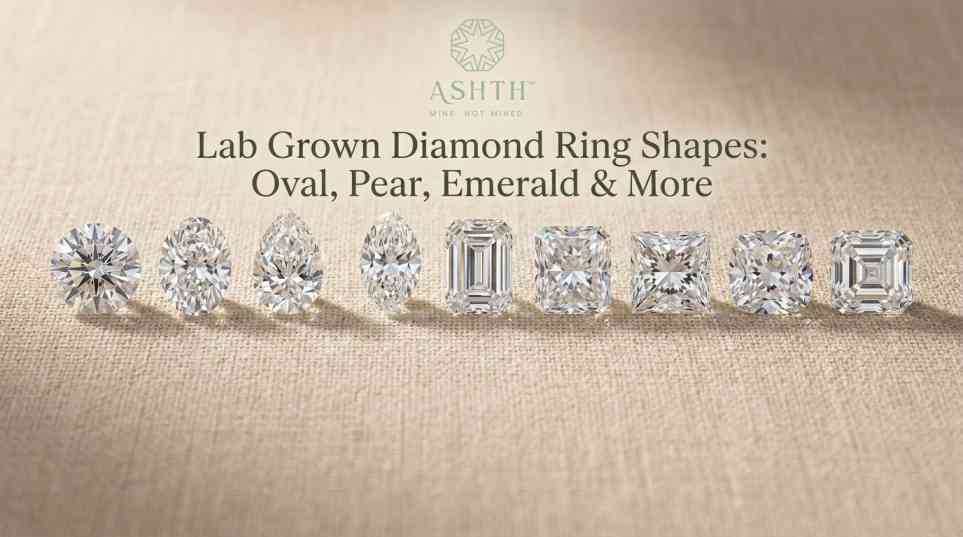
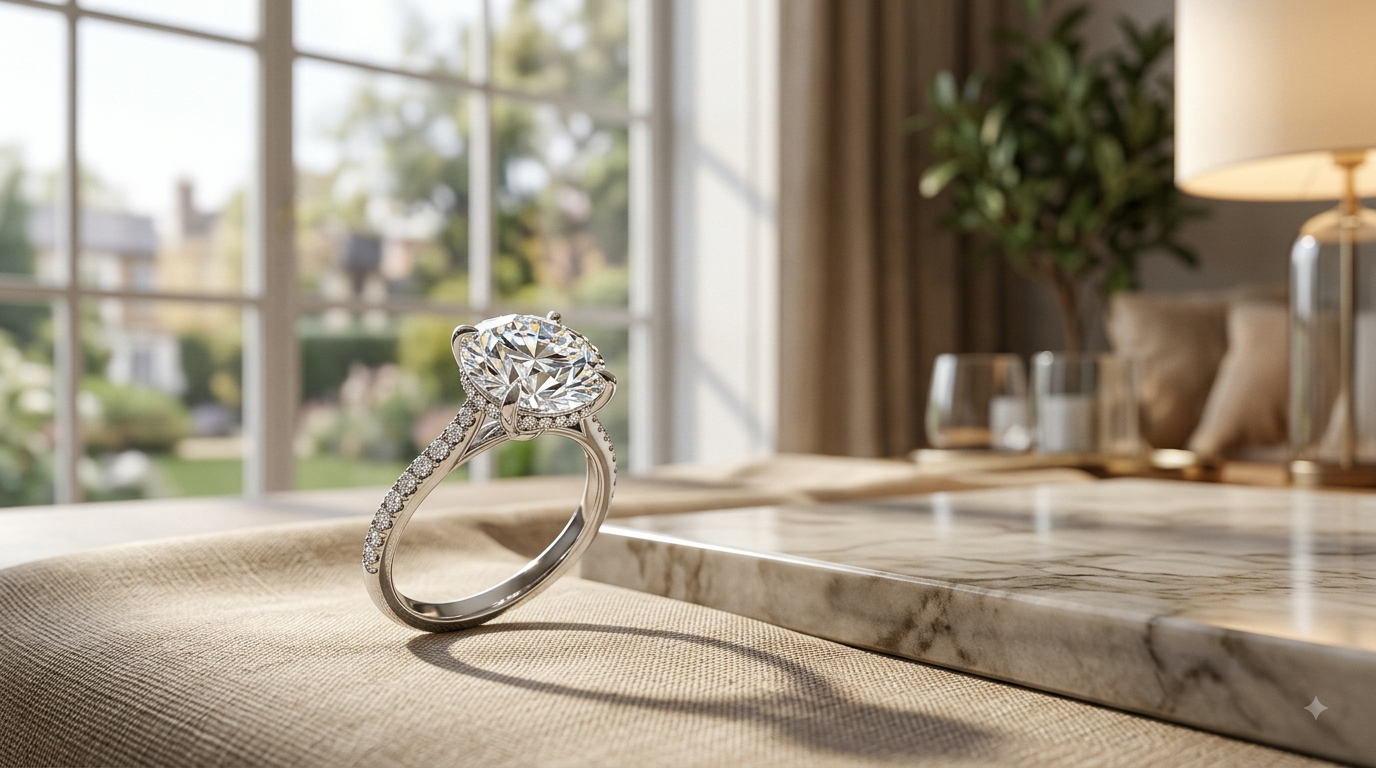
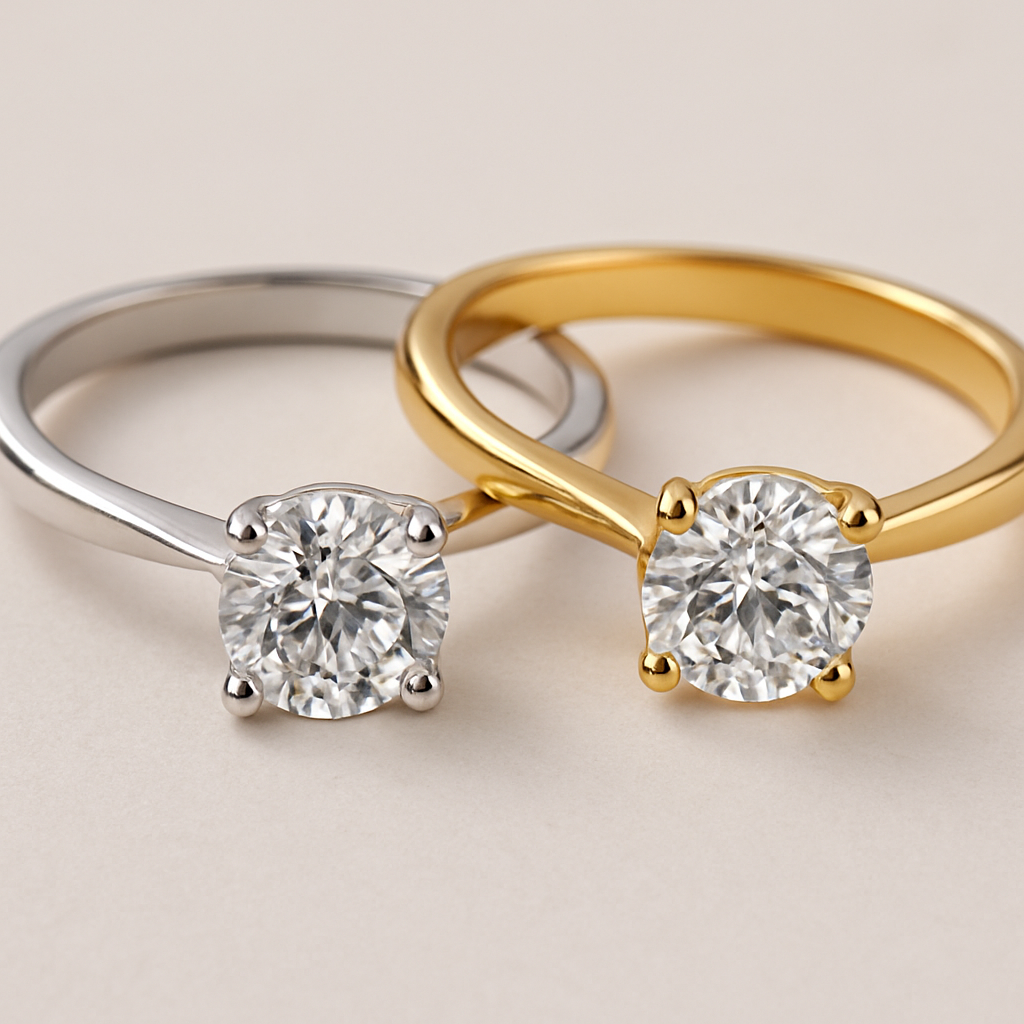
Choosing lab grown diamond rings gives you many options, but the diamond shape is one of the most important decisions. Shape affects how large the stone looks, how it reflects light, how it sits on the finger, and which setting can protect it best.
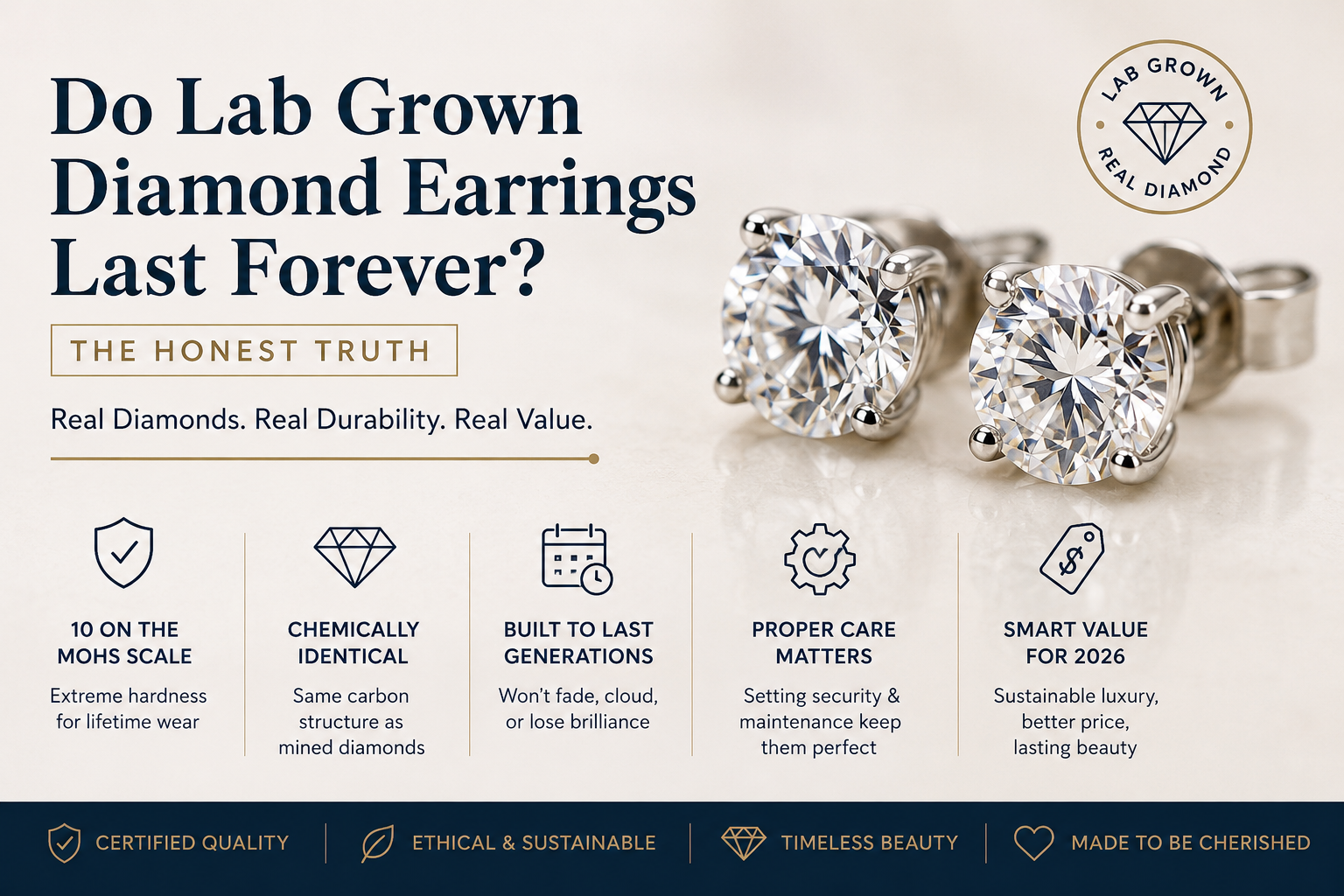
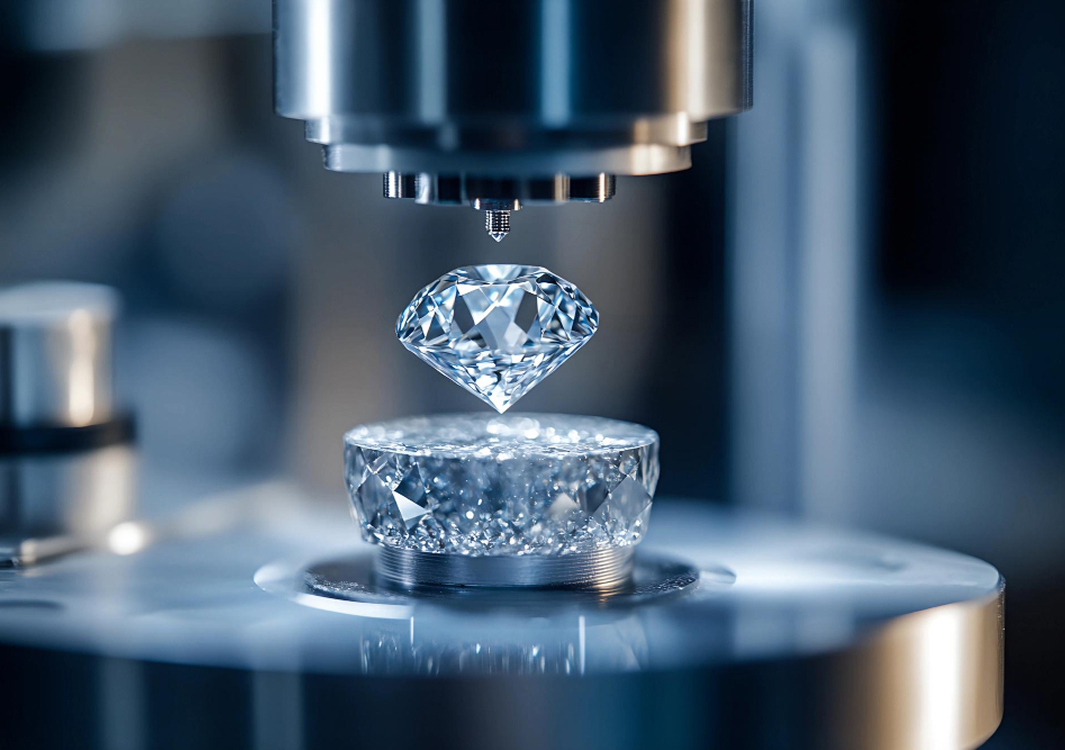
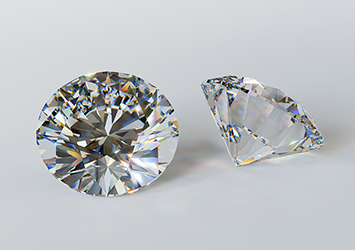
Lab grown diamonds are real diamonds with essentially the same chemical composition, crystal structure, and physical and optical properties as natural diamonds. The main difference is their origin: natural diamonds form through geological processes, while lab grown diamonds are produced in a laboratory.
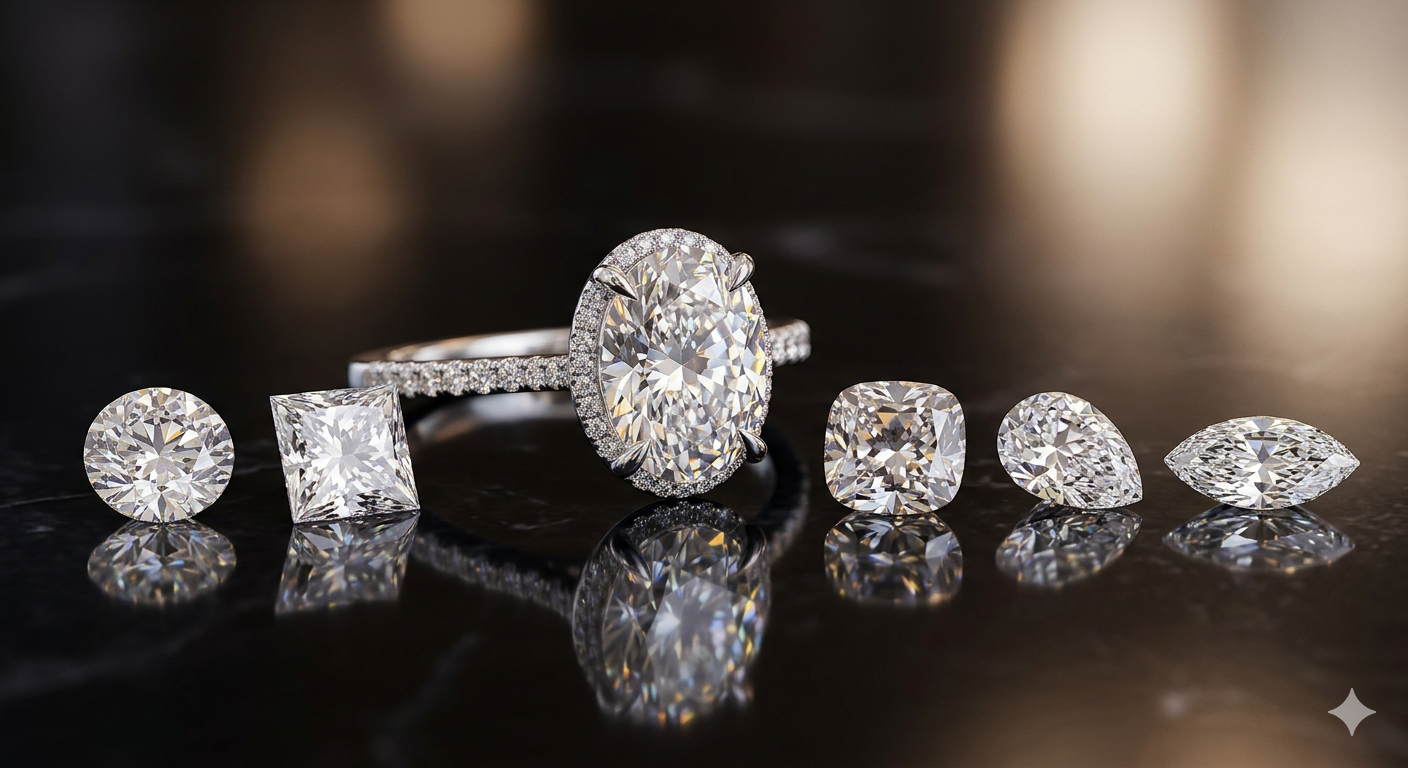
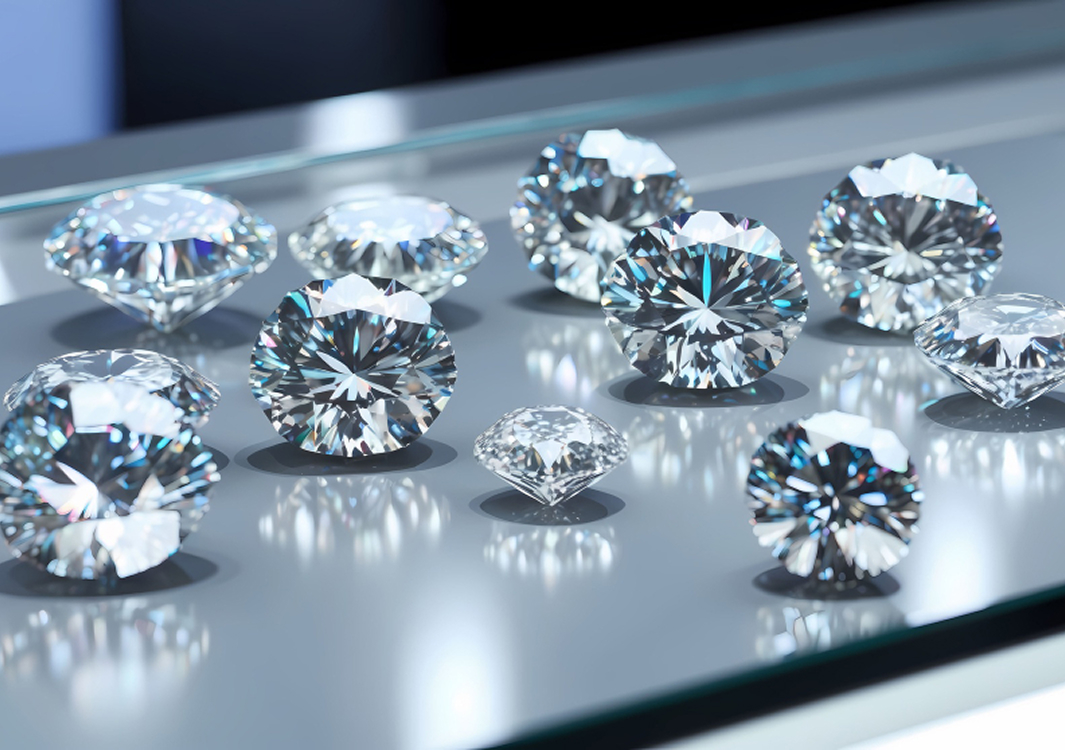
So, which shape should you choose? Round, oval, pear, emerald, radiant, marquise, princess, cushion, and Asscher diamonds all create a different look. This guide compares their sparkle, visible size, durability, clarity needs, and setting options so you can make a confident choice.
Shape is the outline of a diamond when you look at it from above. Round, oval, pear, emerald, and marquise are examples of diamond shapes.
Cut is different. It describes the diamond's proportions, facet arrangement, polish, symmetry, and how it interacts with light. A well-cut diamond can return more light to your eyes and appear brighter.
This difference is especially important for fancy shapes. GIA currently gives an overall cut grade to round brilliant diamonds. Fancy shapes such as oval, pear, marquise, emerald, cushion, radiant, and princess do not currently receive the same overall GIA cut grade. However, factors such as polish and symmetry are still evaluated.
For a fancy shape, do not rely only on the grades on the report. Look at the actual diamond and check its brightness, symmetry, proportions, and overall appearance.
Carat tells you how much a diamond weighs. It does not tell you exactly how large the diamond will look from above.
Two one-carat diamonds can have different length and width measurements. Elongated shapes such as oval, pear, and marquise can often provide strong face-up coverage for their weight because their mass is spread across a longer outline.
This is why you should compare millimeter measurements as well as carat weight.
For example, a longer oval may look slimmer and more elongated, while a wider oval may look fuller. Neither is better. It depends on the look you prefer.
Price can also vary by shape. Round diamonds often cost more per carat than many fancy shapes because cutting a round can result in more rough-diamond waste, while demand for round diamonds also remains strong.
Set your total ring budget first. Then compare different shapes within that budget instead of choosing a shape based only on carat weight.
The length-to-width ratio tells you how long or wide a diamond looks.
For example, two oval diamonds can have the same carat weight but different proportions. One may look short and wide, while another may look long and slim.
A higher ratio generally creates a longer appearance. A lower ratio creates a wider appearance.
There is no perfect ratio for every buyer. Your choice should depend on the style you like and how the diamond looks on your hand.
When shopping for an elongated shape, compare:
Length in millimeters
Width in millimeters
Length-to-width ratio
Overall face-up appearance
Symmetry
This is often more useful than comparing carat weight alone.
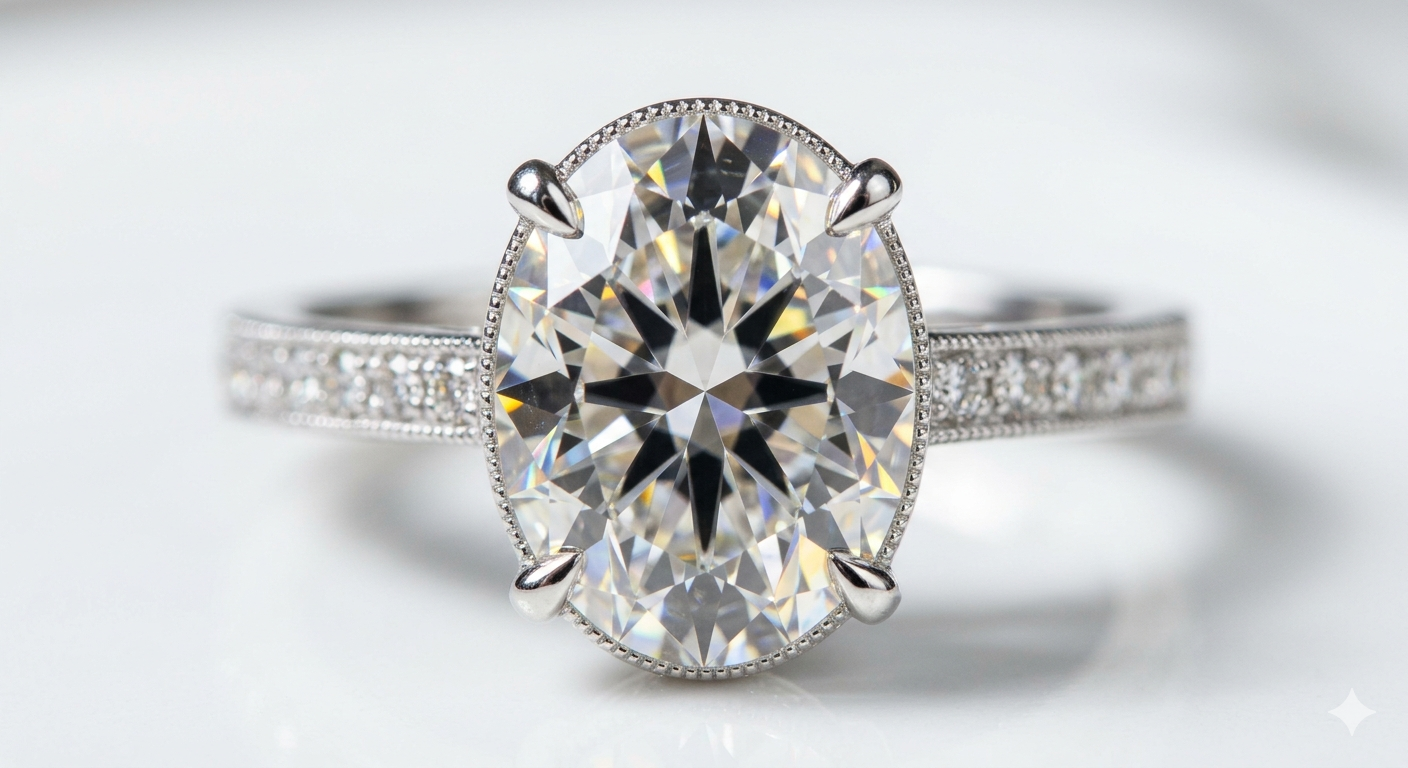
Oval diamonds have a soft, rounded outline with an elongated appearance. They can create a lengthening effect on the finger and can offer strong brightness when the stone is well cut.
One feature to check is the bow-tie effect. This is a darker area that can appear across the center of some oval diamonds. Similar patterns can occur in pear and marquise shapes.
A slight bow-tie may be acceptable to some buyers. However, a broad, dark, or persistent bow-tie can affect how attractive the diamond looks.
View an oval from different angles and in normal lighting. Look for a stone that remains bright and balanced as it moves.
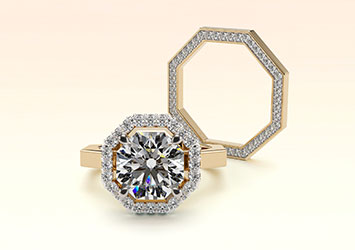
Oval diamonds work well with solitaire, halo, pavé, and three-stone settings.
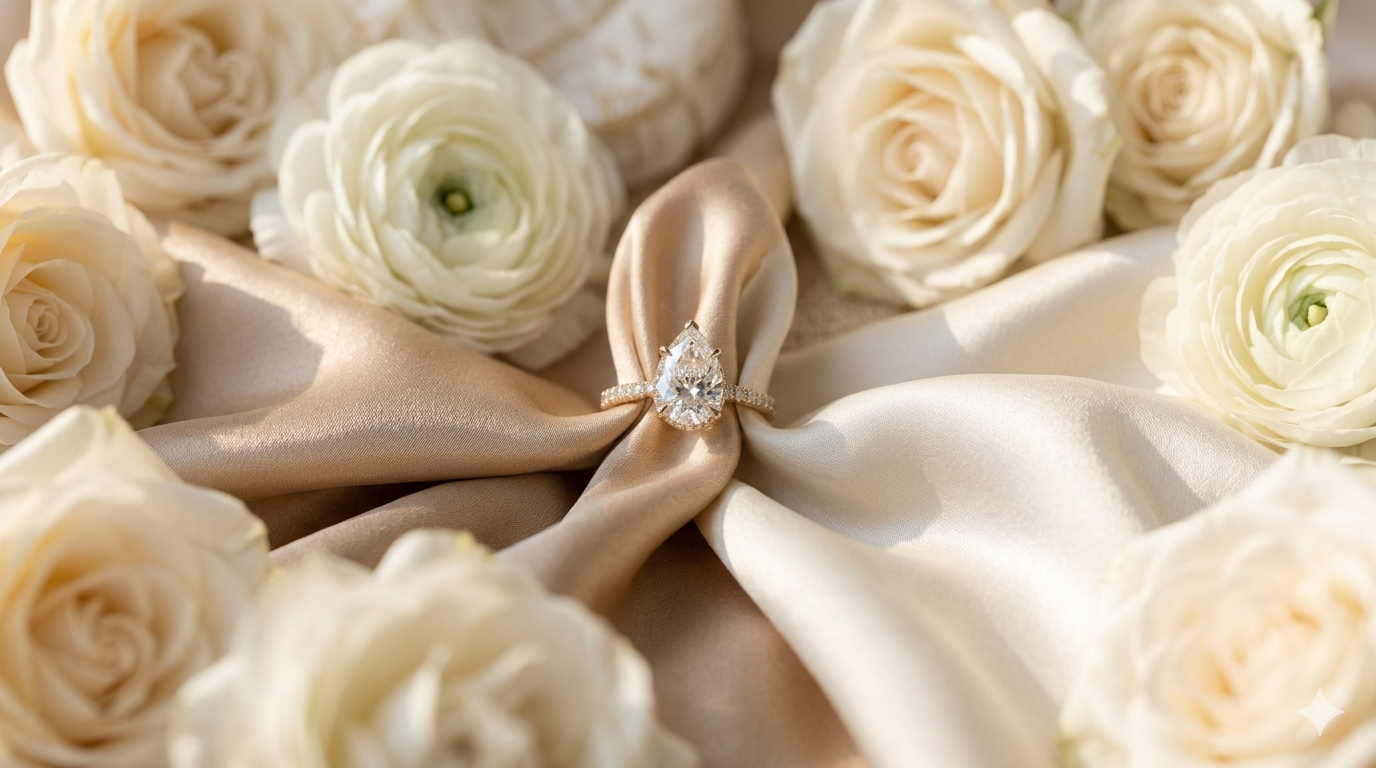
Pear diamonds combine a rounded end with a pointed tip, creating a teardrop shape. They offer a romantic look and can create a lengthening effect on the finger.
Symmetry is especially important. The two sides should look balanced, and the point should line up with the center of the rounded end.
The pointed tip also needs protection. A V-prong can help protect the tip, while a bezel can provide more coverage.
Pear diamonds work well in halo, solitaire, and three-stone designs. If you are comparing Trio engagement rings, a pear center stone with two smaller side diamonds can create a classic three-stone look.
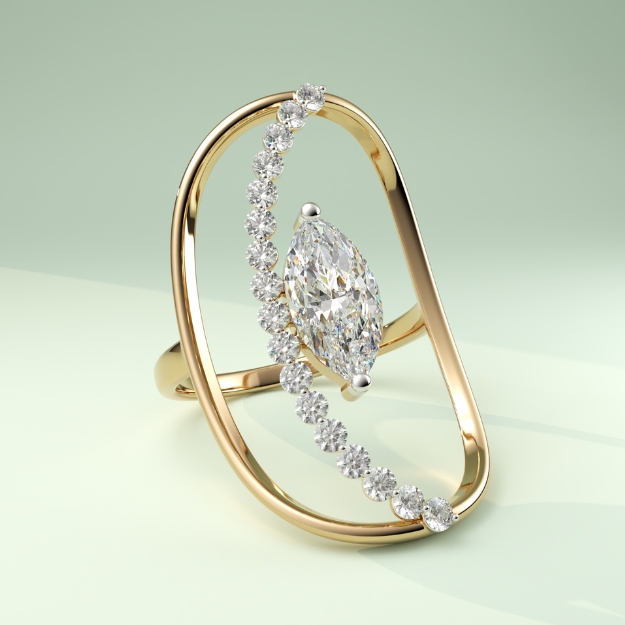
Marquise diamonds are long and narrow with two pointed ends. They offer strong finger coverage and often have a vintage feel.
Because both ends are pointed, protection is important. V-prongs can cover the tips, while a bezel can provide additional coverage.
Symmetry also deserves close attention. Uneven sides can be easy to notice because of the long outline.
Marquise is a good choice if you want a dramatic shape, vintage character, and a long look on the finger.
Emerald cuts have a rectangular outline and long, step-cut facets. Instead of the intense sparkle of a brilliant cut, they create broad flashes of light and a clean, mirror-like appearance.
Their large, open facets can make clarity easier to see. For this reason, inspect an emerald diamond carefully instead of choosing its clarity grade based only on the report.
Emerald cuts are a good fit if you prefer a calm, polished appearance over maximum sparkle.
Popular settings include:
Solitaire
East-west settings
Baguette side stones
Art Deco-inspired designs
A narrow emerald can look sleek, while a wider emerald can create a softer, more traditional appearance.
Radiant cuts combine a crisp rectangular or square outline with brilliant-style faceting. This can give them a lively sparkle while keeping a clean geometric shape.
A rectangular radiant creates a longer appearance. A square radiant looks more balanced.
If you like the clean outline of an emerald but want more sparkle, radiant may be a better match.
In simple terms:
Emerald: clean, calm, mirror-like flashes
Radiant: bright, lively sparkle
Neither is automatically better. Choose based on how you want the diamond to look.
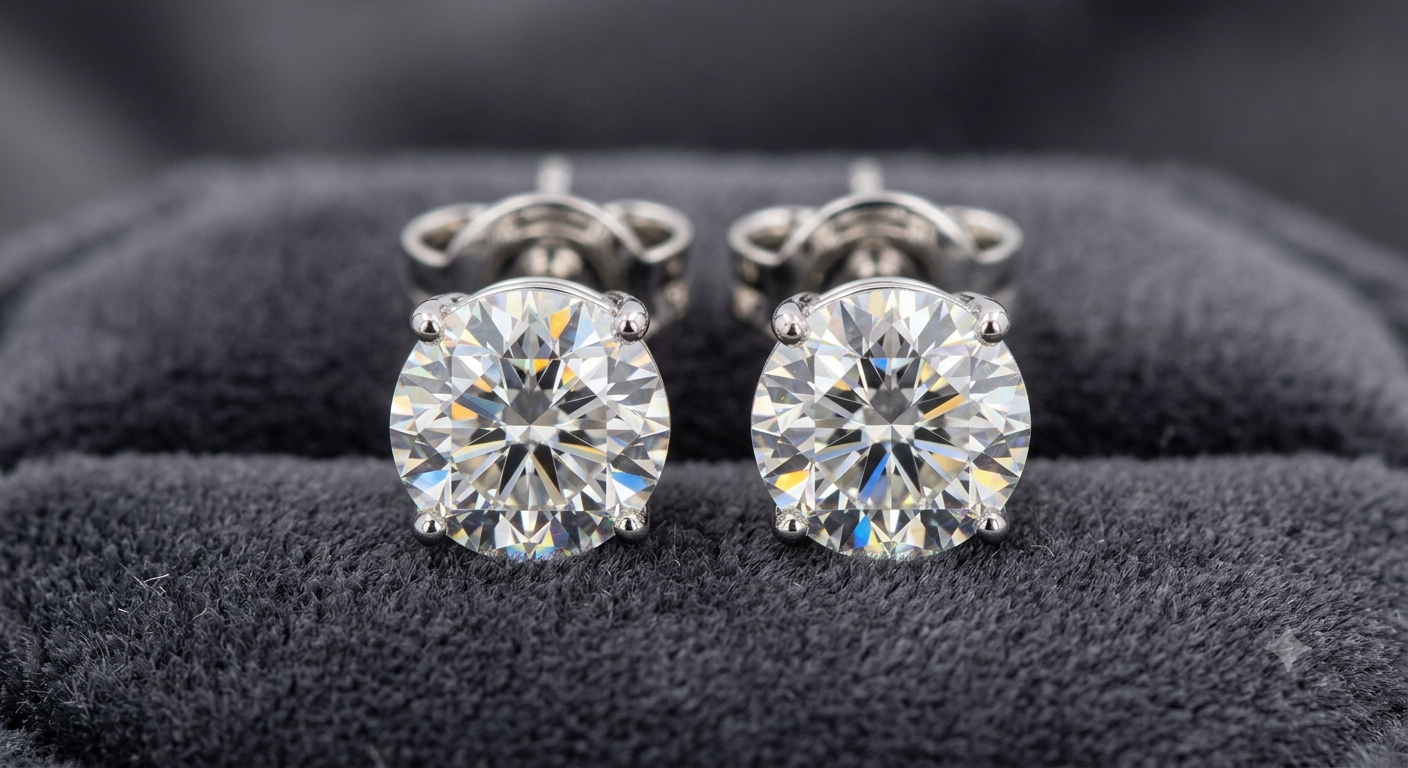
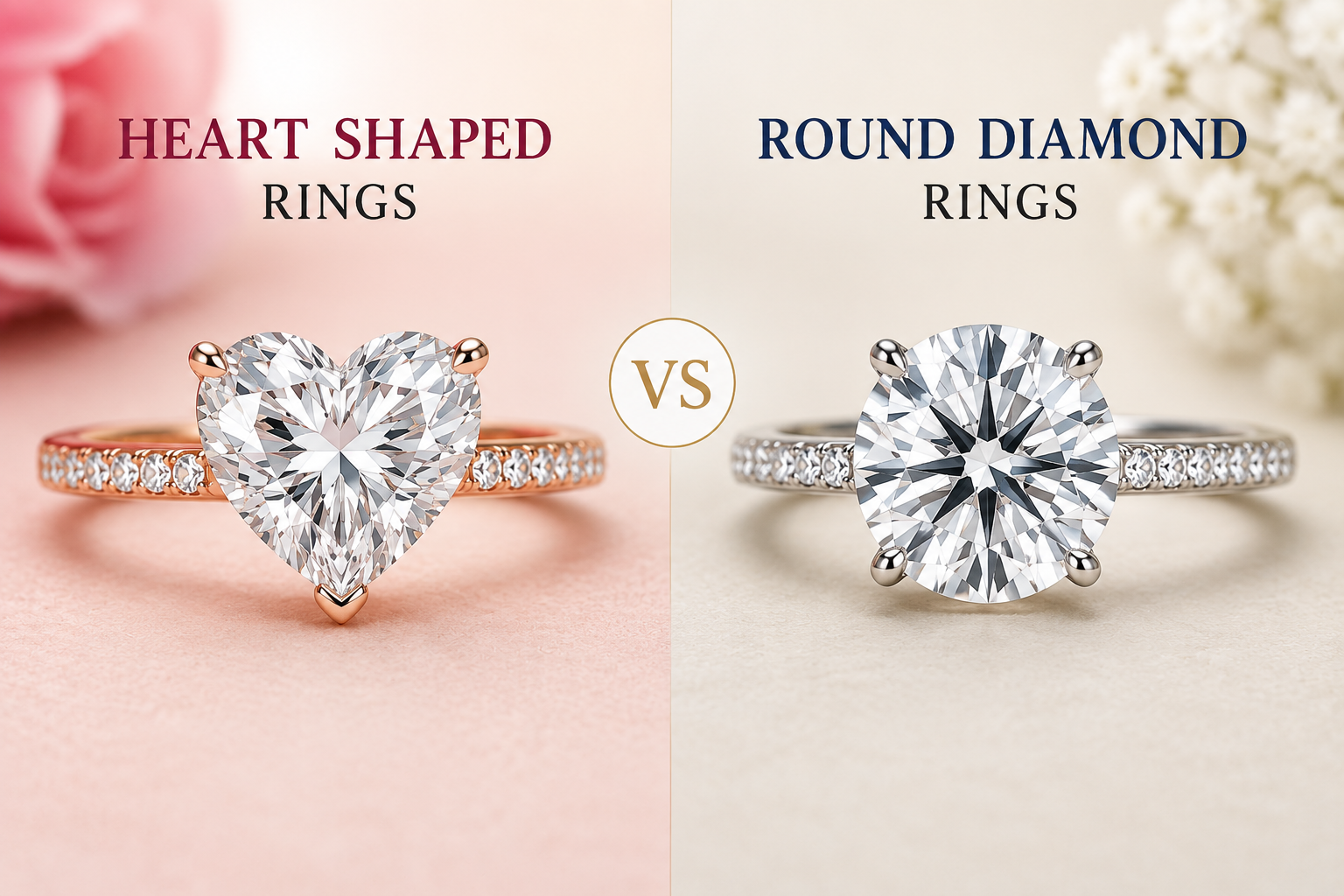
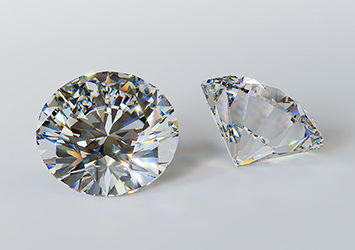
Round brilliant is the classic choice for diamond brilliance. It is also the only shape that currently receives an official overall GIA cut grade, making it easier to compare cut quality across stones.
Round diamonds work with almost every setting, including:
Solitaire
Pavé
Halo
Three-stone
Choose round if you want timeless style, strong brilliance, and maximum setting flexibility.
Princess diamonds have a square or rectangular outline with pointed corners. They offer a modern, geometric appearance and can show strong sparkle.
The corners need attention because they are more exposed than the rounded edges of an oval or cushion.
Protective prongs or a bezel can help guard the corners.
Princess diamonds work well in four-prong, halo, and channel settings.
Cushion diamonds have rounded corners and a soft, pillow-like shape. Their appearance can vary depending on their faceting. Some show large flashes, while others have a crushed-ice appearance.
Cushion is a good choice if you want a softer shape with vintage appeal.
Asscher diamonds have a square outline and deep step-cut facets. They are known for their strong Art Deco appearance and hall-of-mirrors effect.
Like emerald cuts, their open facets can make inclusions easier to see. Inspect the actual stone carefully before deciding on clarity.
Asscher diamonds work especially well in vintage and geometric settings.
Not every diamond shape shows clarity and light in the same way.
Brilliant-style shapes, such as round and radiant, have many facets that can break up the view into the stone. This can sometimes make small inclusions less obvious.
Step-cut shapes, such as emerald and Asscher, have larger and more open facets. This can make inclusions easier to notice.
Elongated shapes can also show patterns such as bow-ties.
That is why you should not automatically choose the highest clarity grade you can afford. Instead, look at the actual stone and decide whether it appears clean to your eye.
The same principle applies to sparkle. A diamond's shape gives it a particular visual character, but the quality of its proportions and faceting affects how attractive that character looks.
Lab grown and natural diamonds have essentially the same physical properties. For everyday wear, however, the shape and setting can affect how well a ring handles bumps and impacts.
Rounded shapes such as round, oval, and cushion have fewer exposed points.
Pear, marquise, and princess diamonds have pointed tips or corners that need suitable protection.
This does not mean pointed shapes are unsuitable for daily wear. It means the setting should protect their vulnerable areas.
For example:
Pear: V-prong at the tip
Marquise: V-prongs at both ends
Princess: protective corner prongs or bezel
Radiant: secure protection around the corners
If you work with your hands often or have an active lifestyle, pay extra attention to setting security.
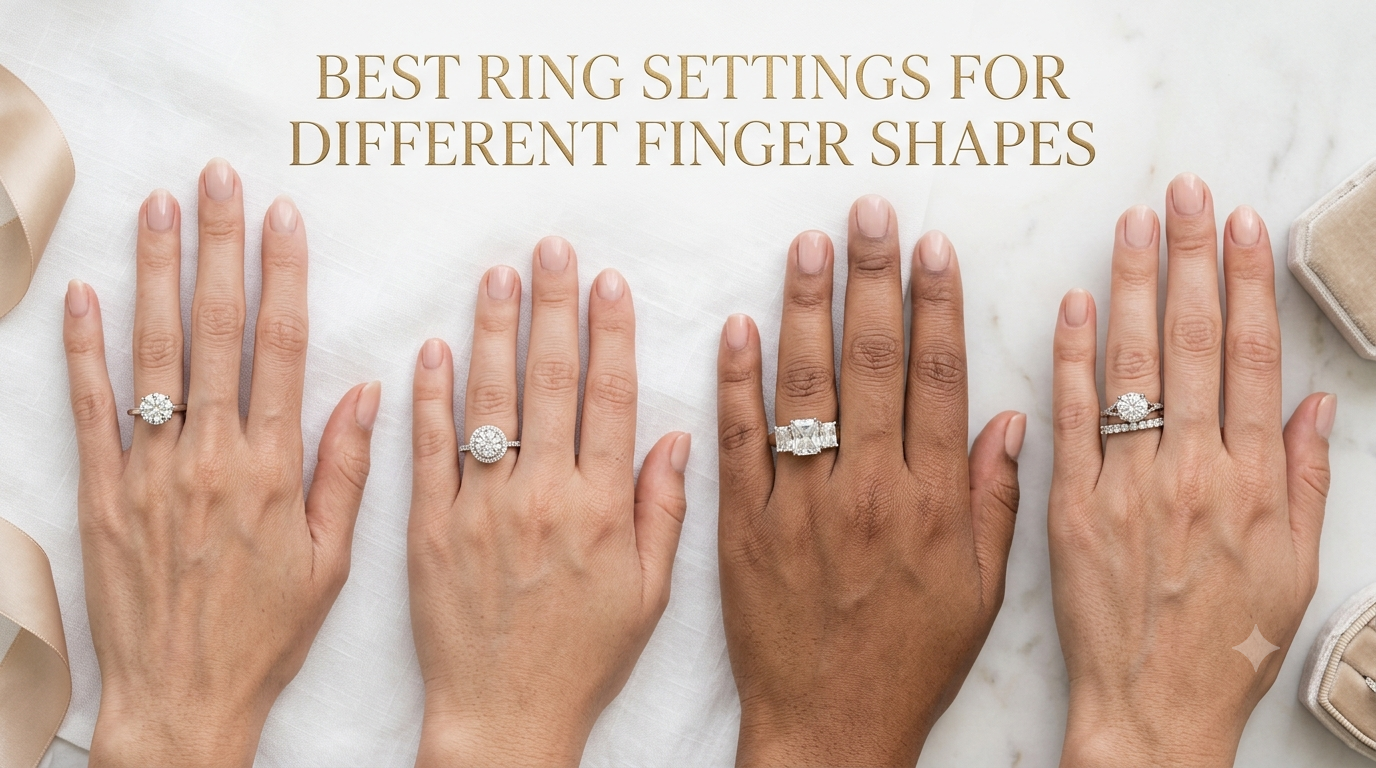
There is no strict rule that says one shape is right for a particular finger. These are useful style guidelines:
Want classic sparkle: Round
Want a longer look: Oval, pear, or marquise
Want strong sparkle with a geometric outline: Radiant
Want a clean, elegant look: Emerald
Want vintage style: Cushion or Asscher
Want modern geometry: Princess, radiant, or emerald
Want a romantic shape: Pear or oval
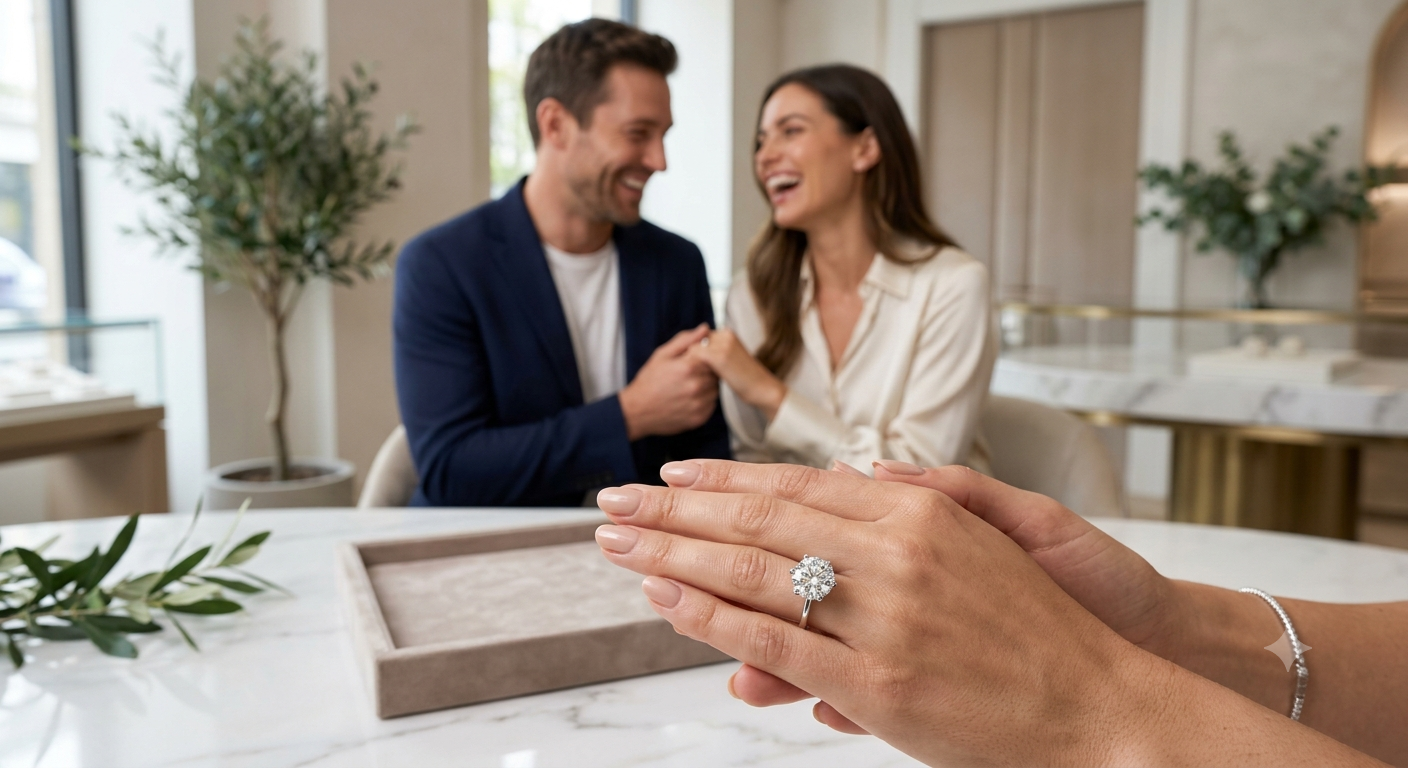
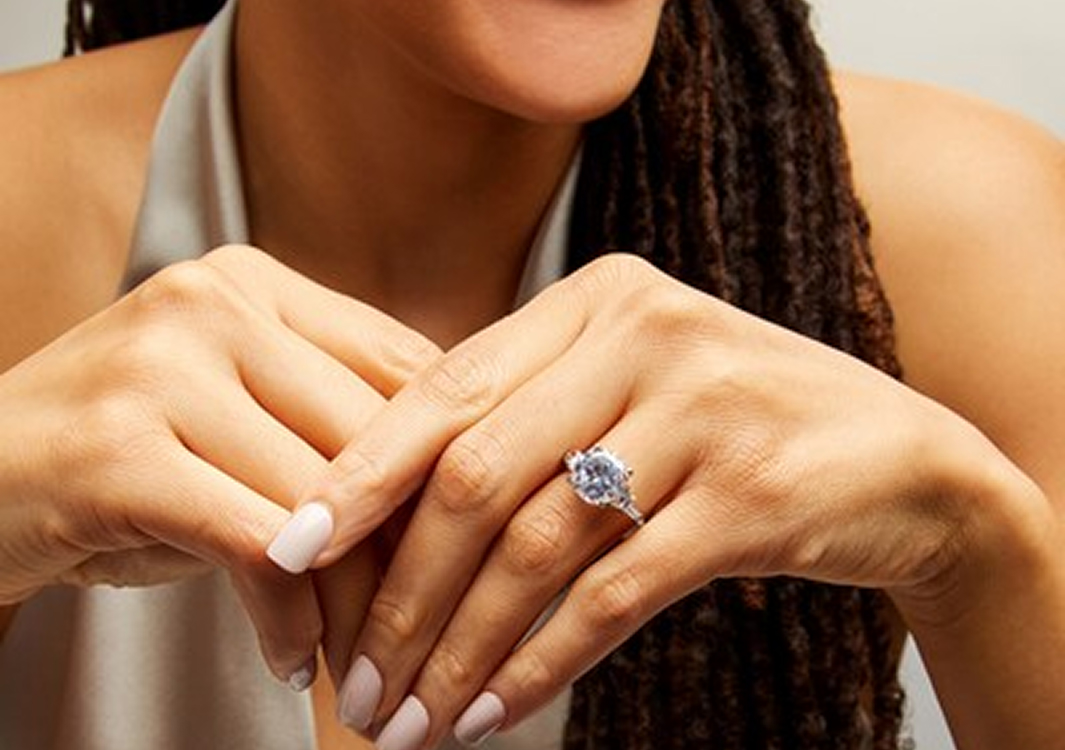
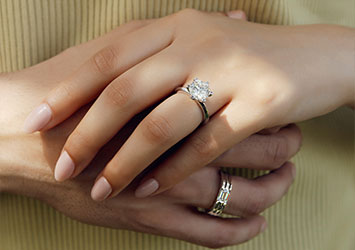
Try different shapes on your hand if possible. Finger width, ring size, band design, and setting height can all change the final appearance.
For more guidance on choosing a setting that works with different hand proportions, see Best Ring Settings for Different Finger Shapes.
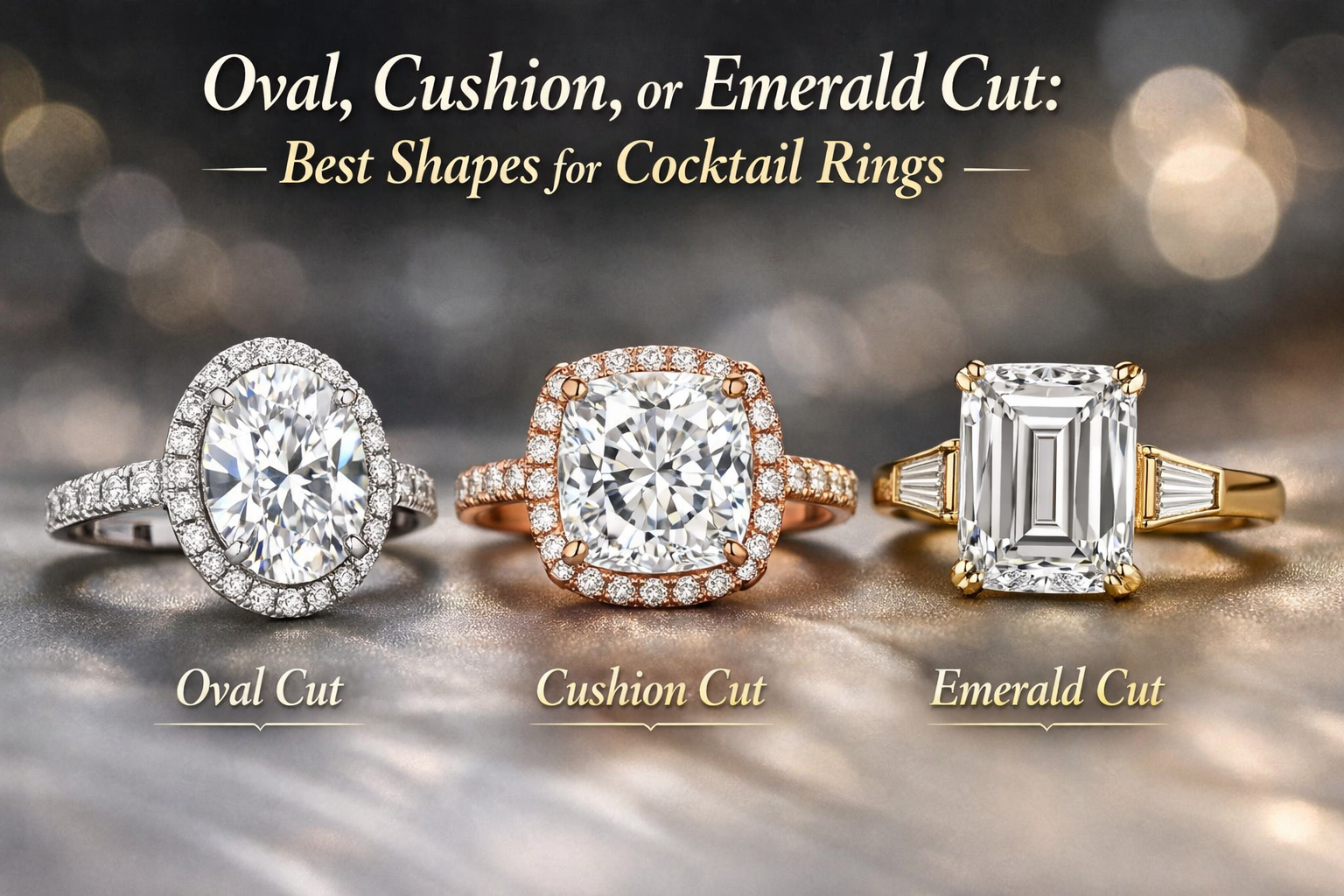
If you prefer a more dramatic jewelry style, looking at a cocktail diamond ring can also help you understand which shapes and stone sizes naturally catch your attention.
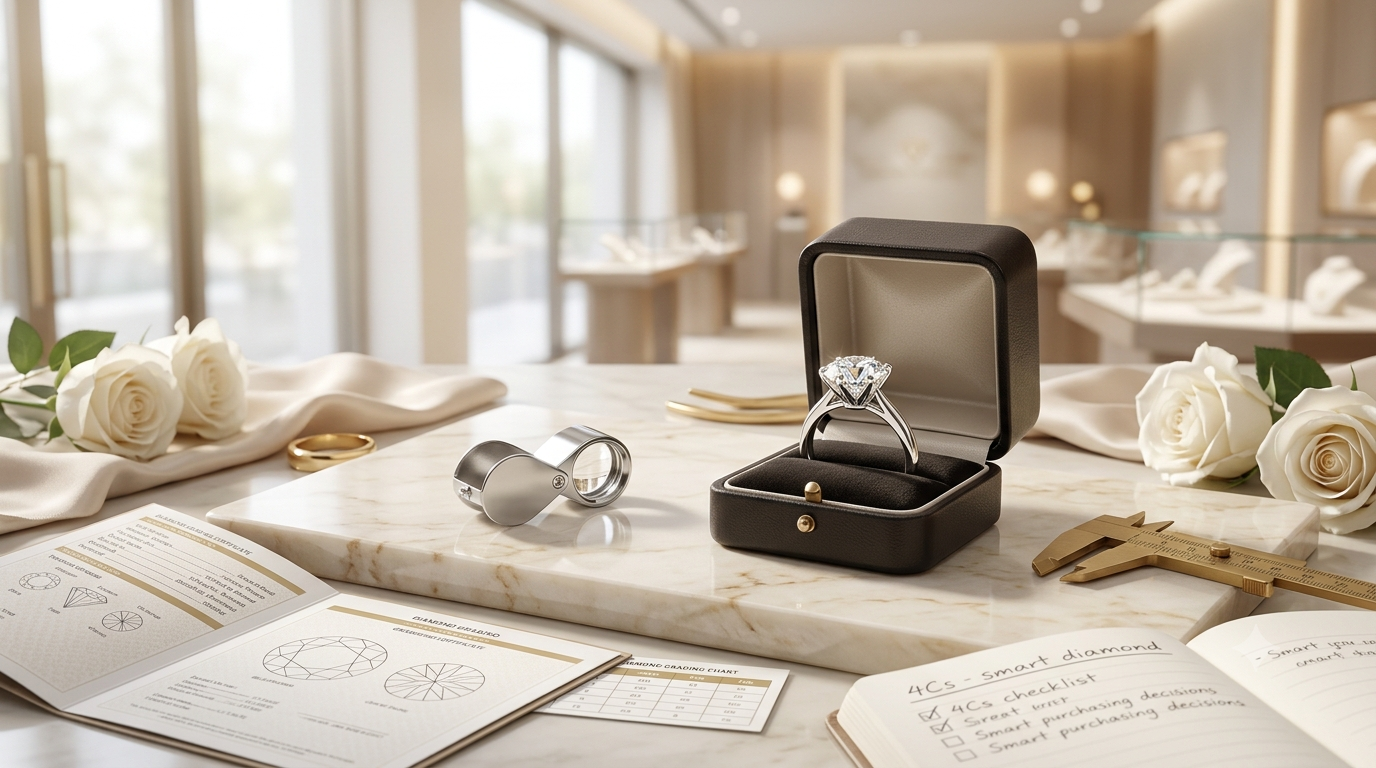
Before choosing the setting, inspect the diamond itself.
Check:
Face-up brightness
Bow-tie appearance in oval, pear, or marquise
Symmetry
Visible inclusions
Color appearance
Length and width in millimeters
Length-to-width ratio
Protection around points and corners
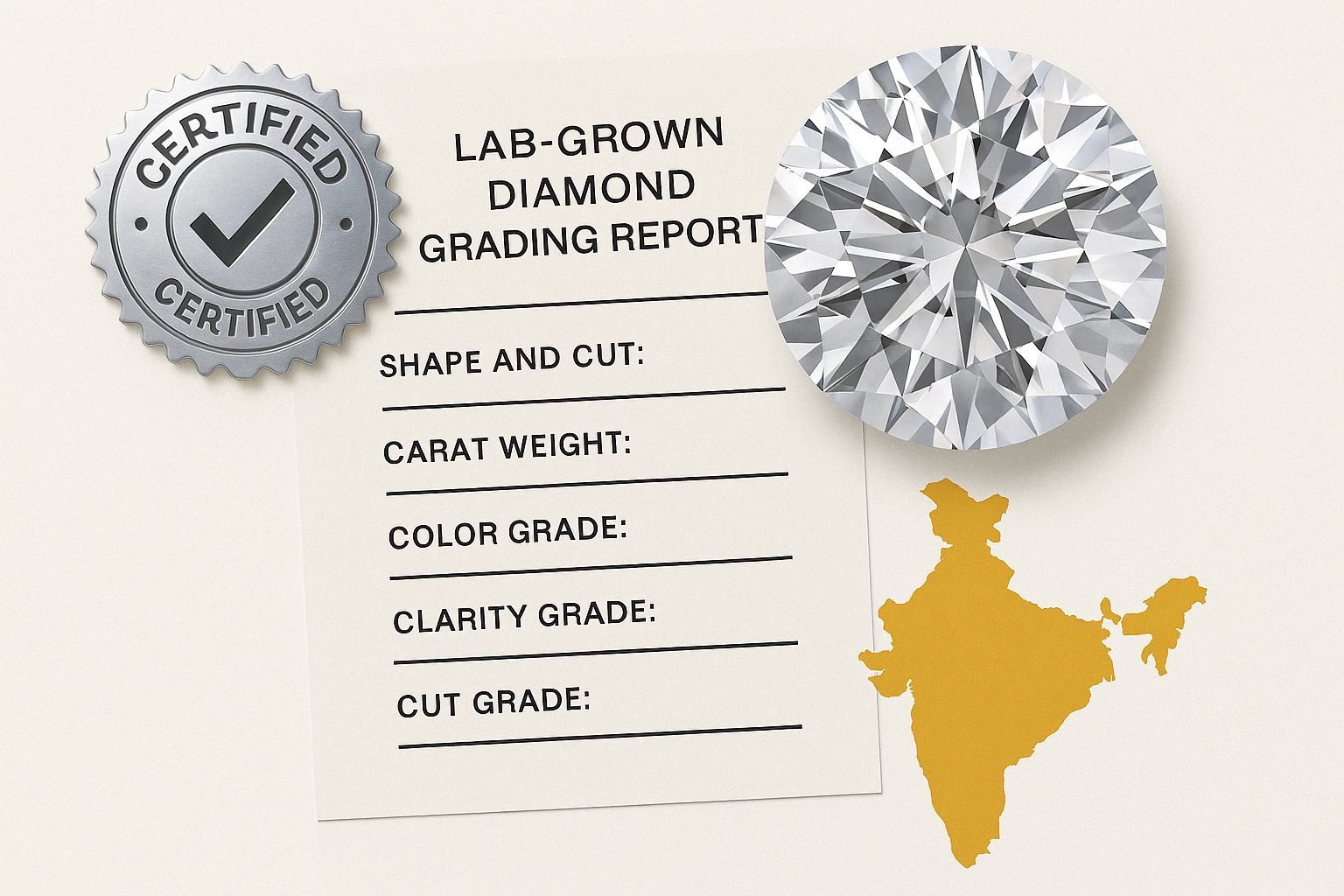
Grading documentation
Do not judge a diamond only by carat, color, and clarity grades. The actual stone matters.
You should also confirm that the documentation clearly identifies the diamond as laboratory grown.
The FTC says laboratory-created or laboratory-grown diamonds should be clearly disclosed as not being mined diamonds. The disclosure should be clear and easy for consumers to understand.
Before purchasing, check the seller's return policy as well. Having enough time to inspect the finished ring can make the buying process much easier.
There is no single best shape. Round is a strong choice for classic brilliance, while oval, pear, and marquise can create a longer look. Your style, hand, setting, and budget should guide the decision.
Elongated shapes such as oval, pear, and marquise often provide strong face-up coverage for their weight. However, actual millimeter measurements vary between individual diamonds, so compare length and width rather than carat weight alone.
Round brilliant is the classic choice for strong brilliance. Radiant can also offer a lively, high-sparkle appearance because of its brilliant-style faceting. The actual appearance depends on the individual diamond's proportions and light performance.
Lab grown diamonds have essentially the same physical properties as natural diamonds. For everyday wear, the shape and setting also matter because pointed tips and exposed corners need suitable protection.
Shape is the diamond's outline, such as round, oval, or pear. Cut describes the diamond's facet design, proportions, polish, symmetry, and interaction with light.
Step-cut shapes such as emerald and Asscher can make inclusions easier to see because their larger, open facets provide a clearer view into the stone.
A bow-tie is a darker area that can appear across the center of an oval, pear, or marquise diamond. View the diamond from different angles and in normal lighting to decide whether the effect is acceptable to you.
A V-prong is commonly used to protect a pointed tip. A bezel can provide additional coverage. The best setting depends on the design, lifestyle, and level of protection you want.
The best lab grown diamond shape is not necessarily the largest stone or the latest trend. It is the one that fits your style, hand, lifestyle, and budget.
Choose round for classic brilliance, oval for length and sparkle, pear for romance, and marquise for dramatic finger coverage. Choose emerald for clean, quiet shine, radiant for bold sparkle, cushion for soft vintage charm, or Asscher for Art Deco character.
Before buying, follow a simple process:
Choose the shape you like.
Compare millimeter measurements.
Check the length-to-width ratio.
Look at the diamond's actual light performance.
Check symmetry and visible clarity.
Protect vulnerable points and corners.
Review the grading documentation.
Check the seller's return policy.
The right diamond is not simply the one with the biggest carat weight. It is the one that looks beautiful on your hand, suits your lifestyle, and continues to feel right every time you wear it.

 Round
Round Pear
Pear Heart
Heart PRINCESS
 Oval
Oval CUSHION
 EMERALD
 MARQUISE
 Asscher
 RADIANT
 Ashth CUT
 ROSE CUT
 BRIOLETTE
 SINGLE CUT
 TRAPEZIUM
 TULIP
TULIP TRIANGLE
 BUTTERFLY
 FLOWER
 MOVAL
MOVAL CLOVER
 BAGUETTE
 9KT ASHTH CUT
 9KT MARQUISE
 9KT PEAR
 9KT RADIANT
 9KT EMERALD